Advertising disclosure: This page includes affiliate product links that may earn us a commission, as well as products from our own store.
Some product links may be affiliate links. If you shop through them, Mind Muscle Perfection may earn a commission at no extra cost to you.
What if a hard set involved almost no conventional repetitions? Instead of repeatedly lifting and lowering a weight, eccentric quasi-isometric training asks you to resist a position for a prolonged time as the muscle slowly lengthens. That might sound like a complicated way to make a simple workout harder. A recent six-week experiment offers a more useful question: does this unusual method build muscle and strength as well as ordinary lifting?
Thirty previously untrained young men were assigned to quasi-isometric eccentric training, conventional dynamic resistance training or a nontraining control. Both active groups generally improved, and the trial detected no statistically clear difference between the two training methods. That is interesting, but it is not evidence that prolonged holds are superior or that anyone should replace their entire program with them. The details of how you use the technique matter more than a dramatic exercise video.
1. Eccentric quasi-isometrics are not ordinary pause reps
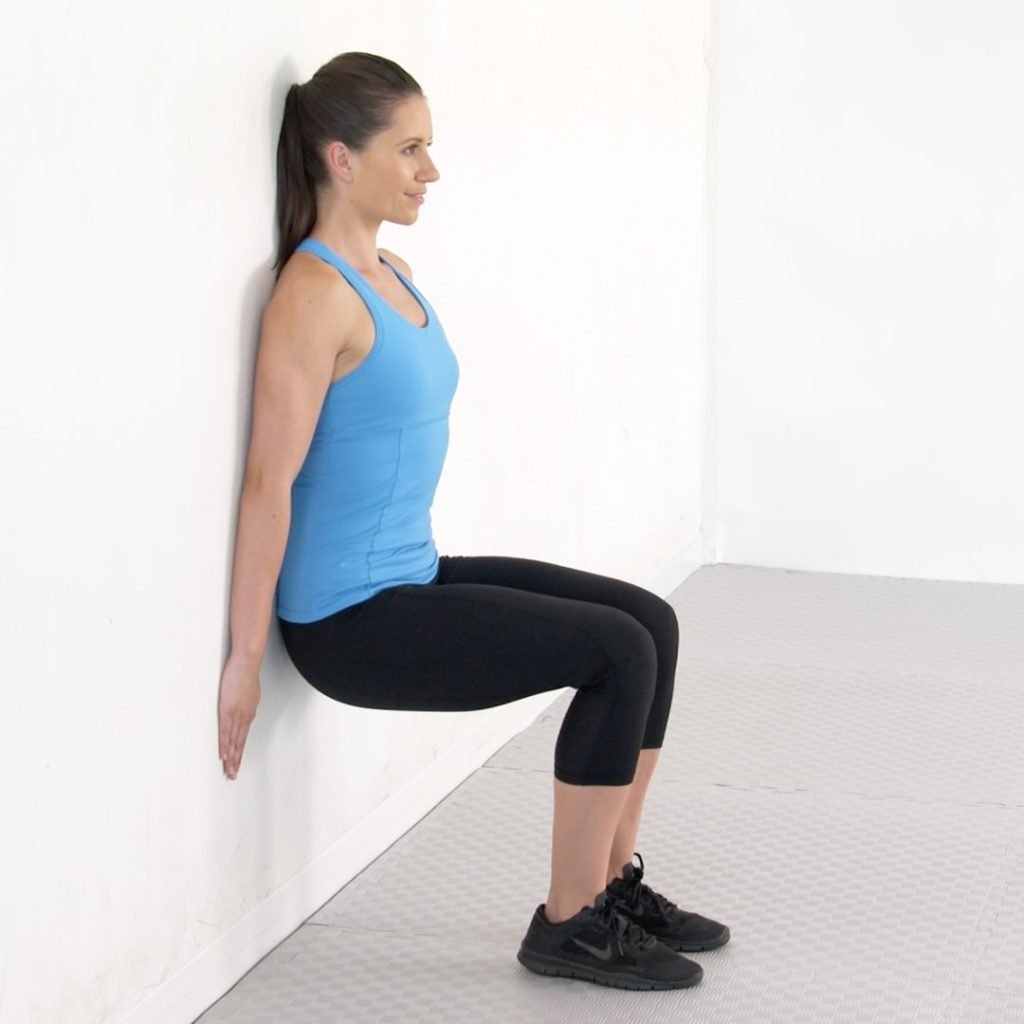
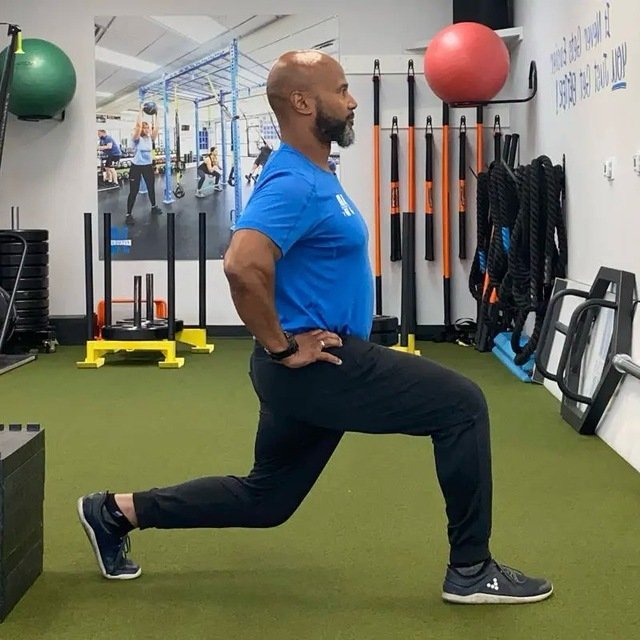
An eccentric contraction occurs while a muscle produces force as it lengthens. Think of the quadriceps controlling the descent of a squat or the elbow flexors resisting a dumbbell as the forearm gradually straightens. A conventional isometric contraction produces force with no obvious joint movement, such as holding a wall sit in one place. An eccentric quasi-isometric, often shortened to EQI, occupies the space between those ideas.
During a quasi-isometric effort, you resist force intensely enough to remain nearly still at first. As fatigue accumulates, you yield slowly, allowing the joint angle and muscle length to change rather than deliberately cycling through regular repetitions. This is different from pausing for two seconds at the bottom of each normal rep. It can also differ substantially from a timed wall sit, depending on the joint angle, resistance and whether the athlete gradually gives way.
The practical appeal is sustained tension without the constant changes in direction of normal lifting. But a thirty-second hold does not automatically equal thirty seconds of effective hypertrophy stimulus. Load, joint position, effort, exercise selection and recovery all influence what the muscles experience. Long duration alone should not become the goal.
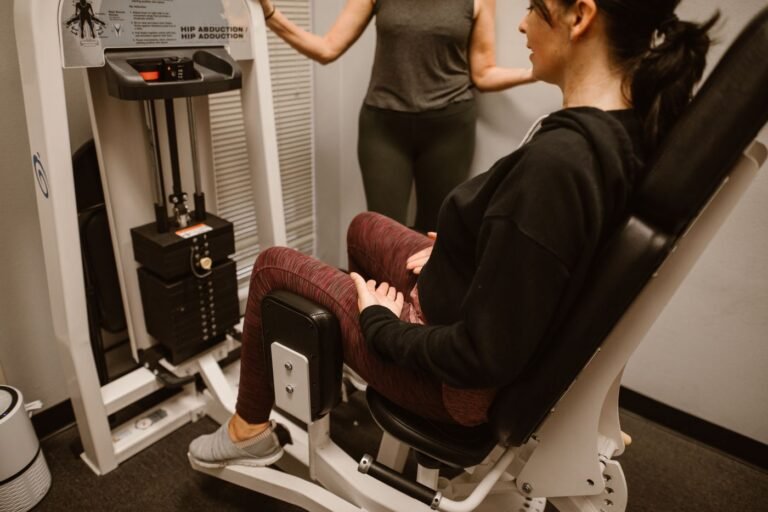
For a first experiment, use a well-supported exercise rather than trying to hold a maximal barbell at a difficult angle. A machine or bodyweight variation makes it easier to control fatigue, stay stable and end the effort safely. A plain wall sit can teach position awareness, but do not confuse it with the precise EQI intervention used in a study.
2. What a six-week comparison of 30 men actually found
The experiment divided thirty healthy men aged eighteen to twenty-six into three groups of ten. One group performed full-body eccentric quasi-isometric training, another used conventional dynamic resistance exercises and the third did not train. The two active groups trained three times per week for six weeks. Researchers compared changes in muscle size, maximal strength, muscular endurance, jump performance and selected blood hormone measurements.
Both training approaches generally produced beneficial changes compared with the inactive group. Crucially, differences between the two exercise methods did not reach conventional statistical significance on the measured outcomes. That means the data did not establish a reliable winner, not that the two programs have been proven identical in every respect.
Some results numerically leaned toward the quasi-isometric group for upper-body strength and endurance, while the dynamic-training group tended to show somewhat larger changes in muscle-size measures, certain lower-body outcomes and jump power. These were directional patterns in a very small sample, not permission to announce that one method wins for arms and the other wins for legs.
Only ten people were allocated to each condition. Six weeks is also a short window in which to judge meaningful long-term hypertrophy, particularly in untrained participants who can improve rapidly through technique and nervous-system adaptation. The study did not demonstrate superior tendon health, injury prevention, rehabilitation success or long-term advantages for experienced bodybuilders. Those are separate questions that require specific evidence.
Read the result as evidence that this method can be a viable training stimulus under supervised experimental conditions. For lifters choosing between methods today, progressive dynamic lifting remains the easier reference point for programming, measuring repetitions and carrying strength through different ranges of motion.
3. Muscle growth depends on useful tension, not the strangest technique
Muscles adapt to repeated mechanical demands that are challenging but recoverable. A controlled hold may produce substantial tension, especially when the effort is high and the position is demanding. Yet a long hold may also turn into an endurance challenge if resistance becomes too easy, or a balance challenge if the setup is unstable. Feeling a fierce burn is not the same thing as measuring muscle growth.
Joint angle can change the training effect. A muscle working at a relatively lengthened position may respond differently from the same muscle trained in a shortened position. This does not mean that every deep, loaded hold is automatically better. Range-of-motion limits, joint comfort, the amount of tension produced and an individual’s tolerance all matter. An exercise may be useful for one person and awkward for another.
Normal repetitions have one enormous practical advantage: progression is visible. If you can move an additional five pounds for the same clean repetitions, or perform two more high-quality reps at the same load, you have a clear benchmark. With a slow yielding hold, progress might appear as longer controlled time, a slightly stronger resistance or better ability to maintain the intended angle. These outcomes are harder to compare unless your setup is consistent.
For a hypertrophy-focused lifter, keep the basic weekly set count and ability to recover in view. Do not stack extra long holds on top of an already demanding routine and assume more fatigue means more growth. If you add EQIs, replace a small amount of existing accessory work initially. That is a cleaner experiment than adding a new training stimulus while changing everything else.
4. Strength, endurance and power are different targets
Maximal strength involves producing high force in a task you have practiced. Muscular endurance involves repeating or sustaining effort longer. Power combines force with movement speed. A demanding slow hold can support strength and local endurance adaptations, but it does not reproduce the coordination demands of a fast lift, a vertical jump or a heavy competition squat.
If your main target is a bigger barbell bench press, retain heavy and moderately heavy pressing through a controlled range. If your target is a faster jump, keep appropriate dynamic strength and explosive practice in the plan. Neither objective is served by throwing away the skill-specific movement and relying on one prolonged hold to cover every adaptation.
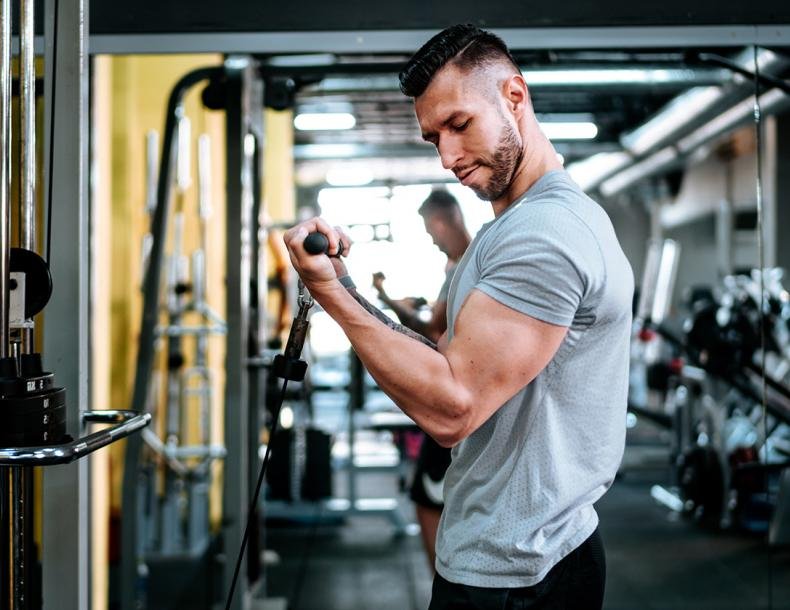
Conversely, sustained efforts can be useful when you want a simple, controlled accessory stimulus with little equipment. Think of a supported squat hold, an elbow-flexion effort at a repeatable angle or an upper-body hold using stable cables. These can be challenging without a large collection of plates, but the position must remain intentional. Moving into a painful or unstable range to prolong the set is not a sign of better training.
When two methods produce similar average improvements over a short experiment, practical details become important: which one you can set up properly, perform consistently, recover from and progressively overload. Different goals may call for a different mixture of holds and repetitions. A hybrid plan is often more workable than an all-or-nothing switch.

Equipment Worth Exploring
Explore equipment, accessories and gear from our carefully selected range.


FID Bench MAX
Adjustable bench offering flat, incline, and decline positions + adjustable headrest.



VOLTRA
Compact digital cable trainer with smooth, adjustable resistance.

Go-Tone Pro
Portable digital cable trainer with up to 66 lb (30 kg) of adjustable resistance.

5. How to experiment with EQIs without turning a session into a stunt
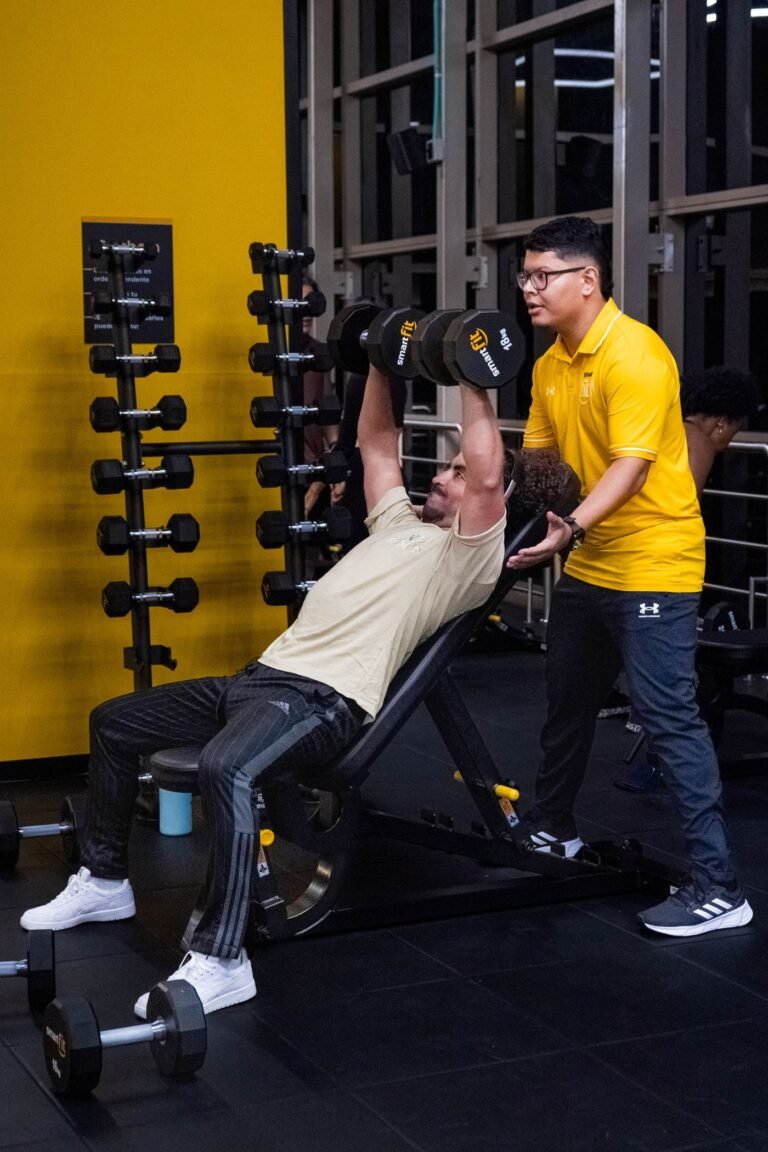
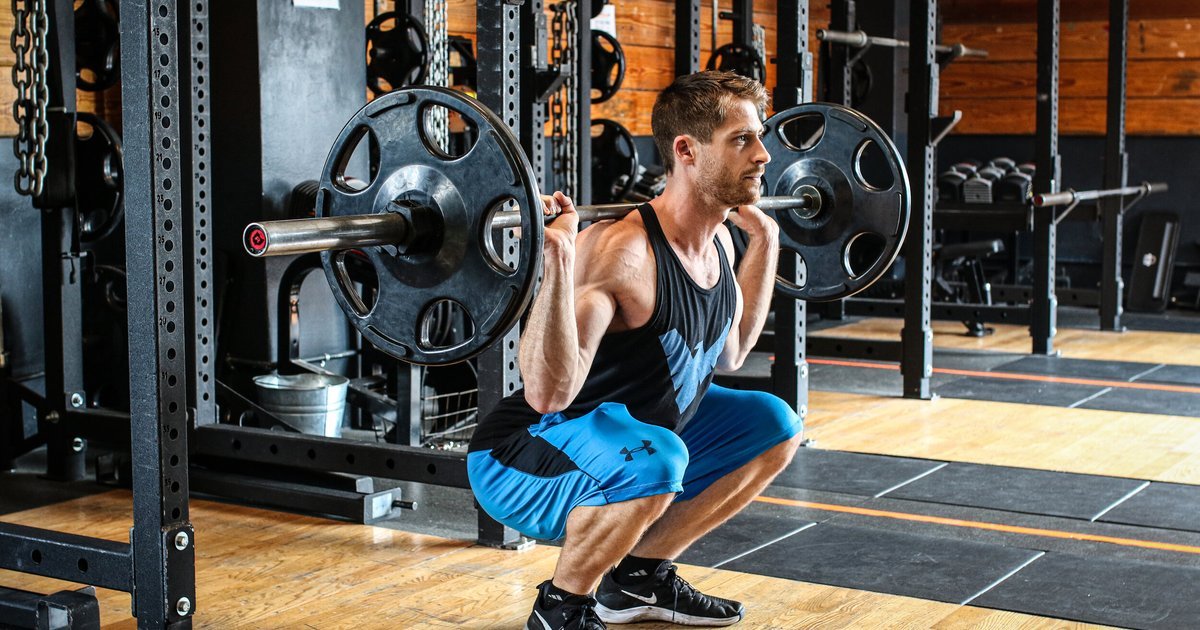
Begin with a thorough warm-up and several ordinary light repetitions. Choose one accessory movement where you can stop immediately, such as a cable curl, machine chest press or a supported split-squat position. Avoid a heavy free-barbell hold performed without a rack, safeties or a competent spotter. Keep your breathing normal rather than holding it for the entire effort.
For a conservative introductory trial, perform one or two controlled holds of roughly fifteen to thirty seconds, ending before posture collapses. This is a practical experiment, not a reconstruction of the study’s exact protocol. The goal is to learn what the tension feels like and whether you can reproduce the movement. A hold that causes sharp pain, dizziness, numbness or loss of stability ends immediately.
After each attempt, take enough recovery that the next effort does not become simply a test of breathlessness. For an accessory movement, roughly one to two minutes may be a useful starting point, with longer rest if force and control fall off. More demanding lower-body efforts may need a considerably longer break. The interval is adjustable, not a rule to chase.
Start the next session at the same joint angle with comparable resistance and record the time you maintained good technique. If the hold is easy and clean across all prescribed sets, increase resistance modestly or extend duration slightly, but not both at once. If you cannot reproduce the position accurately, reset the load rather than extending the set at a progressively worse angle.
For people recovering from injury or dealing with a painful joint, experimentation is a different matter. Do not assume that a technique described as nearly static is automatically suitable for rehabilitation. Loading, tissue tolerance and safe ranges should be individualized with an appropriate clinician or qualified professional.

Bodybuilding Shirts & Workout Gear
Bodybuilding shirts, tanks and gym gear for lifters chasing muscle, size, symmetry and the pump.

Unlock Your DNA Meme – Ultimate Top T-Shirt
Show some lifting attitude with a playful “Unlock Your Gym DNA” tee.


GymRat Ingredients – Essential Meme Top T-Shirt
Show some powerlifting attitude with a playful “GymRat Ingredients Funny Graphic” tee.

Weights Breakfast Pancake Plates Morning Workouts T-Shirt
Keep things casual with a little “Weights For Breakfast” attitude.

Installing Muscles Meme – Motivation Decal Bros & Sticker
A fun “Installing Muscles” touch for bottles, laptops, and lockers.

Protein Monster Humorous Vest & Tank Top
Train hard, laugh a little, and rep “Protein Monster”.

Team Natty Natural Hooded Meme Jumper Hoodie
Stay casual and show some lifting attitude with “Team Natty”.

100% Natty Natural Bros & Meme Vest Tank Top
Your gym-day look, with a playful “100% Natty” twist.

Addiction Meme Barbell Addict Top & Gymbros T-Shirt
Make gym days more fun with “Gym Addiction Funny Meme” style.

& Tonic Sweater & Bros Meme T-Shirt
Add a playful “Gym & Tonic” touch to your casual rotation.
6. Build a two-day hybrid routine that still prioritizes regular lifting
Keep conventional dynamic work as the backbone. On an upper-body day, warm up, then perform three sets of a press and three sets of a row using a controlled range and challenging weights. Add two sets of curls or cable triceps work. Only then, if recovery and technique are good, replace the final accessory set with a low-risk quasi-isometric effort. That makes the change easy to track.
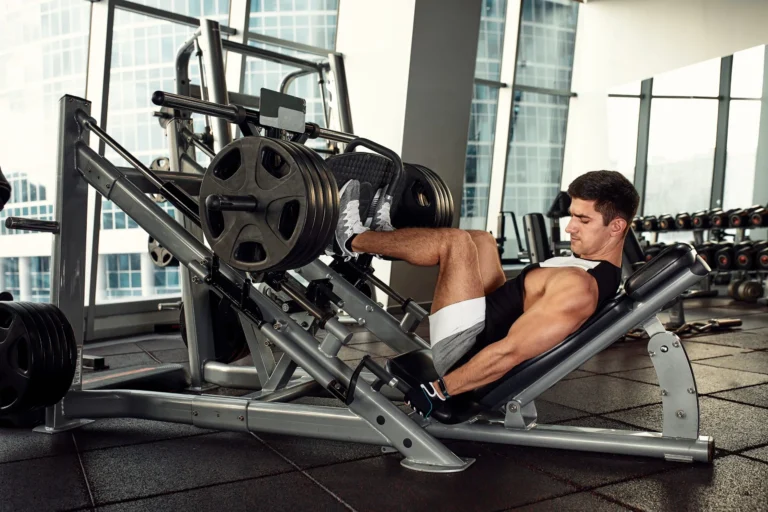
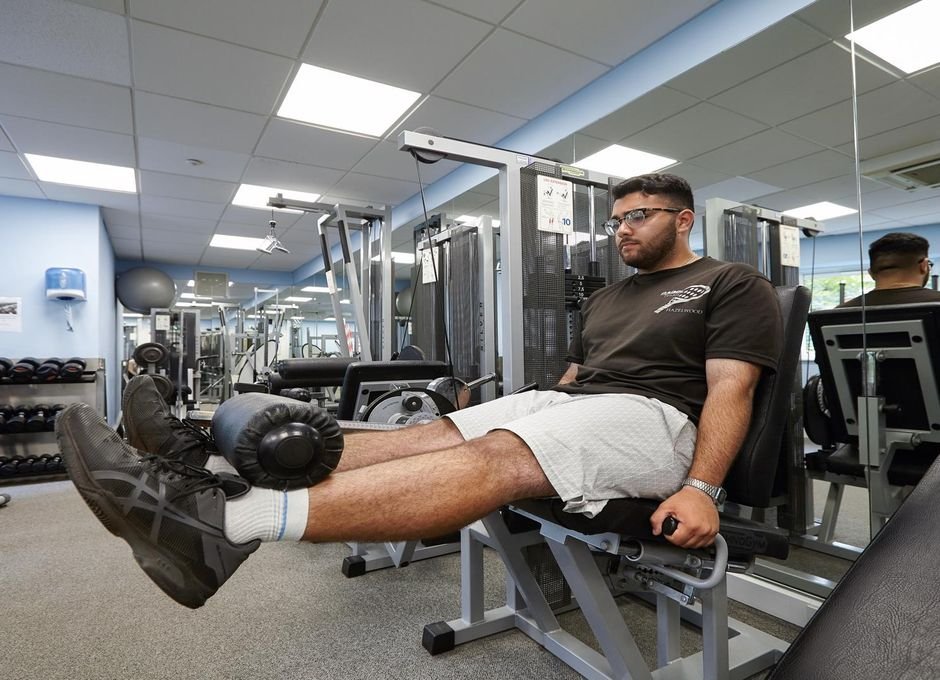
On a lower-body day, begin with three conventional sets of a squat or leg press and two or three sets of a hinge or hamstring movement. After the priority work, try one supported split-squat or machine-based hold at a comfortable angle. Avoid combining a prolonged deep hold with maximal squatting if you are already exhausted or lack safe escape options.
Repetitions for the dynamic work can sit in a practical range of about six to twelve for main lifts and eight to fifteen for accessories, using loads that leave around one to three good repetitions in reserve. Those are adjustable coaching targets, not prescribed study parameters. Rest adequately between hard sets so that the quality of the main work does not collapse.
Across the week, count all the direct and indirect work a muscle receives. An EQI hold is not automatically equivalent to an ordinary set of ten reps, so avoid converting every second of tension into an imaginary set count. Keep a consistent baseline, judge soreness and performance, and add complexity only when the simpler plan is already progressing.
The goal is a training schedule that you can repeat for months. Conventional reps let you practice whole movements. A carefully placed quasi-isometric may offer additional variation. Neither should prevent you from returning to the gym recovered and prepared to train hard again.
Equipment Worth Exploring
Explore equipment, accessories and gear from our carefully selected range.
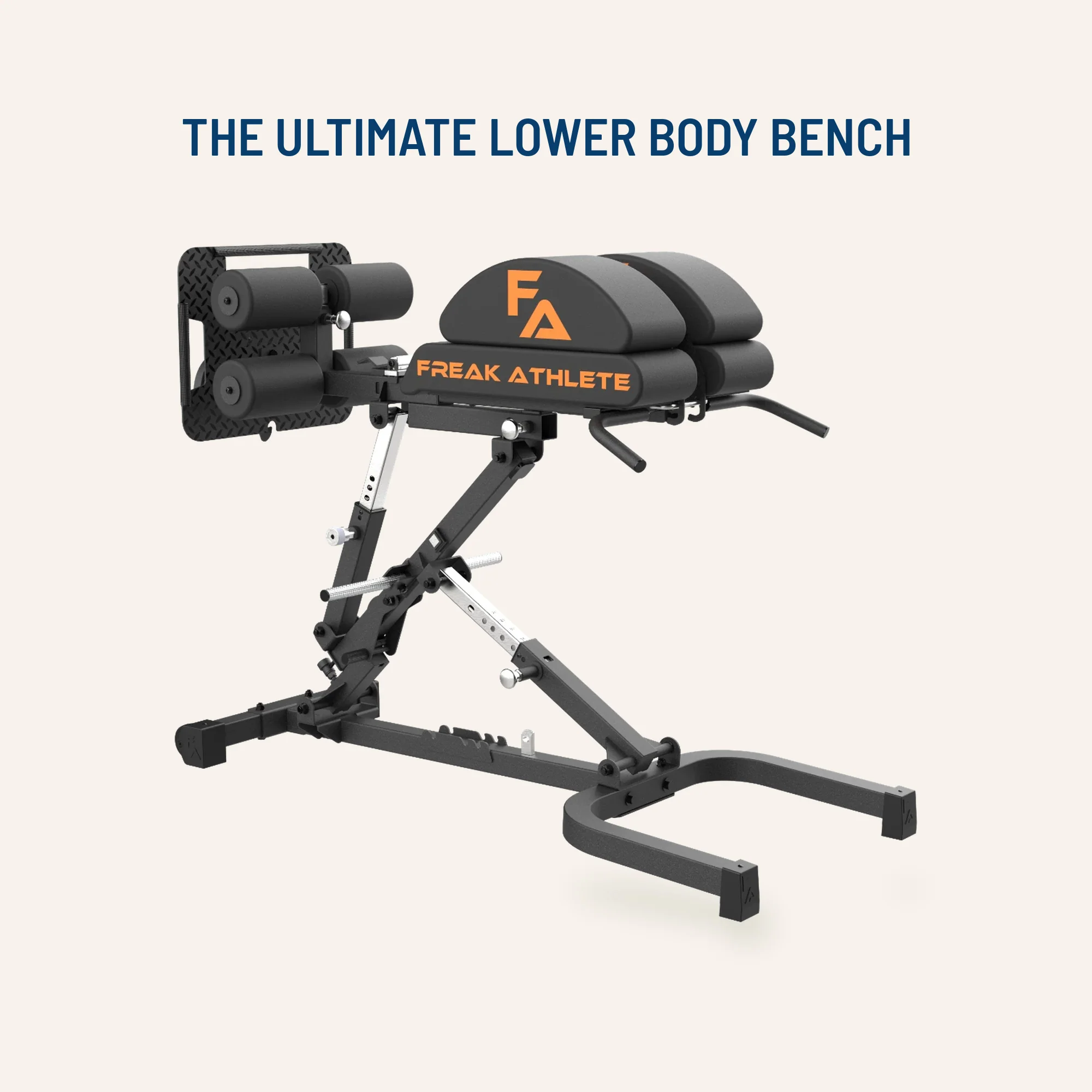


GymPin Squat Wedges
Non-slip 15-degree squat wedges help elevate the heels for deeper quad-focused squats.

Safety Squat Handles
Barbell squat handles that reduce shoulder positioning demands during high-bar squats.
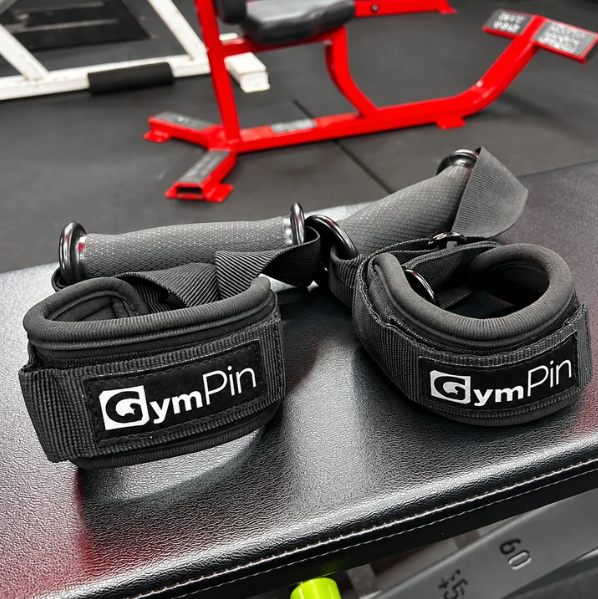
GymPin D Cuffs
Adjustable wrist cuffs with textured grips for supported cable-machine exercises.


7. Track four weeks of performance and let the results guide you
For week one, record your normal dynamic loads, repetitions, rest periods and how the relevant joints feel. Add only one quasi-isometric exercise per session, with the same setup and safe stopping criteria. Use a notebook or training app to note the resistance, approximate joint angle and duration of each controlled hold.
In week two, repeat the same pattern and look for greater control rather than a heroic time record. A stable fifteen-second effort is more useful than twenty-five seconds spent sliding into bad alignment. If a particular position causes disproportionate soreness or interferes with the next session, scale it back or remove it.
During week three, consider a small increase in resistance or time only if the technique remains consistent. Keep the main lifting progression separate. An ordinary barbell or machine set should still have its own performance target, independent of whether the added hold felt difficult.
In week four, compare the number of quality reps in your priority lifts, your controlled hold performance, total workout duration and recovery between days. If dynamic performance improved normally and the holds were enjoyable, keeping one or two modest doses may make sense. If the holds cost time and recovery without any clear benefit, there is no reason to insist on them.
The useful lesson from this research is flexibility, not a miracle shortcut. Six weeks of structured quasi-isometric work helped untrained young men improve, with no clear advantage over ordinary dynamic training in the small comparison. For most lifters, a sensible program of progressive repetitions, adequate rest and repeatable effort remains the foundation. Treat eccentric quasi-isometrics as an optional tool, not a compulsory replacement for the basics.
Funny Gym Shirts & Workout Gear
Funny gym shirts, tanks, hoodies and workout gear for lifters who like training hard.

Meme Shirt – The Ultimate Lifting Is Life Top T-Shirt
Show some bodybuilding attitude with a playful “The Ultimate” tee.

Be A Beast Meme Shirt – Motivational & T-Shirt
Show some powerlifting attitude with a playful “Be A Beast” tee.

O'Clock Digital Clock Meme – Essential T-Shirt
Bring “Gym O'clock Digital Clock” humor to your next gym day.

Muscled Skeleton Deadlifter Meme – Ultimate Top T-Shirt
Show some deadlift attitude with a playful “Muscled Skeleton Deadlifter” tee.

OnlyGains Meme Sweater Bros Jogger Jumper Top T-Shirt
Show some gym-day personality with “OnlyGains Gym Meme”.

– Dost Thou Even Hoist Sir? & Top T-Shirt
For laid-back days and powerlifting humor: “Dost Thou Even Hoist Sir? Workout”.

Gymhead Skull Plate Hooded Hoodie
Keep it laid-back with a little “Gymhead Skull Plate Funny Powerlifting” attitude.


Let It Grow Booty Building Decal Water Bottles & Sticker
Give your everyday gear a playful “Let It Grow” twist.

Skeleton If You'Re Not Scared Vest Tank Top
Bring “Skeleton” humor to your next lifting session.