Advertising disclosure: This page includes affiliate product links that may earn us a commission, as well as products from our own store.
Can a small amount of stretching or full-range strength work improve flexibility? A six-week trial offers a useful starting point for that question, with a limited dose and a specific posterior-chain assessment. It does not settle every mobility debate. The practical value is learning how to choose a manageable intervention, keep the movement controlled and measure the outcome without promising the same response to every lifter.
What the six-week trial actually showed
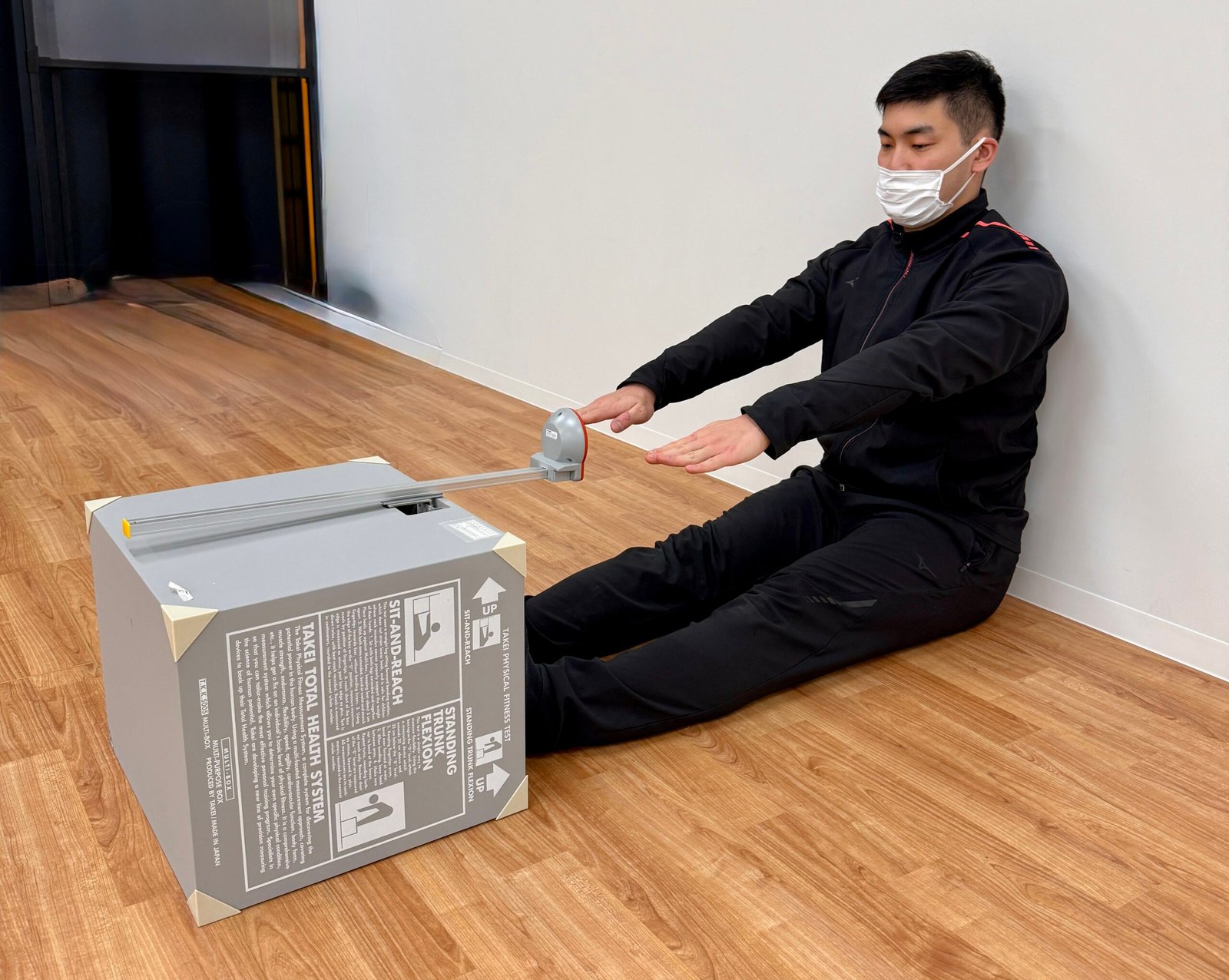
A randomized trial analysed 48 physically active adults aged 18–25, divided equally between static stretching, full-range resistance exercise and a control group. Training took place once weekly for six weeks. The stretching dose was two 60-second sets; the resistance group had matched exercise duration. Both intervention groups improved posterior-chain flexibility relative to control. Mean changes were 3.93 centimetres for stretching, 1.81 for resistance exercise and minus 0.25 for control.
Those numbers describe the particular flexibility assessment, rather than extra centimetres of movement at every joint. The larger average in the stretching group does not, by itself, establish a statistically demonstrated advantage over the resistance group. The abstract reports comparisons against control; that distinction matters before turning the result into a winner-versus-loser headline.
The useful question for a lifter is whether an existing programme can also support a specific mobility goal. That requires identifying the movement that is limited and checking what changes over time. An improvement on one flexibility task should not be silently converted into better squat mechanics, fewer injuries or a guarantee of pain-free training.
Think of the result as a reason to investigate a manageable starting dose, not a universal optimum. A short intervention can show that a change is possible without identifying the best long-term programme. Your own exercise history, starting range and training goals still determine which additional work is worth including.
Stop treating stretching and strength as opposing teams
The broader research supports a more useful view: resistance training can improve range of motion, and stretching can also improve it. Neither observation means every lift replaces every stretch. A movement trains the positions it actually includes, while a flexibility goal may concern a position that your current exercise selection rarely reaches.
Separate the outcomes you want. A hamstring stretch is primarily a way to practise a particular range without a substantial external lifting load. A Romanian deadlift also requires you to manage resistance, maintain balance and coordinate a hip hinge. If both are useful, there is no need to force the entire programme into a single-method identity.
Start by naming the limitation in plain language. Is it difficulty reaching a comfortable hinge depth, an awkward starting position or simply a desire to improve a repeatable flexibility test? Different problems can look similar when described only as tightness. A vague feeling is worth noting, but it is a less useful target than a position you can assess consistently.
Then choose the smallest useful adjustment. A lifter who already practises a controlled hinge may initially focus on consistency rather than adding several new mobility drills. Someone who never trains that movement might need skill practice before a loaded variation. Stretching can remain an option alongside either approach, rather than becoming a competing training philosophy.
Use the range you can control in a hip hinge
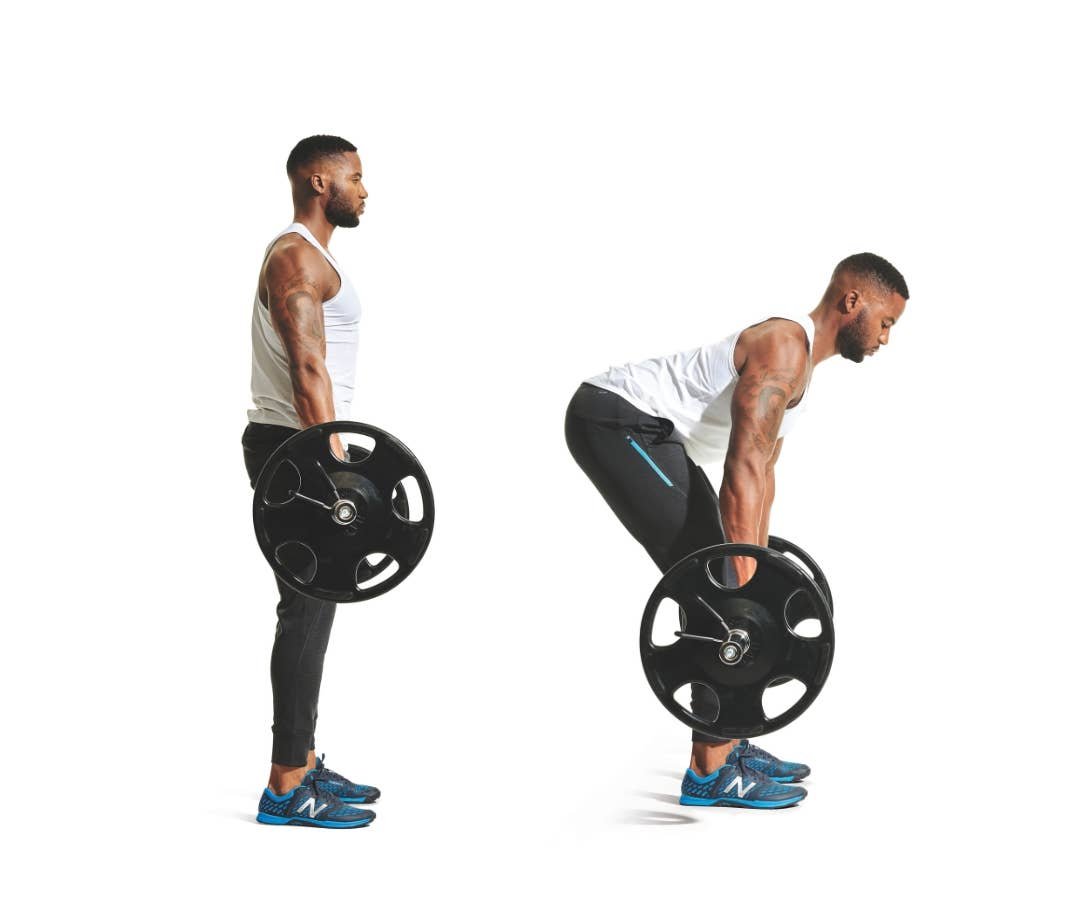
For an ordinary Romanian deadlift, begin standing with the load close, maintain a soft knee bend and move the hips backward as the torso inclines. Keep the weight near the legs. The lowering phase ends where you can maintain the intended technique; reaching the floor is not the objective. This is a practical exercise example, not a reconstruction of the trial's complete protocol.
Full range should be defined for the person and movement being trained. Chasing a lower bar position by changing the movement substantially makes the log difficult to interpret. If the goal is to practise a hinge, notice whether the hips continue moving back and whether the same controlled pattern is present at the bottom of each repetition.
Use an unloaded drill or a light load while learning. Film a side view with the whole movement visible, then compare early and late repetitions. Look for a consistent finish position rather than a single deepest attempt. Increase load only when the intended movement remains repeatable; a flexibility goal does not require turning every repetition into an end-range challenge.
The relevant equipment can be simple: an appropriate barbell, dumbbells or another suitable resistance source. More specialised equipment is not evidence of a better flexibility programme. The selection below offers options for strength practice; it does not imply that buying an item reproduces a research intervention or guarantees a particular gain in range.

Equipment Worth Exploring
Explore equipment, accessories and gear from our carefully selected range.


Rubber Hex Dumbbells
Rubber-coated hex dumbbell pairs with a stable shape for home and commercial strength training.


Leg Day Shirts & Workout Gear
Leg-day gym shirts and workout gear for lifters who never skip squats, lunges and lower-body punishment.

Leg Day Squats Deadlifts Meme Hooded Hoodie
Show off your leg-day humor in a laid-back “Leg Day” hoodie.

Leg Day Is Calling You Sweater Squats & Deadlifts T-Shirt
Add a playful “Leg Day Is Calling You” touch to your casual rotation.


Never Skip Leg Day Squats & Deadlifts Meme , Top T-Shirt
Show some leg-day attitude with a playful “Never Skip Leg Day” tee.

I Look Better Bent Over – Squats, Deadlifts & Booty T-Shirt
Show some leg-day attitude with a playful “I Look Better Bent Over” tee.

OnlyGains Only Gains Meme – Booty & Leg Day Squats, T-Shirt
Show some leg-day attitude with a playful “OnlyGains Only Gains” tee.

Deadlifts & Gains Meme – Essential T-Shirt
Heavy lifts, good laughs, and a little “Deadlifts & Gains” energy.

1 Plate Deadlift Club Meme – Motivational Top T-Shirt
Heavy lifts, good laughs, and a little “1 Plate Deadlift Club” energy.

Deadlift Lovers Grim Reaper Decal Water Bottles & Sticker
Bring “Deadlift Lovers Grim Reaper” attitude to your water bottle or laptop.

Trap Bar Deadlift Behold Thee Trap Bar Medieval Knight Tank Top
Bring “Trap Bar Deadlift” humor to your next lifting session.
Give flexibility work a place in the session
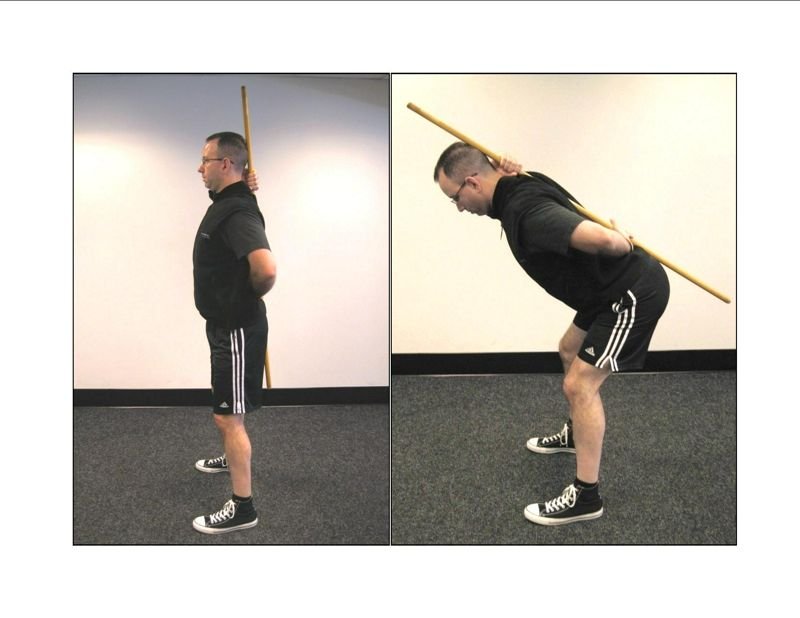
A long-term flexibility practice and the preparation for a heavy set are different tasks. Prolonged static stretching immediately before maximal or explosive work can reduce immediate performance in some circumstances. Brief stretching within a broader dynamic warm-up is a different situation. Plan the timing around what the next part of the session requires instead of treating all stretching as one interchangeable activity.
For a straightforward start, perform your usual gradual warm-up and movement-specific preparation before lifting. Put additional static flexibility work after the main work or in a separate convenient slot if that fits your routine. This is a scheduling option, not a claim that one time of day produces superior long-term results for everyone.
Do not turn the trial's high-intensity stretching label into an instruction to force a painful position. Begin within a tolerable range, move smoothly and breathe normally. Sharp, stabbing or joint pain is a reason to stop rather than push harder. A practitioner can help when a restriction is painful or its cause is unclear.
Make the habit easy to identify in the diary. Write the chosen position, duration and how it felt instead of recording only mobility done. If you add several positions, extra sets and another training day simultaneously, you will have changed much more than one variable. A simple routine is easier to repeat and adjust intelligently.
Measure change without turning the test into a workout
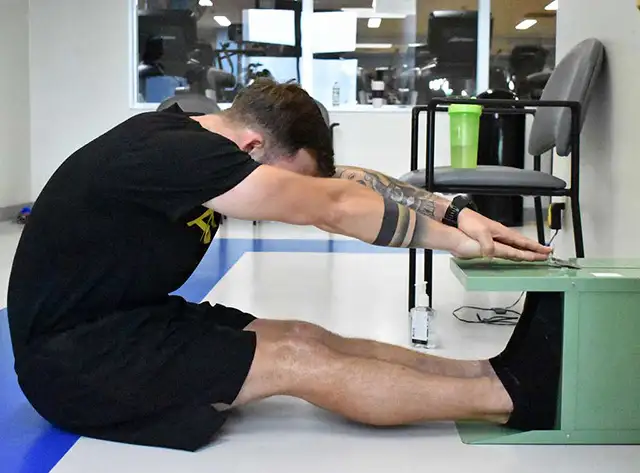
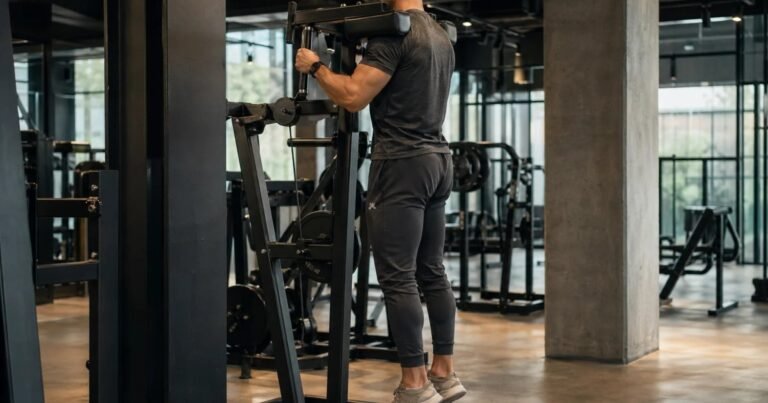
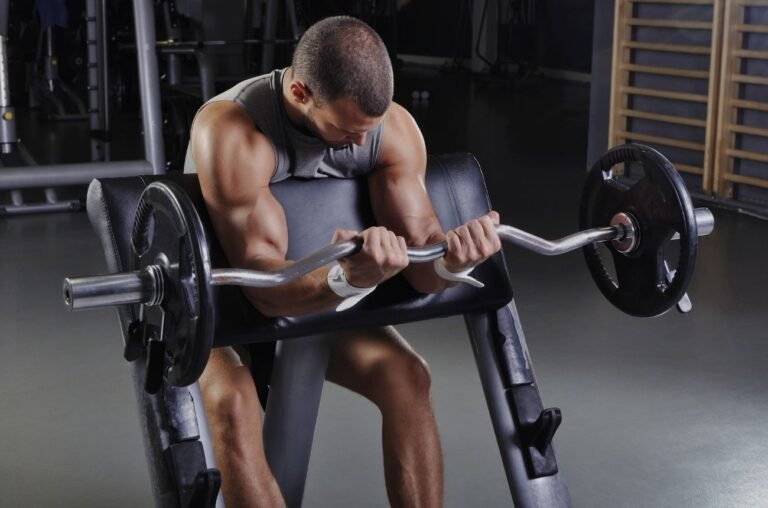
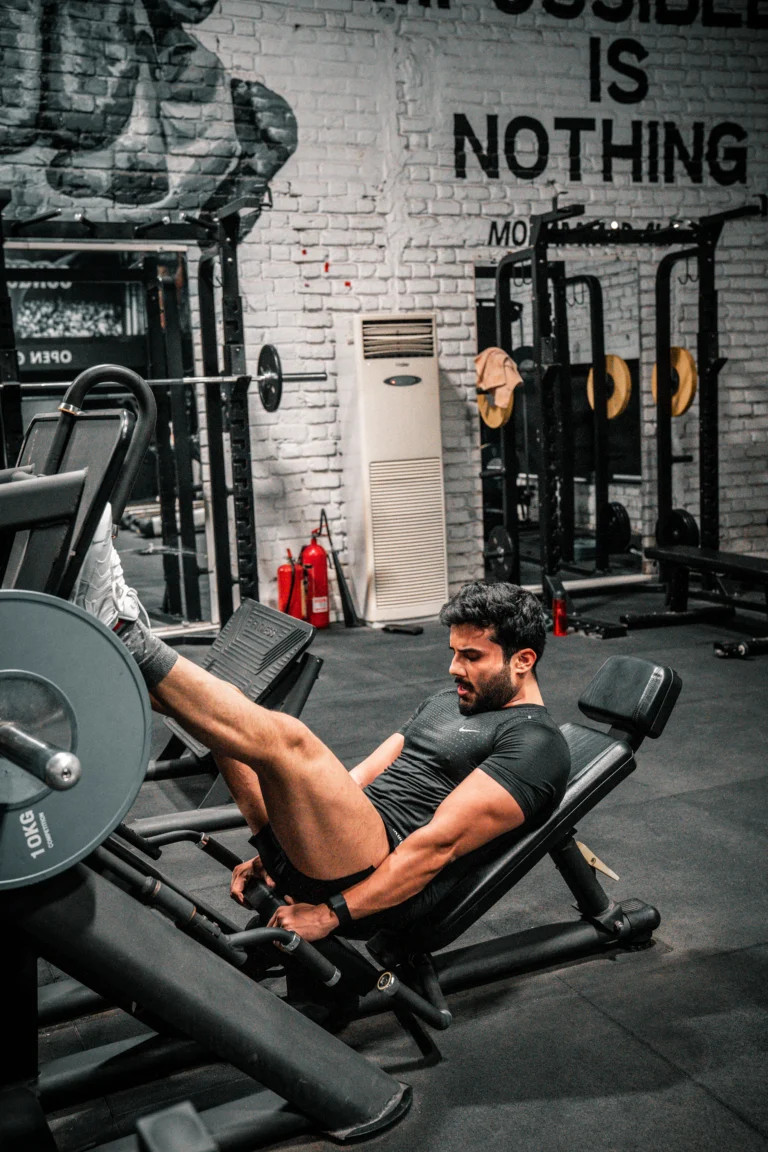
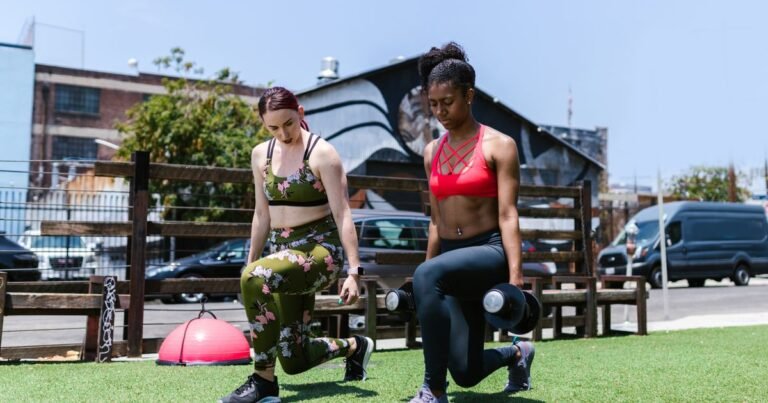
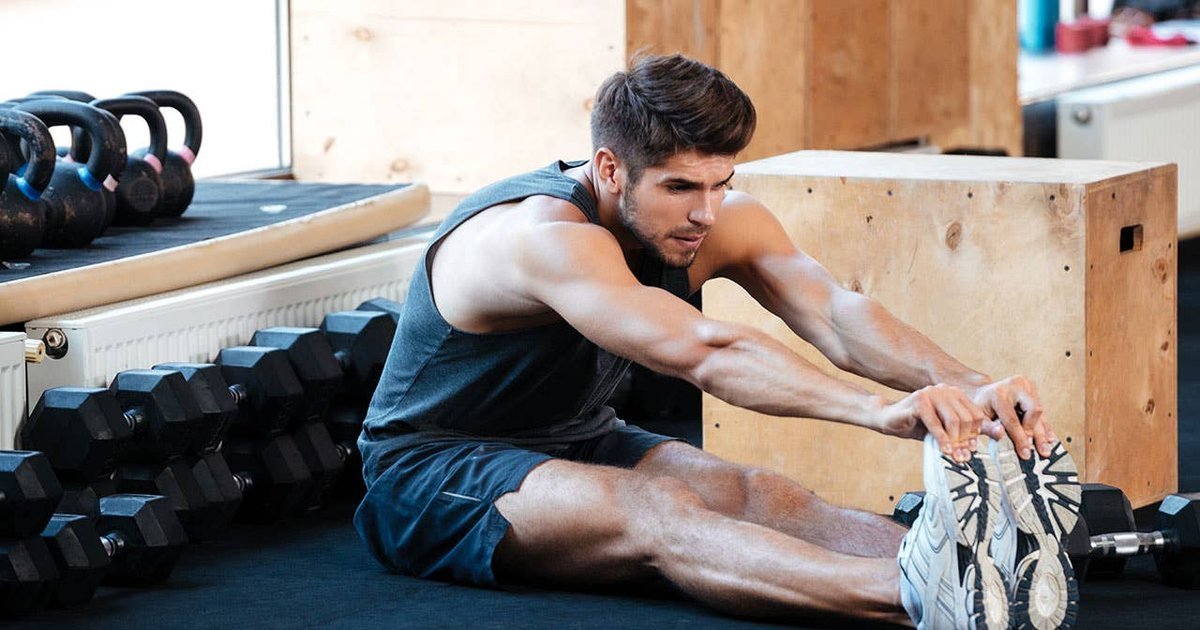
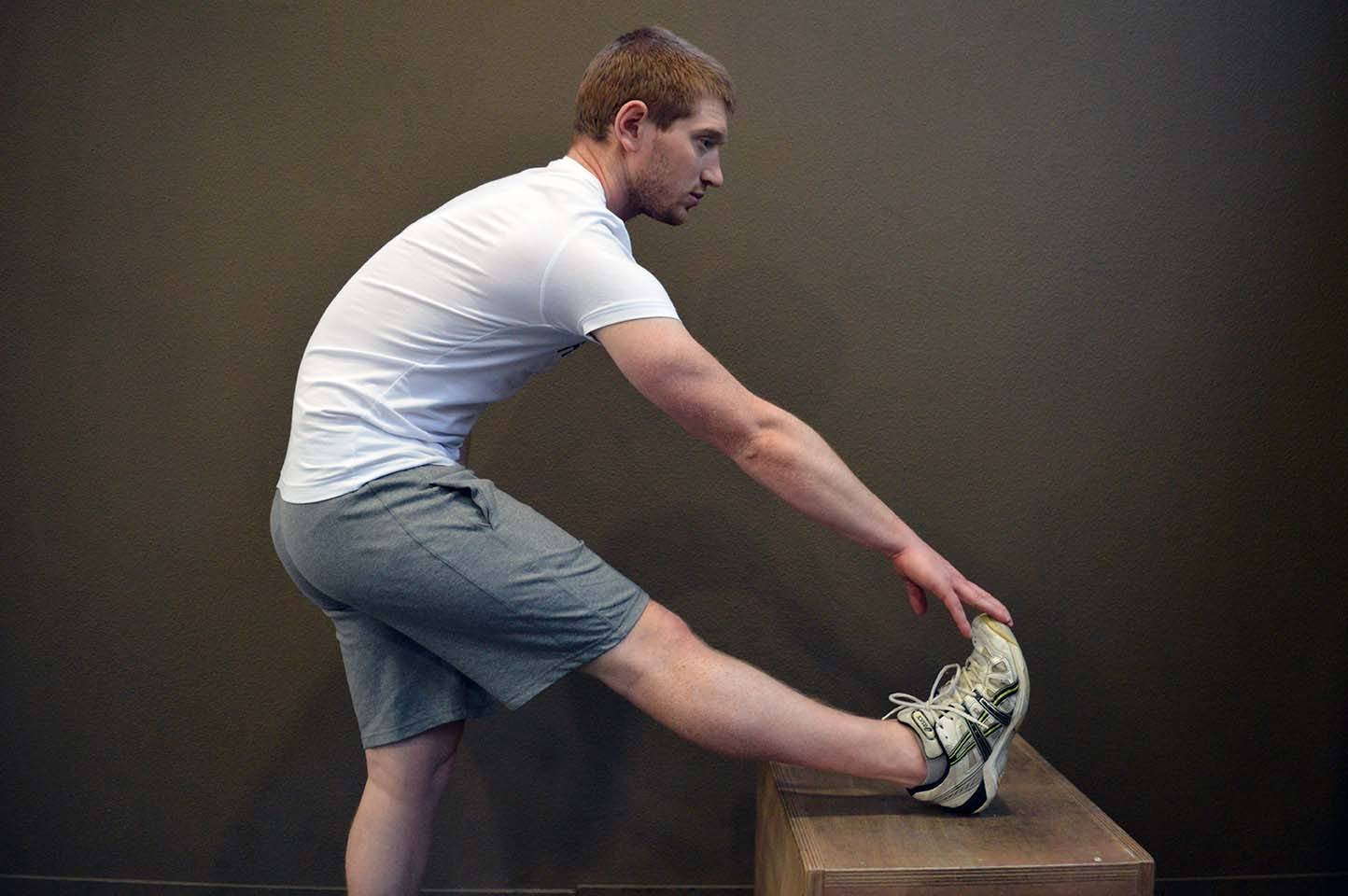
Choose one assessment that fits the goal and keep its setup stable. A seated reach, a standing reach and a hip-hinge video are different tasks; results should not be swapped between them. The photographs illustrate assessment contexts, not the participants or exact measurement apparatus from the trial. For a formal comparison, follow the instructions of the particular test you choose.
Keep the surface, footwear, starting posture, warm-up and instructions as similar as practical. Take the measurement at a consistent point in the training week. Testing immediately after a long stretch on one occasion and before warming up on another makes it harder to know whether a difference reflects a lasting change.
Avoid repeatedly hunting for a personal-best reach. More attempts can become extra flexibility practice, while a different knee position or a changed reaching strategy can alter the score. Record the method alongside the number. A brief video or setup photograph can be more useful than memory when you return to the assessment later.
Also track the movement that actually matters to your training. A reach score may improve while the chosen lift still feels unfamiliar, or a lift may become more controlled without a dramatic test change. Keep flexibility, exercise skill, strength and symptoms as separate observations. Combining them into a single success score can hide the detail that would guide the next adjustment.
Build a modest plan and review it before adding more
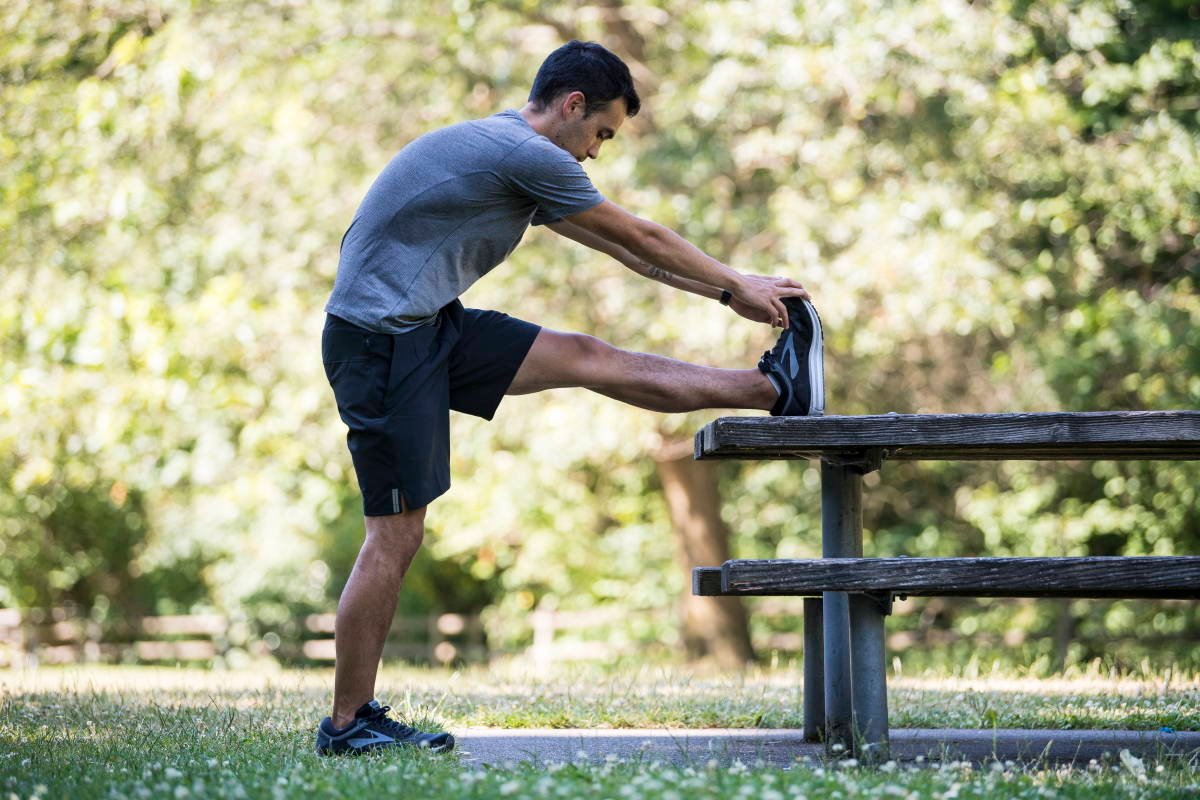
Here is an original planning example rather than a prescription copied from the experiment. Keep your established strength schedule stable, select one comfortable flexibility position relevant to your goal and choose a repeatable place for it in the week. Start with a small amount you can perform consistently. Write down what you intend to do before the first session.
In the log, include completion, position, duration, resistance used for the relevant lift and any change in technique or comfort. Review the pattern across several weeks rather than reacting to a single unusually good or poor day. If the routine is frequently skipped, first address its convenience instead of assuming the answer is a larger dose.
When you reassess, ask two questions: has the selected measure changed, and is that change useful for the activity you care about? If progress is adequate, there is no need to overhaul the programme. If it is not, consider adherence, assessment consistency and exercise selection before gradually adjusting one variable or seeking individual guidance.
The practical message is that useful flexibility work need not begin with a complicated routine. Controlled resistance exercise and deliberate stretching are both available tools. Choose them for their actual role, keep expectations specific and retain the rest of a balanced training programme. A small study is most useful when it improves a decision, rather than becoming a reason to promise the same result to every lifter.