Advertising disclosure: This page includes affiliate product links that may earn us a commission, as well as products from our own store.
Can a longer forward-lunge step train quads and glutes harder? A 20-person experiment found measurable differences in muscle activation, but the practical lesson is more useful than any one-size-fits-all stride rule. Here is how to set up, progress and compare lunges without overstating what the data prove.
What the 20-Person Lunge Comparison Actually Tested
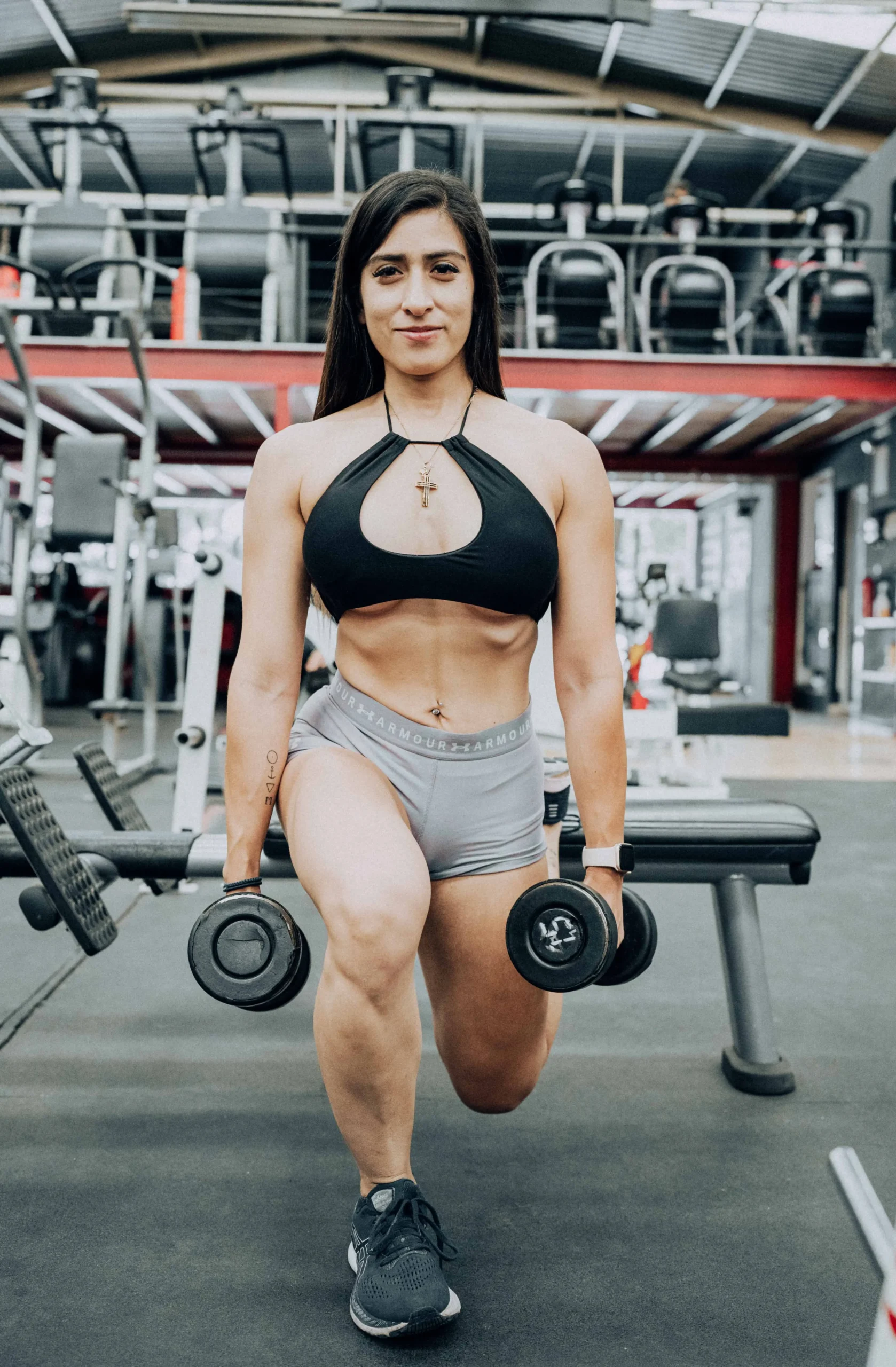
In a 2025 laboratory comparison, 20 adults performed externally loaded forward lunges with short and long step lengths. The investigators also distinguished a forward step followed by a push back to the starting stance from a stationary split-stance lunge. Participants used a load representing their 12-repetition maximum, while sensors recorded electrical activity in several lower-body muscles. This was a within-session comparison of muscle activation, not a months-long trial of muscle growth, strength gains or injury rates.
Across several muscles and phases, long-step lunges produced greater measured activity than short-step variations. Quadriceps, hamstrings, calves, hip adductors and gluteus maximus often showed higher readings with a longer step, although the details differed by exercise phase and muscle. Stepping forward and returning also changed gluteal recruitment relative to keeping the feet planted. That is more nuanced than the familiar claim that short steps are always for quads and long steps are always for glutes.
Electrical activity measures how active a muscle is during the movement; it is not a direct measurement of future hypertrophy. The sample was small, the sets were acute, and fatigue, limb proportions, control and load can alter an individual result. A practical lesson is to test an intentional, comfortable stride and repeat it rather than assuming a single magic step length maximizes every training outcome.
How Step Length Changes Your Position and the Muscles Involved
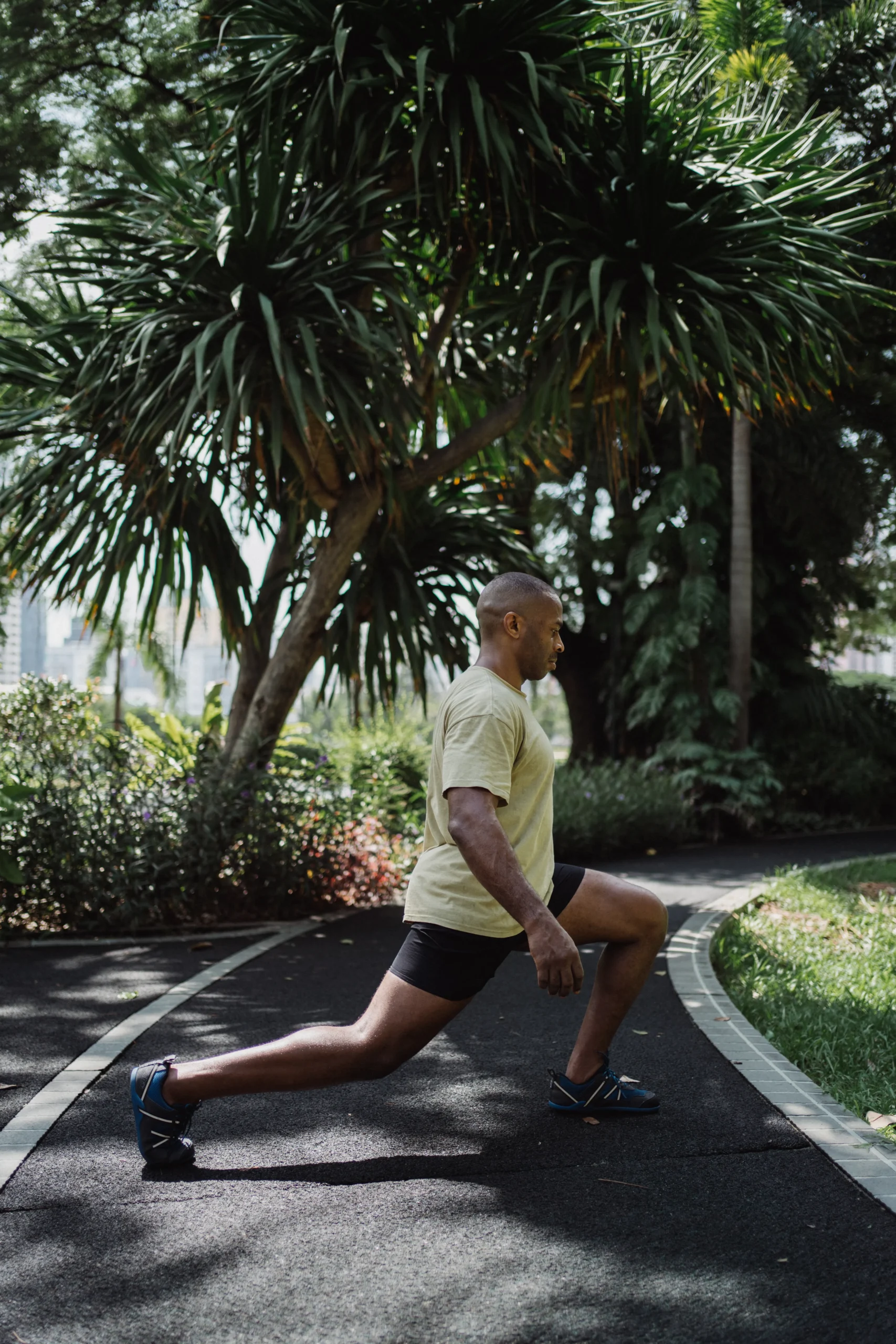
A forward lunge asks one leg to control bodyweight plus any external load while the other leg provides balance and contributes to the transition. The front knee and hip both flex as you descend and extend as you stand. Quadriceps are central to knee extension, the gluteus maximus supports hip extension, and adductors plus gluteus medius help stabilize the pelvis. Hamstrings, calves and trunk muscles contribute, but their individual roles are not equal at every moment.
Shortening a step can increase the knee-bend emphasis for some lifters, particularly if the torso stays relatively upright; lengthening it often asks for more hip motion and a different balance demand. However, actual training stimulus depends on depth, torso position, joint angles, speed, mobility and whether you can apply muscular effort without wobbling. In the 20-person acute comparison, the longer-step version did not simply switch the quadriceps off: several quadriceps measurements increased rather than decreased.
Treat step length as an adjustable technique variable, not a fixed rule. Try two or three deliberate stride lengths at bodyweight with feet tracking comfortably and the whole front foot in contact with the floor. Choose the version where you can descend smoothly, feel controlled work in the legs and reproduce the same path across the set. Then hold that distance steady long enough to measure progress.

Equipment Worth Exploring
Explore equipment, accessories and gear from our carefully selected range.


Rubber Hex Dumbbells
Rubber-coated hex dumbbell pairs with a stable shape for home and commercial strength training.


Cast Iron Kettlebells
Textured cast-iron kettlebells for swings, squats, carries, and full-body training.


Forward Lunge Setup: Seven Cues That Make Reps Repeatable
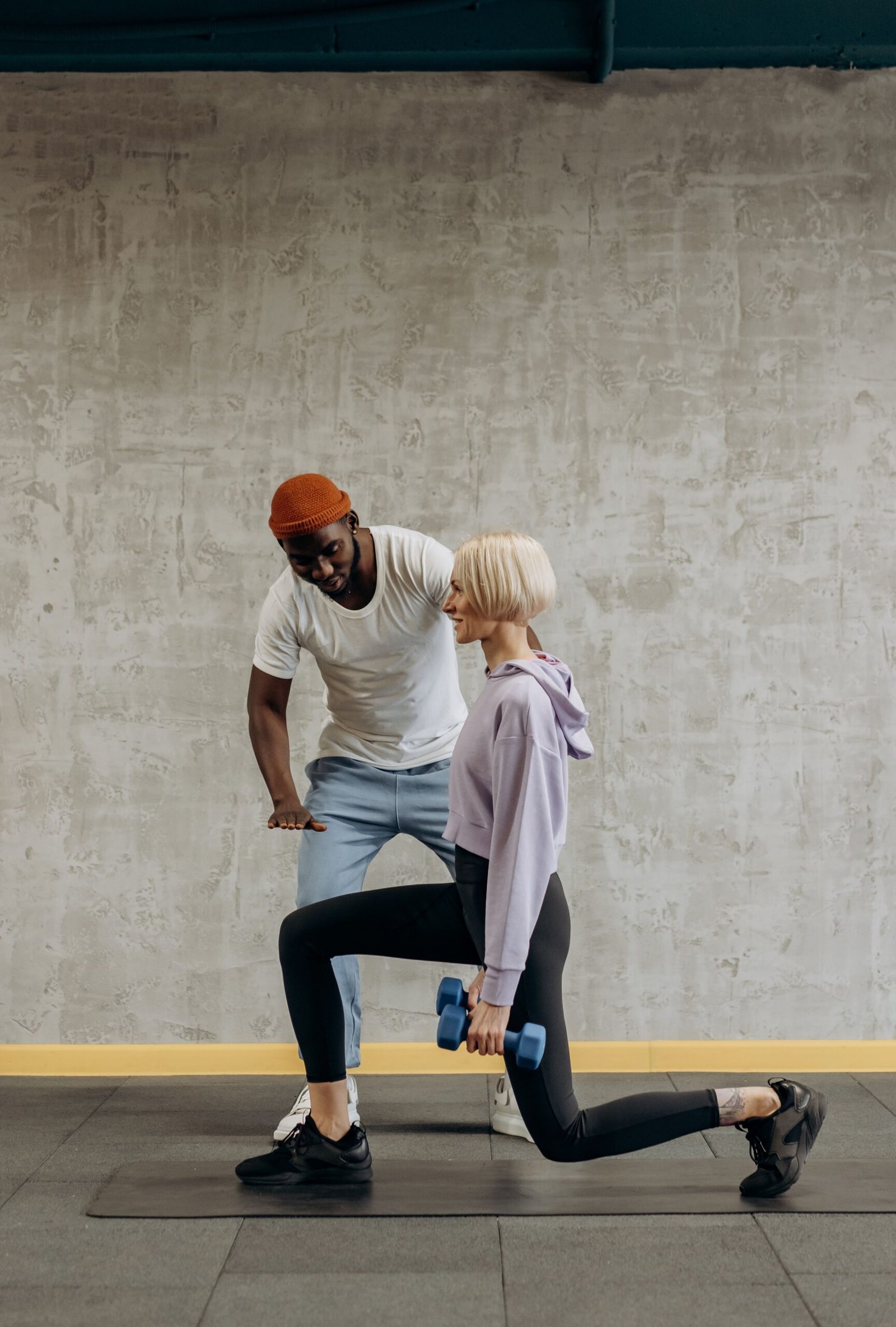
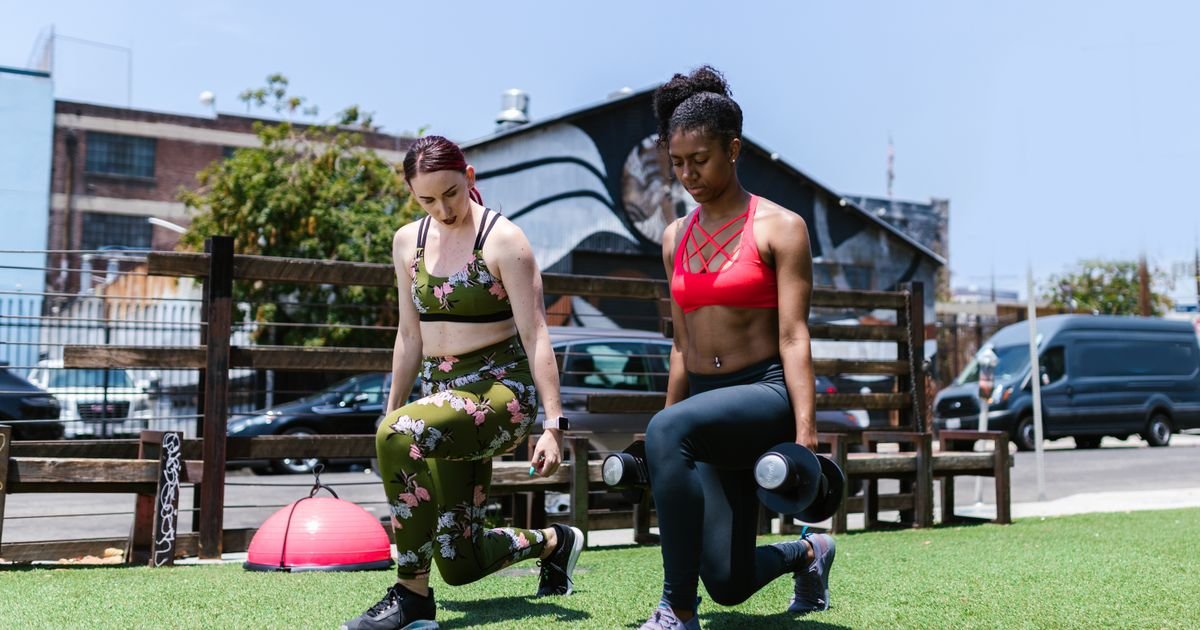
Begin with enough open floor in front of you, shoes that grip, and a stance approximately hip width rather than heel-to-toe on a tightrope. Brace the abdomen gently before moving and look several feet ahead. Step forward far enough that both legs can bend without the front heel lifting, but not so far that the rear hip feels yanked into an uncomfortable stretch.
Lower by bending both knees. The back knee approaches the floor under control; it need not touch. Let the front knee travel naturally in the same general direction as the toes while keeping the front foot planted. A knee moving beyond the toes is not automatically a faulty repetition; what matters is appropriate loading and comfortable control. Keep your pelvis mostly square and allow a modest natural torso angle rather than chasing a perfectly vertical chest at any cost.
To finish the forward lunge, press into the front foot and step back to the starting stance. That is a different exercise pattern from a walking lunge, where the back leg advances to become the next front leg. Pause briefly between early repetitions if you need to restore balance. Start with bodyweight; once the movement is stable, hold a light dumbbell at each side and avoid using the weights like pendulums.

Leg Day Shirts & Workout Gear
Leg-day gym shirts and workout gear for lifters who never skip squats, lunges and lower-body punishment.


Funny Legday of Legends Gym | League of Legends Parody T-Shirt
Show some gym-day personality with “Legday of Legends”.

Big Butt Energy Leg Day & Glute Gains Meme Vest Tank Top
Add some leg-day attitude to training with “Big Butt Energy”.

Never Skip Legday – Chicken Legs Meme , , & Leg Day T-Shirt
Heavy lifts, good laughs, and a little “Never Skip Legday” energy.

Witch Leg Day & Booty Building Gains Hooded Hoodie
Keep it laid-back with a little “Gym Witch” attitude.

Santa Quads Is Coming To Town | Fitmas Leg Day Muscle S Tank Top
Train hard, laugh a little, and rep “Santa Quads Is Coming To Town”.


The Quadfather Leg Day Meme Top & T-Shirt
Bring “The Quadfather” humor to your next gym day.

Hippo Thrust Leg Day Meme Sweater Glutes & Booty Day T-Shirt
For laid-back days and leg-day humor: “Hippo Thrust”.

Six Common Mistakes and the Adjustments That Work
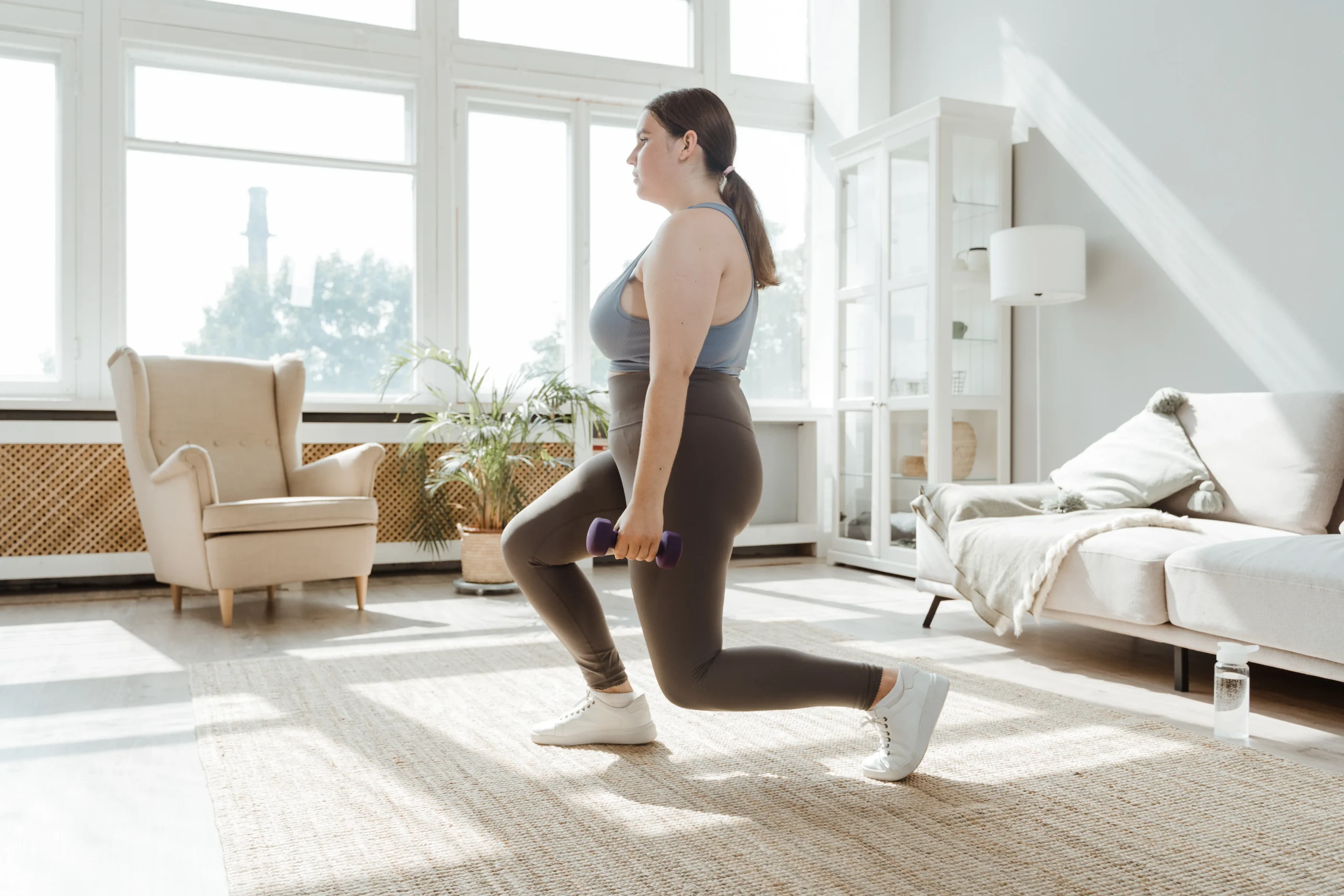
First, an oversized step can leave you stranded at the bottom, struggling to regain your stance. Reduce distance until the front leg can drive the return without a violent forward pitch. Second, an excessively narrow walking line makes balance—not the legs—the limiting factor. Use two parallel tracks spaced about hip width.
Third, dropping onto the rear knee is an impact rather than controlled range of motion. Slow the descent and stop just above the floor. Fourth, repeated knee collapse inward can signal that the load or speed is too high for the control you currently have. Reduce load, let the knee follow the foot, and regain smooth tracking before progressing.
Fifth, every repetition changing length or depth makes the training log difficult to interpret. Pick a corridor marker or consistent shoe-length reference and keep your rep standard comparable. Sixth, many lifters swing forward and immediately push off the back leg, transferring tension away from the lead leg. Deliberately press through the planted front foot during the hardest part of the return and retain control through the transition.
Pain is useful feedback but not a technique score: discomfort in a knee or hip warrants a lighter range, a different stride or a different exercise. Persistent or sharp pain deserves qualified assessment. The goal is challenging muscular effort, not forcing one prescribed stance onto every set of joints.
Walking, Reverse, Stationary and Dumbbell Lunges Compared
A forward stepping lunge begins with feet together or nearly together, moves one foot out, then returns. A stationary split squat keeps the feet planted and repeats the down-up cycle. The walking lunge advances into the next step, requiring more spatial planning, continuous balance and room. These are related but not mechanically identical variations: do not assign a laboratory finding about a step-and-return lunge to continuous walking lunges without qualification.
Reverse lunges step backward and can feel more comfortable for some knees because the entry and braking demands differ. In a walking lunge, a slightly shorter or longer stride still changes lower-body positioning, but that does not mean every acute EMG ranking transfers unchanged. A stationary split squat can be especially effective when your priority is predictable overload and less balance distraction.
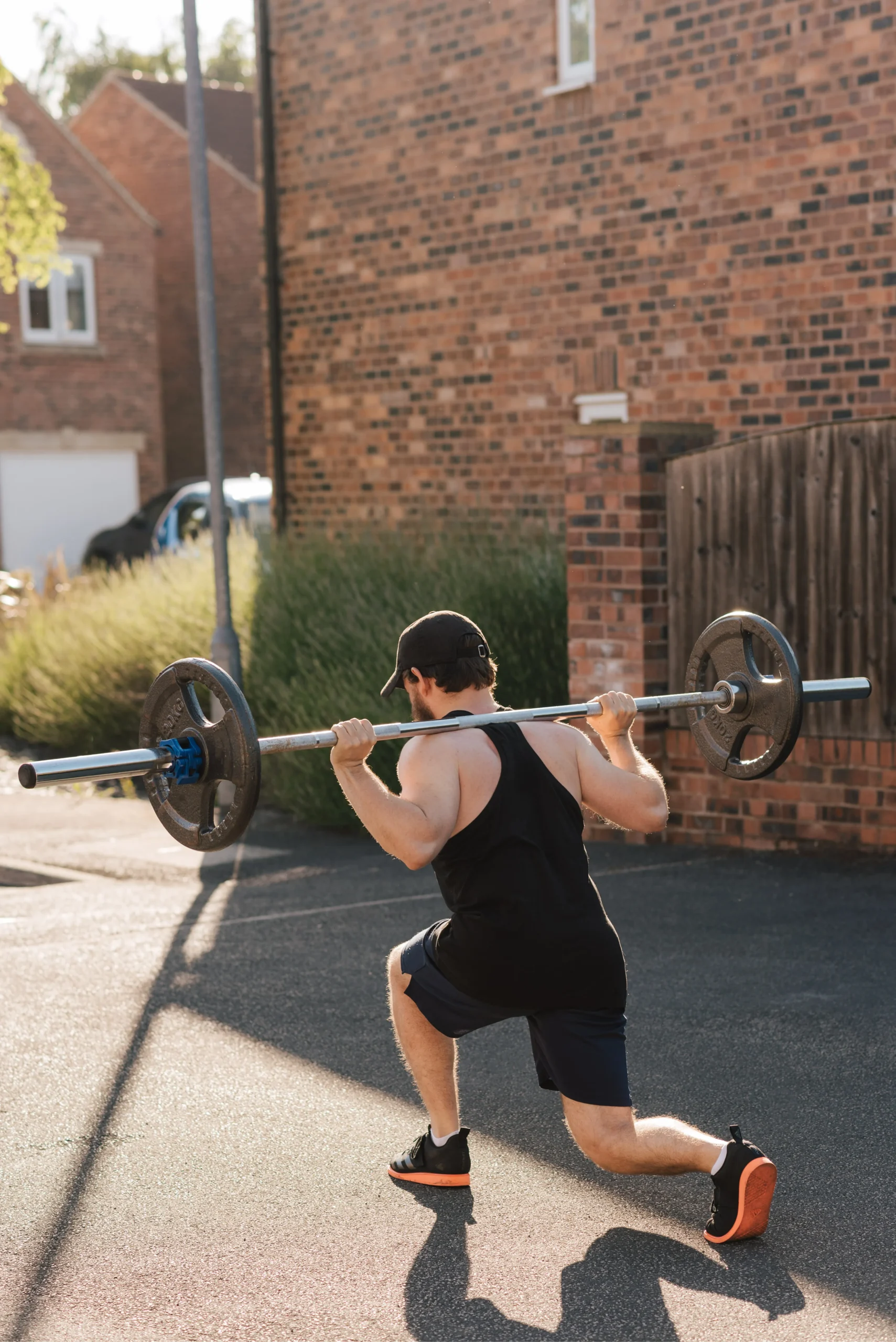
External load creates another choice. Dumbbells at the sides offer simple increments and a relatively low center of mass; a barbell back-loaded lunge demands greater bracing and requires a safe unrack; a kettlebell goblet hold encourages an upright torso but may become upper-body limited. For most lifters learning this pattern, bodyweight, then two light dumbbells, is the simplest route to repeatable execution. Choose the version that supports the muscles you intend to train without making balance an unwanted endurance contest.
Equipment Worth Exploring
Explore equipment, accessories and gear from our carefully selected range.


FID Bench MAX
Adjustable bench offering flat, incline, and decline positions + adjustable headrest.

Foldable Wall Rack
Wall-mounted folding squat rack designed to save floor space between workouts.

Competition Plates
Competition-style bumper plates for Olympic lifts and loaded strength training.


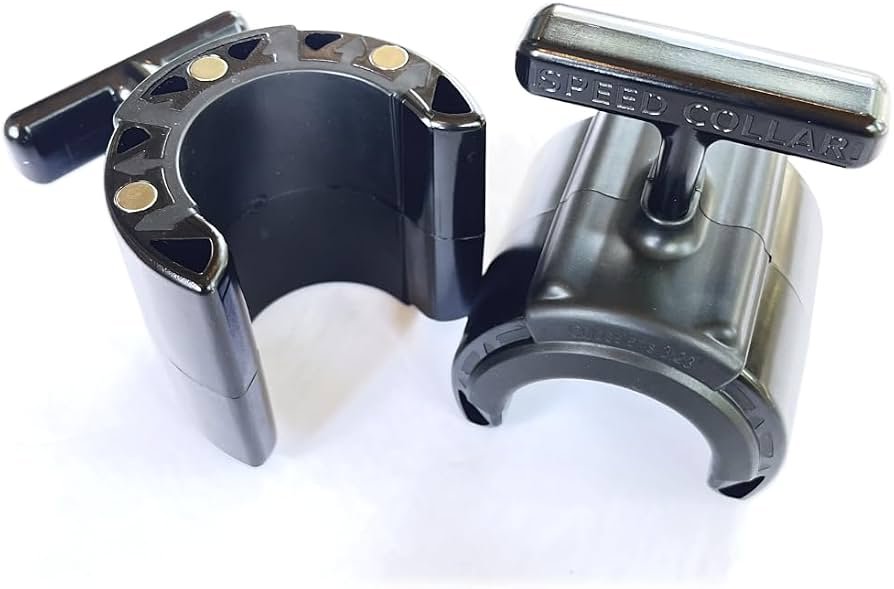
Speed Collar
Quick-release collars designed to secure weight plates on standard two-inch Olympic bars.

Grip Plates
Rubber-coated weight plates with handholds for loading barbells and machines.

GymPin Squat Wedges
Non-slip 15-degree squat wedges help elevate the heels for deeper quad-focused squats.
How to Program Lunges Without Wrecking Recovery
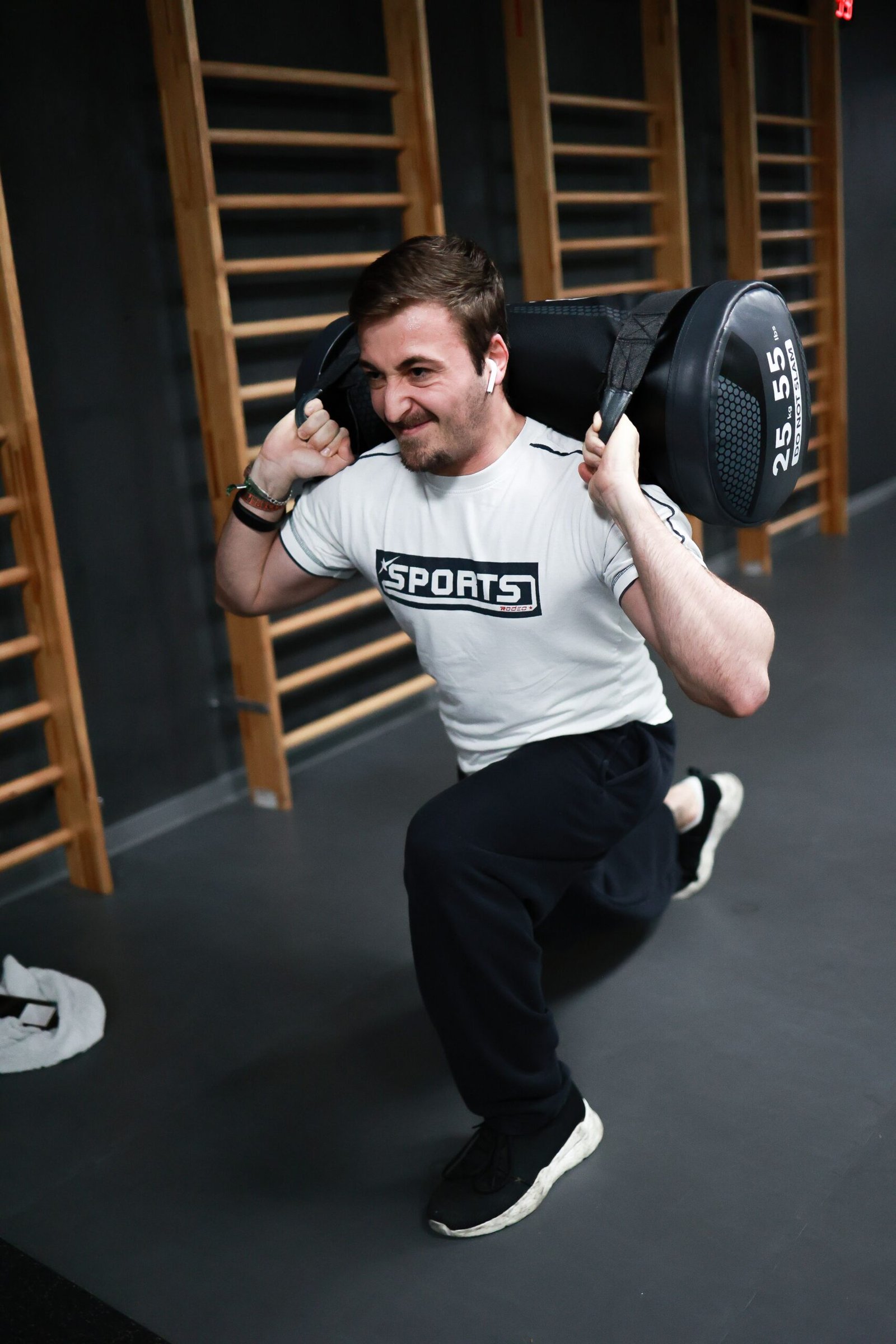
Forward lunges are useful as a secondary lower-body lift after a squat, leg press or another primary strength movement. They can also serve as the main single-leg exercise in a less equipment-heavy session. A reasonable starting point is two or three sets of six to ten deliberate repetitions per leg, stopping with about two or three clean reps in reserve. Count left and right consistently: eight per leg means sixteen individual steps or repetitions in total.
Rest long enough to restore your balance and effort rather than rushing merely because lunges resemble conditioning. Sixty to 120 seconds between moderate sets may suffice; demanding loaded sets can need longer. For strength emphasis, fewer, heavier, stable repetitions often work better than a very long shaky burn. For bodybuilding, moderate repetitions and gradually rising load or controlled range of motion can make progression straightforward.
Put lunges near another hard quad or glute exercise only if weekly recovery allows it. A beginner might use them once weekly; more advanced lifters can split their single-leg work over two sessions. There is no obligation to turn every set into walking lunges or to stack them at the end of an already exhausting leg day. Quality of movement and ability to repeat meaningful muscular effort matter more than chasing soreness.
Bodybuilding Shirts & Workout Gear
Bodybuilding shirts, tanks and gym gear for lifters chasing muscle, size, symmetry and the pump.

Fantastic Booty Leg Day Sweater Squats & Glutes Meme T-Shirt
Keep things casual with a little “Fantastic Booty” attitude.

Booty Builder Mode Activated Captain Marvel Leg Day Hoodie
Make your off-duty look more fun with “Booty Builder Mode Activated”.

Don'T Fart Squats & Leg Day Memes Athletic Shirt Tank Top
Bring “Don't Fart Squats” humor to your next lifting session.

Shirt – Squat Inspector Leg Day & Booty Gains – Meme T-Shirt
Make gym days more fun with “Squat Inspector” style.

Thicc Booty Energy Squat Lovers & Leg Day Meme Hoodie
Show off your leg-day humor in a laid-back “Thicc Booty Energy” hoodie.

Squats Booty Builder Barbie Leg Day Decal Water Sticker
Give your everyday gear a playful “Squats Booty Builder” twist.

Heavy Squatter Meme Squats & Gains Leg Day Wizard Top T-Shirt
Heavy lifts, good laughs, and a little “Heavy Squatter” energy.


A Practical Six-Week Progression for Quads and Glutes
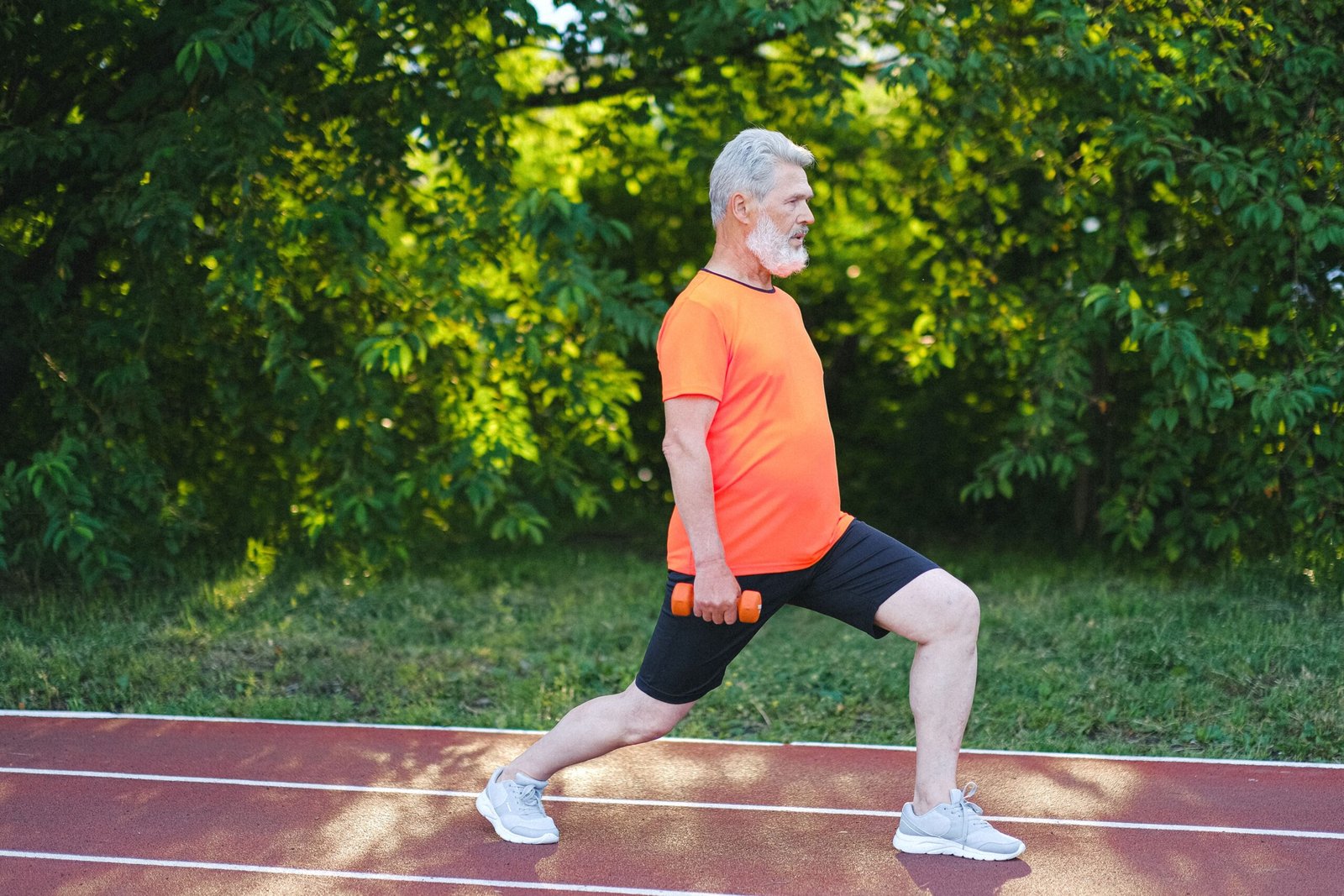
Weeks 1 and 2 establish control. Perform two sessions per week if recovery permits: two sets of six to eight bodyweight forward lunges per leg each session. Use a consistent, comfortable step, controlled descent and a deliberate return. If bodyweight is already easy, start with a light pair of dumbbells while preserving the same standard. Write down step length by an easy landmark, repetitions, load and how many clean reps you had in reserve.
Weeks 3 and 4 build work capacity. Increase toward three sets of eight to ten reps per leg while keeping approximately two repetitions in reserve. Only add load when both legs meet the same depth and balance standard. Do not automatically lengthen the stride to chase a sensation; instead test it during warm-ups and choose a repeatable setup.
Weeks 5 and 6 emphasize progression. Keep three sets, work within eight to twelve clean repetitions per leg, and add the smallest manageable dumbbell increment once all sets meet the upper end of the range without losing position. Alternatively, use a slightly deeper controlled range if available, but change one variable at a time. After week six, compare the same-lunge version against its starting load and rep quality rather than merely comparing how sore your legs felt.
This example is a training template, not a result the 20-person experiment established. Anyone with significant mobility, balance or joint limitations should select the appropriate progression and may find a supported split squat safer and more productive. The most defensible takeaway is simple: step length influences acute demands, but long-term progress comes from challenging, repeatable training you can recover from.