Advertising disclosure: This page includes affiliate product links that may earn us a commission, as well as products from our own store.
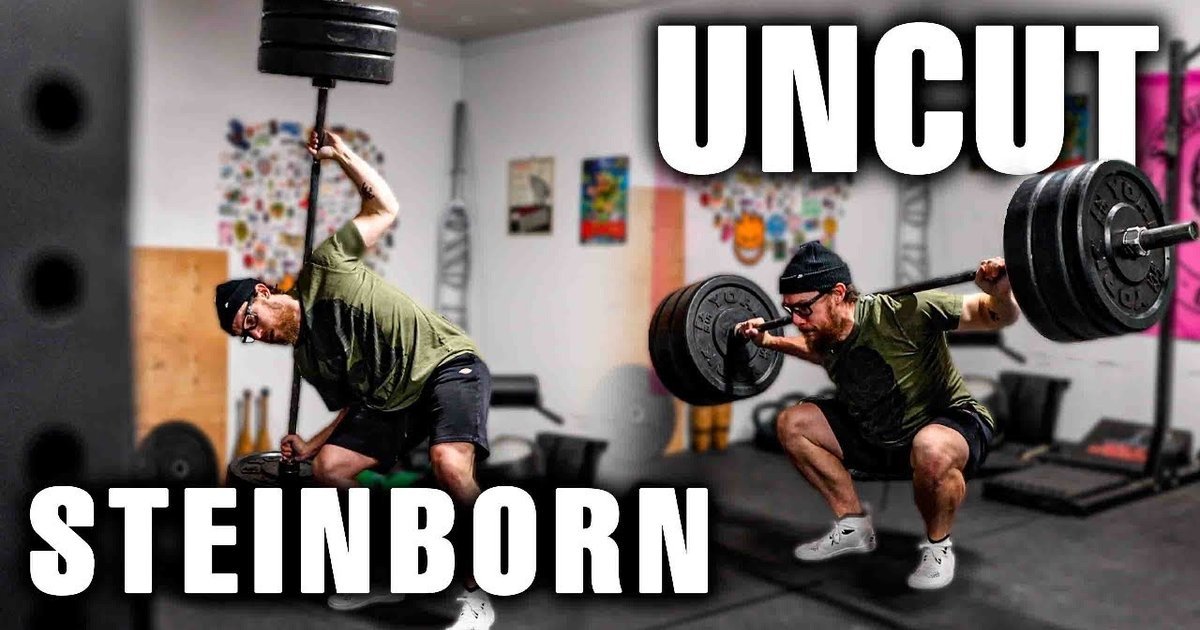
The Steinborn lift includes a task that a normal back squat leaves to the rack: getting the bar onto your shoulders. The bar starts on the floor, is raised onto one end and is brought across the upper back as the lifter moves underneath it. After the squat, the bar has to return to the floor under control. That makes it a distinct strength skill, rather than simply another way to count squat repetitions. Understanding the whole sequence is more useful than copying the heaviest clip you have seen.
A complete Steinborn lift has three separate demands
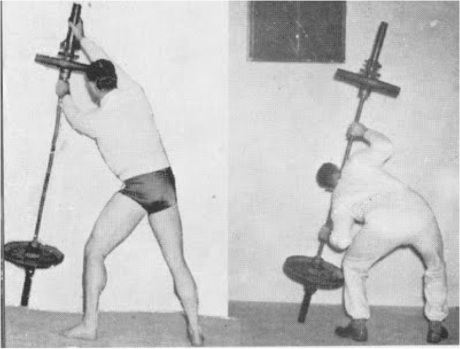
Think of the movement as loading, squatting and returning the bar. The loading phase involves managing a bar that changes from an upright position towards a horizontal position across the upper back. The squat then begins from the position established during that transfer. Finishing the standing portion still leaves the return to complete.
The lift belongs to the history of lifting before modern squat racks became commonplace. Its name is associated with the strongman Henry 'Milo' Steinborn. The historical interest is real, but old photographs and impressive feats are not evidence that everybody needs this movement or that it builds more muscle than ordinary squats.
A strong rack squat does not automatically supply the loading skill. You can be comfortable squatting a weight that you cannot confidently bring onto your back from the floor. The reverse is also possible: getting underneath a bar does not establish that you can stand up from the position in which you receive it.
That distinction helps define the goal. A lifter interested in all-round lifting may want to learn the complete sequence. Someone mainly seeking repeatable leg training may prefer a rack squat, goblet squat or another familiar variation. Choose the task that serves your training rather than treating the most unusual option as the most advanced version of every workout.
Learn the positions before linking them together
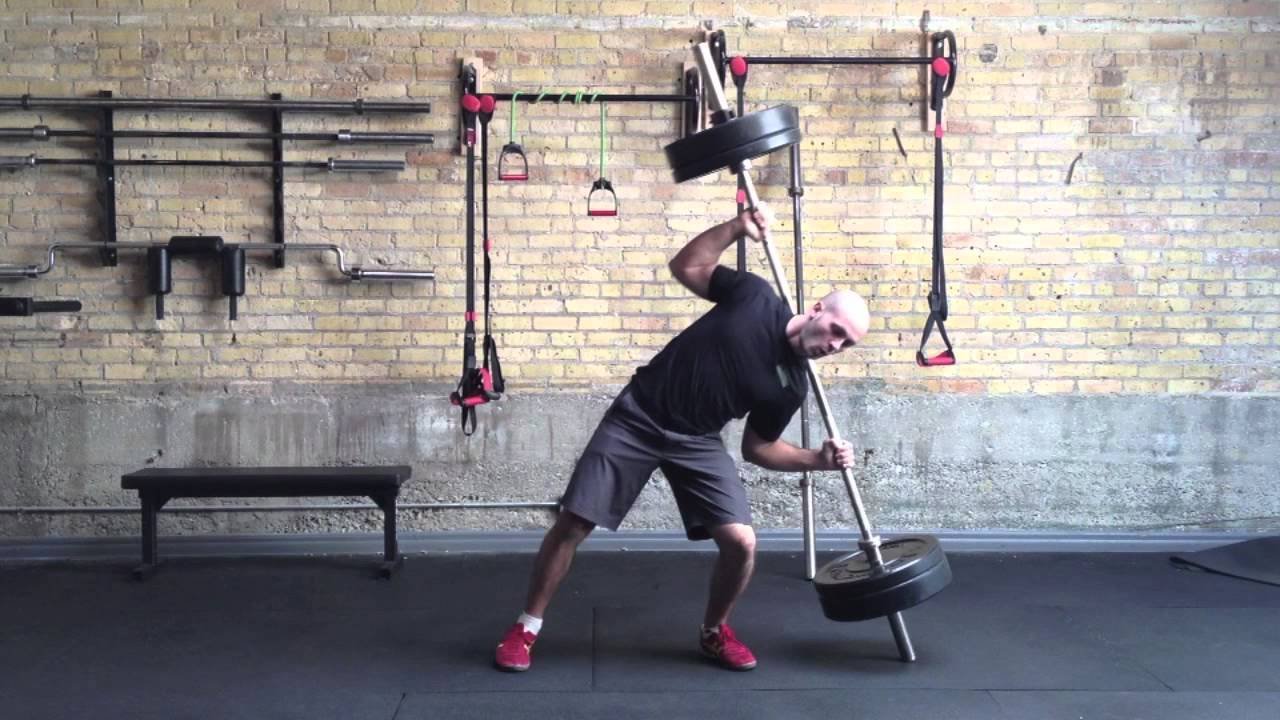
This is a technical lift to learn with a coach or experienced practitioner who understands its loading and return. A written description explains the sequence; it cannot assess your ability to receive a tilted bar or manage an unexpected movement. Start with position practice and a very light implement selected for that purpose, rather than using your usual squat weight.
One preparation approach separates the lateral movement in a deep squat from the full floor-to-back transfer. A light dowel lets you explore the positions without committing to a loaded bar. Another component is standing from a low squat position, which can be practised separately with a carefully set rack. These are components, not proof that the complete lift is ready to load heavily.
The important question is what you can control. Can you maintain the intended support position? Can you move into and out of the relevant squat depth? Can you reverse the practice movement deliberately? If one of those steps is uncertain, linking all the steps together adds complexity before the missing skill has been established.
Keep the rehearsal specific. Note whether you practised an unloaded position, a lateral bend, a bottom-up squat or the complete transfer. Calling every preparation drill a Steinborn repetition makes progress difficult to interpret. A good practice session may consist of improving one component while leaving the full lift for another day.
Treat the loading and the return as part of the repetition
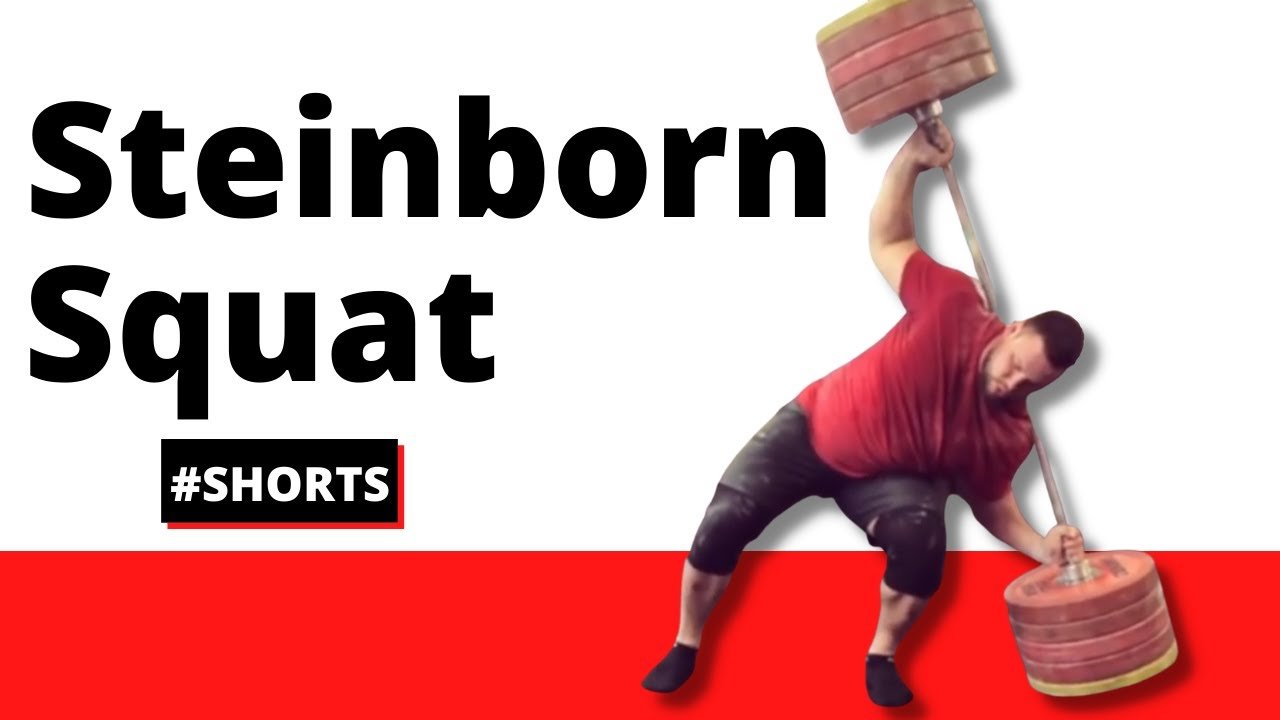
In the full movement, the lifter raises the bar onto one end and takes a position alongside it. The raised end is guided towards the upper back while the lifter moves underneath the bar. The aim is to arrive with the bar supported across the back, ready to stand from the receiving position. It is not an instruction to let an uncontrolled bar fall onto you.
The point at which the bar reaches the back and the depth at which you receive it are linked. Getting lower may make the transfer possible, but it also changes the position from which you must stand. This is one reason to learn the movement with individual coaching instead of copying another lifter's foot placement, hand spacing or timing as a universal template.
Once the bar is supported, establish the position you intend to squat from and complete the squat deliberately. Do not add extra repetitions simply because the loading phase felt difficult and you want to make the effort count. You still need enough control and attention to finish the return.
The exit reverses the loading process, bringing the bar back towards its end-supported position and then to the lifting surface. Plan that sequence before starting. A successful squat followed by a hurried, uncontrolled release has not demonstrated the same skill as a complete controlled lift.
Practice videos can help you review what happened, particularly the transfer and exit, but watching a clip afterwards does not replace appropriate supervision. If the bar starts moving unpredictably, the answer is not to invent a rescue technique mid-lift. Use a setup and practice plan agreed with someone who knows the movement, and stop when control deteriorates.
Equipment choices change the task, not just the shopping list
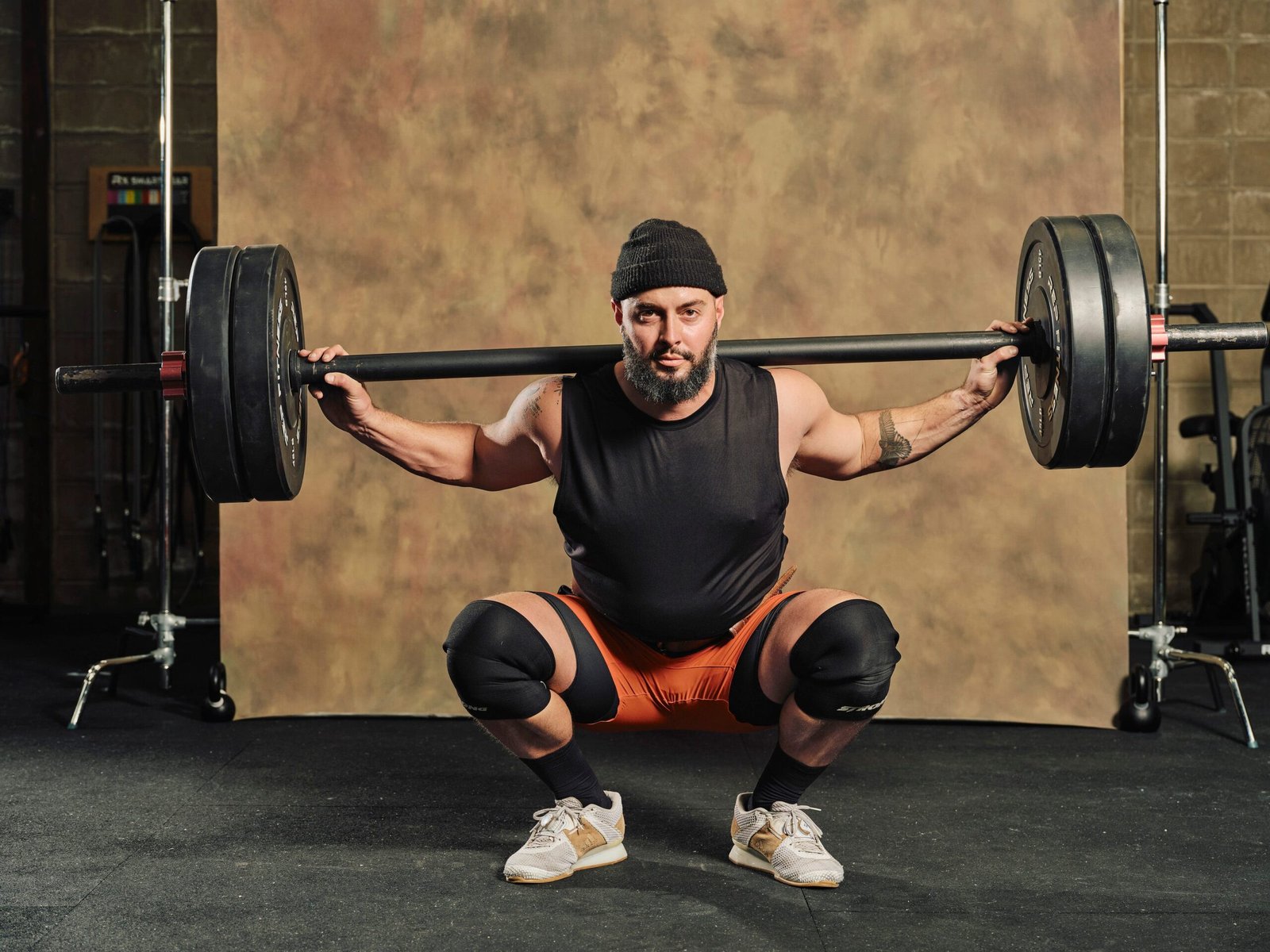
A Steinborn setup needs more consideration than the total weight on the bar. Bar length, plate diameter, sleeve loading and the lifting surface affect how the implement behaves as it is raised onto an end. Clear the whole movement area, including the overhead space and the area beside the lifter. A space suitable for an ordinary squat may not accommodate this transfer.
Check that the plates and collars are appropriate for the bar and secured before practice. Tilting the bar changes the direction in which gravity acts on the loading arrangement. A collar that has not been fastened correctly is a problem before the first squat begins. Do not rely on a promotional photograph to establish that a particular combination suits this lift.
The barbells, plates, change plates and collar options below are equipment to assess for your actual setup. Larger bumpers and thinner competition plates can create different arrangements; they are not automatically interchangeable. Small loading increments are useful only after the implement and sequence are manageable. Buying more weight does not resolve an uncertain transfer.
Rack options serve a different purpose: conventional squat training or selected preparation work without practising the full floor-to-back loading method. They are alternatives, not required components of the complete Steinborn lift. Likewise, a kettlebell or dumbbells can support goblet squats and other straightforward leg work when the goal is training the legs rather than learning this particular skill.
Avoid turning an equipment workaround into a training obligation. If the bar, space or available coaching does not suit a Steinborn practice session, choose a different squat variation. You can make useful progress on leg day without reproducing a historical loading method.

Equipment Worth Exploring
Explore equipment, accessories and gear from our carefully selected range.


Competition Plates
Competition-style bumper plates for Olympic lifts and loaded strength training.


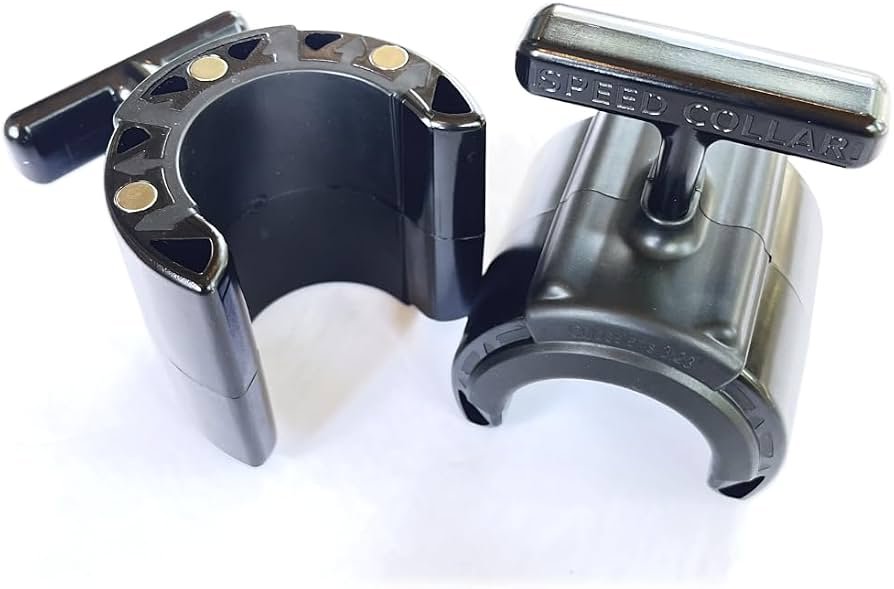
Speed Collar
Quick-release collars designed to secure weight plates on standard two-inch Olympic bars.
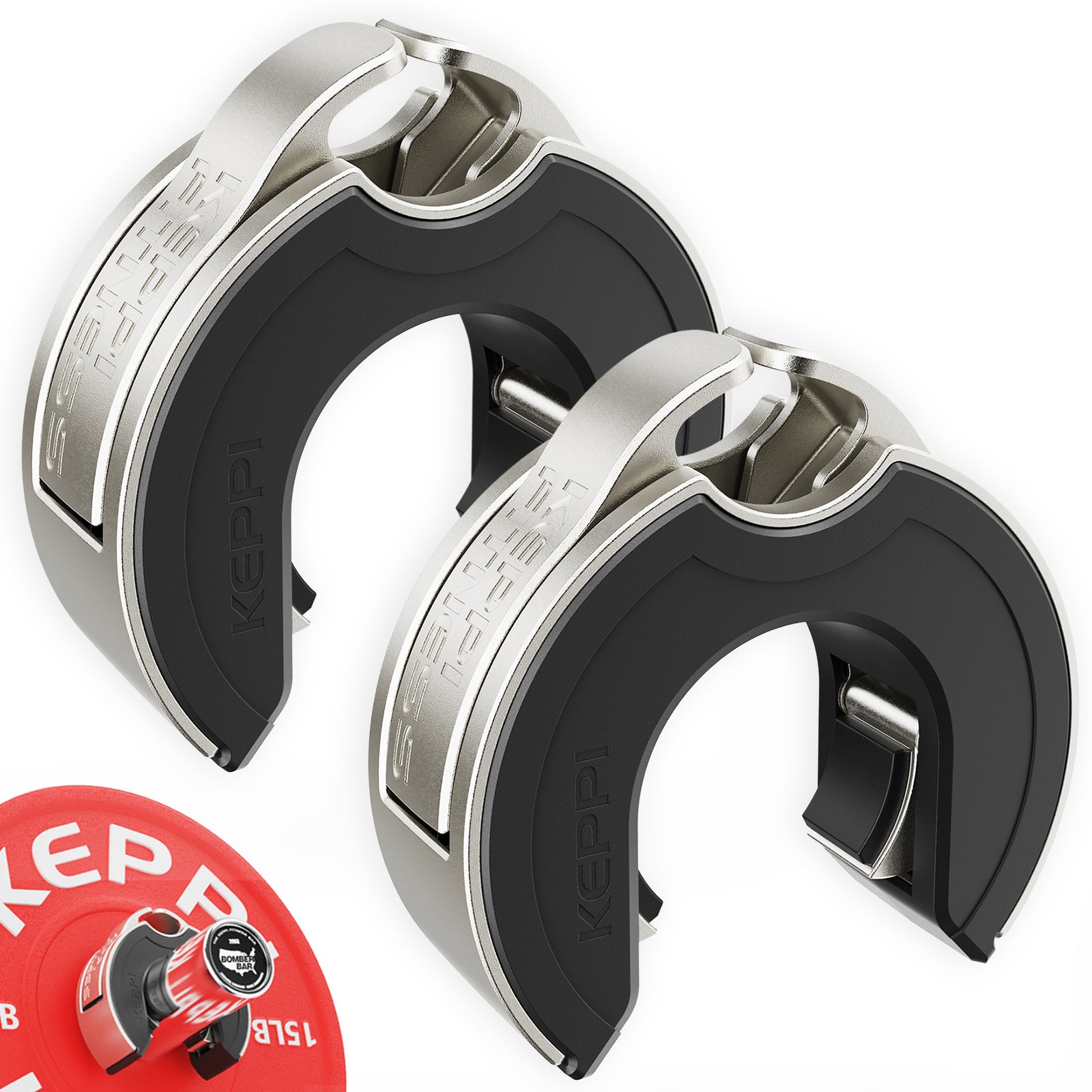
Keppi Open Collars
C-shaped magnetic Olympic barbell collars with a quick-lock mechanism and grippy lining.


Foldable Wall Rack
Wall-mounted folding squat rack designed to save floor space between workouts.

Multi Pull Smith Rack MPHR-780
All-in-one rack with a Smith machine, functional trainer, lat pulldown and low row.
Progress the full sequence and keep the records honest
Begin by recording what was actually practised: implement, load, preparation drill or complete lift, receiving depth and return. A note such as 'controlled setup, uncertain exit' is more informative than a successful squat count alone. It identifies the part of the task that needs attention before you repeat or increase the load.
A sensible learning aim is a small number of deliberate attempts with enough rest to pay attention to each phase. Exact sets, repetitions and frequency should follow the practice plan you develop with an appropriate coach. This guide does not prescribe a universal beginner dose or suggest repeated attempts to fatigue as the way to learn an unfamiliar loading sequence.
For example, one session might establish an unloaded receiving position and a predictable return. A later session could link those positions with a light implement while keeping the same movement area. Completing that sequence consistently is a meaningful change even if the number written in the weight column stays the same.
Only consider more load when the whole task remains manageable. If a heavier attempt makes the transfer erratic, changes the receiving position unexpectedly or compromises the exit, the squat portion alone does not justify calling it progress. Return to an appropriate earlier step rather than forcing the heavier version because your legs could theoretically squat it.
Keep skill practice separate from the main leg-training workload in your log. A rack squat session and a Steinborn session can have different goals and different limiting factors. Judge each on its intended task. The useful outcome is a repeatable choice that fits your training, not a claim that every lifter should abandon the rack or master an unusual lift.

Funny Gym Shirts & Workout Gear
Funny gym shirts, tanks, hoodies and workout gear for lifters who like training hard.

I Love Squats | Valentine's Leg Day Muscle Shirt Tank Top
Add some leg-day attitude to training with “I Love Squats”.

I Want You To Squat Uncle Sam Patriotic – Funny 4th of Sticker
A fun “I Want You To Squat Uncle Sam Patriotic” touch for bottles, laptops, and lockers.

Squat Here | Edgy Workout | Gym Meme Hooded Jumper Hoodie
Make your off-duty look more fun with “Squat Here”.

6 Plates Squat Club Meme Shirt – Motivational Leg T-Shirt
Bring “6 Plates Squat Club” humor to your next gym day.

Leg Day Is Calling You Sweater Squats & Deadlifts T-Shirt
Add a playful “Leg Day Is Calling You” touch to your casual rotation.

Leg Day Squats Deadlifts Meme Hooded Hoodie
Show off your leg-day humor in a laid-back “Leg Day” hoodie.

Everyday Is Leg Day Octopus Meme & Top T-Shirt
Show some leg-day attitude with a playful “Everyday Is Leg Day Funny Octopus” tee.


Shirt Never Skip Leg Day NSLD Meme – Chicken Legs & T-Shirt
Show some leg-day attitude with a playful “Never Skip Leg Day NSLD Meme” tee.

Consistency King Tee
Make gym days more fun with “Consistency King Stoic Greek God Marble” style.