Advertising disclosure: This page includes affiliate product links that may earn us a commission, as well as products from our own store.
Standing vs Seated Calf Raises: What 14 Adults’ MRI Results Really Show
If you have a standing calf machine and a seated calf machine in front of you, which deserves the first sets? A small 12-week experiment used MRI to track what happened when the same people trained each leg in a different knee position. The result was not the simple “seated for soleus, standing for gastrocnemius” rule many lifters repeat.
The straight-knee condition produced considerably larger changes in the two gastrocnemius heads. Soleus growth, meanwhile, was similar between conditions. Here is what those numbers actually mean, where the study stops being decisive, and a practical way to train calves without spending half your leg day bouncing through short repetitions.
What the 12-Week Calf Study Actually Tested
Many calf workouts treat seated and standing raises as interchangeable finishing exercises. They are not identical. The most useful controlled comparison put the two knee positions into the same people, then measured individual calf muscle volumes before and after training. It offers a clearer answer than judging the burn at the top of a set or comparing how much weight the machines display.
Fourteen healthy adults who were new to resistance training completed 12 weeks. Each person trained one leg with the knee extended in a standing calf raise and the other leg with the knee bent about 90 degrees in a seated calf raise. Each condition used five sets of ten repetitions per session at 70% of its own one-repetition maximum, twice weekly. The researchers used MRI to measure the medial and lateral gastrocnemius, the soleus and total triceps-surae volume.
That within-person design is valuable: genetics, nutrition, sleep and overall activity were shared by both legs. It is not a perfect experiment, however. There were only 14 participants, everyone was untrained, and the comparison used one particular loading scheme. It did not measure the results of a mixed standing-plus-seated routine, and its muscle-volume figures are not percentages of new strength or guaranteed results for a seasoned lifter.
The practical question is therefore narrower than “Which machine wins forever?” It is: when time is limited and calf size is the goal, which knee position deserves priority, and how can you still use the other without wasting sets?
Why a Straight Knee Changes Calf Training
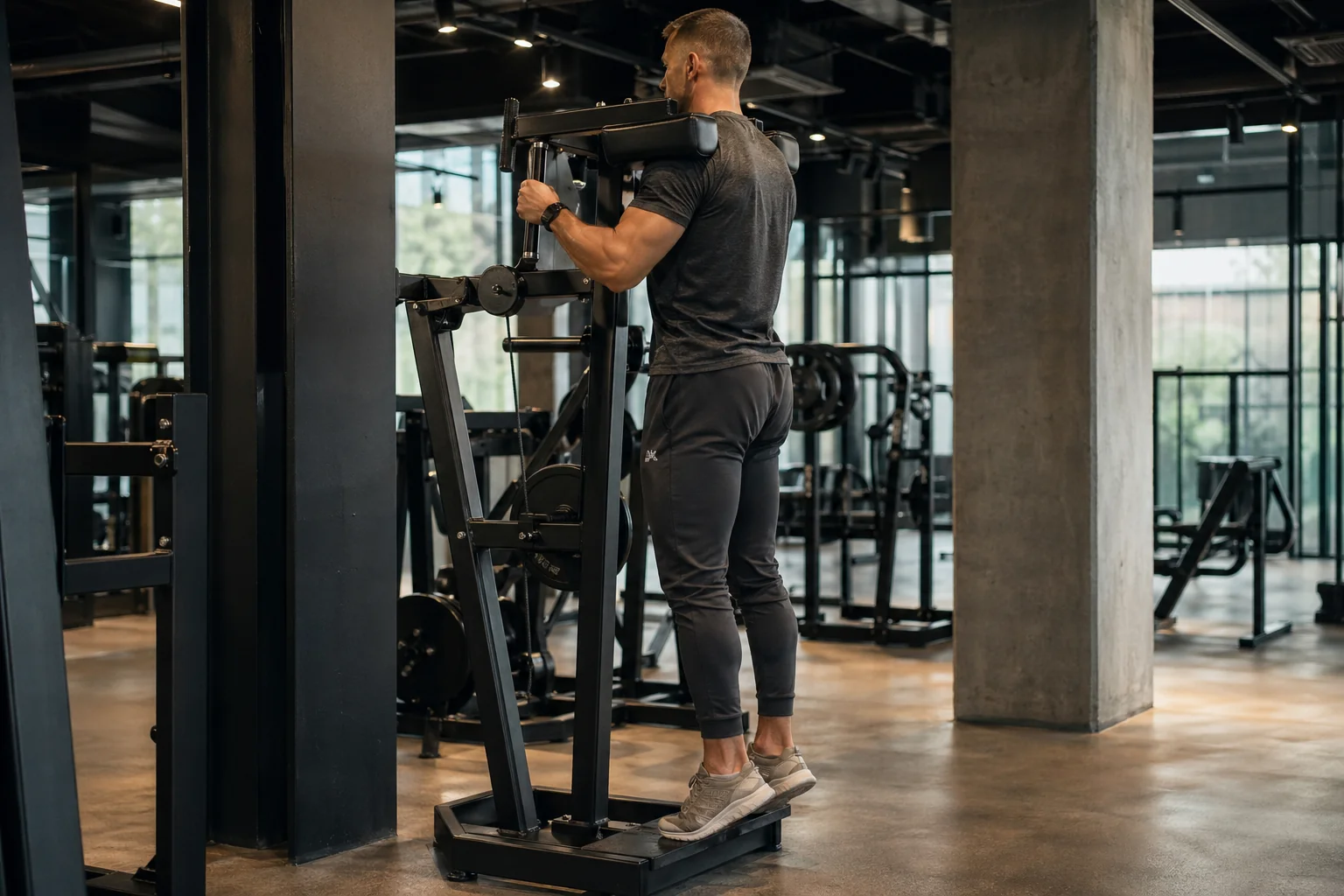
Your calf is not one muscle. The two large heads of the gastrocnemius cross both the ankle and knee. They help point the foot and also span the back of the knee. The deeper soleus crosses the ankle but does not cross the knee in the same way. This anatomical detail is why the knee angle changes the exercise even though the ankle appears to perform the same up-and-down motion.
With the knee relatively straight, the gastrocnemius begins at a longer length than when the knee is bent. A seated calf raise shortens the gastrocnemius across the knee, so the soleus can contribute relatively more to ankle plantarflexion. “Emphasizes the soleus” does not mean that seated raises switch the gastrocnemius off, nor does it mean standing raises fail to train the soleus. The distinction is one of relative mechanics, not an on/off switch.
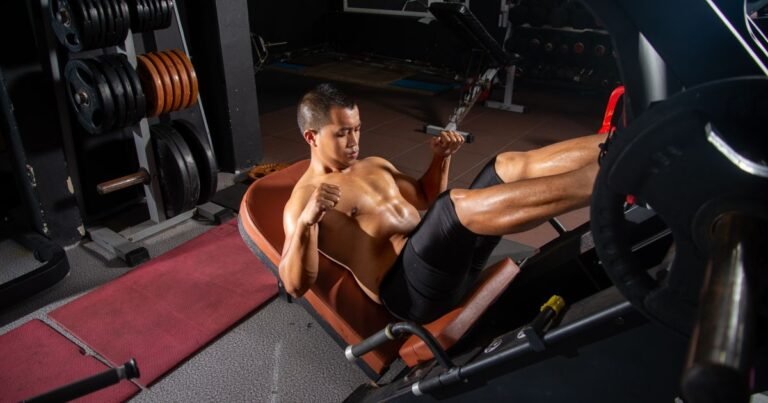
It also means that a calf raise done on a leg press with the knees held near straight can be more similar to a standing raise than to a seated machine. The name of the machine is less important than your knee angle, the direction of loading and whether your ankles can move through a stable, controlled range.
For either position, a fixed knee angle makes comparison meaningful. If you bend and straighten the knees during each repetition, the quadriceps and hips begin contributing motion that you meant to create at the ankles. Keep the weight manageable enough that the calves, not a bounce or a mini-squat, do the work.

Equipment Worth Exploring
Explore equipment, accessories and gear from our carefully selected range.

Leg Press/Hack Squat BPR-790
Convertible 45-degree leg press and hack squat machine with a broad footplate and band pegs.

Compact Leg Press CLP-700
Compact reverse-style leg press with a moving seat carriage and an adjustable footplate.

Multi Pull Smith Rack MPHR-780
All-in-one rack with a Smith machine, functional trainer, lat pulldown and low row.

VForce 3IN1 Max
Six-post all-in-one rack with Smith machine, functional trainer, and variable-force cables.

Foldable Wall Rack
Wall-mounted folding squat rack designed to save floor space between workouts.

Studio V-Squat
Plate-loaded V-squat machine for supported lower-body strength training.


Rubber Hex Dumbbells
Rubber-coated hex dumbbell pairs with a stable shape for home and commercial strength training.


The MRI Results: Which Muscles Grew More?
The MRI figures were striking for the two gastrocnemius heads. After 12 weeks, the lateral gastrocnemius showed a 12.4% volume increase in the standing condition versus 1.7% seated. The medial head showed 9.2% versus 0.6%. Whole triceps-surae muscle volume increased 5.6% standing versus 2.1% seated. Those between-condition differences were statistically significant in this small sample.
| Muscle measured | Standing | Seated |
|---|---|---|
| Lateral gastrocnemius | +12.4% | +1.7% |
| Medial gastrocnemius | +9.2% | +0.6% |
| Soleus | +2.1% | +2.9% |
| Total calf muscle volume | +5.6% | +2.1% |
Read that soleus row carefully. The 2.9% seated result was numerically above 2.1% standing, but the difference was not statistically significant. That is not proof that seated training is superior for the soleus. It means the experiment did not establish a meaningful difference in soleus growth between these two protocols.
A calf that responds well to straight-knee training can therefore develop both the larger visible gastrocnemius and the deeper soleus. The experiment supports prioritizing standing raises for gastrocnemius hypertrophy, not declaring every bent-knee exercise pointless. A separate acute exercise test may show different immediate swelling or sensation, but swelling is not the same as 12 weeks of tissue growth.
Before treating the numbers as a promise, remember that a 12.4% change in one small, previously untrained group is not a personal forecast. The relative difference is more informative than predicting a percentage for your own calves. Progressive loading, adequate recovery, consistency and the ability to repeat clean ankle movement still determine whether the program works for you.
How to Make Standing Calf Raises Count
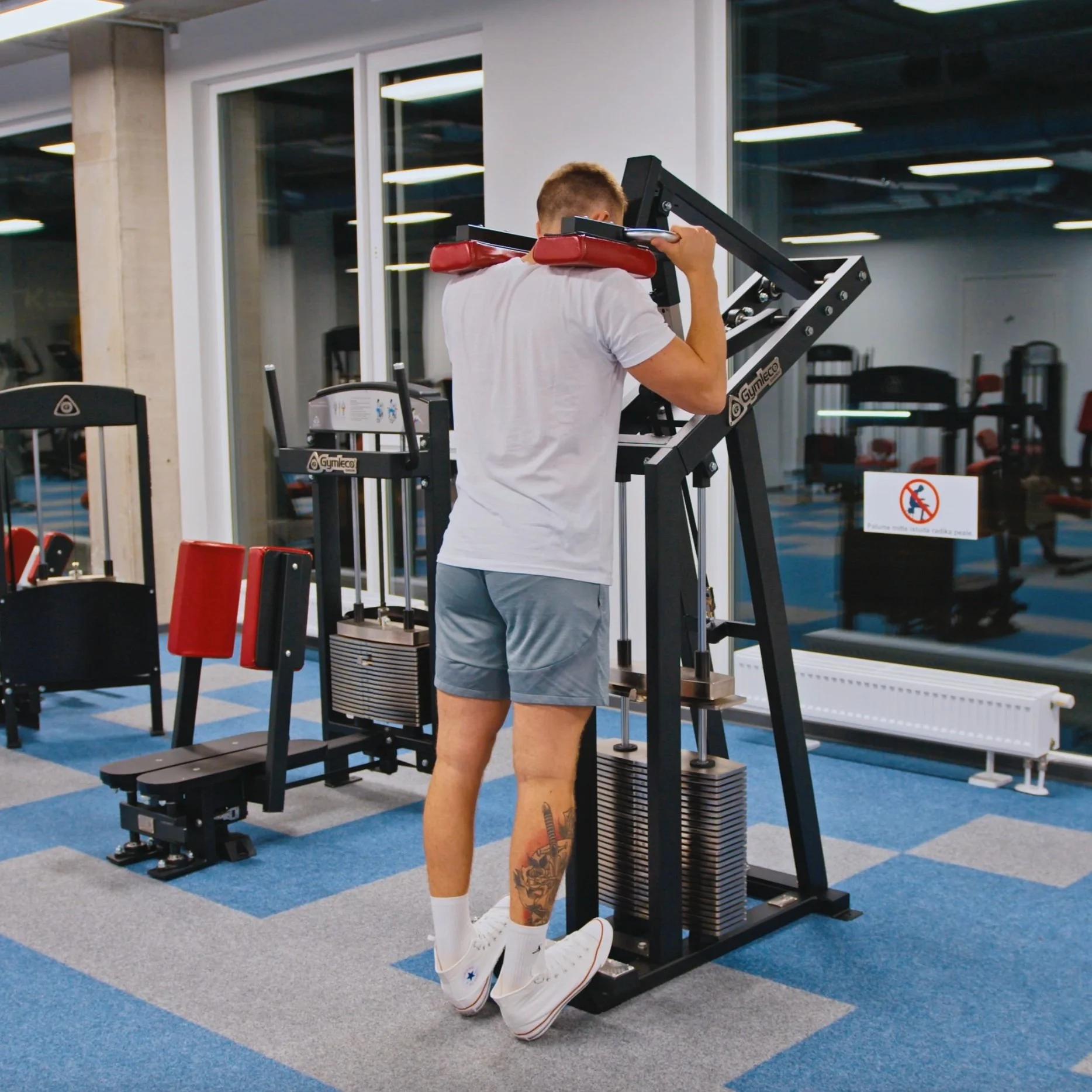
Start with a stable platform where the balls of the feet are supported and the heels can travel downward without the shoes slipping. Use a standing calf machine, a Smith machine, dumbbells or a sturdy step with a balance aid. Keep your torso quiet and your knees extended but comfortably unlocked. You should be able to finish each repetition without turning it into a knee dip.
- Set the forefoot securely on the platform with the heels free to move.
- Lower the heels slowly until the calves feel a tolerable loaded stretch; do not chase pain at the Achilles tendon.
- Pause briefly at the bottom rather than bouncing out of the stretch.
- Press through the forefoot and rise as high as you can without rolling the ankles outward.
- Lower under control and maintain approximately the same range on every repetition.
The most common cheat happens when the load is too heavy. The lifter rocks forward, rebounds hard from the bottom, lifts through a tiny range and counts each bounce as a complete repetition. Reduce the resistance until the heel can visibly travel through the movement. A moderate load with controlled depth usually gives a more repeatable progression than a huge stack moved two centimeters.
Start with two or three sets of eight to fifteen smooth repetitions if you are new to direct calf training. Rest about 90–150 seconds between challenging sets and keep one to three good repetitions in reserve until you know how your calves and Achilles tendons respond. If you can hit the top of the rep range without losing depth, increase resistance modestly next time.
For single-leg training, hold a rail or rack for balance. A supported dumbbell raise lets each calf work independently and reduces the temptation to shift weight toward the stronger side. Control and position matter more than impressing anyone with the dumbbell weight.

Leg Day Shirts & Workout Gear
Leg-day gym shirts and workout gear for lifters who never skip squats, lunges and lower-body punishment.

Leg Day Leg Sweater Squats & Meme T-Shirt
Bring “Leg Day” humor to your everyday gym style.

Squatzilla Meme Leg Day Vest Tank Top
Bring “Squatzilla” humor to your next lifting session.

I Love Squats | Valentine's Leg Day Decal & Bodybuildin Sticker
Put “I Love Squats” gym humor on your laptop, bottle, or gym gear.

Shirt Squat Queen Leg Day Bros & Meme Gains T-Shirt
Bring “for Squat Queen” humor to your next gym day.

Leg Day Squats Deadlifts Vest Meme Tank Top
Bring “Leg Day” humor to your next lifting session.

Not Recommended Leg Day 1 Star Review Squats Hoodie
Bring “Not Recommended Leg Day” gym humor to lazy days and post-workout plans.

Leg Day Thou Shalt Not Skip Leg Day Medieval Knight Pul Hoodie
Show off your medieval humor in a laid-back “Leg Day” hoodie.


Heavy Metal Skeleton Squat for Powerlifters, Bodybuilde Sticker
Give your everyday gear a playful “Heavy Metal Skeleton Squat” twist.

Legday Gains – Squats & Deadlifts , Top Gymbros & T-Shirt
Heavy lifts, good laughs, and a little “Legday Gains” energy.
Why Seated Calf Raises Still Have a Role
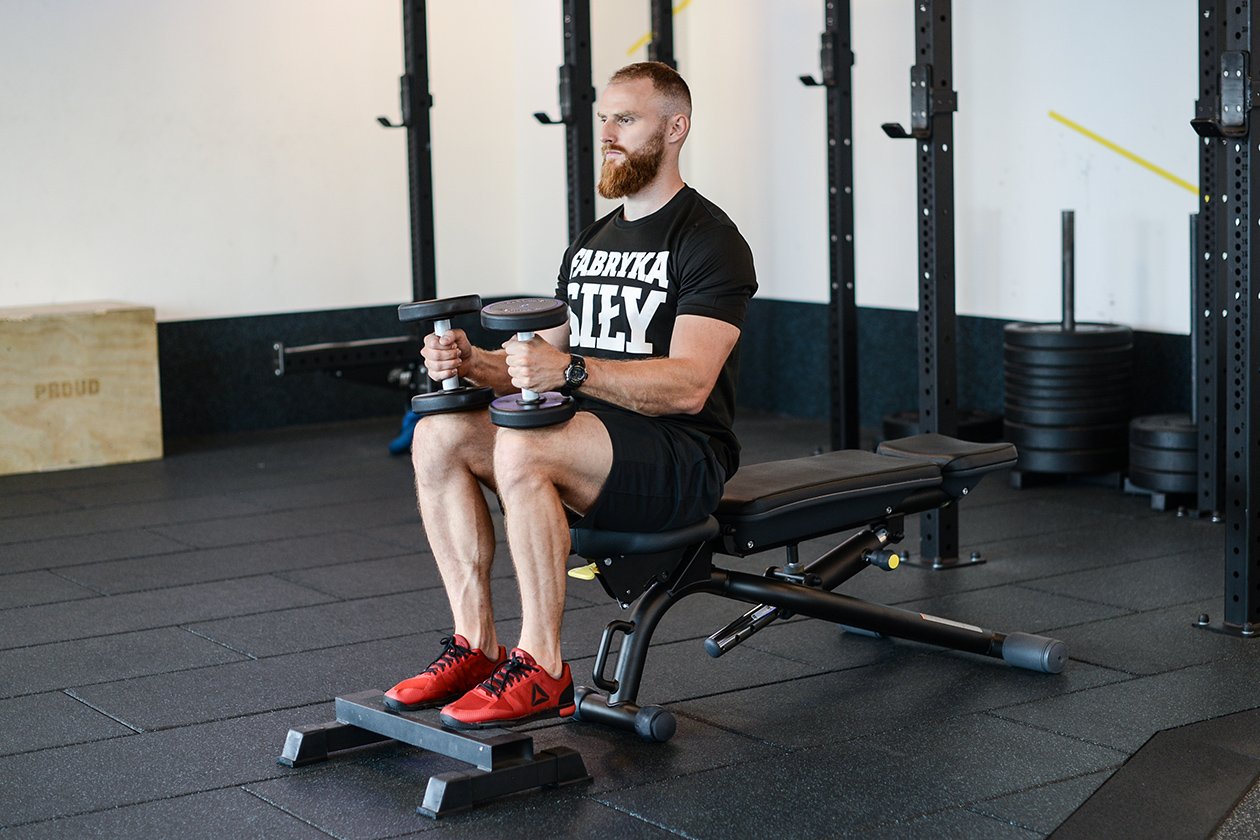
Seated calf raises remain a convenient way to load ankle plantarflexion with a bent knee. The soleus still contributes heavily in this position, and a seated machine can be comfortable when standing balance, upper-body loading or grip strength becomes the limiting factor. It also offers a different feel and setup, which some lifters find easier to repeat across weeks.
The MRI comparison found meaningful soleus growth with both knee positions, without a proven advantage for one over the other. That result should stop two extreme interpretations: that seated raises are the only way to build the soleus, or that seated raises must be removed entirely because straight-knee work grew the gastrocnemius more. If your total calf volume is restricted, lead with the position that produced stronger gastrocnemius results, then choose seated sets for additional ankle work if you recover well.
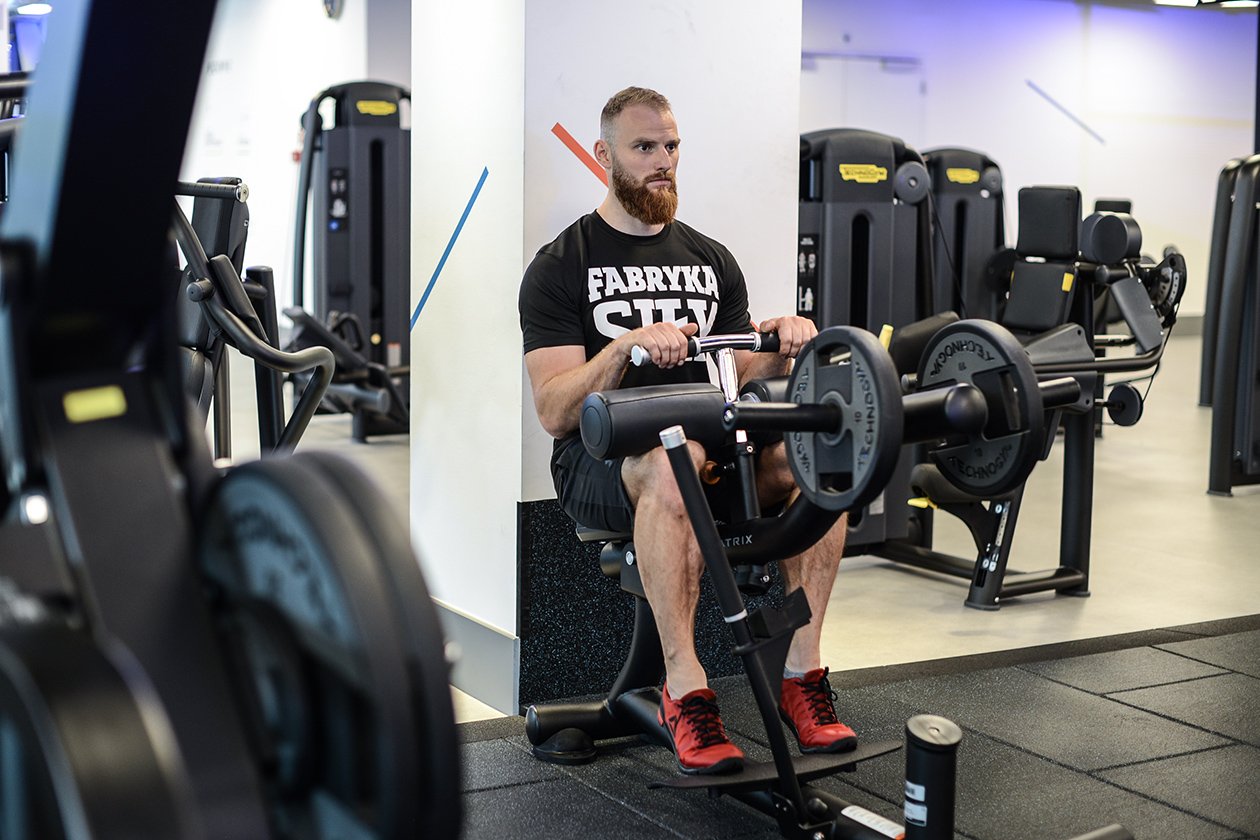
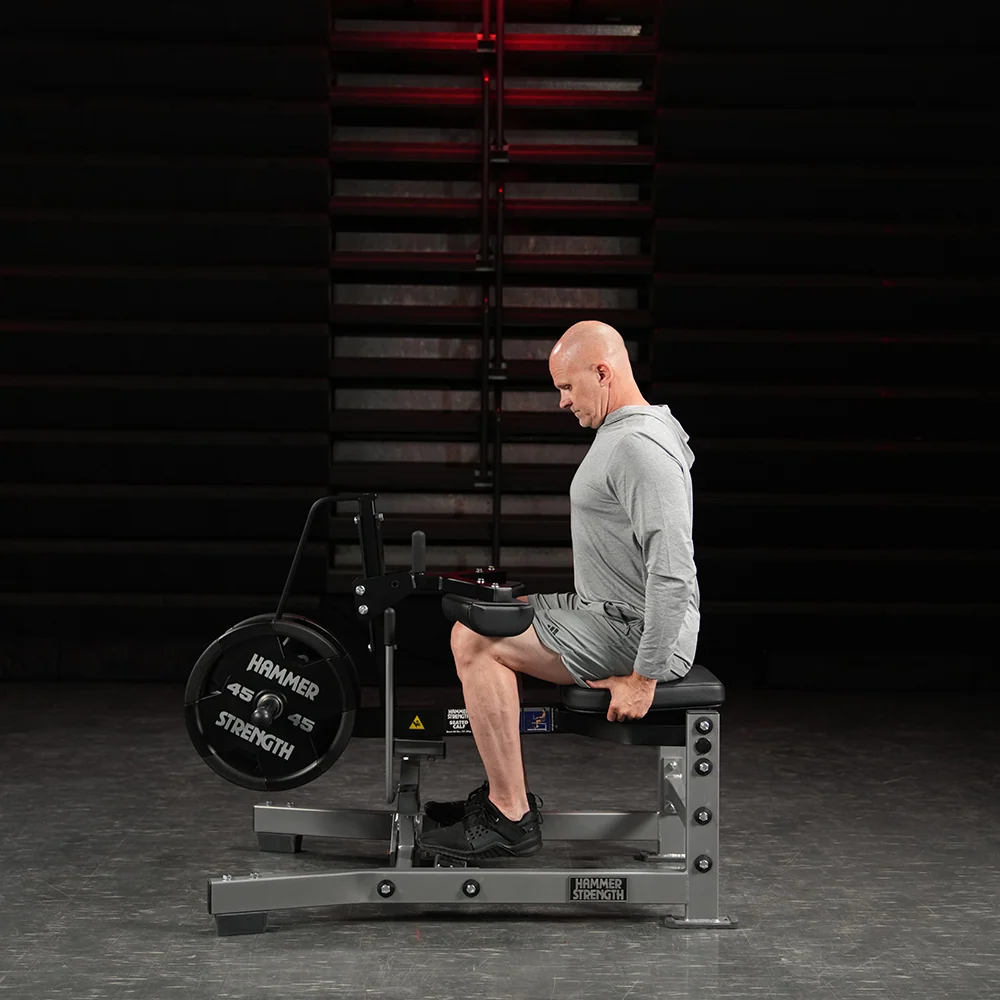
Set the machine’s thigh pads firmly on top of the lower thighs, not directly on the kneecaps. Keep the knees in a comfortable fixed bend and place the balls of the feet on the front of the footplate. Let the heels descend slowly into a comfortable stretch, then point the toes through a full controlled raise. Do not use the thighs to slam the pads upward or rock the torso to help the stack move.
A practical starting range is ten to twenty repetitions, stopping when the movement no longer looks like the first rep. The seated machine may show a lower or higher number than the standing machine; those external loads cannot be compared as if the lever arms and mechanical ratios were identical. Compare performance within each setup instead.
If the seated position bothers your knees, reduce pad pressure, adjust the machine or use a bent-knee dumbbell variation. Tendon or joint discomfort is a reason to change the setup rather than force a deep stretch because a percentage in a study looked exciting.
Better Variations and Mistakes to Avoid
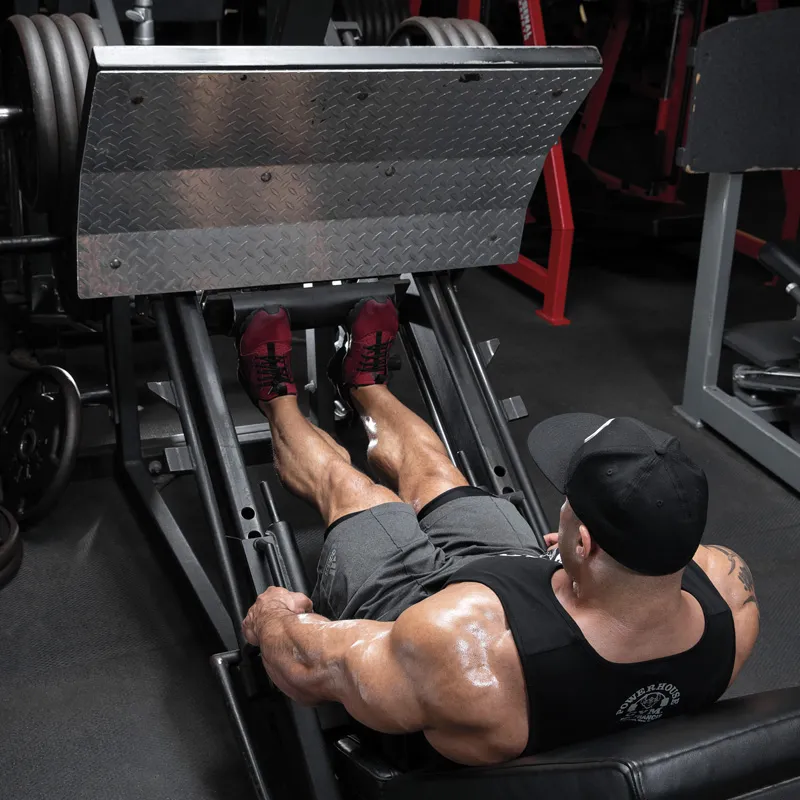
A dedicated standing calf machine is useful, but it is not a requirement for productive training. The best variation is one that lets you load the ankles, repeat the same technique and progress without a balance problem. A leg-press calf raise with nearly straight knees is a workable substitute when the footplate provides secure contact, safeties function properly and you can avoid sliding your feet off the lower edge.
A Smith-machine standing raise can be excellent when paired with a solid, nonslip platform, but only if you can set the bar height and safety stops safely. A single-leg dumbbell raise offers an inexpensive home-gym option; hold onto a rack with your free hand and increase reps before reaching for a heavier dumbbell. A donkey-style calf raise may also give a straight-knee challenge, but its setup demands reliable support for the torso and hips.
Three mistakes deserve special attention. First, do not turn every set into quick bouncing repetitions. Second, do not aggressively force the heel below a comfortable range when the Achilles is already tender. Third, do not change shoes, foot position, machine and stance every session and expect the weight log to tell you whether you improved. Standardize the setup before making conclusions.
Toe angle tricks are a minor detail compared with a usable range of motion and progressive loading. Start with feet roughly forward and pressure spread across the forefoot. If a slight toe turn feels more natural, keep it modest and pain-free. Do not force the ankles to roll outward or inward to imitate a diagram.
Calf raises after squats, cycling, running or loaded carries can feel different because the lower legs are already fatigued. If calf growth is a priority, move your first standing set earlier in the session at least occasionally. If you play jumping sports, treat direct calf volume as work that must fit around—not simply pile on top of—your landing and sprint training.
Equipment Worth Exploring
Explore equipment, accessories and gear from our carefully selected range.

Grip Plates
Rubber-coated weight plates with handholds for loading barbells and machines.

Competition Plates
Competition-style bumper plates for Olympic lifts and loaded strength training.


Cast Iron Kettlebells
Textured cast-iron kettlebells for swings, squats, carries, and full-body training.

Pro Sled System
Heavy-duty push-pull training sled for loaded conditioning, speed, and strength work.

GymPin Squat Wedges
Non-slip 15-degree squat wedges help elevate the heels for deeper quad-focused squats.

Multi Bench MBX-650 2.0
Adjustable multi-bench with roller adjustment, 15 backrest positions and accessory mounts.
A Six-Week Calf Plan You Can Actually Progress
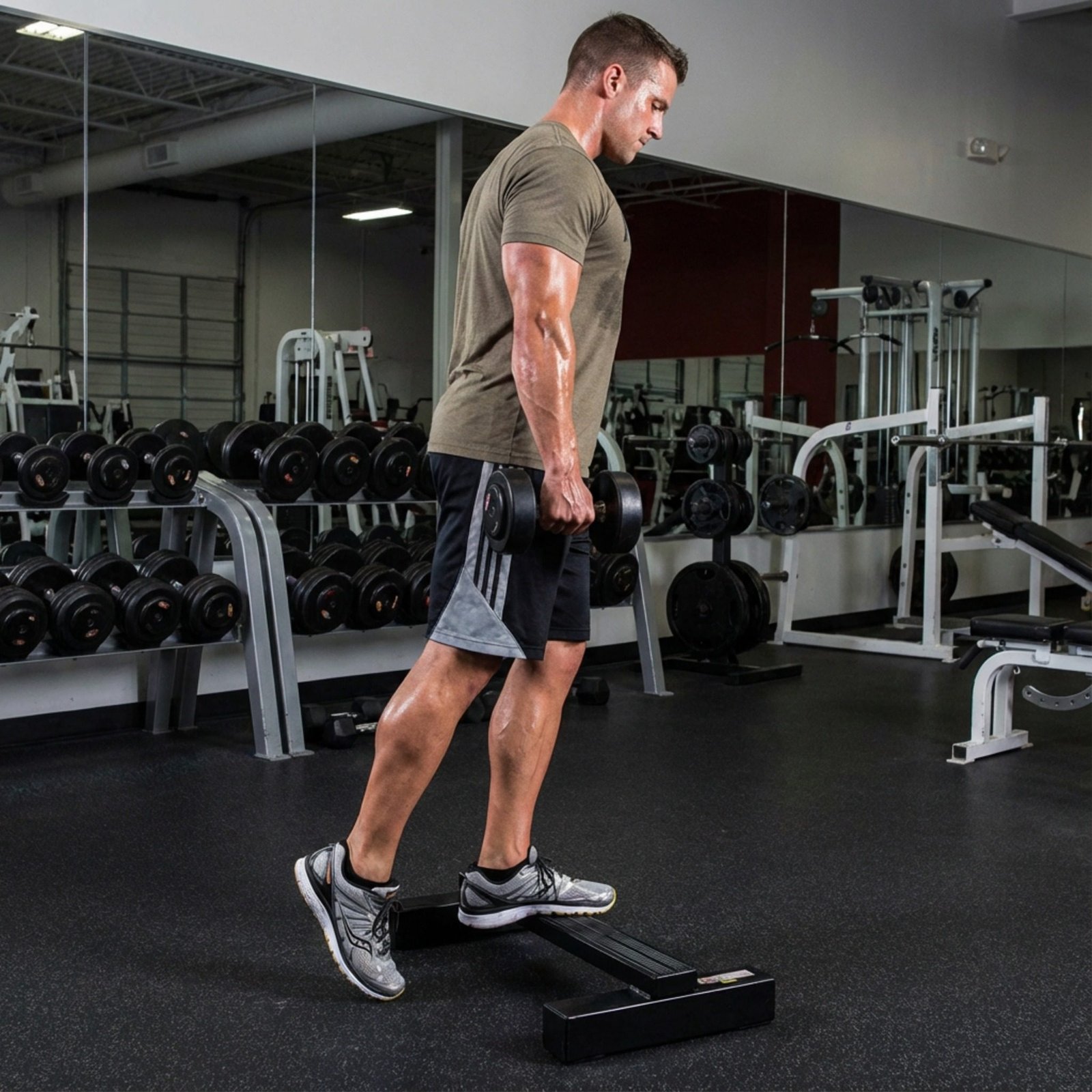
Use two calf sessions each week, separated by at least two days when possible. This sample progression emphasizes the straight-knee position while keeping some seated training for variety and additional ankle work. It is a coaching template, not the exact research protocol, and the percentages from the MRI trial should not be expected from following it.
| Weeks | Session A | Session B |
|---|---|---|
| 1–2: establish form | Standing 3 × 10–15; seated 2 × 12–20 | Standing 3 × 10–15; seated 2 × 12–20 |
| 3–4: add a little work | Standing 4 × 8–12; seated 2 × 12–20 | Standing 3 × 10–15; seated 2 × 12–20 |
| 5–6: progress clean reps | Standing 4 × 8–12; seated 2 × 12–20 | Standing 4 × 10–15; seated 2 × 12–20 |
Start each workout with one or two light warm-up sets and a comfortable range of motion. On work sets, keep the heel depth and bottom pause consistent. When you reach the upper rep target on every set with clean technique, add the smallest useful increment the next workout. If your equipment jumps too much in weight, first improve rep control and then try the next load.
Keep one to three repetitions in reserve most of the time. Take a set closer to failure occasionally only after you can maintain technique and your Achilles has tolerated the previous sessions. If morning tendon stiffness or unusual calf soreness accumulates, reduce sets and avoid aggressive loaded stretching until symptoms settle. A program should get harder because the muscles adapt, not because every session becomes a fight through discomfort.
Track three things: the load and repetitions, the actual heel travel, and how the lower legs feel the next day. A short video from the side can show whether a supposedly stronger set has quietly become a half-rep. Measurements taken at a consistent time and after several weeks are more meaningful than a temporary post-workout pump.
The useful takeaway is not complicated. Prioritize well-controlled straight-knee raises when overall calf development and visible gastrocnemius growth are your goal. Add bent-knee work if it fits your recovery, equipment and preferences. Progress patiently, protect the ankle range you have earned, and judge the plan by months of repeatable training rather than one session’s burning sensation.
Bodybuilding Shirts & Workout Gear
Bodybuilding shirts, tanks and gym gear for lifters chasing muscle, size, symmetry and the pump.

Mike Mentzer Heavy Duty Old School Bodybuilding Muscle Tank Top
Show some personality between sets with “Mike Mentzer Heavy Duty”.

Think Big Arnold Meme Sweater Top T-Shirt
Bring “Think Big” humor to your everyday gym style.

Yeah Buddy Ronnie Hoodie
Keep it laid-back with a little “Yeah Buddy Lightweight” attitude.

OnlyGains Decal Water Bottles & Laptops Meme Pack Sticker
Put “OnlyGains” gym humor on your laptop, bottle, or gym gear.

Team Natty Natural Sweater & Bros Meme T-Shirt
Add a playful “Team Natty” touch to your casual rotation.

It'S All Genetics Natty & Bros Tank Top
Train hard, laugh a little, and rep “It's All Genetics”.

Genie Wishing Muscles Meme Vest Tank Top
Your gym-day look, with a playful “Gym Genie” twist.


The Real Everest – Muscle Mountain Pullover Jumper T-Shirt
Bring “The Real Everest” humor to your everyday gym style.

Pre- Meme Sweater & Blue Crystal T-Shirt
For laid-back days and powerlifting humor: “Pre-Workout”.