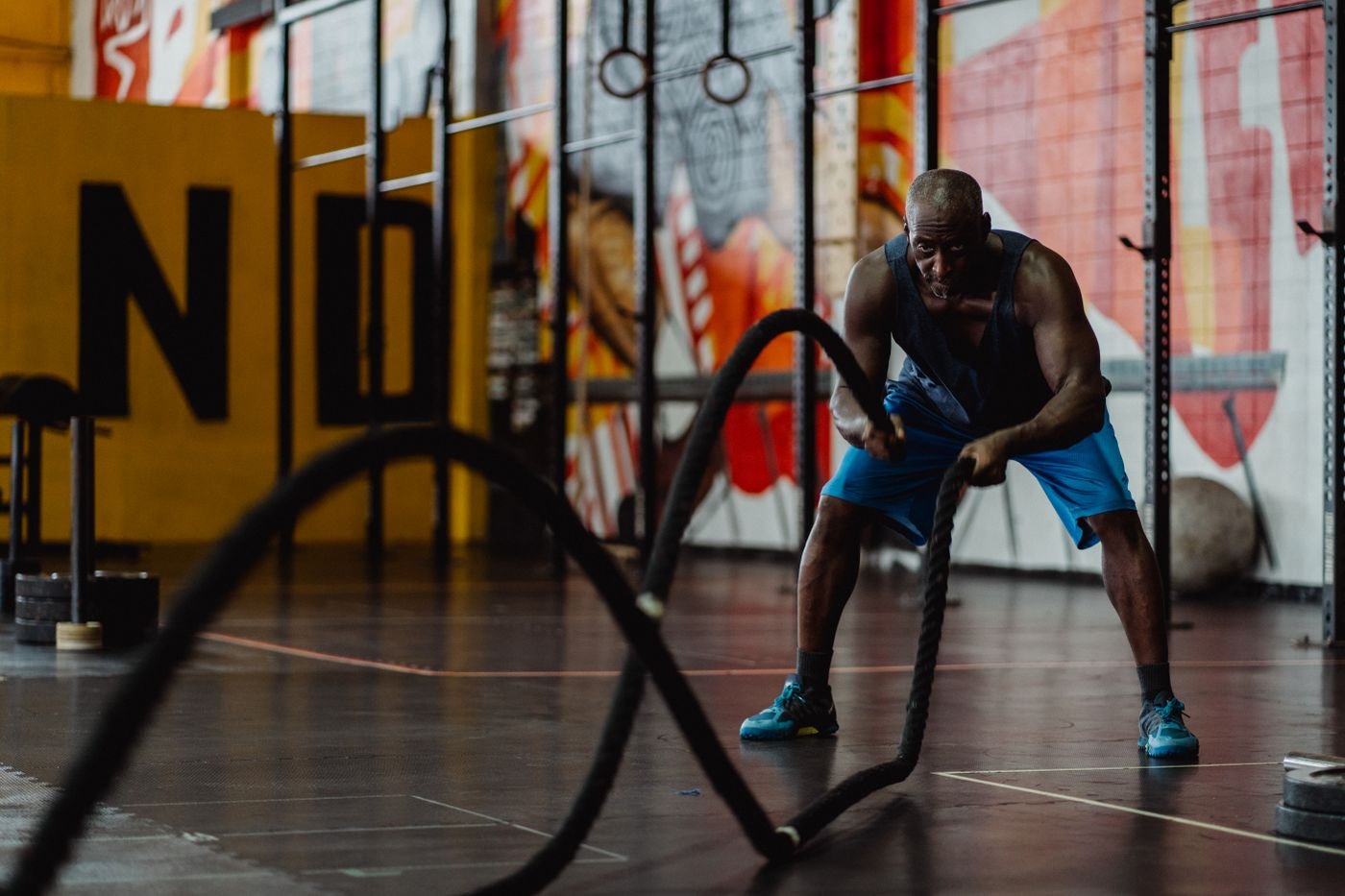
MetCon builds work capacity, not every quality at once
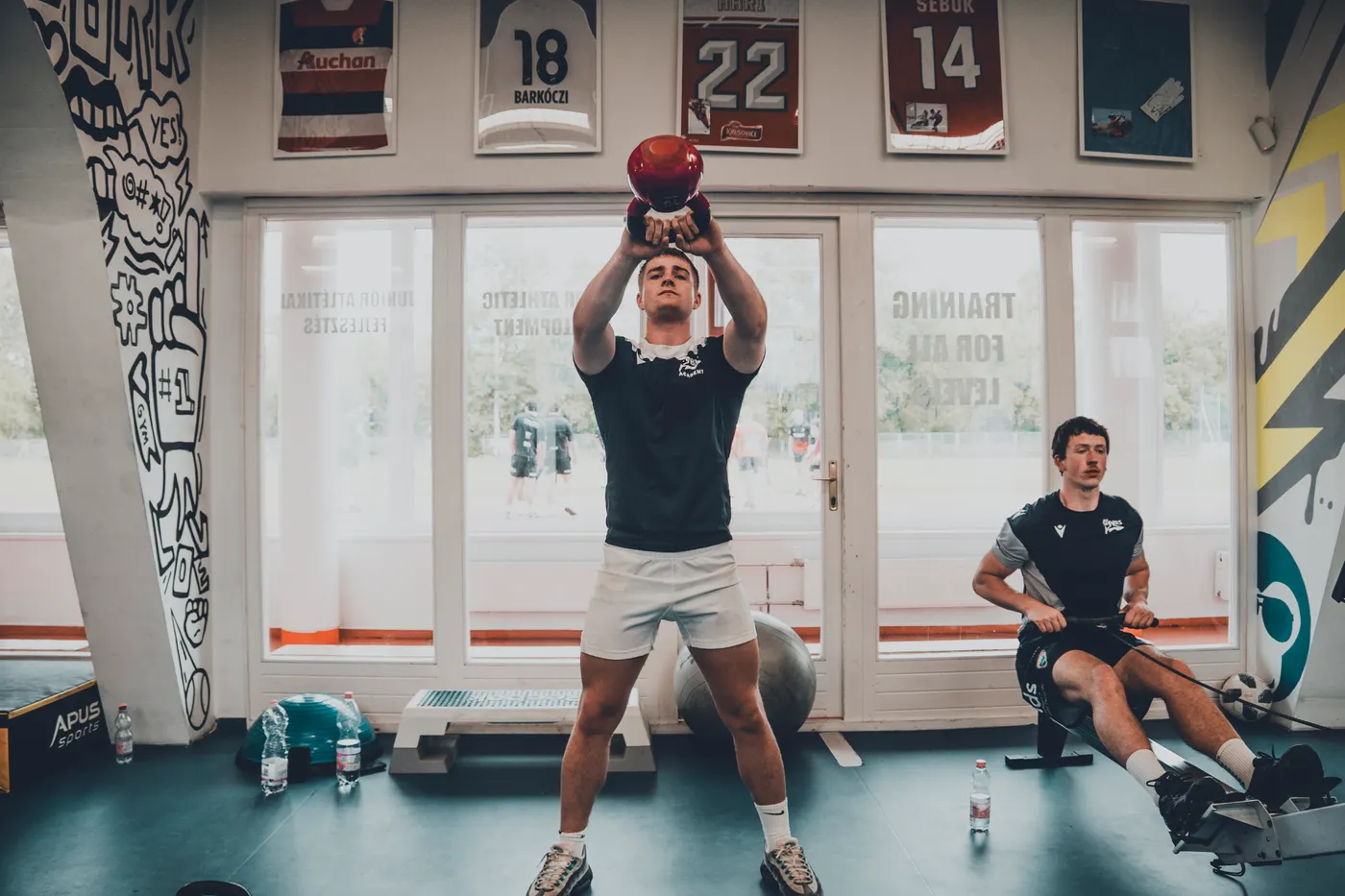
Metabolic conditioning, or MetCon, uses repeated efforts with structured or limited rest to challenge how much useful work you can sustain. A circuit might alternate kettlebell lifts, rowing and carries. Another workout might use repeated intervals on a bike. The common thread is work density, not one specific exercise or a magical heart-rate zone. MetCon can improve your ability to tolerate repeated efforts, but it is not automatically the best way to develop maximal strength, muscle size or explosive power.
Consider the difference between five barbell squats with a long rest and five squats performed while breathing hard after a rowing interval. In the first case, you can concentrate on load, depth and force. In the second, cardiovascular strain, grip and trunk fatigue may limit the work before your legs receive the strength stimulus you intended. Both formats have a place, but they should not be confused. A compact home gym can support both if you give each session a clear purpose.
Research does not support the simple claim that cardio always destroys muscle gains. A synthesis of 43 studies found no overall impairment in maximal strength or hypertrophy when aerobic and resistance training were combined, although explosive-strength gains were sometimes reduced, especially when the two were performed in the same session. Other reviews show differences across endurance modalities and populations. Those are averages rather than promises for any individual. The practical answer is to keep heavy lifting sufficiently challenging, add conditioning you can recover from and measure both qualities separately.
A four-day training week provides room for strength, conditioning and movement practice without demanding a maximal effort every day. The goal is to finish the month stronger and fitter, not simply more skilled at enduring fatigue.
Do the demanding strength work before the stopwatch
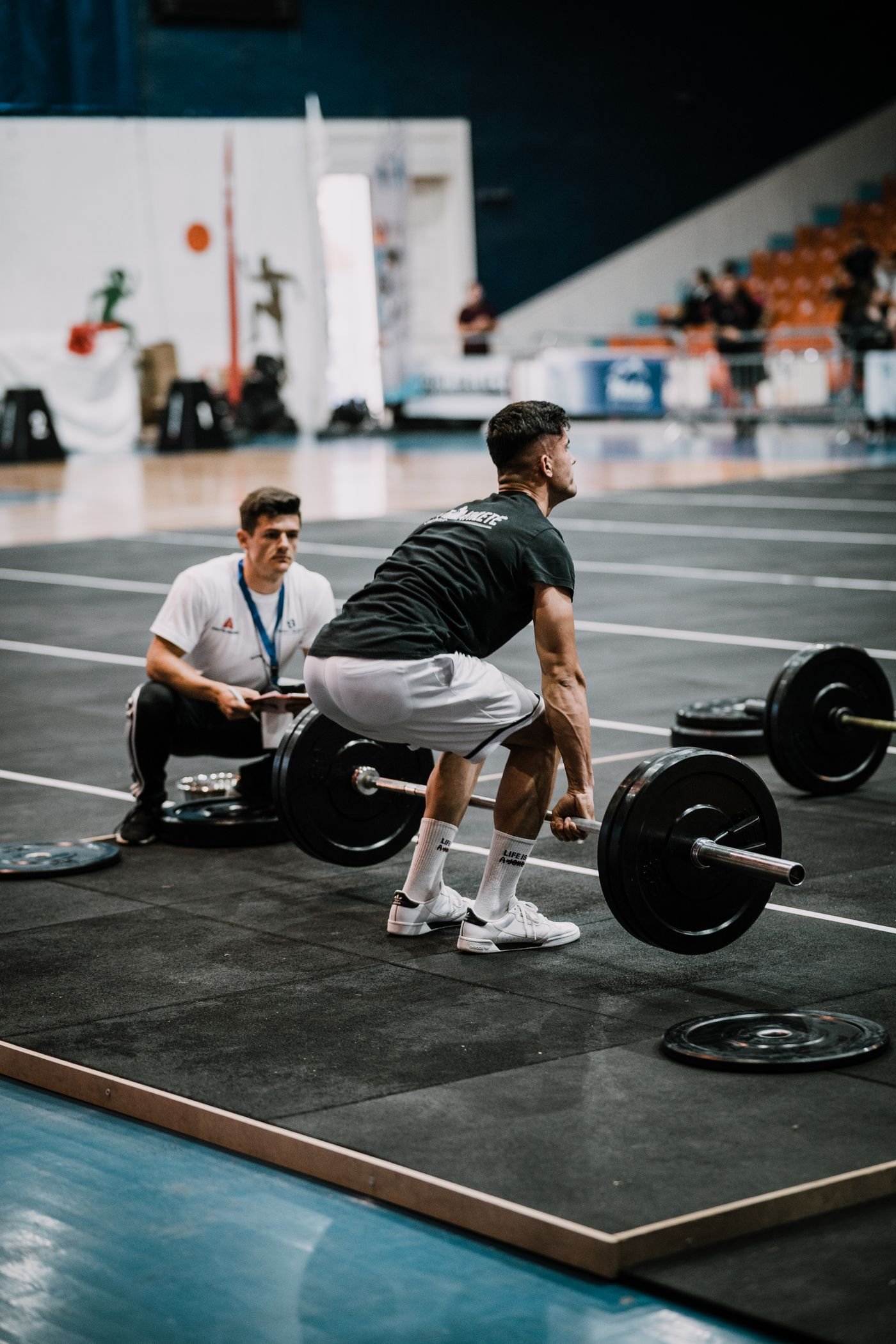
When maximal strength is important, perform the heaviest and most technical work while you are fresh. Start with easy movement and progressively heavier warm-up sets. Then focus on one main squat, hinge, press or pull, with deliberate rest between working sets. Three or four sets of three to six controlled repetitions can be a useful intermediate starting point. Leave some repetitions in reserve rather than forcing every set to failure. The exact load and rep target should match your training experience.
Choose one primary lift instead of turning the entire strength block into another circuit. On a squat-focused day, complete the squats first, then add a modest upper-body pull. On another day, prioritize a press and a hinge. A barbell and rack work well, but adjustable dumbbells or a challenging cable setup can also provide progressive resistance. What matters is repeatable technique, enough loading to stimulate the goal and a clear way to progress over time.
The updated 2026 resistance-training guidance emphasizes consistent training of major muscle groups and effort appropriate to the outcome. Heavier loading is particularly useful for maximal strength, while sufficient weekly hard sets matter for muscle growth. This is why a short breathless circuit should not automatically replace conventional lifting. A twelve-minute session can be excellent conditioning without delivering enough high-quality heavy work for a trained lifter.
Stop the heavy work if technique deteriorates or the planned load feels unexpectedly difficult. Reduce the weight rather than grinding through a poor repetition. After a brief transition, choose conditioning that does not immediately repeat the same exhausting movement pattern. The strength block should remain measurable even when the circuit changes later in the training cycle.

Equipment Worth Exploring
Explore equipment, accessories and gear from our carefully selected range.


FID Bench MAX
Adjustable bench offering flat, incline, and decline positions + adjustable headrest.


GymPin Squat Wedges
Non-slip 15-degree squat wedges help elevate the heels for deeper quad-focused squats.

Pick conditioning exercises that survive fatigue
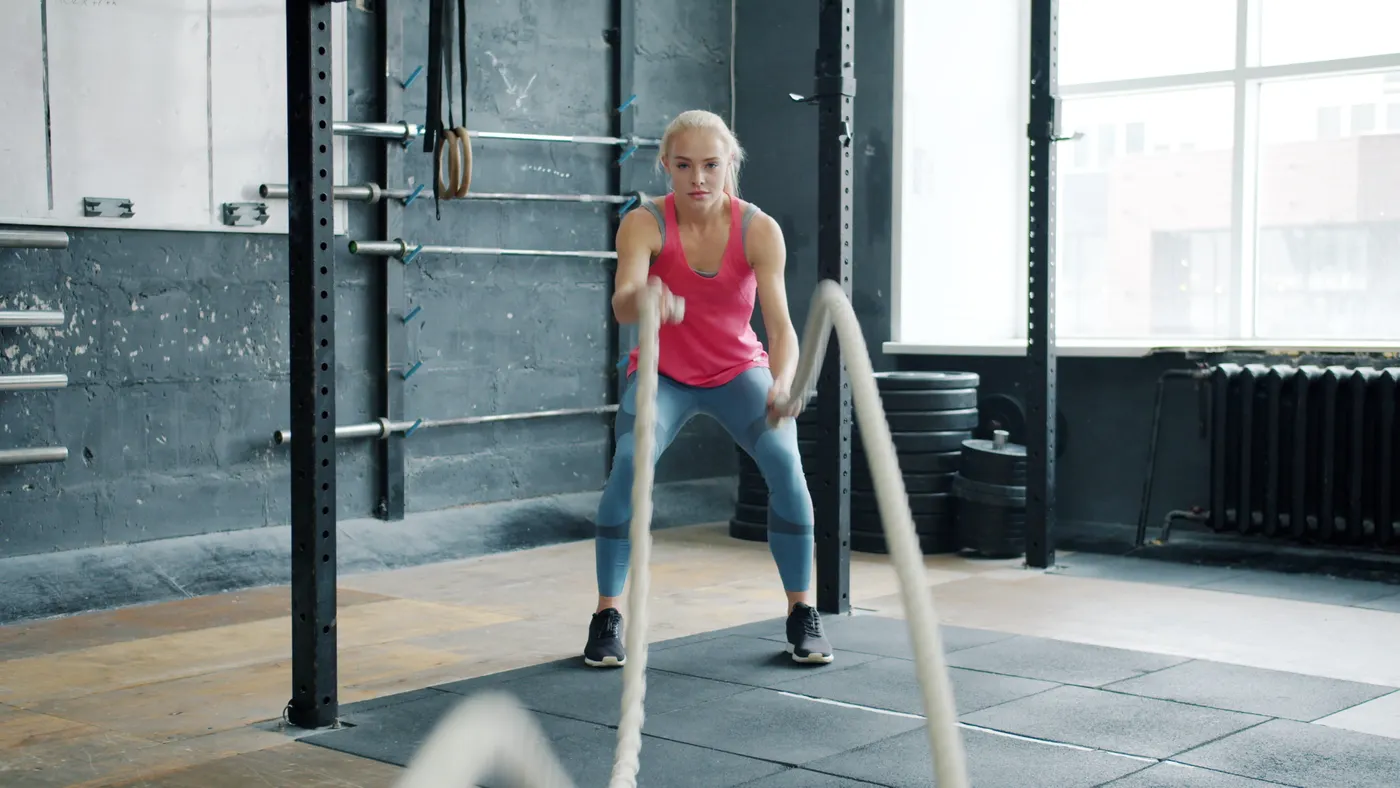
Useful MetCon exercises are straightforward enough to repeat safely when breathing becomes difficult. Rowing, cycling, step-ups, carries, controlled kettlebell swings and basic bodyweight movements can all fit. Highly technical barbell lifts performed for time are a poor default if you have not already learned them. The combination of unfamiliar skill and accumulating fatigue is not a sensible way to develop coordination. Practice complex movements separately, with light loads and generous recovery.
For a ten-minute circuit, combine two or three movements that do not all fatigue the same tissues. One option is forty seconds of moderate rowing, eight controlled kettlebell deadlifts and a short loaded carry, resting whenever needed. Aim for repeatable work rather than a spectacular first round. If your back position changes on the kettlebell, shorten the set or lower the weight. A small room can use a jump rope, step-up platform or compact cable station instead of a large cardio machine.
Distinguish intervals from maximal sprints. A moderately hard interval can be repeated several times with consistent output. An all-out sprint requires more recovery and places greater demands on the body. Research supports cardiorespiratory benefits from interval training, but it does not mean every session must be maximal. Many strength-focused trainees benefit from keeping most conditioning submaximal and reserving the hardest intervals for a day when recovery allows.
Watch the exercise rather than obeying the clock blindly. A timer provides structure, not permission for unsafe repetitions. If posture collapses, landings become uncontrolled or you feel dizzy, stop or scale the movement. The best MetCon session improves work capacity without taking away the quality of tomorrow’s strength training.

Functional Fitness Shirts & Workout Gear
Functional-fitness shirts, tanks and workout gear for athletes who train strength, conditioning and everything in between.

Hybrid Athlete Strength Tee
Show some lifting attitude with a playful “Hybrid Athlete” tee.

Rowing – Dost Thou Even Row Medieval Knight Crewneck fo T-Shirt
Show some gym-day personality with “Rowing”.

Gym Dost Thou Even Pedal Medieval Knight Air Bike Parod Hoodie
Show off your medieval humor in a laid-back “Dost Thou Even Pedal Medieval Knight Air” hoodie.

Vive La Resistance Bands Painting Meme – Resistance Ban Sticker
Bring “Vive La Resistance Bands” attitude to your water bottle or laptop.

Lift Together Grow Stronger for Gym Buddies and Lifting Tank Top
Bring “Lift Together Grow Stronger” humor to your next lifting session.

Kettlebell Heartbeat Hooded Pullover Workout Fans Hoodie
Keep it laid-back with a little “Kettlebell Heartbeat” attitude.

OnlyGains Kettlebell Meme Sweater Meme T-Shirt
Keep things casual with a little “OnlyGains” attitude.

High Rocks Functional Fitness Tee
Show some lifting attitude with a playful “Hyrox High Rocks Gym Bro” tee.

Cheeseburger Kettlebell – Burger Swings Meme Decal for Sticker
Stick a little “Cheeseburger Kettlebell” humor on your favorite gear.

Pink Macaroon Kettlebell – Girly Kettlebell Meme Vest M Tank Top
Train hard, laugh a little, and rep “Pink Macaroon Kettlebell”.
A balanced four-day training week
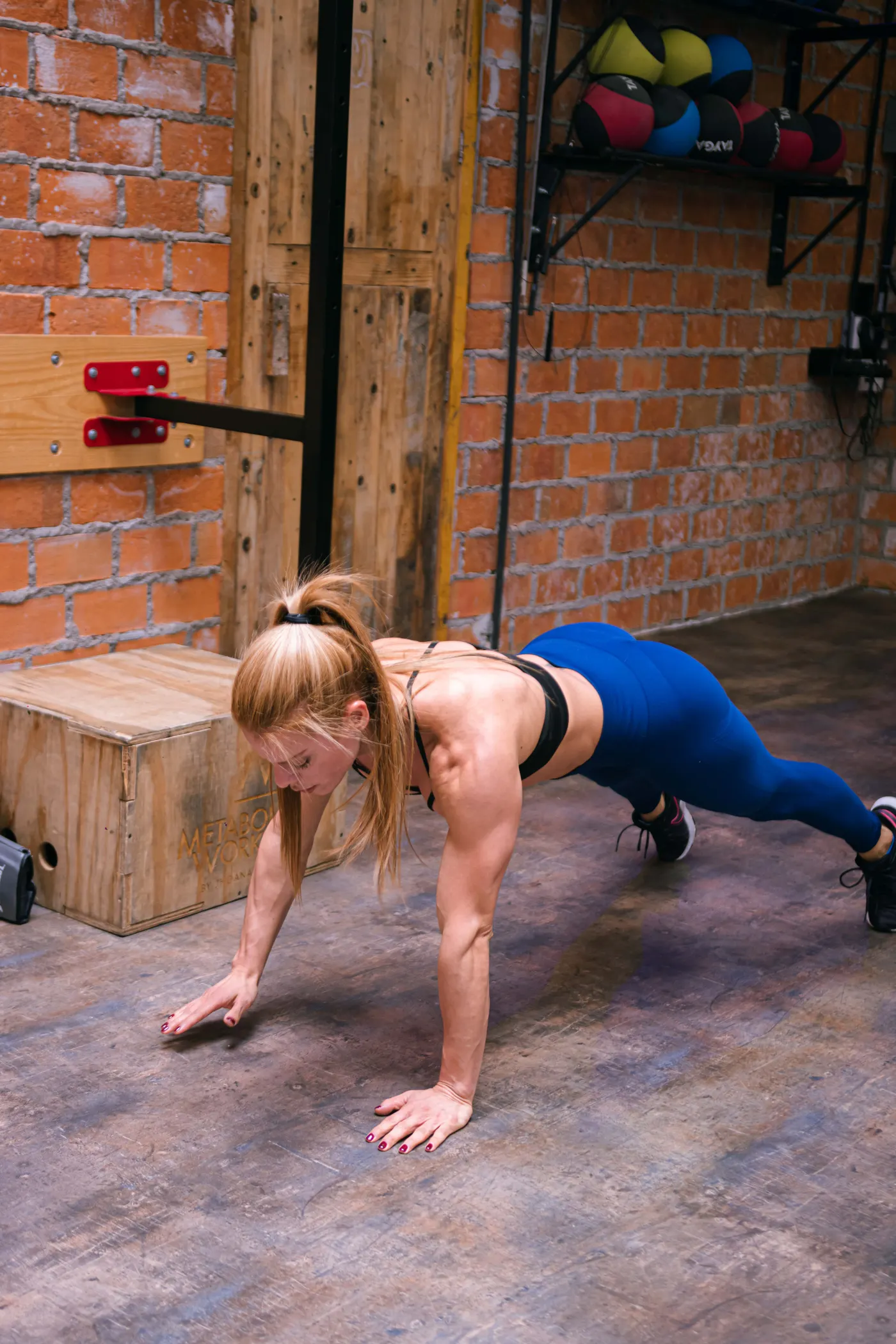
Four days allow two primary strength exposures and two sessions that place more emphasis on conditioning. You do not have to isolate every quality completely. Give each day one priority and keep the secondary work short enough to avoid interfering with it. A workable schedule is Monday, Tuesday, Thursday and Saturday, with at least one easier day after the hardest lower-body session.
Day 1 — Lower-body strength: Warm up, squat for three or four sets of five, add a moderate pulling movement for three sets, then finish with eight to ten minutes of easy cycling or walking. Day 2 — Conditioning and skill: Practice a controlled kettlebell swing or step-up, then complete six rounds of one minute moderate rowing and one minute easy. Day 3 — Upper-body strength: Press for three or four sets of five to eight, row or pull for three sets of six to ten, then perform a short trunk exercise. Day 4 — Mixed conditioning: Complete three or four unhurried rounds of carries, step-ups and simple bodyweight movements with enough rest to maintain form.
This is an original illustrative schedule, not a reproduction of a paid program or a protocol that has been validated in a clinical trial. Adapt the exercise choices to your equipment, movement skill and recovery. A beginner can reduce the schedule to two days; a specialist athlete may need more targeted strength work or longer aerobic sessions. If you train for a particular event, dedicate more time to the movements and durations that event demands.
After a demanding squat or deadlift day, avoid stacking hard running, jumping and loaded leg circuits if your legs remain unusually sore. Swap to gentler cycling or upper-body conditioning when appropriate. A schedule should support adaptation, not require four exhausting performances every week.
Progress without making every workout harder
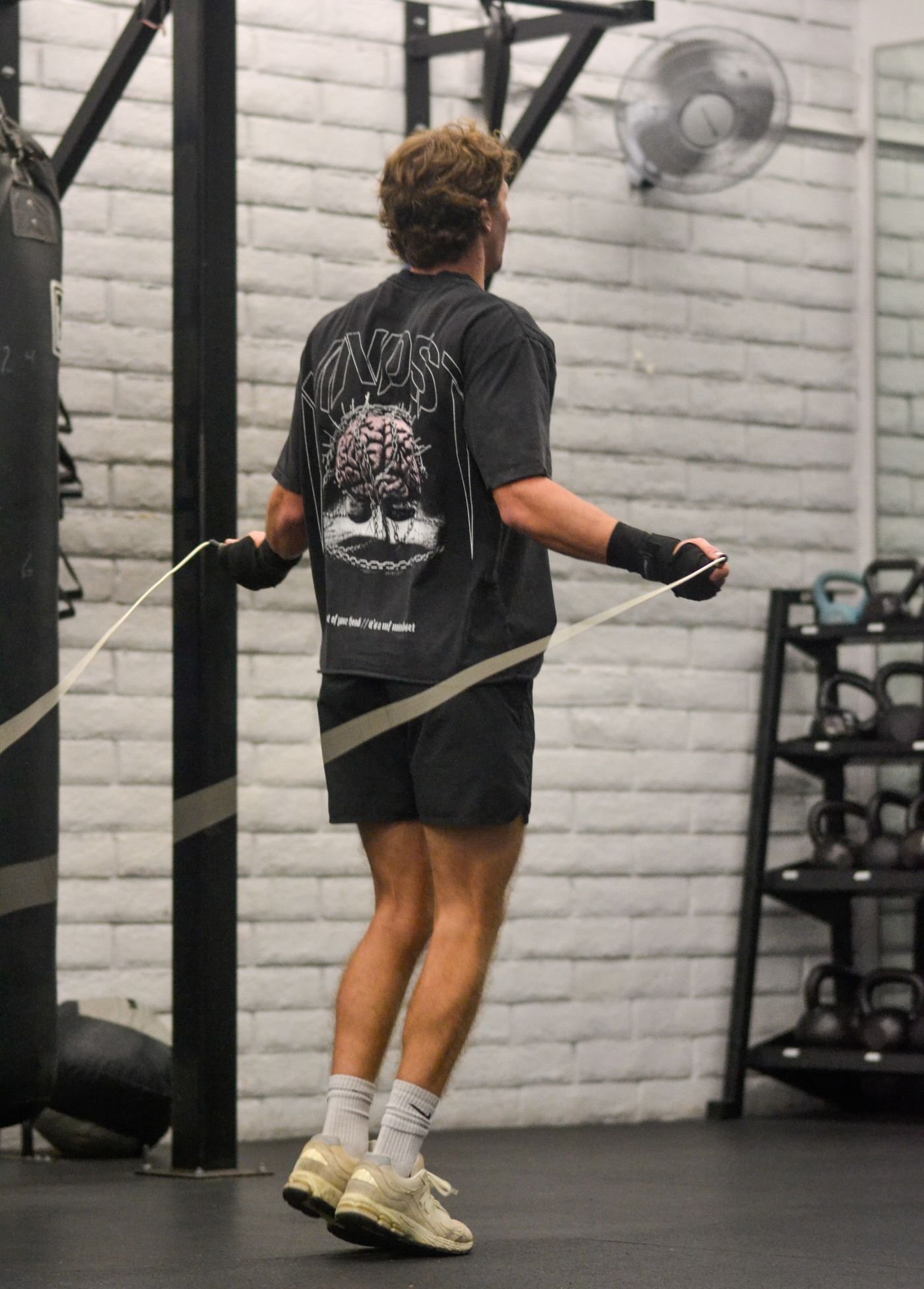
MetCon progress is not limited to beating the clock. It may mean completing the same work with smoother transitions, steadier breathing, fewer unnecessary pauses or a slightly higher sustainable pace. Strength progress may mean another clean repetition or a small load increase at similar effort. Record these separately. A faster circuit should not hide the fact that your main lifts have become less controlled or weaker.
Keep the workout structure consistent for two or three weeks before changing it. Use the same exercise order, interval lengths and rest rules so comparisons mean something. On a moderate conditioning day, add one round only when the existing dose feels manageable. On a strength day, add weight after you can complete all planned sets with consistent range of motion. Do not increase load, repetitions, pace and circuit duration simultaneously.
Equipment changes can distort comparisons. A rowing machine’s calorie display may not match another model. Cable machines have different resistance curves, and a compact digital resistance trainer may feel different from a weight stack at the same nominal load. Compare your output on the same setup when possible. When you change equipment, establish a new baseline rather than assuming the numbers are interchangeable.
Keep at least one nonmaximal conditioning benchmark, such as six controlled two-minute cycling intervals at a fixed resistance and perceived effort. Record distance or output and how quickly breathing settles. Pair it with a strength benchmark, such as a clean five-repetition squat at a known load. Two modest and repeatable measurements reveal more about balanced progress than an occasional heroic workout that leaves you unable to train the following day.
Equipment Worth Exploring
Explore equipment, accessories and gear from our carefully selected range.
VOLTRA
Compact digital cable trainer with smooth, adjustable resistance.

Go-Tone Pro
Portable digital cable trainer with up to 66 lb (30 kg) of adjustable resistance.


GymPin Starting Blocks
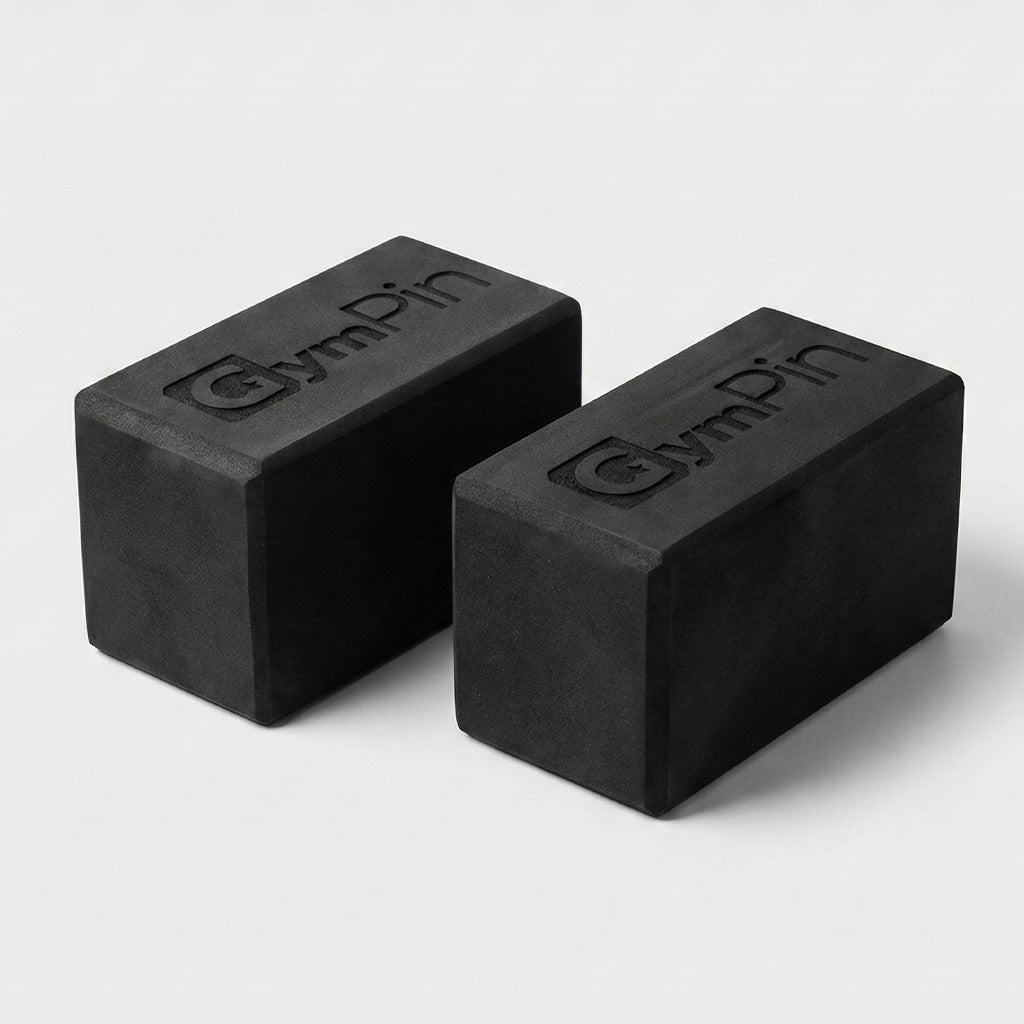
Portable high-density foam blocks for adjusting machine starting positions and range of motion.


Power Tower
Freestanding pull-up and dip station with adjustable handles for bodyweight training.
Recovery and scaling decide whether the plan works
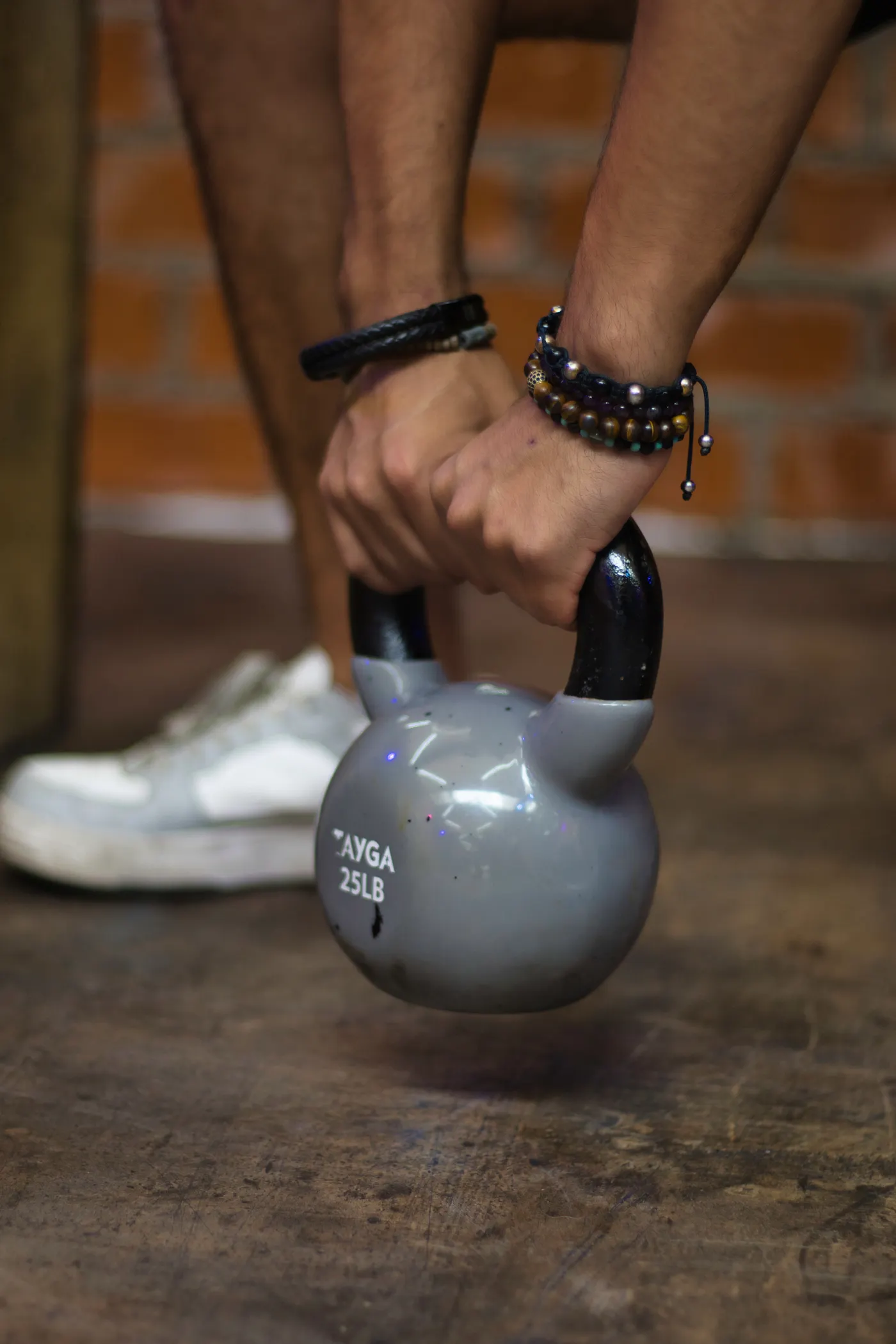
The biggest obstacle to combining lifting and conditioning is often the total amount of hard work, not a mysterious conflict between exercise types. Hard intervals consume energy and recovery capacity. Grip fatigue from carries can affect the next day’s pulling; sore quadriceps from high-volume squats can change how running feels. Your log should include sleep, soreness, motivation and whether warm-up sets feel unexpectedly heavy, not just weights and times.
Concurrent-training studies differ in their findings across outcomes. One broad review found that strength and endurance work generally coexisted without reducing muscle growth or maximal strength on average, while explosive-strength development could be more sensitive to timing. Another analysis found that the endurance modality mattered for some lower-body outcomes. These findings support individual programming, not an absolute rule that running must be avoided or that an exact number of hours between sessions eliminates every possible interference effect.
If strength is your primary goal, place the hardest conditioning away from your most important lifting session when practical. Different days or sessions separated by several hours can help manage fatigue, but consistency matters more than an ideal schedule you cannot maintain. If you have only one hour, lift first and use a shorter conditioning finisher. On a day when aerobic capacity is the priority, reverse the order or omit demanding strength work.
Scaling is an important training skill. Substitute step-ups for high box jumps, controlled kettlebell deadlifts for tired swings, incline push-ups for floor push-ups and an easy bike interval for a maximal sprint. Pain, dizziness or unusual shortness of breath should prompt stopping rather than pushing harder. Walking and gentle mobility are perfectly reasonable recovery-day activities without adding another scored session.
Cardio Shirts & Workout Gear
Cardio and conditioning gym gear for runners, endurance athletes and anyone who earns the sweat.


Jump Rope Wonder Woman Gym | Funny Superhero Cardio Wor T-Shirt
For laid-back days and superhero humor: “Jump Rope Wonder Woman”.

Cardio Is Hardio – Workout Meme Hooded Pullover Hoodie
Keep it laid-back with a little “Cardio Is Hardio” attitude.

Don't Quit Do It – Motivational Workout Vest Muscle Shi Tank Top
Bring “Don't Quit Do It” humor to your next lifting session.

Running Dost Thou Even Trot Medieval Knight Treadmill D Sticker
Give your everyday gear a playful “Running” twist.

Skip Cardio Exit Cardio Meme Hooded Hoodie
Keep it laid-back with a little “Skip Cardio” attitude.

Negative Cardio Review Cardio Sucks Running , Meme T-Shirt
Heavy lifts, good laughs, and a little “Negative Cardio Review” energy.

Cardio Is Calling Decline Vest Meme Tank Top
Show some personality between sets with “Cardio Is Calling”.

Exercise I Thought You Said Extra Fries Retro Fast Food Sticker
Give your everyday gear a playful “Exercise I Thought You Said Extra Fries” twist.

Hybrid Athlete – Iron Man Medieval Triathlon Pullover f Hoodie
Show off your medieval humor in a laid-back “Hybrid Athlete” hoodie.
Four weeks of training with useful benchmarks
Run the four-day structure for a month, changing only what your performance supports. Week 1: Establish baseline loads, comfortable interval pacing and clear movement standards. End each conditioning block feeling that you could complete another round. Record one five-repetition strength set, the work completed in a fixed six-minute circuit and a simple one-to-ten effort rating. Week 2: Repeat the structure and aim for cleaner transitions and steadier pacing instead of a dramatic workload jump.
Week 3: If recovery is good, increase one strength load slightly or add one controlled repetition to an accessory exercise. For conditioning, add one round to a single session or extend one easy interval. Leave the other sessions unchanged. Week 4: Reduce accessory and interval volume by roughly a quarter to a third, then repeat your original benchmarks under comparable conditions. A lighter week can reveal progress that accumulated fatigue was hiding.
Track the right details: Main-lift load and repetitions; circuit duration and completed rounds; output on the same bike or rower; technique deviations; sleep and soreness. If conditioning improves while strength stays stable, that can be a valuable result. If both decline, reduce workload before adding more exercises, supplements or another hard session. If only one outcome improves, decide whether that outcome matches your actual goal.
This four-week plan is a practical template, not a promise of a specific percentage gain. Beginners may improve quickly, while experienced lifters may see smaller changes over a month. Before starting another block, decide whether maximal strength, aerobic fitness, body composition or event performance matters most. Give that quality the best training time and use the smallest dose of everything else that still moves you forward.
Some product links may be affiliate links, which can support Mind Muscle Perfection at no additional cost to you.