Advertising disclosure: This page includes affiliate product links that may earn us a commission, as well as products from our own store.
Some product links may be affiliate links. If you shop through them, Mind Muscle Perfection may earn a commission at no extra cost to you.
Some lifters treat every sprint as a threat to leg growth. Others add savage intervals after every heavy workout and wonder why their squat sessions feel flat. Both extremes miss the real programming question: can short, very hard conditioning sessions build an engine without taking useful training away from strength work?
A 2026 pooled analysis of nine randomized trials involving 177 adults found that adding sprint interval training to lifting improved aerobic capacity compared with lifting alone, without a statistically detectable average disadvantage in measured strength, jump or sprint outcomes. That result is promising, but it is not permission to ignore fatigue, recovery or the specific exercises you choose.
Here is how to interpret the findings, distinguish true sprints from ordinary cardio intervals and arrange conditioning around a serious strength program.
1. Sprint intervals and normal cardio are not the same workout
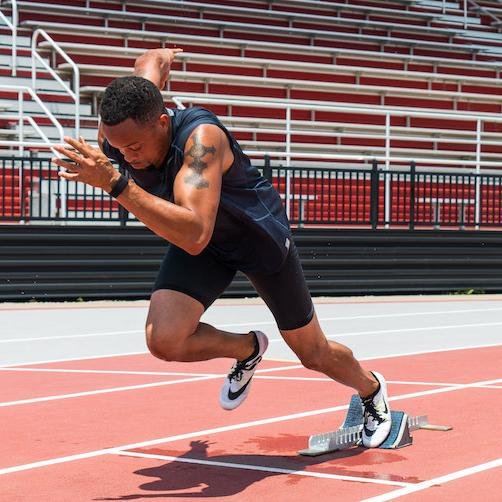
Sprint interval training means repeated very high-effort bursts separated by recovery. On a track that might mean short accelerations; on an exercise bike it could mean brief maximal efforts against resistance. A conventional steady ride or conversational jog produces a very different fatigue pattern, while a longer hard interval at a sustainable pace is not automatically an all-out sprint.
The difference matters because the energy demand, joint loading and movement skill depend on the modality. Outdoor running accelerations challenge hamstrings, calves and tendons through high-speed foot contacts. Cycling sprints put more of the effort into powerful pedal strokes and may be easier to control when an athlete has limited running exposure. Neither choice is inherently superior for every strength trainee.
Work and recovery intervals also determine the actual dose. Six seconds of aggressive acceleration followed by two or three minutes of walking is a different session from eight thirty-second maximal cycling bouts with short rests. Two workouts can both be called sprint training while having radically different effects on total fatigue and the next day’s lifting quality.
A sensible beginner starts below maximal effort until technique and tolerance are established. Warm up gradually, include a few increasingly fast practice efforts and stop if movement mechanics deteriorate. A sprint is not an excuse to ignore a medical restriction, active injury or a lack of experience with fast running. For a lifter whose goal is strength, conditioning should be an added training stimulus rather than a replacement for progressive lifting.
2. What nine trials actually found about strength and cardio
The 2026 analysis pooled nine randomized controlled studies with 177 healthy adults. It compared programs combining sprint intervals and resistance training against programs using resistance training alone. On average, the combined approach produced no statistically significant difference in lower-body strength, upper-body strength, jump performance or sprint performance. Aerobic capacity, measured as maximal oxygen uptake, improved more with the combined training.
The pooled differences were small for lower-body strength (standardized mean difference 0.01), upper-body strength (-0.06), jump performance (0.11) and sprint performance (-0.01). None of those comparisons was statistically significant. The aerobic-capacity contrast was larger, with a standardized mean difference of 0.78, indicating a practical reason for lifters to include a conditioning dose when improving endurance matters.
Do not turn a nonsignificant strength result into a guarantee of identical gains. The trials were modest in number and size, their sprint protocols differed, and not every outcome was measured in all participants. A short study of healthy adults cannot settle how a highly trained powerlifter, a competitive sprinter or someone on a very demanding muscle-building block will respond over a full season.
One intriguing exploratory result favored short sprint protocols of ten seconds or less for jump improvements. Treat that as a hypothesis worth testing rather than a promise that six-second sprints make you jump higher. The available evidence is encouraging precisely because it offers another option for conditioning without a clear group-level penalty in the measured strength outcomes.
The crucial comparison is not sprint training versus doing nothing. It is a lifting plan with an added conditioning component versus a lifting plan alone. If your weekly volume, nutrition, sleep and effort stay reasonable, there may be room for both. If the intervals make you skip sets or turn challenging squat sessions into recovery workouts, the same approach has stopped working for your current circumstances.

Equipment Worth Exploring
Explore equipment, accessories and gear from our carefully selected range.

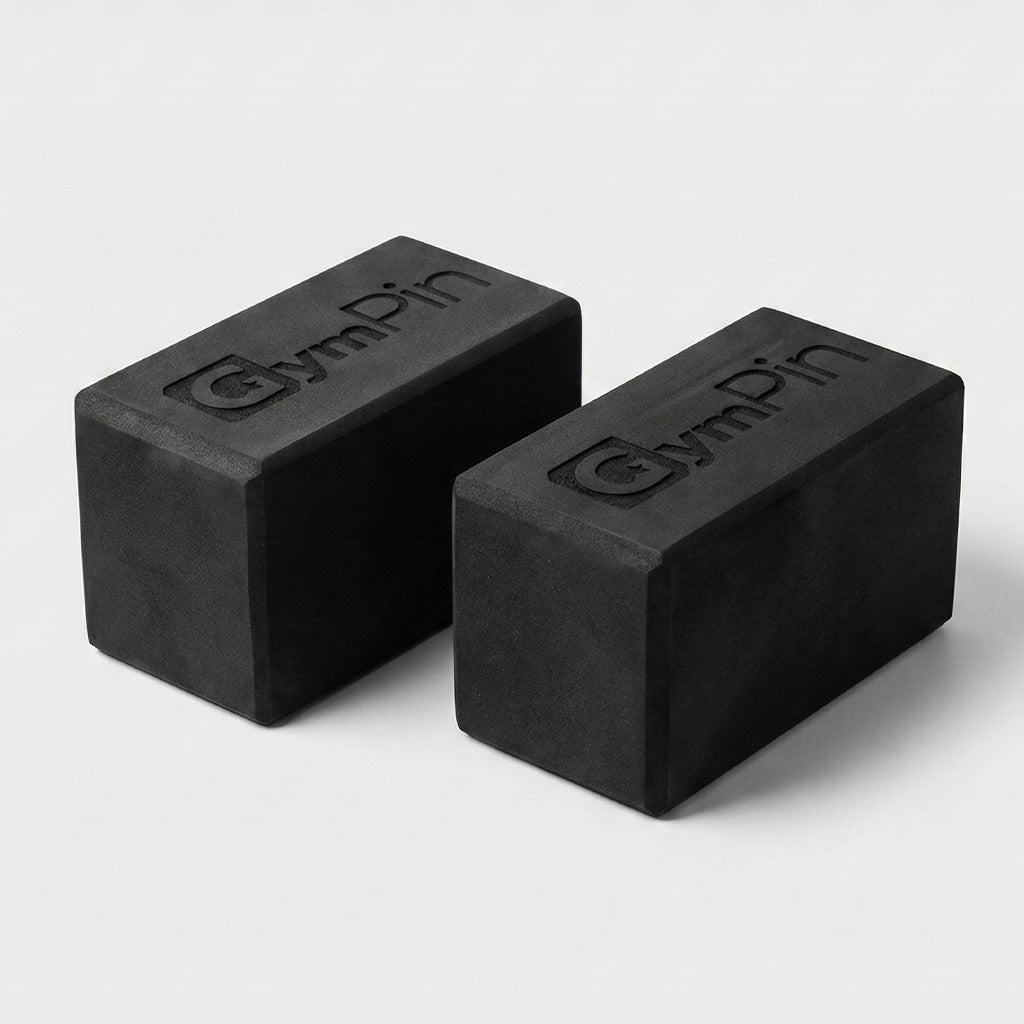
GymPin Starting Blocks
Portable high-density foam blocks for adjusting machine starting positions and range of motion.


GymPin Squat Wedges
Non-slip 15-degree squat wedges help elevate the heels for deeper quad-focused squats.
VOLTRA
Compact digital cable trainer with smooth, adjustable resistance.

Go-Tone Pro
Portable digital cable trainer with up to 66 lb (30 kg) of adjustable resistance.
3. Why endurance training sometimes interferes with leg day
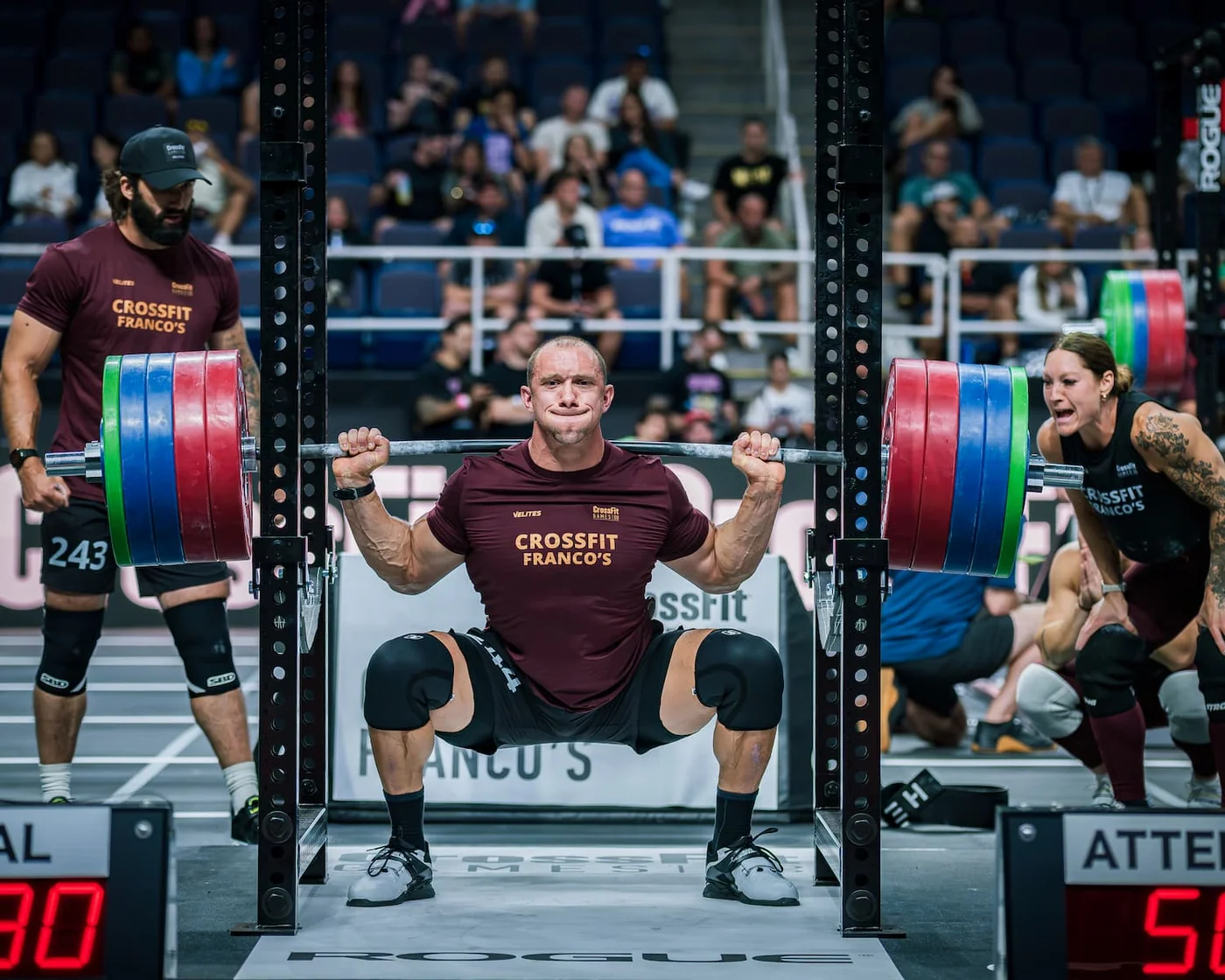
The interference effect describes the possibility that simultaneously training endurance and strength can blunt some adaptations, particularly when endurance work adds substantial fatigue to muscles needed for heavy lifting. It does not mean that cardio automatically burns muscle or that one conditioning bout erases a week of squats. Total workload, training status, recovery and exercise selection explain more than the category label alone.
Consider a lifter who completes heavy squats, then performs repeated hard hill sprints, then schedules deadlifts the following morning. The quads, glutes, hamstrings and spinal support muscles may have had little chance to recover. A drop in next-day bar speed or lifting volume could be an acute fatigue problem, not evidence of a mysterious long-term molecular conflict.
Now compare someone who lifts on Monday and Thursday and adds a modest bike-sprint session on Saturday. The sessions do not overlap as much, and the conditioning dose may be easier to sustain. That second program is not automatically ideal, but it illustrates why weekly placement and total recovery demand matter at least as much as whether you call the workout sprint intervals or high-intensity training.
An older pooled comparison of same-day training order favored lifting before endurance exercise for lower-body dynamic strength, while not showing the same clear order effect for muscle size. That does not establish a universal hour-by-hour separation rule. It does suggest a simple priority principle: perform the activity you most need to improve when you are fresh, and keep secondary work from compromising its quality.
Track your actual training performance rather than relying on how tough the conditioning feels. If your working weights, clean repetitions and motivation remain stable while your breathing fitness improves, the combination may be productive. If lower-body soreness and performance deteriorate for several weeks, cut the interval dose before concluding you must abandon cardio entirely.
4. Put heavy lifting first when strength is the priority
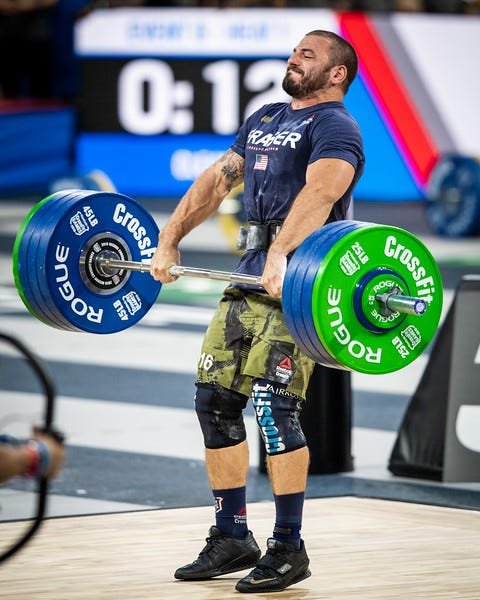
Exercise order should reflect your current target. If increasing your squat or deadlift is the main goal, practice the heavy lift early in the session, when concentration, coordination and leg force are highest. A hard sprint beforehand can create fatigue that changes the lift you are trying to measure. This is especially relevant for technical compound work near your normal challenging loads.
On days that must contain both activities, a practical starting order is a thorough lifting warm-up, priority compound sets with adequate rest, supporting accessories, and then a small amount of conditioning if you still move well. Do not rush from a maximal deadlift directly into aggressive running accelerations. High-speed running while exhausted is a poor place to learn efficient sprint mechanics.
If you can separate the sessions into different days, that may simplify recovery and improve the quality of each workout. If your calendar allows only one training block, keep the interval portion modest, monitor how the next lift session goes and consider lower-impact methods such as an air bike. There is no credible universal minimum number of hours that guarantees zero interaction for every athlete.
Do not make every week more intense in two directions simultaneously. You can progress the barbell while maintaining a steady dose of intervals, then raise conditioning difficulty only after the strength work has become predictable. Likewise, if you are preparing for a race, you may temporarily maintain rather than maximize heavy lifting so the sprint and aerobic sessions receive higher priority.
The goal is to preserve a clear performance signal. A controlled set of five bench reps with steady technique and a measured load tells you more about strength progress than the same set performed while still breathless from all-out intervals. Train hard where hard work serves the plan, not everywhere simply because the session has room for more punishment.

Cardio Shirts & Workout Gear
Cardio and conditioning gym gear for runners, endurance athletes and anyone who earns the sweat.


Hybrid Athlete – HYROX Training Crewneck for Strength & T-Shirt
Show some gym-day personality with “Hybrid Athlete”.

Gym Dost Thou Even Pedal Medieval Knight Air Bike Parod Hoodie
Show off your medieval humor in a laid-back “Dost Thou Even Pedal Medieval Knight Air” hoodie.


Triathlon – Iron Man Medieval Knight Swim Bike Run Deca Sticker
Give your everyday gear a playful “Triathlon” twist.

Cardio Is Calling You , Meme Top Answer Or Decline? T-Shirt
Make gym days more fun with “Cardio Is Calling You” style.

Shirt – Cardio Is Hardio – & Gymbros T-Shirt
Show some cardio attitude with a playful “Cardio is Hardio” tee.

Skip Cardio Exit Cardio Meme Sweater Top T-Shirt
For laid-back days and cardio humor: “Skip Cardio”.

Hybrid Athlete – Iron Man Medieval Triathlon Pullover f Hoodie
Show off your medieval humor in a laid-back “Hybrid Athlete” hoodie.

Anti Running Club Tee
Heavy lifts, good laughs, and a little “Anti Running Running Club” energy.
5. Choose the right sprint method for your body and goals
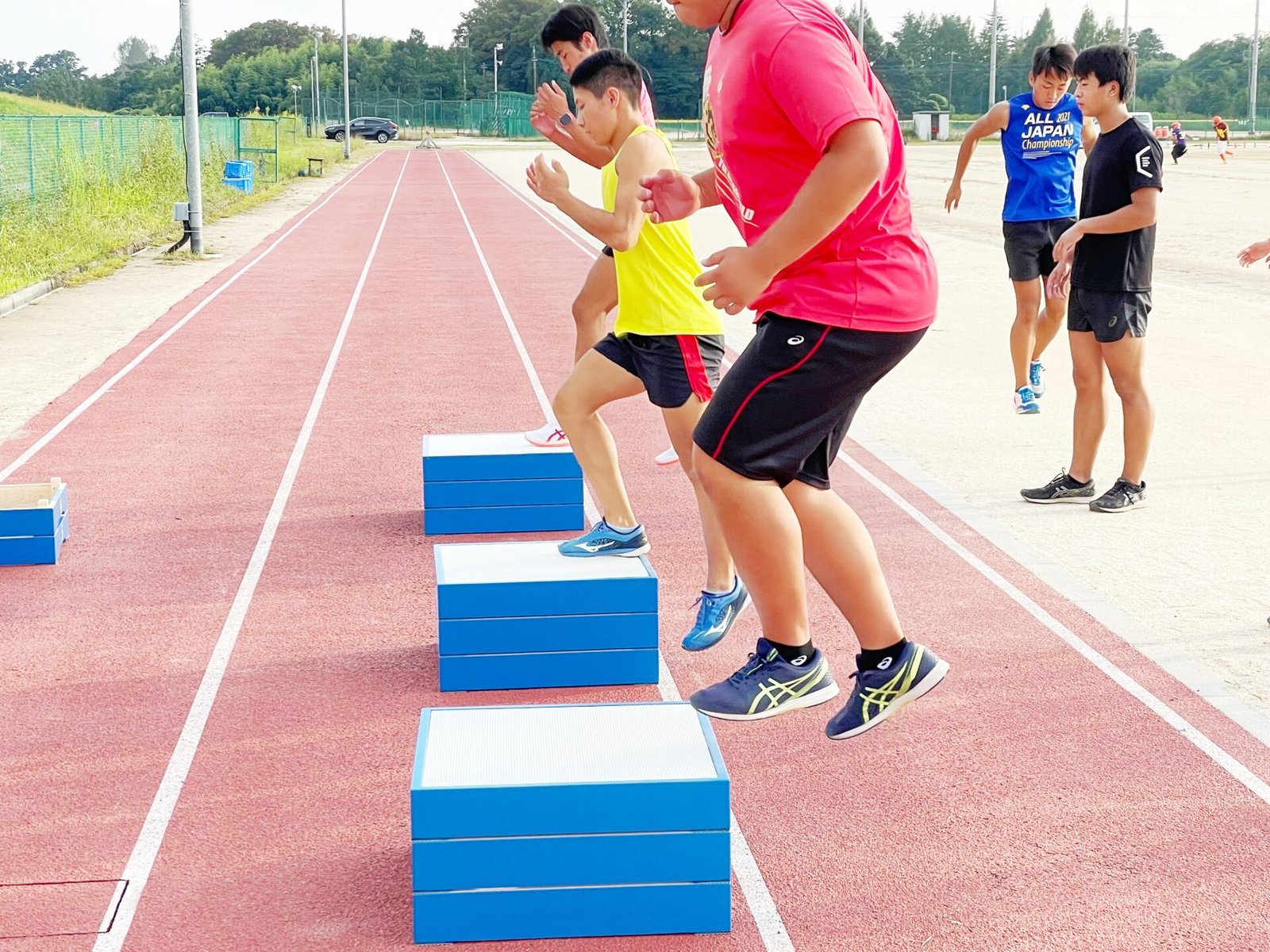
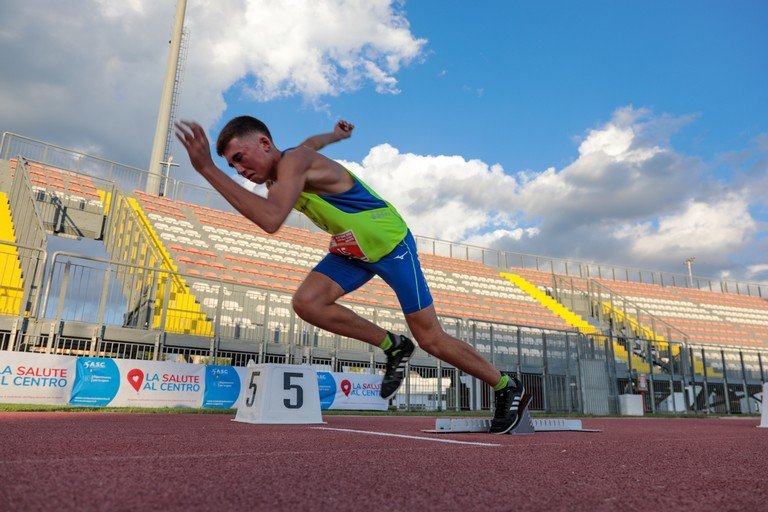
Running sprints are specific to improving high-speed running, but they place demanding forces on the hamstrings, Achilles tendons and calves. Lifters who have not sprinted for months should not begin with maximal flying thirty-meter efforts. Start with gradual accelerations on a predictable surface, build exposure across several weeks and stop when posture, foot contact or stride control begins to deteriorate.
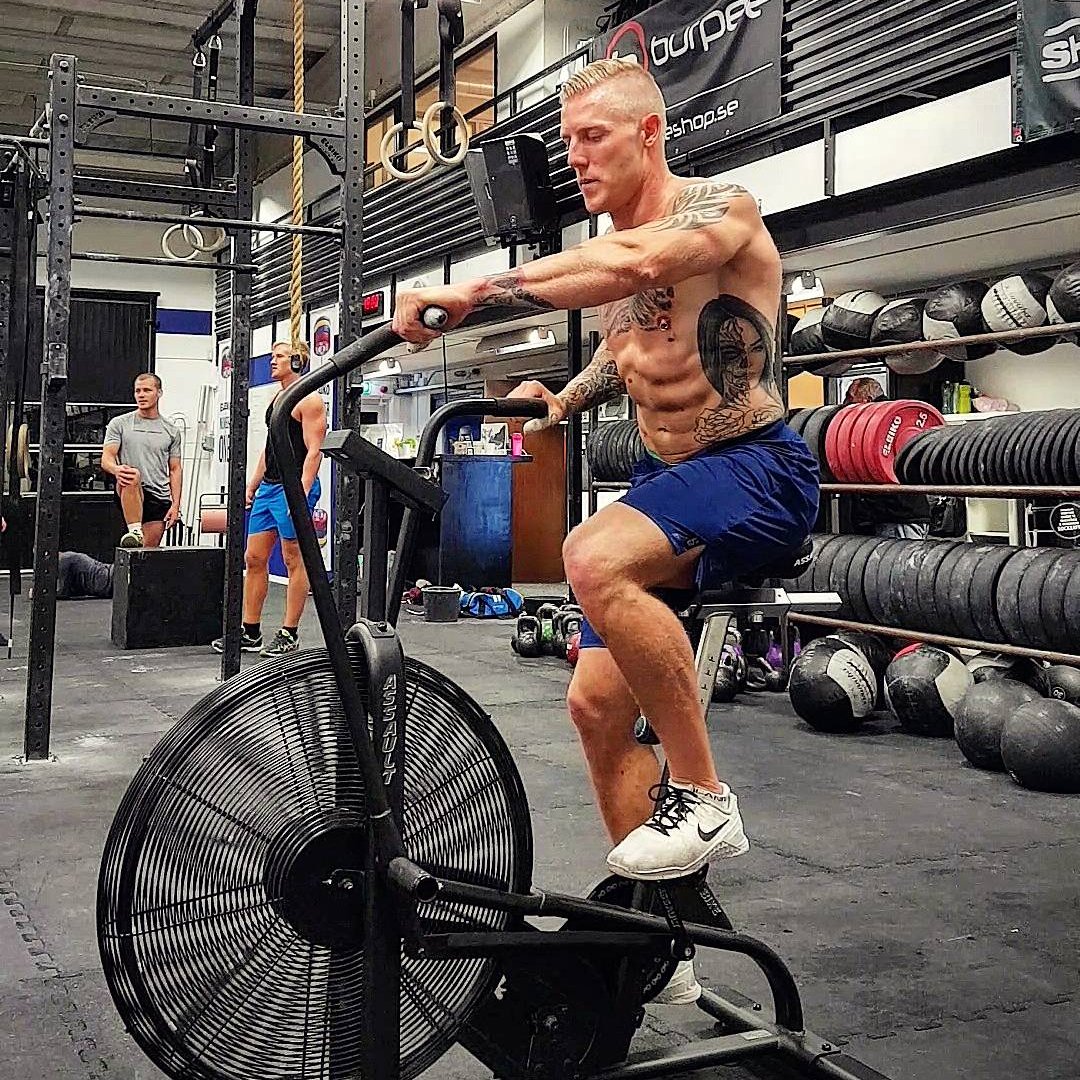
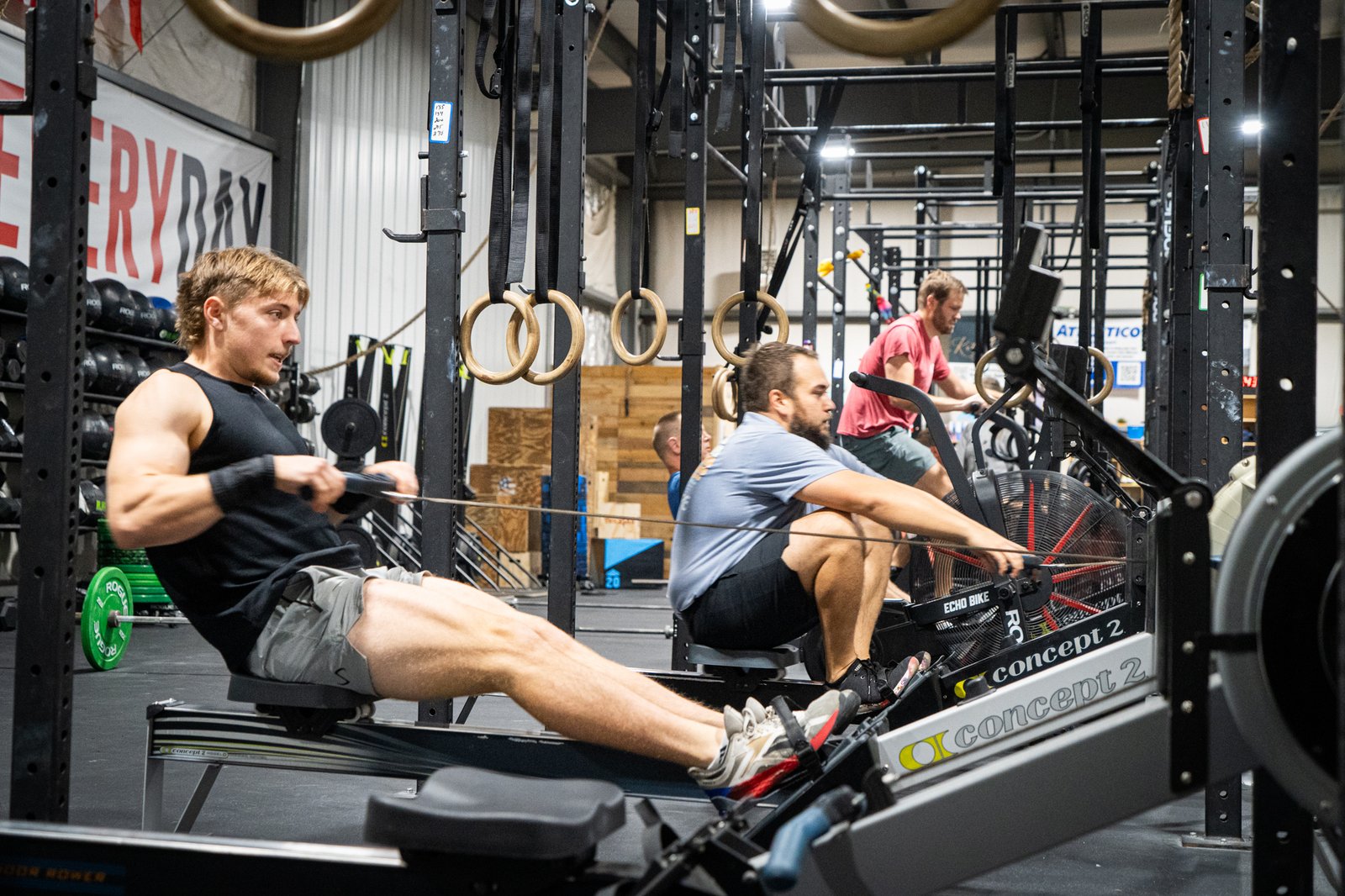
A stationary bike or air bike is convenient when the main objective is aerobic conditioning alongside lifting rather than running speed. It removes high-speed ground impacts, provides consistent work intervals and makes resistance easier to control. The legs can still become deeply fatigued, especially if the session becomes a long sequence of maximal bouts. Less impact is not the same as no recovery cost.
Rowing machines, ski ergometers and loaded sled pushes can work well for general fitness, but they are not identical replacements for sprint running. Rowing requires bracing and posterior-chain effort that may overlap with deadlifts. A heavy sled adds considerable leg fatigue. Select the tool based on skills you already have, the next lifting session and what you intend to improve.
For an entry-level conditioning session, begin with four to six short efforts at hard but controlled intensity, using generous recovery that allows technique to stay consistent. If you are new to sprinting, use shorter acceleration exposures at submaximal speed first. Experienced athletes can later experiment with truly maximal bursts, but there is little advantage in forcing extra repetitions when power is already collapsing.
Frequency matters more than bravado. One thoughtful weekly interval session may be enough to establish tolerance during a demanding strength phase. Progressing toward two sessions can make sense when sleep, food intake and soreness permit it. Maintain appropriate warm-ups, hydration and rest; a good plan is judged by repeatable sessions, not one extraordinary test of discomfort.
6. A realistic weekly sprint-and-strength template
Try a four-day structure that gives both goals some breathing room. Monday is lower-body strength: a squat variation for three or four challenging sets, a hinge for two or three sets and one or two assistance exercises. Keep technique and progressive overload central. Tuesday is an upper-body session built around presses and rows, with enough effort to maintain or grow muscle but no extra conditioning marathon.
Thursday becomes a short conditioning-focused day. Warm up for ten to fifteen minutes, then complete four to six hard bike efforts of roughly six to ten seconds, resting long enough to make each repetition crisp. Finish with easy pedaling and a cooldown. This is an example of how to start, not the exact protocol used across all nine research trials.
Saturday is a second lifting session, using manageable whole-body work or a lower-body emphasis if Thursday’s sprint session has not left lingering soreness. You could squat lighter than Monday, include a supported row, perform an upper-body push and finish with a unilateral leg or calf accessory. Keep total weekly sets appropriate to your experience rather than adding the sample workout on top of an already maximal program.
If you prefer running sprints, replace the bike session only after you can accelerate confidently without pain. Begin with submaximal efforts and ample walking recovery; do not copy the speed of an elite sprinter. Those preparing for sport-specific speed should prioritize coached sprint mechanics and schedule maximal accelerations while fresh instead of after exhausting leg work.
Use the nontraining days for easy walking, ordinary mobility or truly comfortable activity. You do not need to avoid all movement to recover, but you do need enough overall recovery to support progress. If your fitness target is modest and gym time tight, one brief interval day plus consistent strength work is a more defensible starting point than jumping into four high-intensity sessions.
Equipment Worth Exploring
Explore equipment, accessories and gear from our carefully selected range.


FID Bench MAX
Adjustable bench offering flat, incline, and decline positions + adjustable headrest.



Safety Squat Handles
Barbell squat handles that reduce shoulder positioning demands during high-bar squats.
7. Run a four-week test and judge the numbers
Before starting, record an honest baseline. Choose two or three anchor lifts such as the squat, bench press and row. Note the loads, clean repetitions, perceived repetitions in reserve and total workout time. For conditioning, record the machine resistance or sprint distance, the number of consistent efforts, recovery intervals and a simple breathlessness rating after each session.
Week one is a technical rehearsal: perform one short conditioning session, keep the effort controlled and identify how sore you feel over the next forty-eight hours. In week two, repeat the same work rather than increasing every variable. If strength sessions remain productive, add a little speed or consistency before adding more rounds. An improved interval is not useful if the next squat workout suffers.
In week three, progress only one training variable. You might increase one lift by a small load increment, or add one controlled sprint effort, but not both while also cutting all recovery periods. Week four is your audit: compare gym performance, consistency of conditioning reps, workout duration, sleep, appetite and motivation. Looking at the pattern is more reliable than reacting to a single heavy-feeling day.
If barbell numbers remain steady or trend upward and conditioning becomes easier, you have a workable hybrid plan. If you repeatedly lose repetitions, develop persistent lower-body soreness or notice declining sprint technique, reduce the intensity or frequency of intervals and reassess. A switch to a bike, a longer rest interval or moving the sprint day may solve the problem without removing cardio.
The practical verdict is simple: brief sprint intervals can improve cardiovascular fitness alongside lifting, and the nine-trial average does not suggest an inevitable strength penalty. They still consume recovery resources, and small studies cannot guarantee identical results for every advanced lifter. Choose a dose you can repeat, protect your priority lifts and let measured performance decide whether the combination earns a place in your program.
Powerlifting Shirts & Lifting Gear
Powerlifting shirts and gym gear for squat, bench and deadlift lifters who live for heavy numbers.

Patriotic Deadlift Statue Of Liberty Meme 4th Of T-Shirt
Make gym days more fun with “Patriotic Deadlift” style.
Heavy Metal Skeleton Squat for Powerlifters, Bodybuilde T-Shirt
A t-shirt featuring the Heavy Metal Skeleton Squat for Powerlifters, Bodybuilders and Leg Day Lifters artwork, bringing lifting-inspired humor and distinctive gym graphics to your everyday gear.
PR or ER – Hardcore Deadlift Gym Shirt for Powerlifters T-Shirt
A t-shirt featuring the PR or ER – Hardcore Deadlift Gym Shirt for Powerlifters and Bodybuilders artwork, bringing lifting-inspired humor and distinctive gym graphics to your everyday gear.

Fitness Is My Therapy – Lifting Bodybuilding Powerlifti T-Shirt
Add a playful “Fitness Is My Therapy” touch to your casual rotation.

Deadlift Skull Graphic , Hardcore Workout Crewneck, Fit T-Shirt
For laid-back days and deadlift humor: “Deadlift”.

I Want You To Deadlift – Patriotic Uncle Sam 4th of Jul Hoodie
Keep it laid-back with a little “I Want You To Deadlift” attitude.

Exhausted Bear | Unbearable Workout Hooded For Powerlif Hoodie
Keep it laid-back with a little “Exhausted Bear” attitude.

Coffee Shots & Heavy Squats for Leg Day, Lifting and Fi Tank Top
Add some leg-day attitude to training with “Coffee Shots & Heavy Squats”.

If The Bar Ain't Bending You're Just Pretending – Power Sticker
Put “If The Bar Ain't Bending You're Just” gym humor on your laptop, bottle, or gym gear.

Gymhead Lifting On My Mind Meme Decal Water Bottles Sticker
Give your everyday gear a playful “Gymhead” twist.