Advertising disclosure: This page includes affiliate product links that may earn us a commission, as well as products from our own store.
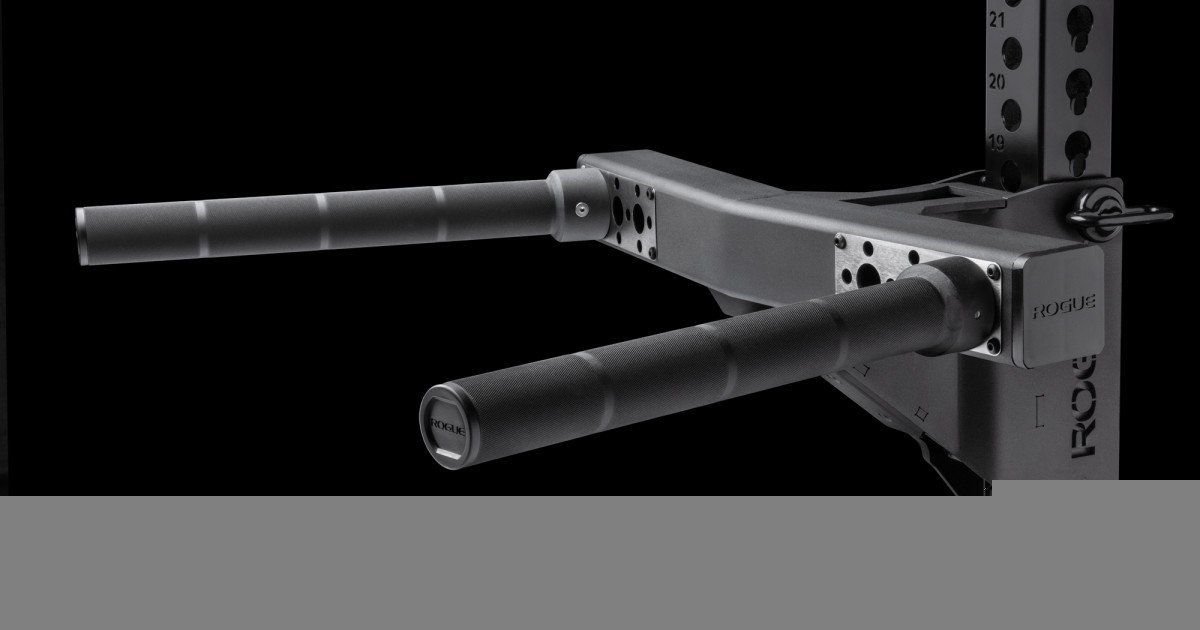
The Rogue Velocidor makes a dip station adjustable in two different ways: where the handles sit and how they point. That sounds straightforward until a workout log says only ‘wide dips’ and nobody remembers the hand position. Its useful feature is the ability to find a workable setup and reproduce it. Before buying, separate handle geometry from rack fit, grip feel and the practical business of moving a substantial attachment between exercises.
Handle width is more than the hole you choose
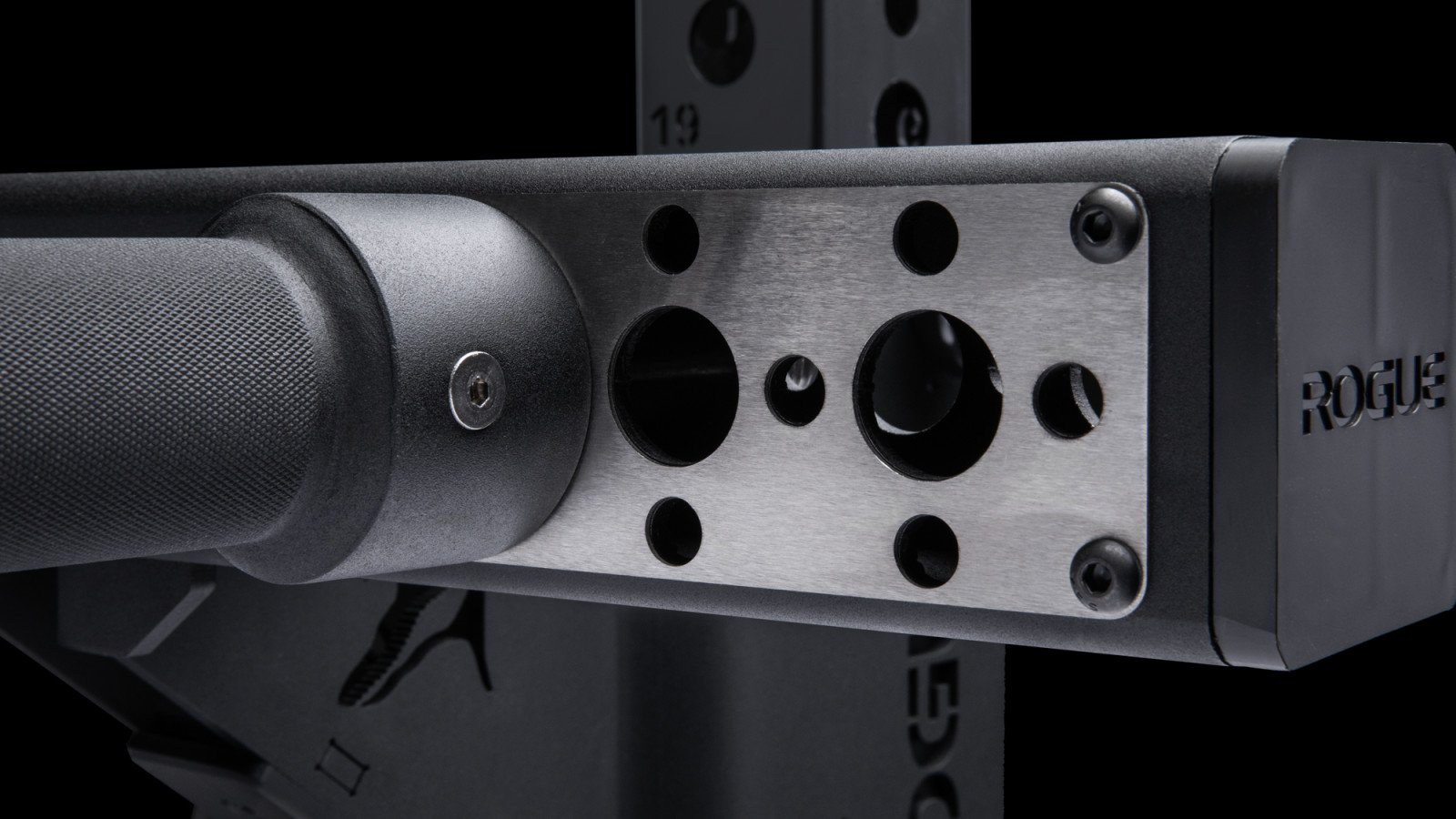
The three starting widths are 13.5, 17.25 and 21 inches. Because the handles can diverge, the advertised spacing ranges extend to 22, 26 and 29.5 inches respectively. Your hands can therefore be farther apart than the starting dimension suggests. The width setting and your position along the handles both belong in the setup description.
Imagine two lifters using the middle holes. One grips near the frame; the other holds farther toward the ends. Calling both arrangements 'standard width' hides a meaningful difference. Before comparing sessions, note where the hands actually go. A small reference mark in a training notebook can be more useful than memorizing the widest dimension on the product page.
A practical trial starts with a consistent hand position and a manageable effort. Change the mounting width while keeping the other choices steady, then decide whether the new arrangement is worth retaining. Changing width, angle, depth and added load together makes it difficult to identify what caused a different experience. An impressive number of options does not require testing every option in one session.
There is no universal reason to chase the widest setting. The purchase question is whether adjustability solves a problem your present station actually has. If your current spacing already works and remains easy to reproduce, extra holes may offer little day-to-day value. If several people share a station, recording each person's preferred arrangement becomes a more concrete use for the adjustment.
Angle adjustment adds a separate decision
Velocidor offers a horizontal outward setting of 14 degrees, straight parallel handles, and upward or downward settings of 7 degrees. Three widths multiplied by four orientations produces twelve combinations before mounting height enters the picture. These are configuration choices, not twelve different exercises that need separate slots in your program.
Start by separating two questions: are the handles spreading apart, and are they rising or falling? A handle can remain level with the floor while pointing outward. 'Angled' is therefore an incomplete description. Write down the actual orientation instead of relying on a label that could refer to either direction. This matters when returning to a previous setup after another person has adjusted the attachment.
An equipment feature also cannot establish a muscle-growth outcome on its own. A changed handle orientation may feel different, but that does not prove it will build more chest or triceps. Avoid treating a comfortable trial, a harder set or a product demonstration as a controlled comparison. Decide whether the setting supports the movement you intend to train, then judge progress within that stable setup.
The comparison with the Mutant Metals Ultimate Dip Attachment is useful here: its removable handles offer three widths while retaining a fixed relationship to one another. Width adjustment and angle adjustment are separate capabilities. A buyer who only needs spacing changes can prioritize that need; someone who specifically wants parallel or tilted handles should verify that the chosen model actually provides them.
Rack fit comes before handle preferences
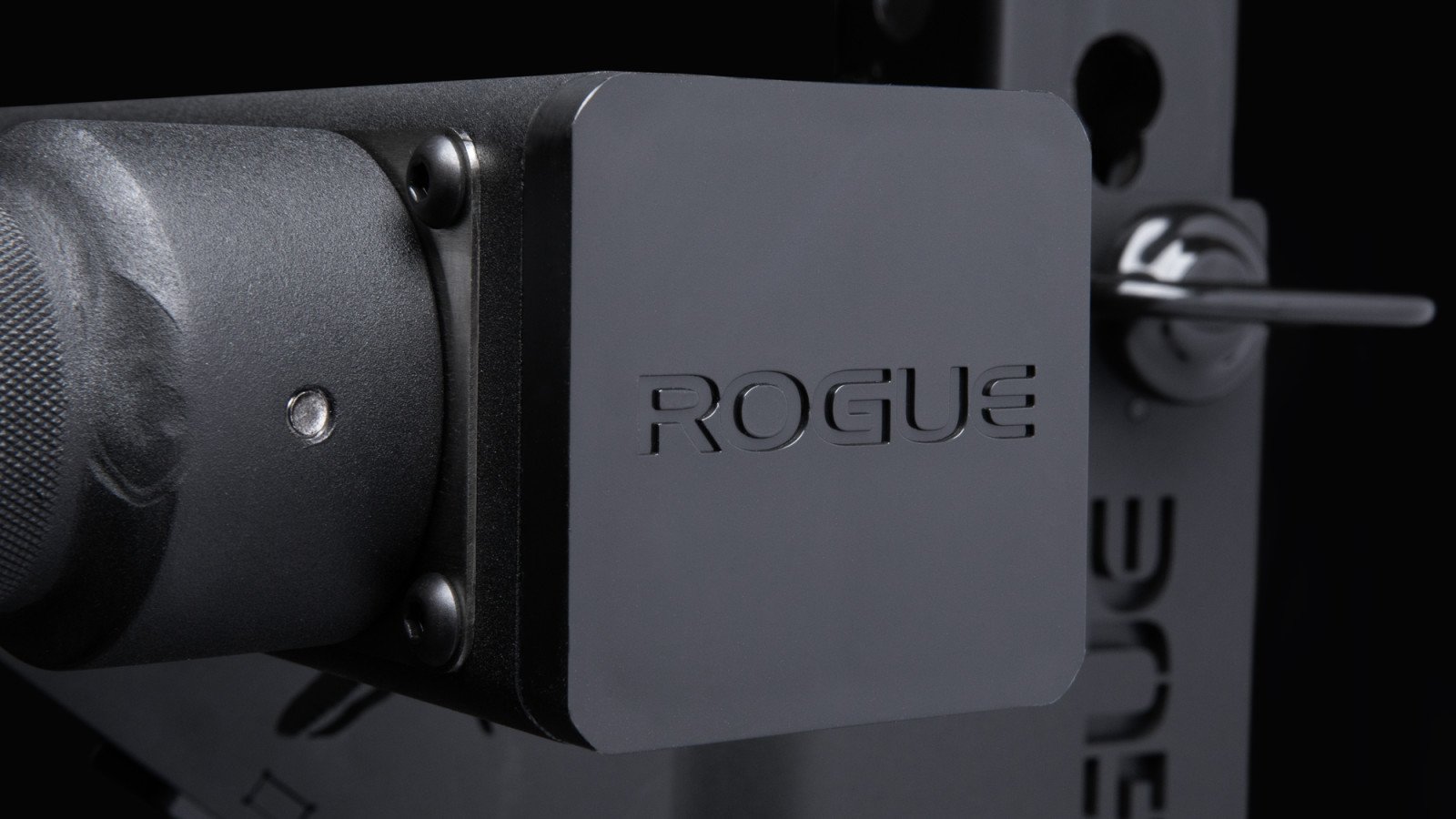
Choose the version for the rack: Monster uses a 1-inch pin, while Monster Lite uses 5/8 inch. Both are intended for the corresponding 3-by-3-inch Rogue uprights. Matching a nominal tube dimension alone is not proof that an attachment fits another manufacturer's rack. Hole spacing, clearances and the complete mounting interface still matter.
This is a broader buying principle, not a peculiarity of one brand. REP specifies separate Dip Station variants and does not guarantee fit on other manufacturers' racks. The Rogue Monster Lite Matador likewise names its intended upright family. Start a comparison with the rack you actually own, then investigate compatible attachments, rather than assuming a desirable attachment makes every similar-looking rack suitable.
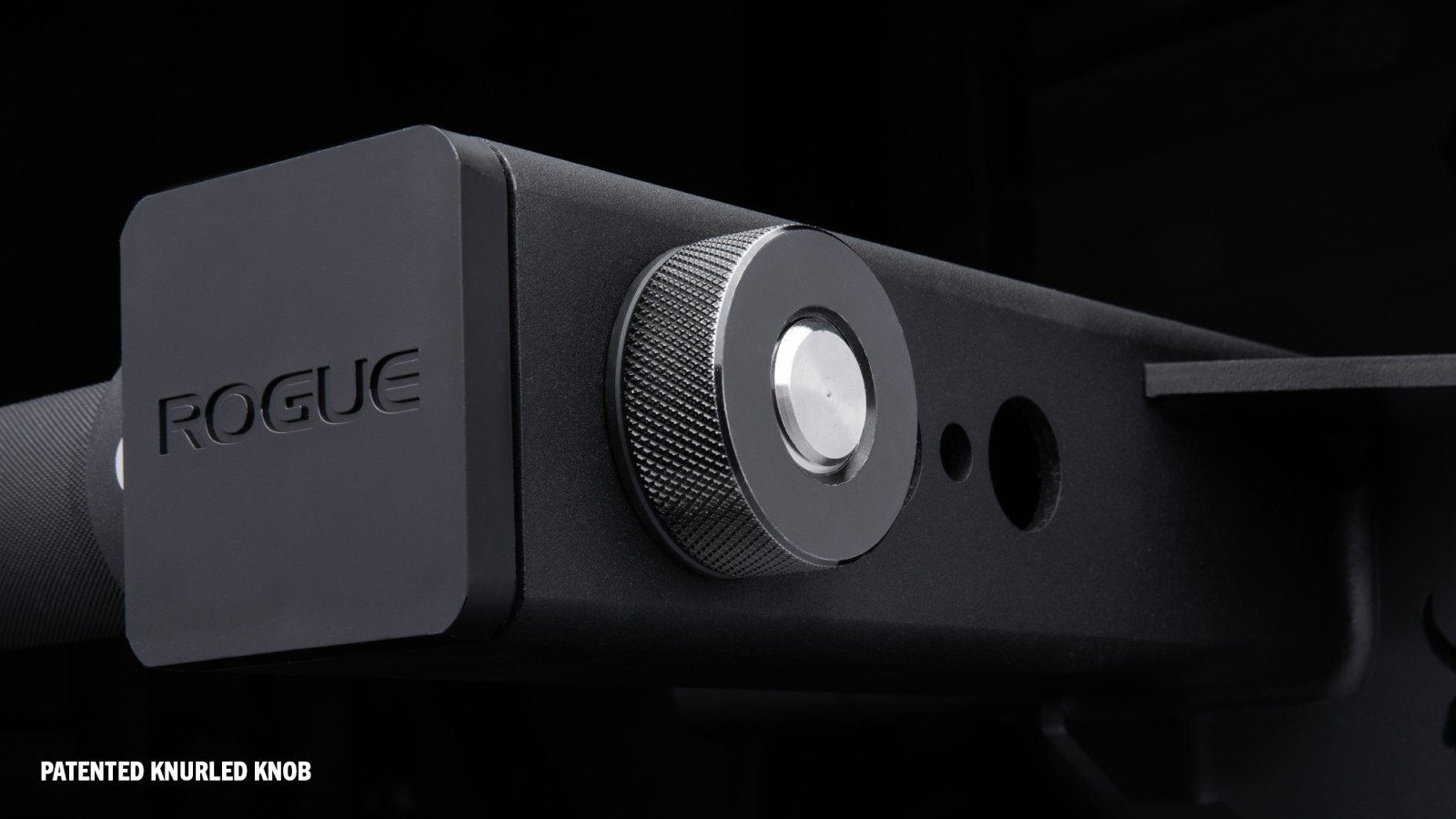
The Velocidor instructions show the frame secured at the chosen height with its detent pin, followed by handle placement, angle indexing and tightening with the rear knobs. Use the complete operating instructions for the exact version. A handle resting in a hole is not the same as a finished setup. Make those checks part of preparation before loading the station.
Also decide what equipment belongs in the wider upper-body plan. Rings, parallettes and pull-up handles provide different bodyweight options; a bench creates another pressing route. Racks, loading belts, weighted vests and plates solve different equipment needs again. Treat these as alternatives or separate tools, and check their own instructions. Their appearance in a shopping comparison does not certify compatibility with the Velocidor or with each other.

Equipment Worth Exploring
Explore equipment, accessories and gear from our carefully selected range.


Foldable Wall Rack
Wall-mounted folding squat rack designed to save floor space between workouts.

Multi Pull Smith Rack MPHR-780
All-in-one rack with a Smith machine, functional trainer, lat pulldown and low row.


Grip diameter and texture deserve their own trial
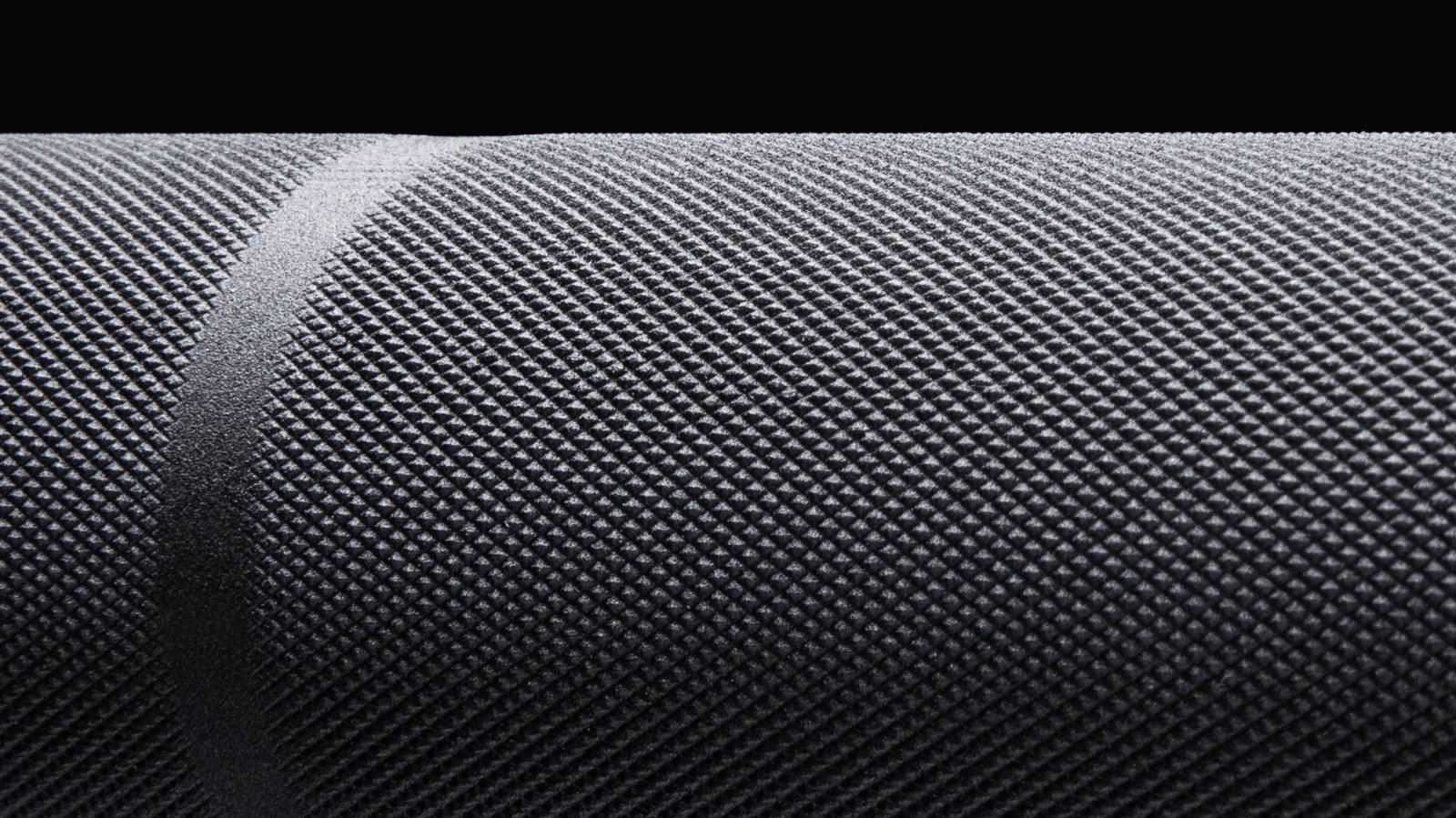
The handles are 1.9 inches in diameter, with 16 inches of usable length. Smooth and knurled finishes are offered; the knurled version has reference marks approximately four inches apart. A textured surface and a particular handle size are different attributes. Choosing the finish does not change the basic diameter into a smaller grip.
Think about what you already enjoy holding. A thick fixed handle, a ring and a narrow bar do not create the same hand experience. If possible, try the actual diameter before treating photos as a comfort test. A close-up can show the knurl pattern, but it cannot tell you whether the size feels suitable during your own set or after several sets of pressing.
For a useful comparison, keep the surface condition and hand placement reasonably consistent. If the hands move along the handles during a set, simply choosing the same mounting hole next time will not reproduce the whole arrangement. Reference marks help describe placement; they do not make every lifter's preferred location identical. Record the position that you can reliably recognize again.
Avoid buying a thick-grip accessory as an assumed solution for this attachment. An accessory intended for another bar diameter needs its own fit check, and adding material changes the grip again. Likewise, knurling is not a reason to ignore a setup that feels wrong. The point of this adjustment range is to support a sensible choice, not to persuade yourself that an uncomfortable configuration must be superior.
Make the setup repeatable and the storage realistic
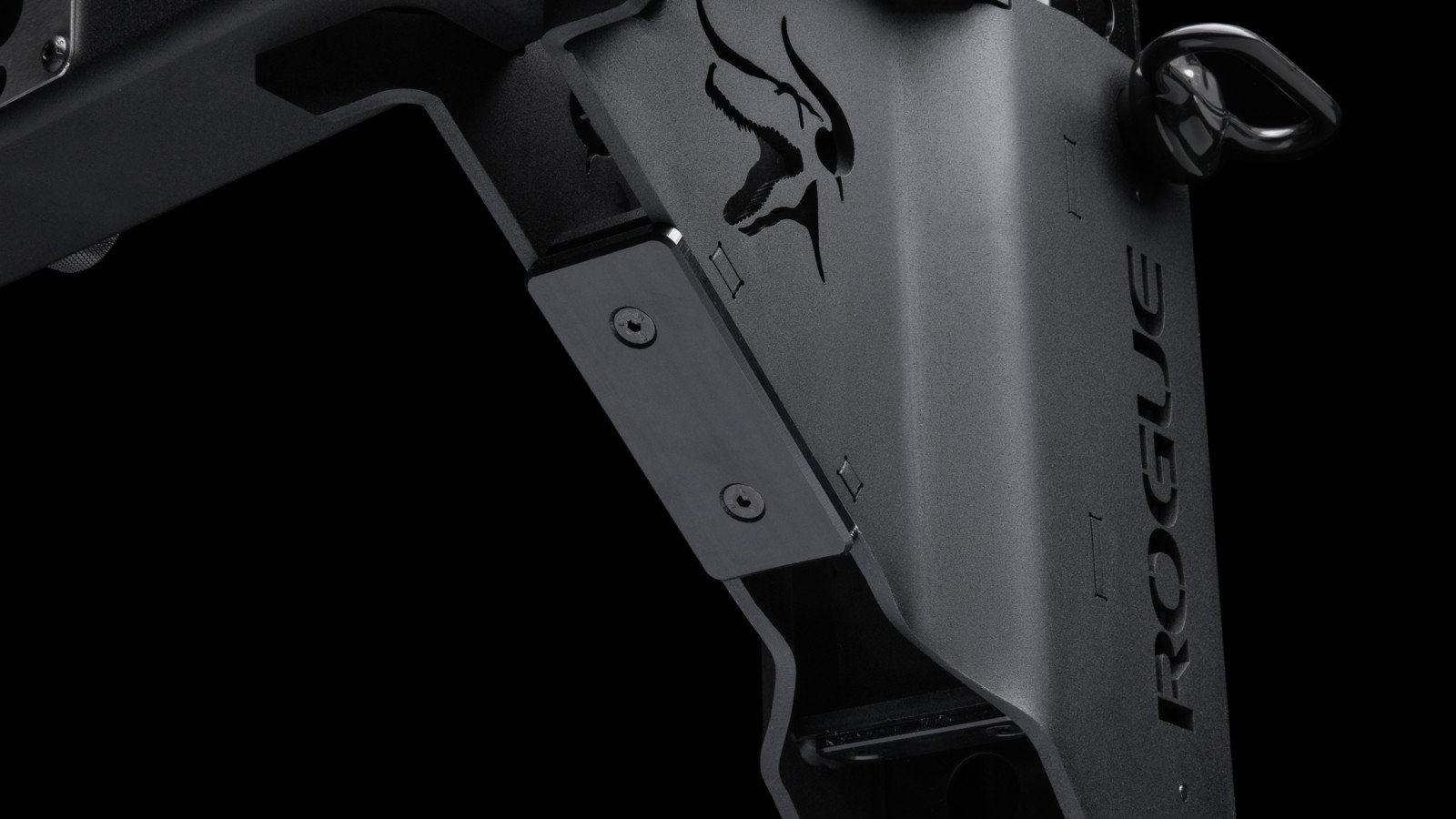
The complete attachment weighs 44.5 pounds. Consider where you will support it during installation and how often you intend to move it. The storage instructions describe supporting the frame while relocating the detent pin and lowering it against the upright; the handles can be stored upside down for a smaller footprint. Follow that sequence instead of improvising a fold while holding the unit awkwardly.
A separate included Mini Strip provides another storage location, but its installation has separate instructions. Wall construction and an appropriate installation matter more than whether the strip looks tidy in a photograph. Map the movement between storage and training positions before buying. A station that stays installed asks a different practical question from an attachment that must be removed after every set of another exercise.
Keep a simple setup record: rack hole, width position, handle orientation and recognizable grip location. Add the exercise load, repetitions and the way you define your range of movement. For example, 'middle holes, parallel, hands at the same reference marks' is a clearer starting point than 'normal dips.' When you deliberately change something, label the change rather than comparing the new result as though the setup stayed identical.
The same principle applies to effort and recovery. One more rep means something when the movement remains comparable; changing the arrangement merely to complete another repetition clouds the record. Build consistency into the push-day plan, allow recovery between demanding sessions and choose changes for a clear reason. Velocidor's strongest practical argument is adjustable geometry that you can document and revisit. Whether that is worth buying depends on your present station, rack compatibility and willingness to manage the hardware.

Funny Gym Shirts & Workout Gear
Funny gym shirts, tanks, hoodies and workout gear for lifters who like training hard.

Big Dip Energy Crewneck Pullover Sweater for Calistheni T-Shirt
Show some gym-day personality with “Big Dip Energy”.


Funny Calisthenics Gym Crewneck Pullover Sweater for Bo T-Shirt
Add a playful “Calisthenics” touch to your casual rotation.

Lift Smart Brain Weight Plate Mind Muscle Connection 45 Hoodie
Keep it laid-back with a little “Lift Smart Brain Weight Plate” attitude.

Safety Practice Safe Sets Sweater Jumper T-Shirt
Show some gym-day personality with “Gym Safety”.

Consistency Is Key Stoic Greek God Marble Sculpture T-Shirt
Make gym days more fun with “Consistency is Key Stoic Greek God Marble” style.

Stronger Than Excuses Tank
Show some personality between sets with “Be Stronger Than Your Excuses”.


Off-Season Rest Day Decal Water Bottles & Gear Meme Sticker
Put “Off-Season Rest Day” gym humor on your laptop, bottle, or gym gear.

Gymhead Meme Mind Muscle Connection Decal Water Sticker
A fun “Gymhead” touch for bottles, laptops, and lockers.