Advertising disclosure: This page includes affiliate links that may earn us a commission at no additional cost to you.
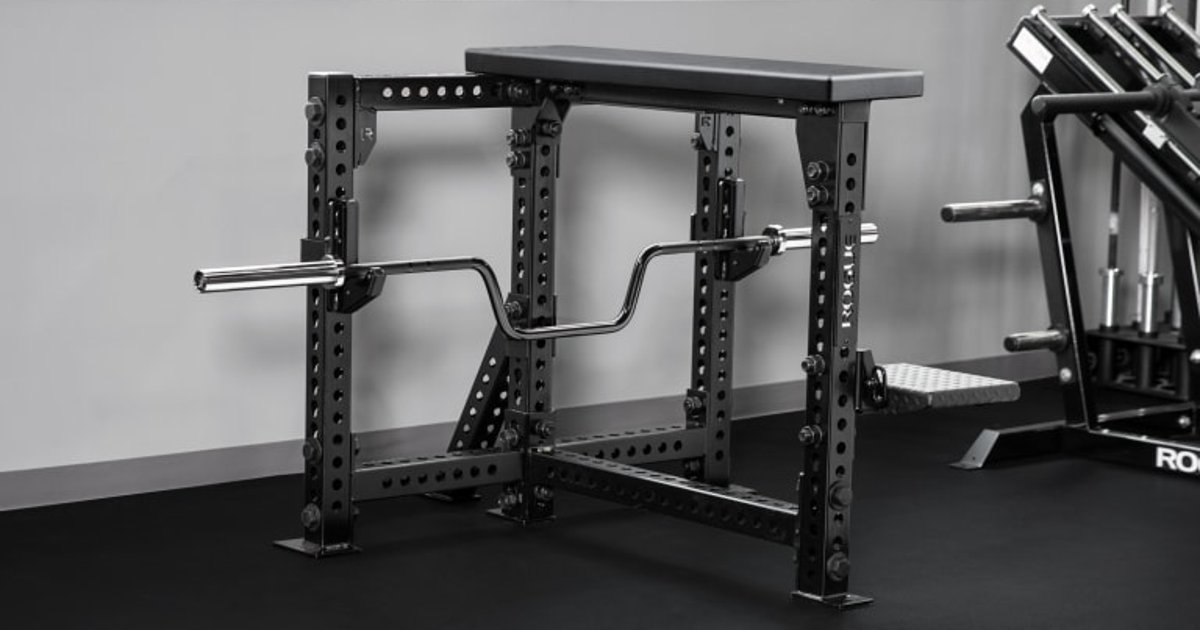
A dedicated seal-row station solves a particular problem: supporting your torso while leaving space below the bench for a loaded pull. The Rogue Seal Row Bench approaches that job with a high pad, a folding access step and its own bar supports. It is a substantial station rather than a small accessory to an existing bench.
The buying decision starts with your intended row, your reach and the space around the equipment. This is a specification-based planning guide, not an MMP installation report or hands-on review. The measurements help you evaluate the setup; they do not establish that every lifter, bar or room will suit it.
Start with pad height and the position you need
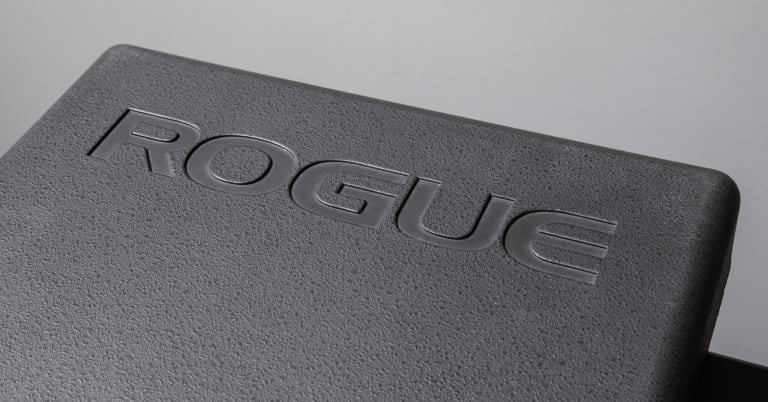
Rogue lists the top of the pad at 44.5 inches above the floor. That elevation provides room beneath the torso for seal rows, where you lie face down and pull a barbell or dumbbells upward. It also makes getting onto the bench a separate task from beginning a row.
Consider the complete position rather than asking only whether the bench is tall enough. Your chest needs a usable support point, your arms need room to hang, and your head needs a position you can maintain without fighting the pad. Different body proportions can change how that arrangement feels.
The pad is listed as 47 inches long and 12 inches wide. Those dimensions describe the available support surface. They do not tell you exactly where your torso will settle or whether the upper edge will be comfortable against your chest. If possible, try a comparable supported position before committing to a dedicated station.
Separate support from exercise difficulty. A bench that prevents you from using a large body swing changes the way you perform a row, but does not automatically make a particular load appropriate. Begin with a setup you can control and establish a consistent movement before comparing the numbers with another rowing exercise.
Also distinguish this fixed station from adjustable-height seal-row benches. Similar equipment names can hide different adjustment systems and pad heights. Verify the exact model’s current specifications rather than transferring a measurement from an older listing or another manufacturer’s bench.
Plan the climb onto the bench and the way back down
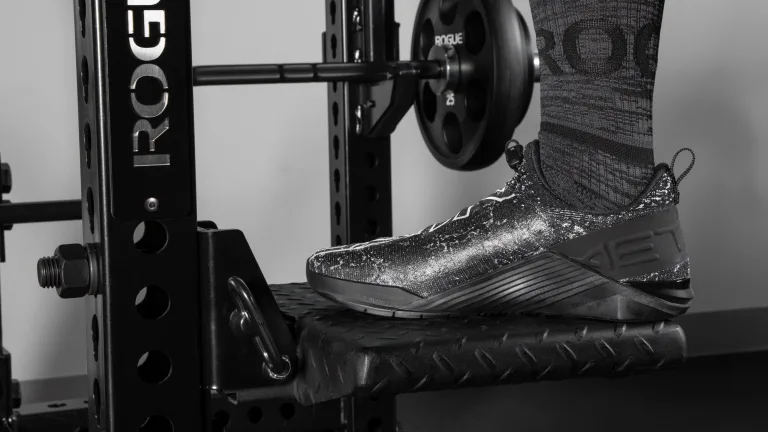
The Rogue station includes a diamond-tread folding step attached with a detent pin. That step addresses access to the elevated pad. It deserves attention during room planning because the space used to climb onto the bench is part of the working area, even though it is not where the row itself happens.
Follow the assembly and operating instructions for the step, pin and surrounding structure. A textured surface provides a contact area, but it does not remove the need to check the actual installation or keep the access route clear. Inspect the setup before using it rather than assuming that a component is secured because it appears to be in place.
Think through the sequence before adding a challenging load: approach, use the step, settle on the pad, establish your grip, perform the set, return the weight and dismount. An awkward transition at either end can make an otherwise suitable exercise inconvenient to repeat.
A shared training room adds another consideration. Keep loose plates, dumbbells and bags away from the approach to the step. The area should work for the next person as well as the person already on the pad. Storage that appears harmless while you are lying down can obstruct the route you need when you stand up.
If the step position or access route is difficult to use in your room, resolve that before buying. The useful question is whether the whole routine works in the available space, not whether you can squeeze the bench frame between two other machines.
Choose the bar around clearance, grip and a repeatable start
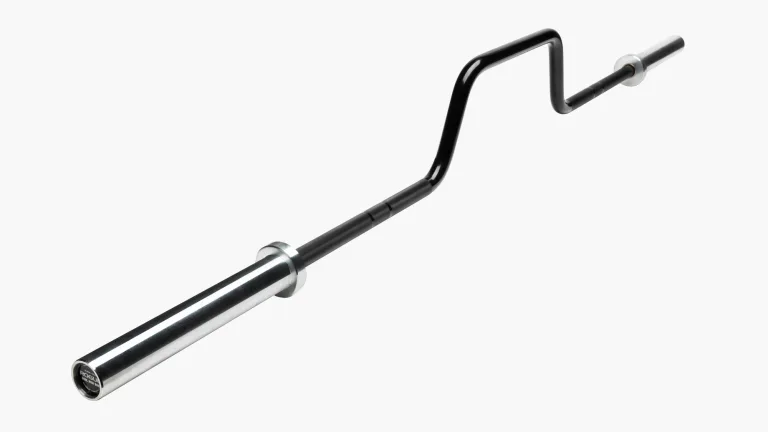
The optional Rogue Seal Row Bar is a 40lb cambered bar with a 28.5mm shaft. Its central drop creates clearance around the bench during the pull. The station can also be used for dumbbell seal rows, so buying the dedicated bar is a separate decision from buying the bench.
Camber changes the relationship between your hands, the sleeves and the support structure. It can allow movement that a straight bar would obstruct. More available travel is an option, however, rather than a requirement to pull as far as the equipment permits. Choose an endpoint you can control without changing your torso position to reach it.
Do not treat every cambered bar as equivalent. Our REP Cambered Swiss Bar guide explains a different arrangement of handles, frame and loading. The shared word cambered does not establish matching grip positions or compatibility with this station.
Rogue supplies Monster Sandwich J-Cups with the bench. Their role includes holding the bar between sets; the way you position and use the supports should follow the equipment instructions. Check that reaching, taking hold and returning the bar are all practical from your supported position.
Keep the starting arrangement consistent in your training notes. A change in support height, bar shape or grip can alter how the repetition begins. Those changes may be useful, but a heavier number achieved with a different setup should not automatically be treated as progress on the old one.

Equipment Worth Exploring
Explore equipment, accessories and gear from our carefully selected range.

Linear Row LRX-750
Dual-sided rowing machine for supported rows, bent-over rows and varied pulling movements.

Lateral Row Machine LRM-720
Rowing machine with independent lever arms, an adjustable seat and chest support.

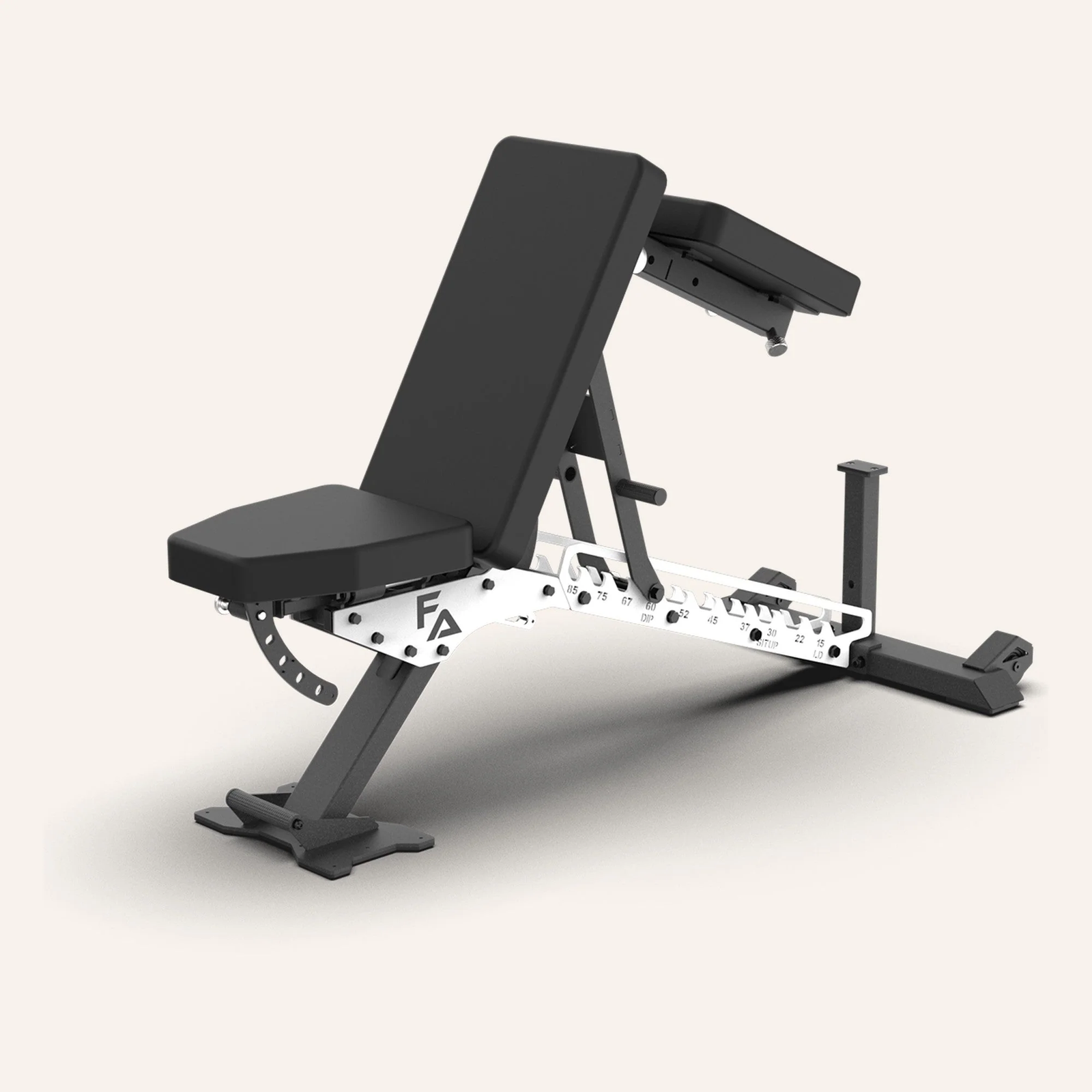

FID Bench MAX
Adjustable bench offering flat, incline, and decline positions + adjustable headrest.


Multi Bench MBX-650 2.0
Adjustable multi-bench with roller adjustment, 15 backrest positions and accessory mounts.


Speed Collar
Quick-release collars designed to secure weight plates on standard two-inch Olympic bars.
Protective surfaces are useful, but contact still needs control
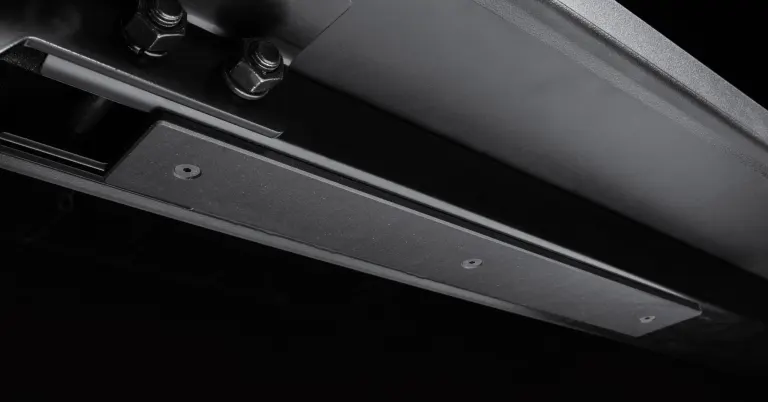
The underside of the bench spine has a UHMW protective cover. That is a practical detail on a station where a bar can approach the support structure near the top of a pull. It protects equipment at a possible contact point; it is not a target you must strike to complete every repetition.
Establish a deliberate endpoint. If you are using a controlled rowing movement, a forceful collision with the bench does not become more informative because a plastic cover is present. Observe where the bar travels and whether the chosen setup lets you finish the pull without an abrupt change in position.
Routine inspection should include the pad, fasteners, step attachment, bar supports and protective surfaces, following the manufacturer’s maintenance guidance. Look for anything that has loosened, shifted or worn. Address a change in the equipment before trying to compensate for it with a different movement.
The frame uses substantial steel construction and requires assembly. That is a reason to plan the installation and suitable tools, not a basis for inventing a load rating or declaring every attachment compatible. Use the actual instructions for assembly details, permitted configurations and any installation requirements.
For a shared station, a brief setup check between users is useful. Confirm the supports and access route, then let each lifter establish their own controlled position. A well-built bench still relies on a suitable setup and deliberate use.

Home Gym Shirts & Garage Gym Gear
Home, garage and basement gym shirts and workout gear for lifters who built their own place to train.

Funny Home Gym Gym Decal for Garage Gym Lifters Water B Sticker
Put “Funny Home Gym Gym Sticker” gym humor on your laptop, bottle, or gym gear.

Anti Gym Garage Gym Club Hooded Pullover for Home Gym L Hoodie
Show off your lifting humor in a laid-back “Anti Gym Garage Gym Club” hoodie.

Basement Gym Crewneck Pullover Sweater for Home Gym Lif T-Shirt
Bring “Basement” humor to your everyday gym style.

Funny Home Gym | Home Is Where Your Gym Is Muscle Shirt Tank Top
Bring “Funny Home Gym Tank” humor to your next lifting session.

Shirt – Home Nerd – & Meme Gymbros T-Shirt
Show some powerlifting attitude with a playful “Home Gym Nerd” tee.

Shirt Home Owners – Garage , Basement & – Meme T-Shirt
Bring “for Home Gym Owners” humor to your next gym day.

No Cars Allowed In My Garage – Meme , & Gains – Top T-Shirt
Make gym days more fun with “No Cars Allowed In My Garage” style.

Anti Social Home Club – Meme & Gymbros – Shirt Gains T-Shirt
Bring “Anti Social Home Gym Club” humor to your next gym day.

Home Gym Built Not Bought Muscle Shirt Athletic Vest fo Tank Top
Show some personality between sets with “Home Gym Built Not Bought”.

Brain and Biceps Tee
Make gym days more fun with “Mind Muscle Perfection Brain and Biceps” style.
Compare the complete station with the space and equipment you already own
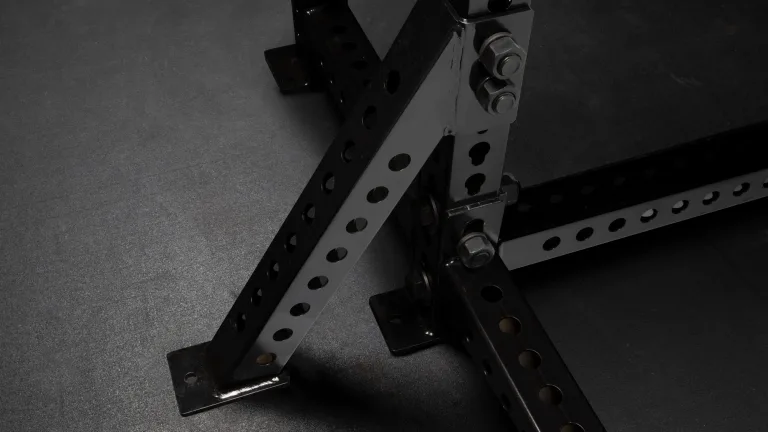
The listed footprint is 53 by 60 inches, and the bench weighs 270lb without the bar. Those are meaningful planning numbers, but the footprint is only the frame’s occupied rectangle. You also need access to the step, room for the bar and plates, and a usable route for loading and unloading.
Mark out the station on the floor before ordering. Include the space occupied by the weights and by the person handling them. Check nearby doors, equipment and circulation routes. A room can accommodate a bench on paper while remaining awkward to use once loaded bars and people enter the picture.
Compare the dedicated station with other ways of obtaining chest support. A rack-mounted pad depends on rack compatibility and positioning, while an accessory on an existing bench depends on that bench and the user’s reach. Our Chest Up Pad fit guide examines one compact option. It does not make that accessory equivalent to a dedicated elevated seal-row bench.
A dedicated station can make sense when seal rows are a regular part of training and several users benefit from a consistently available setup. A smaller solution may make more sense when floor space is limited or another bench already provides a comfortable supported row. These are planning trade-offs, not claims that one purchase produces better training results.
Choose around the job you need to repeat: suitable support, comfortable access, enough movement clearance and manageable loading. The Rogue bench gives those questions a defined structure. Confirm that structure works for your body and room before making it a permanent part of the gym.