Advertising disclosure: This page includes affiliate product links that may earn us a commission, as well as products from our own store.
A power rack is already the largest piece of equipment in many strength gyms. The Rogue Monster Rhino Trainer Add-On promises to make that rack do more: belt squats, lat pulldowns, low rows and, with the appropriate version, adjustable functional-trainer work. The interesting question is not how many exercises fit in a product photograph. It is which cable ratio, rack section and installation demands you are actually buying.
This is a specification-based buying and training guide, not an MMP hands-on review. The Rhino family includes a stand-alone belt squat, rack drop-in options and complete trainer configurations. Mixing their photos, prices or accessories produces an expensive comparison mistake. Here is how to separate them.
1. Identify the version before comparing cable loads
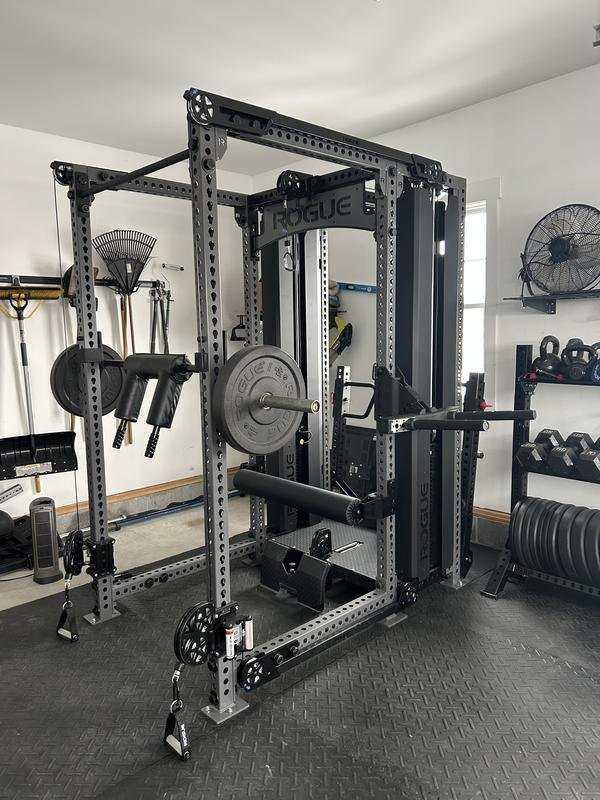
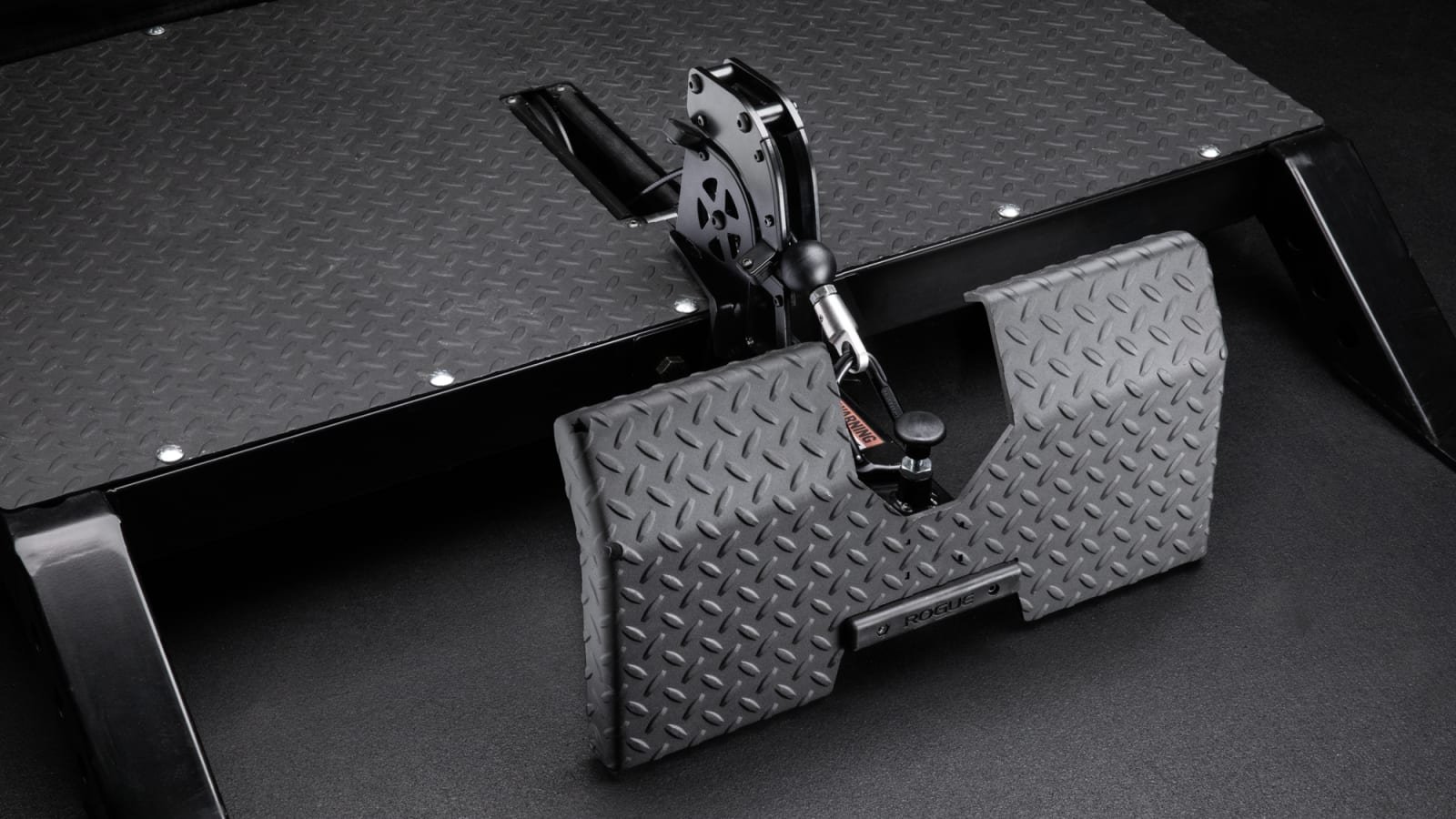
The base Rhino Rack Trainer combines a plate-loaded belt squat with a lat pulldown and low row. Those movements use a nominal 1:1 pulley ratio: the loaded trolley is the shared resistance source, rather than a second hidden weight stack. Rogue also offers a Rhino Functional Trainer version, which adds adjustable-height 2:1 front trolleys while retaining the 1:1 stations.
In plain language, 1:1 is intended for higher effective handle load from a given stack or plate source; 2:1 trades force at one handle for more cable travel. For a theoretical 100 lb plate load, a simple ideal 2:1 path would put about 50 lb of cable tension at a single handle, before friction and geometry. Do not mistake that sketch for a measured force chart. Cable routing, moving components, angle and pulley losses affect the actual feel.
There is also a Rhino plus INDY configuration with independent weight stacks for the adjustable trolleys. That is not the same mechanical arrangement as the plate-loaded single-source Rhino Functional Trainer. Two products may have similar front handles yet different loading convenience and progression. Check the precise named option on the quotation rather than shopping by a collage.
One clever part of the plate-loaded design is the ability to move from a lower-body station to a lat or row station without unthreading or rebuilding the cable path. This does not remove the need to relocate attachments, set a bench or adjust the load. It does remove a common source of friction for people who actually train several patterns in one session.
2. Measure your rack and installation path
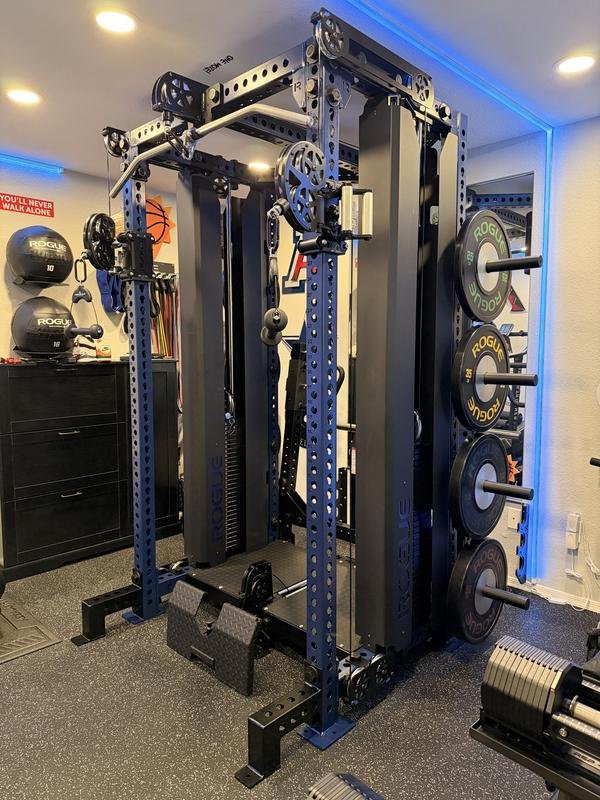
This is a Rogue Monster retrofit, not a universal rack conversion kit. Published fit is for a 24, 30 or 43-inch-depth section of a compatible Monster Rack. The listed overall width is 53 inches, and the nominal height is 92 or 102 inches depending on the build. Published rack-family footprints vary substantially: roughly 60 by 53 inches for one 24-inch RM-3 layout, 66 by 53 for a 30-inch layout, 79 by 53 for a 43-inch RM-4 and 106 by 53 for the RM-6.
Those are comparison dimensions, not permission to cut the room that close. Rogue separately lists an assembly-height requirement extending to 105 inches, and the platform sits about seven inches above the floor. Measure the ceiling at the installation location, the route through your doors, overhead lights and the working space needed to step onto the platform. Account for bumper plates projecting from weight posts and for the space your knees, torso and row handles actually occupy.
The assembly and freight delivery deserve their own line on the decision sheet. The manufacturer specifies anchoring the system to the floor. Do not assume a crowded garage rack that has never been bolted down is automatically ready for a new loaded tower and cable assembly. Verify slab suitability and the specified anchoring hardware before an installer turns up.
Finally, trace existing rack accessories in three dimensions. Safeties, storage horns, a bench, a landmine, a wall, or a door swing can each collide with the new work zone even when the published exterior footprint technically fits. A measured cardboard plan and a rough side-view sketch cost almost nothing. Discovering the conflict after freight arrives does not.
3. What a belt squat can and cannot replace
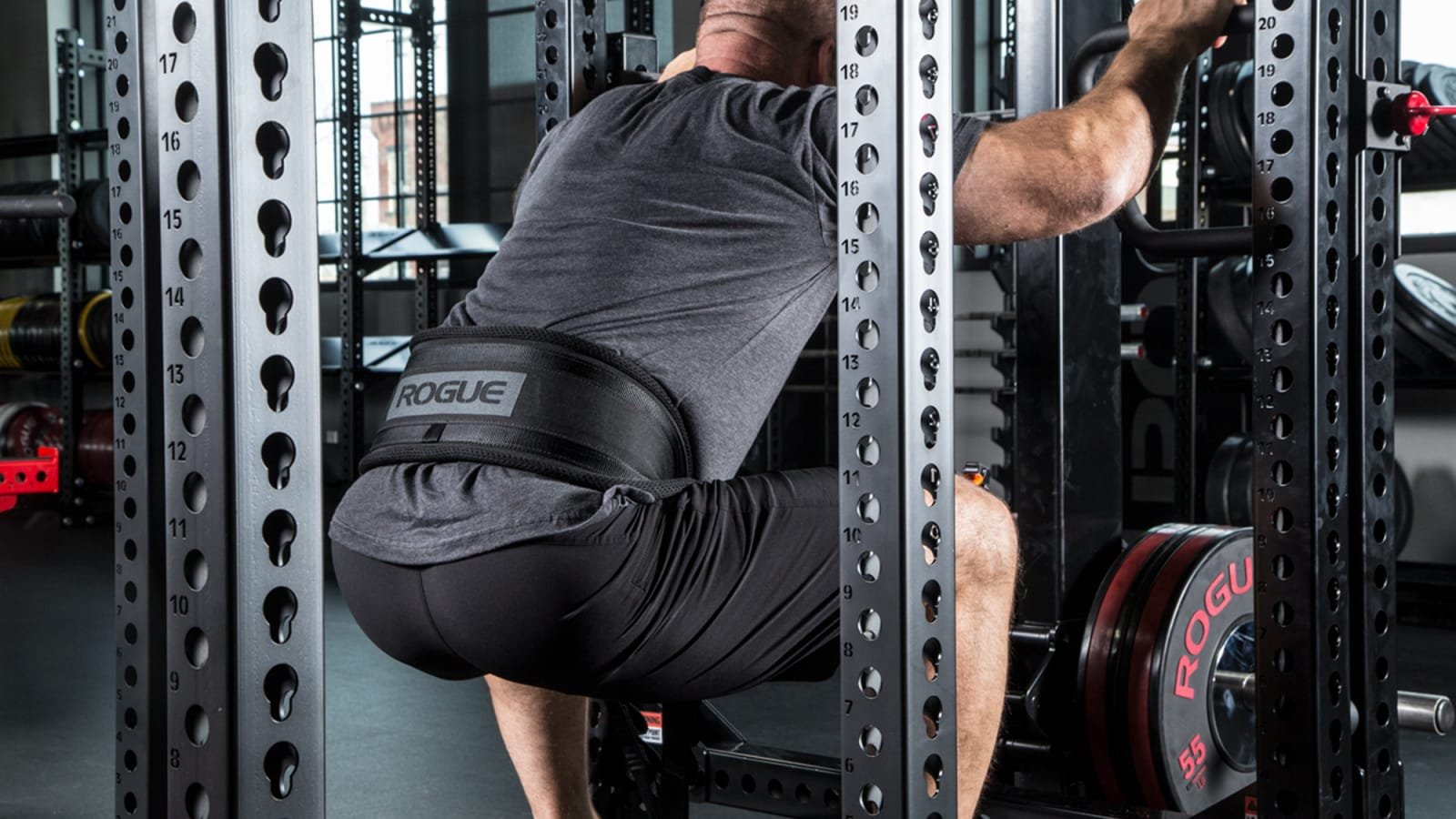
The appeal of a Rhino is loading the squat through a belt at the hips rather than resting a bar across the upper back. This changes the demands on the trunk and how the lifter balances, but it does not turn the movement into a universally safer substitute. Foot position, depth, belt fit and load still matter. Beginners should establish a comfortable path before testing heavy sets.
In a small comparison of ten trained adults, belt squats reduced lumbar extensor activation while preserving broadly similar activation in several major leg muscles, though gluteal and trunk measures differed. A separate test of 31 people also found differences in gluteal activation between belt and back squat patterns. These are short-term muscle-activity experiments, not proof of superior long-term hypertrophy or an injury-prevention guarantee.
Another study compared three different hip-belt-squat machines, including the Monster Rhino, in fourteen male athletes. Activation varied between machines. That matters because a belt squat is a class of movement, not one standardized resistance curve. It would be a mistake to assume an observation from a particular device transfers identically to every cable, lever or pendulum mechanism.
For a lifter who already back squats, a sensible trial is two to three controlled sets of six to twelve belt squats after the main barbell work. Keep two or three repetitions in reserve at first. Progress only when depth, stance and the belt position stay consistent, and log the trolley load separately from barbell squat numbers. Our stand-alone Rhino setup and leg-training guide covers the dedicated machine; the retrofit decision here involves additional rack and cable compromises.

Equipment Worth Exploring
Explore equipment, accessories and gear from our carefully selected range.


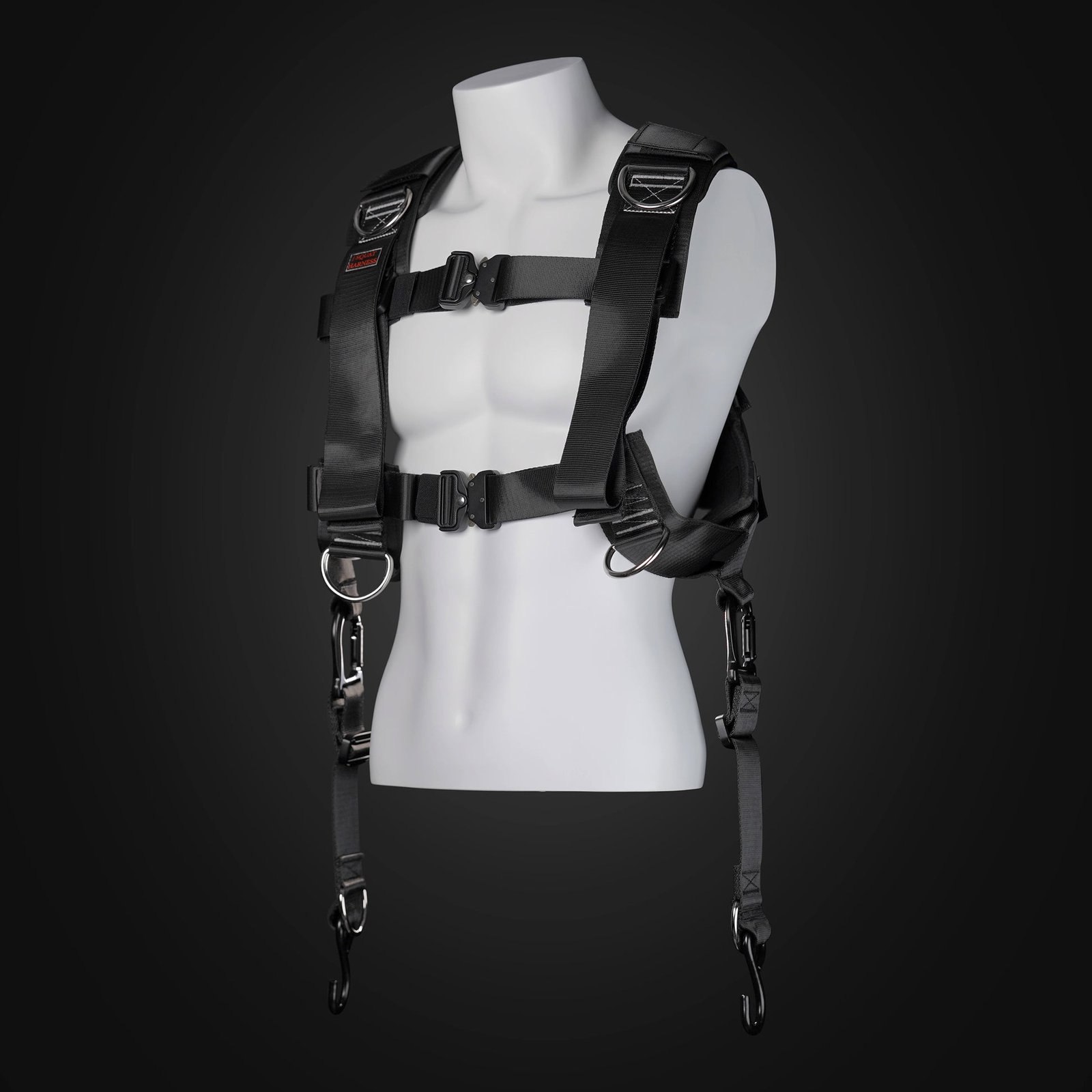
Squat Harness
Wearable harness for hands-free cable squats, sled work, and lower-body training.

Belt Squat Collar
Heavy-duty collar adapter for compatible belt-squat and landmine bar setups.


Studio V-Squat
Plate-loaded V-squat machine for supported lower-body strength training.

GymPin Squat Wedges
Non-slip 15-degree squat wedges help elevate the heels for deeper quad-focused squats.

Studio Glute Drive
Plate-loaded hip-thrust machine with supported back pad and adjustable foot platform.

Safety Squat Handles
Barbell squat handles that reduce shoulder positioning demands during high-bar squats.

4. Program the lat row and functional stations deliberately
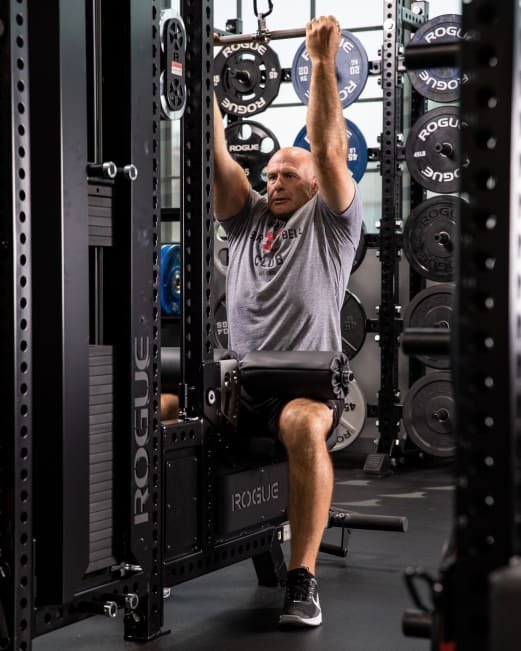
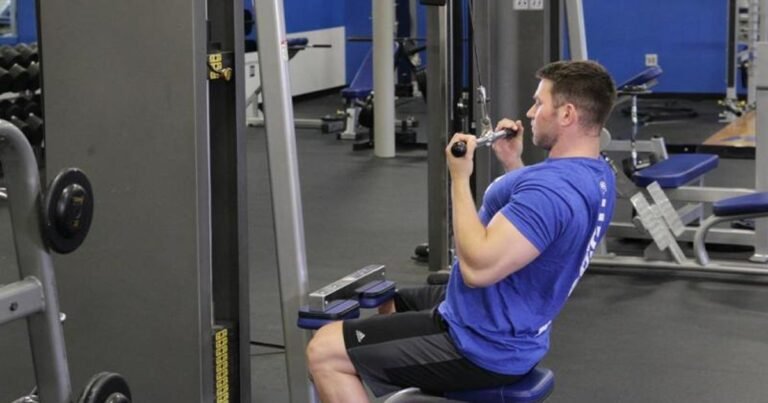
The 1:1 lat pulldown and low row are strong reasons to consider this equipment if you train back with heavy vertical and horizontal pulling. The removable footplate creates a low-row station; a compatible rack roller and bench arrangement can help hold the thighs down on pulldowns. Check whether the specific accessory is included or optional rather than assuming the attractive photo represents the base bundle.
For people buying the more expensive functional version, adjustable 2:1 swivel trolleys widen the exercise menu. They can suit cable lateral raises, curls, triceps work and other positions where a longer, smoother cable travel is useful. But the two ratios are not interchangeable on a training log. If you switch a cable exercise between 1:1 and 2:1 stations, start with an appropriate lighter load and rebuild the progression instead of copying the plate number.
Consider a realistic weekly arrangement: a squat day with the barbell first, then two belt squat sets; a pull day with three sets of pulldowns and three low rows; and a lighter accessory session using the front adjustable handles if purchased. That is an original example, not a manufacturer-approved program. Rest, recovery and total training volume still decide whether the extra stations make the week better.
Shared resistance makes single-user training convenient, but it is not the same as two fully independent stacks for simultaneous training partners. Think through how often you need to use both sides, how you will store handles and whether you prefer quick weight-stack pin changes over plate swapping. For a different integrated-system architecture, our Rogue FM-6 cable-ratio and installation guide explains what changes with separate cable sources.
Equipment Worth Exploring
Explore equipment, accessories and gear from our carefully selected range.



VForce Lat Seat
Rack-mounted seat attachment for supported lat pulldowns and seated cable exercises.

Lat Pulldown Set
Multi-grip cable attachment set for pulldowns, rows, and varied upper-body training.

VForce Wall Trainer
Space-saving wall-mounted functional trainer with pivoting cable arms and variable resistance ratios.


GymPin D Handle Bar
Multi-use steel D-handle bar for cable rows, pulldowns and other cable exercises.
5. Price the whole retrofit, not the headline add-on
Rogue’s configuration screen can show a starting price, but a completed build may require a different version, compatible rack hardware, a roller attachment, freight, anchors and plates you do not already own. Treat every option and delivery charge as a separate budget line. The stand-alone Rhino and the Rhino rack add-on are not identical purchases; comparing their starting figures without the required existing rack is misleading.
Some items are supplied as part of the package, including a multi-belt, lat bar and low-row bracket and footplate; functional-trainer configurations include additional handles. The optional rack roller and a usable bench deserve attention if your pulldown setup is meant to be comfortable rather than merely possible. Verify the current bill of materials for your exact version because accessories and configurations can change without changing the family name.
Before paying, write down five answers: Which Monster section will accept the unit? Does the ceiling clear both use and assembly? Who will handle the freight and bolting? Which movements justify a shared 1:1 source versus 2:1 front handles? What does the total cost look like after the extras? A no on the first three is a practical reason to choose a different machine, not a personal training failure.
It is easy to overbuy because a trainer promises an impressive exercise count. Judge the system against movements you perform every week, not movements a catalog says are possible. If you already have strong lat and row solutions, the extra cable hardware may be redundant. If your rack occupies the only useful wall and your legs need a belt-squat option, a genuinely compatible retrofit could earn its space.
The decisive advantage is consolidation: one rack can cover a loaded lower-body movement and meaningful cable pulling. The decisive risk is treating a heavily engineered system as if it were a simple clip-on accessory. Fit, floor anchoring, pulley ratios and the full receipt deserve more attention than the headline count of exercises.

Leg Day Shirts & Workout Gear
Leg-day gym shirts and workout gear for lifters who never skip squats, lunges and lower-body punishment.

I Love Squats Shirt | Valentine's Leg Day Meme with Red T-Shirt
Show some leg-day attitude with a playful “I Love Squats” tee.

7 Plates Squat Club Shirt – Meme & Leg Day Gains T-Shirt
Rep “7 Plates Squat Club” humor in and out of the gym.

Never Skip Leg Day | LEGO Workout Sweater For Squats & T-Shirt
Keep things casual with a little “Never Skip Leg Day” attitude.

Quadzilla Massive Quads Sweater Leg Day Squatting T-Shirt
Keep things casual with a little “Quadzilla” attitude.


Leg Day Squats Deadlifts Decal Meme Vinyl Sticker
Give your everyday gear a playful “Leg Day” twist.

Squat Here | Edgy Muscle Shirt | Gym Humor Meme Workout Tank Top
Show some personality between sets with “Squat Here”.

Shirt – Squat Inspector Leg Day & Booty Gains – Meme T-Shirt
Make gym days more fun with “Squat Inspector” style.

Train Legs Uncle Sam Tee
Bring “I Want You To Train Legs Uncle Sam Meme” humor to your next gym day.

Anti Leg Day Leg Day Club & Meme Fans Vest Tank Top
Bring “Anti Leg Day Leg Day Club” humor to your next lifting session.