Advertising disclosure: This page includes affiliate product links that may earn us a commission, as well as products from our own store.
A pull-up bar above a doorway can make training easier to fit into daily life. It can also be an expensive distraction if the wall, room and intended exercises do not suit the installation. The Rogue Jammer deserves a buying decision built around those details. Start with where the load goes, then check where your body goes. Finish, grip and convenience matter after that. This guide explains the questions to settle before ordering; it does not replace the installation instructions or certify a particular wall.
Start with the wall, not the doorway's appearance
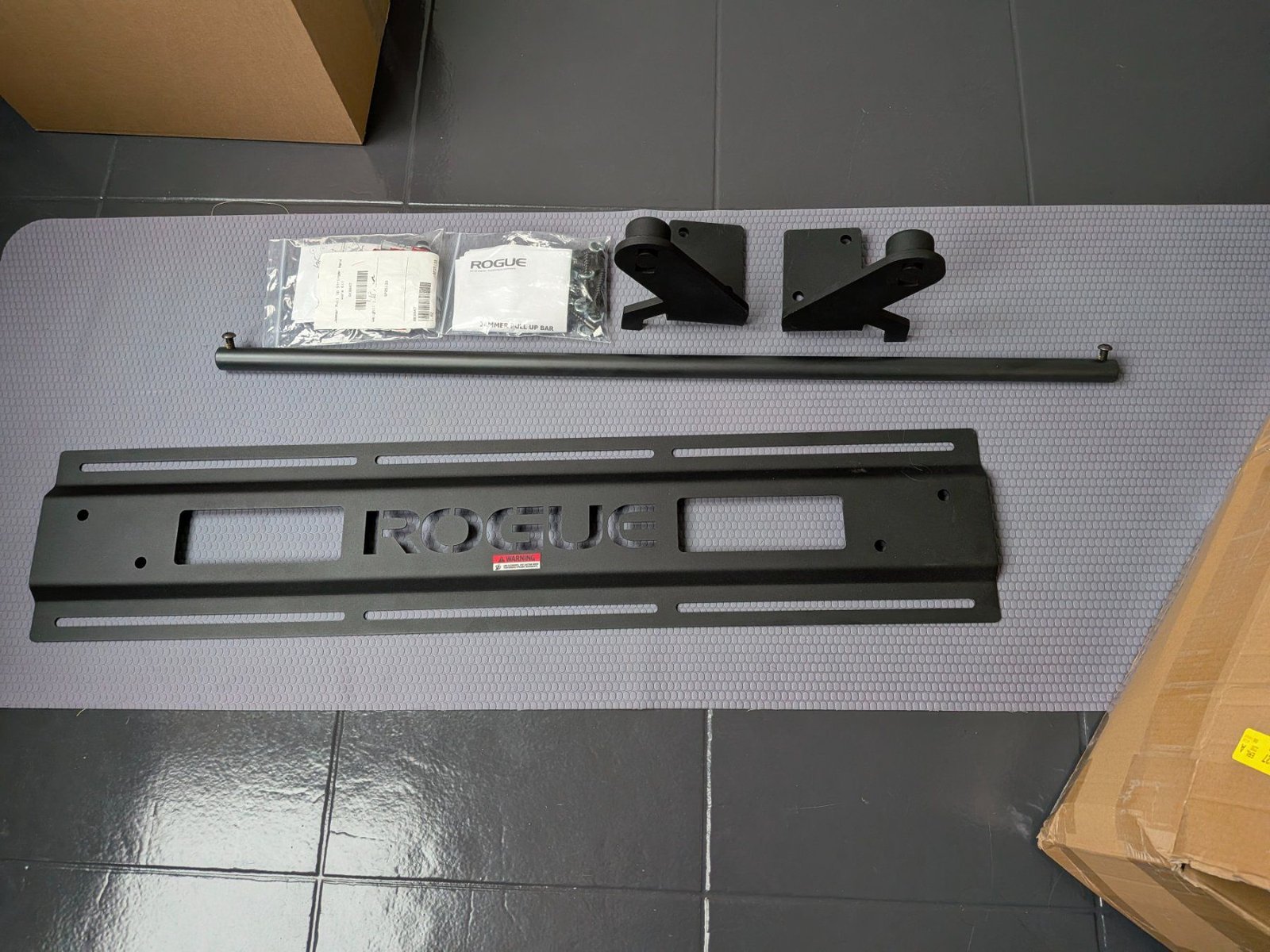
The Rogue Jammer is designed to mount above a doorway on a standard wood-stud wall. It is a fixed wall-mounted system, not a temporary bar that you wedge into the opening. Rogue supplies six wood lag screws and directs buyers planning another wall construction to consult a general contractor about an alternative installation.
That distinction changes the first buying question. A doorway can look suitable from the room while concealing a construction detail you have not checked. Paint, trim and a clean photograph tell you little about the structure behind them. Before choosing a color, establish who will verify that the proposed location matches the current instructions. If the answer is still uncertain, treat the location as unconfirmed rather than nearly ready.
Make the conversation concrete. Show the installer the exact product, its instructions and the intended wall. Explain what is on the other side and how the room is used. Let the qualified person determine the installation method for that construction. A general article cannot supply a universal substitute fixing, drilling pattern or safe working load for every building.
Permission matters in a practical sense too. If you rent or share the property, settle approval for a permanent installation and eventual repair of the surface before purchase. That is a planning task, not an argument against training at home. The goal is to avoid buying hardware for a location you later discover you cannot use.
Keep a short decision record: proposed location, verified wall construction, person responsible for installation and unresolved questions. It is easier to resolve a specific unanswered question than a vague feeling that the bar will probably fit.
Measure the movement space as well as the hardware
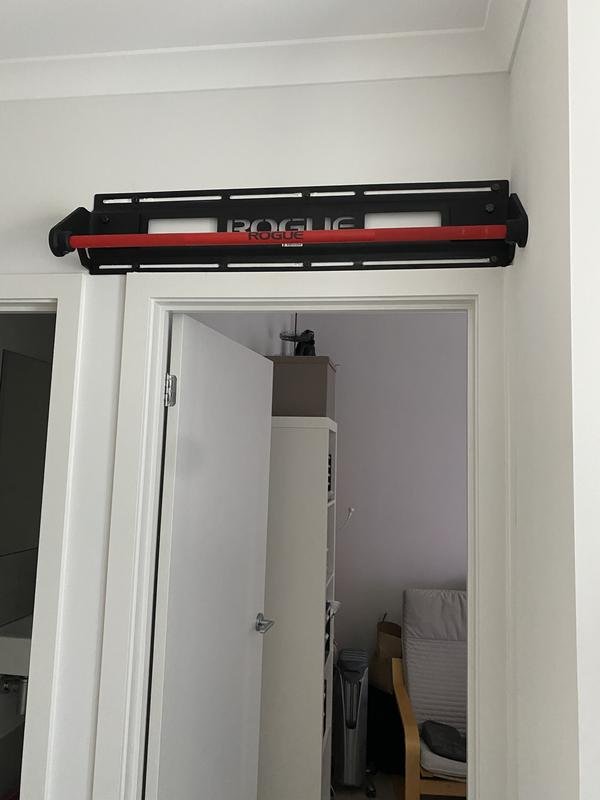
The listed stringer is 43 inches long and 8.875 inches high. The bar center sits seven inches from the mounting surface, while overall projection is 8.25 inches. Those describe the hardware; they do not specify a universal clearance envelope for a moving person.
Separate your room survey into three views. From the front, consider where your hands and elbows would be relative to nearby walls or cupboards. From the side, consider the path of your head and torso. From below, consider the floor space needed to approach and leave the station. You are checking whether the chosen location suits your intended movement, not just whether the backplate fits above the trim.
A tall lifter may need to bend the knees to clear the floor, but that does not solve every spacing problem. The top of a repetition still needs consideration. A doorway that feels open while standing can become restrictive when you pull upward. Do not infer a comfortable top position from a product photograph taken at somebody else's ceiling height.
Check the room in everyday use. Open the door, look at its travel and notice nearby fittings. Consider curtains, lights, storage and routes through the room. A shared hallway is different from a dedicated training space. Decide how you will keep the area clear while exercising rather than relying on everyone to work around a person hanging in the opening.
Write down measurements and take photographs for the installation discussion. Avoid converting these observations into a homemade structural approval. They answer the fit question; wall suitability and installation remain separate decisions. A compact footprint is useful only when the whole exercise can be performed with the space available.
Choose the contact surface before the color
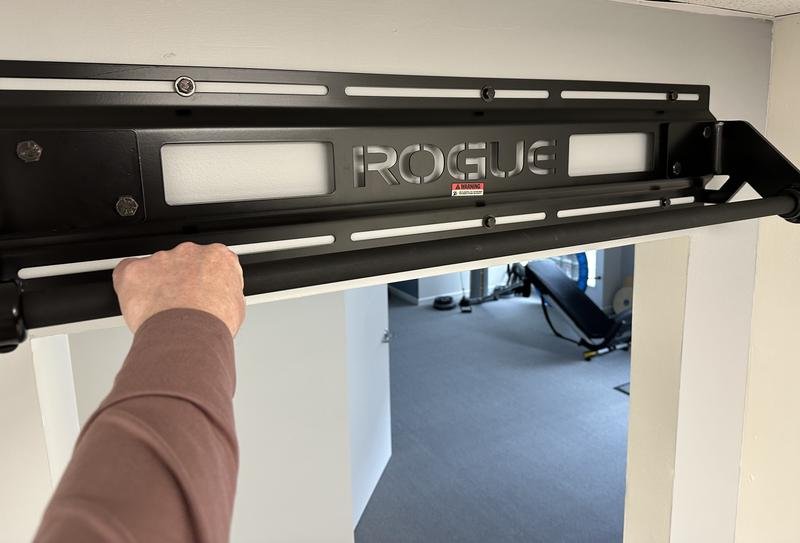
The Jammer uses a 1.125-inch-diameter bar, with smooth and knurled options. The knurled version has a 17.4-inch smooth center section. Check the selected finish and texture in the actual order rather than assuming every pictured version has the same contact surface.
Think about where you normally place your hands. If you prefer a particular spacing, compare it with the available grip area and your room measurements. Knurling is a surface choice; it does not remove the need to grip securely or make an unsuitable wall appropriate. Color is a separate preference. A finish that looks excellent in a photograph may still be the wrong texture for the way you prefer to train.
If possible, compare familiar bars before deciding. Note which diameter and surface you find manageable during controlled pulling. This is a preference check, not proof that a retail finish will feel identical to a gym bar. Avoid treating a more aggressive-looking surface as a guaranteed performance upgrade or a substitute for developing grip strength.
The same distinction applies to accessories. Neutral-grip handles, thick grips and rings change the exercise or contact arrangement. Their existence does not establish compatibility with the Jammer, nor does a customer picture establish approval for a particular attachment or loading method. Confirm the intended combination with the equipment manufacturer before adding it to a shopping list.
A useful order checklist therefore keeps bar texture, bar finish and bracket finish as separate entries. Save the final configuration with your measurements. That makes a later delivery check much easier than trying to remember which combination appeared in a promotional image.
Separate a solid-looking bar from a verified installation
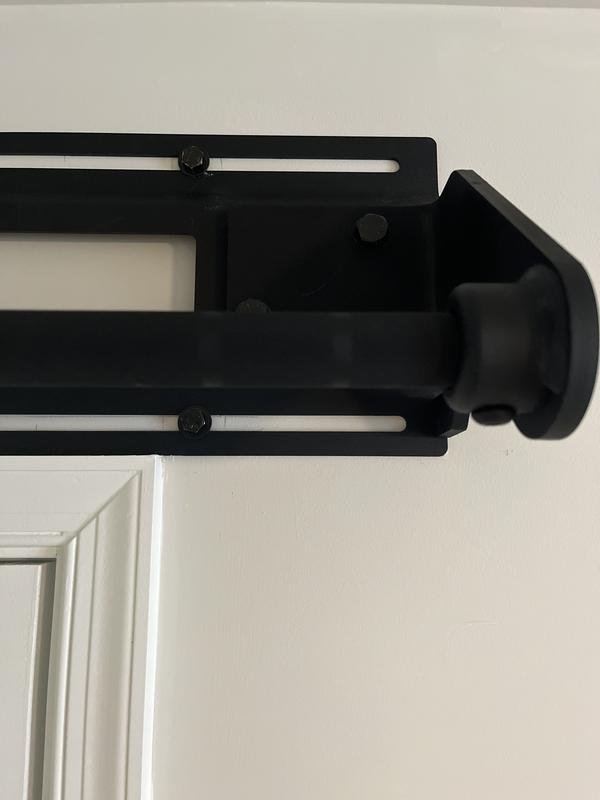
The system is listed at 33 pounds including stringer and brackets, and the brackets are 0.375-inch laser-cut steel. Those figures describe the product. They are not a personalized capacity rating for your wall or permission to use any movement you can perform on a pull-up station.
This is where buyers can confuse three different questions: whether the supplied parts match the order, whether they were assembled and installed correctly, and whether the planned use is appropriate. A convincing answer to one does not answer the other two. A tidy installation photograph cannot show what is behind the wall, while a complete parts bag cannot show that the finished installation was checked.
Use the current manufacturer instructions for assembly and installation, with qualified help where required. Keep the paperwork and identify who will inspect the finished setup. If something moves unexpectedly, loosens or raises doubt during use, stop and have the issue assessed rather than testing it with another harder repetition. Do not improvise a repair simply to preserve that day's workout.
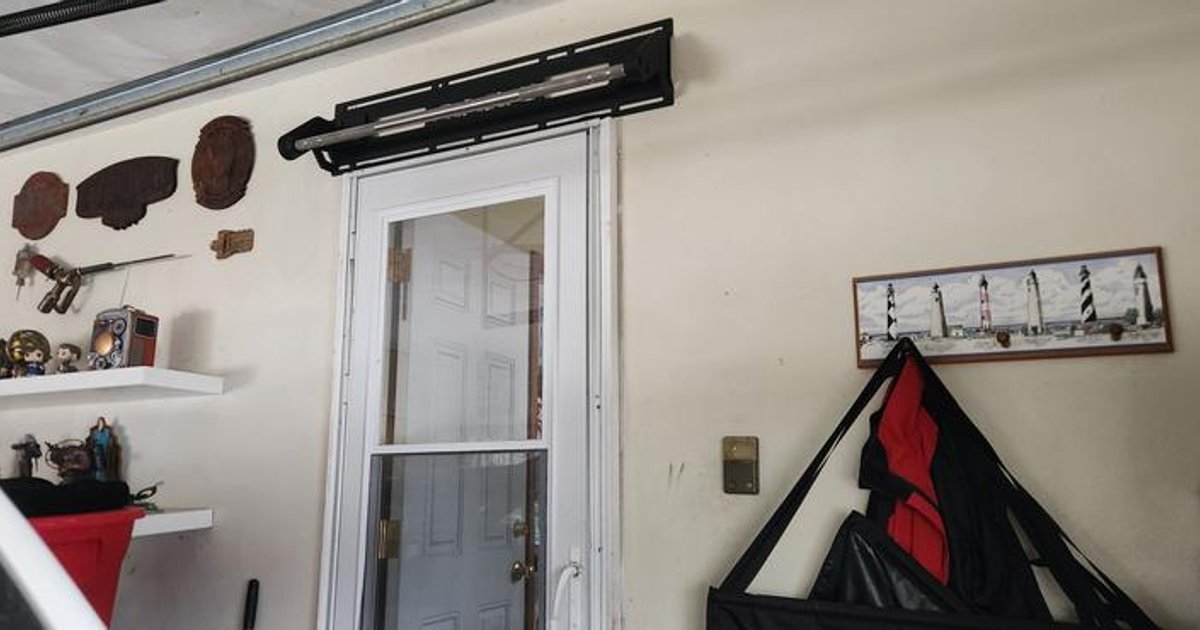
Treat customer photographs as illustrations of the product in real rooms. They can help you notice a door, adjacent ceiling or grip detail you had overlooked. They cannot certify the safety of that installation or transfer its suitability to your property. That limit also applies to the pictures accompanying this guide.
Budget for the complete project rather than only the bar. Depending on your circumstances, that may include installation help, delivery and making good the surface later. Ask for those costs before comparing the fixed-bar option with a rack or freestanding station. The best purchase is the one whose entire setup you can actually support.

Equipment Worth Exploring
Explore equipment, accessories and gear from our carefully selected range.

Power Tower
Freestanding pull-up and dip station with adjustable handles for bodyweight training.


VForce Wall Trainer
Space-saving wall-mounted functional trainer with pivoting cable arms and variable resistance ratios.

Foldable Wall Rack
Wall-mounted folding squat rack designed to save floor space between workouts.


Angles 90 Grips
Flexible grip attachments that allow natural wrist movement during pulling exercises.

Give the station a clear training job
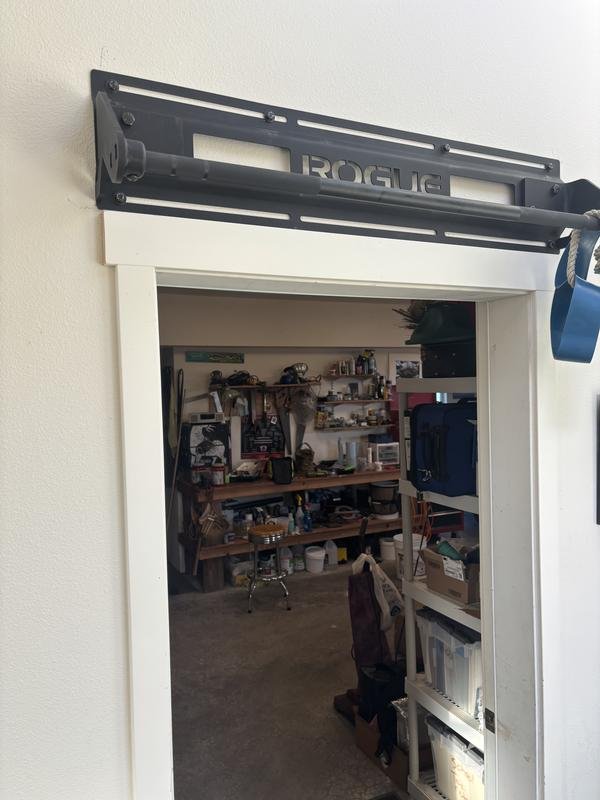
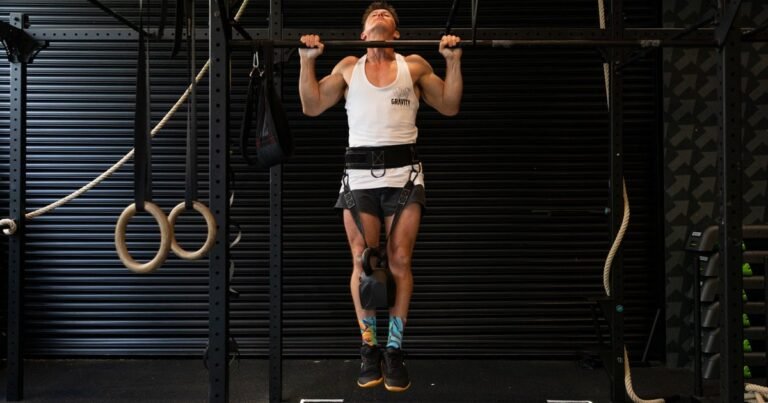
A convenient bar can support regular pulling practice, but every trip through the doorway does not need to become a hard set. Pull-ups demand back and arm strength, grip and control. Use a controlled ascent and descent rather than turning a cramped location into an invitation to swing for extra repetitions.
Decide what role the station will have in your week. It might support a few planned practice sets alongside your existing training. Record those sets so they do not become invisible extra work on top of rows, pulldowns or other back exercises. Consistency is useful when you can sustain it; convenience alone does not decide the right amount of work for you.
If you cannot yet perform a controlled repetition, choose an appropriate progression with a qualified coach and equipment suited to that progression. Do not assume that a nearby chair, an improvised band arrangement or a photo of somebody else's setup makes a method appropriate for your installation. The training problem and the equipment problem both need an answer.
When the room or wall is unsuitable, compare different categories honestly. A freestanding pull-up tower or a properly specified rack may suit a different location. A cable station offers pulldown work with adjustable resistance, while rows can provide another pulling exercise. These are separate training options with their own requirements, not interchangeable installations or accessories automatically approved for the Jammer.
The purchase earns its place when three things align: a verified installation, enough room for the intended movement and a sustainable training purpose. Choose the finish after those decisions. Then use the station for the job you actually planned, keeping controlled repetitions and a clear training record ahead of the temptation to turn every doorway visit into a test.

Funny Gym Shirts & Workout Gear
Funny gym shirts, tanks, hoodies and workout gear for lifters who like training hard.


Always Pull Yourself Up Hoodie
Make your off-duty look more fun with “Always Pull Yourself Up”.

Pullups Heartbeat Crewneck
Keep things casual with a little “Calisthenics Pullups Heartbeat” attitude.

Get A Grip Grip Strength Vest Tank Top
Bring “Get a Grip” humor to your next lifting session.

Funny Home Gym Gym Muscle Shirt Athletic Vest for Garag Tank Top
Add some lifting attitude to training with “Funny Home Gym Gym Tank Top Muscle Shirt”.

Home Gym Nerd Decal for Water Bottles Laptops Garage Gy Sticker
A fun “Home Gym Nerd” touch for bottles, laptops, and lockers.

Funny Home Gym Hooded Pullover for Garage Gym Basement Hoodie
Keep it laid-back with a little “Funny Home Gym Hoodie Pump Cover Hooded” attitude.


Funny Calisthenics Gym Hooded Pullover for Bodyweight W Hoodie
Stay casual and show some lifting attitude with “Calisthenics”.

Consistency King Tee
Make gym days more fun with “Consistency King Stoic Greek God Marble” style.