Advertising disclosure: This page includes affiliate links that may earn us a commission at no additional cost to you.
A weighted vest leaves your hands free, but the weight still has to go somewhere. With the Rogue Echo Weight Vest, that means a plate at the front, a plate at the back and a fit that needs to work while your torso moves. Buying the right size is only the beginning.
The useful questions are practical: which plates belong in it, can you secure them correctly, and does the loaded vest let you perform your planned exercise? This is a specification-based buying and setup guide, not an MMP hands-on review. Start with the session you want to improve, then judge whether this particular loading system makes that session easier to organise.
1. Decide whether front-and-back loading suits your training
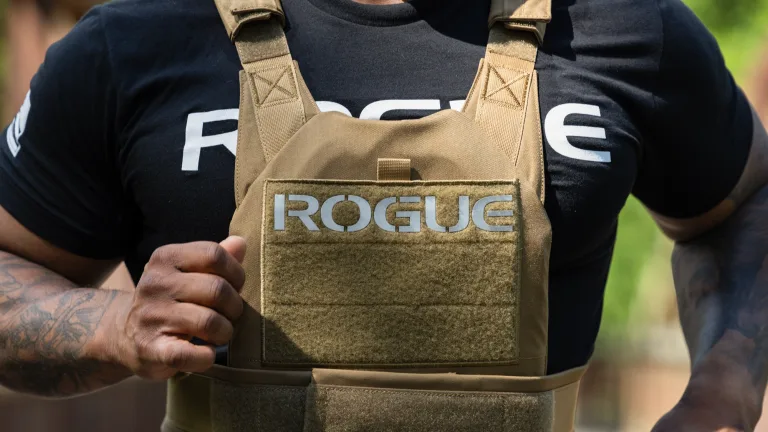
The Echo is a training vest with removable plates carried close to the torso. It comes in small, medium and large sizes; the listed unloaded weight for medium is 1.75 lb. Plates are sold separately. It is fitness equipment and provides no body-armour protection.
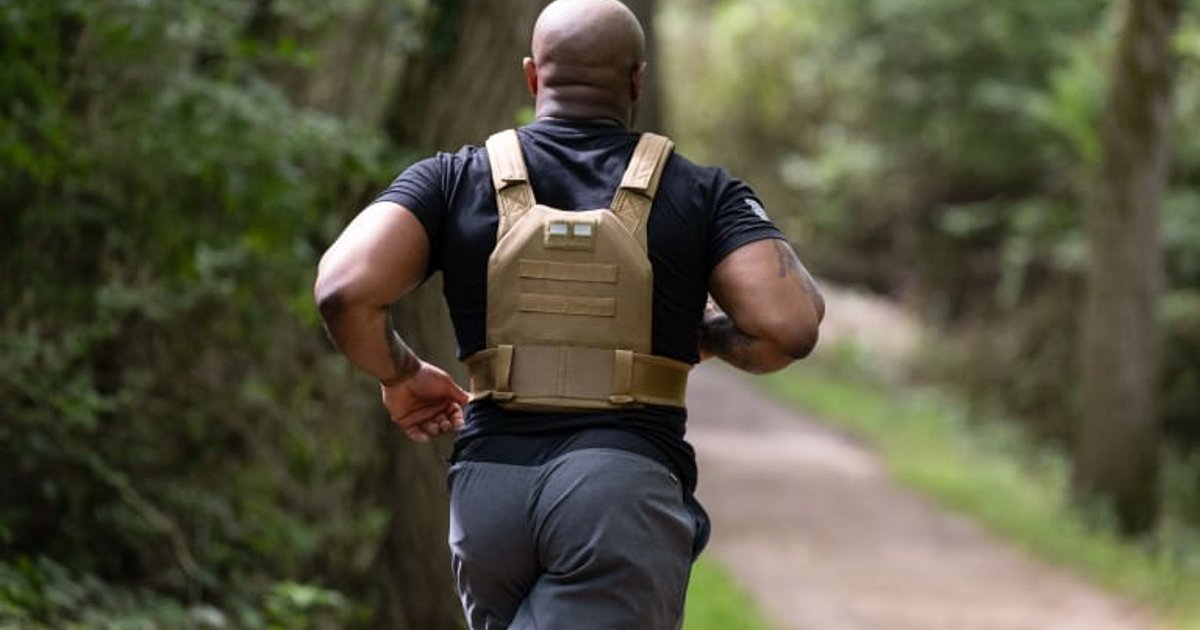
That arrangement is appealing when you want additional resistance without holding dumbbells. You can keep both hands available for a support or a pull-up bar. However, hands-free does not mean equipment-free: you still have to put the loaded vest on, adjust it and remove it without turning the end of the session into an awkward lift.
Write down the main use before comparing options. A vest for controlled bodyweight sets, a vest for short conditioning sessions and a pack for longer walks involve different trade-offs. Front-and-back loading occupies space over the chest as well as the back. A backpack leaves the front clearer but carries its load in a different position. Neither format wins every task.
Also consider how often you will change resistance. If your normal session uses one load throughout, plate changes may be a minor inconvenience. If you alternate several loads every few minutes, the process deserves more attention. Plan where the plates and empty vest will sit between sessions, rather than judging convenience from a photograph of somebody already wearing it.
2. Check plate compatibility and total weight separately
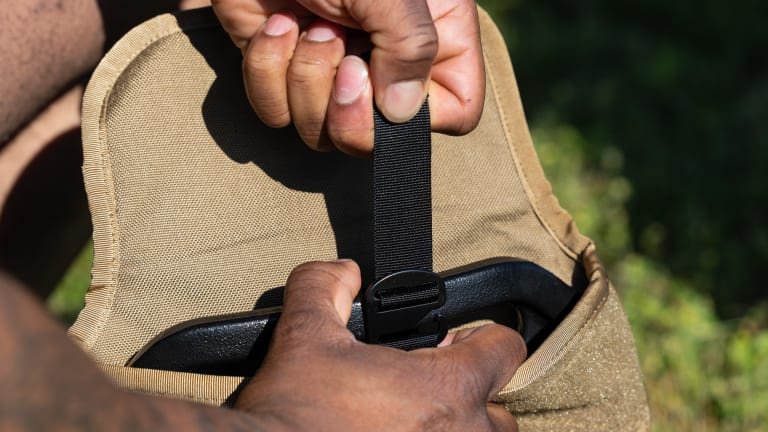
Each Echo pocket accepts up to a 20 lb plate from the compatible Rogue USA Cast or Echo Cast vest-plate ranges. That allows 40 lb of plates across both pockets; the vest itself adds weight. The listed pocket dimensions, 10.25 by 12.5 inches, are outside measurements, not an internal clearance guarantee.
A familiar brand name or a similar rectangular outline does not establish compatibility. Check the exact plate model, then follow the current loading instructions. Use the intended retention straps and close the pocket flap fully. A plate that enters the opening but prevents the fastening from engaging properly has not passed the fit check.
When ordering, distinguish individual plate weight, the number of plates in the package and the resulting total carried load. Read the selected option and order summary together. Two people can both describe a “20 lb vest” while referring to different configurations. Record the actual plates you install, rather than copying the most prominent number from a product selector.
Do not assume that weight plates already in your gym will work. Ordinary barbell plates and shaped vest inserts are different loading systems. If using existing Olympic plates is the priority, our Kensui EZ-VEST fit and clearance guide explains the checks for that alternative format. It does not establish compatibility with the Echo.
The maximum equipment capacity is a ceiling, not a first-session prescription. Choose a manageable configuration for the movement you already perform well. The purchase should leave you with a useful progression, not pressure to begin with the heaviest available pair.
3. Fit the straps around movement and breathing
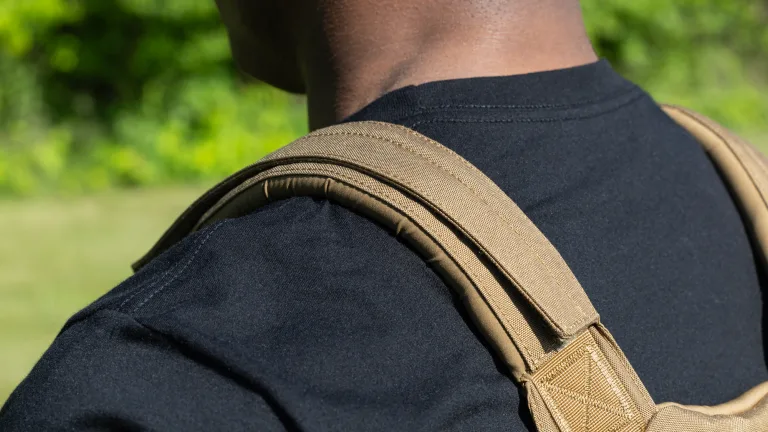
The shoulder straps adjust with hook-and-loop fasteners and include padding. An overlapping torso belt incorporates elastic at the back. Those features provide adjustment; they cannot establish comfort or freedom of movement for every body shape.
Use the current size guide and its specified measurement method instead of guessing from your usual T-shirt size. Clothing labels are not a reliable substitute for where this vest’s belt sits. Consider the layer you actually intend to train in, too: the fit over a thin shirt may differ from the fit over a bulky sweatshirt.
Make the initial adjustments without added plates. Keep the panels centred, settle the shoulder straps evenly and fasten the belt securely without using excessive tightness to disguise a poor size choice. Take normal breaths, reach overhead and move through the positions your session requires. The aim is a repeatable position that you can maintain, rather than the tightest possible squeeze.
Repeat the check with your manageable training load. Walk, turn and reach again. Notice whether a panel lifts into your throat, the shoulder straps concentrate pressure, or the belt shifts when you change position. If something feels wrong immediately, resolve the fit or loading problem before adding duration or speed.
Practise removing the vest while you are fresh. You should understand the fastening and know where you will set the equipment down. A routine that is easy to reproduce at the start is more useful than one that depends on wrestling with a heavy vest after a difficult final set.

Calisthenics Shirts & Street Workout Gear
Calisthenics and bodyweight-training gear for pull-ups, dips, handstands and street-workout athletes.

Calisthenics Lovers – Gains & Meme Shirt T-Shirt
Make gym days more fun with “for Calisthenics Lovers” style.

Big Dip Energy Crewneck Pullover Sweater for Calistheni T-Shirt
Show some gym-day personality with “Big Dip Energy”.


Always Pull Yourself Up Tank
Show some personality between sets with “Always Pull Yourself Up”.

T-Rex Hates Push Ups Decal for Water Bottles Laptops Ca Sticker
Put “T-Rex Hates Push Ups” gym humor on your laptop, bottle, or gym gear.

Calisthenics Evolution Hoodie
Bring “Calisthenics Evolution” gym humor to lazy days and post-workout plans.

Calisthenics Heartbeat – Pullups & Handstands & T-Shirt
Show some lifting attitude with a playful “Calisthenics Heartbeat” tee.

Pull Up Not Out Hoodie
Show off your bodybuilding humor in a laid-back “Pull Up Not Out” hoodie.

Funny Calisthenics Gym Muscle Shirt Athletic Vest for B Tank Top
Train hard, laugh a little, and rep “Calisthenics”.

Calisthenics Hanging Out Tank
Show some personality between sets with “Calisthenics Is My Idea of Hanging Out”.
4. Test the exercise before increasing the challenge
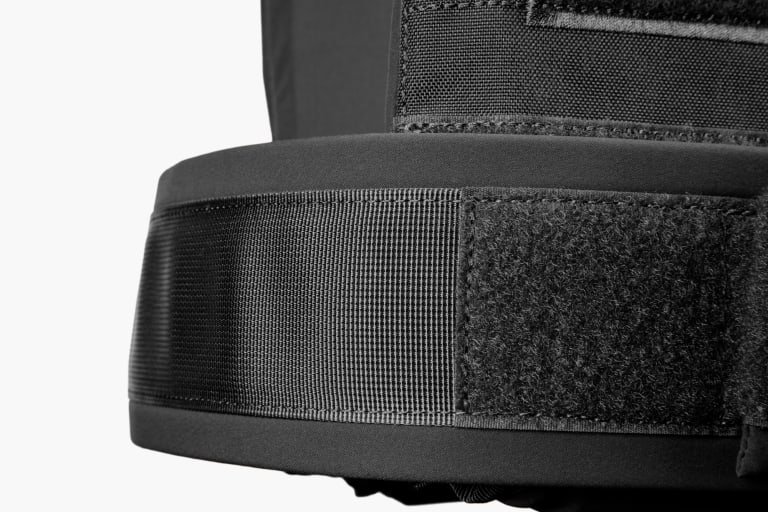
Standing comfortably is one test. Moving well is another. A vest can feel settled while upright and then shift during a push-up, pull-up or change of direction. Test the actual movement at an easy effort before treating the loaded version as interchangeable with your normal training.
For floor work, check the bottom position. If the front panel contacts the floor before you reach your normal depth, the vest is changing your range of motion as well as adding load. Our comparison of vest, plate and band loading for push-ups helps separate these setup differences. Compare consistent repetitions rather than treating every loaded variation as the same exercise.
For walking, begin with an easy, familiar route and observe how the fit behaves over time. For bodyweight sets, keep the range and technique recognisable. Avoid increasing load, session length and movement complexity together: changing one variable makes it easier to identify what caused a problem and whether the previous setup was genuinely manageable.
Murph illustrates why owning a vest does not settle the programming decision. The workout has scaled versions with reduced running and repetitions that do not prescribe a vest. Preparing for a demanding benchmark can mean practising those versions first, rather than adding weight simply because the equipment is available.
Keep a short log of the plates, exercise variation, duration or repetitions and any adjustment needed. That turns “it felt harder” into information you can use next time. Completing the planned movement consistently is a better basis for progression than filling every available pocket.
5. Make the complete setup easy to maintain
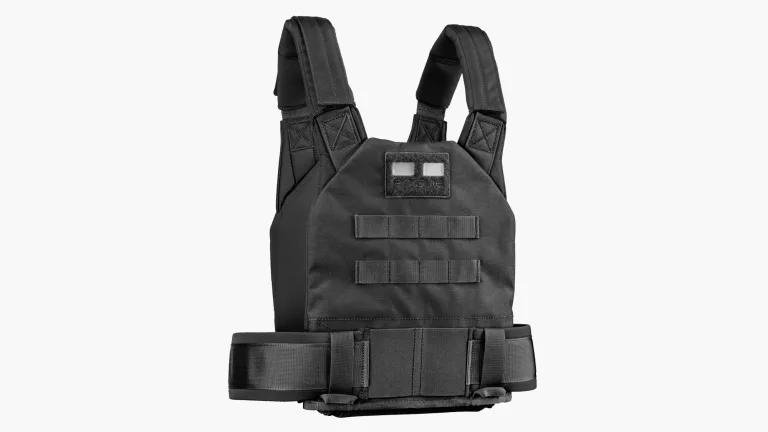
Before buying, check the vest, compatible plates, size choice and total cost as a complete setup. A vest-only price does not tell you what a ready-to-use configuration will cost. Check the current delivered price and return conditions for your location, especially if you cannot try the fit before ordering.
Include the practical details: somewhere to lay out the components, a manageable way to put the vest on and a place where it can dry after use. These small arrangements matter because they determine whether you repeat the routine on an ordinary busy day. Extra accessories are less valuable if the basic setup remains awkward.
The listed care method is hand washing and line drying. Follow the current care and loading instructions, inspect the fastenings before use and address damaged or unreliable parts before the next loaded session. Do not replace a fastening problem with an improvised knot or assume a tighter belt can compensate for an unsecured plate.
The Echo makes most sense when you want a relatively simple, removable-plate vest and the fit works for your chosen movements. Decide against it if the required plates, adjustment range or exercise clearance do not suit your routine. The right outcome is a vest you can load correctly and use consistently, with room for sensible progression.