Advertising disclosure: This page includes affiliate product links that may earn us a commission, as well as products from our own store.
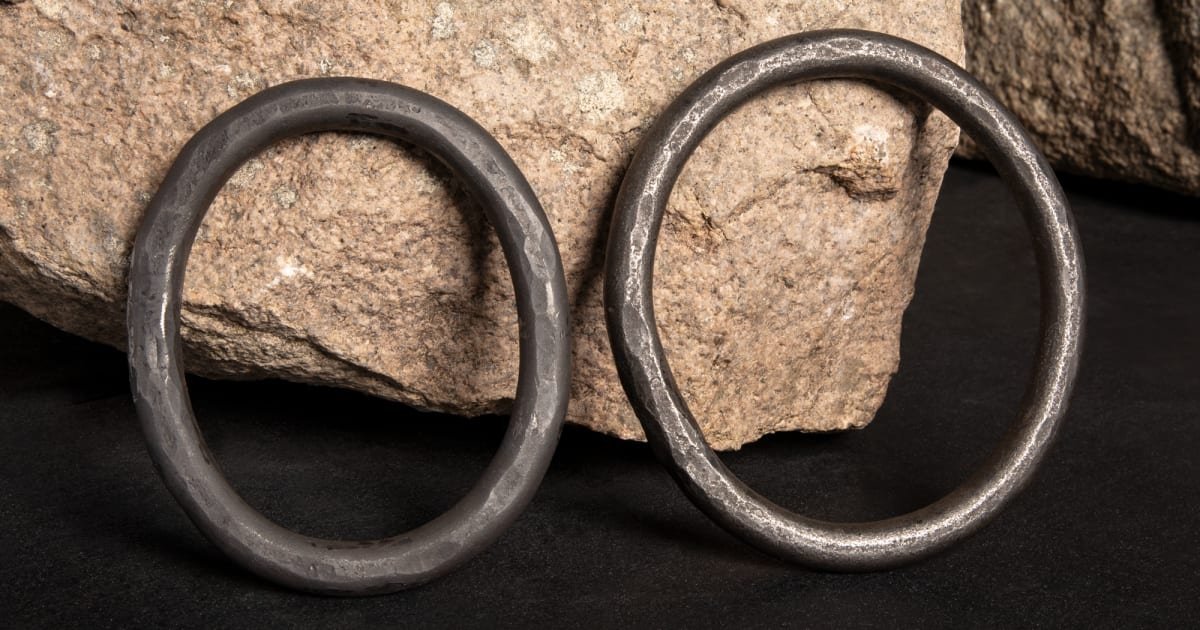
The Rogue Dinnie Ring Set is an appealing way to bring an unusual grip implement into a small gym. The buying decision extends beyond two pieces of steel, though. You need a way to load them, a repeatable lifting height and a clear reason for choosing rings over equipment you already own. Before building a station around them, separate three questions: what the rings reproduce, what the complete setup requires and what you actually want to measure.
Know which Dinnie rings you are buying
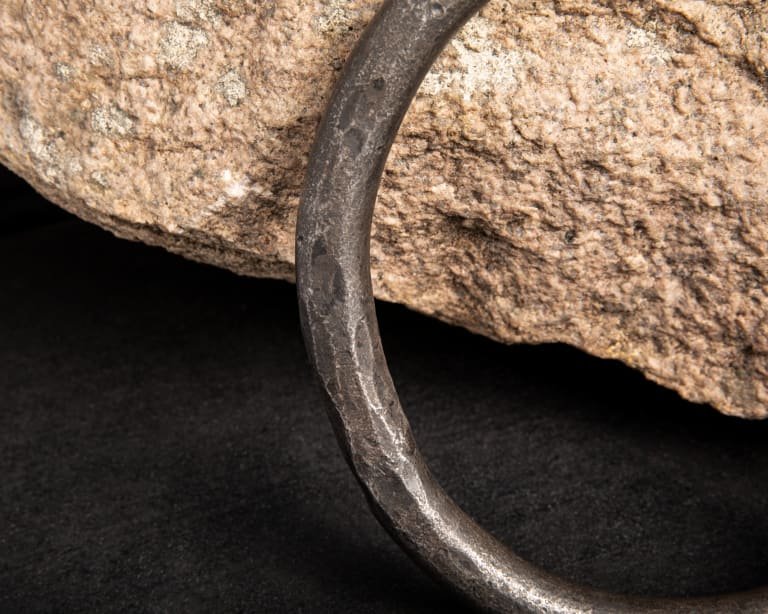
Rogue models these rings on its Replica Dinnie Stones, whose ring specifications differ from the historic stones in Scotland. That distinction matters if you are preparing for a particular lifting challenge. Similar-looking handles do not automatically reproduce the same hand position, starting height or feel under load.
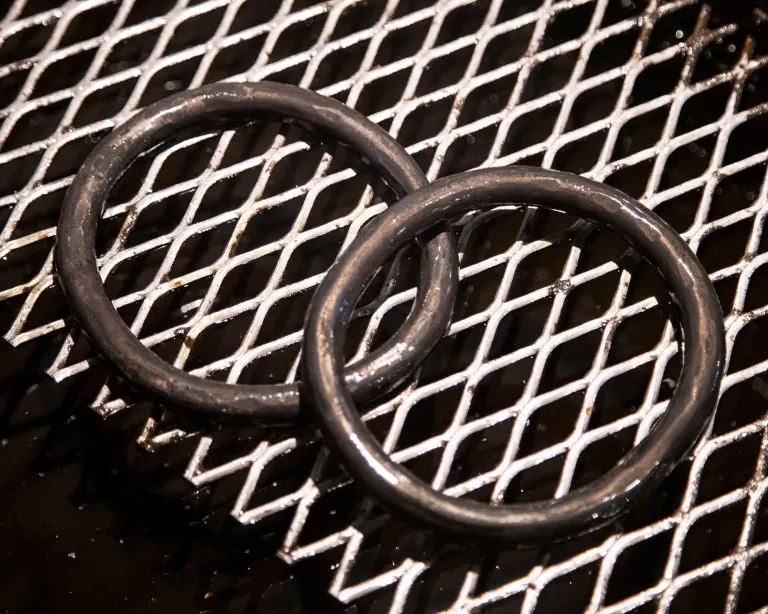
The set contains one large ring and one small ring. Both use approximately 5/8-inch steel. Listed outer dimensions are about 7 by 6.5 inches for the large ring and 6.25 by 5.25 inches for the small. These are approximate measurements, not a promise that every hand-forged pair will be identical.
For a general training station, repeatability within your own setup may be enough. Give each ring a clear identity in your log and keep the attachments consistent. For a planned event or trip to lift specific stones, obtain the relevant implement measurements and rules before spending money. Ring diameter alone cannot describe the complete challenge.
Do not treat a plate-loaded practice lift as proof of readiness for the originals. The historic Dinnie Stones are unequal granite boulders, not interchangeable stacks of plates. Matching a total weight on different equipment leaves other variables unresolved. A productive practice tool can still be an imperfect simulation.
Decide which of those two jobs you need: a distinctive grip exercise or close preparation for a known implement. That answer should guide the rest of the purchase, especially when a cheaper or more convenient option has different geometry.
Understand the forged finish and the complete cost
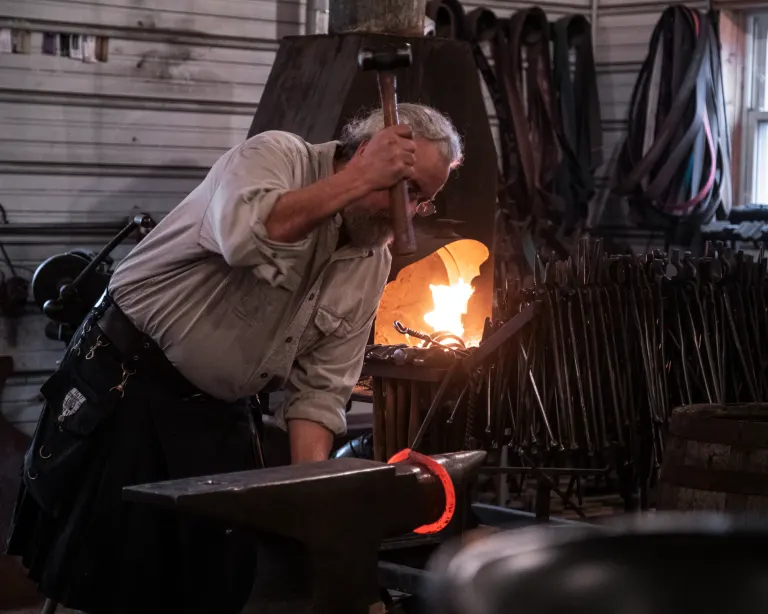
These rings are individually hand-forged at Lockhart Ironworks in Ohio. The visible irregularities are part of the construction, so expect a different appearance from a precisely machined cable attachment. Manufacturing method explains the finish; it does not replace inspection or establish how a particular ring will feel in your hand.
Inspect what you receive before loading it. Look for damage or an unexpectedly sharp contact area and raise concerns with the seller rather than modifying a load-bearing item yourself. Check both rings, not just the one you happen to pick up first. A photograph of another set cannot establish the condition of yours.
The US listing showed $60 for the pair when checked on November 23, 2026. Treat that as a dated starting price, not the cost of an operating station. Delivery, taxes and additional hardware depend on your location and chosen configuration. Readers outside the US should compare the delivered total in their own market.
Write the complete shopping list before ordering: rings, suitable loading equipment, compatible connecting hardware and any plates you lack. Separate equipment you already own from parts you merely assume will fit. Two inexpensive missing components can be more inconvenient than the headline price suggests when they require another order.
The useful value question is how often you will use the finished station. Rings stored in a drawer are compact, but the plates and lifting area still occupy space during training. Check whether assembling and clearing the station fits your normal session. If setup feels burdensome before the purchase, do not assume enthusiasm will permanently solve it.
Build the load path before adding weight
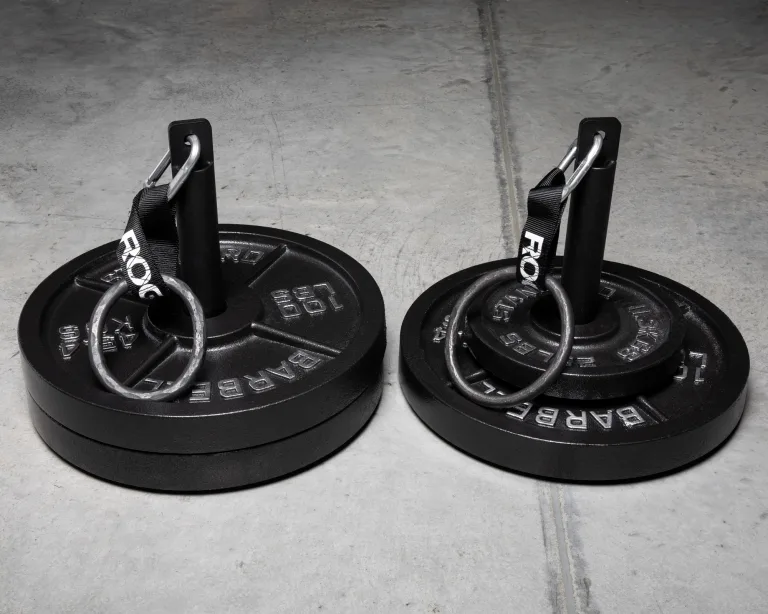
A complete station needs a clear connection from each ring to its load. Rogue lists loading pins and grip-strap/carabiner accessories separately. Its standalone loading-pin listing also explicitly excludes the strap and carabiner. Read the selected bundle carefully rather than assuming a photograph shows everything included in the box.
Compatibility involves the whole connection, not simply whether a clip can pass through a hole. Confirm the intended application, attachment instructions and limitations for every component. An unrelated weight-stack extender pin is not automatically a freestanding loading pin. Likewise, an ordinary utility clip is not a substitute merely because it closes.
Inspect the assembled station without meaningful load first. Verify that connecting hardware closes correctly, straps lie as intended and the arrangement does not force a connector sideways. If a component’s suitability is unclear, ask its manufacturer. Do not invent a system capacity from the apparent thickness of the rings.
Plan the landing area too. Use a sound, stable surface with room around the plates and keep feet, loose equipment and other people clear. Remove damaged equipment from use. A tidy space does more than improve appearances: it makes it easier to see a twisted connection or an obstruction before the lift begins.
Measure the actual grip height after assembling the station. Plate diameter, pin dimensions and attachment length all influence where the hand starts. Record that height with a quick setup photograph. Otherwise, a later change of plates or connector can alter the task while the number in your training log appears unchanged.

Funny Gym Shirts & Workout Gear
Funny gym shirts, tanks, hoodies and workout gear for lifters who like training hard.

Grip Day Legend Essential Gymbro & T-Shirt
Rep “Grip Day Legend” humor in and out of the gym.

Grip Strength Fanatic Meme Hoodie
Show off your lifting humor in a laid-back “Grip Strength Fanatic” hoodie.


Grip Day Legacy Gymbro & Decal Sticker
Give your everyday gear a playful “Grip Day Legacy” twist.


Pumpeye Sweater Forearm & Grip Training Popeye Meme T-Shirt
For laid-back days and bodybuilding humor: “Pumpeye”.

Grip Training Essential Gymbro Jumper & T-Shirt
For laid-back days and lifting humor: “Grip Training Essential”.

Defy Gravity Shirt Old School Weight Strongman Meme T-Shirt
Bring “Defy Gravity” humor to your next gym day.

Mount Liftmore Strongman Brian Shaw & Eddie Hall T-Shirt
Rep “Mount Liftmore Strongman” humor in and out of the gym.

Atlas Lifting The Earth Meme Strongman Shirt T-Shirt
Bring “Atlas Lifting The Earth” humor to your next gym day.
Use a training log that describes the lift
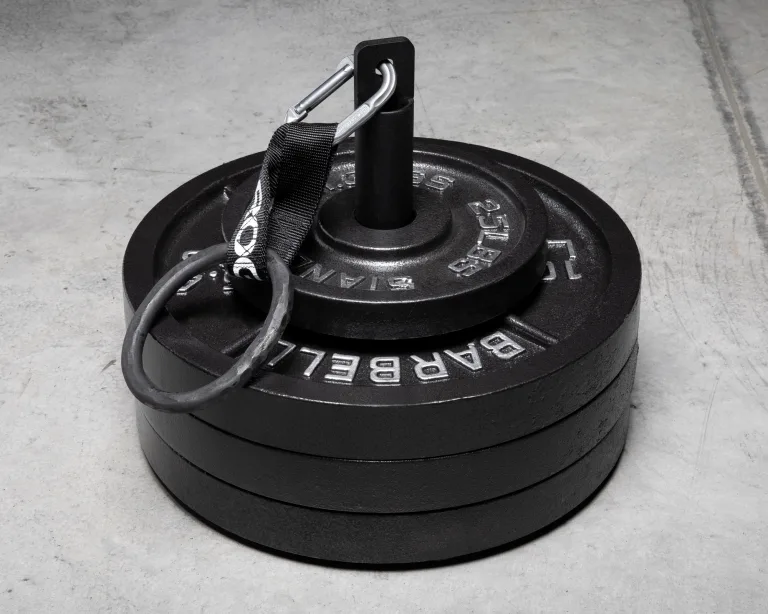
Start by defining a simple task you can repeat with control. A short stationary hold and a lift from the floor answer different questions, so keep their records separate. Learning to arrange the station comfortably is useful early work; a maximum attempt is not required to justify owning the equipment.
Keep the first sessions conservative and stop before grip loss dictates an uncontrolled finish. Choose a load you can lift and return deliberately. Pain, damaged skin or a setup that shifts unexpectedly are reasons to stop and reassess, not signals to chase another personal best. If the movement is unfamiliar, qualified coaching can help you establish a suitable starting point.
A useful log includes the ring used, hand, total suspended load, starting height and the task performed. For timed holds, define when timing begins and ends. Include hardware in the suspended total rather than recording only the plates. You do not need laboratory precision, but you do need the same convention next time.
Keep left-hand and right-hand observations distinct, particularly when you alternate between the two rings. A successful effort with one combination does not describe every other combination. Note changes in grip preparation, too, if they affect how you normally train. A short note beside the result is more useful than a collection of personal records whose conditions you cannot reconstruct.
For example, you might keep the setup and load fixed while learning to perform several controlled efforts consistently. That is an illustrative approach, not a tested Rogue program or an event qualification standard. Once the task is dependable, change one variable at a time and retain the previous setup details for comparison.
Place the work thoughtfully within the week. If grip fatigue interferes with another priority, reduce or relocate the extra work before adding more. The goal is a training habit you can sustain alongside your main lifts. An unusual implement should earn its place through a clear purpose rather than novelty alone.
Choose rings, thick grips or cable handles by the task
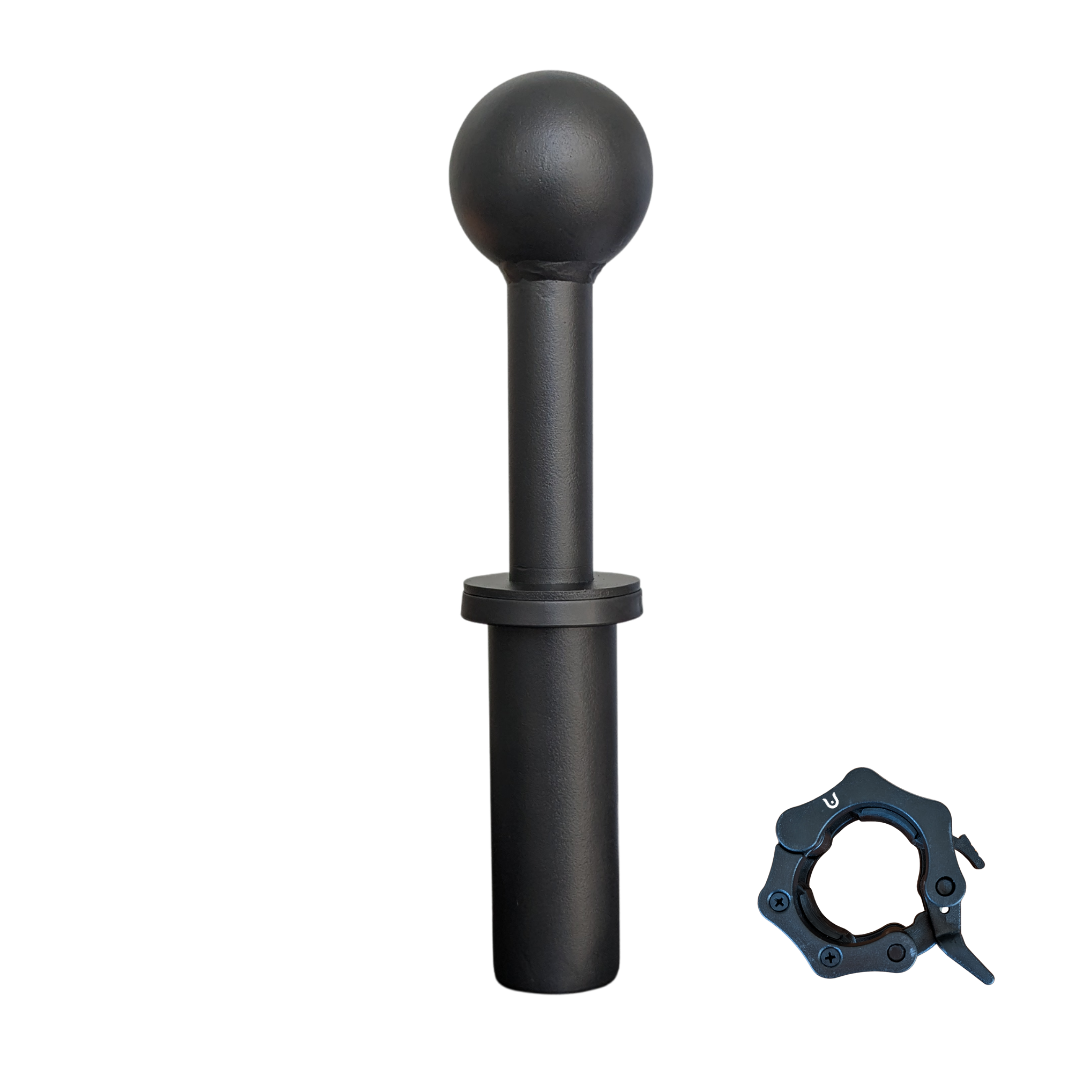
Before choosing another grip tool, name the problem you want it to solve. If you want practice holding a narrow, curved steel ring connected to a suspended load, a comfortable rotating cable handle changes the task. If you simply want an enjoyable pulling attachment, that same handle may be a more practical purchase.
Thick-grip adapters, forearm trainers and pull-up handles also create different demands. Compare the way each tool is used, the equipment it requires and the space it occupies. Do not compare kilogram numbers across unrelated implements as though they represented an interchangeable score. A higher number on a different handle does not settle which tool is better for your goal.
The equipment selection below contains separate grip-training tools and cable-handle alternatives. These are browsing options, not a list of verified components for assembling the Rogue station, and they are not exact replacements for Dinnie rings. Check each product’s intended use independently before buying.
Rings make most sense when the ring lift itself interests you and you can build a suitable, repeatable setup. If you mainly want variety in rows or pulldowns, start with the attachment that fits that movement. Buy for the exercise you intend to perform, then judge progress using a record that describes the actual task.

Equipment Worth Exploring
Explore equipment, accessories and gear from our carefully selected range.



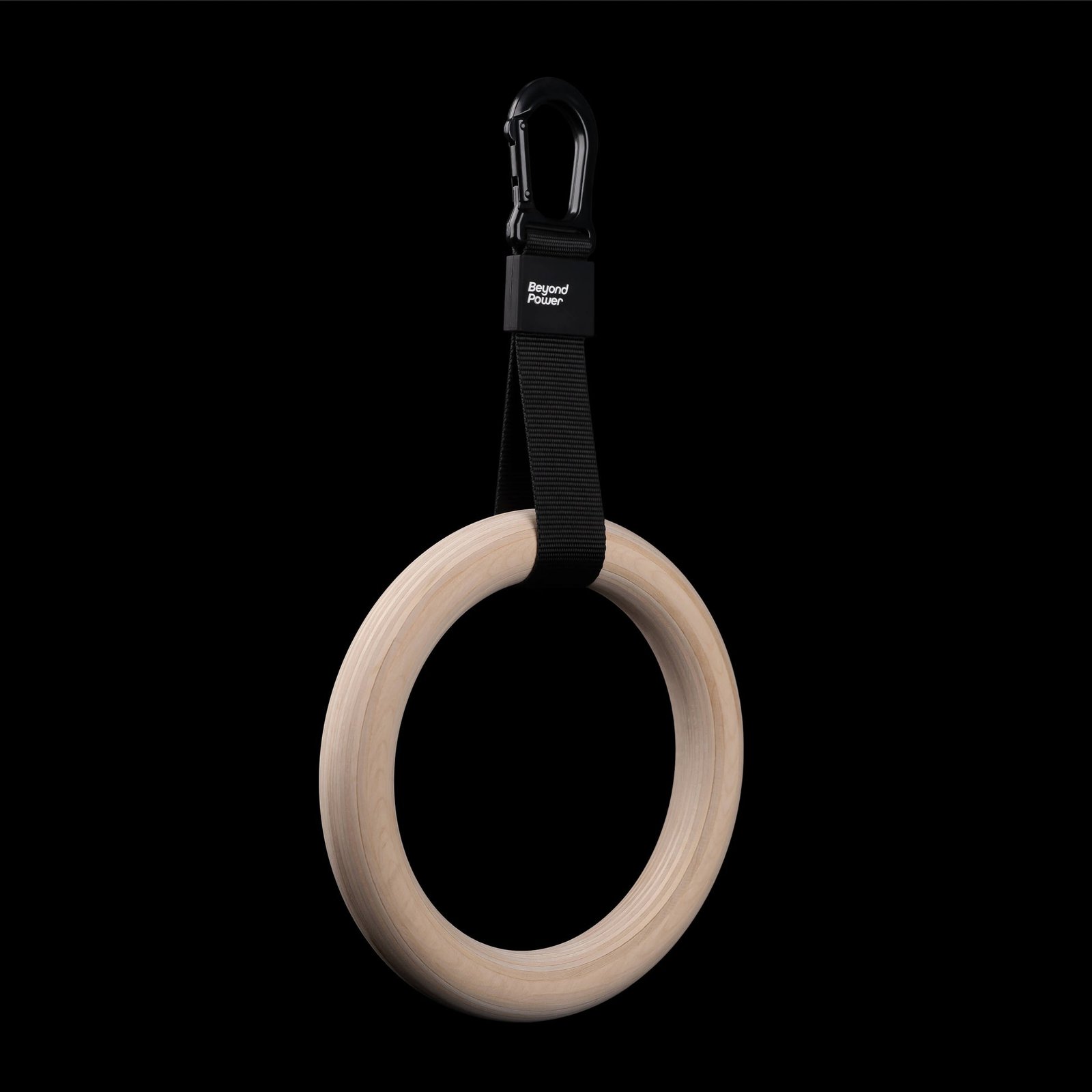

Angles 90 Grips
Flexible grip attachments that allow natural wrist movement during pulling exercises.


GymPin Ergo Handles
Pair of ergonomic cable handles shaped for comfortable triceps and pulling exercises.
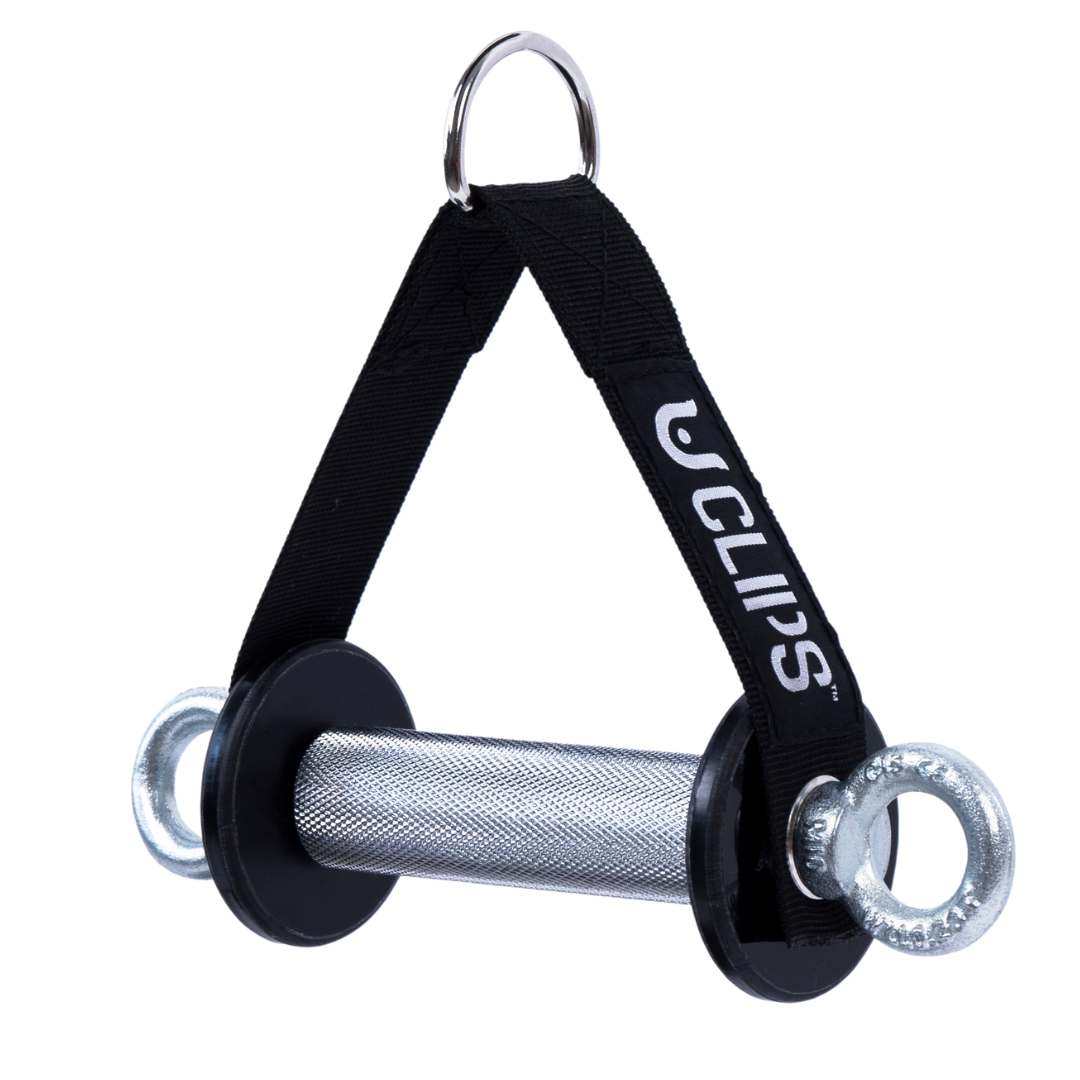
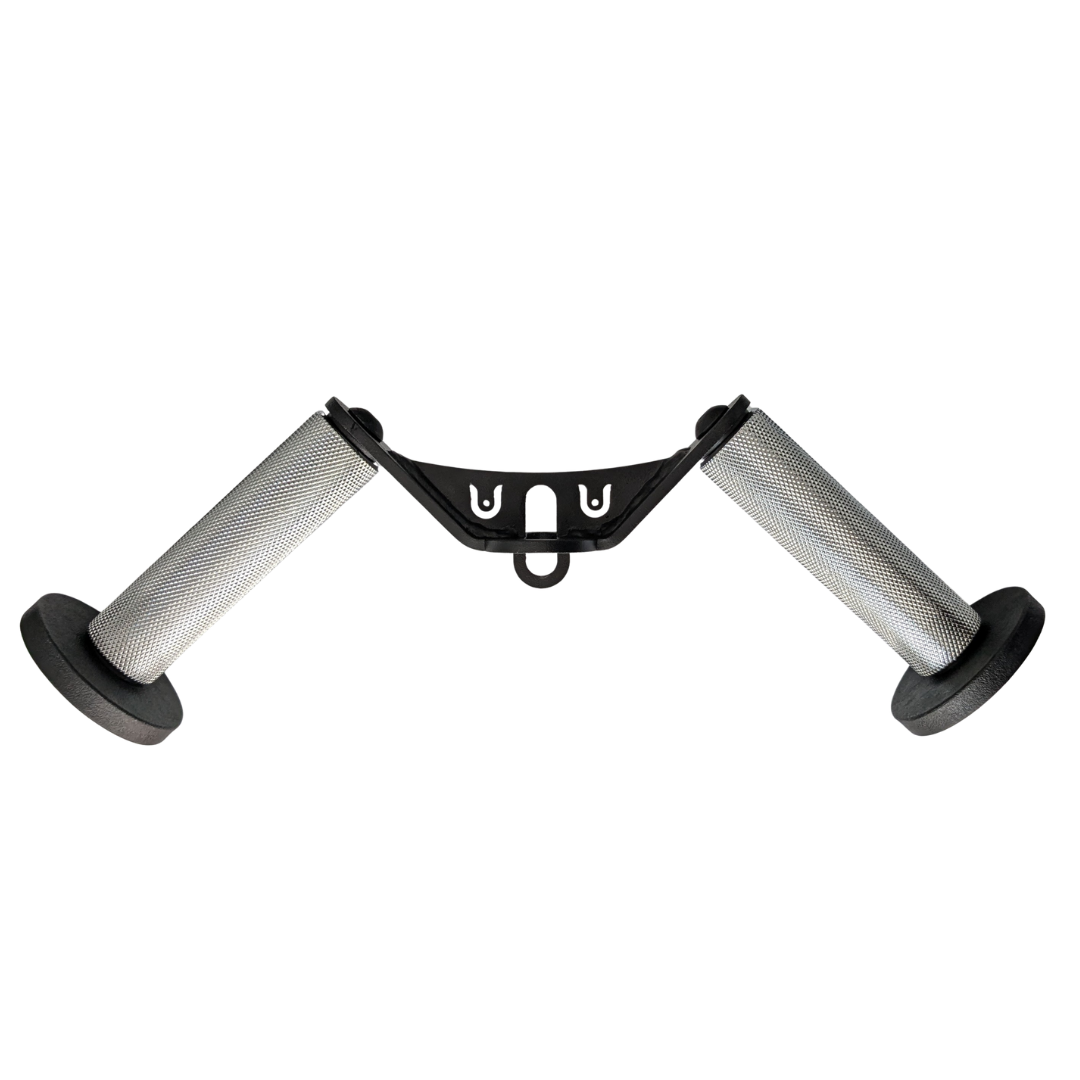
W Grip
Angled cable grip for comfortable rows, pushdowns, and curls.