Advertising disclosure: This page includes affiliate product links that may earn us a commission, as well as products from our own store.
Rest Between Sets: What 40 Lifters Gained With Two-Minute Breaks
There is a familiar scene in almost every gym: one lifter watches a countdown timer, while another waits until breathing and motivation feel right. Which approach actually builds more muscle, and how much time does that freedom cost? A controlled eight-week lower-body training experiment published in November 2026 offers unusually useful numbers. Forty resistance-trained adults followed either roughly two-minute breaks or their own preferred rest periods. Their measured adaptations were broadly alike, but their time in the gym was not.
This does not prove that two minutes is the perfect rest for every lift, person or goal. It does give busy lifters a practical starting point—and a way to distinguish productive recovery from simply letting a session drift.
The Eight-Week Test: Forty Trained Lifters
The comparison involved 40 resistance-trained adults, randomly assigned to one of two lower-body programs. Twenty-one people chose when to start their next set; nineteen followed a fixed rest period of approximately two minutes. The supervised intervention lasted eight weeks, giving both groups repeated exposure to the same kind of training rather than measuring only a single gym session.
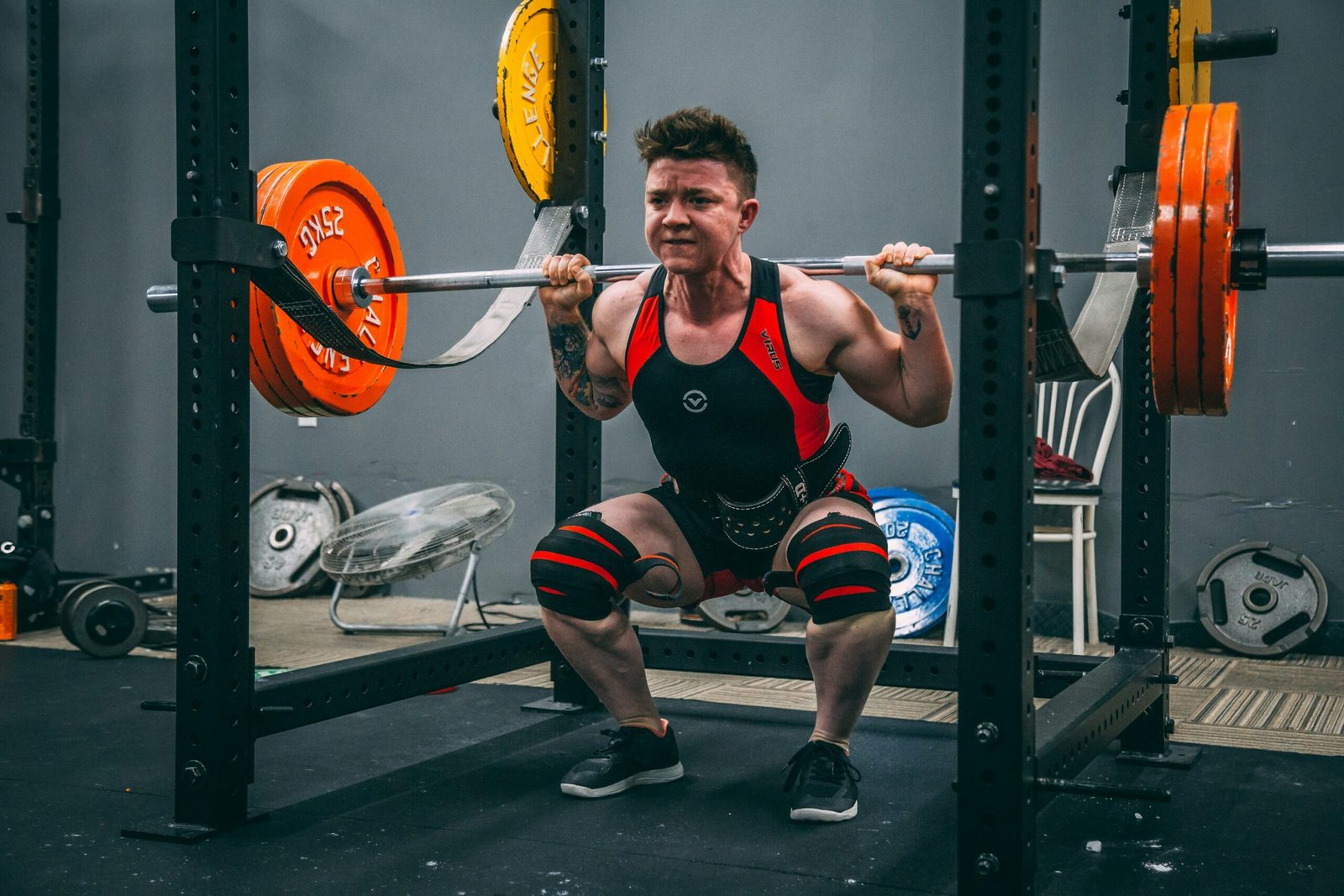
The work was substantial: four sets of 8–12 repetitions on the squat, leg extension, standing calf raise and seated calf raise. That matters because a rest prescription has to survive multiple hard sets, not just a light warm-up. Squats challenge the whole lower body and trunk, while the single-joint movements load the quads and calves more directly.
Measurements included ultrasound-assessed muscle thickness, dynamic and isometric strength, local muscular endurance, total session time and perceived exertion. These are separate outcomes. Finishing early is not a victory if performance deteriorates or muscular adaptation suffers; equally, lifting for longer is not proof that more effective work happened.
The sample was modest, the exercise selection was lower-body-specific, and the program used moderate repetition targets. Those boundaries are important when applying the finding to maximal powerlifting, heavy singles, or an entirely different upper-body split.
The Time Difference Was Larger Than the Strength Difference
Average training time in the fixed-rest group was 56.0 minutes, compared with 78.5 minutes for lifters who chose their breaks. That is a difference of 22.5 minutes per session, or about 29% less time relative to the longer self-selected sessions. Across a busy training week, the minutes add up quickly.
Why could that happen? A countdown timer removes a surprisingly expensive decision. If the next set begins after the agreed recovery window, a lifter is less likely to stretch a pause with conversations, scrolling or waiting to feel completely fresh. The study did not isolate phone use or socializing as causes, so those are possible everyday explanations rather than measured study findings.
Session effort did not clearly distinguish the groups: the reported session ratings were about 8.2 with fixed breaks versus 8.1 with self-selected breaks. A shorter session was not automatically perceived as easy, and the longer one was not automatically perceived as harder. Perceived effort is useful feedback, but it cannot replace load, reps and progress data.
The practical interpretation is simple: a structured rest target can make your training schedule more predictable while still allowing hard work. It should be treated as a starting prescription that responds to actual performance—not an alarm that forces unsafe or rushed repetitions.
Did Two Minutes Cost Muscle Growth or Strength?
Both groups improved muscle thickness, strength and muscular endurance, without a meaningful difference detected between their overall outcomes. The domain-level estimate for hypertrophy was very small, roughly −0.1 standardized units for self-selected versus fixed rest, with an interval close to zero. The performance estimate was effectively zero, with uncertainty on either side.
That is not the same as proving every individual responds identically to either strategy. When a study has forty participants, small differences can be hard to resolve, and an ultrasound thickness measurement is not a perfect proxy for every aspect of muscle growth. What the trial supports is a narrower and useful conclusion: in this eight-week, supervised lower-body context, the extra time spent resting did not translate into clearly better measured adaptations.
Training quality still matters more than the timer itself. If your second and third sets lose four repetitions at the same load while your technique deteriorates, rest might be too short for that task. If the number of good repetitions remains stable and you can progress load over successive weeks, the shorter break is probably adequate.
Do not confuse a controlled two-minute prescription with reducing all rests to thirty seconds. Those are different interventions, and evidence suggesting an advantage for longer rests over very brief pauses still deserves attention. The useful question is whether you need more than roughly two minutes for the next productive set.

Equipment Worth Exploring
Explore equipment, accessories and gear from our carefully selected range.

Leg Press/Hack Squat BPR-790
Convertible 45-degree leg press and hack squat machine with a broad footplate and band pegs.

Compact Leg Press CLP-700
Compact reverse-style leg press with a moving seat carriage and an adjustable footplate.

Leg Extension/Curl BCO-780
Leg extension and lying leg curl combo with plate loading, band pegs and a cable-loading option.

Seated Leg Combo BCO-680
Adjustable seated leg extension and leg curl machine with band pegs for added resistance.

HUSLA Leg Extension Pad
Pad attachment designed to increase usable range of motion on compatible leg-extension machines.

Studio V-Squat
Plate-loaded V-squat machine for supported lower-body strength training.

GymPin Squat Wedges
Non-slip 15-degree squat wedges help elevate the heels for deeper quad-focused squats.

Safety Squat Handles
Barbell squat handles that reduce shoulder positioning demands during high-bar squats.


When Longer Breaks Still Make Sense
Not every set has the same recovery demand. A heavy barbell squat performed close to failure, a set of high-rep leg extensions, and a light warm-up may all finish with different breathing, coordination and local muscle fatigue. A universal rule can be a convenient default without being a rule for every situation.
Consider taking three to five minutes for demanding low-repetition compound work when force output, bar speed or tight technical positions noticeably suffer. Older controlled training comparisons have sometimes favored three-minute rests over one-minute rests for strength or size; this is not a direct contradiction of a study comparing two minutes with longer, self-chosen pauses. The doses and training contexts differ.
For a moderate squat set, start with about two minutes and assess the next warm-up or work set. For a machine isolation movement, one and a half to two minutes may be comfortable, but extend it if reps collapse. A difficult set taken very close to failure may require more recovery than a comparable set stopped with several repetitions in reserve.
Your next set is the useful test. Can you brace, move through the intended range, and hit the planned rep target without compensating? If yes, your recovery is probably sufficient for the session. If not, add thirty to sixty seconds and record what changed. Progress beats treating an arbitrary stopwatch number like a test of discipline.

Leg Day Shirts & Workout Gear
Leg-day gym shirts and workout gear for lifters who never skip squats, lunges and lower-body punishment.

SwoleBob Squatpants Meme – Leg Day, & Gains – Top T-Shirt
Rep “SwoleBob Squatpants Gym Meme” humor in and out of the gym.

The Only Thing To Fear Is Leg Day Itself Patriotic T-Shirt
Make gym days more fun with “The Only Thing To Fear Is Leg Day Itself” style.

I Love Squats Valentine'S Day Shirt Meme & T-Shirt
Bring “I Love Squats Valentine's Day” humor to your next gym day.

If You're Reading This Its Leg Day | Drake Rap Music Pa Tank Top
Train hard, laugh a little, and rep “If You're Reading This Its Leg Day”.

Legday of Legends Gym | Funny League of Legends Meme Wo Hoodie
Show off your leg-day humor in a laid-back “Legday of Legends” hoodie.

Dont Skip Leg Day Hooded Pullover Deadpool Fans Hoodie
Keep it laid-back with a little “Dont Skip Leg Day” attitude.


Funny Squat Game Gym | Squid Game Parody Muscle Shirt F Tank Top
Your gym-day look, with a playful “Squat Game” twist.

Funny Thickers Gym | You're Not You With A Small Booty Tank Top
Add some lifting attitude to training with “Thickers”.

Dadlift Dad Weightlifting & Meme Vest Tank Top
Your gym-day look, with a playful “Dadlift” twist.
Squats, Leg Extensions and Both Calf-Raise Variations
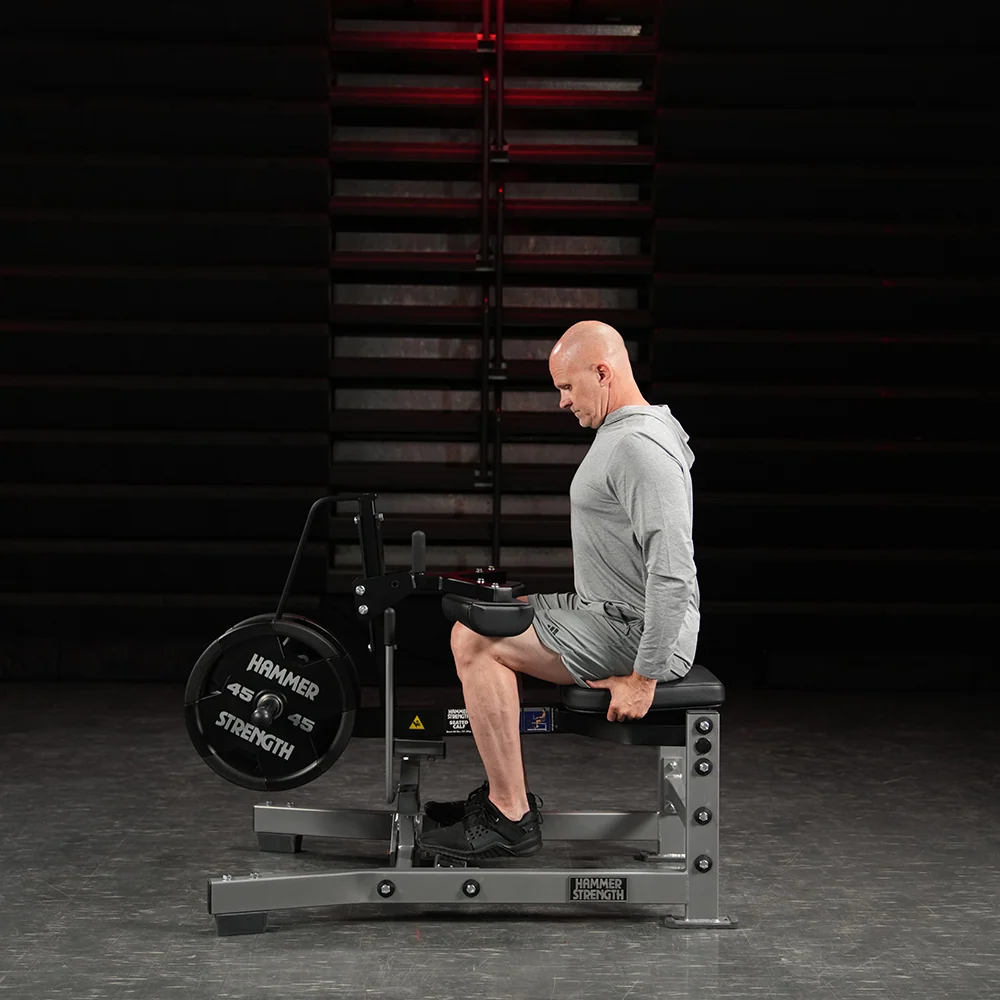
The exercise list helps explain why the results matter to ordinary leg-day training. A squat is a multi-joint movement with a high systemic cost. A leg extension focuses demand on the knee extensors. Standing and seated calf raises load the ankle plantar flexors with different knee positions. A sensible rest strategy should consider these differences, even when a study uses one common prescription.
Squats: prepare the next set by checking breathing and bracing. Start the two-minute clock at the end of the previous set, not after putting plates away. If load is heavy enough that technique becomes unreliable, use additional rest. A controlled, repeatable squat set is more valuable than winning an imaginary time trial.
Leg extensions: check whether your planned range and tempo survive each set. If a 12-repetition set turns into seven shaky partials, note the drop before deciding to cut rest further. Repeating a good movement pattern and tracking volume gives the timer a purpose.
Standing and seated calf raises: do not bounce through the bottom to compensate for fatigue. Allow the heel to move under control, pause briefly where appropriate, then drive through the foot. Calf muscles can feel ready before their full range of motion returns. Rest long enough to preserve the intended movement.
These are technique recommendations, not proof that a different rest interval was separately tested for each machine. The central experimental result concerns the complete lower-body sessions and their adaptations.
Equipment Worth Exploring
Explore equipment, accessories and gear from our carefully selected range.

Multi Pull Smith Rack MPHR-780
All-in-one rack with a Smith machine, functional trainer, lat pulldown and low row.


Competition Plates
Competition-style bumper plates for Olympic lifts and loaded strength training.


Rubber Hex Dumbbells
Rubber-coated hex dumbbell pairs with a stable shape for home and commercial strength training.

Multi Bench MBX-650 2.0
Adjustable multi-bench with roller adjustment, 15 backrest positions and accessory mounts.


Use a Timer Without Turning the Workout Into a Race
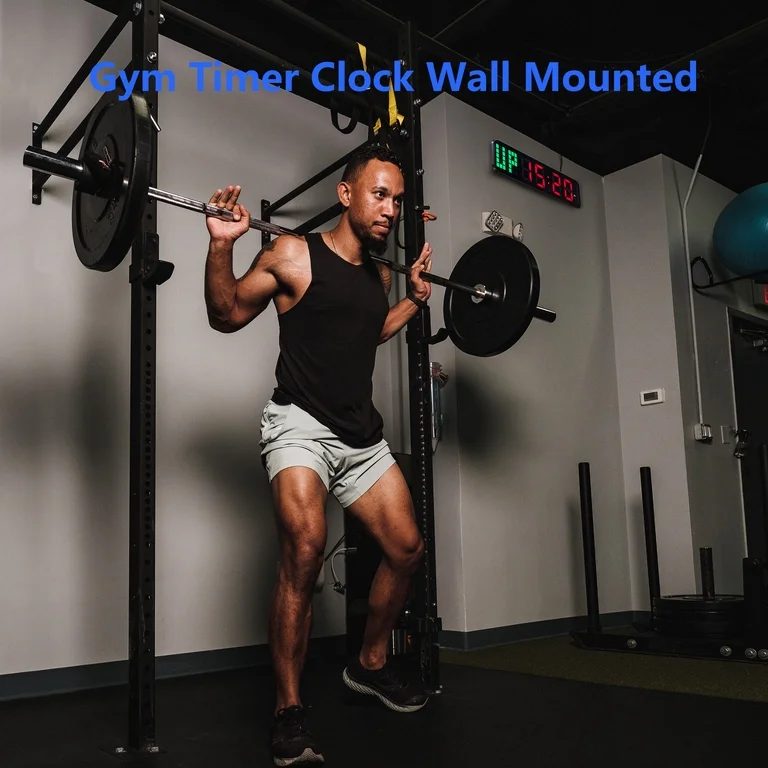
There is a difference between managing rest and chasing the shortest possible workout. Begin with a realistic work-set plan: exercise order, loads, rep targets, and a reasonable recovery window. Use a stopwatch or gym timer that you can see at a glance. Start it immediately after the final rep, reset the equipment efficiently, and prepare your position before the next signal.
A helpful system is a two-minute default with an extension rule. If breathing has settled, you feel stable, and the previous set stayed within the target rep range, begin. If you need extra time to get back reliable technique, take another thirty to sixty seconds. Note repeated extensions rather than disguising them as personal failure; they may indicate excessive load, accumulated fatigue or a mismatch between the exercise and rest target.
Warm-up sets deserve different treatment. A light ramp-up set does not generally need the same full recovery as a grinding work set, and a heavy preparation single may need longer. The target is repeatable hard work, not mechanical adherence to a single clock.
Supersets can save time but change fatigue and logistics. Pairing unrelated muscles may be useful, whereas alternating two taxing leg exercises can compromise the second movement. A fixed rest interval is an easier first experiment because it changes one variable without introducing another exercise between efforts.
Track the actual clock time from your first working set to the last. If a previously 80-minute session drops closer to an hour with no meaningful change in good reps or effort, you have improved efficiency without needing to invent extra volume.
A Four-Week Rest-Interval Experiment for Your Leg Day
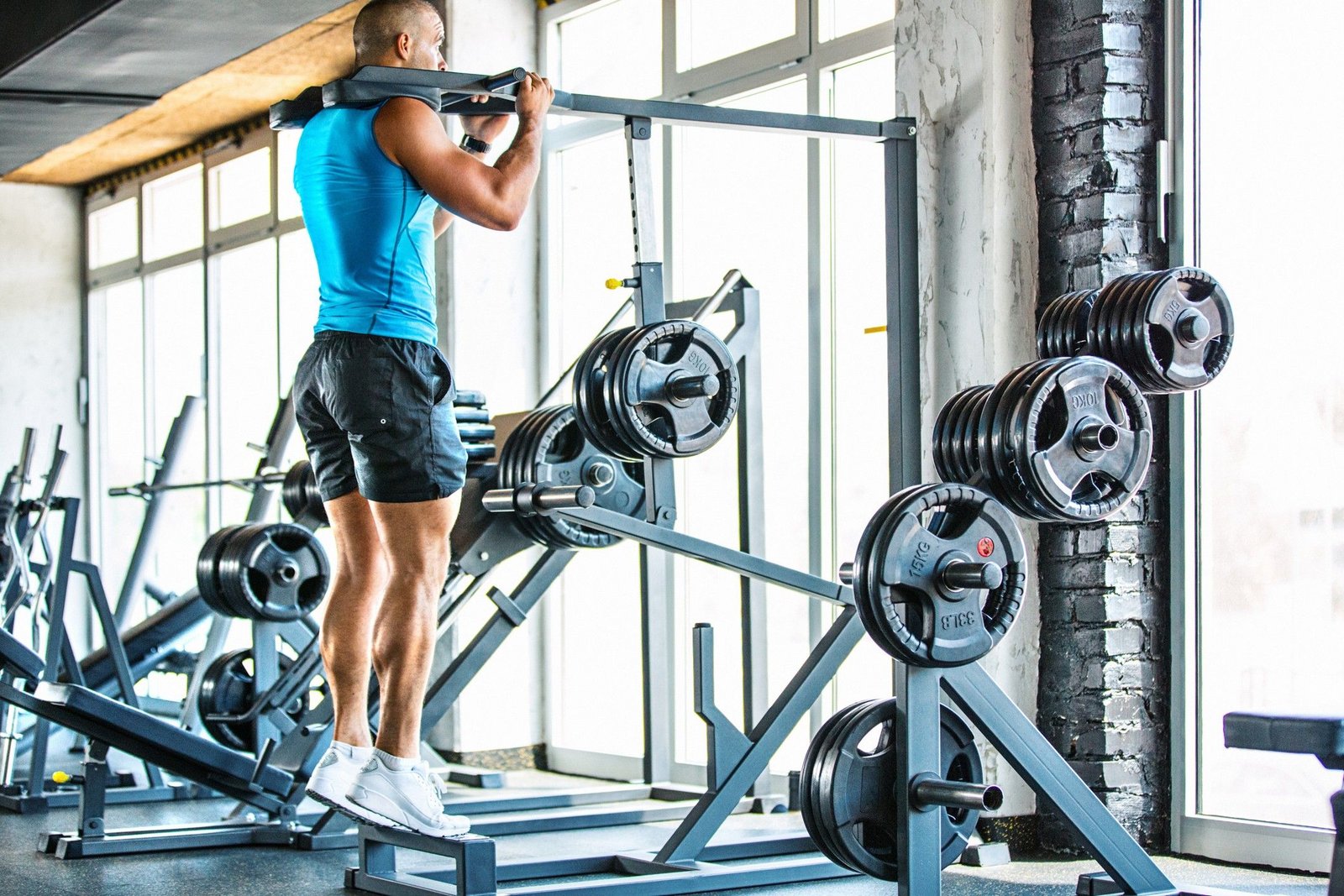
Try this as a practical tracking exercise, not as a promise that you will replicate a controlled trial. Keep your basic exercise menu, loads and weekly schedule as consistent as reasonably possible. The goal is to learn how much rest your current program requires—not to force all lifters to finish in exactly 56 minutes.
Week 1 — establish a baseline: write down how long your sessions really take, how many repetitions you complete across work sets, the load used and where your technique starts to decline. Do not edit the data after the workout to make the routine appear cleaner.
Week 2 — set the two-minute default: use roughly two minutes after normal lower-body working sets while preserving safe movement. Record any extra thirty- or sixty-second extensions. If the second squat set drops dramatically, add rest for subsequent sets rather than simply abandoning the target rep range.
Week 3 — individualize the difficult lifts: keep the default on exercises that respond well, but allow longer pauses for technically challenging compound sets. Compare total session time and rep performance with week two. A program that is shorter only because it cuts quality work has not improved.
Week 4 — settle on a repeatable rule: choose a default rest range for each movement and preserve the exceptions that genuinely help. Look for reasonable session consistency, similar or increasing working loads, clean repetitions and manageable fatigue. When those pieces agree, shorter downtime can become part of your normal training routine.
Bottom line: in forty trained adults, about two minutes between sets delivered broadly similar eight-week lower-body results in substantially less training time than unrestricted rest selection. Use the timer to protect the quality of your training, not to punish yourself for needing an extra breath.
Bodybuilding Shirts & Workout Gear
Bodybuilding shirts, tanks and gym gear for lifters chasing muscle, size, symmetry and the pump.


Squad Gains – Squid Game Gym Meme Pullover Jumper T-Shirt
Add a playful “Squad Gains” touch to your casual rotation.

Lift Eat Repeat & Weightlifting Meme Vest Tank Top
Add some lifting attitude to training with “Lift Eat Repeat”.

Conquer Or Be Conquered Arnold Shirt – Meme & T-Shirt
Bring “Conquer Or Be Conquered Arnold” humor to your next gym day.

Lift Smart Brain Weight Plate Mind Muscle Connection 45 Sticker
Put “Lift Smart Brain Weight Plate” gym humor on your laptop, bottle, or gym gear.

Flaming 45LB Weight Plate Fire Barbell Lifting Workout T-Shirt
For laid-back days and powerlifting humor: “Flaming 45LB Weight Plate”.

Icy 45LB Weight Plate Frozen Barbell Lifting Workout Co Sticker
Put “Icy 45LB Weight Plate” gym humor on your laptop, bottle, or gym gear.

Broscientology Muscle Shirt Athletic Vest Bro Science W Tank Top
Bring “Broscientology” humor to your next lifting session.

Supersets Superman Inspired Gym Hooded Pullover Hoodie
Keep it laid-back with a little “Supersets” attitude.