Advertising disclosure: This page includes affiliate product links that may earn us a commission, as well as products from our own store.
Fasted vs Fed Lifting: Should You Eat Before a Morning Workout?
An early training session creates an awkward choice: eat breakfast and risk a full stomach under the bar, or lift first and wonder whether you are sacrificing muscle. The useful answer depends on the session you can actually perform, your overall diet and whether the routine fits your morning. An empty stomach is neither a muscle-building shortcut nor an automatic reason to cancel a workout.
Separate three questions before choosing a side: can you train productively without breakfast, can you eat enough across the day, and does skipping the meal serve your goal? Those questions are more useful than treating hunger as evidence that fat loss or muscle loss has begun.
What a 12-Week Fasted-versus-Fed Trial Actually Showed
A randomized trial published in May 2025 compared 15 young adults training after an overnight fast with 13 training one to two hours after a carbohydrate-rich meal. Both groups received guidance intended to match energy intake and trained twice weekly for 12 weeks. Muscle thickness, body composition, strength and power were assessed.
Both approaches improved quadriceps thickness and several strength and power measures, without clear differences between groups in those adaptations. That supports a modest conclusion: breakfast was not essential for progress in this particular program. It does not establish equal results for every lifter, prove a fasting advantage, or settle the question for advanced bodybuilders doing much larger workloads.
Use this evidence to remove unnecessary anxiety, then examine your own training. A nutrition routine still has to support repeatable work. If you regularly abandon sets, struggle to concentrate or cannot maintain your intended technique, the fact that another group progressed on a different schedule is not a reason to ignore those problems. Conversely, a comfortable, productive short session does not become worthless because breakfast comes afterward.
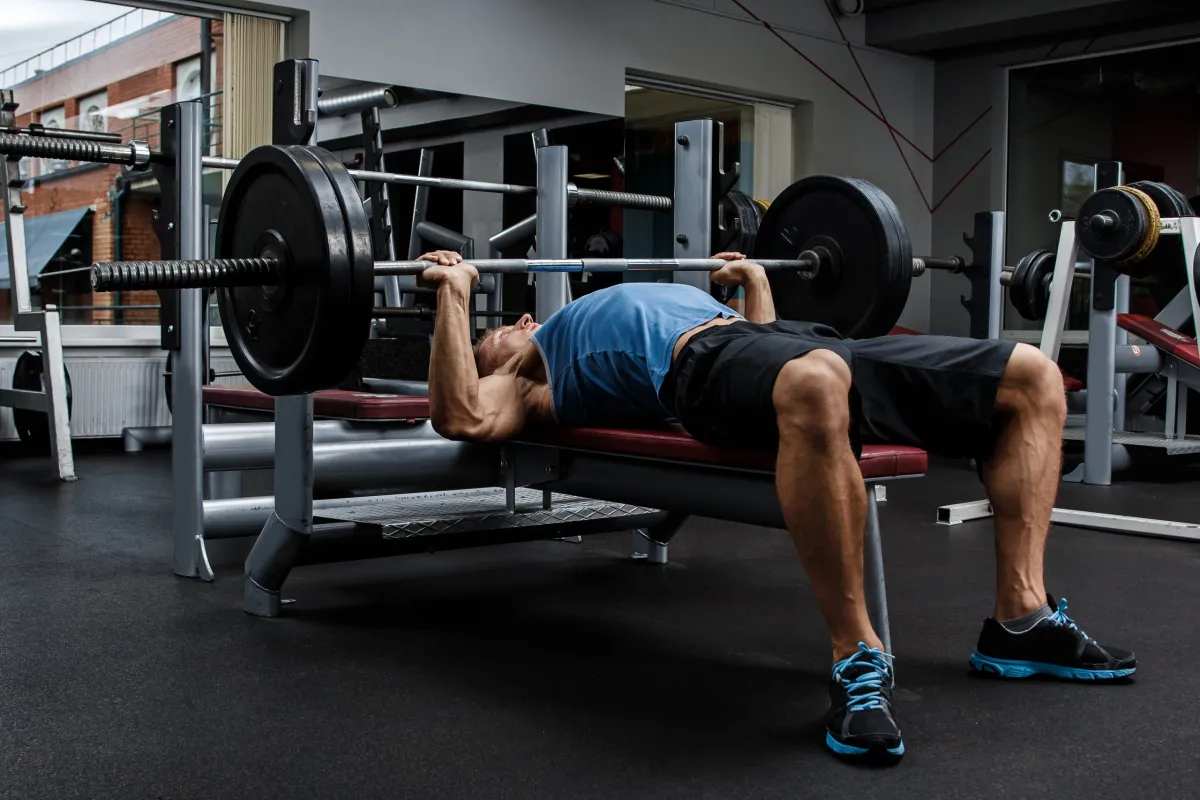
Keep the equipment and movements consistent when comparing mornings. The same bench position, barbell, plate increments and exercise order make your log easier to interpret. Changing the meal, exercise selection and loading method together makes it difficult to identify what helped.

Equipment Worth Exploring
Explore equipment, accessories and gear from our carefully selected range.


FID Bench MAX
Adjustable bench offering flat, incline, and decline positions + adjustable headrest.





Fuel for Today’s Sets Is Different From Long-Term Fat Loss
The word fasted describes when you last ate. It does not tell you how much carbohydrate you consumed yesterday, how demanding today’s workout is, or whether the week’s food intake supports your goal. A lifter beginning a brief technique session and another attempting a long, high-volume leg workout are asking different things of their morning fuel.
A review of 49 carbohydrate-and-performance studies found mixed results. In the acute comparisons, higher carbohydrate intake helped in six studies and did not improve performance in thirteen. Benefits appeared particularly in comparisons involving fasted controls or very high training volumes. That is a reason to consider context, rather than to assume either that carbohydrates always improve lifting or that they never matter.
For example, a session containing a few work sets of bench presses and rows may feel comfortable before breakfast. Add substantial lower-body work, extra accessories and a long commute afterward, and the same strategy may become inconvenient. The better comparison is the quality and quantity of work you can sustain, not whether you can tolerate the greatest amount of hunger.
Do not use sweating, an empty stomach or an especially difficult session as a direct measurement of body-fat change. Track body-weight trends and food intake over time when assessing a diet. If your goal is gaining muscle, repeatedly skipping meals without replacing their energy can undermine the plan even when the workout itself feels acceptable.
Choose Breakfast by the Time You Have and Your Stomach
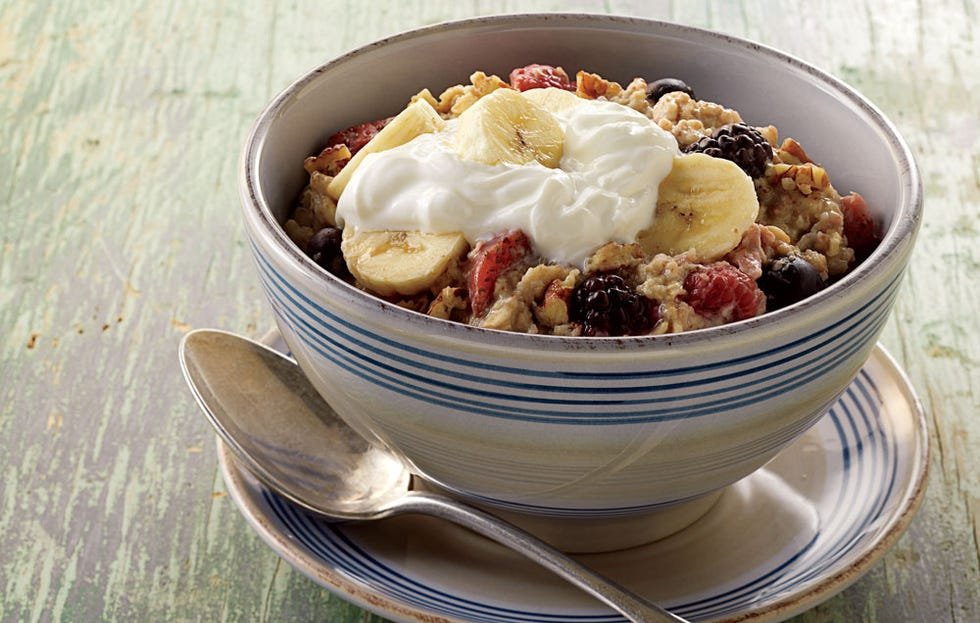
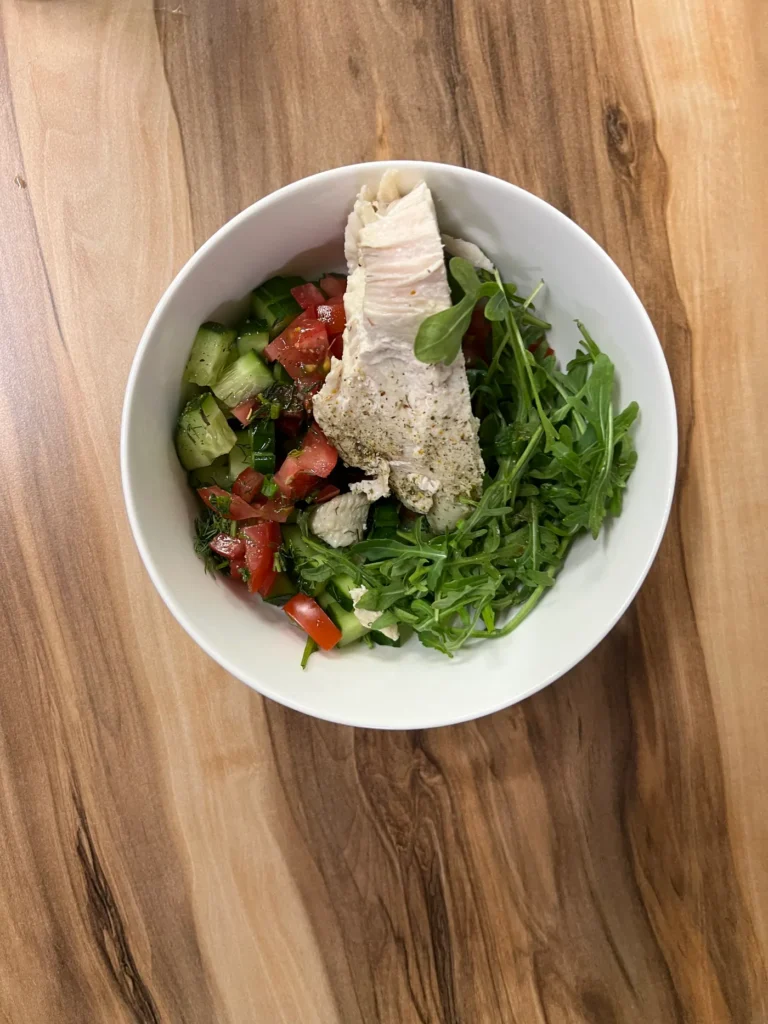
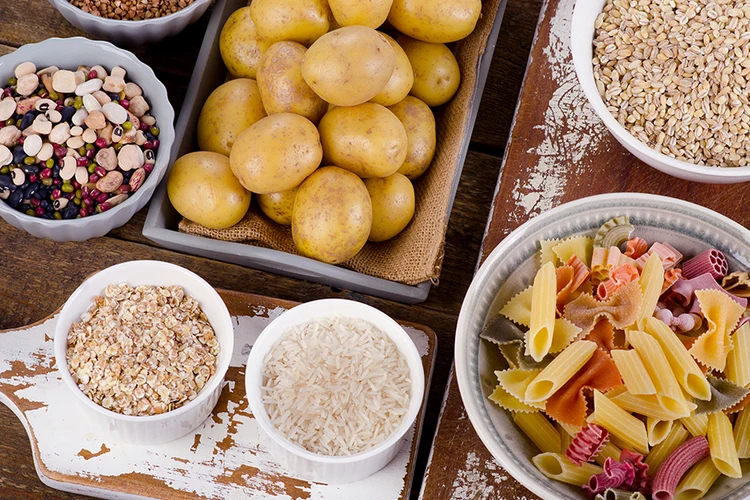
A useful pre-workout meal is one you can digest comfortably and repeat. If a large breakfast makes you sluggish, the solution does not have to be eliminating food altogether. Portion size, food choice and the gap before exercise are separate adjustments.
With a couple of hours available: a familiar breakfast containing carbohydrate and a protein source is a practical starting point. Oats with yogurt and fruit, or toast with eggs, are ordinary options. Adjust quantities to your overall intake rather than treating a particular bowl as a required performance formula. Someone who dislikes solid food early may find a smaller meal easier.
With little time available: keep the portion modest and choose something familiar, such as a banana, a little toast or yogurt you already tolerate. A huge high-fiber meal immediately before squats is an avoidable experiment. Trial changes during a normal session, rather than before an important testing day.
If you prefer lifting first: plan the meal that follows before leaving home. Otherwise, “breakfast after training” can quietly become a rushed coffee and several more hours without useful food. Have groceries or a prepared option available so the routine supports your day.
Coffee can remain part of a familiar morning routine, but it is not a replacement for a meal. Keep its amount consistent while comparing breakfast choices; changing your usual coffee at the same time makes the experiment harder to interpret. You do not need to buy a special fasted-training product to decide whether a small meal helps.

Funny Gym Shirts & Workout Gear
Funny gym shirts, tanks, hoodies and workout gear for lifters who like training hard.

Weights Breakfast Pancake Weight Plates Morning Hoodie
Bring “Weights For Breakfast” gym humor to lazy days and post-workout plans.

Coffee and Weights for Coffee Lovers, Bodybuilders and Hoodie
Show off your lifting humor in a laid-back “Coffee and Weights” hoodie.

Donut Dumbbell Donuts Barbell Bulk T-Shirt
Bring “Donut Dumbbell Donuts Barbell” humor to your everyday gym style.

Pizza Dumbbell Barbell Bulk T-Shirt
For laid-back days and pizza-loving humor: “Pizza Dumbbell Barbell”.

Train Hard Eat Trash Raccoon Shirt – Meme & Top T-Shirt
Bring “Train Hard Eat Trash Raccoon” humor to your next gym day.

I'M A Rice-Ist Rice Lovers & Vest Tank Top
Bring “I'm A Rice-ist” humor to your next lifting session.

Eat More Whole Foods Donuts – Junk Food Meme Decal for Sticker
Put “Eat More Whole Foods Donuts” gym humor on your laptop, bottle, or gym gear.

Lift Eat Repeat & Weightlifting Meme Vest Tank Top
Add some lifting attitude to training with “Lift Eat Repeat”.

Bulking Season Donut & Pizza Gains T-Shirt
Rep “Bulking Season” humor in and out of the gym.

Squatbucks & Coffee Meme Leg Day, & Gains Top T-Shirt
Show some leg-day attitude with a playful “Squatbucks Gym & Coffee” tee.
Protect Daily Protein Before Debating the Perfect Minute
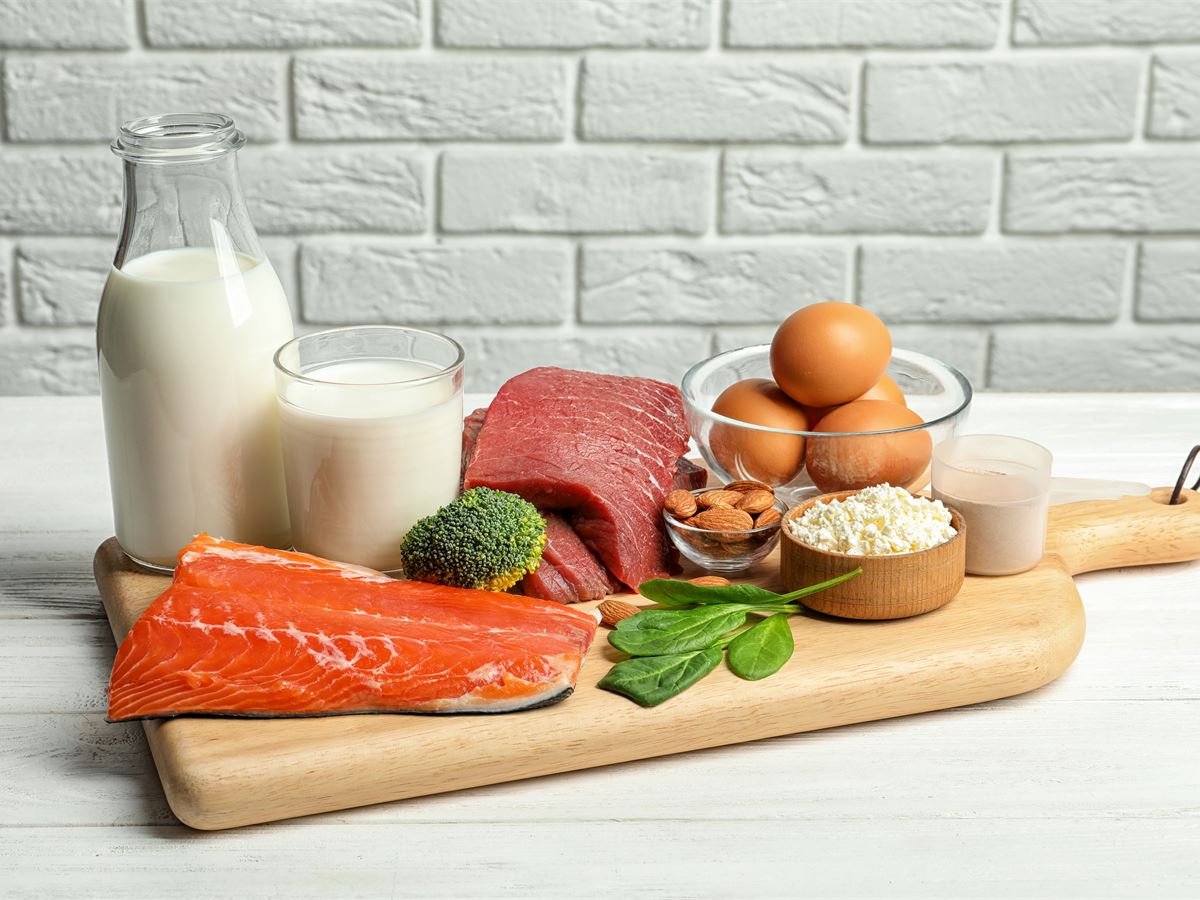
For muscle gain, the bigger nutritional task is consistently meeting your overall protein and energy needs. Meal timing should help you accomplish that task. It becomes less useful when arguments about an exact eating window distract from a day containing too little food or very little protein.
A large resistance-training analysis found that the average additional benefit of protein supplementation levelled off around 1.6 grams of total daily protein per kilogram of body weight. Treat that as a useful population-level reference, not a precise biological ceiling for every individual. An 80-kilogram lifter would reach 128 grams at that reference point; the arithmetic does not prescribe a complete diet.
Protein-containing meals spread through the day offer a straightforward way to avoid leaving everything until dinner. Around 20–40 grams of a high-quality protein source per feeding is a commonly used sports-nutrition range, with the appropriate amount depending on body size and the rest of the diet. Dairy, eggs, fish, meat, soy and other suitable foods can contribute; a supplement is an optional convenience.
After a workout performed without breakfast, arrange a normal meal containing protein and carbohydrate rather than deliberately extending the food-free period to prove discipline. You do not need to panic over a few minutes, but your schedule should leave a realistic opportunity to eat. If work repeatedly prevents that, eating something before training may be the more reliable arrangement.
Judge the whole pattern: enough food, useful meals, productive sessions and recovery. A perfectly timed shake cannot compensate for a plan you cannot follow.
Equipment Worth Exploring
Explore equipment, accessories and gear from our carefully selected range.
VOLTRA
Compact digital cable trainer with smooth, adjustable resistance.

Go-Tone Pro
Portable digital cable trainer with up to 66 lb (30 kg) of adjustable resistance.
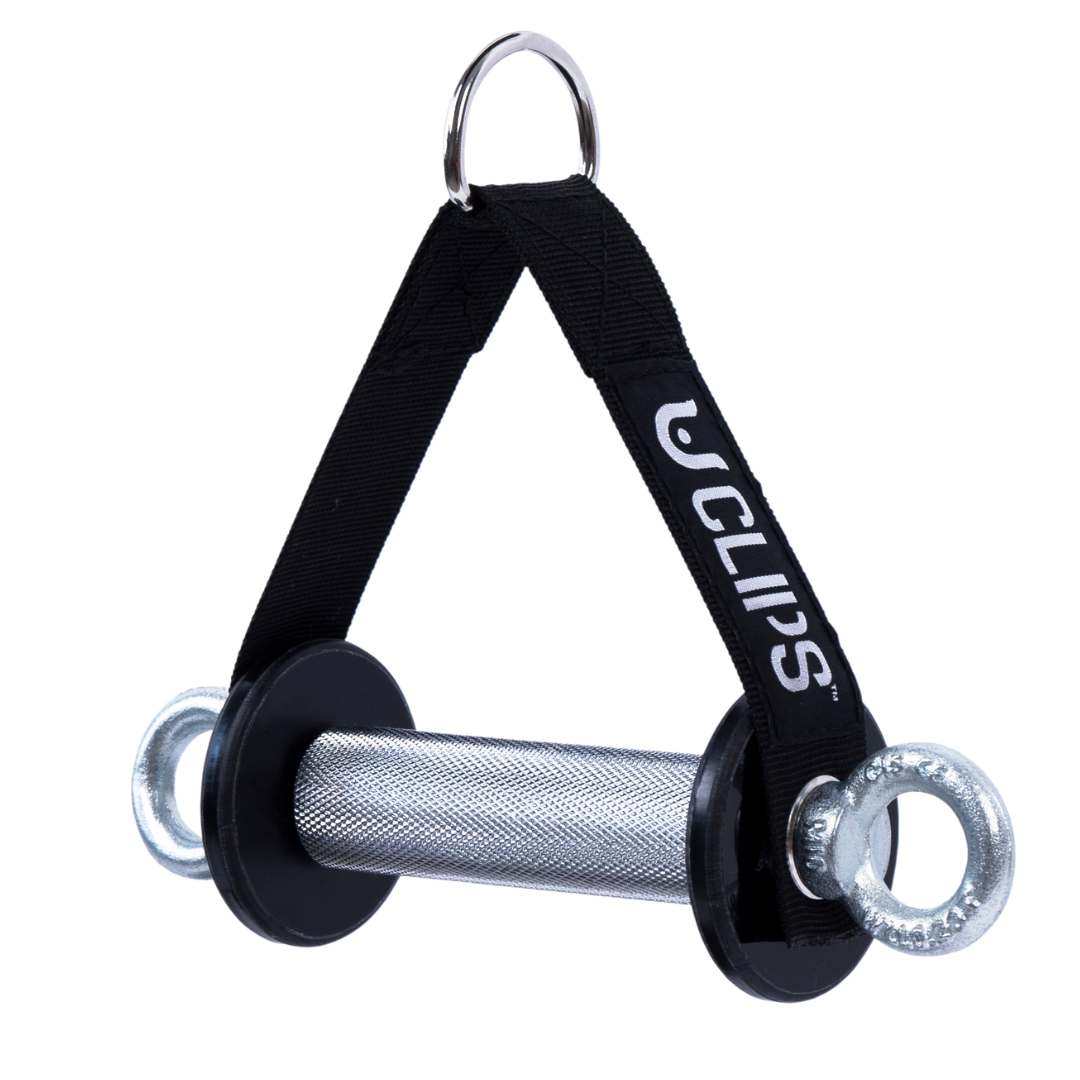
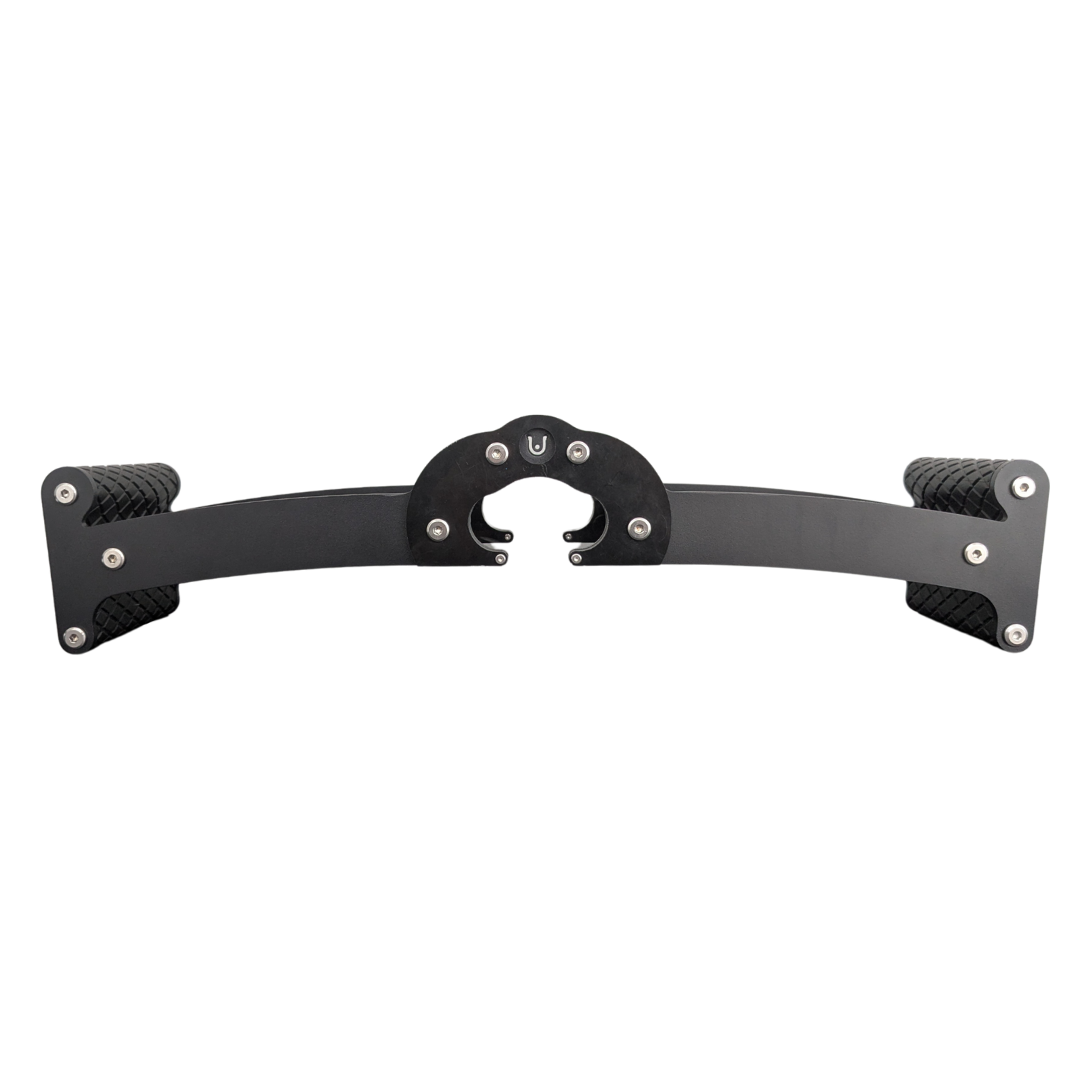
Back Bar
Multi-grip cable and landmine bar with a built-in deadlift jack.
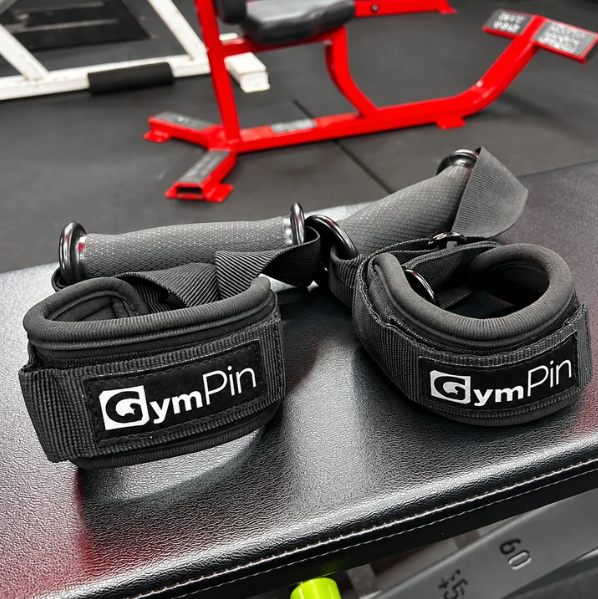
GymPin D Cuffs
Adjustable wrist cuffs with textured grips for supported cable-machine exercises.


GymPin Ergo Handles
Pair of ergonomic cable handles shaped for comfortable triceps and pulling exercises.


Original GymPin
Adds Olympic plates to compatible cable-machine weight stacks for extra resistance.
Use Performance and Comfort to Decide Which Approach Fits
Start with the sessions that are hardest to support. A long workout, a demanding squat day or a session after poor sleep deserves more attention than a comfortable half-hour of familiar exercises. Ask whether a small pre-workout meal improves your concentration, completed repetitions and ability to keep the intended pace.
Keep normal access to water, and do not confuse avoiding breakfast with avoiding fluids. Also distinguish a slightly hungry stomach from feeling unwell. Dizziness, shakiness or unusual weakness are reasons to stop and reassess rather than push through a planned fasting target. People using glucose-lowering medication or managing a relevant medical condition need an individual plan rather than a generic fasting experiment.
When the first working set feels poor, check the ordinary variables before blaming breakfast alone: sleep, warm-up, load selection, rest between sets and accumulated fatigue. One disappointing session rarely identifies a single cause. Look for a pattern across comparable days.
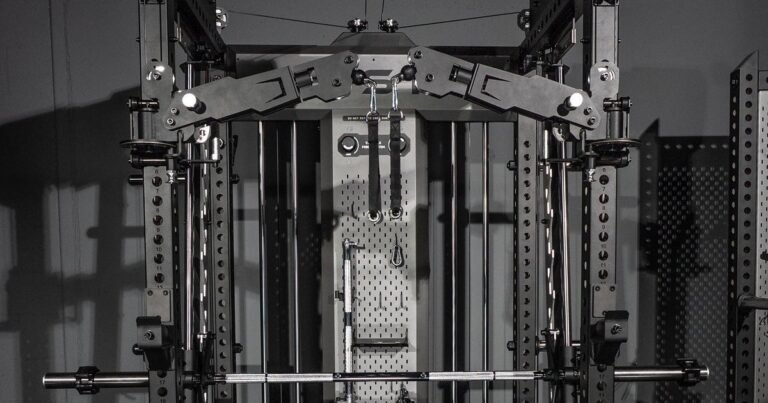
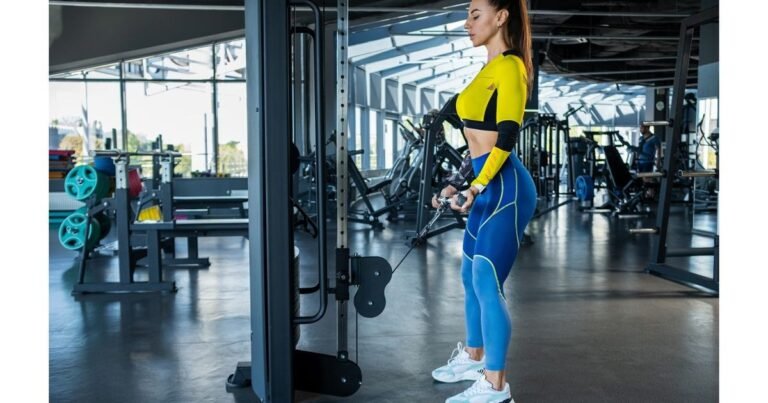
Equipment purchases do not solve a fueling problem. If you already train with reliable dumbbells, a barbell or a cable setup, keep using that setup while comparing meals. Stable loading and comfortable grips help make the comparison consistent. Change the morning routine because it supports training, not because a wearable or a hard session supposedly proves a metabolic advantage.
Run a Simple Comparison Before Changing Your Whole Routine
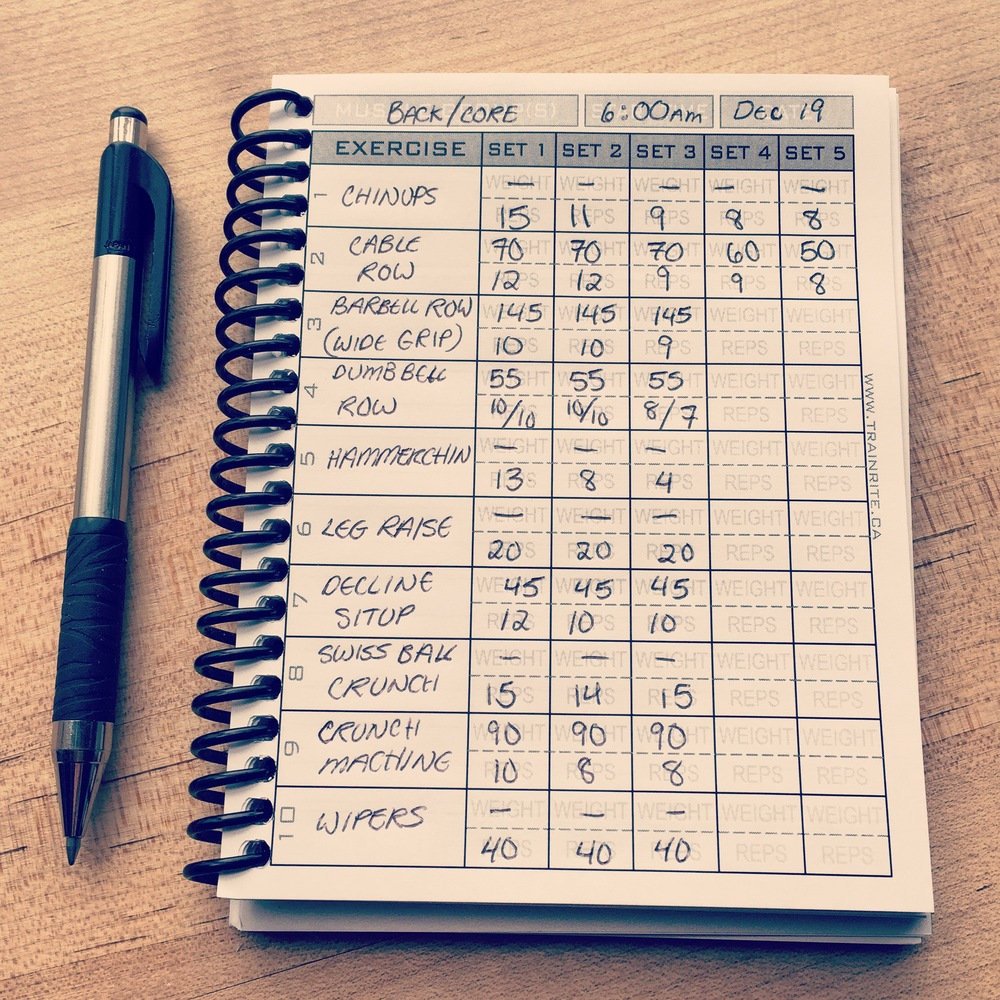
Use a short personal comparison to choose a practical schedule. This is a decision aid, not a controlled trial or a way to measure muscle growth in two weeks. Select a repeatable workout that appears several times in your program and preserve its normal progression rules.
First, write down the details you usually forget: waking time, approximate sleep, last evening’s meal, coffee, exercise order, loads, repetitions and rest periods. Record stomach comfort and hunger alongside performance. You are looking for a routine you can sustain, not a dramatic before-and-after photograph.
Across several comparable sessions, alternate your usual lift-first approach with a familiar light breakfast. Do not intentionally under-eat on one set of days or add extra caffeine to rescue it. Keep the rest of the day’s food reasonably similar. If the same workout falls on different days of the week, consider differences in work stress and recovery too.
Compare the complete session. Did you finish the planned sets? Did later exercises deteriorate? Did breakfast cause discomfort, or did skipping it lead to an impractical rush for food afterward? Repeatedly gaining a few useful repetitions with better comfort is more relevant than a single unusually good first set.
If results are similar, choose the arrangement that is easiest to repeat. If breakfast helps only on long or demanding days, use different routines for different sessions. If neither approach works well, reconsider the workout time, portion size or training workload instead of forcing a binary rule.
The practical decision: lifting before breakfast can fit a sound program, and eating beforehand can also be useful. Protect productive training, daily nutrition and a workable schedule. The routine that consistently delivers those things deserves to stay.
Bodybuilding Shirts & Workout Gear
Bodybuilding shirts, tanks and gym gear for lifters chasing muscle, size, symmetry and the pump.

Protein Gym Cosmic Graphic , Bodybuilding Workout Hoodie
Show off your lifting humor in a laid-back “Protein” hoodie.

Protein Shaker Bottle : For Bodybuilding & Powerlifting Hoodie
Bring “Protein Shaker Bottle” gym humor to lazy days and post-workout plans.

Eat Your Chicken – Chicken Bro Protein Meme Vest Muscle Tank Top
Show some personality between sets with “Eat Your Chicken”.

Heavy Weights And Protein Shakes Meme And Gymbros T-Shirt
Show some powerlifting attitude with a playful “Heavy Weights and Protein Shakes” tee.

Lift Eat Sleep Repeat Meme & Lifting Vest Tank Top
Show some personality between sets with “Lift Eat Sleep Repeat”.

Consistency Is Key Stoic Greek God Marble Sculpture T-Shirt
Make gym days more fun with “Consistency is Key Stoic Greek God Marble” style.

Shirt – Gains O'Clock – Time Meme & Gymbros T-Shirt
Heavy lifts, good laughs, and a little “Gains O'clock” energy.

Protein Power Cereal Tee
Heavy lifts, good laughs, and a little “Protein Power Cereal” energy.

Chicken Broccoli Rice Powered By Meal Prep Hooded Hoodie
Show off your meal-prep humor in a laid-back “Chicken Broccoli Rice” hoodie.

Bulking Season Bulk T-Shirt
Heavy lifts, good laughs, and a little “Bulking Season” energy.