Advertising disclosure: This page includes affiliate product links that may earn us a commission, as well as products from our own store.
After a long bike ride or a demanding indoor endurance workout, most athletes know they need to replace energy. Protein is often treated as an optional extra, especially when the next session is a run rather than a lifting workout. But endurance exercise also remodels muscle, and a recovery meal can influence the availability of the building blocks used in that process.
A controlled 2020 experiment offers an unusually practical comparison: four different amounts of milk protein, consumed alongside the same carbohydrate dose after cycling. The result is useful not because it supplies a universal magic number, but because it reveals that different aspects of recovery respond differently to the same meal. Here is how to interpret it and apply it to a real training week.
What the 48-man cycling experiment actually tested
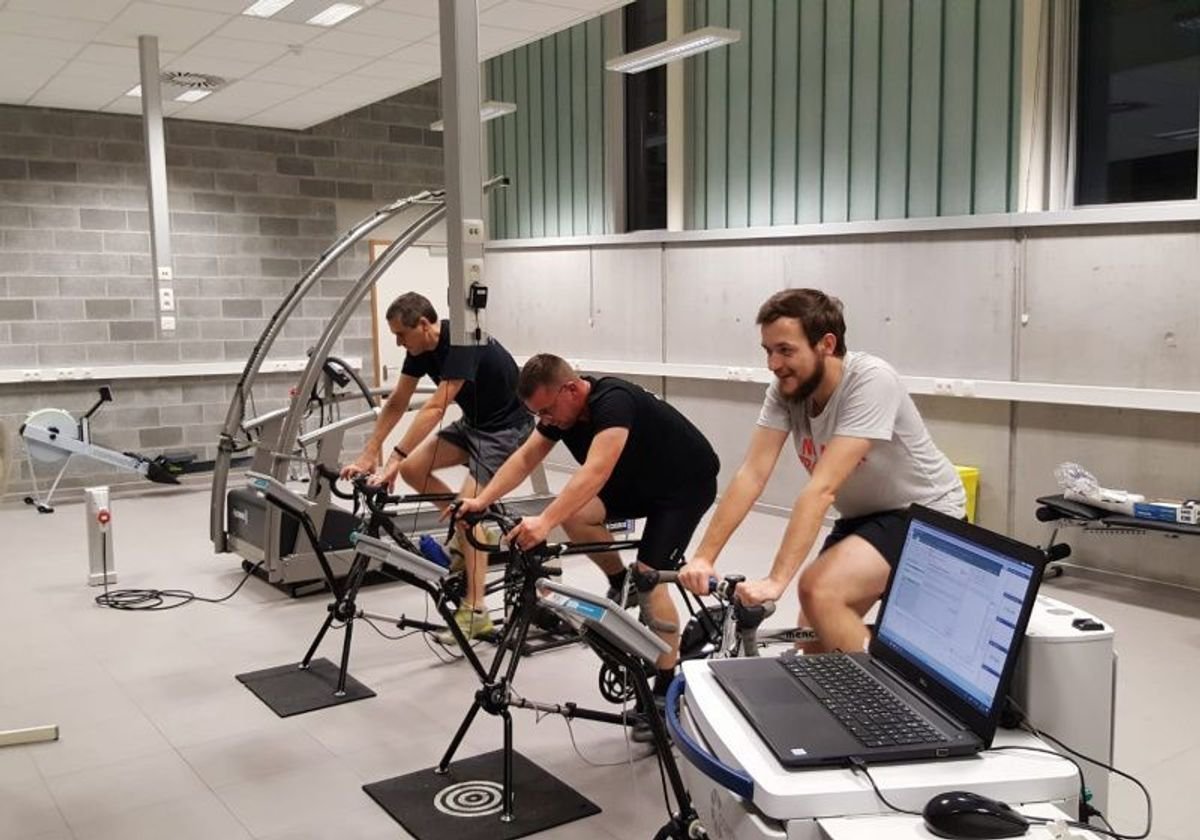
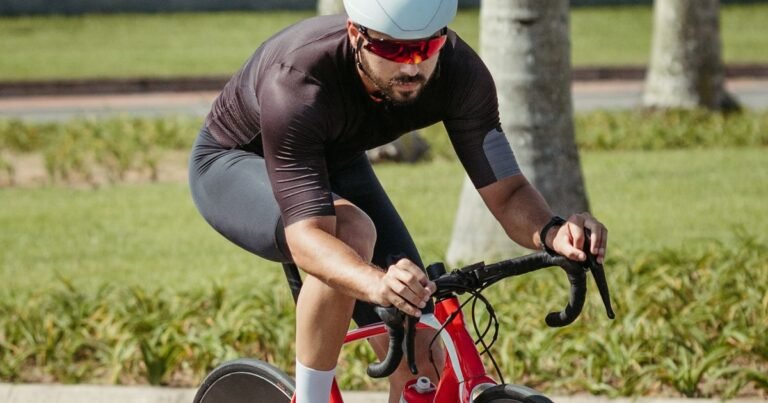
The experiment recruited 48 healthy, endurance-trained young men with an average age of about 27. They performed 90 minutes of continuous cycling at approximately 60% of their individual maximal cycling power. This was a substantial aerobic session, not a few minutes of easy pedaling after lifting and not an all-out sprint test.
Participants were randomly allocated to one of four recovery drinks. All received 45 grams of carbohydrate. The difference was the addition of zero, 15, 30 or 45 grams of milk protein. The design was double-blind and parallel-group, meaning each participant received one assigned treatment rather than completing every dose condition. Keeping carbohydrate constant made it possible to examine the effect of adding protein under otherwise similar recovery conditions.
The investigators followed recovery for six hours, using blood samples, stable isotope tracers and muscle biopsies. These tools allowed them to distinguish the movement of ingested amino acids into circulation from the synthesis of proteins within muscle. They also estimated whole-body protein balance. These are related but separate measurements: the amount of protein entering the bloodstream is not the same as the amount incorporated into muscle, and muscle protein synthesis is not identical to eventual changes in strength or body composition.
This is an acute laboratory experiment. It cannot establish the best meal for an ultramarathon, a novice runner, a much larger athlete or a person training in a calorie deficit. It does, however, offer a more precise basis for recovery decisions than simply assuming that endurance exercise has no protein requirement.
Why 30 grams was enough for one outcome, but not all outcomes

At the 30-gram dose, the synthesis of myofibrillar proteins, which form part of the machinery responsible for muscular contraction, was approximately 46% higher than with carbohydrate alone. Increasing the dose to 45 grams did not produce a further detectable rise in that outcome over the six-hour observation period. For this particular population and protocol, 30 grams was enough to reach the observed response ceiling.
The picture changed when the researchers examined protein balance across the entire body. That measure improved progressively as protein intake increased, including at the highest dose. A larger meal was not simply wasted because one particular muscle outcome had already plateaued. Dietary amino acids can be used by many tissues, contribute to other metabolic processes or be broken down. Different measurements capture different portions of that activity.
Mitochondria, the cellular structures central to aerobic energy production, provided another important distinction. The measured rate of mitochondrial protein synthesis did not increase with protein intake in this experiment. Nevertheless, more of the labeled dietary amino acid was incorporated into mitochondrial proteins with higher doses. Greater incorporation of a labeled nutrient does not automatically establish that the overall rate of new mitochondrial protein production accelerated.
That distinction matters for endurance training. The result supports eating protein after a demanding session, but it does not prove that a 30-gram shake builds more mitochondria, raises maximum oxygen uptake or improves race times. The trial did not test a long-term training intervention or measure whether one dose led to superior competitive performance after months of training.
Nor should 30 grams be treated as a strict upper limit. The body size, previous meals, protein source, training duration and overall energy intake of an athlete can change the practical meaning of a fixed serving. Use this finding as a useful starting point for a recovery meal, not as a rule requiring you to stop eating when you reach a particular number.
Carbohydrates still matter more than a bigger shake for fast refueling
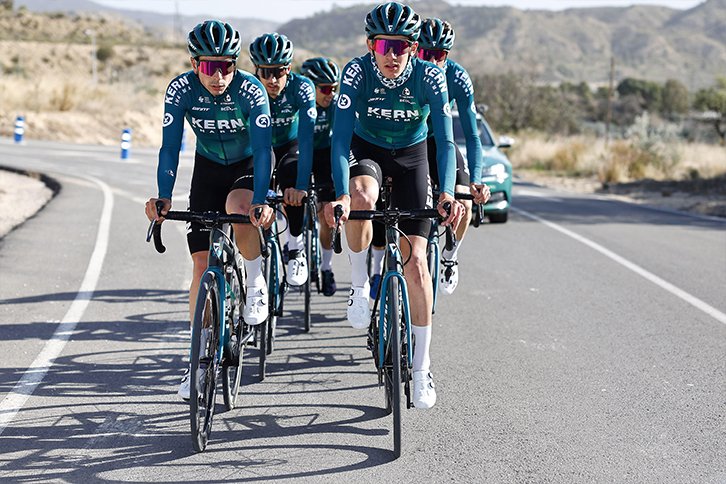
A protein drink does not replace the carbohydrates used during a long ride. The experiment gave each group carbohydrate, so its results do not demonstrate that protein by itself is an adequate recovery strategy. Especially when another demanding session is scheduled for the same day, replenishing carbohydrate stores is a priority.
For athletes with a short turnaround between strenuous sessions, a common sports nutrition approach is approximately 1.0 to 1.2 grams of carbohydrate per kilogram of body mass per hour during the first few hours of recovery, where practical and tolerated. This is a targeted strategy for fast refueling, not an amount that every recreational exerciser must consume following a casual workout. An athlete with a full day to recover can often restore energy through ordinary meals instead.
Consider an 80-kilogram cyclist finishing a hard morning ride before an afternoon session. A recovery feeding containing roughly 80 to 96 grams of carbohydrate plus a useful serving of protein can begin the process. This could involve rice or bread, fruit, yogurt and a drink. Fluid and sodium needs depend on conditions and sweat loss. Repeat carbohydrate intake as needed according to the training schedule, rather than forcing a large protein shake at the expense of food that replenishes energy.
Small performance experiments have sometimes found a benefit when protein is included in recovery nutrition. Other work with well-fed trained cyclists has not found that adding protein during exercise improves performance when overall intake is sufficient. That inconsistency is a reason to focus on the basics rather than assume a supplement will produce faster times. The recovery interval, existing carbohydrate intake and the athlete’s overall nutritional status all matter.
When using a stationary bike, rower, treadmill or ski trainer for conditioning, record the duration and intensity of each session. A 20-minute easy spin does not create the same recovery demands as prolonged threshold work. Equipment can make training measurable; the food plan should respond to the training actually completed.

Equipment Worth Exploring
Explore equipment, accessories and gear from our carefully selected range.


How to build your daily protein and recovery meals
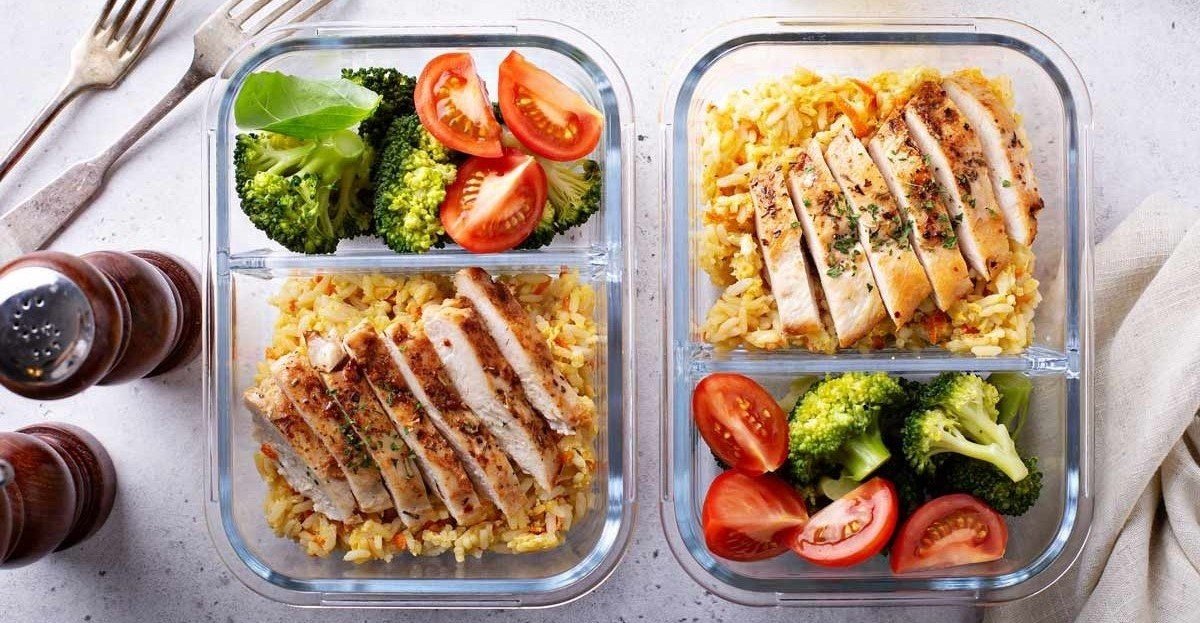
Protein distribution across the day is at least as important as perfecting one drink. A broad practical range for exercising adults is about 1.4 to 2.0 grams of protein per kilogram of body weight per day. More recent endurance-specific research suggests approximately 1.8 grams per kilogram as a useful planning reference for many endurance athletes, while acknowledging uncertainty around optimal individual requirements and meal doses.
At 80 kilograms, that reference works out to about 144 grams daily. Four substantial meals or snacks containing roughly 35 to 40 grams each can put an athlete near that target without constant supplement use. At 60 kilograms, the same calculation gives 108 grams; at 100 kilograms it gives 180 grams. These examples illustrate why an identical serving size does not fit everyone. They are planning examples, not a prescription for people with medical conditions affecting protein requirements.
For an athlete who finds food difficult immediately after a long session, a shake containing a measured amount of milk or whey protein, fruit and an appropriate carbohydrate source may be convenient. Check the label: 30 grams of powder is not necessarily 30 grams of protein. A person who tolerates solid food well could choose yogurt, eggs, lean meat, fish, tofu or a combination of legumes and grains. Plant-based meals may require a little more attention to total protein and amino acid variety.
Build the meal around the next training demand. After a hard morning ride, include a substantial carbohydrate portion alongside protein. After a light evening session with no urgent turnaround, a normal balanced dinner may be sufficient. During a high-volume training block, prioritize enough energy to support the workload before obsessing over precise protein timing.
One useful habit is to plan the meal before the session begins. Prepare a container with a protein source, a carbohydrate source and vegetables, or keep a convenient recovery snack ready. This removes the temptation to finish a long workout, delay eating for several hours and then rely on whatever happens to be available. It also makes recovery less expensive than purchasing a specialty drink every time you train.
How hybrid athletes can apply the findings without overcomplicating recovery
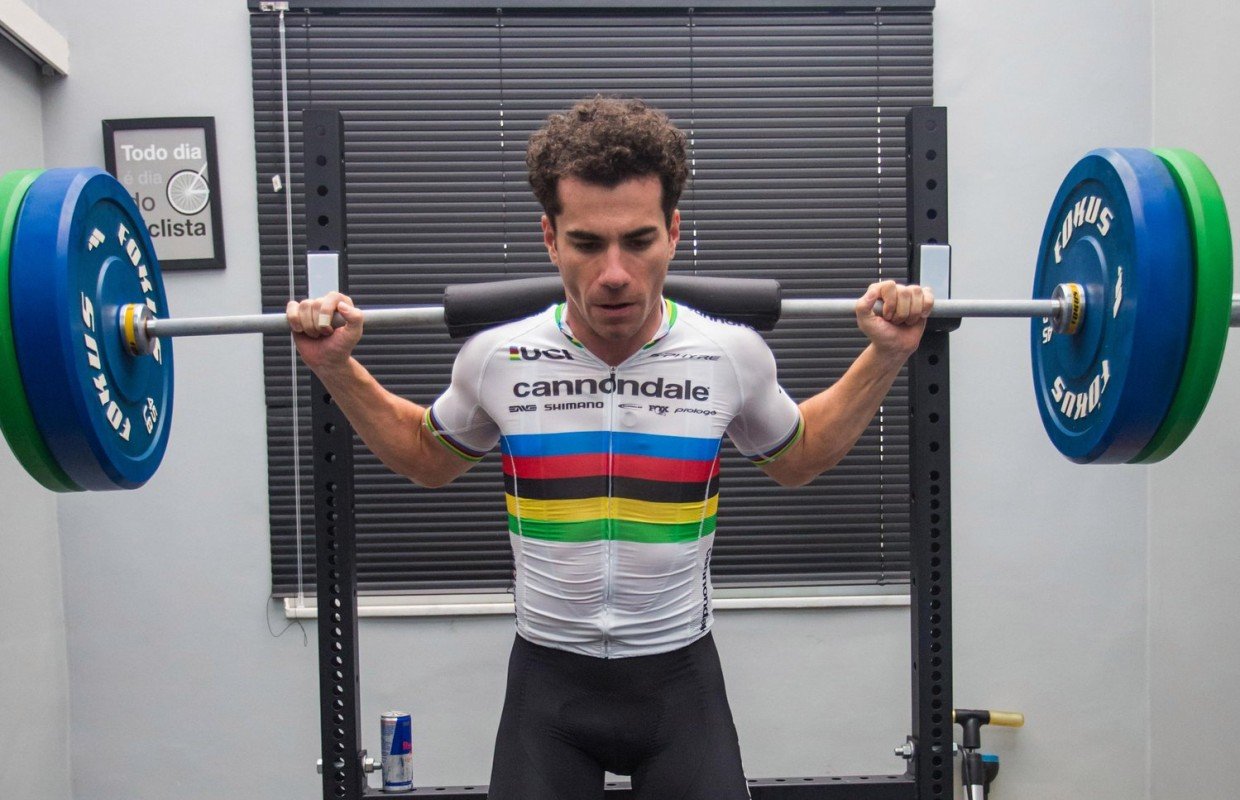
Hybrid athletes face an extra challenge because their weekly workload includes both resistance training and conditioning. Protein supports muscle remodeling after both forms of exercise, but the priorities of the next session can differ. A strength session may demand fresh legs and enough total energy; a long ride may require carbohydrate availability and comfortable digestion. Treat recovery as preparation for the entire program rather than a competition between strength and endurance nutrition.
For example, suppose you cycle on Monday morning and lift on Monday evening, complete an easy run on Wednesday and perform a long endurance session on Saturday. Start Monday recovery promptly with carbohydrate, fluids and a meaningful protein serving. On Wednesday, do not automatically increase calories or protein simply because you have completed a short run; eat your usual well-planned meals. After Saturday’s longer session, replace the larger energy expenditure and distribute your remaining protein intake through lunch and dinner.
Track performance in a consistent way. If your usual bike power or lifting loads decline repeatedly, you feel unusually tired, and your weight is falling when that is not your aim, review total calorie intake, carbohydrate intake, sleep and training volume before simply increasing protein. Persistent fatigue or unexplained symptoms deserve assessment rather than a nutrition experiment.
The takeaway is simple: 30 grams of milk protein alongside carbohydrate was an effective recovery dose for one specific muscle synthesis measurement in a controlled cycling experiment. That is a useful anchor for a meal, not a guarantee of faster racing or a limit on protein consumption. Match your overall diet to body size and training load, keep carbohydrates available for demanding endurance work, and make recovery meals consistent enough that the details do not get in the way of training.

Cardio Shirts & Workout Gear
Cardio and conditioning gym gear for runners, endurance athletes and anyone who earns the sweat.

Hybrid Athlete – Iron Man Medieval Triathlon Crewneck f T-Shirt
Show some gym-day personality with “Hybrid Athlete”.


Cardio Heartbeat for Runners, Cyclists, Rowers and Fitn Sticker
Give your everyday gear a playful “Cardio Heartbeat” twist.

Iron Man Triathlon – Superhero Comic Book Swimming, T-Shirt
Show some superhero attitude with a playful “Iron Man Triathlon” tee.


Triathlon – Iron Man Medieval Knight Muscle Shirt for S Tank Top
Bring “Triathlon” humor to your next lifting session.
Exercise I Thought You Said Extra Fries Retro Fitness C T-Shirt
A t-shirt featuring the Exercise I Thought You Said Extra Fries Retro Fitness Cartoon Shirt artwork, bringing lifting-inspired humor and distinctive gym graphics to your everyday gear.

Don't Skip Spin Class Horror | Funny Chucky Cardio Meme Hoodie
Keep it laid-back with a little “Don't Skip Spin Class Horror” attitude.

Jigsaw'S Spin Class Horror Killer T-Shirt
Make gym days more fun with “Jigsaw's Spin Class Horror” style.

Don'T Tread On My Gains Shirt Snake Meme & Top T-Shirt
Show some lifting attitude with a playful “Don't Tread On My Gains” tee.