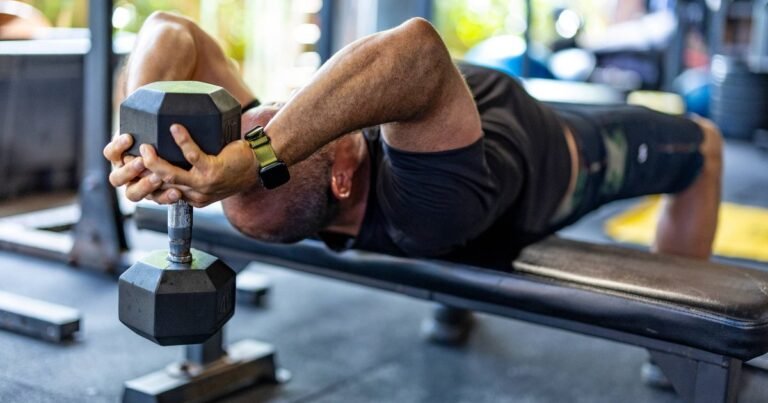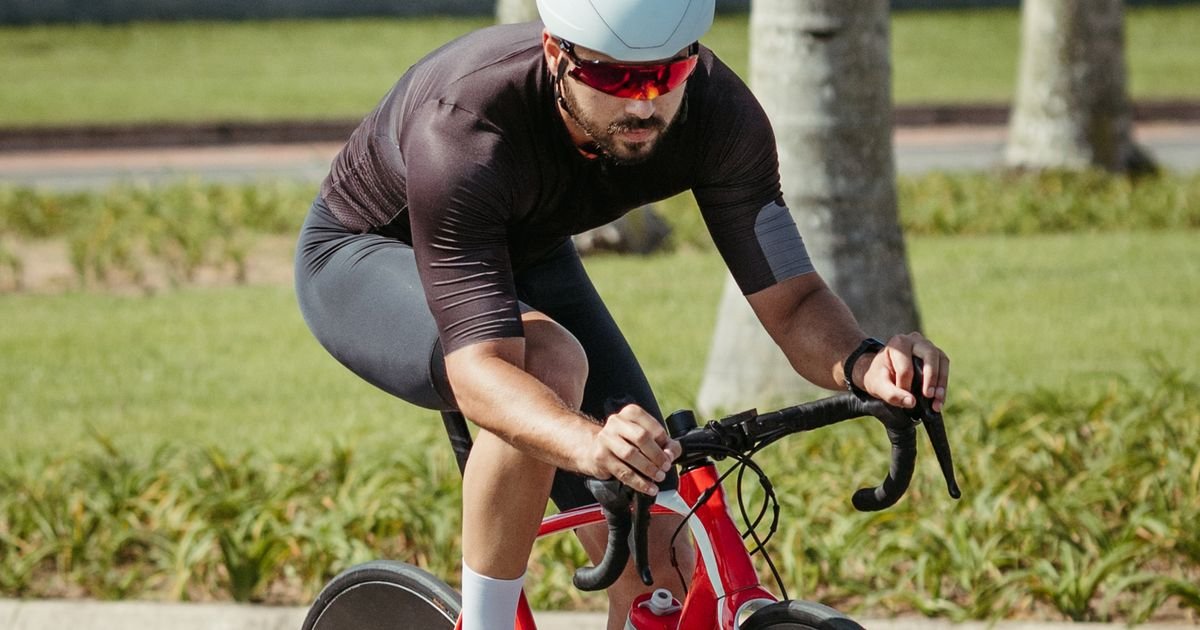
Advertising disclosure: This page includes affiliate product links that may earn us a commission, as well as products from our own store.
Strength Training for Cyclists: Build Stronger Legs Without Wrecking Your Rides
Riding more is not the only way to develop cycling performance. Strength training can complement endurance work, but the useful question is how to fit it into a week that already contains demanding rides. A productive gym session should contribute to the training plan, rather than leave you unable to complete the sessions that matter most.
The evidence supports considering resistance training, not promising a fixed improvement in watts. Start by deciding which rides you want to protect, how experienced you are with lifting and which exercises you can repeat reliably. Then make the smallest useful addition and judge the combined programme.
1. Separate a stronger squat from better cycling performance
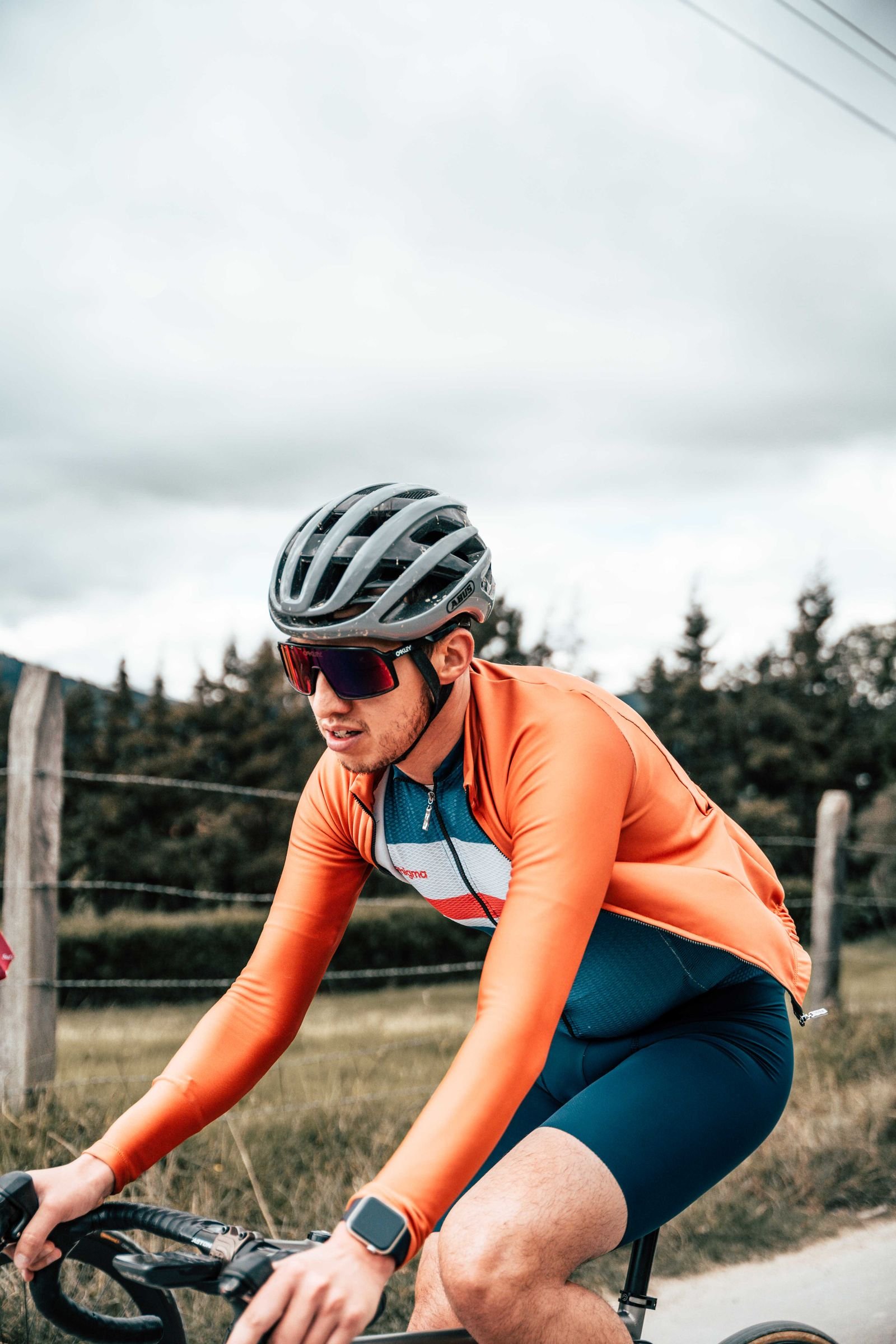
An October 2026 narrative review examined resistance training for cyclists, including performance, body composition and bone health. It supported adding appropriately programmed strength work while acknowledging uncertainty about the best prescription. A narrative review is a synthesis and interpretation of existing research, not a new experiment proving that every rider needs the same routine.
A separate meta-analysis included 17 studies and 262 participants, with interventions lasting five to 25 weeks. Heavy strength training improved pooled cycling efficiency, anaerobic power and cycling performance, but did not clearly improve maximal oxygen uptake. The certainty of the evidence was low. That combination is encouraging, while leaving room for differences between riders and programmes.
Do not translate an effect size into a guaranteed percentage gain for your next climb. A time trial, a laboratory ride to exhaustion and a sprint are different outcomes. Likewise, improving a gym lift demonstrates progress in that lift; it does not establish that your endurance performance has already changed.
Choose a cycling measure you can interpret. A repeatable indoor effort under similar conditions is easier to compare than two outdoor rides with different winds, traffic and routes. Keep the lifting log too, but treat it as a separate record. You want evidence that both parts of the week remain productive.
2. Choose a few lower-body movements you can train consistently
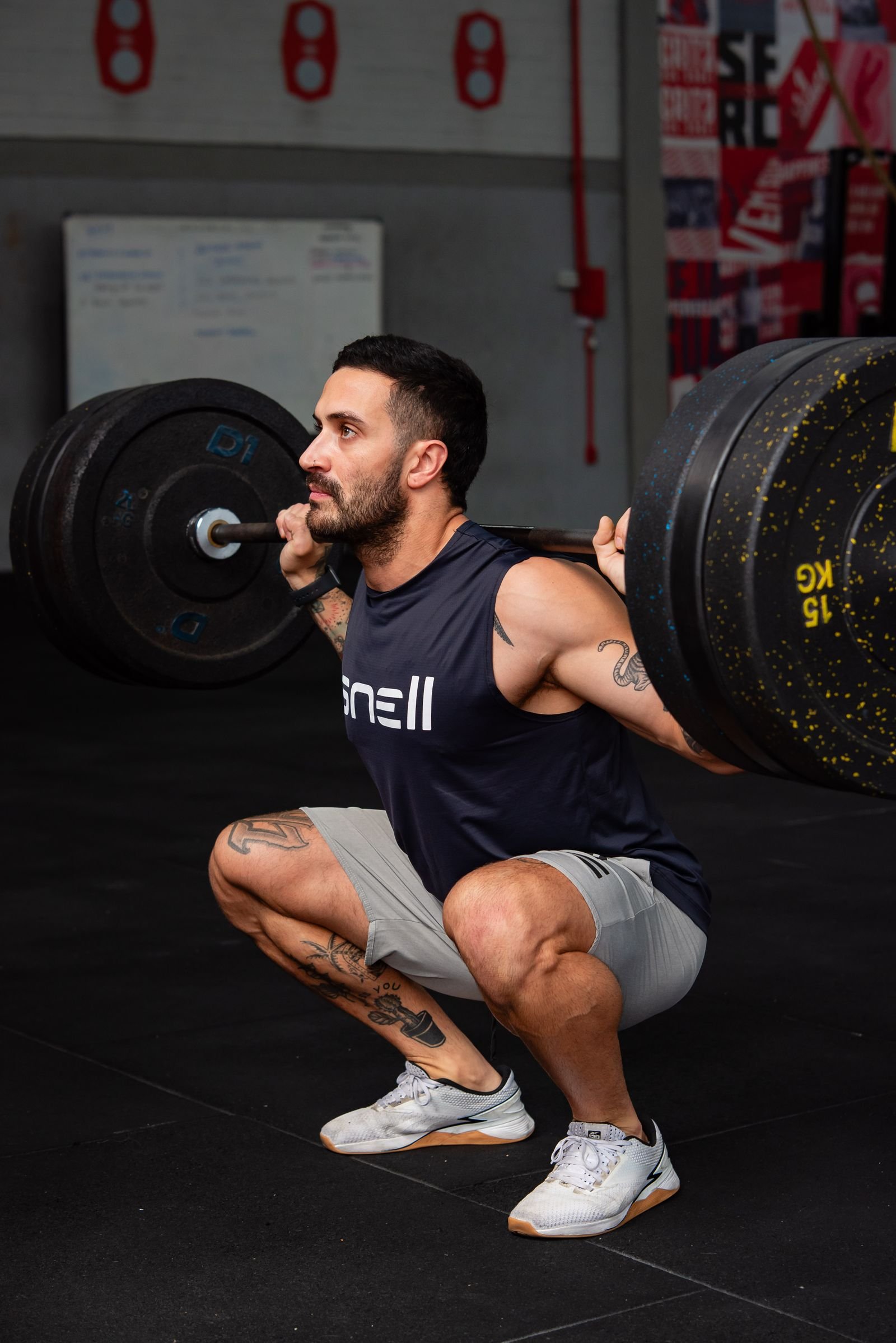
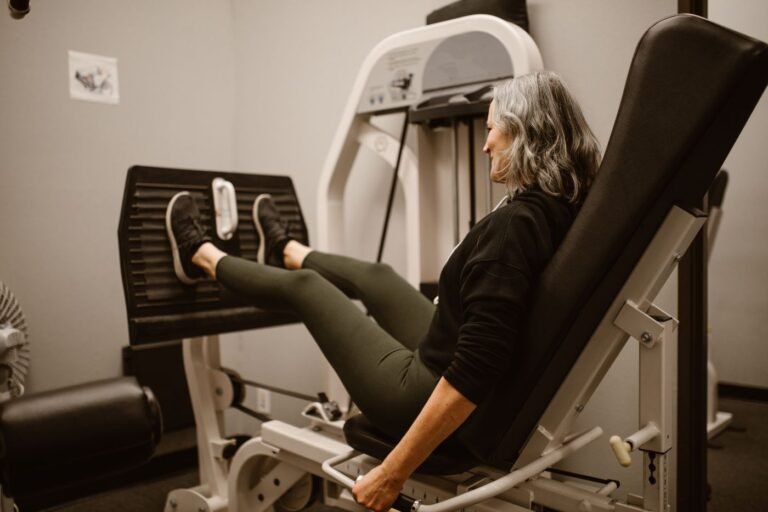
The exercise list does not need to resemble a bodybuilding competition preparation plan. A squat pattern, a hip hinge and suitable single-leg work offer a straightforward starting framework. A leg press can provide another way to load the legs when its setup suits you. These are movement options, not a requirement to include every exercise in every session.
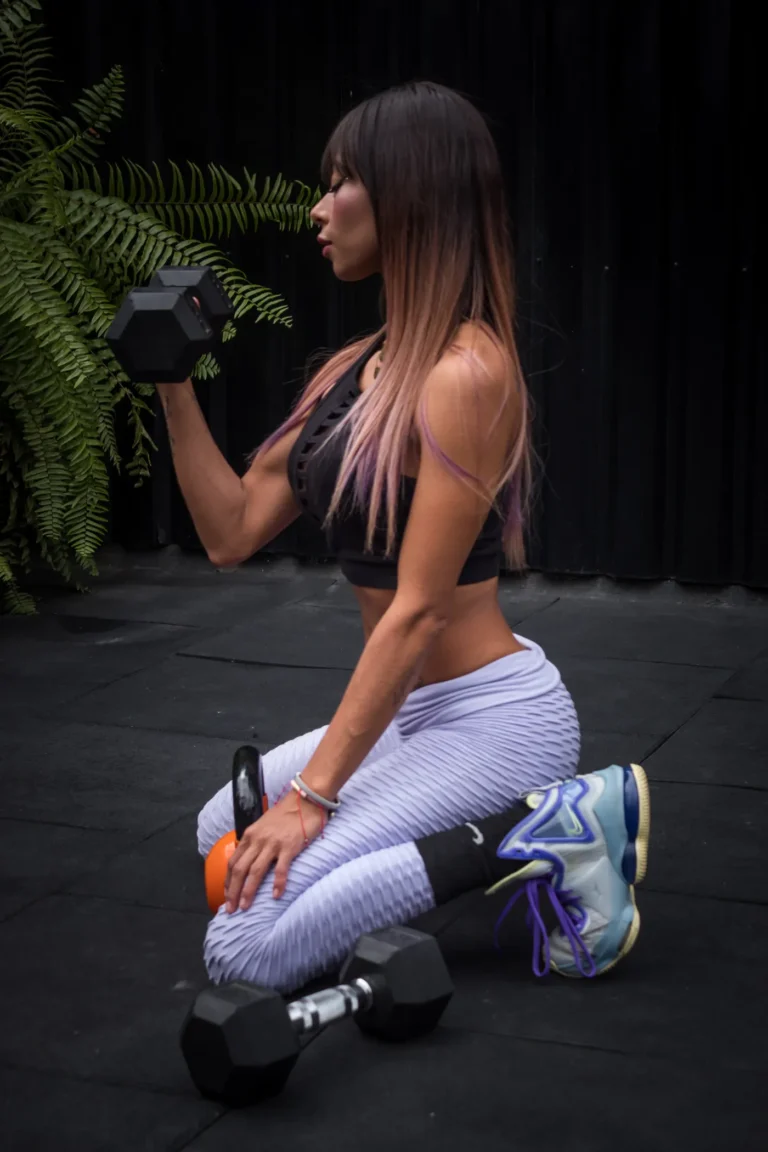
For example, a rider comfortable with dumbbells might begin with a goblet squat, a dumbbell Romanian deadlift and a supported split squat. Someone already competent with barbells might use a squat and a hinge with fewer accessory exercises. The important difference is experience and available control, rather than whether one implement looks more serious.
Coaching guidance for riders new to strength work includes goblet squats, lateral squats, stiff-leg deadlift patterns and front planks. That is a reminder to learn basic positions before copying the heaviest exercises used by trained athletes. An unfamiliar barbell back squat is not compulsory simply because it appears in cycling research.
Use a range you can control without pain and a setup you can reproduce. Record the bench height for a supported movement or the seat position on a machine. If changing equipment changes your depth, stance or stability, establish a new baseline rather than comparing the load as though the task were identical.
Check adjustable equipment before the first working set. Secure the dumbbell settings, confirm that a bench is stable and leave enough clearance for the movement. For a trap-bar hinge, check the implement’s starting weight and handle height. Buying an attachment does not remove the need to learn its setup.

Leg Day Shirts & Workout Gear
Leg-day gym shirts and workout gear for lifters who never skip squats, lunges and lower-body punishment.

Leg Day Thou Shalt Not Skip Leg Day Medieval Gym Crewne T-Shirt
Show some gym-day personality with “Leg Day”.

Leg Press Dost Thou Even Press Medieval Knight Muscle S Tank Top
Bring “Leg Press” humor to your next lifting session.


Leg Day Is Calling You Sweater Squats & Deadlifts T-Shirt
Add a playful “Leg Day Is Calling You” touch to your casual rotation.

Not Recommended Leg Day 1 Star Review Squats Hoodie
Bring “Not Recommended Leg Day” gym humor to lazy days and post-workout plans.

Everyday Is Leg Day Octopus Meme & Top T-Shirt
Show some leg-day attitude with a playful “Everyday Is Leg Day Funny Octopus” tee.

Squats Leg Day Heavy Weights Meme – Essential Top T-Shirt
Bring “Squats Leg Day Heavy Weights” humor to your next gym day.

Leg Day Squats Deadlifts Decal Meme Vinyl Sticker
Give your everyday gear a playful “Leg Day” twist.


Shirt – Legendary Leg Day Meme Gymbros, & Fans T-Shirt
Make gym days more fun with “Legendary Leg Day Meme” style.
3. Learn the load before chasing fatigue
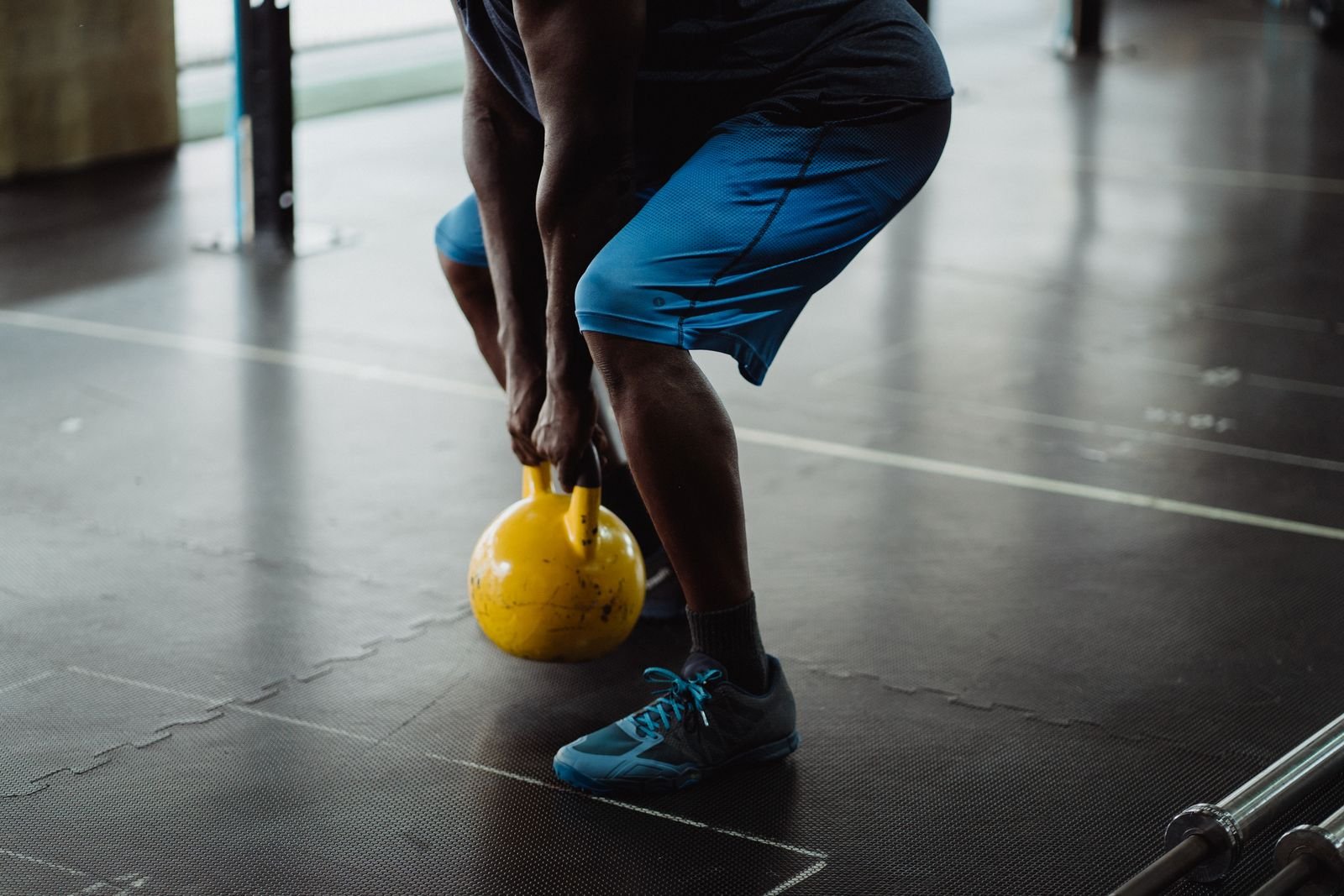
Your first strength sessions are partly a familiarisation task. Use manageable loads and repeat the same movements so you can distinguish technique changes from genuine progress. A kettlebell hinge, such as the setup pictured here, is one option for learning to move a load from the floor; it is not a photograph of a goblet squat.
Begin with a small amount of work that you can recover from. An illustrative entry session might contain two controlled sets for each of three exercises, ending before repetitions become grinding or your positions change substantially. This is a conservative planning example, not a research-established dose for every cyclist.
Leave room to progress. If the first exposure is deliberately manageable, you can observe soreness and the next ride before adding more work. Adding sets, load and a new exercise simultaneously makes that feedback difficult to interpret. Adjust one feature, then assess the response over repeated sessions.
Rest long enough between working sets to repeat the intended movement. Turning every exercise into a breathless circuit changes the session. Cycling already provides substantial endurance work; a strength session does not need to imitate it to justify its place in the programme.
Heavier training can become appropriate after you develop the necessary skill, but a research programme using experienced lifters is not an instruction to test your maximum immediately. Stop a set when control breaks down. If pain changes the movement, address that problem before treating a larger load as the solution.
4. Protect your key rides when placing strength sessions
Write the important rides into the calendar first: the interval session, long ride, event or other priority. Then place strength work where it has a realistic chance of being absorbed. A plan that works on paper but repeatedly ruins your main riding session needs adjustment, even if the gym numbers are improving.
For a rider testing one new weekly strength session, putting it immediately before an important ride is an avoidable experiment. Choose a less critical part of the week, keep the initial workload modest and observe the following day. When adding a second session later, repeat that process instead of assuming recovery will scale automatically.
If you must ride and lift on the same day, decide which session is the priority and avoid arriving at it already exhausted. Separate the sessions when practical. There is no universal clock interval that guarantees recovery regardless of the exercises, effort, food, sleep and training history involved.
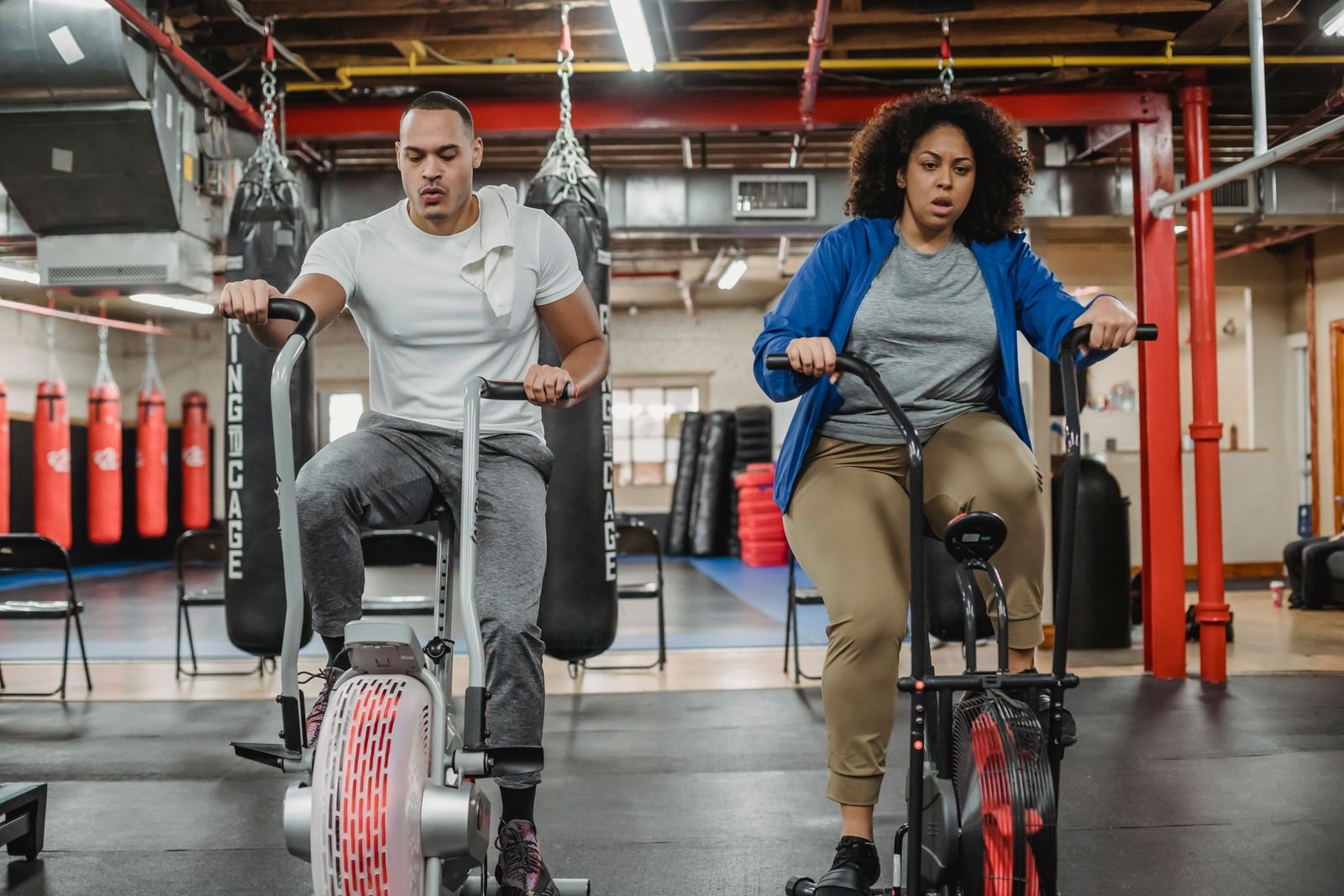
Indoor cycling can make a scheduled ride easier to standardise, but it does not make tired legs disappear. The photograph shows stationary-bike training, not the participants or equipment from a particular experiment. Compare your normal effort, power and movement quality rather than inferring recovery from the setting.
A small trial provides useful context: 20 well-trained cyclists completed endurance training with or without added strength work. The combined group lifted twice weekly for 12 weeks and improved a five-minute effort after 185 minutes of cycling. That is an interesting specific outcome, not a guarantee that copying the protocol will improve every rider’s next sprint.
5. Review the whole week before adding another hard session
Track more than the weight on the bar. Note the exercises, sets, repetitions, load and how the next important ride went. Add brief observations about sleep, soreness and unusual fatigue. You do not need a complicated dashboard; you need enough context to avoid blaming a single session for every change.
Use a practical review question: can you repeat the strength session while completing the rides you planned? If yes, a modest progression may be reasonable. If not, first consider reducing the new lifting volume or moving it, rather than immediately abandoning strength training or forcing an even harder week.
Some short-term soreness after unfamiliar work does not prove the programme is effective. Equally, one uncomfortable day does not establish that lifting and cycling are incompatible. Look for a repeated pattern. Persistent pain, worsening movement or fatigue that does not resolve deserves a different response from ordinary training discomfort.
Keep body-mass changes in context. Do not assume that a few gym sessions will automatically produce unwanted bulk, or that any increase must improve performance. Your event demands, food intake, recovery and longer-term training all matter. Avoid using a single scale reading as a verdict on the entire approach.
During a busy riding period, consistency may matter more than expansion. A smaller repeatable session can be more useful than an ambitious routine you repeatedly skip. Return to the original goal: stronger, capable legs that support the riding you actually want to do. The equipment below offers ways to load the squat, hinge and single-leg patterns discussed; it is not a shopping requirement for better cycling.

Equipment Worth Exploring
Explore equipment, accessories and gear from our carefully selected range.


Open Hex Bar
Open-frame trap bar with multiple handles for deadlifts, carries, and lower-body training.

Rubber Hex Dumbbells
Rubber-coated hex dumbbell pairs with a stable shape for home and commercial strength training.

Cast Iron Kettlebells
Textured cast-iron kettlebells for swings, squats, carries, and full-body training.

Leg Press/Hack Squat BPR-790
Convertible 45-degree leg press and hack squat machine with a broad footplate and band pegs.