Advertising disclosure: This page includes affiliate product links that may earn us a commission, as well as products from our own store.
The best lifting strap is the one that fits the exercise, the implement and the way you need to finish the set. Lasso straps, figure 8 straps and short loops create different connections to the bar. Compare those connections before choosing by padding, material or an impressive load claim.
Decide whether grip is limiting the set
Lifting straps connect the hand and wrist to a pulling implement so the fingers do not have to do all the holding alone. That can be useful when the aim of a set is to train the back or posterior chain and the bar is slipping first. It does not establish that the lifter can safely move any additional weight that the connection allows them to hold.
A wrist wrap has a different job. It wraps around the wrist without creating the same connection to the bar. Likewise, a broad palm grip and a long fabric strap are different products even when a shop puts them in the same accessories category. Identify what actually contacts the bar before comparing labels, padding or advertised strength.
Start with a specific observation from your training log. Perhaps the last two repetitions of a row are cut short because the handle is slipping, while your torso position remains controlled. That is a clearer reason to consider assistance than buying straps simply because a stronger lifter uses them. If your positioning breaks down before your fingers open, securing the grip does not fix the earlier problem.
Your goal also changes the decision. A set intended to challenge your unassisted holding ability should be recorded and performed accordingly. A set intended to train a pulling movement with grip assistance can have a different place in the session. Neither choice needs to become an identity or a rule applied to every exercise.
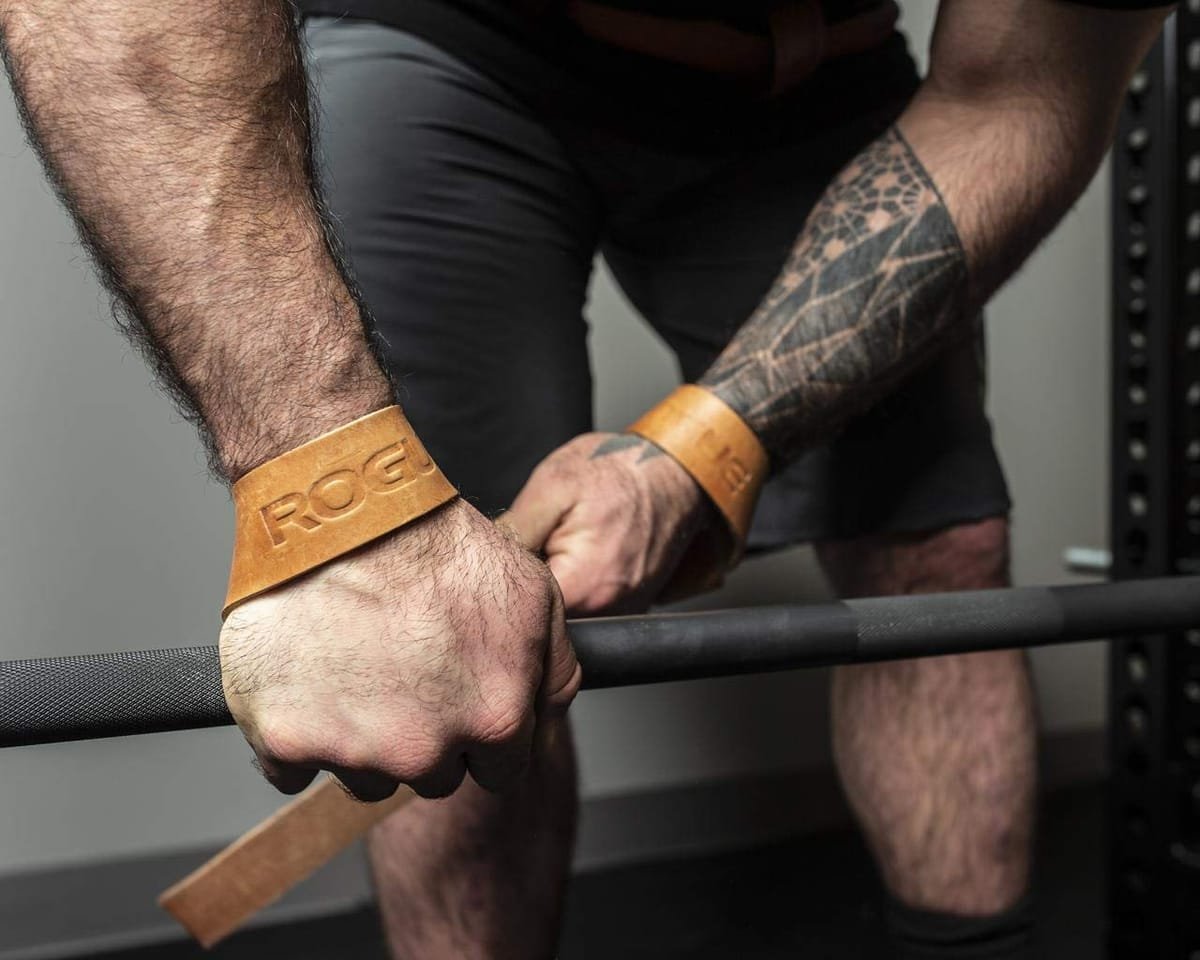
The tan leather straps in the photograph show a long-tail design on a real bar. Their appearance establishes the type of connection being illustrated, not a load rating or a guarantee about release. Choose the assistance deliberately, then keep the rest of the exercise under control.
Use lasso straps with a repeatable setup
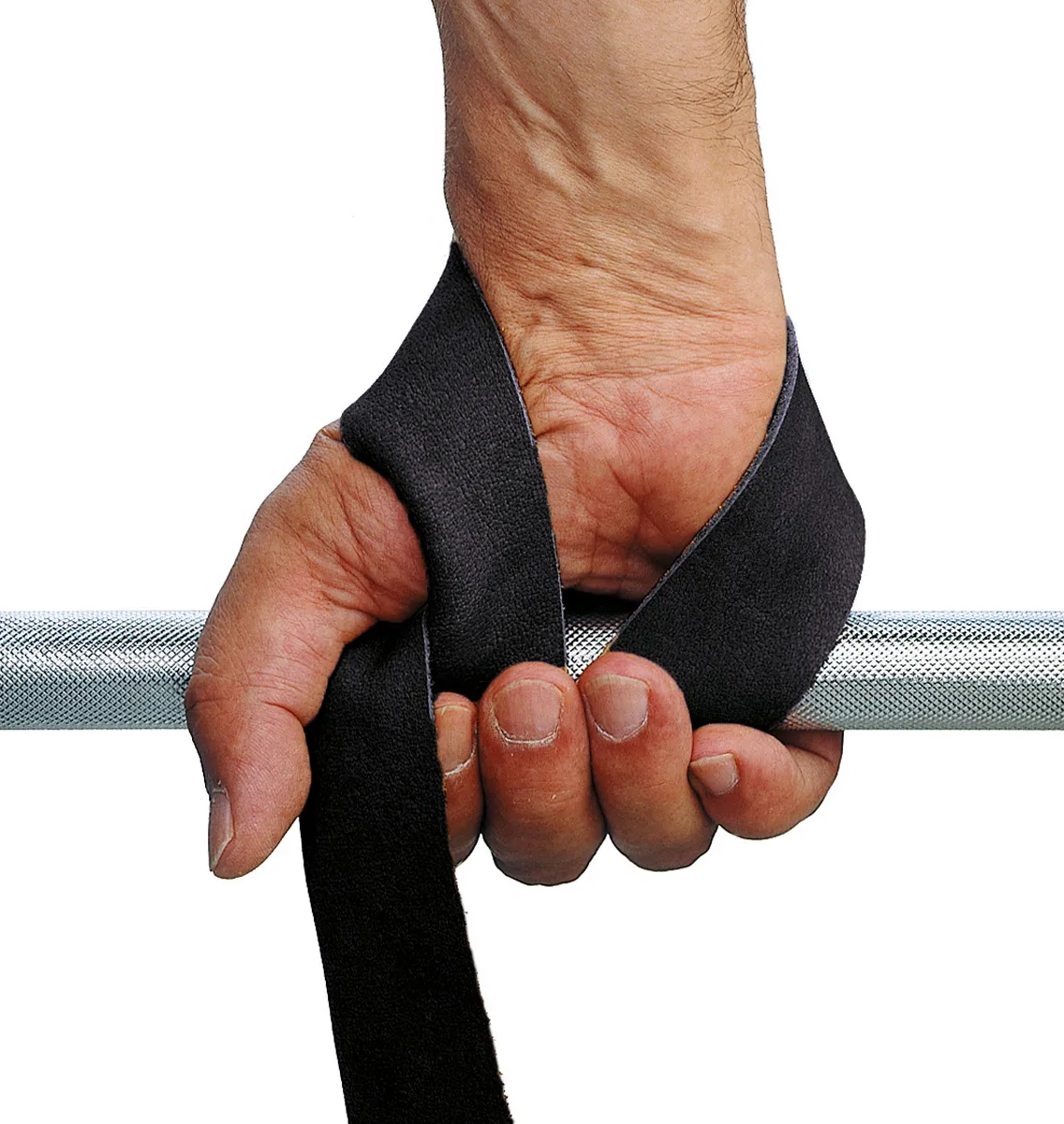
A lasso strap has a long tail and a sewn loop. The tail passes through the loop to form the wrist opening, then wraps around the bar. This adjustable arrangement is common for ordinary pulling work. Its usefulness depends on fitting and tensioning it correctly, rather than simply adding more layers around the handle.
Follow the instructions for your actual model. Check which way the tail should lie across the hand, how it should approach the bar and how the manufacturer describes taking up slack. Learn that sequence with an unloaded or suitably light implement. You should be able to repeat it on both hands without twisting the fabric or rushing the second side.
A useful practice check is to secure the first hand, set the second and then confirm that both wrists sit in the intended position before starting the pull. If one side feels substantially tighter, reset. Do not use the first loaded repetition to discover that the tails were wrapped differently or that an edge is digging into the wrist.
Longer is not automatically better. Extra material can add bulk and complicate release. Do not keep winding a tail around the bar to eliminate every loose end; use the model-specific setup and the amount of wrapping it requires. Opening your fingers is not proof that a tightly wound strap will immediately come free.
For a controlled row or deadlift variation, practise setting the load down and removing the connection as part of the setup drill. Keep the area clear and avoid testing release by dropping a loaded bar. Lasso straps are a flexible starting category, but the actual strap, bar diameter and fitting instructions still matter more than a generic tutorial.
Treat figure 8 security as a tradeoff
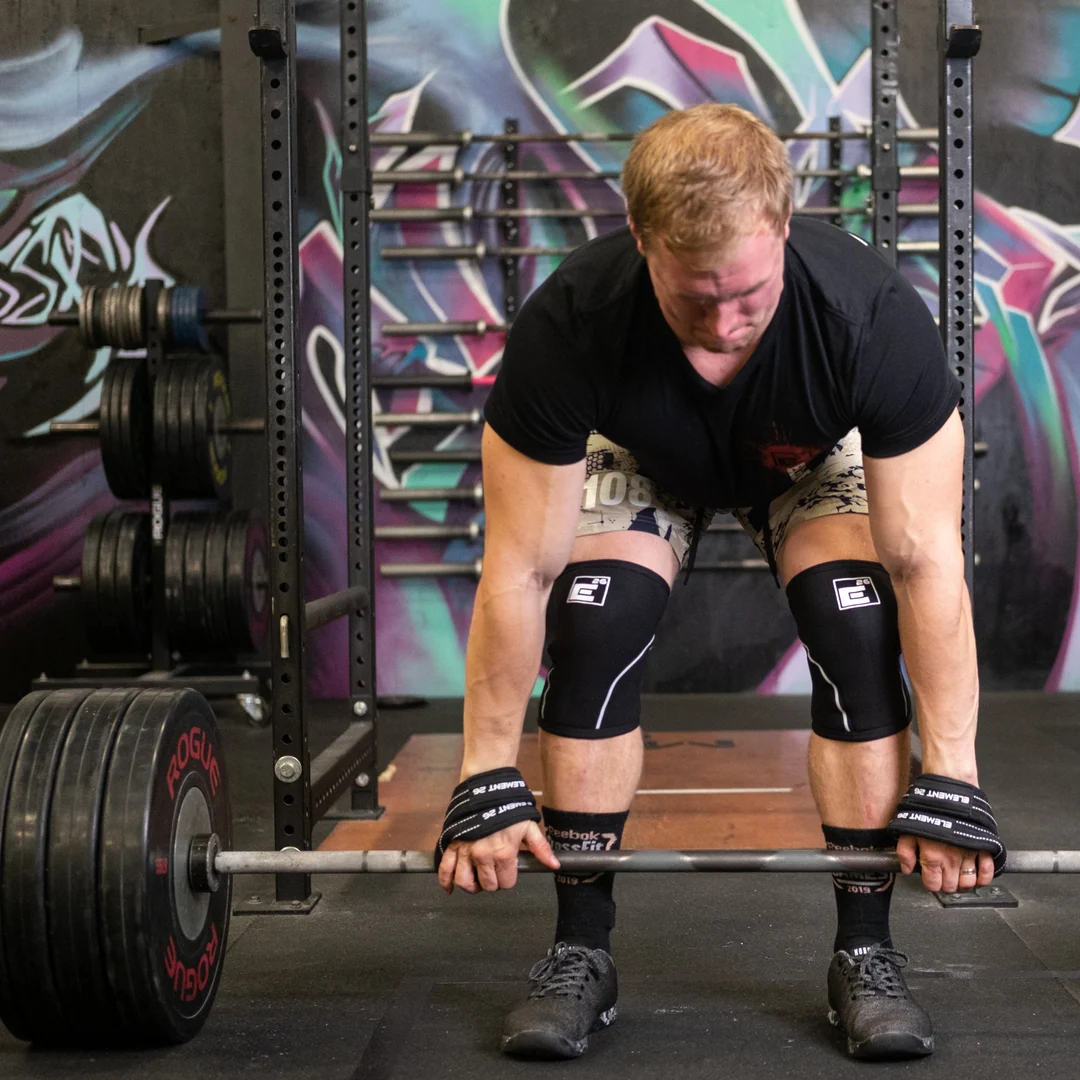
Figure 8 straps use two connected openings. The wrist goes through one opening, the strap passes beneath the bar and the hand returns through the other opening. The resulting connection can feel very secure for a deadlift or another suitable pulling variation. That security also means the hand may remain attached when the fingers open.
This is why figure 8 straps should not be treated as a universal upgrade over lasso straps. A more persistent connection is useful only when it suits the movement and the way you will finish it. Avoid choosing them for an exercise that depends on quickly separating from the implement, and do not transfer a deadlift setup to pressing or catching movements.
Sizing deserves attention. Use the maker’s sizing guidance for your wrist and the intended implement. A strap that appears fine on a thin bar can fit differently around a larger handle. Do not assume that an extra twist is an approved way to correct a poor fit. If the product does not fit the task as instructed, choose a different size or design.
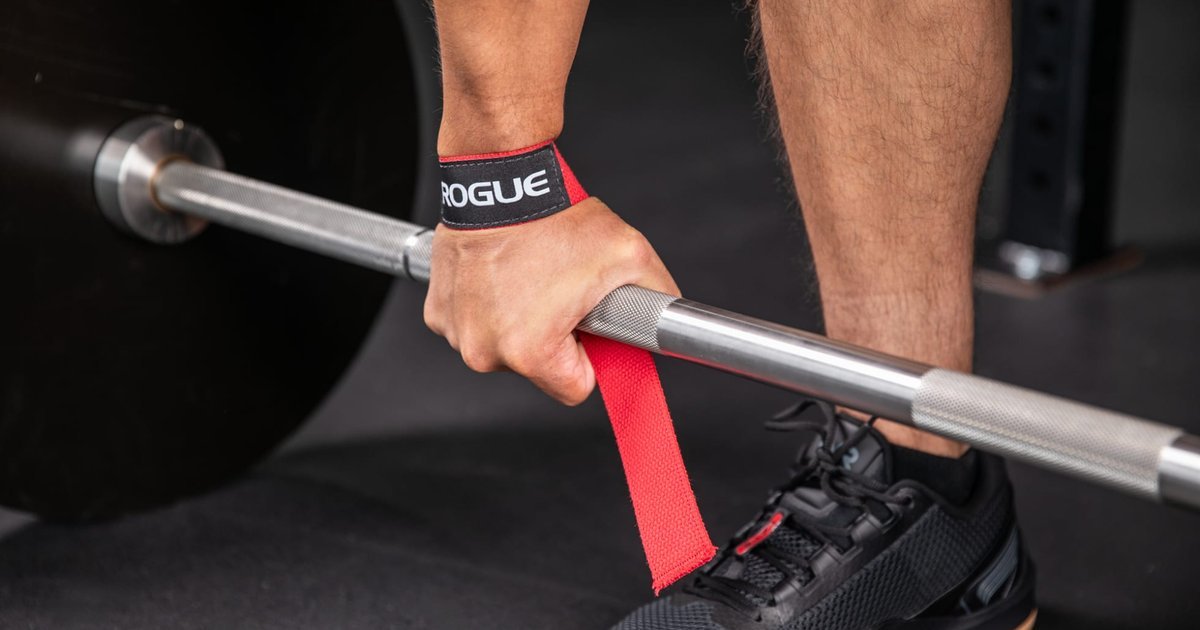
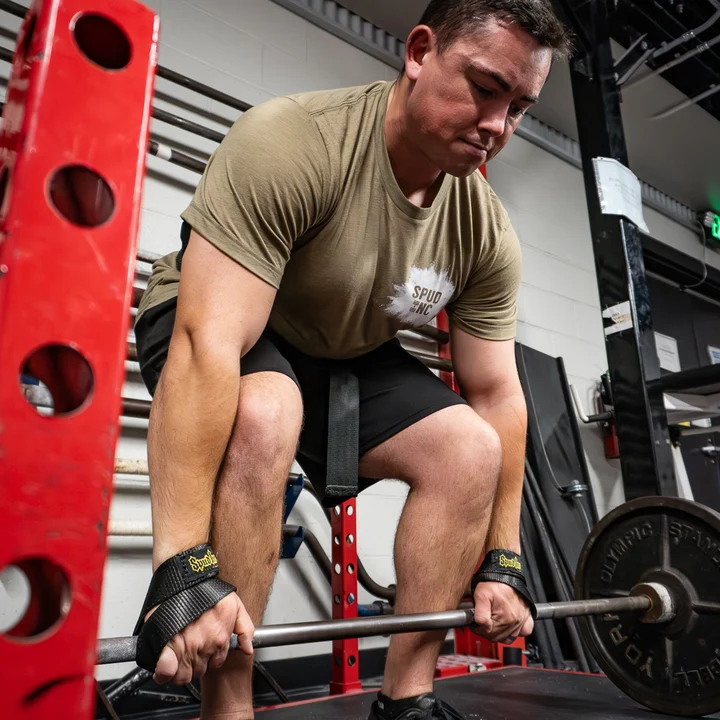
The photograph shows padded figure 8 straps during an actual barbell pull. Padding can change comfort, but it does not remove the need to understand the connection. The still image does not verify how quickly that lifter could detach, and it should not be copied as a complete technique lesson.
For a lifter who only needs occasional assistance on rows and moderate pulling sets, the strongest possible attachment may be unnecessary. Write down the problem you are solving before choosing the design. Deadlift-focused apparel can fit the training theme here; it should never be mistaken for evidence that a particular strap improves performance.

Powerlifting Shirts & Lifting Gear
Powerlifting shirts and gym gear for squat, bench and deadlift lifters who live for heavy numbers.

Muscled Skeleton Deadlifter Meme – Ultimate Top T-Shirt
Show some deadlift attitude with a playful “Muscled Skeleton Deadlifter” tee.

Deadlift And Chill – & Top T-Shirt
Heavy lifts, good laughs, and a little “Deadlift and Chill” energy.

Six Plates Deadlift Club Motivational T-Shirt
Heavy lifts, good laughs, and a little “Six Plates Deadlift Club” energy.

Zombie Deadlift Deadlift Lovers & Leg Day Meme Hooded Hoodie
Make your off-duty look more fun with “Zombie Deadlift”.

Deadlift Skull Cyberpunk Muscle Shirt for Powerlifting Tank Top
Bring “Deadlift Skull” humor to your next lifting session.

Nice Try Gravity Astronaut Workout | Funny Space Gym Pu T-Shirt
Bring “Nice Try Gravity Astronaut” humor to your everyday gym style.

Deadlift Addict & Barbell Cigarettes Can'T Quit T-Shirt
Show some deadlift attitude with a playful “Deadlift Addict & Barbell Cigarettes” tee.


Deadlifts & Gains Meme – Essential T-Shirt
Heavy lifts, good laughs, and a little “Deadlifts & Gains” energy.

Deadlift Lovers Grim Reaper Skeleton Decal Water Sticker
Bring “Deadlift Lovers” attitude to your water bottle or laptop.
Keep short loops separate from a full clean
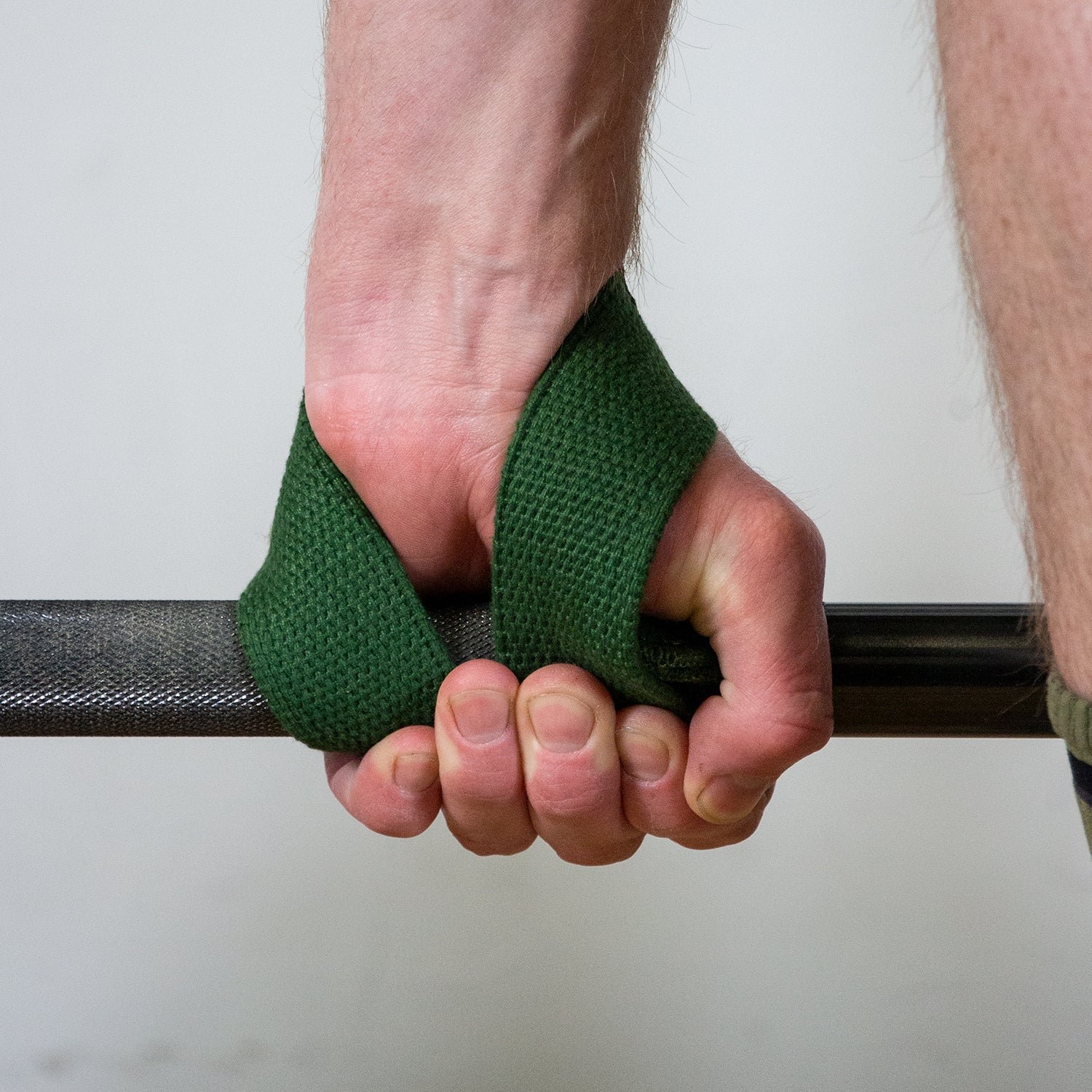
Short closed-loop straps are often called Olympic straps. They typically use less loose material than a long lasso tail and are associated with weightlifting pulling work. The green straps pictured here illustrate an actual compact loop design. A short loop and a figure 8 are not interchangeable simply because both products contain sewn openings.
Check the instructions before wearing them. For the photographed green model, the maker specifies a tail orientation toward the thumb rather than across the palm, and cautions against overtightening. That is a description of that product’s intended setup, not permission to impose the same sequence on every short-loop design.
A clean pull and a full clean also need to remain separate in your planning. A pull ends without receiving the bar on the shoulders. A full clean introduces a catch and different demands if a repetition goes wrong. Do not interpret Olympic in a product name as approval to use it through every phase of every Olympic lift.
Keep the comparisons in this guide focused on pulling variations. Learn the actual movement and the release procedure with an appropriately qualified weightlifting coach before adding an unfamiliar connection. A faster-release design is still not a guarantee that the strap will separate instantly under all conditions.
The practical buying question is specific: which pulling drill will use this loop, which bar will it wrap around, and what instructions govern its fit and release? If those answers are unclear, buying a shorter strap does not resolve them. Choose the equipment after the drill is defined, rather than building a session around a name on the packaging.
Log the assistance and inspect the equipment
Keep strapped and unstrapped sets distinguishable in your training record. For example, write Romanian deadlift, lasso straps, controlled lowering, then record load and repetitions. A different entry can identify an unstrapped set intended to challenge holding ability. This prevents a change in assistance from being misread as an otherwise identical performance improvement.
The research also calls for proportionate expectations. In an acute study of 16 resistance-trained men, straps did not significantly change mean or peak velocity or power at loads set to 20, 40, 60 and 80 percent of the unstrapped deadlift maximum. That result concerns those matched submaximal conditions; it does not compare all strap designs or measure long-term muscle growth.
Before each use, check the material and stitching, including areas hidden where the fabric folds. Retire straps with tears or damaged stitching instead of treating the remaining material as a backup. Follow the maker’s cleaning and drying instructions, and let the condition of the product determine whether it remains usable rather than its age alone.
Keep the full pulling setup in view when shopping. The equipment options here include actual grip assistance alongside bars, plates, collars and row attachments. Those loading and exercise tools are not different strap types. Check compatibility and instructions for each item; do not assume a connection suitable for one bar also suits every trap-bar handle or cable attachment.
Choose one change you can evaluate in a familiar session. Keep the exercise, load and execution appropriate while you learn the setup, and record whether slipping still ends the set. The useful outcome is a clearer match between the exercise goal and the assistance you use, with a repeatable way to secure, finish and remove it.

Equipment Worth Exploring
Explore equipment, accessories and gear from our carefully selected range.

Leather Lifting Straps
Padded leather straps support grip during heavy rows, deadlifts and pulling exercises.

Leather Wrist Grips
Padded leather lifting grips help support the hands and wrists on heavy pulling exercises.


Open Hex Bar
Open-frame trap bar with multiple handles for deadlifts, carries, and lower-body training.


Competition Plates
Competition-style bumper plates for Olympic lifts and loaded strength training.

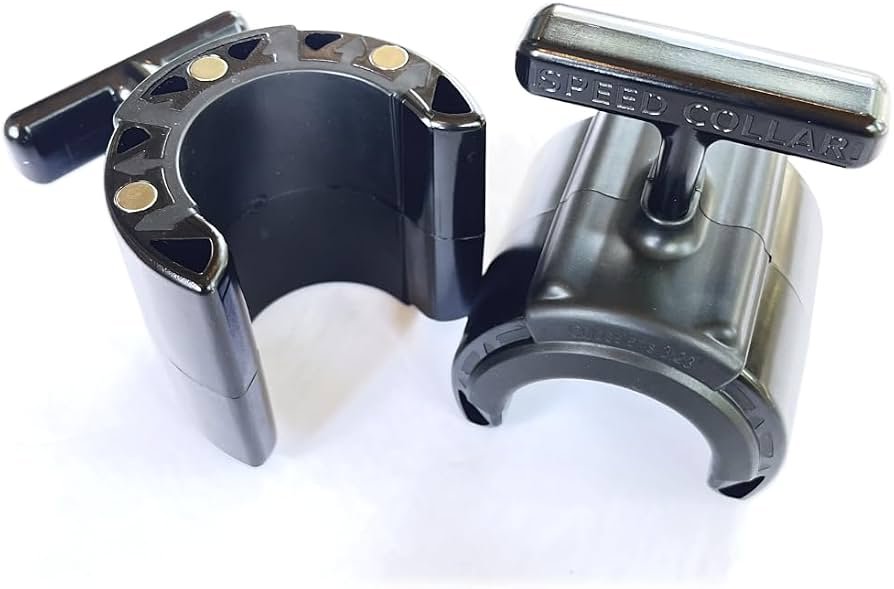
Speed Collar
Quick-release collars designed to secure weight plates on standard two-inch Olympic bars.