Advertising disclosure: This page includes affiliate product links that may earn us a commission, as well as products from our own store.
A barbell that spins for longer on camera is not automatically the better bar for your training. Bushings, bearings and hybrid systems solve related problems in different ways. The useful comparison connects sleeve construction with your lifts, the rest of the bar and the care it requires.
Separate the shaft, sleeves and retention hardware
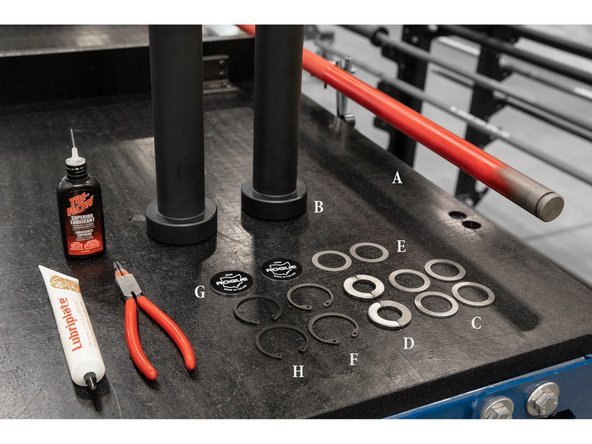
The shaft is the long section you grip. The sleeves are the larger outer sections that carry the plates. A rotation system allows those parts to move relative to each other, while retention hardware keeps the assembly together. These are different jobs, even though they sit close together at each end of the bar.
That distinction makes a specification sheet easier to read. A statement about shaft diameter describes your grip and part of the bar geometry. A statement about bushings or bearings concerns the rotation mechanism. A description of the end cap or snap rings concerns the assembly. None of those details alone describes the complete quality of the bar.
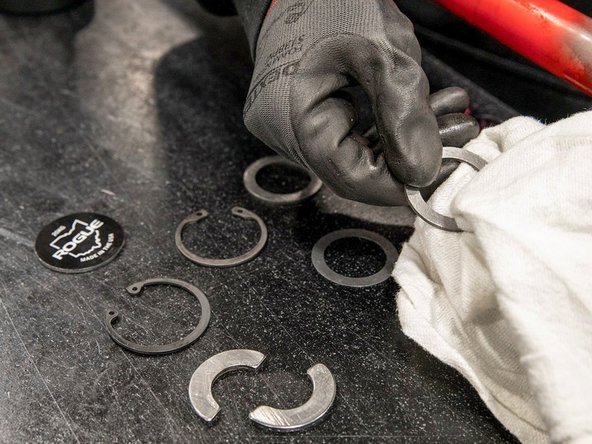
The photograph shows actual separated barbell parts, not a universal assembly diagram. Different manufacturers use different arrangements. A washer visible next to a sleeve should not automatically be identified as a bearing, and a coloured ring at the collar does not reliably establish what is inside.
Before comparing models, write down your main lifts and the plates you already own. Include the available rack space, storage method and any competition requirements. This short list helps you evaluate the bar as usable training equipment rather than collecting impressive specifications that may have little relevance to your sessions.
Understand what a bushing actually contributes
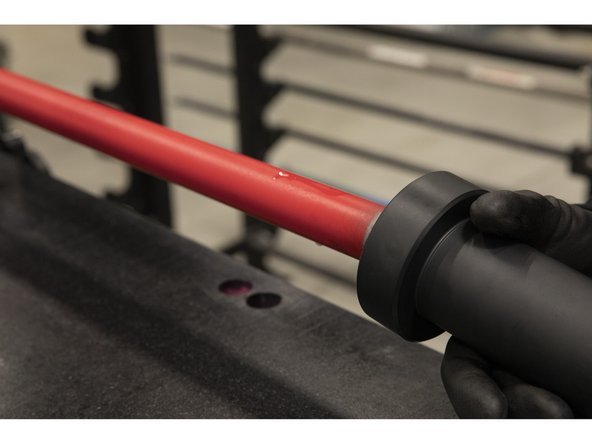
A bushing provides a sliding interface within the sleeve assembly. Bronze, brass and composite materials appear in commercial barbells, and their feel depends on the actual design, fit and condition. The word bushing describes an approach to supporting rotation; it is not a complete quality grade.
Controlled rotation is commonly chosen for powerlifting bars. Squats, bench presses and deadlifts do not involve the same rapid turnover as a clean or snatch. That does not mean a power bar should feel seized or scrape as the sleeve moves. Predictable movement and a damaged or poorly maintained mechanism are different things.
When assessing an existing bar, compare the two ends using the same gentle handling. Note obvious roughness, sticking or a change from its familiar behaviour. Do not attach a universal pass or fail threshold to a stopwatch result. Sleeve mass, friction and the way you start the spin can all change the demonstration.
If you are buying, ask what material is used and what maintenance the maker specifies. A vague claim of premium bushings is less useful than a clear product description, service information and support for replacement parts. Choose the information that will help you own and maintain the bar, rather than assuming a particular metal guarantees every other feature.
Treat bearings as part of a complete sleeve design
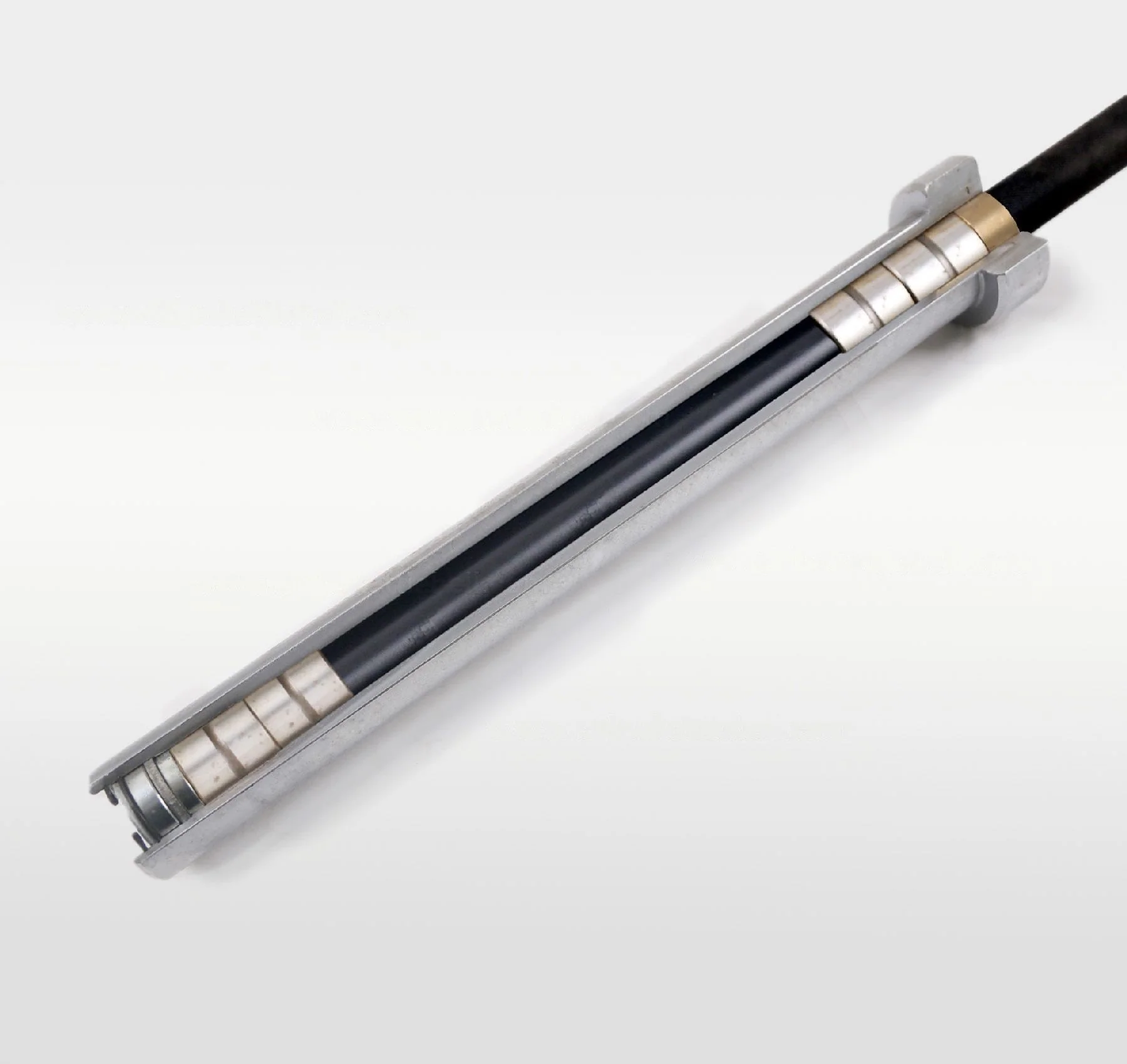
Bearing systems use rolling elements rather than relying only on a sliding surface. Needle and ball-bearing arrangements both appear in barbells. Some models combine bearings with bushings or other bearing types, so the common two-category comparison is a starting point rather than an exhaustive classification.
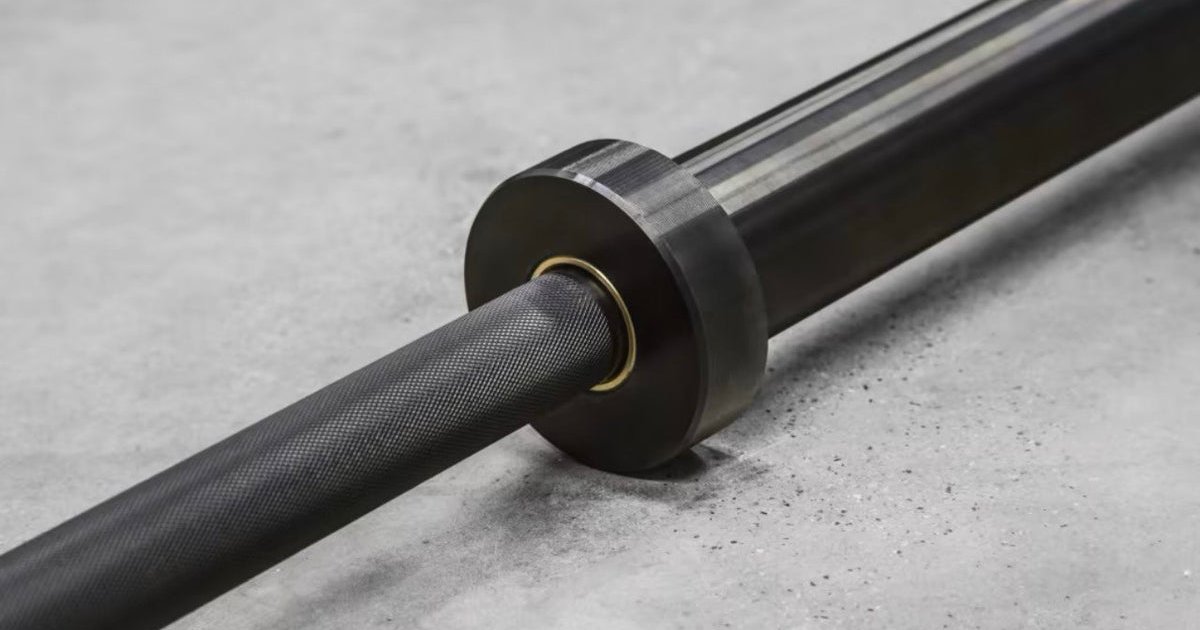
The cutaway photograph illustrates a physical sleeve assembly with several internal components. It should not be read as the internal layout of every bearing bar. The number of bearing units, their placement, supporting surfaces and overall construction can differ substantially between products.
Fast, smooth rotation can be useful during Olympic lifting, but a bearing count is not an independent performance score. Two bars advertised with the same count can still differ in manufacturing quality, protection from contamination and service requirements. Compare the entire bar and the intended application.
Be cautious with broad promises that a bearing bar prevents wrist or elbow problems. Rotation is one equipment characteristic; load selection, technique and the individual lifter also matter. A purchase description is not a clinical guarantee. If a movement is painful, changing the bar is not a substitute for identifying the cause.
Use the manufacturer’s description to identify the mechanism, then evaluate whether that mechanism suits your training. Avoid disassembling a new or unfamiliar bar merely to confirm a marketing label. Documentation and an answer from the supplier are usually a better first step.
Match rotation to the lifts you actually practise
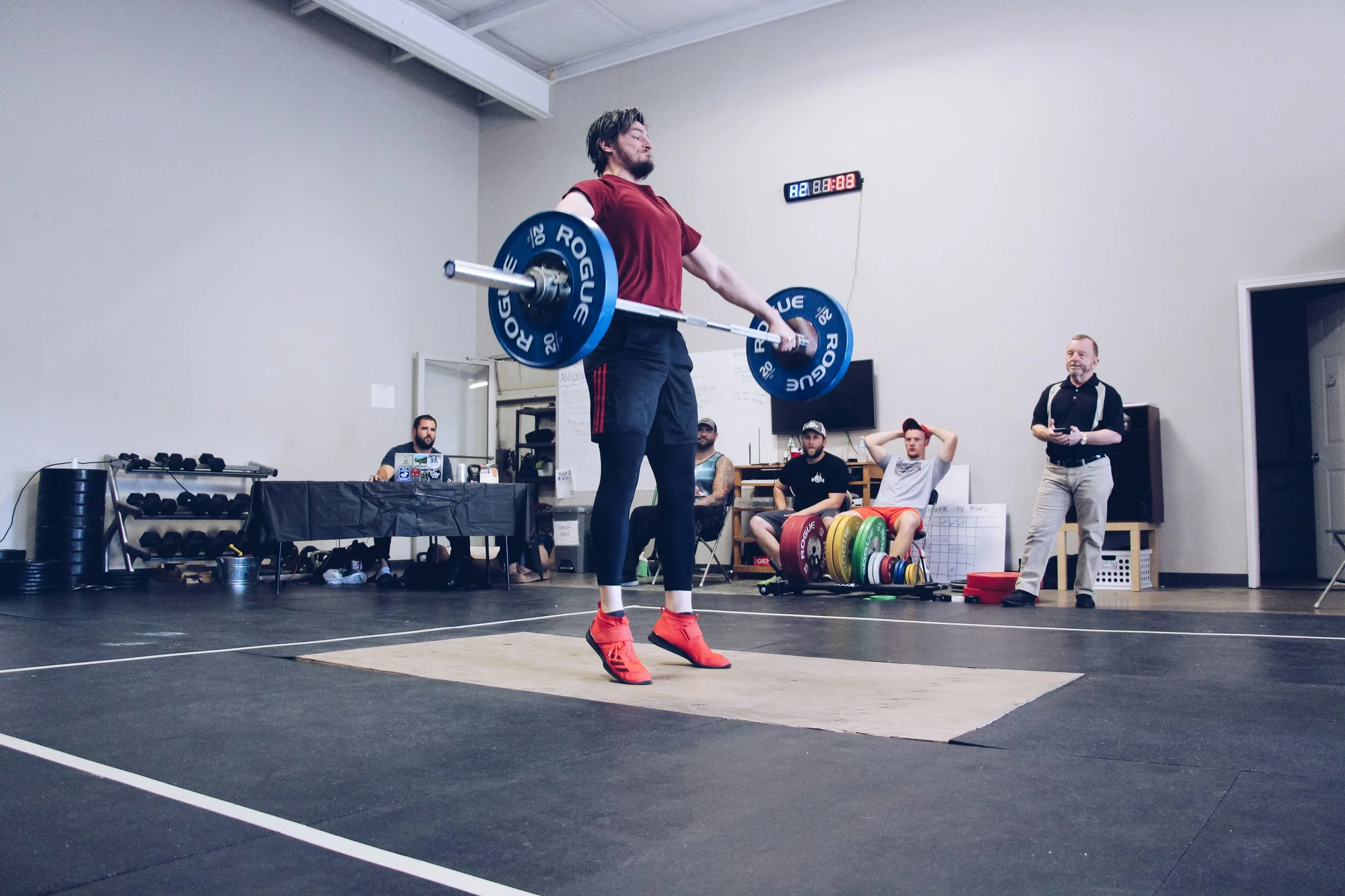
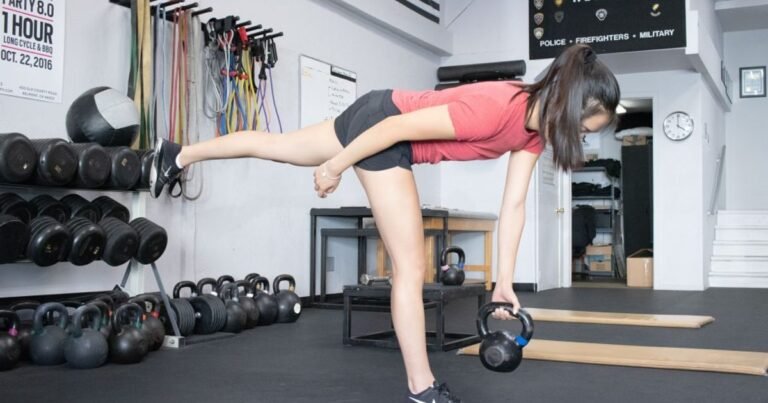
During a clean or snatch, the bar changes orientation relative to the lifter as it moves into a receiving position. This makes sleeve behaviour relevant to turnover. The training photograph illustrates the pulling phase of an Olympic lift; a still image does not prove a particular spin rate or identify the mechanism inside that bar.
For predominantly squat, bench and deadlift training, a well-built power bar may be a more appropriate choice than a specialist weightlifting bar. Consider stiffness, shaft diameter, grip markings and knurling alongside rotation. A sleeve feature cannot compensate for a grip or shaft configuration that does not fit the task.
Mixed training adds another decision. If your week includes both strength work and lighter Olympic-lift practice, look at multipurpose and hybrid options. The useful question is whether one bar serves those actual sessions acceptably, not whether it wins a comparison against a specialist at that specialist’s own job.
Keep technique consistent when trying different bars. Use an appropriate familiar load and avoid treating a new piece of equipment as a reason to test a maximum immediately. A different feel can come from several features changing together, so do not attribute every difference to the sleeves.
Plates and collars belong in the setup decision too. Check sleeve compatibility and usable loading space, then use suitable collars according to the exercise and equipment instructions. The options here include general bars and loading accessories; they are not all interchangeable competition bars or recommendations for every Olympic lift.

Equipment Worth Exploring
Explore equipment, accessories and gear from our carefully selected range.


Competition Plates
Competition-style bumper plates for Olympic lifts and loaded strength training.


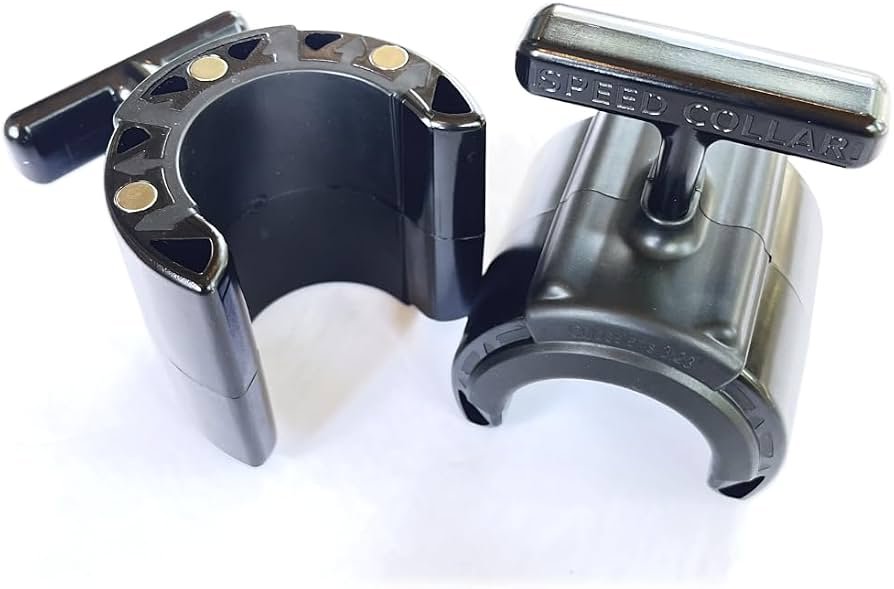
Speed Collar
Quick-release collars designed to secure weight plates on standard two-inch Olympic bars.
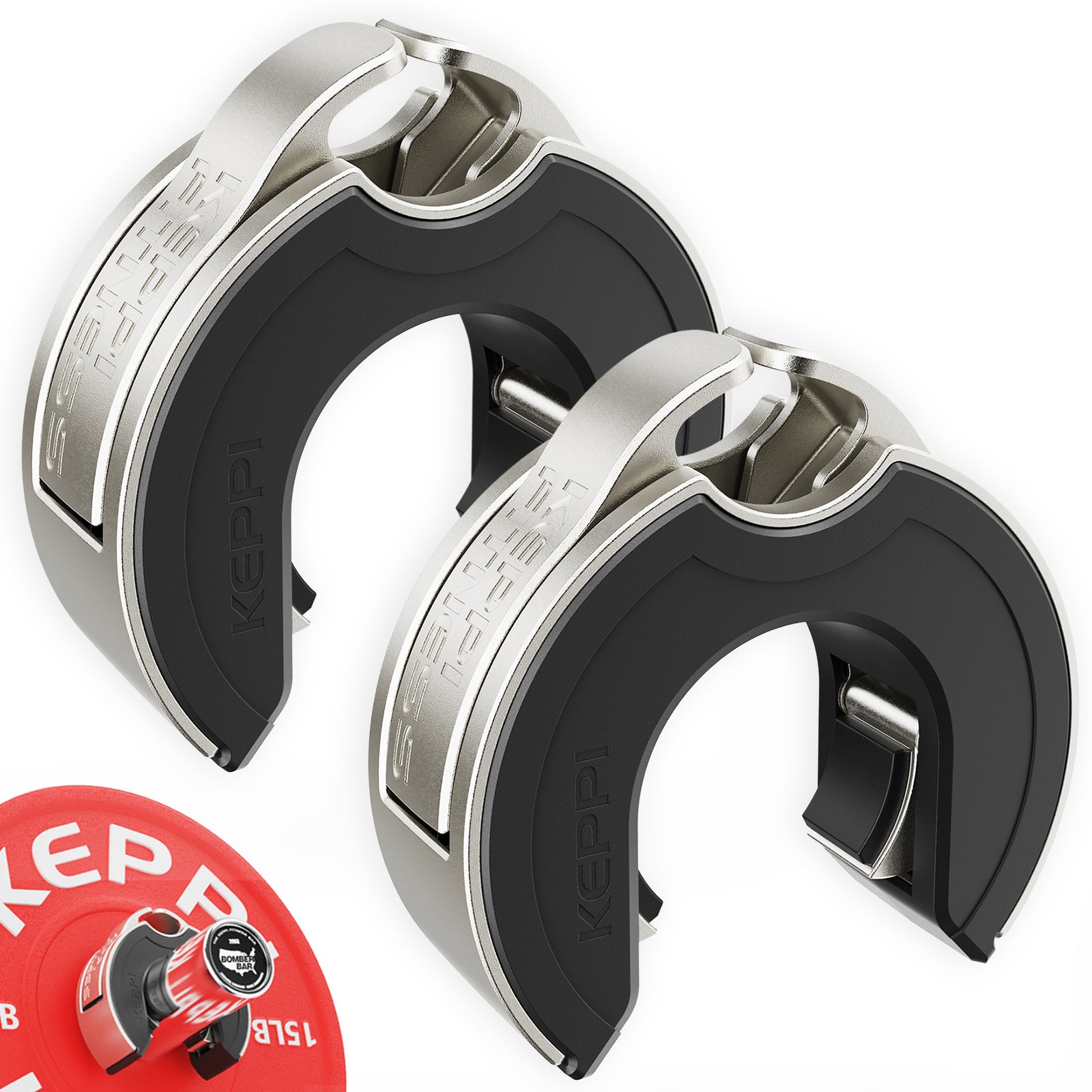
Keppi Open Collars
C-shaped magnetic Olympic barbell collars with a quick-lock mechanism and grippy lining.

Grip Plates
Rubber-coated weight plates with handholds for loading barbells and machines.
Compare useful specifications instead of chasing spin time
An unloaded sleeve demonstration is easy to film, but it is only one observation. It does not reproduce the complete loaded exercise or establish long-term durability. A bar that spins longer after a different starting push has not necessarily performed better in a meaningful comparison.
Build a short comparison around the decisions you need to make: primary lifts, shaft diameter, knurling, rotation construction, loadable sleeve length and maintenance requirements. Add the warranty and available support. If a specification is missing, ask the supplier rather than filling the gap with an assumption from a product photograph.
When a seller states a large load rating, read what that rating represents. Do not treat a material-strength figure, a static rating and permission to drop the bar as the same claim. The actual instructions for use remain relevant even when the headline number looks generous.
Specialty bars need their own comparison. An EZ-curl bar, open trap bar or cambered bar changes grip or load position for particular exercises. It does not become a suitable snatch bar because its sleeves rotate. Decide whether you need that exercise tool before comparing its sleeve mechanism with a straight bar.
A practical buying note might read: mostly bench and squat, familiar grip diameter, suitable rack fit, clear care instructions and support available. Another lifter may prioritise weightlifting practice instead. Different answers can both be sensible when they follow the actual training rather than a single specification contest.

Powerlifting Shirts & Lifting Gear
Powerlifting shirts and gym gear for squat, bench and deadlift lifters who live for heavy numbers.

White Weight Plate Shirt Metal Weight Plate T-Shirt
Bring “White Weight Plate” humor to your next gym day.

Heavy Barbell – Meme Shirt & Top T-Shirt
Make gym days more fun with “Heavy Barbell Powerlifting Graphic” style.

Meme – "Shhh I'M Doing Plate Math" Hooded Hoodie
Bring “"Shhh I'm Doing Plate Math" Workout Hooded” gym humor to lazy days and post-workout plans.

Platehead Skull Decal Water Bottles & Gear Meme Sticker
A fun “Platehead” touch for bottles, laptops, and lockers.

Barbell Heartbeat Muscle Shirt Athletic Vest for Powerl Tank Top
Train hard, laugh a little, and rep “Barbell Heartbeat”.

Lifting Is My Therapy – Bodybuilding Powerlifting Meme Hoodie
Stay casual and show some powerlifting attitude with “Lifting Is My Therapy”.

Raise The Barbell Shirt – Motivational & T-Shirt
Show some powerlifting attitude with a playful “Raise The Barbell” tee.

Lift Heavy – Hardcore Heavy Metal Gym Crewneck for Powe T-Shirt
Show some gym-day personality with “Lift Heavy”.

Addiction Meme Barbell Addict Top & Gymbros T-Shirt
Make gym days more fun with “Gym Addiction Funny Meme” style.

Shirt Stack Of Weight Plates Meme & Gymbros Stacking T-Shirt
Rep “Stack Of Weight Plates Meme” humor in and out of the gym.
Maintain the bar without guessing what belongs inside
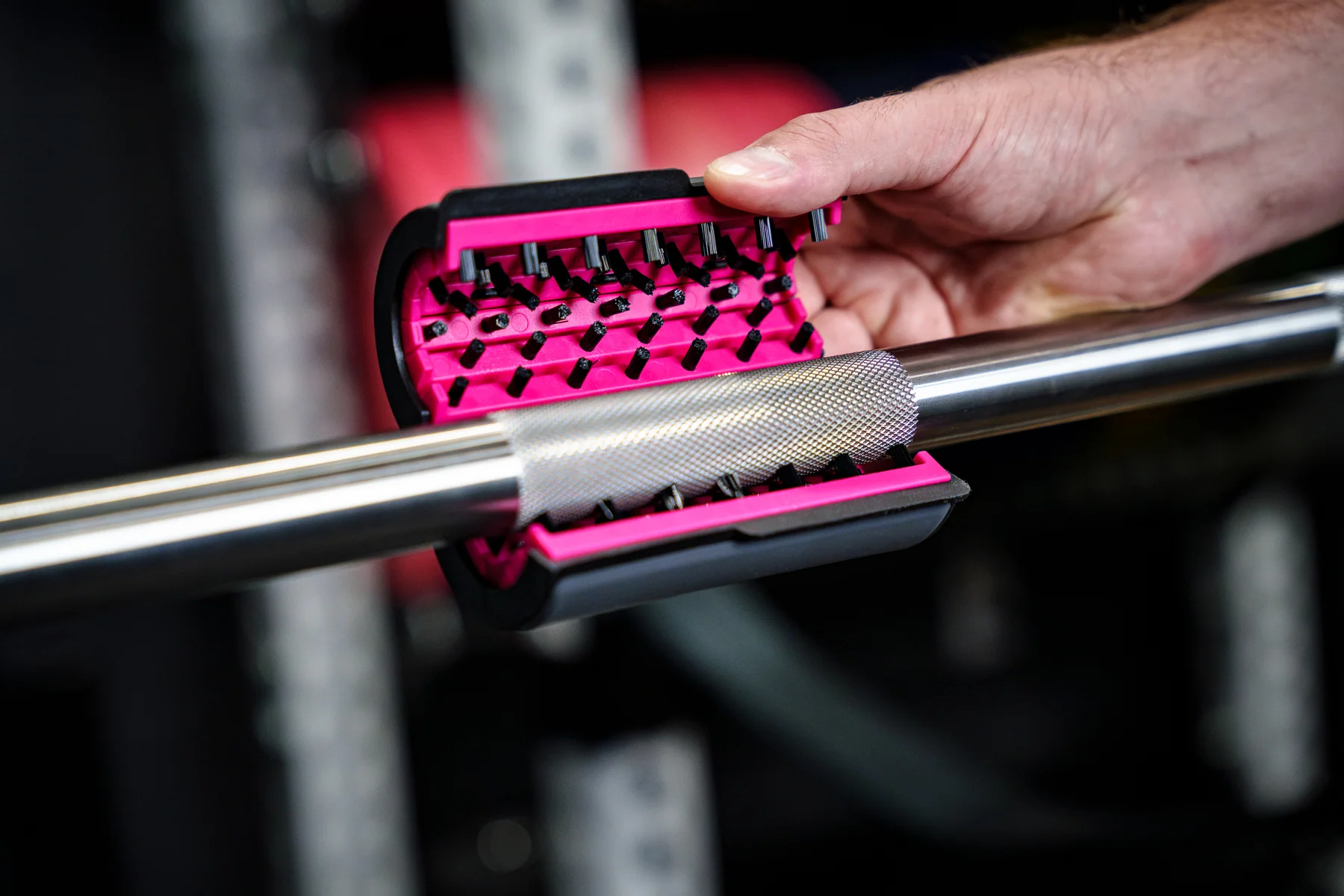
Remove surface contamination using the cleaning method suitable for the bar’s finish. The photograph shows a brush around the knurled shaft, which is separate from servicing the internal sleeve assembly. Keeping chalk and moisture under control is a different task from opening the mechanism.
Follow the instructions for the exact model before adding oil, grease or solvent. A product suitable for one bushing arrangement may be inappropriate for a sealed or differently constructed system. Do not flood the sleeve to cure an unexplained noise, and do not assume every bar is designed for the same maintenance routine.
Retention hardware deserves care. Some assemblies use snap rings and small washers, and components can spring free during servicing. Use the specified tools and eye protection when the manufacturer’s procedure requires them. If you cannot identify the retention method or safely control the parts, use qualified service support.
Keep a simple record of the model and any change you notice. Uneven rotation, new scraping or unusual play gives the supplier a clearer starting point than saying the bar feels bad. Photos and a description of normal use may help them distinguish ordinary service needs from a fault.
Choose a bar whose intended use and care requirements you can actually meet. Smooth, predictable rotation, a suitable grip and clear support are useful ownership qualities. The aim is dependable training equipment you understand, rather than an impressive spin demonstration that tells you little about the next set.