Advertising disclosure: This page includes affiliate product links that may earn us a commission, as well as products from our own store.
Kensui Torii Rack: Check the Ceiling, Clearances and Safety Setup Before Buying
A no-drill rack solves a particular installation problem. It does not remove the need to check the building, the lifting area or the equipment used with it. The Kensui Torii is interesting because it uses floor-to-ceiling tension instead of the familiar freestanding cage arrangement. That makes the room itself part of the buying decision.
This is a planning guide, not a hands-on stability review. Before ordering, work through five questions: are the contact surfaces suitable, which Torii configuration do you need, can you perform pull-ups with adequate clearance, how will a failed barbell repetition be caught, and does the complete bench-and-bar setup fit? Answering those questions is more useful than treating a compact-footprint headline as your floor plan.
Approve the room before you approve the rack
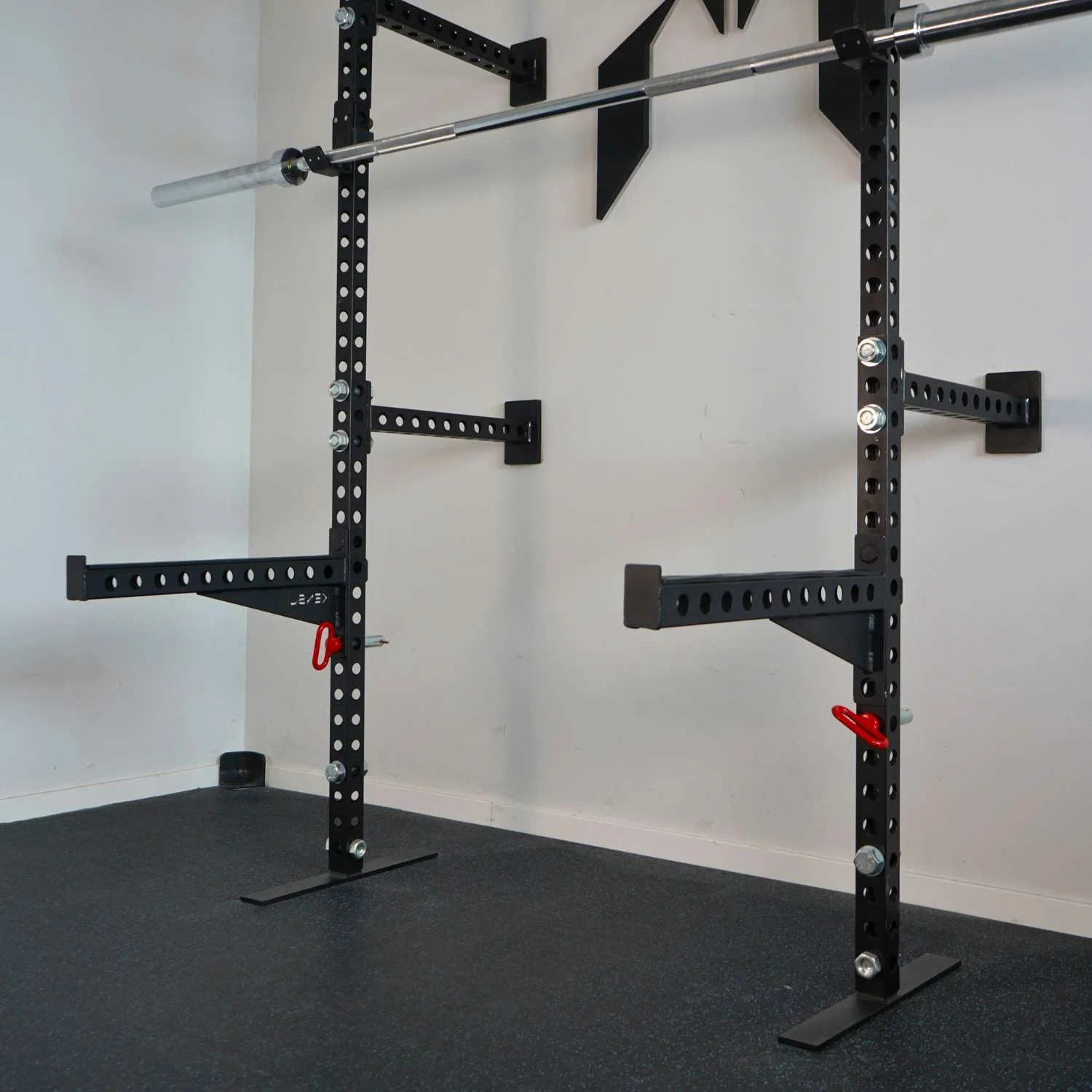
The Torii uses a jack-post tension arrangement between the floor and ceiling. The installation guidance calls for rigid supporting surfaces, ideally concrete, and specifically warns against drywall, plaster or unsupported wood. A neat painted ceiling does not tell you what is behind it. If the load-bearing structure is uncertain, get the exact room conditions approved before purchasing.
Measure vertically at the intended contact points, not only in the center of the room. Note any slope, trim, uneven flooring or raised floor covering. Ask what surface preparation and protection are permitted; a soft layer added to protect a finish could change the installation conditions. Do not improvise a spacer stack or assume that a ceiling tile is a suitable bearing surface.
There is also a specification discrepancy worth resolving. The current listing uses different lower height limits in different places: seven feet in some copy and seven feet four inches in the dimensions section. The upper limit shown there is nine feet four inches. Get written confirmation for the exact model and your measured height instead of selecting the most convenient number.
For example, a room near the lower limit should trigger a precise fit question: “The measured distance at both proposed uprights is X; which current configuration and supplied parts fit that distance?” Include photographs and the floor and ceiling construction. That produces a useful answer; asking whether the rack fits a “normal apartment” does not.
Keep that answer with the installation instructions. A relocatable rack may still need a new suitability check after moving rooms or changing the flooring. No drilling is an installation feature, not a guarantee that every rented room, ceiling finish or building construction is appropriate.
Choose Bar or Rack for the exercises you will actually perform
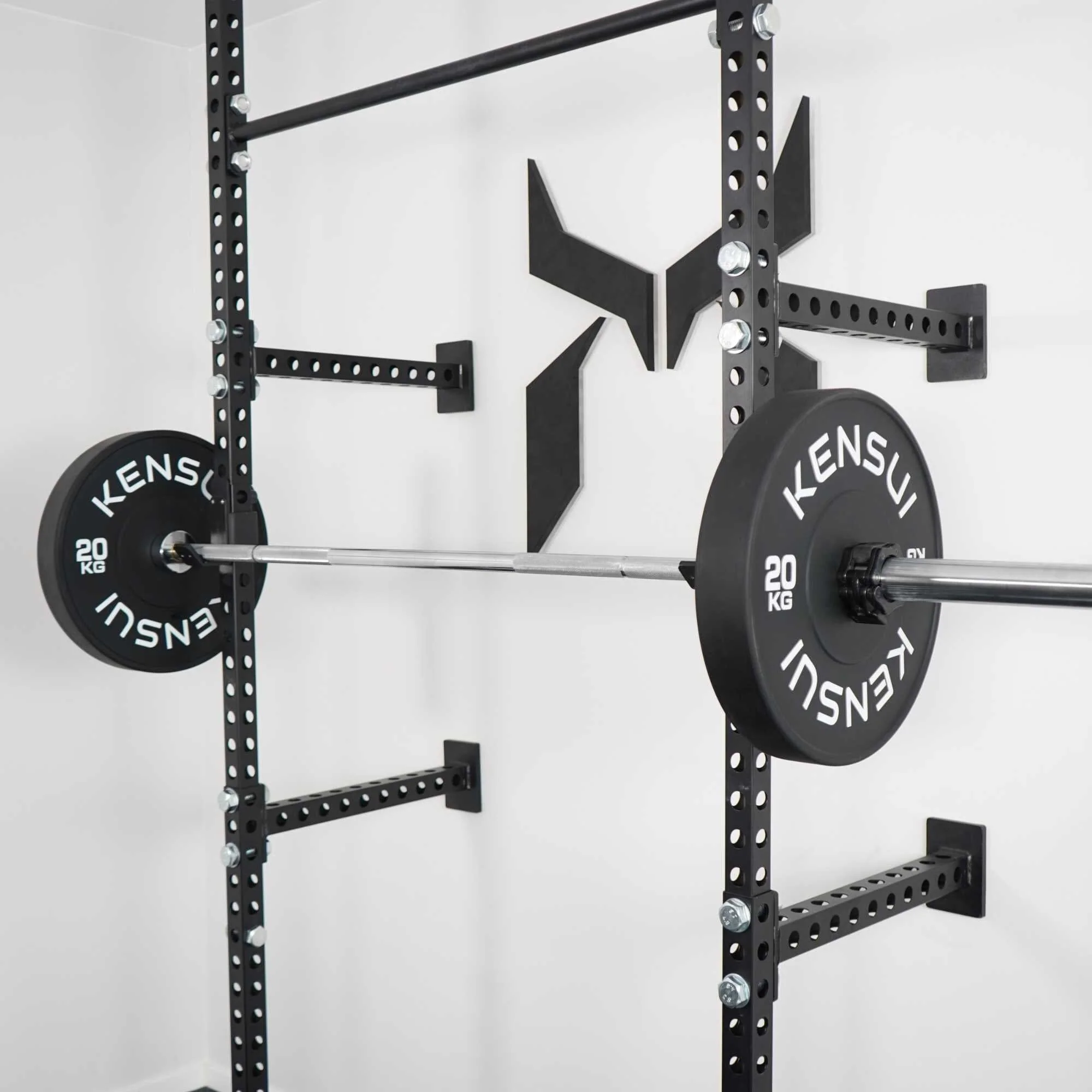
The two configurations have different jobs: Bar is the pull-up station, while Rack adds J-cups for barbell work. Choose from an exercise list rather than buying the larger configuration simply because it offers more possibilities. Someone doing pull-ups may have little use for a bench station; someone planning barbell squats needs more than a place to hang.
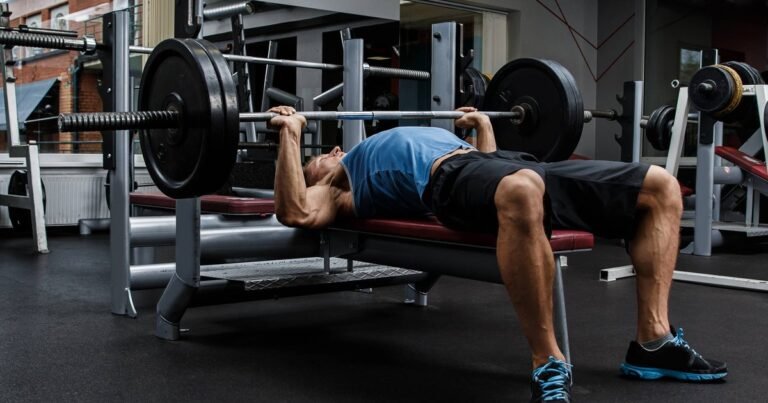
Write down the equipment needed for each intended movement. A bench press requires the rack configuration, a suitable bar, plates, a bench and an appropriate safety arrangement. Pull-ups require enough usable height and space for the body. Additional grips or suspension equipment need their own compatibility and loading approval. A rack photograph showing an attachment is not a blanket approval for other attachments.
The published upright profile is two inches square with one-inch holes. That is a starting point for checking accessories, not a universal compatibility certificate. Hole location, bracket width, pin length, clearances and intended loading can all matter. An accessory can slide onto an upright yet still fail to seat or lock correctly.
Make a short compatibility table before spending money: exact rack version, exact attachment, intended position and a confirmed yes or no. This is especially useful when mixing equipment from different brands. If the answer is uncertain, keep the purchase separate until the manufacturer confirms it, rather than designing the whole training plan around a hoped-for fit.
Budget for the complete station. The equipment below includes the Torii, barbell and plate options, bench choices and grip tools. They fill different roles; they are not a preverified bundle. A specialty bar or extra set of grips is worthwhile only when it serves an exercise you plan to train and fits the approved setup.

Equipment Worth Exploring
Explore equipment, accessories and gear from our carefully selected range.


Competition Plates
Competition-style bumper plates for Olympic lifts and loaded strength training.

Grip Plates
Rubber-coated weight plates with handholds for loading barbells and machines.


Home Gym Shirts & Garage Gym Gear
Home, garage and basement gym shirts and workout gear for lifters who built their own place to train.

Home Shirt – Home Nerd – & Meme Gymbros T-Shirt
Make gym days more fun with “Funny Home Gym” style.

Home Is Where Your Gym Is | Funny Garage Gym Meme Worko Hoodie
Show off your lifting humor in a laid-back “Home Is Where Your Gym Is” hoodie.

Garage – Garage Owner Meme Top & Gymbros Humor T-Shirt
Heavy lifts, good laughs, and a little “Garage” energy.

Basement – Basement Meme & Gymbros – Top Home Gains T-Shirt
Rep “Basement” humor in and out of the gym.

My Gymbro Has Attachment Issues Meme T-Shirt
Show some lifting attitude with a playful “My Gymbro Has Attachment Issues” tee.

Anti Social Gymbro Club Serious Hooded Meme Hoodie
Bring “Anti Social Gymbro Club” gym humor to lazy days and post-workout plans.

Anti Gym Garage Gym Club Crewneck Pullover Sweater for T-Shirt
Show some gym-day personality with “Anti Gym Garage Gym Club”.

Basement Gym Club Crewneck Pullover Sweater Basement Gy T-Shirt
For laid-back days and lifting humor: “Basement Gym Club”.

Home Gym Nerd Garage Gym Basement Gym Meme Workout Musc Tank Top
Your gym-day look, with a playful “Home Gym Nerd” twist.

Home Gym Hero Decal for Garage Gym Basement Gym Water B Sticker
Stick a little “Home Gym Hero” humor on your favorite gear.
Check pull-up clearance with your body, not only a tape measure
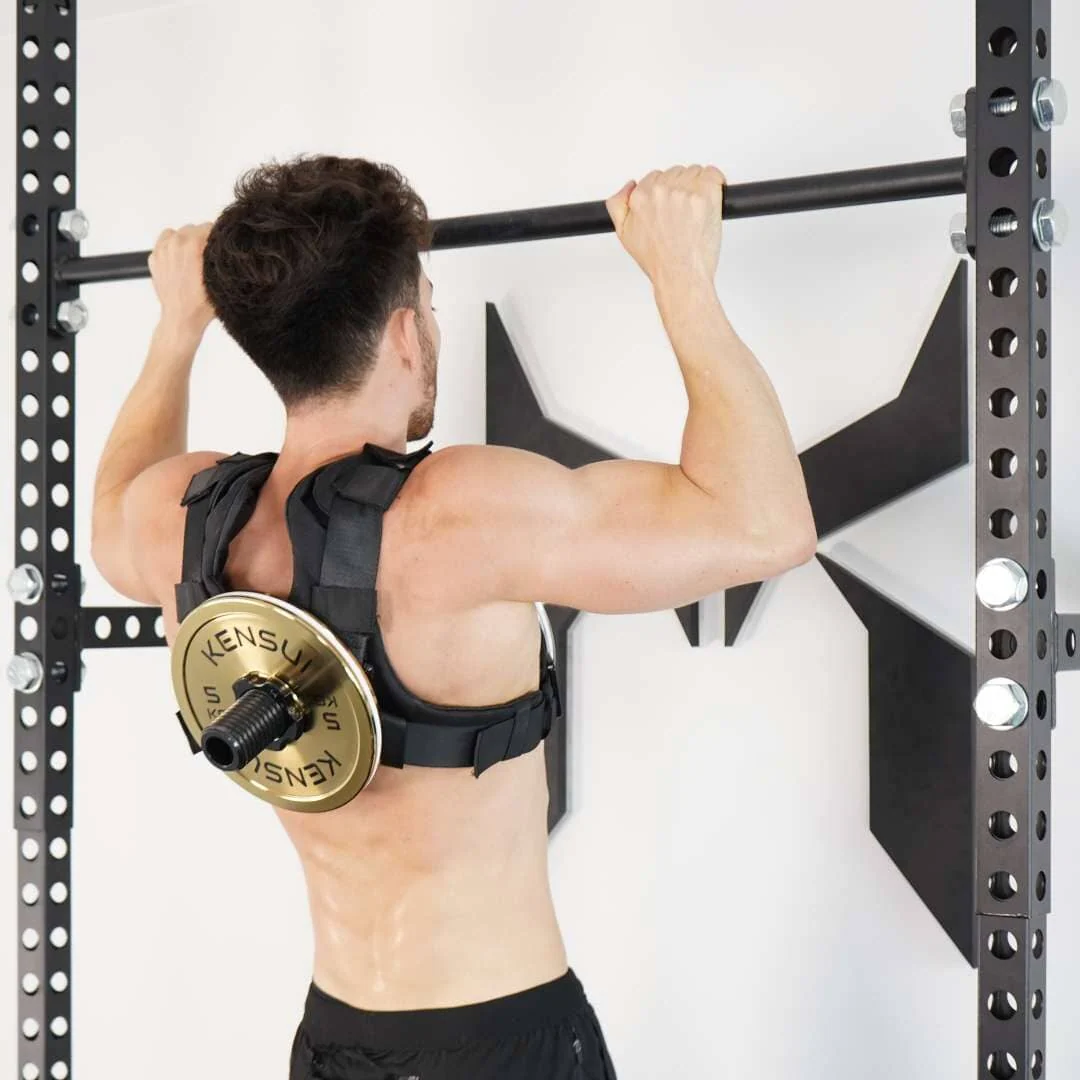
A pull-up station needs clearance above the bar as well as below it. Think through the highest head position you intend to reach, the space needed to enter the hang and where your feet travel. Setting a bar high enough to hang freely can leave too little room at the top in a low-ceilinged space.
Mark the proposed bar height without loading or climbing on an unfinished installation. Compare that height with your reach and body length, then map the movement beside the proposed station. A taller lifter may need to bend the knees, but that changes the required space behind and beneath the body. Include nearby doors, windows, lights and furniture in the check.
Keep the exercise choice specific. Controlled pull-ups, weighted pull-ups and swinging variations create different demands. Do not infer permission for dynamic work from a photograph of a static position or from a general capacity claim. Ask which movements and loading arrangements are approved for the exact installation, and follow the supplied instructions.
A weighted vest can keep added resistance close to the torso, while a belt suspends it below the waist. Either changes the clearance picture. Check the path of a hanging plate and how you will mount and dismount; do not discover a collision when you are already suspended. Grip attachments also change the effective hand position and available height.
For progression, establish a controlled, repeatable movement before adding equipment. An example is to keep a chosen grip and range consistent while building repetitions, then add the smallest practical load. That is a training example, not a product load rating. More repetitions cannot compensate for an installation or clearance problem.
Treat bar support and failed-repetition protection as separate decisions
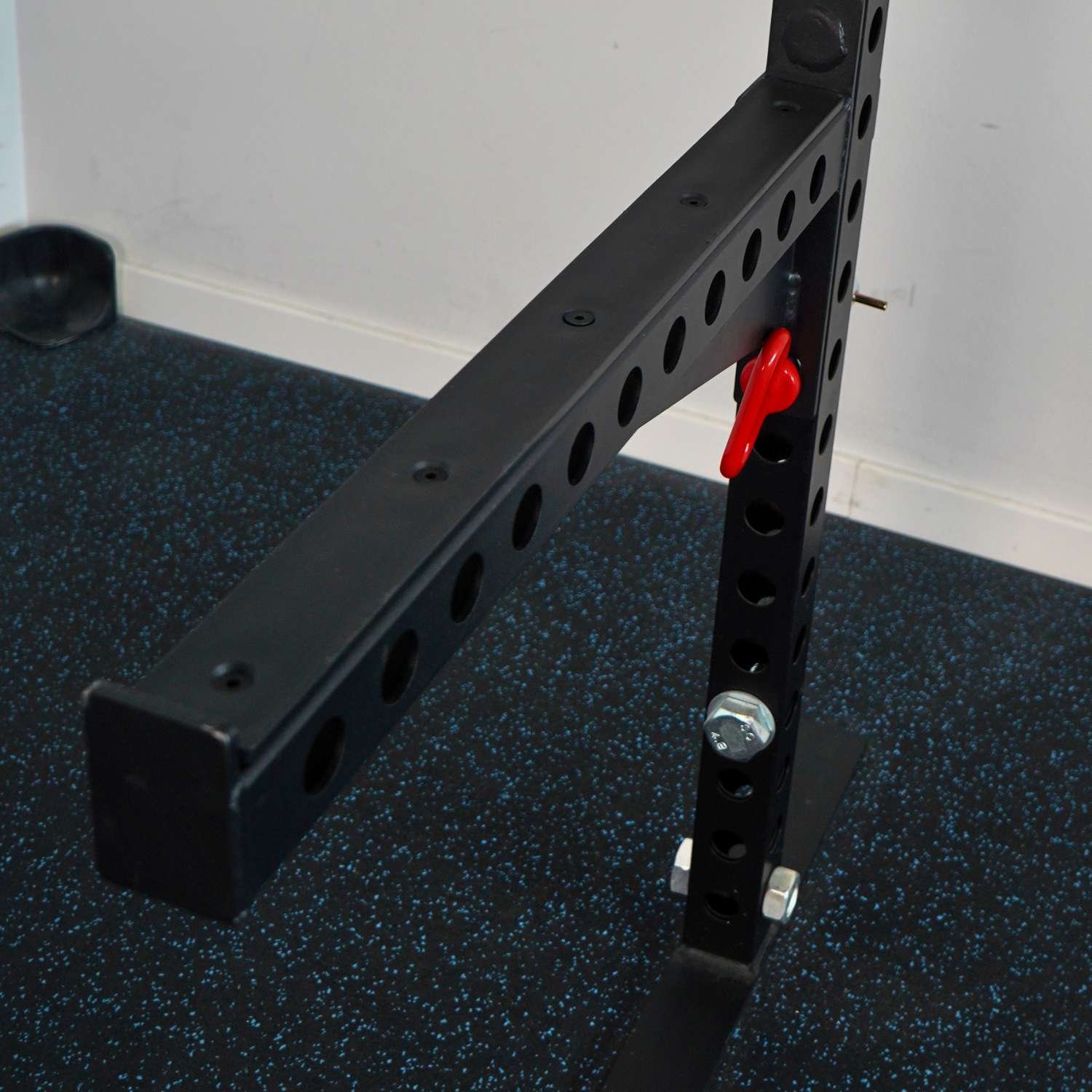
J-cups hold the bar before and after a set. They do not catch a repetition that stops below them. Kensui sells a separate pair of Torii safety spotter arms for the Rack system. Include that distinction when comparing the cost and function of a proposed squat or bench station.
Before loaded training, confirm the approved configuration, placement and limits of the safety equipment. Check that pins and locks engage as instructed and that the intended bar path remains within the catch area. A spotter arm that looks long in a photograph may cover a smaller part of your movement than you expect once the bar is positioned for your body.
For a squat setup, plan both the lift-out and the return. You need room to stand, take your chosen steps and settle into the starting position without contacting other equipment. Keep plate storage away from the path. Practice the sequence unloaded only after the rack is correctly installed, and adjust the layout before adding working weight.
The advertised overall capacity is not a personal test target, a drop-test result or proof of compatibility with an arbitrary accessory. Do not use a marketing rating to justify intentionally dropping a loaded bar onto unverified arms. Where the instructions leave a critical question unanswered, ask for the specific operating limit rather than guessing from the headline number.
The useful comparison with another rack is functional: can your chosen safety arrangement protect the actual lift in the actual room? A larger freestanding cage may solve some problems while introducing others, such as access or floor-space requirements. Compare complete, approved configurations rather than assuming one architecture is automatically right for every lifter.
Powerlifting Shirts & Lifting Gear
Powerlifting shirts and gym gear for squat, bench and deadlift lifters who live for heavy numbers.

My Bench Press Is Stuck Horror Movie Meme Sweater T-Shirt
Show some gym-day personality with “My Bench Press Is Stuck”.

Bench Press and Chill Funny Gym T
Make gym days more fun with “Bench Press and Chill” style.

8 Plates Squat Club : Essential Meme & T-Shirt
Make gym days more fun with “8 Plates Squat Club” style.

Ultimate Bench Press Tee
Heavy lifts, good laughs, and a little “Ultimate Bench Press” energy.

I Love Bench Press Muscle | Heart Plate Gym Vest for Ch Tank Top
Add some lifting attitude to training with “I Love Bench Press”.

Barbell Buddies for Gym Buddies, Friendship, and Liftin Sticker
Put “Barbell Buddies” gym humor on your laptop, bottle, or gym gear.

Therapy Barbell – Lifting Bodybuilding Powerlifting Mem T-Shirt
Rep “Therapy Barbell” humor in and out of the gym.

Coffee Shots & Heavy Squats for Caffeine Fueled Lifting T-Shirt
For laid-back days and leg-day humor: “Coffee Shots & Heavy Squats”.

Nice Rack – Squat Rack Meme & Gymbros Ultimate Top T-Shirt
Heavy lifts, good laughs, and a little “Nice Rack” energy.

Meme : Squat Rack Top Home T-Shirt
Make gym days more fun with “Powerlifting Gym Meme” style.
Measure the bench session, loading access and ownership costs
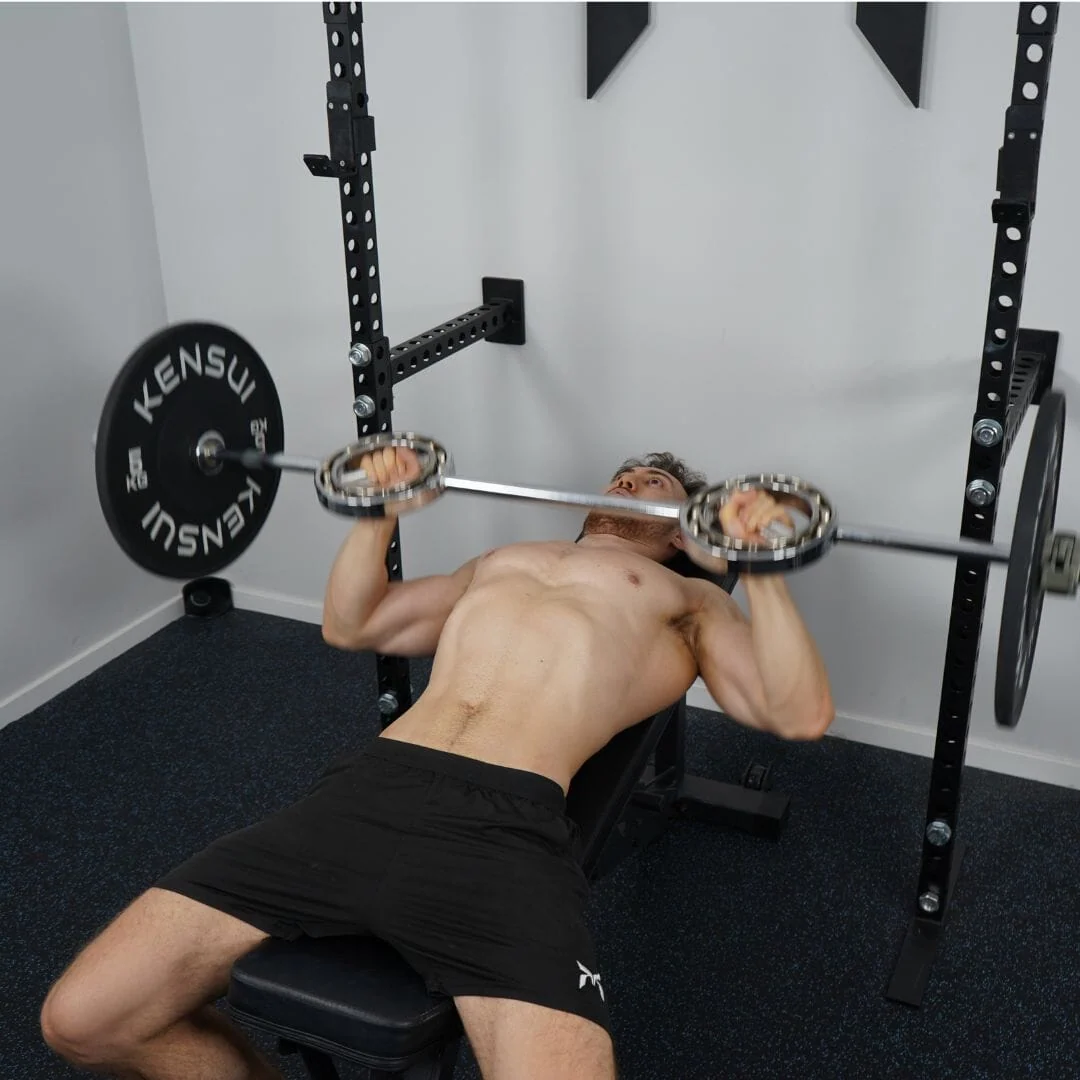
A rack’s parked footprint is only one part of the working area. Tape out the bench, the bar and the space needed to slide plates on and off. Add an entry route for the lifter and somewhere to place unused equipment. If loading a sleeve requires standing in a doorway or moving furniture every set, the plan needs more work.
There is another listing inconsistency to clarify: the compact-footprint claim and the published width-by-depth dimensions do not describe the same area. Ask which measurement refers to the complete installed configuration. Regardless of the answer, the working footprint will include the lifter and equipment extending beyond the uprights.
For bench pressing, check how the bench centerline aligns with the bar and whether the feet, rear support or adjustment mechanism conflict with the rack. Flat and incline positions can place the lifter differently. A bench advertised as adjustable is not evidence that every angle will work inside your chosen rack position.
Build a realistic session plan: park the bench, set the safeties, load both sleeves, enter the bench, lift out, complete the movement and rerack. Then consider how you remove the bench for pull-ups or another exercise. Storage is useful only if the equipment can be moved and returned without creating a new obstacle.
Finally, verify the delivered package and destination-specific costs. Check which parts are included, whether the safety arms are separate, shipping charges, applicable taxes, delivery arrangements and return conditions. Keep the packaging until you have checked the equipment. Broad shipping or trial banners should not replace the checkout terms for your location.
The Torii is worth considering when a correctly approved floor-to-ceiling installation fits the room and the intended training. It becomes a poor purchase when the plan relies on uncertain ceiling construction, optimistic clearance or assumed accessory compatibility. Buy the configuration that passes those checks, then use a repeatable exercise setup to get value from it.
Equipment Worth Exploring
Explore equipment, accessories and gear from our carefully selected range.


FID Bench MAX
Adjustable bench offering flat, incline, and decline positions + adjustable headrest.


Multi Bench MBX-650 2.0
Adjustable multi-bench with roller adjustment, 15 backrest positions and accessory mounts.


Rubber Hex Dumbbells
Rubber-coated hex dumbbell pairs with a stable shape for home and commercial strength training.