Advertising disclosure: This page includes affiliate product links that may earn us a commission, as well as products from our own store.
Should you deliberately stop a bench press before lockout to keep your chest working? New muscle-activity data from 13 men make that question more interesting, but they do not prove that shorter repetitions build a bigger chest. The key is understanding where chest-muscle electrical activity rises and falls, why the same pattern changes on an incline, and when full-range, paused, and deliberately shortened reps each serve a useful purpose.
What the 13-man bench press experiment measured
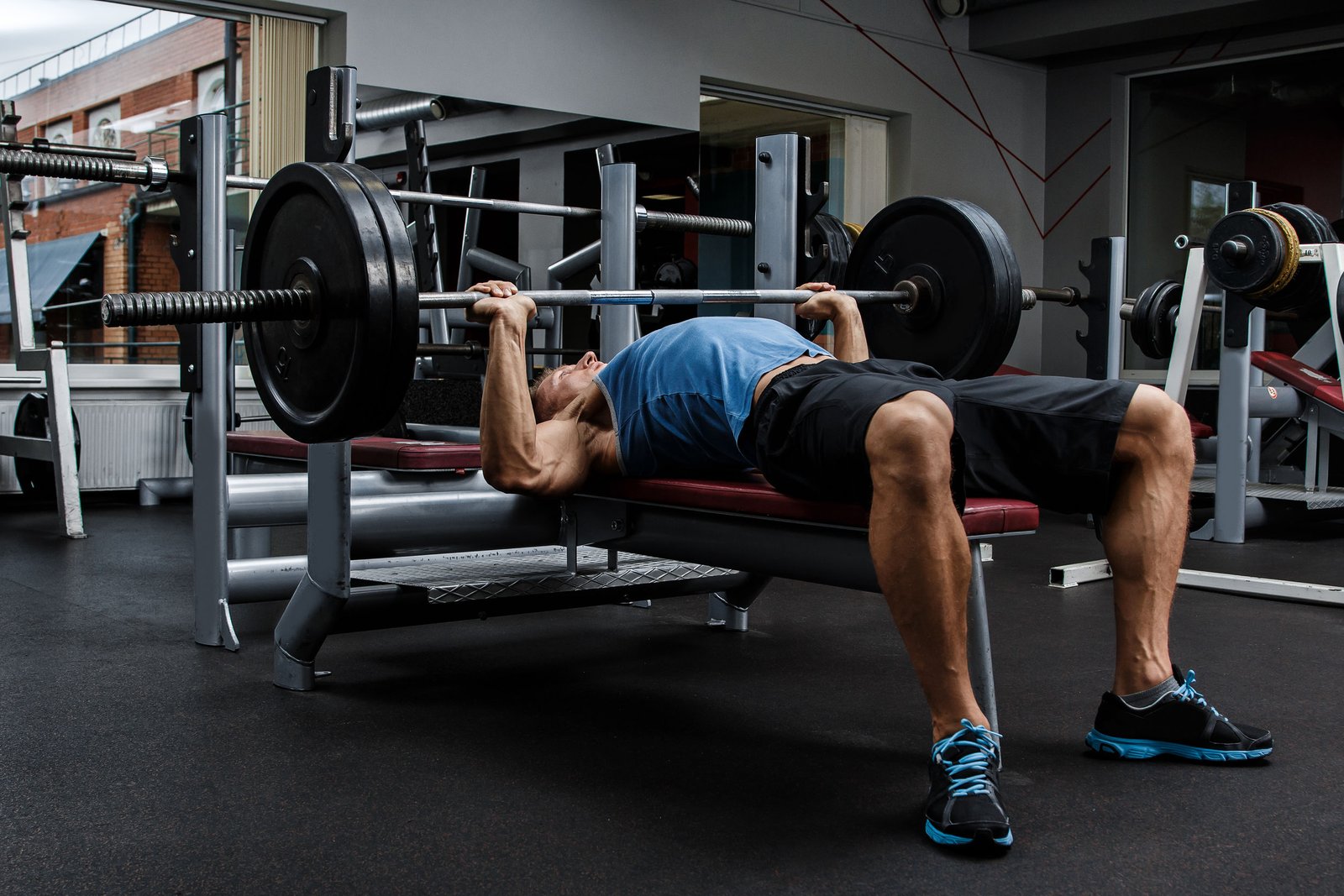
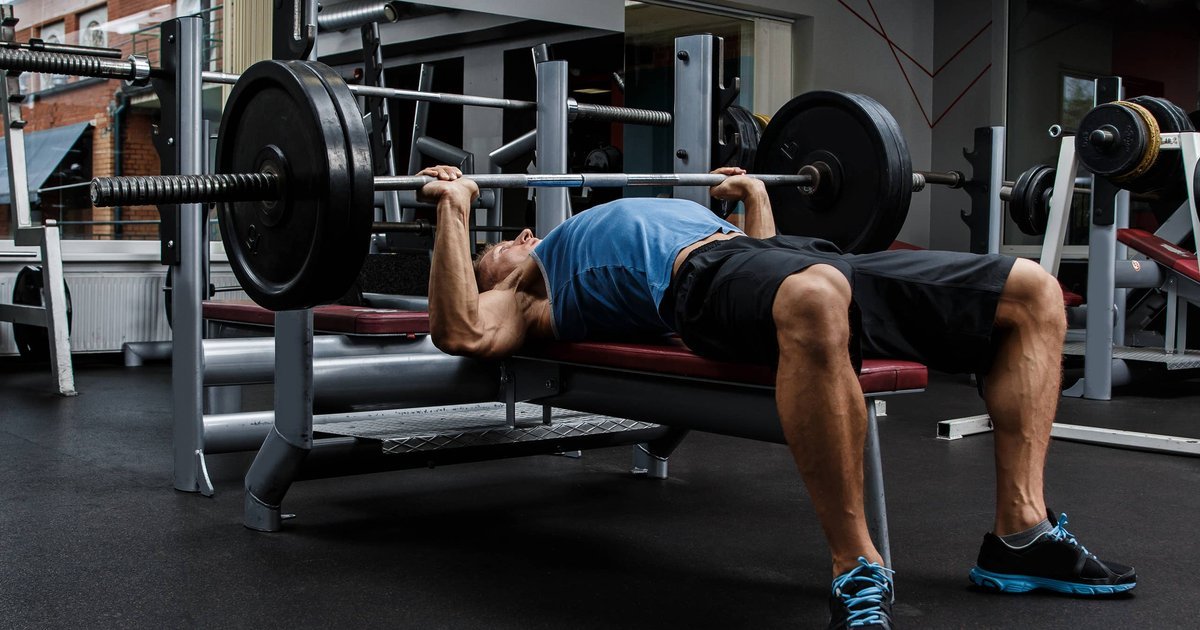
Thirteen men performed a set of repetitions to their prescribed maximum in flat and inclined bench press conditions, using 60% of their individual maximum load. Researchers examined surface electromyography—the electrical signal recorded at the skin—over the clavicular, or upper, and sternal, or middle-lower, regions of the pectoralis major. Instead of averaging every repetition into one number, they separated the upward, concentric part of the press into initial, middle, and final portions. That distinction matters: the chest can contribute differently as the shoulder and elbow angles change.
The experiment compared electrical activity within a repetition, not the results of a training program. There were no groups assigned to lockout-free versus full-range lifting for weeks, no muscle-thickness measurements, and no direct test of which repetition style produces more hypertrophy. Participants were men, the task used one relative loading condition, and the movements were flat and incline presses. Someone training with much heavier loads, a different grip, or a different body shape may show a different pattern.
On the flat press, activity near the end of the upward movement was lower in the clavicular region than in the initial and middle portions; the sternal region likewise showed a lower final value than the middle portion. With the inclined bench, the clavicular region had its highest measured activity in the middle rather than the beginning or end, and the sternal region again declined toward the final portion. These are within-exercise findings, not universal judgments about a rep’s worth.
For a lifter, the useful takeaway is that a completed rep is not one continuous, identical muscular demand. The bottom, middle, and top ask for different relative contributions. But changing your program on the strength of EMG alone would mistake a short laboratory measurement for a long-term outcome.
Why the chest’s job changes from the chest to lockout
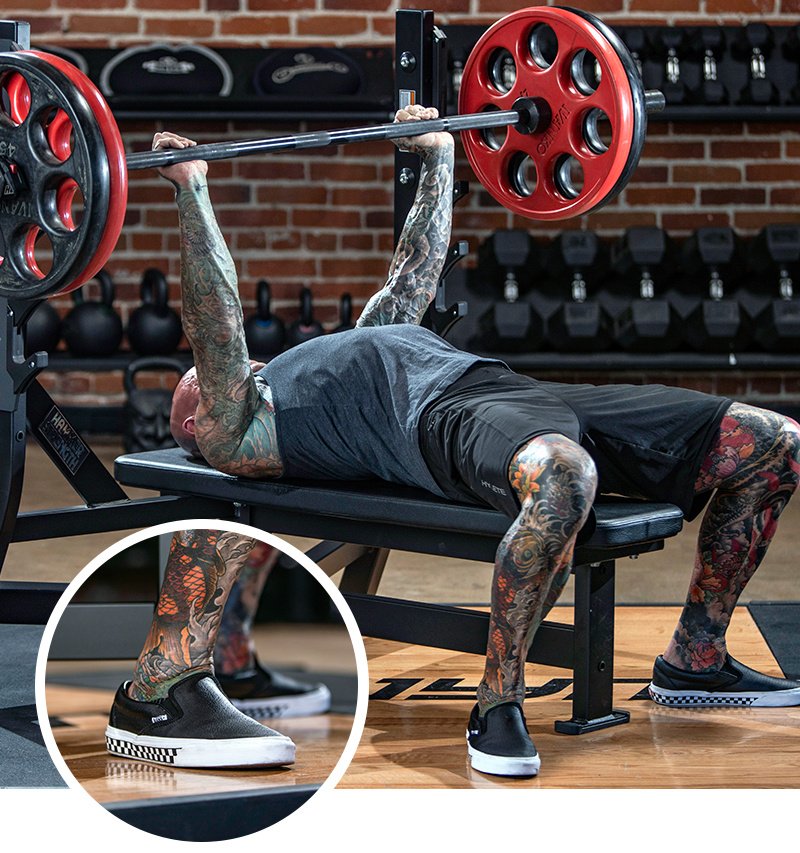
The pectoralis major helps bring the upper arm toward and across the torso. The triceps extend the elbow, while the front shoulder, scapular stabilizers, and other muscles support the overall press. At the beginning of a barbell bench rep the shoulders and elbows are flexed, the bar sits closer to the chest, and the lifter must reverse the direction of a substantial load. As the bar travels upward, joint angles and lever arms change, so the share of work taken by each muscle can shift.
That is one reason a hard lockout can feel more triceps-dominant even when the chest has not stopped contributing. It is also why two people with different arm lengths or touch points can feel dramatically different portions of the press. Shoulder position, grip width, bench arch, and whether the bar moves diagonally toward the rack all affect mechanics. A single muscle-activity figure cannot capture the whole movement.
Surface EMG is useful for observing activation patterns but is an indirect measure. Electrode placement, tissue between muscle and sensor, fatigue, and normalization choices all affect recorded values. A larger signal is not automatically a larger mechanical tension or a better muscle-building stimulus. Tension at long muscle lengths, total hard-set volume, proximity to failure, and the ability to add load or reps over time also influence growth.
If you are stuck at lockout on heavy presses, removing lockout from every working set may hide the weakest part of your lift rather than strengthen it. If your goal is focused chest work after your main pressing sets, a controlled non-lockout variation could instead provide a different sensation without needing to replace your primary movement.

Equipment Worth Exploring
Explore equipment, accessories and gear from our carefully selected range.


FID Bench MAX
Adjustable bench offering flat, incline, and decline positions + adjustable headrest.

Competition Plates
Competition-style bumper plates for Olympic lifts and loaded strength training.

Grip Plates
Rubber-coated weight plates with handholds for loading barbells and machines.
Flat versus incline: what the signals actually suggest
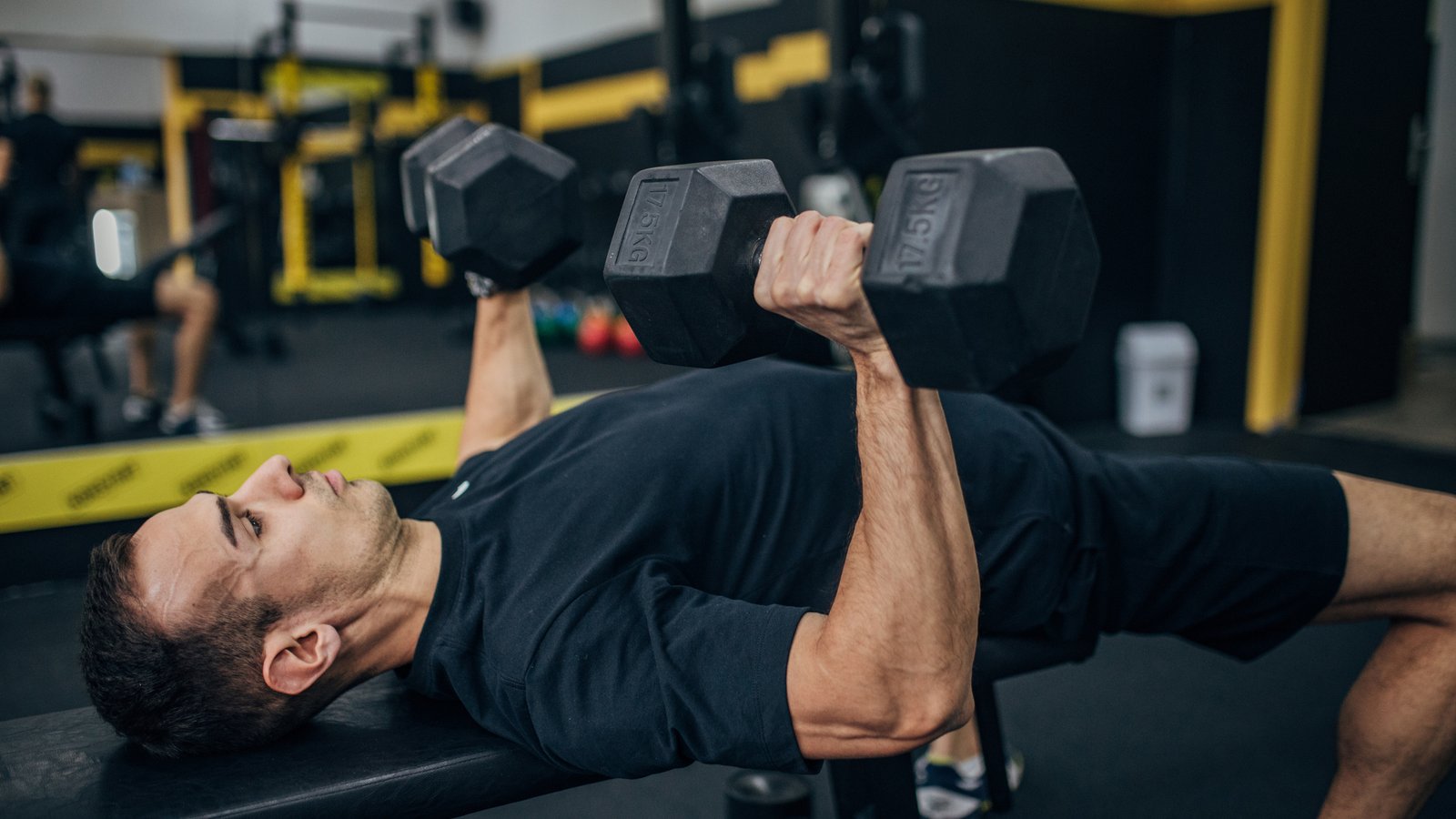
On a flat bench, both measured chest regions showed less activity toward the end of the concentric motion than at one or more earlier portions. During incline pressing, upper-pec activity peaked in the middle portion while the sternal signal was lower near the top. That does not mean the upper chest only works on incline or the lower chest turns off near lockout. Each region can be active throughout the lift even if its relative signal changes.
The bench angle matters because it changes the relationship between the upper arm, trunk, and direction of force. Moderate inclines often make the movement feel more shoulder-heavy and alter the emphasis across upper-chest fibers. A very steep angle may increasingly shift the task toward an overhead-press pattern. It is not necessary to chase a single supposedly perfect angle; a flatter press and a modest incline can offer a straightforward combination of movement patterns.
Use actual performance to choose the angle. Can you lower the bar under control to a repeatable touch point? Can you keep your upper back planted, wrists stacked above the forearms, and shoulder discomfort manageable? If a high incline consistently forces a short range or awkward shoulder position, dropping the bench setting may produce a better quality set even if a separate EMG test favored another angle.
For most lifters, the first priority should be clean reps at a workable angle. Flat bench, a shallow incline, and an occasional dumbbell or machine press are enough variation for a substantial chest program. Rotating angles every workout prevents meaningful comparison; keep your primary variation stable long enough to track progress.

Powerlifting Shirts & Lifting Gear
Powerlifting shirts and gym gear for squat, bench and deadlift lifters who live for heavy numbers.


I Love Bench Press Gym | Funny Bench Press Meme Crewnec T-Shirt
For laid-back days and gym-girl humor: “I Love Bench Press”.


Four Plates Bench Club Tee
Show some powerlifting attitude with a playful “4 Plates Bench Club” tee.

Bench Press and Chill Funny Gym T
Make gym days more fun with “Bench Press and Chill” style.


Squat Bench Deadlift Read Shirt Literary Bookworm Top T-Shirt
Bring “Squat Bench Deadlift Read” humor to your next gym day.

I Love Bench Press Valentine'S Day Meme – Chest Day T-Shirt
Make gym days more fun with “I Love Bench Press Funny Valentine's Day” style.

I Love Bench Press Muscle | Heart Plate Gym Vest for Ch Tank Top
Add some lifting attitude to training with “I Love Bench Press”.
Should you skip lockout to build more muscle?
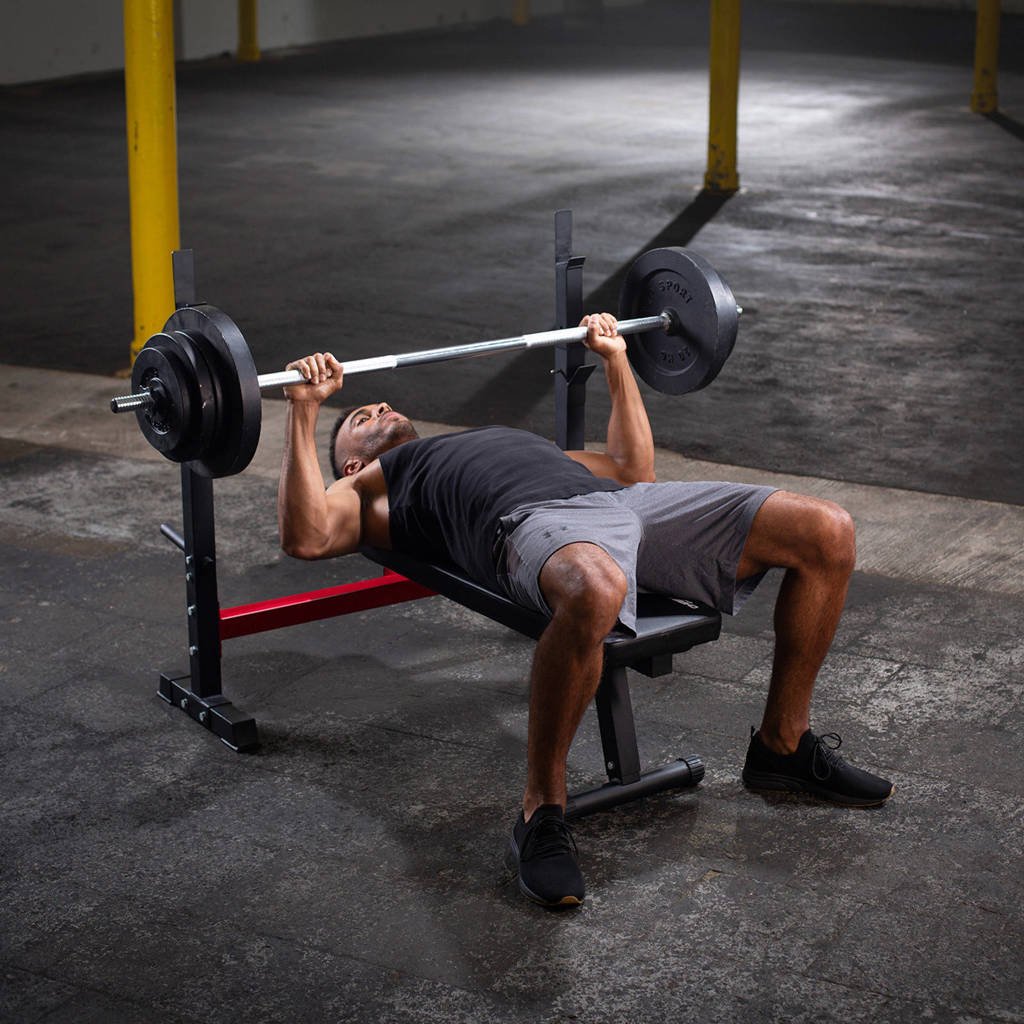
Stopping a couple of centimeters short of full elbow extension can keep a steady feeling of effort through the top of a chest-focused set. That may be a useful technique when using moderate loads, particularly with controlled dumbbells or a well-adjusted machine. But the belief that nonstop tension necessarily produces more growth is stronger than the evidence behind it. You can maintain muscular tension while moving through the entire available range, and you can also make partial reps too short to be useful.
Long-term bench-press research has compared full with shortened ranges over roughly ten weeks and found more broadly transferable neuromuscular improvements after full-range training. That result addresses strength and performance adaptations rather than proving that every full-range rep produces more pectoral hypertrophy. It does, however, provide a reason not to discard the complete press on the basis of one acute EMG experiment.
Partial repetitions also differ dramatically depending on where they are performed. Bottom-half pressing challenges a stretched chest and the initial drive off the chest; top-half pressing can overload the final elbow-extension phase; a short midrange pulse emphasizes yet another joint position. Treating these as one category called ‘partials’ obscures the actual stimulus. Some studies on other movements suggest long-muscle-length partials can be useful for growth, but that principle cannot simply be assumed to settle this specific bench-press question.
Try keeping full-range barbell benching as your main progressive exercise, then experiment with a final controlled chest-focused accessory set that avoids relaxing at the top. Keep the load modest enough to make the range intentional, not a failed attempt to finish the rep. If that technique causes shoulder pain or makes rep counting impossible, abandon it; consistent hard sets are more important than a fashionable range trick.
Make every bench rep repeatable before changing the range
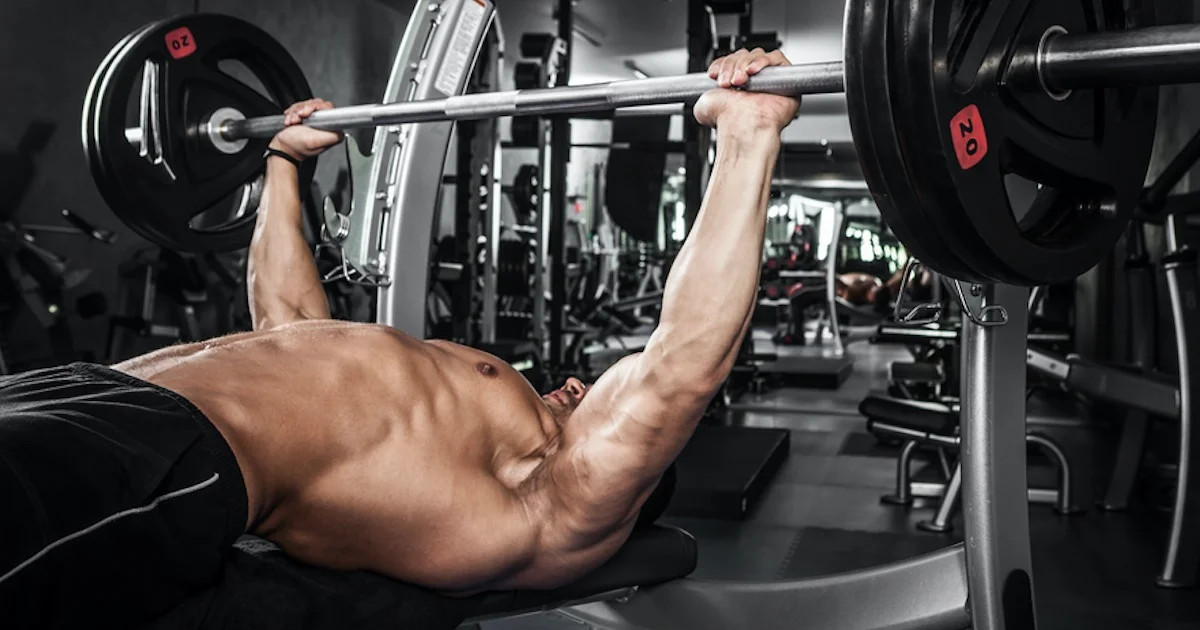
Start with a stable bench position: feet planted where they allow leg drive without lifting your hips, upper back held against the pad, and shoulder blades set in a position you can maintain. Your exact grip width should leave the forearms reasonably vertical near the bottom and the wrists stacked, rather than bent sharply behind the bar. Do not force an extreme elbow flare or tuck; a controlled angle that lets you press hard without pain is the better reference point.
Unrack without losing upper-back pressure. Lower the bar deliberately toward a consistent point on the lower or middle chest, then press upward with intent while keeping your torso stable. Many lifters naturally drive slightly toward the shoulders as the bar rises, rather than straight up from the chest. The aim is not to imitate a single rigid bar-path drawing but to avoid letting fatigue turn each repetition into a different exercise.
For chest-focused training, pause briefly at the bottom or use a controlled eccentric to establish honest depth. Count a repetition only if it meets the chosen range standard. Avoid bouncing the bar, lifting your hips, or collapsing your shoulders to get extra repetitions. These changes can be far larger than the subtle muscle-activity differences you are attempting to exploit.
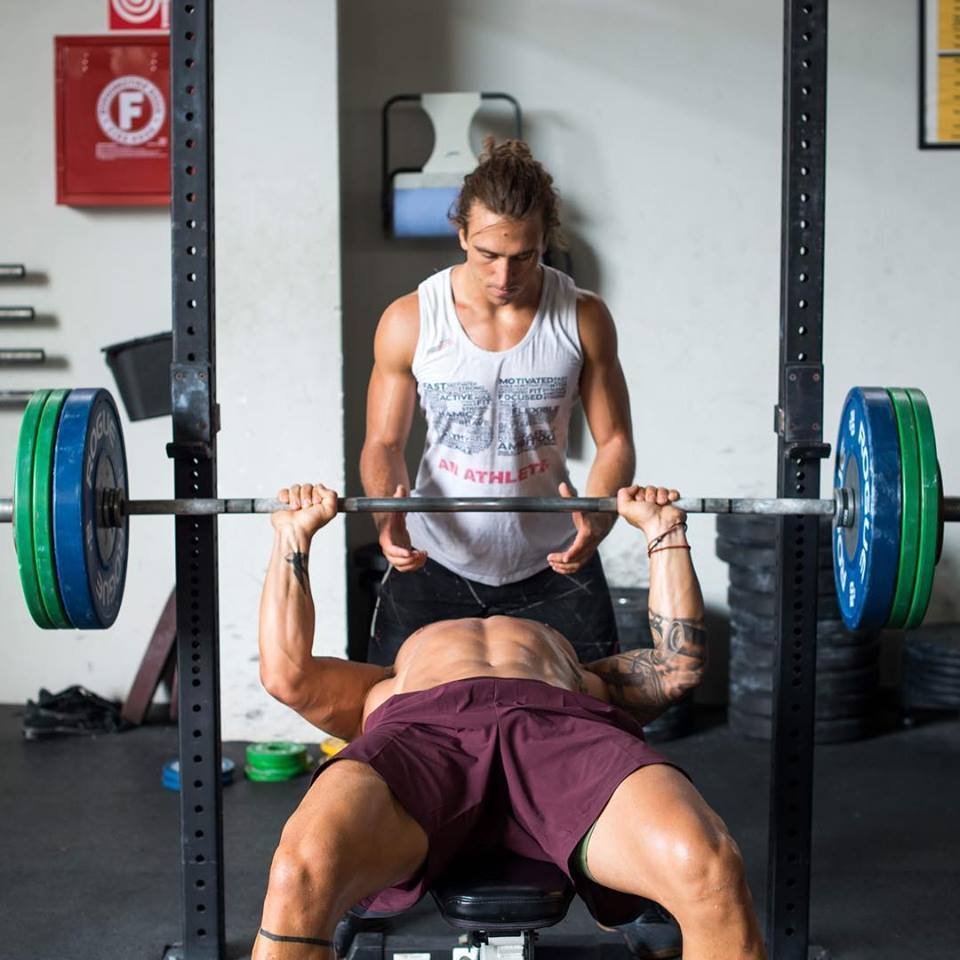
When training alone, use a rack with correctly set safeties or a machine with a reliable stop. The EMG discussion does not justify doing deliberately incomplete heavy barbell reps without protection. A spotter should understand your planned repetition range so they do not mistake an intentional short lockout for a failed lift.
Equipment Worth Exploring
Explore equipment, accessories and gear from our carefully selected range.



Rubber Hex Dumbbells
Rubber-coated hex dumbbell pairs with a stable shape for home and commercial strength training.
VOLTRA
Compact digital cable trainer with smooth, adjustable resistance.

GymPin D Cuffs
Adjustable wrist cuffs with textured grips for supported cable-machine exercises.


Foldable Wall Rack
Wall-mounted folding squat rack designed to save floor space between workouts.

A four-week plan for strength and chest emphasis
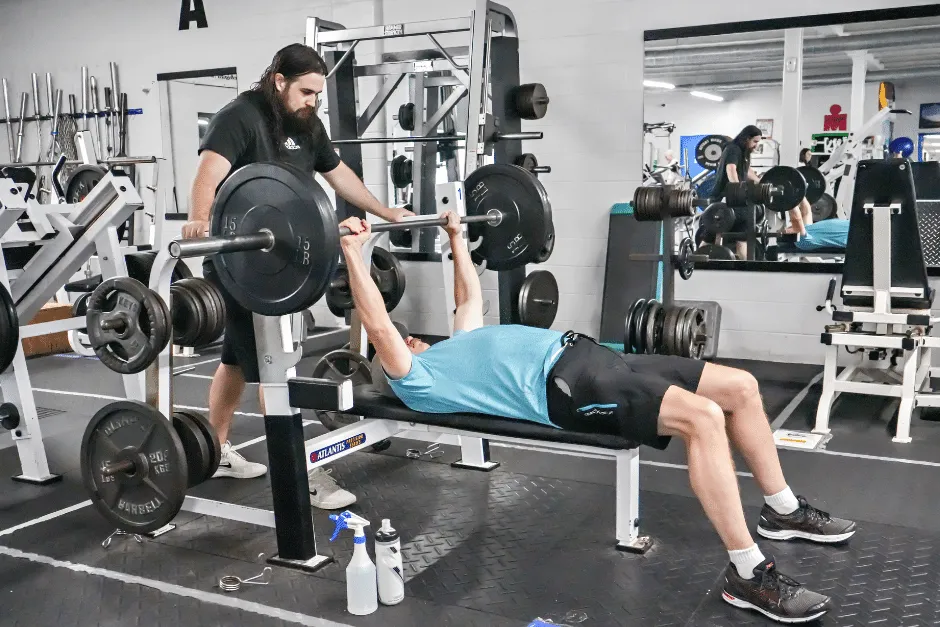
Use two weekly pressing exposures separated by adequate recovery. On the heavier day, perform three to four sets of flat barbell bench press for four to six clean repetitions, leaving about one or two repetitions in reserve. Follow with two to three sets of a moderate incline dumbbell press for eight to twelve repetitions. This day practices a consistent full range while allowing a second angle for upper-body development.
On the second day, make the incline press the first movement for three sets of six to ten, then add a machine chest press or dumbbell press for two to three sets of ten to fifteen. On the final accessory set only, you may test a controlled stop just before the elbows fully extend, provided the remaining range is substantial, the joints feel good, and you keep the technique consistent. There is no need to turn each set into a continuous pulse.
In week one, choose loads that leave a couple of good repetitions in reserve. In week two, try to add a rep without compromising the bar path. In week three, add a small amount of load once you reach the top of the rep range across your sets. In week four, maintain or slightly reduce the load if pressing quality has deteriorated. Track repetitions, load, range, and any shoulder symptoms; a vague report of ‘more chest burn’ is less informative than repeatable progress.
The plan is an example, not a universal prescription. If you already do substantial dips, overhead pressing, or hard triceps work, reduce total pressing volume rather than automatically adding these sets. If your bench has stalled because sleep, recovery, or elbow discomfort is limiting you, a new partial-rep trick is unlikely to be the missing solution.
Bodybuilding Shirts & Workout Gear
Bodybuilding shirts, tanks and gym gear for lifters chasing muscle, size, symmetry and the pump.


My Bench Press Is Stuck Tee
Heavy lifts, good laughs, and a little “My Bench Press is Stuck Funny Horror” energy.

The Chestfather Arnold – Big Chest , Meme Shirt, T-Shirt
Bring “The Chestfather Arnold” humor to your next gym day.


Chest Day Sweater Bench Press & Meme T-Shirt
Add a playful “Chest Day” touch to your casual rotation.

I Love Bench Press | Black Heart Weight Plate Graphic S T-Shirt
Show some powerlifting attitude with a playful “I Love Bench Press” tee.

Drake Take Care gym parody
Bring “Swole Drake Take Care Parody” humor to your next gym day.

Gym Dost Thou Even Fly Medieval Knight Chest Fly Muscle Tank Top
Bring “Dost Thou Even Fly Medieval Knight Chest” humor to your next lifting session.

Kanye Chest | Bodybuilding Parody Decal | Chest Day Wor Sticker
Stick a little “Kanye Chest” humor on your favorite gear.

Kanye Chest | Bodybuilding Rap Parody Pullover | Chest Hoodie
Bring “Kanye Chest” gym humor to lazy days and post-workout plans.
The practical verdict: keep full reps, use partials deliberately
The 13-man experiment makes a credible point: the electrical activity of the chest varies across a press, and it generally fell near the finish of the tested upward movement. That is worth knowing if you want to understand why the bottom, midpoint, and lockout can feel different. It does not establish that stopping early causes faster chest hypertrophy or that fully straightening the arms is counterproductive.
Use full-range pressing for the foundation of strength, skill, and measurable progression. Add a moderately inclined variation if it feels productive, and use an occasional intentionally shortened accessory set when the purpose is clear. Make partials an optional tool, not a replacement for controlled depth, adequate effort, and a program that you can recover from.
The best personal experiment is simple: keep the same equipment, load range, and progression rule for several weeks, and track whether your chest-focused sets improve without joint irritation. If the shorter finish helps you feel the target muscle and maintain quality, it can stay. If all it does is inflate a rep count with tiny movements, return to honest full repetitions.
Ultimately, building a stronger bench and a bigger chest requires more than targeting the point of highest EMG. It requires sufficient hard training, good technique, repeatable movement standards, progressive overload, and patience. The most useful result of this research may be a clearer understanding of the lift—not a mandate to change every repetition you perform.