Advertising disclosure: This page includes affiliate product links that may earn us a commission, as well as products from our own store.
Jake Dearden’s HYROX advice is useful because it makes the race sound like a training problem you can organize. Running, strength and station skills all need a place in the week. The challenge is deciding what deserves your limited time when you already enjoy lifting and would happily postpone another run.
In an October 2023 interview, Dearden emphasized a tailored plan, attention to weaknesses and enough recovery to keep training productive. His example combined lower-body strength, race-specific conditioning and different types of running. Those are useful principles to examine, rather than a current account of his training or a schedule every reader should copy.
Below is MMP’s practical interpretation: how to turn that broad approach into decisions about your own preparation. The examples are planning illustrations, not Dearden’s prescribed sessions or a tested race program.
Give running a job in the week
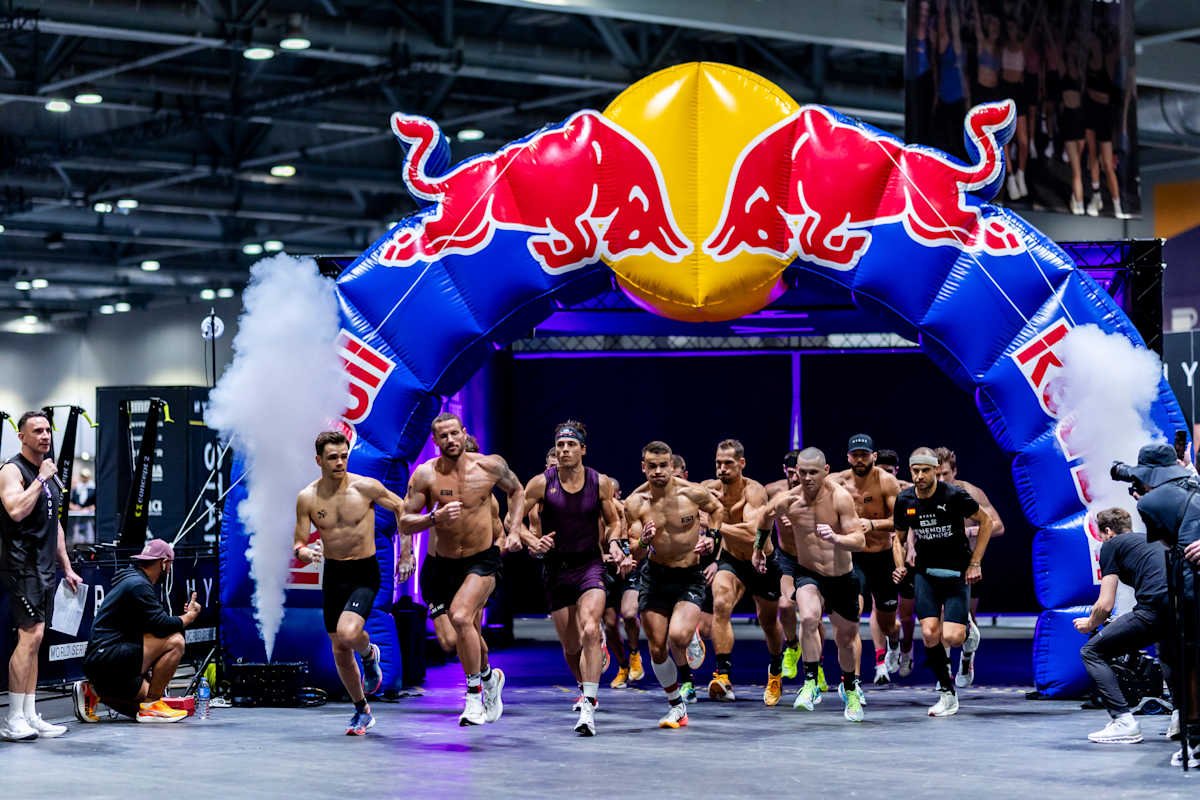
The current singles format includes eight running segments totaling 8 km, interspersed with eight workout stations. That makes running a substantial part of the task even for someone whose biggest concern is moving the sled. Start your planning with the activities you can repeat consistently, then examine where the race asks for something you rarely practice.
A lifter’s training diary might show four enjoyable gym visits and one run that gets canceled whenever work runs late. Labeling the next block “hybrid training” changes little if that pattern survives. Put the run in a real calendar slot, choose a route or machine you can access, and decide what the session is supposed to accomplish before starting.
For an established runner, one outing might simply maintain comfortable running, while another develops a specific pacing skill. A beginner may need a much smaller starting point. A session should fit the runner’s current ability; a kilometer interval mentioned by an accomplished athlete does not establish an appropriate first workout for someone returning after a long break.
Keep a distinction between running practice and a hard mixed circuit. In a circuit, the excitement often comes from changing exercises. A steady run asks you to stay with one task. Both can have a place, but recording them as separate session types makes it easier to see whether the activity you tend to avoid is actually happening.
For a simple pacing illustration, imagine a familiar route with two comparable loops. Record the time for each and a brief note about how controlled the effort felt. If the first loop is enthusiastic and the second becomes a survival exercise, the useful question is what you could change about the start. This is an observation exercise, not a race-pace prediction.
Your notes should also identify the conditions: indoors or outdoors, hills, stops and unusual weather. A faster time on a different route may be enjoyable without proving a fitness improvement. Make comparisons between similar sessions when you can. That gives the next training decision a more useful basis than whichever number happened to look best on the watch.

Cardio Shirts & Workout Gear
Cardio and conditioning gym gear for runners, endurance athletes and anyone who earns the sweat.

Hybrid Athlete – HYROX Training Crewneck for Strength & T-Shirt
Show some gym-day personality with “Hybrid Athlete”.


Running Dost Thou Even Trot Medieval Treadmill Pullover Hoodie
Show off your medieval humor in a laid-back “Running” hoodie.


Cardio Is Hardio – Workout Meme Vest Muscle Shirt For S Tank Top
Add some cardio attitude to training with “Cardio Is Hardio”.

Cardio Is Calling Decline Decal Water Bottles Meme Sticker
A fun “Cardio Is Calling” touch for bottles, laptops, and lockers.

Anti Running Club Tee
Heavy lifts, good laughs, and a little “Anti Running Running Club” energy.

Straight Outta Shape – Out Of Shape Meme T-Shirt
Add a playful “Straight Outta Shape” touch to your casual rotation.

Cardio Sucks Negative Review 1 Star Hooded Hoodie
Show off your cardio humor in a laid-back “Cardio Sucks” hoodie.

Meme Shirt – Two Things I Like Lifting Weights Not T-Shirt
Make gym days more fun with “Two Things I Like Lifting Weights Not” style.
Separate general strength from station practice
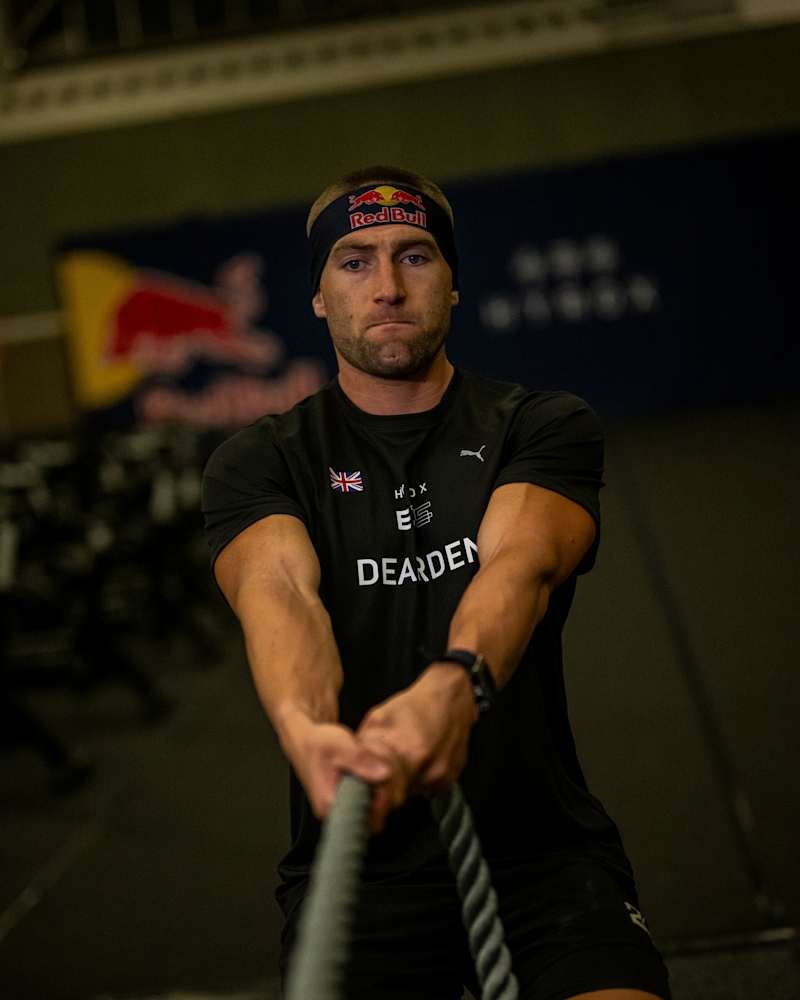
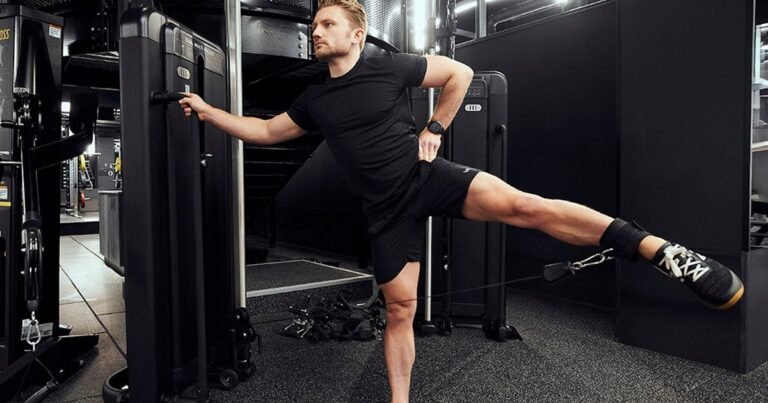
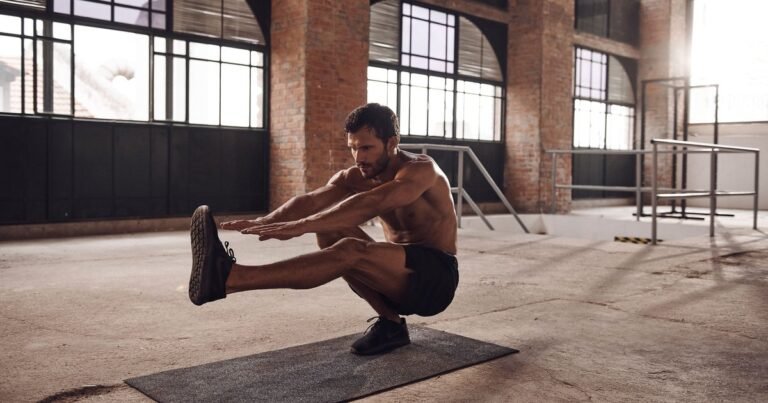
Dearden’s earlier example included squats and unilateral leg work alongside more specific conditioning. The practical distinction is the purpose of each session. A squat session can develop general strength; learning how to manage a particular sled, rope and course setup is a separate task. Keeping those purposes clear helps you choose equipment and judge progress honestly.
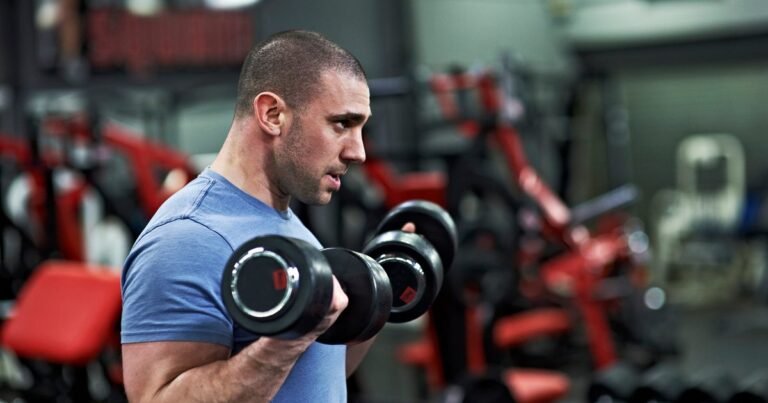
Consider a trainee who already has a reliable dumbbell session. There is no obvious reason to replace every familiar exercise with a race-themed variation. A better first question is which current exercises still serve the plan, and which missing skills require dedicated practice. That approach leaves room for the lifting you enjoy while giving the event specific preparation time.
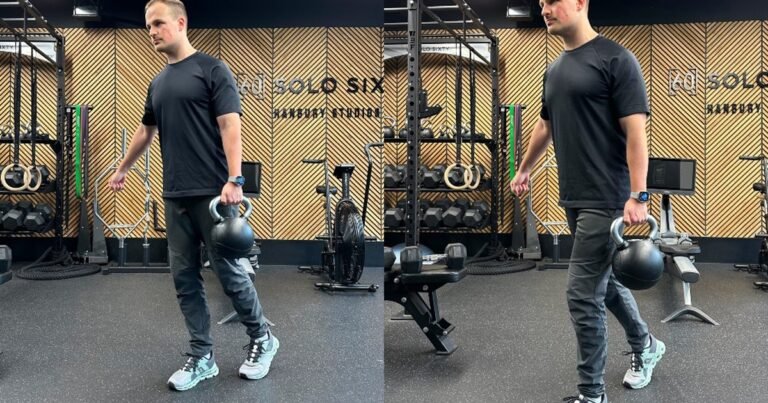
Free weights offer different ways to organize that general strength work. Dumbbells and kettlebells can suit loaded lunges and carries; a barbell or suitable squat bar can support squat training. Trap-bar work offers another loading arrangement. Choose among those options around the exercise, available space and your ability to handle the equipment, rather than treating a long equipment list as a prerequisite.
Record the actual setup. A pair of fixed dumbbells, an adjustable kettlebell and an open trap bar create different tasks even when a label shows a similar total load. Comparing them as if they were identical can make a diary confusing. For barbell work, include the bar, plates and collars in the equipment plan, and keep the training area appropriate for the exercise.
Research on concurrent training gives a reason to avoid the idea that adding endurance automatically cancels your lifting progress. A meta-analysis of 43 studies found no overall compromise to maximal strength or whole-muscle growth compared with strength training alone, although explosive-strength gains could be reduced, particularly when the modes shared a session. That finding supports combining goals thoughtfully; it does not validate a particular HYROX schedule.
A useful planning question is therefore what quality you want from each visit. If a heavy strength session is the priority, give it enough time and attention to remain a strength session. If the priority is practicing running after station work, call that a mixed practice session and judge it on that basis. One appointment does not need to prove every quality at once.

Equipment Worth Exploring
Explore equipment, accessories and gear from our carefully selected range.


Cast Iron Kettlebells
Textured cast-iron kettlebells for swings, squats, carries, and full-body training.


Rubber Hex Dumbbells
Rubber-coated hex dumbbell pairs with a stable shape for home and commercial strength training.


Practice the version a judge can count
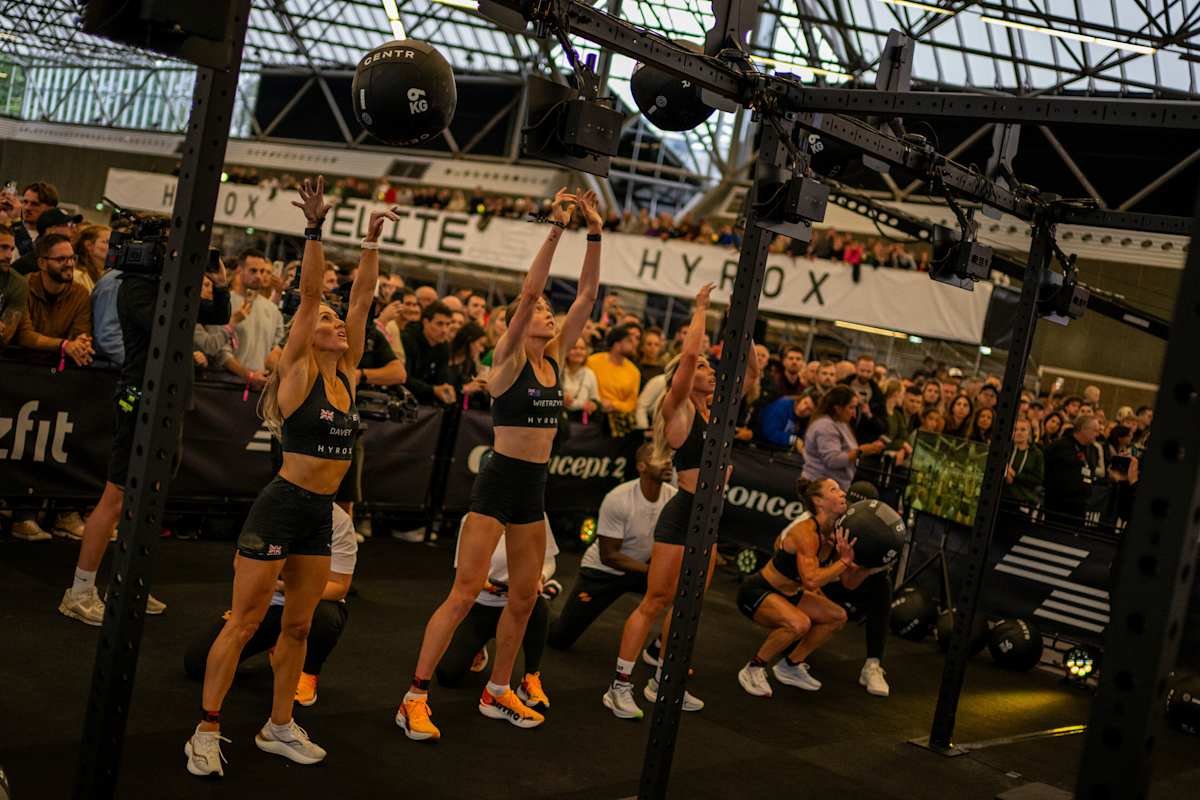
Movement standards make the difference between completing an exercise in your own gym and completing the event’s task. Before adding speed, read the current rulebook for your format and division. Old videos and past training advice can still be useful, but they may describe a different season or provide only part of the standard.
For example, the 2026/27 singles rulebook specifies 100 wall balls, with the appropriate ball and target determined by division. It also requires each sandbag lunge to finish with the hips and knees fully extended. These details are reasons to check the current document rather than carry forward the interview’s older wall-ball counts.
Build a small practice checklist from the relevant standard. Write the movement, your training load, the feature you are checking and the way you will observe it. For wall balls, you could ask a training partner to watch a short set against the stated standard. The aim is to identify uncertainty early, while there is time to adjust the session.
Keep the observation specific. “Looked good” is less useful than “I could not consistently tell whether the required depth was reached.” That note tells you what needs another look. A phone recording can help you review your own movement, but a training recording is not an official ruling and should not be treated as one.
The same care belongs in equipment comparisons. A wheeled resistance sled is a training option, not a guarantee of the feel of a competition sled on a different surface. A ski trainer or rower may support practice, but machine settings and hardware should be recorded. A curved runner and a walking-focused treadmill also serve different purposes. Buying a machine does not establish race equivalence.
Choose tools around the gap you have identified: access to running, repeated pulling practice, sled work or wall-ball skills. Bikes, climbing machines and ropes can provide other conditioning options, but those activities do not replace learning the actual race movements. The equipment options below are comparisons for building a training space, not a list of products used or endorsed by Dearden.
Equipment Worth Exploring
Explore equipment, accessories and gear from our carefully selected range.


Pro Sled System
Heavy-duty push-pull training sled for loaded conditioning, speed, and strength work.

Competition Wall Ball
Competition-style weighted wall ball for HYROX, wall-ball shots, and functional conditioning.


Build a week you can repeat
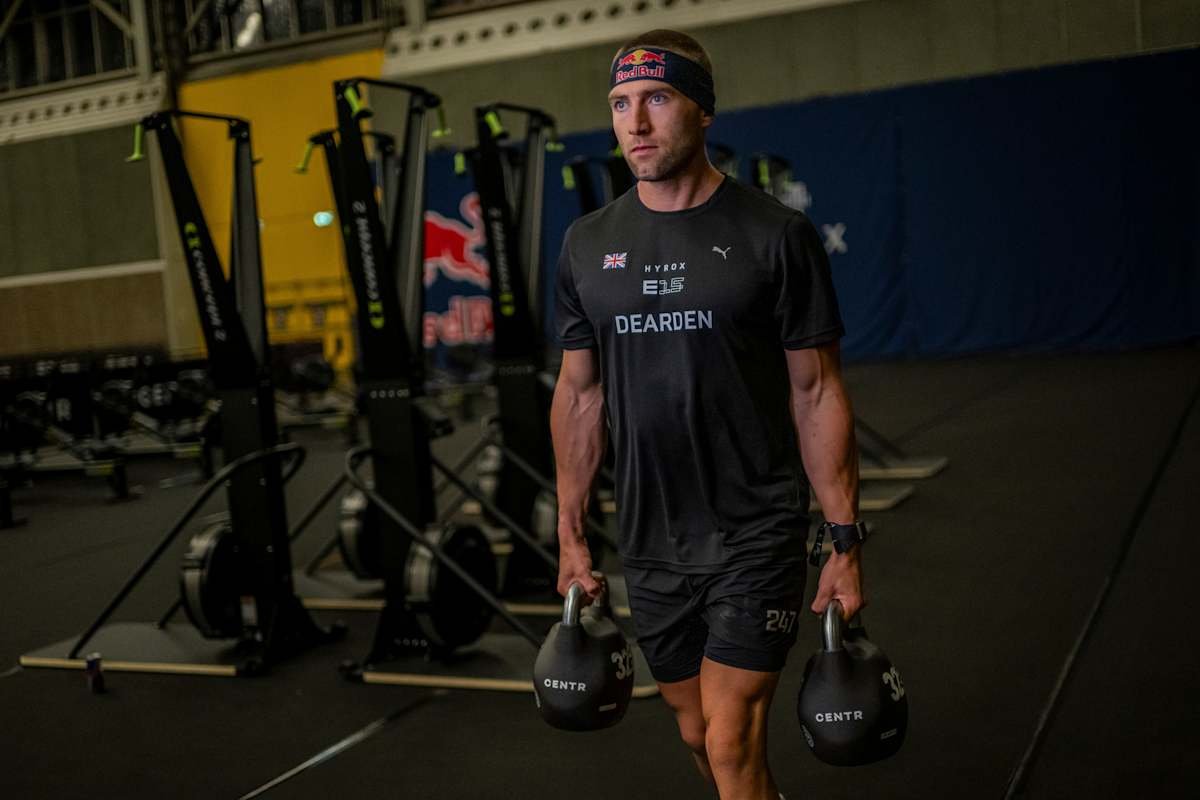
An ambitious plan can look balanced on paper and still be impractical. Start by listing the training appointments that reliably survive a normal week. Include travel and setup time. A session requiring a special facility across town has a different practical cost from a run outside your door, even if both occupy the same number of minutes in a spreadsheet.
Use those appointments to assign purposes before filling them with exercises. You might reserve one for familiar strength work, another for running, and another for selected station skills. That is a way to organize priorities, not a claim that three sessions prepare everyone for a race. The amount of work needs to follow your starting point, event demands and available recovery.
For a concrete diary example, suppose you planned a carry-and-run practice but arrive with sore legs and little sleep. Record what you actually did instead of preserving the original session on paper. A shorter skills visit, an easier outing or rest produces different information. Honest records help you see whether a plan fits your life; a perfect-looking diary of unperformed sessions cannot do that.
General resistance-training guidance also emphasizes consistency and individual goals rather than a rigid universal routine. That is relevant here because the most elaborate hybrid plan can become difficult to sustain. The goal of a schedule is to make useful work repeatable, with adjustments when the real week differs from the planned one.
Keep the training log small enough that you will use it. Date, session purpose, work completed and a brief effort note may be enough to start. Add a specific technical observation when needed. If you miss a session, record the reason plainly. After a few weeks, recurring problems such as travel, session length or access to equipment should be easier to identify.
Then change one practical bottleneck. That could mean moving the running appointment, shortening a visit that always overruns, or arranging occasional access to the equipment you lack. Avoid rewriting the whole plan after every disappointing day. A manageable adjustment gives you a clearer chance to judge whether it helped and whether you can keep doing it.
Functional Fitness Shirts & Workout Gear
Functional-fitness shirts, tanks and workout gear for athletes who train strength, conditioning and everything in between.

Hybrid Athlete – Strength & Endurance Gym Pullover for Hoodie
Keep it laid-back with a little “Hybrid Athlete” attitude.


High Rocks HYROX Decal Water Bottles, Laptops & Sticker
A fun “High Rocks” touch for bottles, laptops, and lockers.

Anti HYROX HYROX Club Meme Shirt Gymbro T-Shirt
Make gym days more fun with “Anti HYROX HYROX Club” style.


Feminist Gym For Strong Women | Break The Stereotype Fu Hoodie
Keep it laid-back with a little “Feminist” attitude.

Gym Equation Kettlebell Happiness Muscle Shirt for Lift Tank Top
Show some personality between sets with “Gym Equation”.

Muscle Mommy Pink Kettlebell Gym Decal for Women, Lifte Sticker
Put “Muscle Mommy” gym humor on your laptop, bottle, or gym gear.

Burpees Bad Breaking Bad Shirt – Meme & Cardio Haters T-Shirt
Show some cardio attitude with a playful “Burpees Bad Breaking Bad” tee.
Arrive with a clear plan, then learn from the race

Dearden’s older interview also described reducing work before competition and focusing on technique and transitions. The enduring planning question is what still needs practice near the event and what would simply add fatigue. An athlete’s personal final-week example is context, rather than a universal percentage or a last-minute fitness shortcut.
Taper research in endurance athletes supports reducing training volume before competition, but it does not supply a ready-made prescription for every HYROX participant. A 2023 review included 14 studies and found improvements in time-trial performance with tapering. Its population and events matter: applying the idea to a mixed running-and-station race still requires judgment about the individual.
Use the final preparation period to remove avoidable uncertainty. Check the event information, your division and the route through the venue. Know what equipment or clothing you intend to bring, and avoid relying on an untested setup simply because it arrived in time. Make a short list that you can follow when race-day excitement makes ordinary details easier to forget.
A practical race note can contain three headings: start, stations and review. Under start, write the pacing intention you have practiced. Under stations, write a small number of useful reminders from training. Under review, leave space for what actually happened. Keep the note short enough to remember; it should support decisions rather than become another demanding task.
Afterward, distinguish observations from explanations. “I stopped twice during the carry” is an observation. “My grip is the only thing holding me back” is an interpretation that needs more context. Look at the surrounding running, earlier station work and the choices you made. A result can identify questions without immediately proving which part of training caused them.
Choose one clear priority for the next block and retain the parts of preparation that worked. That might mean more reliable running, better standards practice or a simpler weekly arrangement. Dearden’s advice provides a useful starting point for that conversation. The valuable outcome is a plan you understand well enough to adapt, and a training record that helps you decide what to do next.