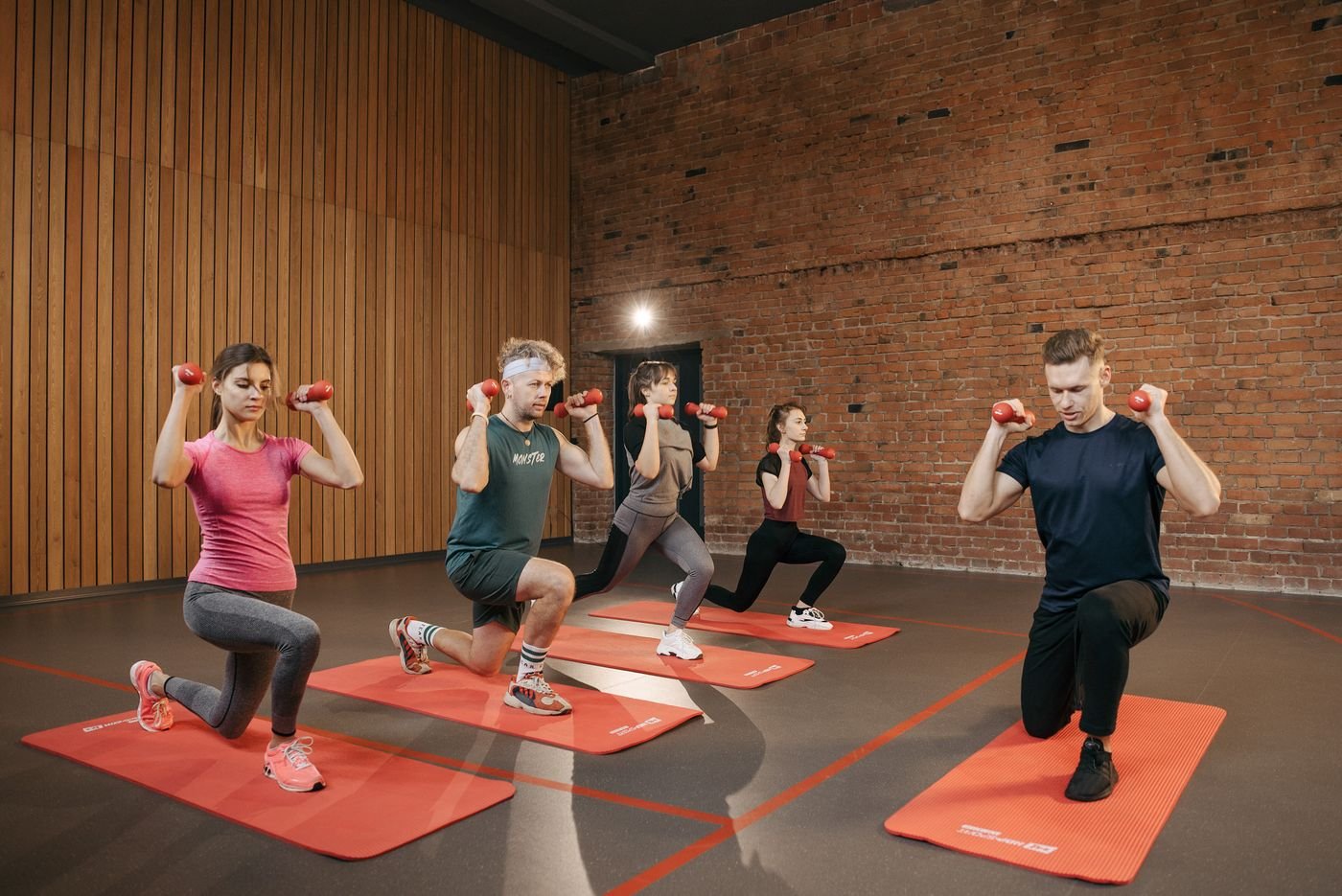
Five full-body workouts in a week sound like a recipe for permanent soreness. They do not have to be. The useful idea behind high-frequency training is to divide a sensible weekly workload into smaller sessions, rather than add more work every time the calendar gains a training day. A recently refreshed five-day program has brought that approach back into focus. The real question is whether more frequent exposure improves your training quality enough to justify the extra visits.
1. What five-day full-body training actually changes
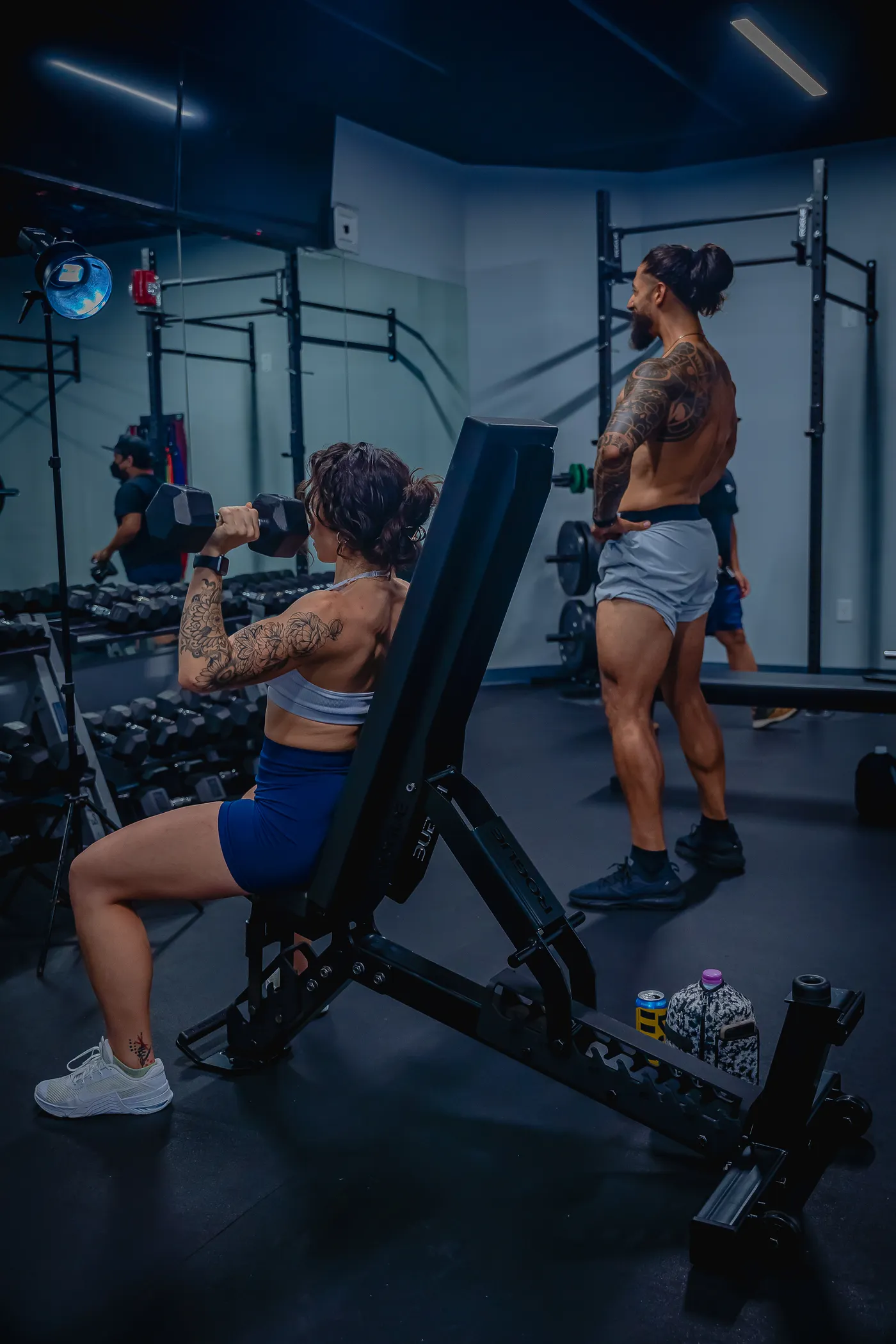
A full-body routine usually means training the major movement patterns in each session rather than assigning one day to chest, another to back and another to legs. The high-frequency version takes that idea further: five sessions per week, with the same muscles revisited frequently but less work for each muscle in any single workout. It can look demanding on a calendar while remaining manageable in practice. The crucial variable is how much work accumulates over the entire week.
Consider someone performing 12 challenging sets for the quadriceps each week. They could complete six sets on Monday and six on Thursday, or distribute them as two or three sets across five days. The latter schedule does not magically produce more training stimulus simply because the gym door opens more often. It spreads a similar dose into smaller portions. That distribution may make individual sets feel sharper, particularly when long sessions otherwise cause technique or effort to deteriorate.
Frequency also has two meanings. Session frequency is how many times a person trains each week. Muscle frequency is how often a particular muscle receives meaningful work. A five-day plan can train some muscles three times and others five times. Counting only calendar visits can conceal those differences, so any sensible comparison begins with weekly sets, exercise selection and how close sets come to failure.
Five sessions are not inherently superior to three. They are an organizational choice for experienced lifters who enjoy short, frequent sessions, have predictable schedules and can regulate fatigue. A lifter who misses two days every week may make faster progress with three reliable workouts than with an ambitious plan that constantly needs rescuing.
2. Weekly volume matters more than the calendar
The main hypertrophy question is not how many times a muscle appears in the workout log, but whether it receives enough productive work and can recover from that work. Research comparing different frequencies while matching weekly training volume has generally found little consistent additional muscle-growth benefit from simply adding sessions. That does not mean frequency is irrelevant. It can make a desired weekly volume easier to perform with good execution and less fatigue per workout.
Imagine a chest program with 12 weekly working sets. In a two-day split, six sets per session might include bench pressing, incline pressing and a fly. In a five-day arrangement, the same total might be distributed as three, two, two, three and two sets. The five-day version could permit better focus on each set, but it also creates five warm-ups, five commutes and more opportunities for shoulders or elbows to feel irritated. The net benefit depends on the individual.
Strength is somewhat different from muscle size. Practicing a skill such as the squat or bench press more frequently can improve familiarity, coordination and consistency under the bar. That is not proof that a five-day split builds more muscle. It is a reason to distinguish the outcome being trained: maximal strength, hypertrophy, movement quality or simply enjoyment. Beginners often improve quickly on much simpler schedules because nearly every well-executed set is novel enough to drive adaptation.
A practical starting point for an intermediate lifter is roughly eight to 14 hard sets per large muscle group per week, adjusted for training history, indirect work and recovery. This is a programming example, not a universal optimum. A row contributes to back work and often biceps work; pressing trains chest, front delts and triceps. Counting every indirect set as a full isolation set can inflate the apparent dose and lead to needless extra work.

Equipment Worth Exploring
Explore equipment, accessories and gear from our carefully selected range.
VOLTRA
Compact digital cable trainer with smooth, adjustable resistance.

Go-Tone Pro
Portable digital cable trainer with up to 66 lb (30 kg) of adjustable resistance.


FID Bench MAX
Adjustable bench offering flat, incline, and decline positions + adjustable headrest.


3. A five-day template that keeps fatigue under control
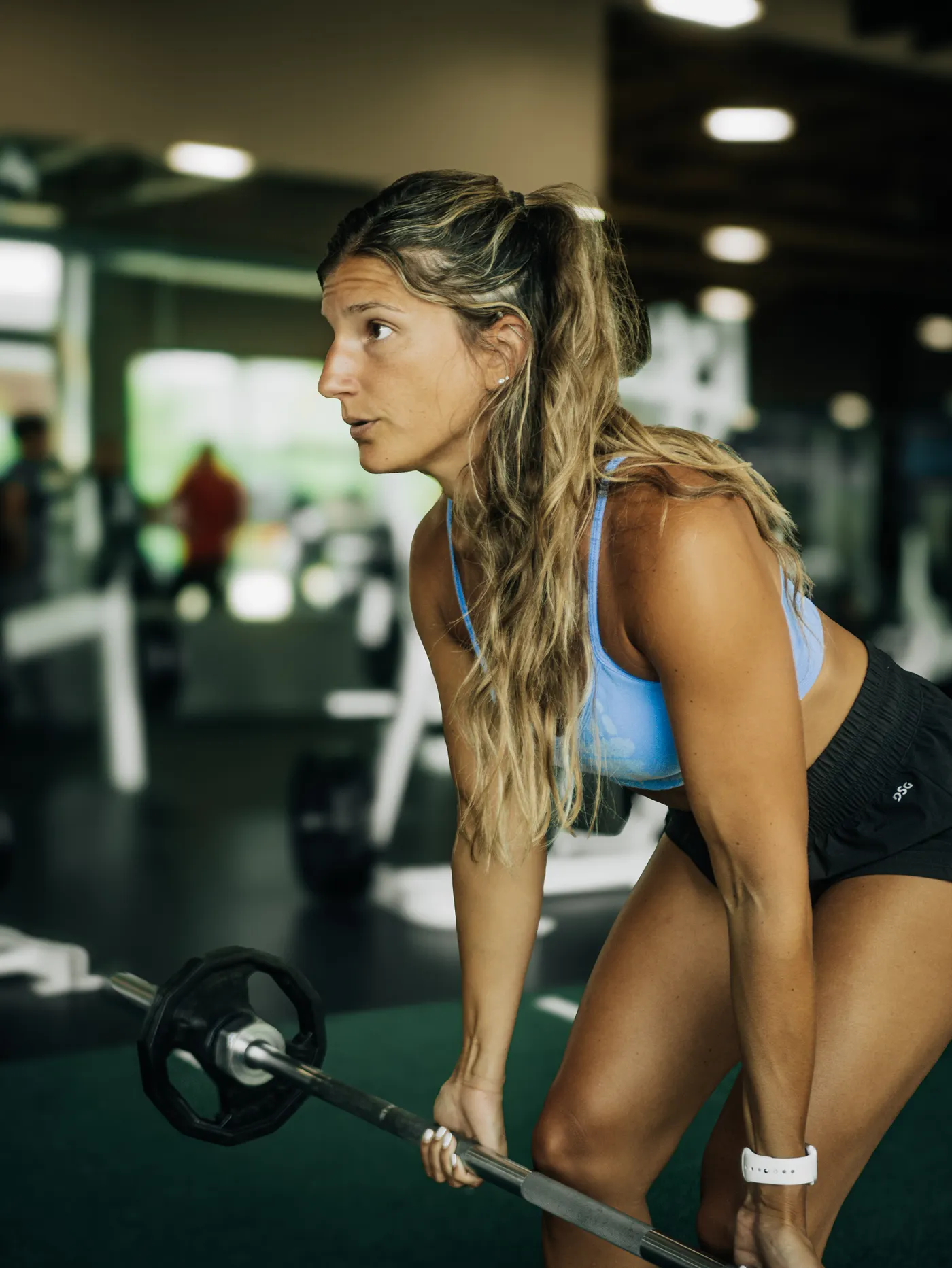
A good high-frequency plan rotates movement emphasis rather than repeating the same maximal session five times. One day might emphasize a squat and horizontal press; the next a hinge and row; another a lighter unilateral pattern and overhead or incline work. Every major muscle can receive repeated exposure, but the hardest work shifts so that the same tissues are not asked to produce peak effort every morning.
Monday: squat 3 x 5-8, bench press 3 x 6-10, supported row 2 x 8-12, calf raise 2 x 10-15. Tuesday: Romanian deadlift 2 x 6-10, pulldown 3 x 8-12, split squat 2 x 8 each leg, lateral raise 2 x 12-18. Wednesday: lighter goblet squat 2 x 10-12, incline press 2 x 8-12, cable row 2 x 10-15, curl 2 x 10-15. These are working sets, after suitable warm-ups.
Thursday: hip thrust 2 x 8-12, pull-up or assisted pull-up 2 x 6-10, machine chest press 2 x 8-12, leg curl 2 x 10-15. Friday: leg press 2 x 10-15, dumbbell bench 2 x 8-12, one-arm row 2 x 10-12, triceps extension 2 x 10-15. Saturday and Sunday can be rest or comfortable walking. The template is intentionally modular: replace an exercise with an equivalent pattern if equipment, skill or joint comfort requires it.
The sample is not a challenge to cram in more sets every day. It is a way to distribute training while preserving reasonable weekly volume. Most compound sets should finish with approximately one to three clean repetitions in reserve. On a day when a planned weight moves unusually slowly, reduce the load or remove one set rather than forcing the calendar to dictate performance. This is especially important because the next session is only a day away.

Bodybuilding Shirts & Workout Gear
Bodybuilding shirts, tanks and gym gear for lifters chasing muscle, size, symmetry and the pump.

Consistency Is Key Stoic Greek God Marble Sculpture T-Shirt
Make gym days more fun with “Consistency is Key Stoic Greek God Marble” style.

Progressive Overload Milo Tee
Bring “Progressive Overload Milo Bull” humor to your next gym day.

Lift Eat Repeat – Weightlifting & – Meme Bros & T-Shirt
Make gym days more fun with “Lift Eat Repeat” style.

Rest Day Sloth – Essential T-Shirt
Show some bodybuilding attitude with a playful “Rest Day Sloth” tee.

: Dropsets Are Tough & Gymbros Meme T-Shirt
Show some powerlifting attitude with a playful “: Dropsets Are Tough” tee.

No Days Off for Daily Workouts, Lifting, and Fitness Di Hoodie
Keep it laid-back with a little “No Days Off” attitude.

Deadlift Wasteland Skull Graphic , Hardcore Bodybuildin Tank Top
Add some deadlift attitude to training with “Deadlift”.

Safety Practice Safe Sets Sweater Jumper T-Shirt
Show some gym-day personality with “Gym Safety”.

Doctor Discipline Sticker
Stick a little “Doctor Discipline Gym Villain” humor on your favorite gear.

Heavy Squatter Harry Potter Squat Meme Decal Water Sticker
Give your everyday gear a playful “Heavy Squatter” twist.
4. How to measure whether higher frequency is helping
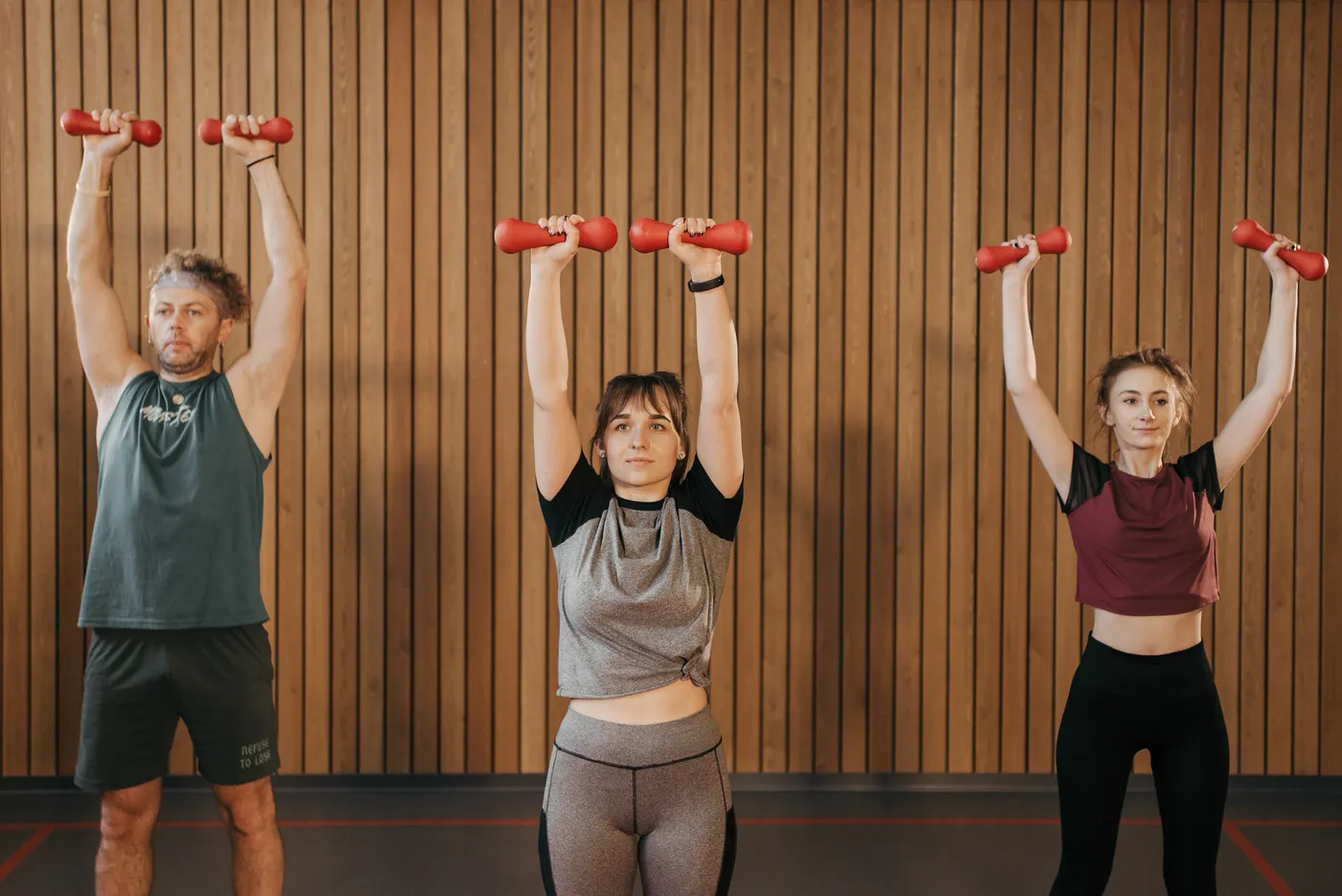
Training frequency is useful only if it improves something that matters. Start with a simple log: exercises, load, completed repetitions, estimated repetitions in reserve and a short note about sleep or soreness. Compare performance over several weeks, not just one good Tuesday. If the same load yields more clean reps at similar effort, the program is probably moving in the right direction. If numbers repeatedly decline, the schedule may be outpacing recovery.
Watch the quality of later sets. A lifter who performs five strong sets on Monday may prefer that to three excellent sets followed by three increasingly sloppy sets in a single long session. But someone who requires 20 minutes to warm up every day may gain little from dividing a modest weekly workload into five visits. Efficiency includes preparation time, travel, equipment setup and the ability to concentrate.
Use a few repeatable checkpoints: one main press, one lower-body lift and one pull. Record an honest performance at a stable effort level in week one and compare it with week four or six. Avoid testing true one-repetition maximums every few days. For hypertrophy, consistent measurements, photographs taken under similar conditions and long-term training progression are more useful than a single pump or soreness rating.
Be skeptical of the idea that the nervous system or muscles need a precise number of hours between every exposure. Recovery depends on exercise novelty, total sets, proximity to failure, sleep, nutrition, age and individual tolerance. A low-fatigue row session tomorrow is not equivalent to repeating a maximal deadlift session tomorrow. The pattern and dose determine the recovery cost, not the word full-body on the schedule.
5. Exercise selection: repeat patterns, not identical stress
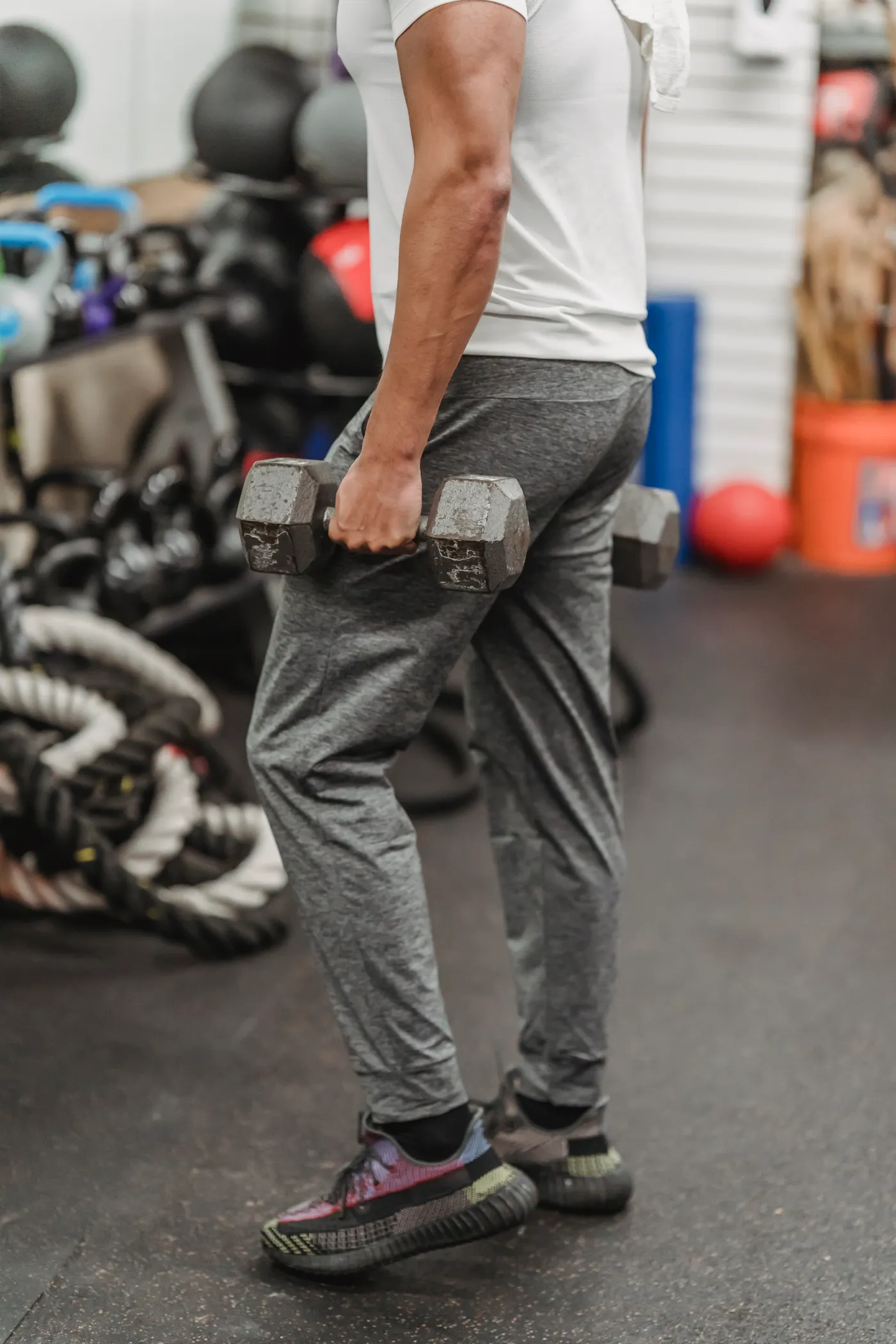
Five-day full-body training becomes easier when the exercises complement one another. A heavy barbell squat and a light split squat both challenge the legs, but they differ in loading, balance demand and systemic fatigue. A supported row may let the upper back work without taxing the lower back already stressed by hinging. These distinctions allow frequent practice without treating every day as a competition.
For the lower body, rotate a squat pattern, hinge, unilateral exercise and knee-flexion movement. For the upper body, rotate horizontal pressing, vertical or angled pressing, horizontal pulling and vertical pulling. Small isolation movements can fill gaps, but they should not crowd out recovery from the compound lifts. There is no requirement to perform all four patterns every single day. Across the week, coverage matters more than symmetry in each session.
Exercise order matters. Put the technically demanding or heaviest movement first, when attention and coordination are highest. Follow it with movements that are easier to control under fatigue. When two consecutive days both involve the lower back, choose chest-supported rowing or a machine rather than another unsupported bent-over row. If shoulders are irritated by frequent pressing, reduce pressing exposure and select comfortable ranges rather than insisting on a theoretical balance.
A full-body schedule does not require specialized smart equipment. Barbells, dumbbells, cables and machines can all supply effective resistance. What matters is that loads can progress, the movement is stable enough to repeat and the exercise fits the weekly plan. An adjustable bench and a selection of free weights can cover many patterns; cable stations and machines add useful options for precise isolation without turning the program into a shopping list.
Equipment Worth Exploring
Explore equipment, accessories and gear from our carefully selected range.


GymPin Ergo Handles
Pair of ergonomic cable handles shaped for comfortable triceps and pulling exercises.
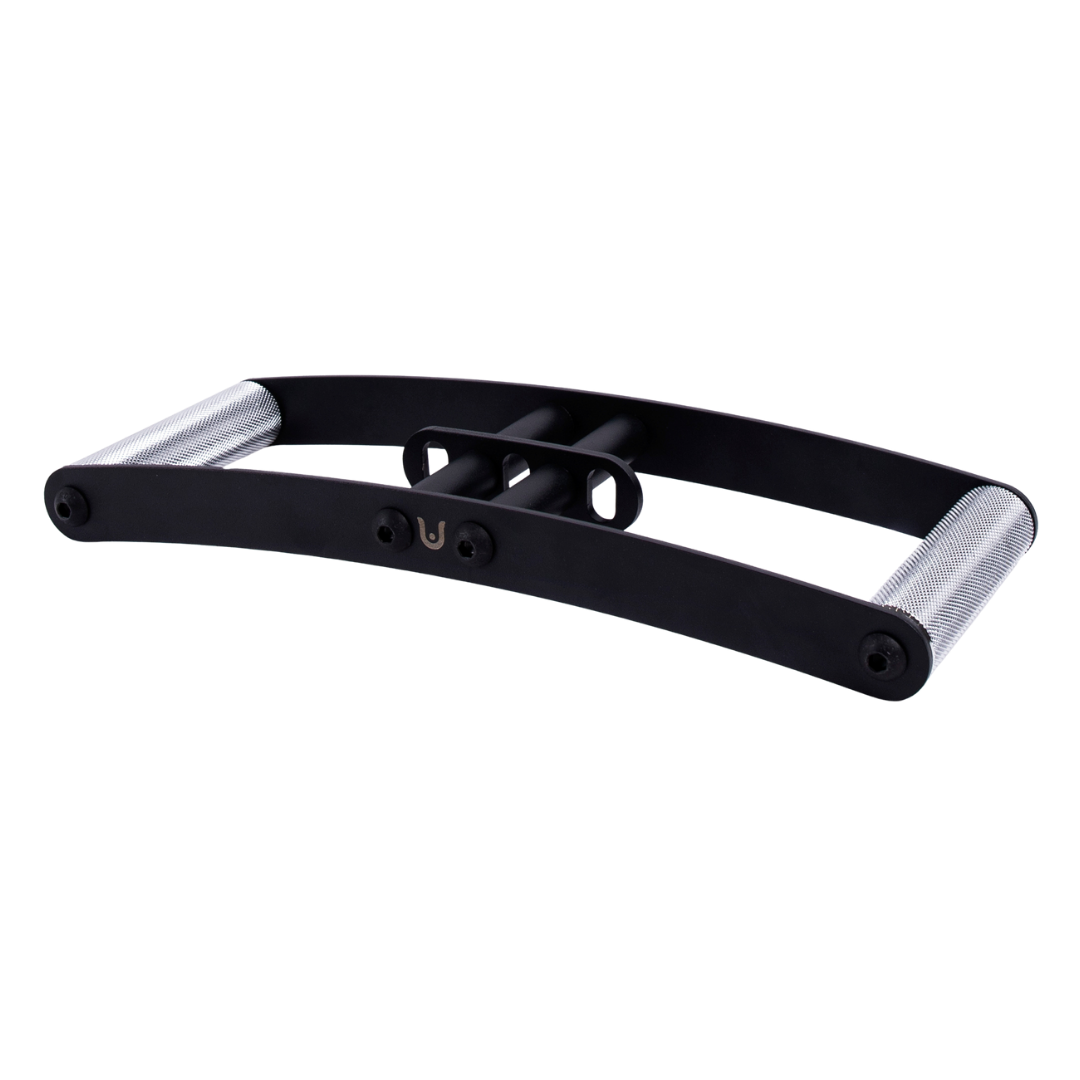
Horizon Grip
Ergonomic V-style cable grip for rows and back training.

6. Recovery is the limiter, not motivation
Training on five weekdays is not the same as training hard every weekday. The most common mistake is retaining the volume of a traditional four-day split and then adding a fifth day on top. That raises the weekly dose and makes the comparison meaningless. Start by redistributing existing sets. Increase volume only after several weeks of stable performance and recovery, and only when there is a clear reason.
Most working sets do not need to end in complete failure. Stopping one to three repetitions short of failure can preserve technique and leave room for the next session. If the last set of an isolation exercise occasionally reaches failure, that is different from grinding every squat, deadlift and press. High-frequency training rewards restraint because tomorrow’s quality is part of today’s training decision.
Sleep, sufficient energy intake and protein support adaptation, but none compensates for an unsustainable workload. A useful protein range for many lifters seeking muscle growth is approximately 1.4-2.0 grams per kilogram of body mass daily, with individual needs varying. Distribute meals in a way that is practical rather than obsessing over an exact minute after exercise. When life becomes unusually stressful, reduce the number of sets before abandoning movement entirely.
Red flags include persistent performance loss, unusually sore joints, disrupted sleep, mounting irritability and a reluctance to begin workouts that previously felt manageable. Those signs are not a diagnosis, but they justify reducing the workload. A lighter session or an extra rest day is a successful adjustment, not a failed week. Anyone returning from injury or managing significant health limitations should adapt the plan with appropriate professional guidance.
Funny Gym Shirts & Workout Gear
Funny gym shirts, tanks, hoodies and workout gear for lifters who like training hard.

Shirt – Train Hard Gains – Meme , & Workouts T-Shirt
Bring “Train Hard Gains” humor to your next gym day.

Lift Heavy Be Happy Meme Bros & Gains Top T-Shirt
Show some powerlifting attitude with a playful “Lift Heavy Be Happy” tee.

Gym Is My Happy Place Happy Weights Emoji Weight Plate T-Shirt
Make gym days more fun with “Gym Is My Happy Place” style.

Is My Therapy Cool , Gymbro & Meme Shirt T-Shirt
Heavy lifts, good laughs, and a little “Gym Is My Therapy” energy.

Lift Eat Sleep Repeat Meme & Lifting Vest Tank Top
Show some personality between sets with “Lift Eat Sleep Repeat”.

Off-Season Rest Day Decal Water Bottles & Gear Meme Sticker
Put “Off-Season Rest Day” gym humor on your laptop, bottle, or gym gear.

Burning Skull Muscle Shirt Gym Training Gift Uplift Iro Tank Top
Add some lifting attitude to training with “Tank Top Burning Skull Muscle”.

No Reps No Glory Viking – Norse & Gymbros – Top T-Shirt
Heavy lifts, good laughs, and a little “No Reps No Glory Viking” energy.


Discipline Stoic Tee
Show some lifting attitude with a playful “Discipline Stoic Sigma Bodybuilder” tee.
7. A four-week test before committing to five days
Week one: establish a baseline. Keep weekly sets similar to the previous program, spread across five short sessions. Use familiar movements, leave two or three repetitions in reserve and note how long the sessions actually take. Do not add extra exercises simply because a workout ends in 35 minutes. The purpose is to test whether the distribution fits your life and preserves quality.
Week two: refine the exercise rotation. Identify which consecutive-day pairings create unnecessary fatigue. If Monday squats make Tuesday hinges miserable, lighten one of them or move the hinge later in the week. If a particular press causes discomfort, substitute a machine or neutral-grip variation. Progress one or two main lifts only when the planned rep range is achieved cleanly at the intended effort.
Week three: evaluate productive volume. Compare weekly set totals with the baseline. If performance is improving and recovery feels normal, keep the dose steady. If the schedule feels easy, that does not automatically justify adding five more sets. A program is working when it produces progress with manageable cost, not when it leaves the athlete exhausted. A modest extra set for a lagging muscle may be reasonable, but it should be a deliberate experiment.
Week four: audit the result. Review the training log, session duration, joint comfort and consistency. Keep five days if it makes sets more productive and workouts easier to complete. Move to four or three days if the extra visits add friction without improving outcomes. The best split is not the one with the most calendar entries; it is the one that repeatedly delivers enough challenging work, recovery and measurable progress.