Advertising disclosure: This page includes affiliate product links that may earn us a commission, as well as products from our own store.
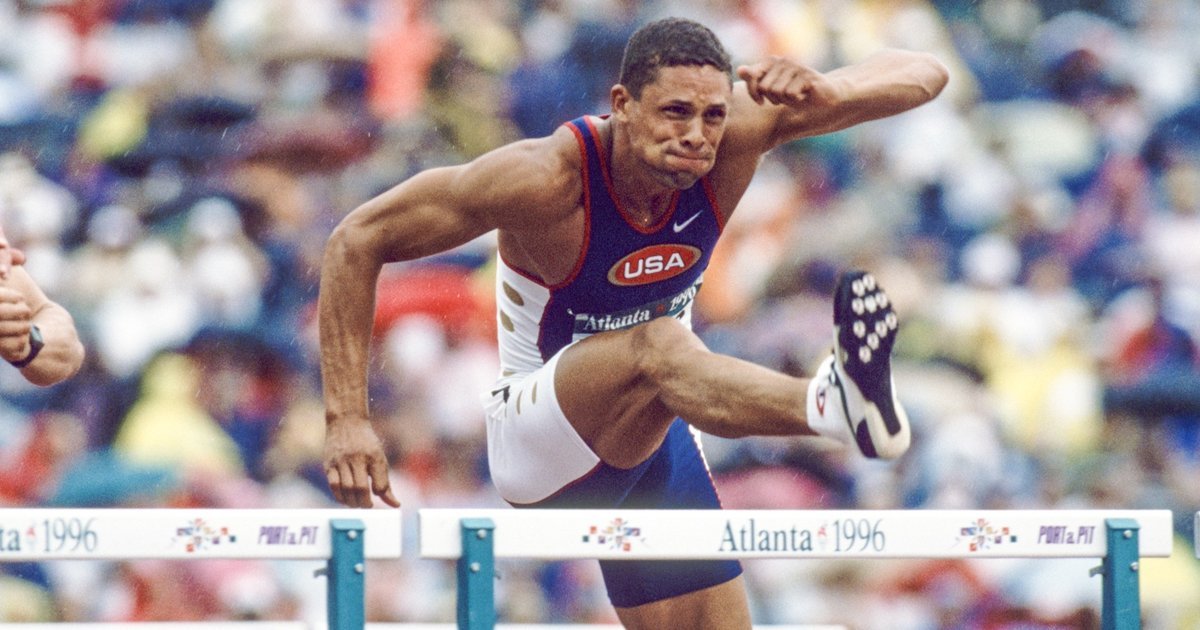
Dan O’Brien’s Olympic decathlon gold in Atlanta in 1996 was not the outcome of a perfect athletic career. Four years earlier, he had missed the American Olympic team after failing to clear a height in the pole vault at the trials. Within months of that disappointment, he set a world record. He eventually returned to the Olympic stage and won with 8,824 points. That sequence is a useful reminder that a single bad performance does not erase the work that preceded it.
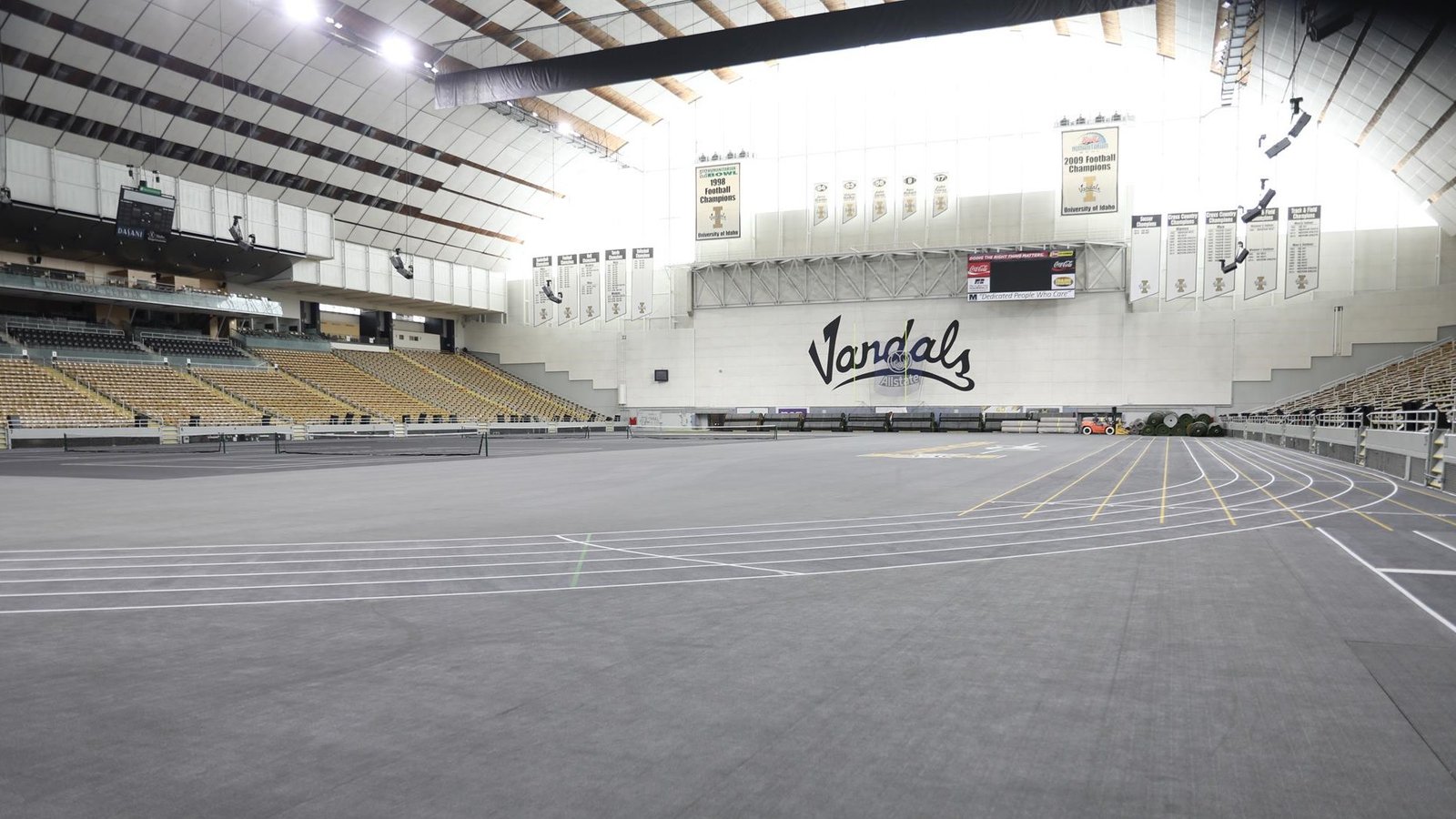
Thirty years after Atlanta, O’Brien looked back on the place that enabled a considerable portion of his preparation: the Kibbie Dome at the University of Idaho. The most useful lesson for a recreational lifter is not to copy ten highly technical events. It is to build strength, speed, coordination and endurance in a way that can survive the demands of an ordinary week.
A training environment that makes consistency possible
The decathlon presents a logistical problem before it presents a physiological one. An athlete needs access to places to run, jump and throw, often across several sessions. If a long winter makes outdoor training unreliable, the quality of that preparation can vary even when motivation stays high.
O’Brien’s time in Idaho gave him an unusually useful indoor option. He estimated that about a third of his preparation took place in the dome. The large enclosed track provided space for several jumping and throwing disciplines as well as running. This meant he could continue practicing movements in winter rather than wait for favorable conditions. His 1989 collegiate success in the long jump and short hurdles reflected the breadth of his athletic development before his senior international career.
Most people reading this do not have access to a dedicated athletics facility, but the principle is transferable. A reliable training environment reduces the number of decisions that must be made before a session. A gym with a barbell and a few adjustable dumbbells can support a large proportion of a strength program. A nearby running path or track supplies a place to work on acceleration. A treadmill, cycle or air bike gives you an option for aerobic work when the weather is poor.
Design your program around equipment and locations you can access consistently. If your gym is crowded, identify alternative exercises before you arrive. If running outdoors becomes difficult in winter, decide which conditioning sessions can be moved indoors and which speed sessions need to wait for a safe surface. A backup plan protects training quality more effectively than making every missed workout into a harder session the following day.
The 1992 failure and the record that followed
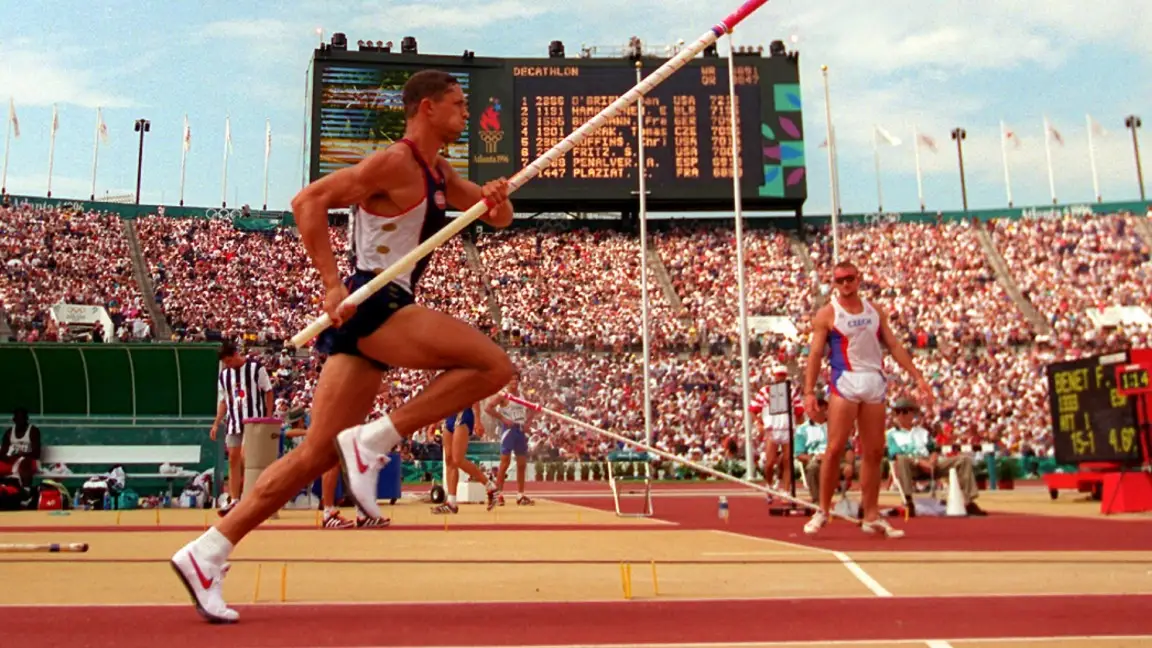
At the 1992 US Olympic trials, O’Brien was already the reigning world champion. His failure in the pole vault meant that he scored no points in that event and did not qualify for Barcelona. It was a striking example of how a combined-event competition can punish a weakness much more severely than a specialist competition. Being outstanding in several disciplines is insufficient if an entire event collapses.
Later that year, he recorded 8,891 points at a decathlon in Talence, France, establishing a new world record. That performance does not mean the trials mistake was somehow necessary for success. It shows that the mistake was not a reliable measure of his underlying athletic capacity. He was able to compete again and demonstrate what he could do across all ten disciplines.
For an ordinary strength athlete, there is a difference between a weakness in physical capacity and a failure in execution. A missed squat might indicate insufficient strength, but it could also be the result of inconsistent depth, poor bracing or fatigue from previous attempts. The corrective response depends on which problem you actually have. Adding more weight is not automatically the answer to a technical mistake.
One way to make the distinction is to keep records of comparable efforts. Film a technically demanding movement from the same angle on several occasions. Record load, repetitions and a simple estimate of effort. Note when a session followed unusually little sleep or a hard conditioning workout. If an error appears across repeated attempts at moderate intensity, the movement probably deserves deliberate practice rather than another maximum test. Work with a qualified coach if you cannot identify the issue or if a movement carries a substantial fall or injury risk.
What ten different events demand from one athlete
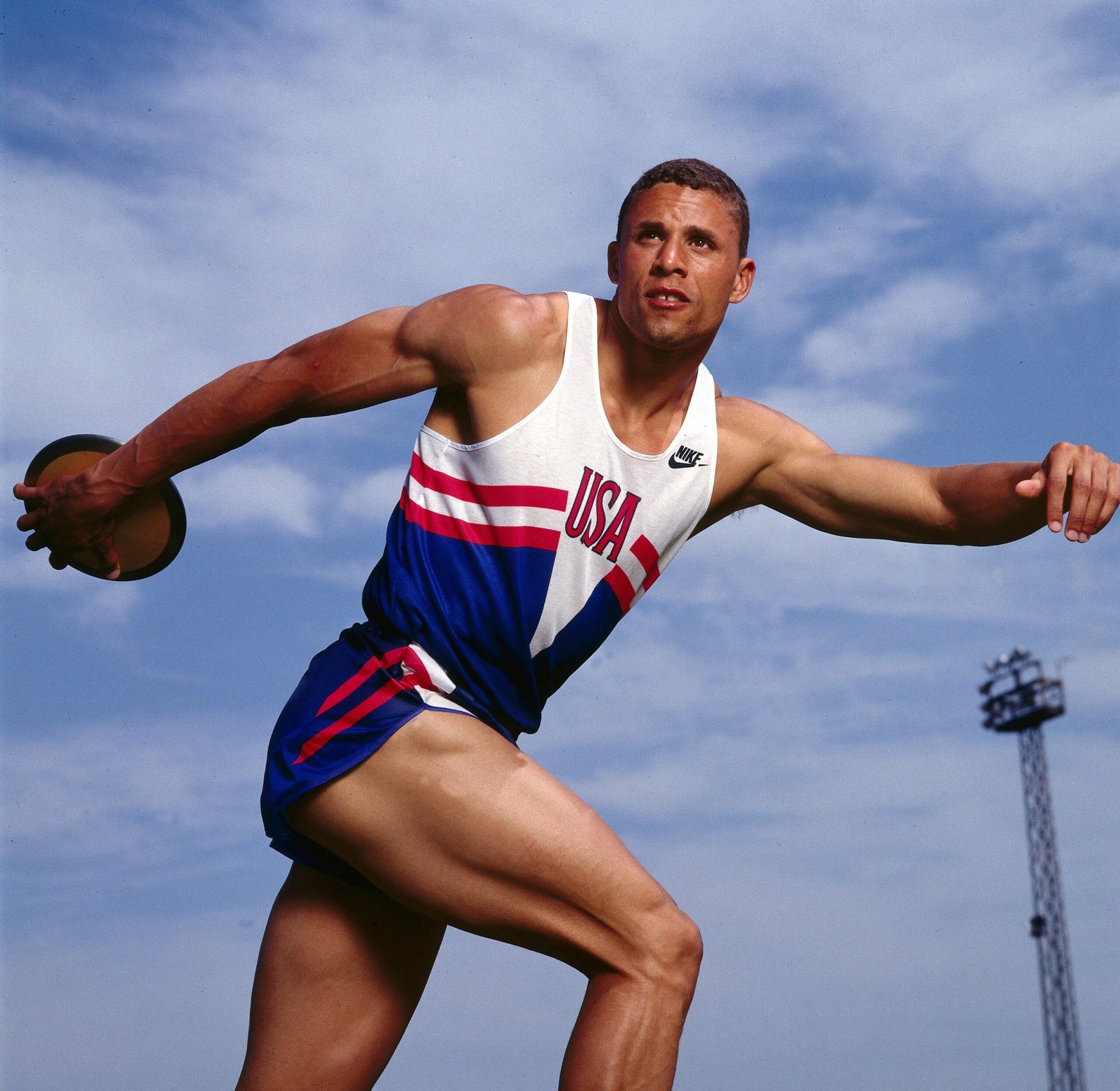
The men’s decathlon is contested over two days. The opening day includes the 100 metres, long jump, shot put, high jump and 400 metres. Day two includes the 110-metre hurdles, discus, pole vault, javelin and 1,500 metres. Performances are converted into points using event-specific scoring tables; the final result is the sum, not simply the number of disciplines won.
This creates interesting competing demands. Acceleration requires the ability to produce force quickly relative to body mass. Throwing requires strength, speed and skill in transferring force through the body. Jumping rewards precise approach rhythms and explosive takeoffs. The 400 and 1,500 metres require different combinations of speed, energy management and fatigue tolerance. The athlete must also have enough recovery capacity to return for the next event.
A lifter who wants to become more athletic can borrow this broader view without treating the decathlon as a checklist. The central question is whether strength can be expressed in movements other than a slow, heavy lift. A stronger hip hinge can provide a useful foundation, but it does not automatically produce a better sprint or throw. Practicing those actions, at a suitable level, is what teaches the body how to apply the available strength.
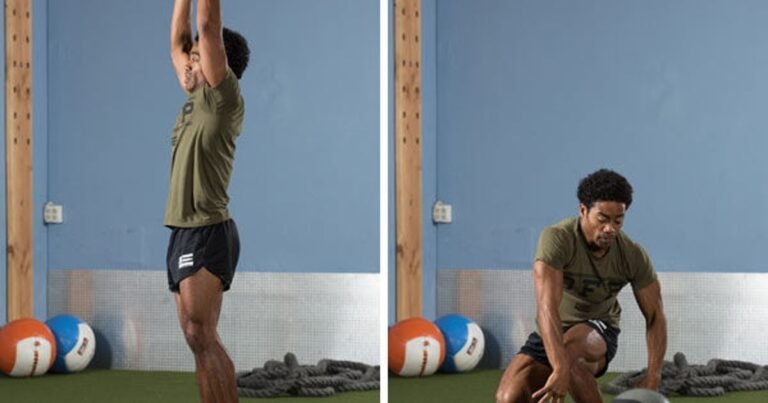
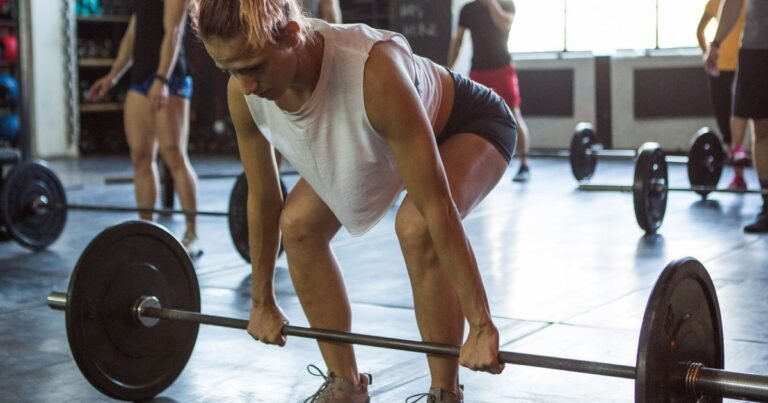
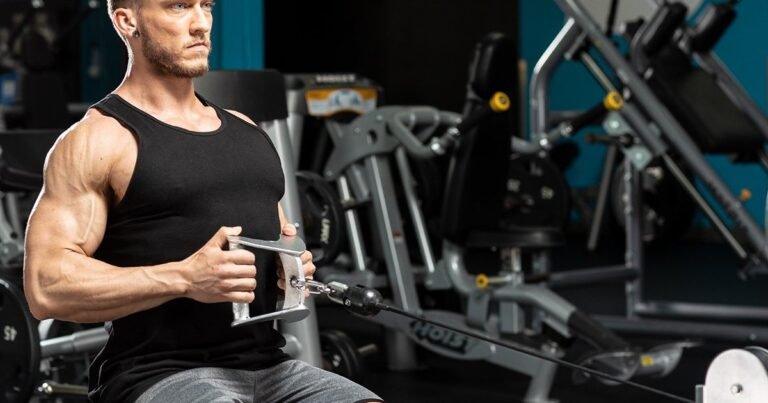
Keep the gym exercises straightforward. Trap-bar deadlifts and split squats develop lower-body force production. Rows and presses maintain upper-body strength. Kettlebell carries challenge grip, trunk control and the ability to walk under load. Low-volume medicine-ball or slam-ball throws, where the equipment and facility permit them, offer a separate opportunity to express force rapidly. Practice unloaded jumps with stable landings before increasing intensity.
A sled can be useful for short acceleration-oriented work, but resistance must allow coordinated steps. Very heavy pushes are a different stimulus from fast running. Use an air bike or indoor cycle when you need a lower-impact aerobic option. None of these tools is required to reproduce O’Brien’s preparation, and general strength work does not replace coaching in pole vault, hurdles or throwing events.

Equipment Worth Exploring
Explore equipment, accessories and gear from our carefully selected range.

Open Hex Bar
Open-frame trap bar with multiple handles for deadlifts, carries, and lower-body training.


Slam Ball
Low-bounce weighted slam ball for explosive throws and high-intensity conditioning.

Cast Iron Kettlebells
Textured cast-iron kettlebells for swings, squats, carries, and full-body training.

Rubber Hex Dumbbells
Rubber-coated hex dumbbell pairs with a stable shape for home and commercial strength training.


Why the Atlanta gold was a test of repeatability
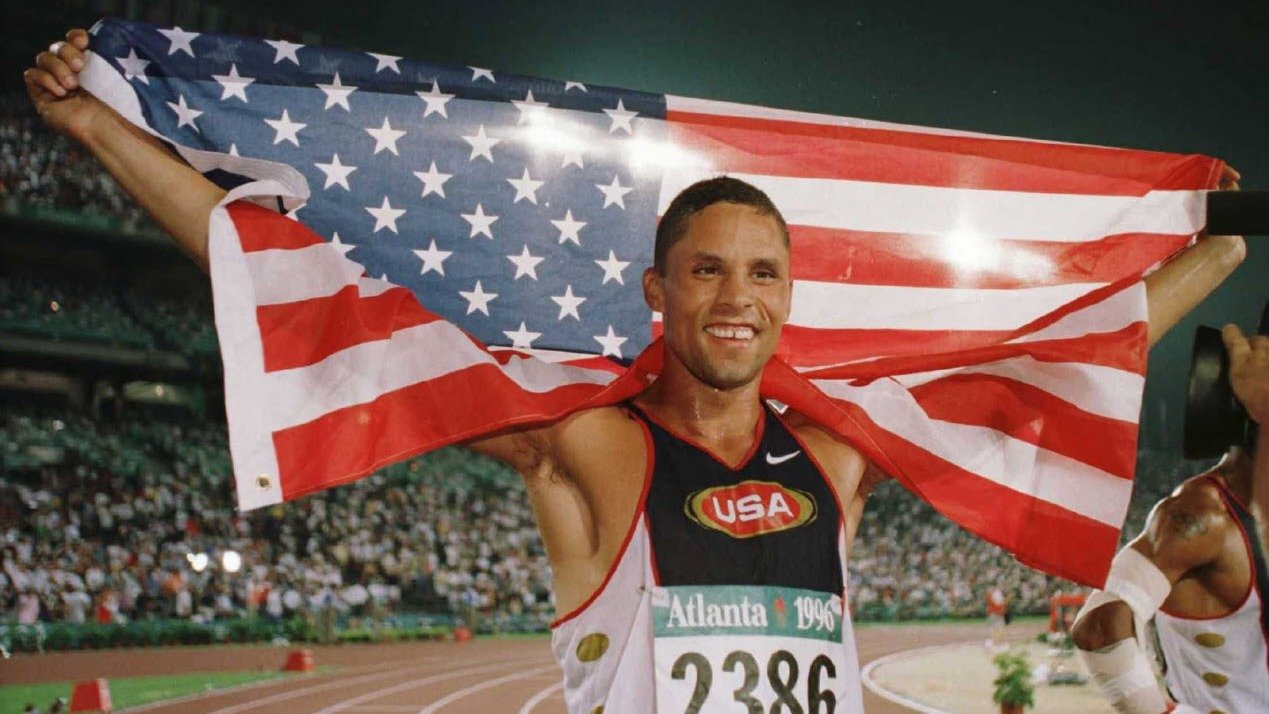
O’Brien’s three consecutive world championship titles in 1991, 1993 and 1995 preceded his Olympic victory in 1996. The Atlanta result was therefore not an isolated peak. It came after years of international success, even though he had missed the preceding Olympic Games.
What stands out from that career is the importance of repeatedly performing across different tasks rather than maximizing a single characteristic at the expense of everything else. For a decathlete, a training decision that improves one event but leaves the athlete too fatigued to practice several others may have an unfavorable overall effect. The same kind of trade-off appears when recreational lifters combine resistance training and running.
Suppose your goal is to maintain a strong deadlift while improving your ability to run. If every running workout is a race against the clock, your lower-body sessions may become less productive. If every lifting session ends with high-repetition sets taken to failure, you might arrive at the track with heavy legs. Neither problem requires abandoning one of the goals. It requires allocating effort more carefully.
Place your highest-priority speed or power work when you are relatively fresh. Preserve enough recovery between challenging lower-body sessions. Keep most easy conditioning genuinely easy, at a pace where conversation remains possible. There is no prize for making a recovery run feel like a competition. When both strength and endurance matter, the most useful measure is whether you can sustain progress in both over several weeks.
Instead of comparing yourself with a world champion’s numbers, compare your current performances with your own recent baseline. Choose a small number of measures you can repeat under similar conditions. A comfortable timed run, a consistent submaximal deadlift set and a controlled standing broad jump can each reveal a different aspect of your fitness. Do not turn all three into maximum tests every week.
Build a decathlete-inspired week without training for ten events
Here is a five-day example for a healthy recreational athlete who already lifts and wants to add some variety. It is an original programming example inspired by the demands of combined events, not a documented Dan O’Brien training schedule. Start with a modest workload, and substitute brisk walking or cycling for running if impact tolerance is limited.
- Monday — Strength: trap-bar deadlift, split squat, row and loaded carry. Use three working sets per primary movement and finish with roughly two repetitions in reserve.
- Tuesday — Easy endurance: 20–35 minutes of conversational running, cycling or brisk walking.
- Wednesday — Movement quality: after a thorough warm-up, practice controlled accelerations over short distances, a few low-volume jumps and, if appropriate, light medicine-ball throws. Rest fully between efforts and stop before speed or landing control deteriorates.
- Friday — Strength: squat variation, press, hinge accessory and a row or pull-up variation. Keep accessory volume modest, including kettlebell work if it fits your recovery.
- Saturday — Conditioning: 20–30 minutes easy or a small number of controlled faster intervals if you already tolerate running well. Thursday and Sunday are recovery days.
For the first two weeks, focus on learning how this combination feels rather than increasing the workload. If strength performance is stable and the speed sessions remain crisp, extend one aerobic session by five minutes or add one short acceleration. Do not increase running intensity, jumping contacts and lifting volume simultaneously. A persistent decline in coordination, unusual pain or repeated deterioration in your main lifts is a reason to reduce the load.
Hybrid training should leave room for the rest of your life. You may enjoy running and lifting equally, or you may have a clear preference for one discipline. Build around that preference rather than chasing a perfect balance on paper. Dan O’Brien’s career illustrates the value of developing multiple qualities and having an environment where practice remains possible. Your own version can be far simpler: get stronger, move well, build enough endurance to recover between efforts, and keep showing up.

Functional Fitness Shirts & Workout Gear
Functional-fitness shirts, tanks and workout gear for athletes who train strength, conditioning and everything in between.

Hybrid Athlete Strength & Endurance Tank
Add some lifting attitude to training with “Hybrid Athlete”.

Hybrid Athlete – Built Different Crewneck for HYROX, Cr T-Shirt
Show some gym-day personality with “Hybrid Athlete”.

Kettlebell Heartbeat Decal for Water Bottles Laptops Wo Sticker
Put “Kettlebell Heartbeat” gym humor on your laptop, bottle, or gym gear.

Happy Kettlebell Emoji Smiley Kettlebell for Fitness Lo Hoodie
Show off your gym-girl humor in a laid-back “Happy Kettlebell Emoji” hoodie.

Donut Kettlebell – Bakery Gains Meme Vest Muscle Shirt Tank Top
Show some personality between sets with “Donut Kettlebell”.


Heart Shaped Kettlebell Valentine’s Day in Love with Ke T-Shirt
Make gym days more fun with “Heart Shaped Kettlebell Valentine’s Day” style.

Pancake Kettlebell – Breakfast Gains Meme Jumper Pullov T-Shirt
Show some gym-day personality with “Pancake Kettlebell”.

Skull Kettlebell Gym | Heavy Metal Lifting Funny Workou T-Shirt
For laid-back days and metalhead humor: “Skull Kettlebell”.

Strawberry Kettlebell – Viral Kettlebell Meme Decal for Sticker
Stick a little “Strawberry Kettlebell” humor on your favorite gear.