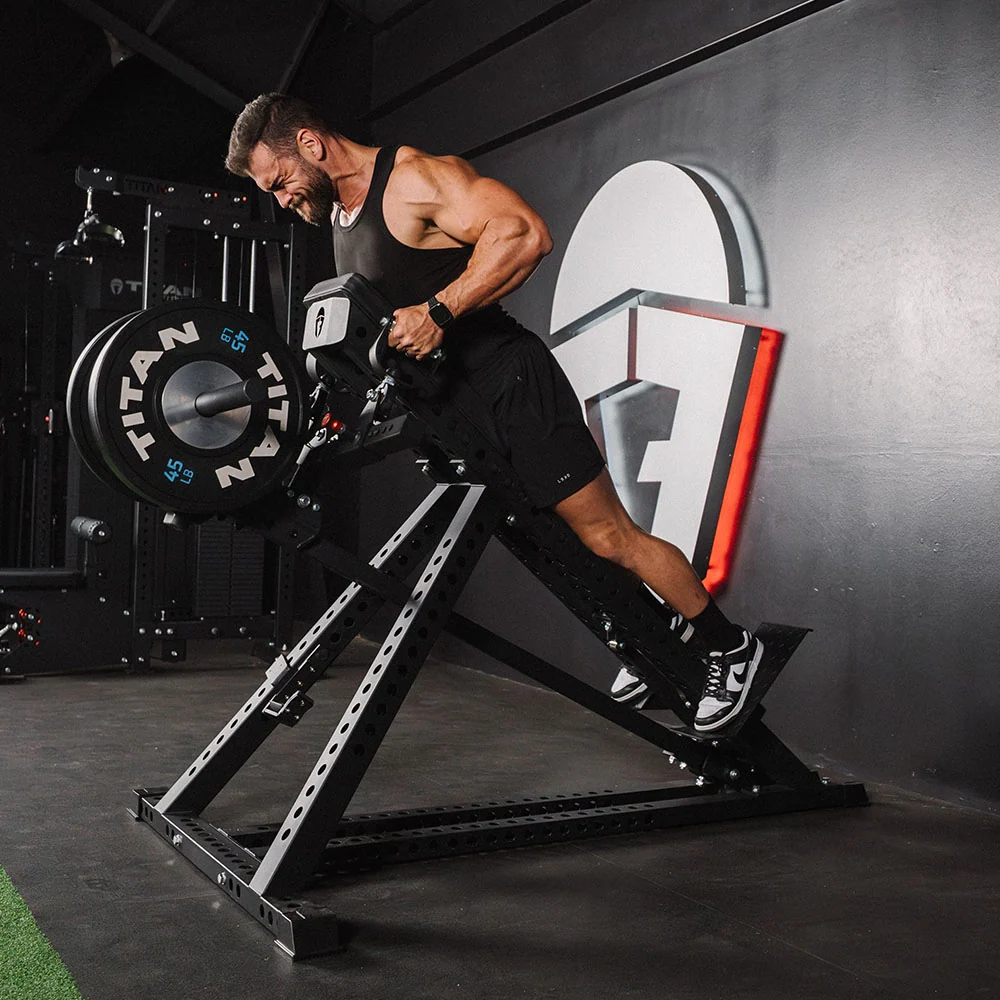
A heavy row is not automatically a better back-building row. A bent-over barbell row asks your lats and upper back to pull while your hips and spinal erectors hold a demanding hinge. A chest-supported row lets the pad handle much of that stabilization. Both can belong in a serious pull-day program, but they spend your recovery budget differently. The right choice depends on whether you want the back muscles to be the main limiting factor, whether you also need hinge endurance, and how much lower-back work your week already contains.
1. The real difference is what supports your torso
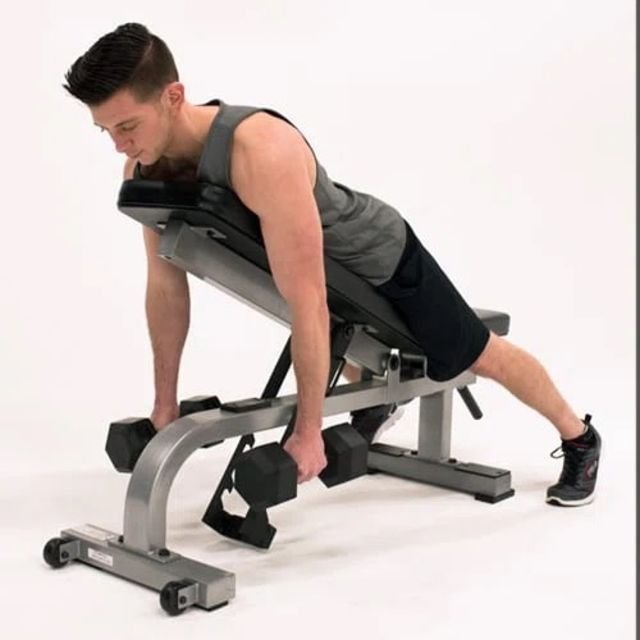
Picture two lifters doing ten hard repetitions. One is lying chest-down on an incline bench with dumbbells hanging below the shoulders. The other holds a loaded barbell while hinged forward. Their elbows may travel along similar paths, yet their bodies are solving different problems. The supported lifter can concentrate on moving the arms and shoulder blades. The standing lifter must resist gravity pulling the trunk toward the floor throughout the entire set.
That difference is neither a flaw nor a magic hypertrophy advantage. Stability can make it easier to keep the intended pulling muscles under consistent tension when fatigue accumulates. An unsupported hinge trains the spinal erectors, hip extensors and bracing endurance at the same time. Those extra demands can be useful for general strength and athletes who need to maintain a strong torso under load. They can also shorten a back set when the lower back tires before the lats.
Think in terms of the limiting factor. If the last two reps fail because your elbows cannot drive back without cheating, the target pulling muscles may be close to their limit. If you stand upright because your lower back is burning while the lats still feel capable, the row has become a different training challenge. Neither sensation alone proves muscle growth; it tells you which exercise fits the day.
For most bodybuilding-focused pull sessions, chest support is an efficient option for accumulating controlled horizontal-pulling work. For lifters prioritizing barbell strength, a strict bent-over row provides a different skill and trunk demand. You do not have to declare one universally superior.
2. Bent-over barbell rows: strength plus a loaded hip hinge
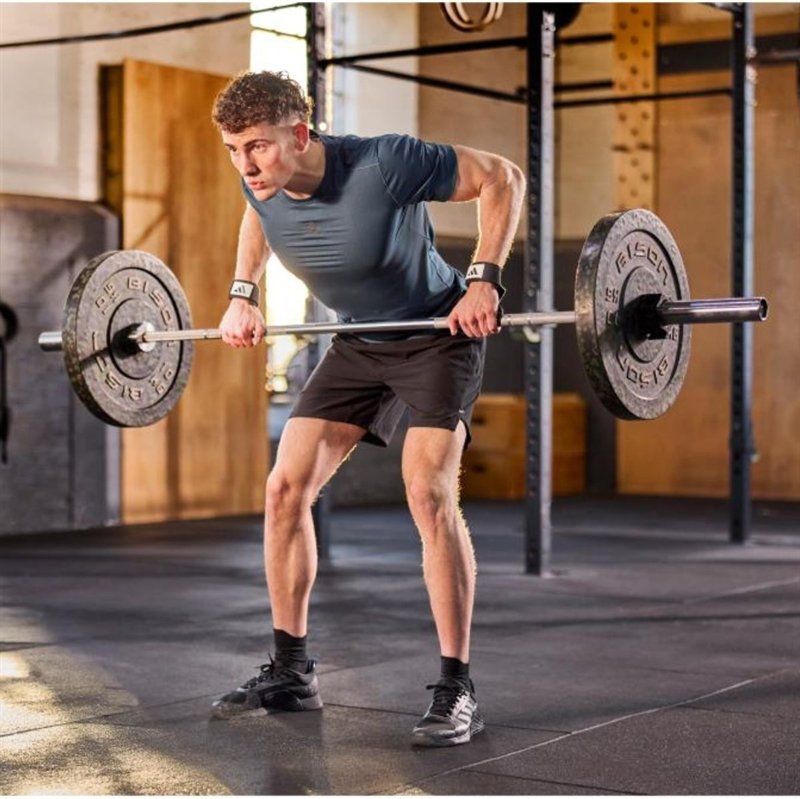
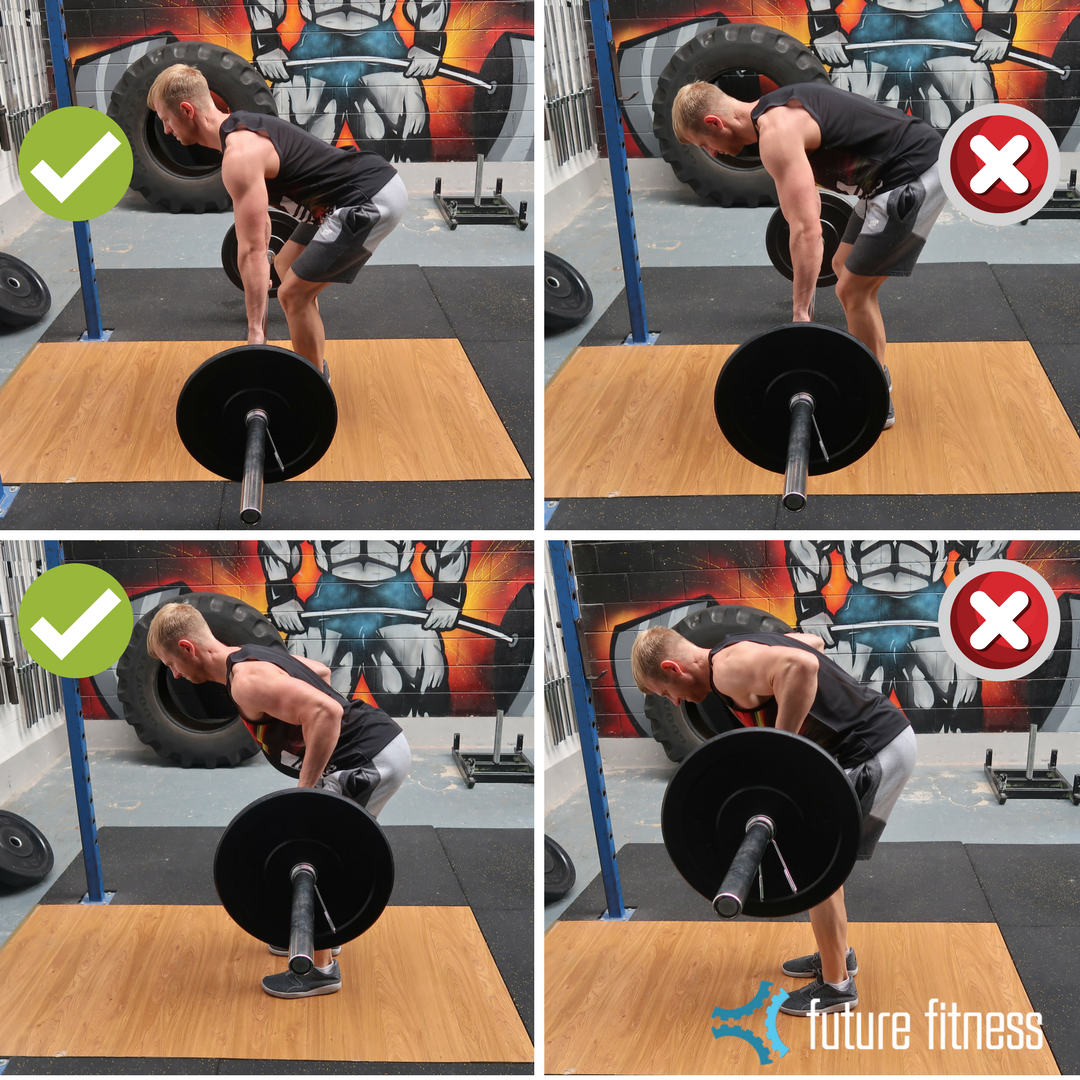
Start with the bar over the mid-foot, feet around hip width and knees softly bent. Push the hips back until your torso reaches an angle you can hold without rounding or bouncing. A roughly 30–60-degree forward lean works for many lifters; there is no single compulsory torso angle. Grip the bar just outside the legs, brace the abdomen and pull toward the lower ribs or upper abdomen while keeping the torso position reasonably constant.
Lower the bar deliberately and allow the shoulders to reach forward without losing the trunk brace. If the bar swings far ahead of the feet, the moment arm grows and the lower back must work harder. If the torso rises dramatically every repetition, you are using hip extension to turn the exercise into a partial upright row. That may move more weight, but it makes progression difficult to interpret because the technique changes as the set gets heavy.
Try three sets of six to ten repetitions with one or two reps in reserve. Rest two to three minutes when loads are challenging. Record the torso angle, bar path and whether the last rep still resembles the first. A useful progression is adding a rep at the same load before adding a small amount of weight. Do not chase a new personal record by silently shortening the range of motion.
The unsupported version makes particular sense when you want practice bracing under a barbell, enjoy strength-oriented pulling or have enough recovery room away from heavy deadlifts and squats. If you already performed demanding hinges that day, the cumulative spinal-erector fatigue may be a reason to choose a supported row instead.
3. What the evidence can and cannot prove about back growth
A 2023 synthesis pooled 13 studies involving 1,016 participants comparing machine-based and free-weight strength training. Across the available hypertrophy outcomes, it detected no clear overall muscle-growth difference between modalities. Strength improvements were more specific to the equipment used in training. That supports the practical view that both stable and less-stable resistance exercises can build muscle, not the claim that a chest-supported dumbbell row has been proven equal to every barbell-row variation.
Earlier evidence reached a broadly similar conclusion for machines versus free weights. However, those comparisons combine many exercises, populations and measurement methods. They are not a direct long-term trial of chest-supported dumbbell rows against bent-over barbell rows with matched volume and effort. The evidence cannot give an honest percentage advantage for either exact exercise.
A small 2009 biomechanics experiment tested seven healthy men performing inverted rows, standing bent-over rows and standing single-arm cable rows. The bent-over row produced substantial back-muscle activation and the greatest lumbar loading among those three exercises. The inverted row had lower measured spinal loading. Importantly, chest-supported rows were not tested in that experiment; the sensible inference is that external torso support changes the stabilization demand, not that a specific injury reduction has been proven for every person.
Muscle-activation measurements show what muscles are active during a movement, but a higher electrical signal in one repetition does not guarantee greater hypertrophy after months of training. Progressive loading, sufficient hard sets, full controllable range, adequate food and sleep, and a program you can repeat are more important than winning an isolated activation contest. The most defensible verdict is that exercise choice should be guided by stimulus quality, fatigue cost and the strength skill you want to practice.

Equipment Worth Exploring
Explore equipment, accessories and gear from our carefully selected range.


FID Bench MAX
Adjustable bench offering flat, incline, and decline positions + adjustable headrest.


T-Bar Row Attachment
Welded barbell attachment that connects a D-handle bar for landmine and T-bar rows.

GymPin Barbell Row Handle
Heavy-duty handle attachment for barbell, landmine and T-bar rows.

4. Chest-supported rows: make the bench do its job
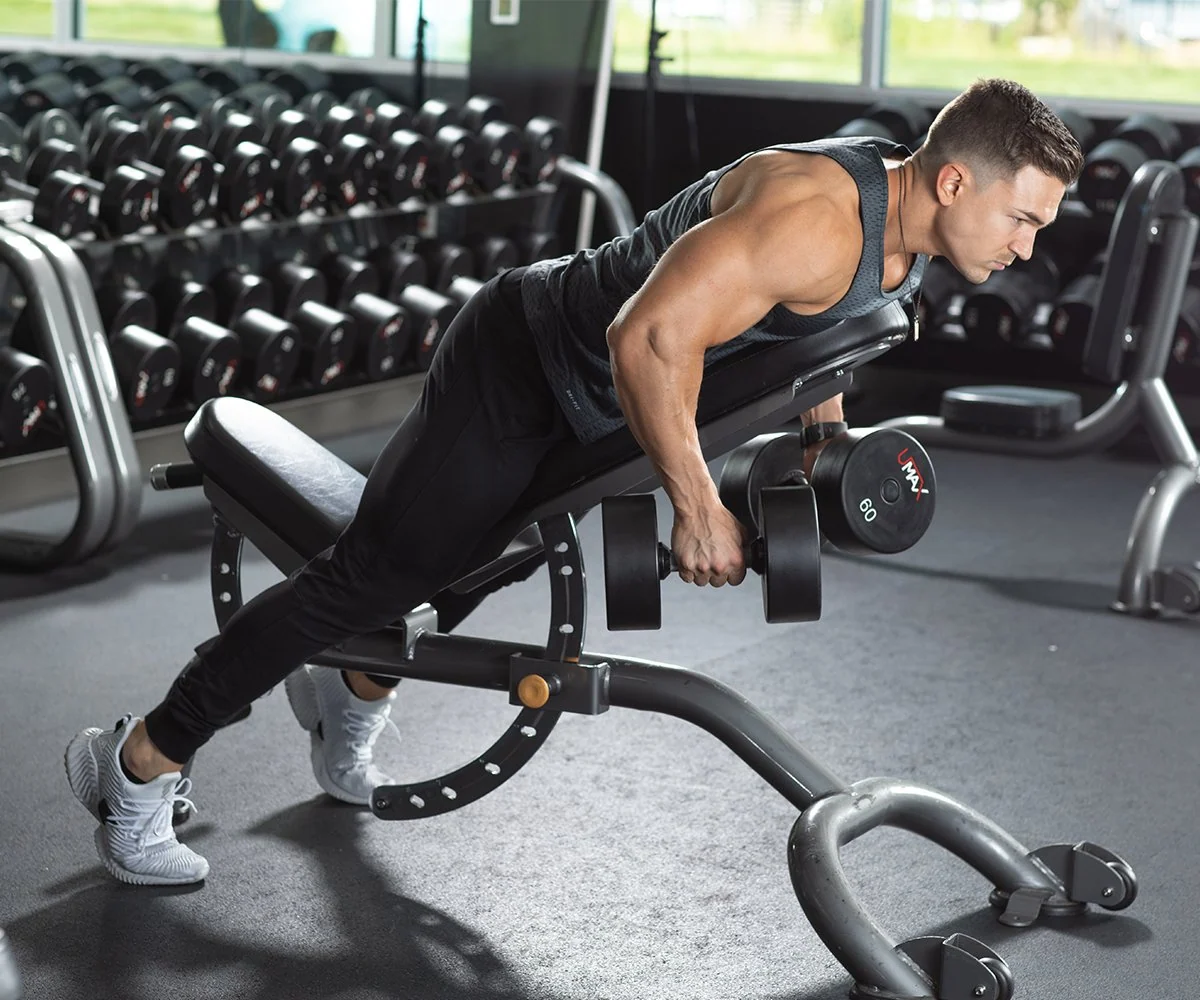
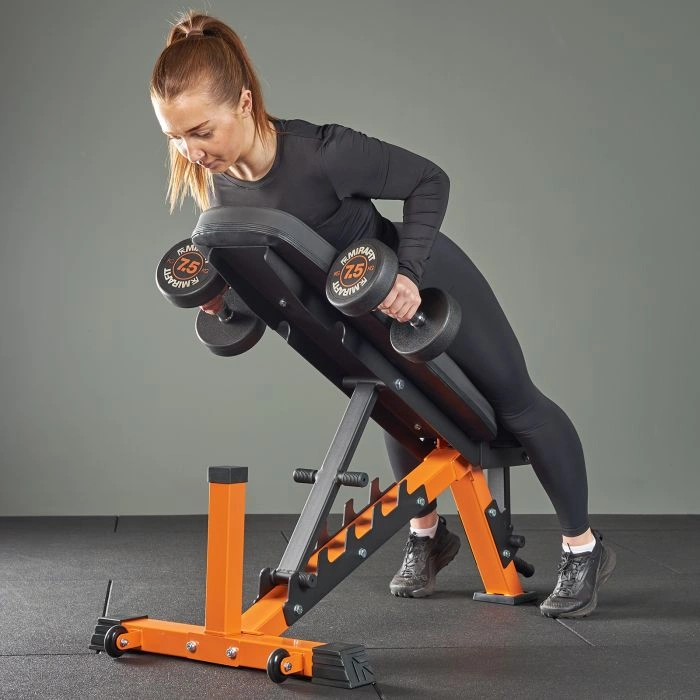
Set an adjustable bench to about 30–45 degrees and lie chest-down with your feet planted. Choose an angle that gives your dumbbells enough clearance to hang with straight arms. A bench that is too low may cause the weights to hit the floor early, shortening the bottom stretch. Keep your neck in line with your torso rather than craning toward the mirror.
Begin each rep by letting the shoulder blades reach naturally around the rib cage. Pull your elbows back toward the lower ribs for a lat-biased row, or somewhat wider toward the upper ribs to involve more rear deltoid and upper-back work. These are emphasis changes, not ways to switch individual muscles completely on or off. Keep the chest against the pad as you lift, pause briefly when useful, then lower the weights under control.
Three common mistakes undermine the point of the exercise. First, lifting the chest off the bench to finish a rep turns a supported movement into a momentum-assisted one. Second, shrugging the shoulders toward the ears can make the set feel more like an upper-trap exercise than intended. Third, using dumbbells too large for the bench clearance cuts the range short. Reduce the load, adjust the angle or use a dedicated chest-supported row machine if necessary.
For hypertrophy, start with three sets of eight to fifteen reps, resting roughly 90–150 seconds. Stop when you cannot keep the pad contact and elbow path consistent. A controlled full stretch and a repeatable top position matter more than displaying the largest dumbbells in the rack. When all sets reach the top of the rep range with sound technique, increase the load modestly.

Bodybuilding Shirts & Workout Gear
Bodybuilding shirts, tanks and gym gear for lifters chasing muscle, size, symmetry and the pump.

Nice Traps Big Back Tee
Heavy lifts, good laughs, and a little “Nice Traps Big Back” energy.

Back In Shape Back In Black Album Cover Parody AC/DC He Tank Top
Your gym-day look, with a playful “Back In Shape” twist.

Back Sabbath Back Day Funny Gym Hoodie
Bring “Back Sabbath Back Day” gym humor to lazy days and post-workout plans.

Demon Back Big Back Sweater & Lat Gains Meme T-Shirt
Add a playful “Demon Back” touch to your casual rotation.


Dost Thou Even Pull Tee
Make gym days more fun with “Dost Thou Even Pull Medieval Knight Lat” style.

Back In Gym Back In Black Album Cover Parody AC/DC Heav T-Shirt
Add a playful “Back In” touch to your casual rotation.

Slip Not Grip Training – Heavy Metal Workout Decal for Sticker
A fun “Slip Not Grip Training” touch for bottles, laptops, and lockers.

Shirt Pull Day – Back & Biceps Meme Top T-Shirt
Heavy lifts, good laughs, and a little “Pull Day Graphic” energy.

Lat Spread Mickey Mouse Hooded Meme Hoodie
Make your off-duty look more fun with “Lat Spread”.
5. Lats, traps, rear delts and grip: choose your elbow path
Rows are multi-joint pulls. The latissimus dorsi helps extend the upper arm, the middle-back muscles move and stabilize the shoulder blades, the rear deltoids contribute to horizontal pulling, and the biceps and other elbow flexors assist every rep. Both row families can train all of these areas. Your setup, grip, elbow path and range of motion alter emphasis, but do not create perfect isolation.
If you want more lat emphasis, keep the elbows nearer the torso and aim toward the hips or lower ribs. If you want a greater upper-back and rear-delt challenge, let the elbows travel somewhat outward and pull higher. Do not force an extreme elbow flare if it irritates the shoulder. A neutral grip is comfortable for many lifters, while an overhand barbell grip provides a stable, familiar reference for progressive overload.
Grip can become the bottleneck on high-rep back work. If your hands open before your pulling muscles approach fatigue, use straps on some working sets while retaining separate grip training when grip strength matters. Straps are a tool for changing the limiting factor, not evidence that your hands are weak. For barbell rows, choose a grip width that lets the wrists remain comfortable and the elbows follow the intended path.
Keep your weekly pulling balanced. A row is a horizontal pull; pull-ups or pulldowns challenge the shoulder through a different line of force. Two row variations with different elbow paths can complement each other, but five nearly identical row movements in one session often add fatigue faster than useful variety. Pick movements that solve a real gap in your program.
6. Bench, dumbbells, barbell or machine: equipment that actually helps
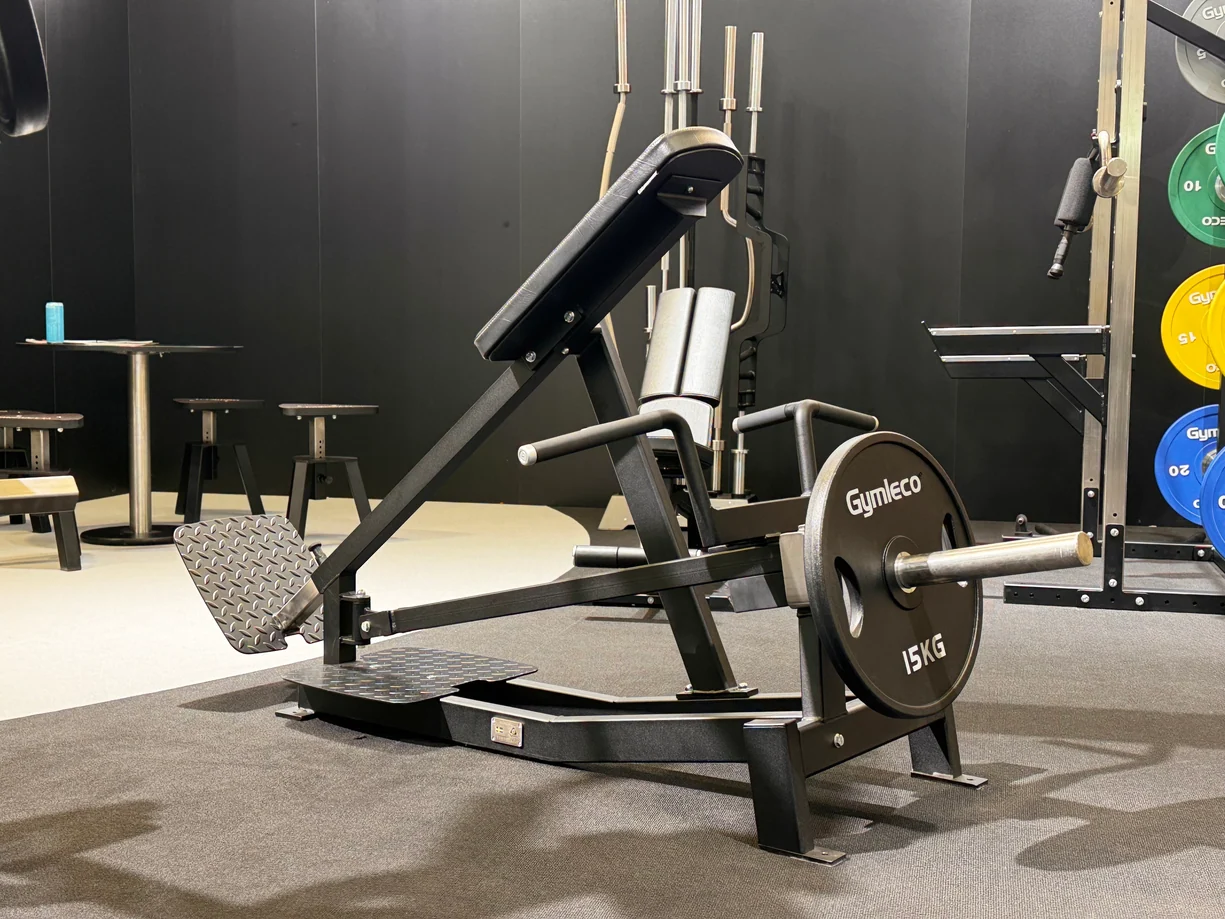
The most economical chest-supported setup is an adjustable bench and a pair of dumbbells. Check that the bench is stable in the prone position, the pad does not compress uncomfortably against your chest and the weights can travel without striking the frame. Adjustable dumbbells save space, but their physical length may interfere with the bench. A dedicated plate-loaded chest-supported row machine provides a fixed pad and handle path, often with generous loading capacity, at the cost of floor space and less flexibility.
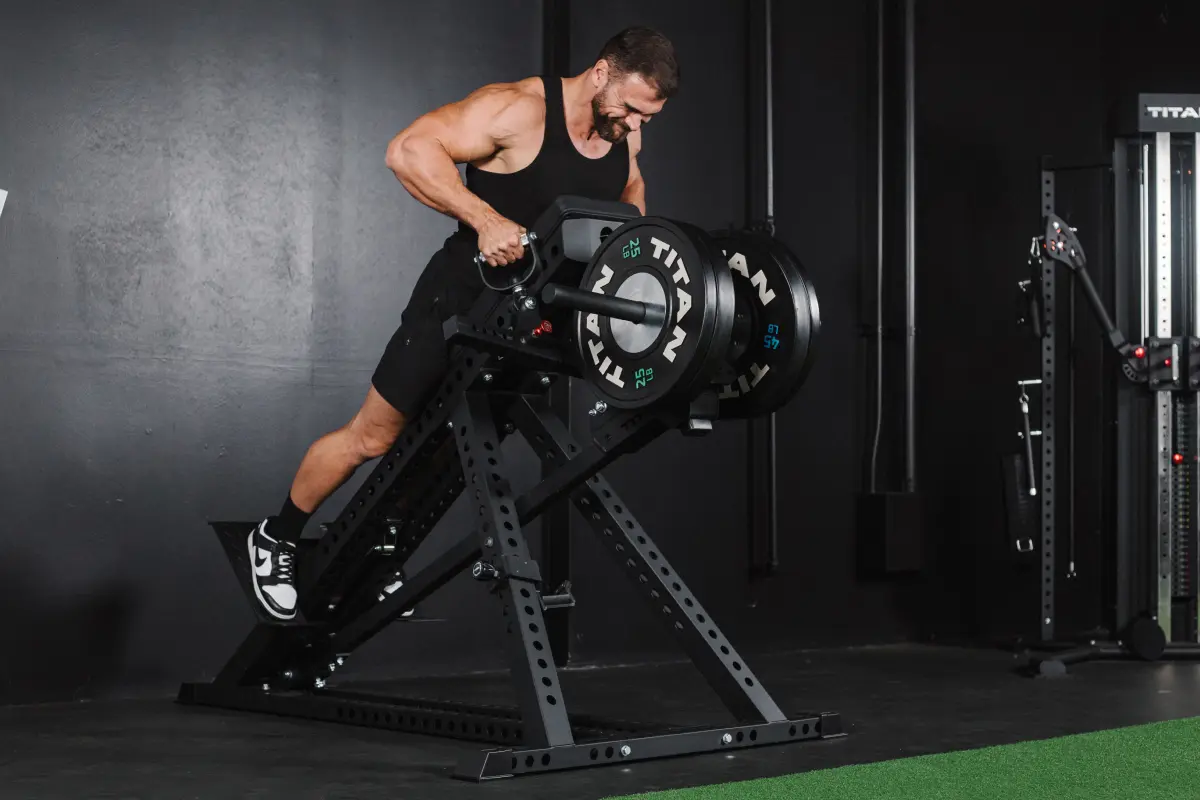
A landmine row with a chest pad is another useful middle ground. The bar follows an arc, so the resistance and handle position feel different from dumbbells. Without a chest pad, a T-bar or landmine row still requires you to brace and hinge; simply using a T-bar handle does not make a movement chest-supported. A cable row can also provide a practical alternative when you want smooth load changes, although the torso support depends on the exact machine and setup.
For the unsupported version, a standard barbell and plates are sufficient. Choose collars that hold securely and a grip you can repeat. Handles that change the grip angle can be useful, but they are not required to build a thick back. When comparing equipment, prioritize a comfortable range, stable body position and progressive loading over a long list of attachments.
There is also a useful budget lesson: you do not need both a specialized row machine and a large rack to train your back effectively. A sturdy incline bench, dumbbells and a way to perform vertical pulls can cover a substantial amount of back training. Add specialized equipment when it solves a genuine limitation, not because a product description promises a unique hypertrophy effect.
Equipment Worth Exploring
Explore equipment, accessories and gear from our carefully selected range.


Leather Lifting Straps
Padded leather straps support grip during heavy rows, deadlifts and pulling exercises.

Angles 90 Grips
Flexible grip attachments that allow natural wrist movement during pulling exercises.

GymPin Ergo Handles
Pair of ergonomic cable handles shaped for comfortable triceps and pulling exercises.
VOLTRA
Compact digital cable trainer with smooth, adjustable resistance.
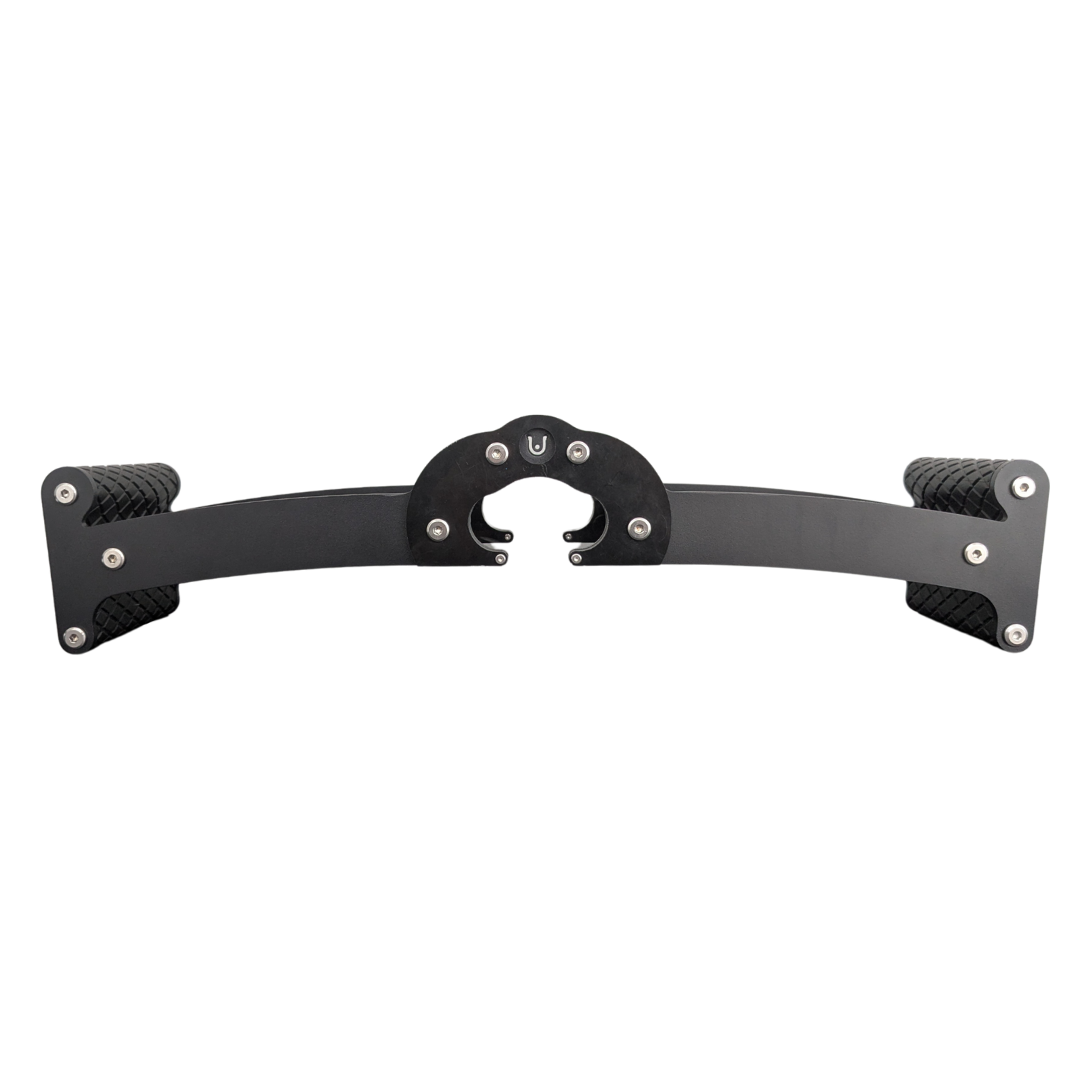
Back Bar
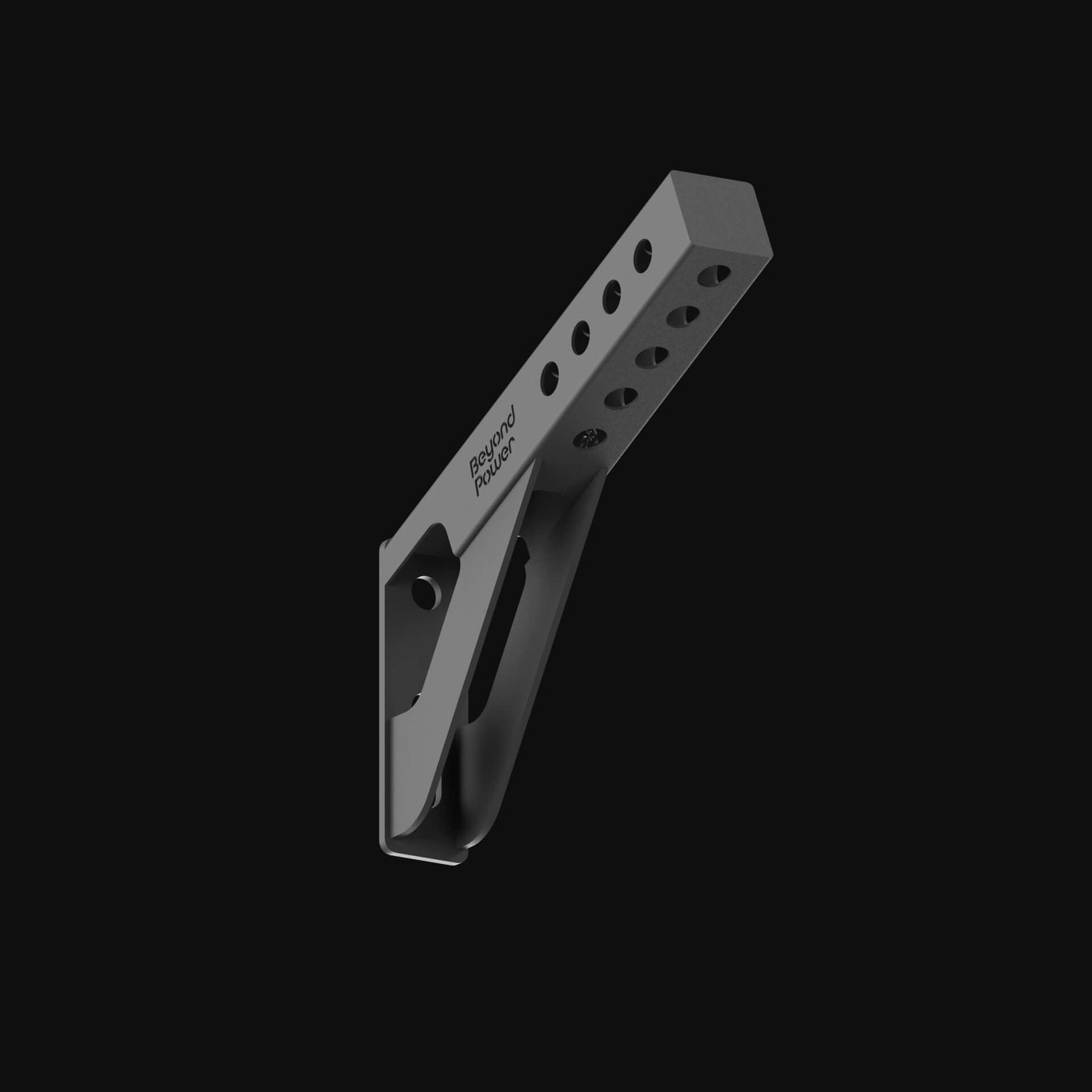
Multi-grip cable and landmine bar with a built-in deadlift jack.


GymPin D Handle Bar
Multi-use steel D-handle bar for cable rows, pulldowns and other cable exercises.
7. A six-week pull-day plan that manages lower-back fatigue
Choose one main horizontal row and one complementary pull, then track them for six weeks. A practical two-day structure is Day A: bent-over barbell row, three sets of six to eight, followed by a pulldown or pull-up for three sets of six to twelve. Day B: chest-supported dumbbell row, three sets of ten to fifteen, followed by a different vertical pull for two or three sets. Leave at least one day between hard back sessions when possible.
Weeks 1–2: select loads that leave about two reps in reserve. Film a side-view set of the barbell row to establish a repeatable hinge and record the bench angle for the supported row. Keep total weekly hard sets manageable relative to the rest of your program. If deadlifts or heavy Romanian deadlifts already dominate your week, put the supported row after those sessions rather than stacking more unsupported hinges.
Weeks 3–4: add one repetition per set where technique permits. When you reach the top of the target range on all sets, increase weight by the smallest useful increment and restart near the bottom of the range. If the barbell row starts becoming a torso-heaving contest, hold the load steady or replace one set with chest-supported work. The goal is progressive stimulus, not progressive cheating.
Weeks 5–6: continue modest progression while watching recovery. If your lower back is still fatigued from the previous workout, switch Day A to a supported row for that week rather than forcing the hinge. If you are recovering well and barbell strength matters, keep the unsupported row first. Compare reps, load, technique consistency and the number of quality sets you can complete, not just post-workout soreness.
The bottom line is simple: chest-supported rows are often the more efficient choice when you want back work with less torso-stabilization demand; bent-over rows are valuable when you also want to practice holding a loaded hinge. Neither guarantees bigger lats by itself. Use both if they serve different purposes, or choose the one you can progress with clean repetitions and recover from consistently.
Powerlifting Shirts & Lifting Gear
Powerlifting shirts and gym gear for squat, bench and deadlift lifters who live for heavy numbers.

Barbell Breaker Heavy Metal Workout Bar Breaker Lifting Sticker
Put “Barbell Breaker” gym humor on your laptop, bottle, or gym gear.

I Was Made For Liftin You Hoodie
Keep it laid-back with a little “I Was Made For Liftin You” attitude.

Back To The Sci-Fi Meme Hooded Hoodie
Bring “Back to” gym humor to lazy days and post-workout plans.

I Want You To Deadlift – Patriotic Uncle Sam 4th of Jul Tank Top
Add some deadlift attitude to training with “I Want You To Deadlift”.

Gym Is My Religion Barbell Cross Hooded Pullover Hoodie
Bring “Gym Is My Religion Barbell Cross” gym humor to lazy days and post-workout plans.

Deadlift PR or Die Skull Graphic , Hardcore Halloween G T-Shirt
Heavy lifts, good laughs, and a little “Deadlift” energy.

Barbell Flag USA Gym | Funny Patriotic Workout Sweater T-Shirt
For laid-back days and lifting humor: “Barbell Flag USA”.

Kanye Lifting Barbell | Rap Music Workout Decal Sticker
Stick a little “Kanye Lifting Barbell” humor on your favorite gear.

Icy 45LB Weight Plate Frozen Barbell Lifting Workout Co T-Shirt
For laid-back days and powerlifting humor: “Icy 45LB Weight Plate”.

Deadlift Stone Skull Gym Decal for Powerlifters, Hardco Sticker
Stick a little “Deadlift” humor on your favorite gear.