Advertising disclosure: This page includes affiliate links that may earn us a commission at no additional cost to you.
Strong arms help you move a paddle, but a canoe slalom course asks for much more than a powerful first stroke. You have to accelerate, turn, recover from a disrupted line and repeat those efforts while the water itself is moving. A 2025 investigation of 34 elite canoe slalom athletes offers a useful way to think about gym strength in this demanding sport: measure both the push and the pull, but keep the closest test to the sporting task in view.
Why canoe slalom needs more than upper-body strength
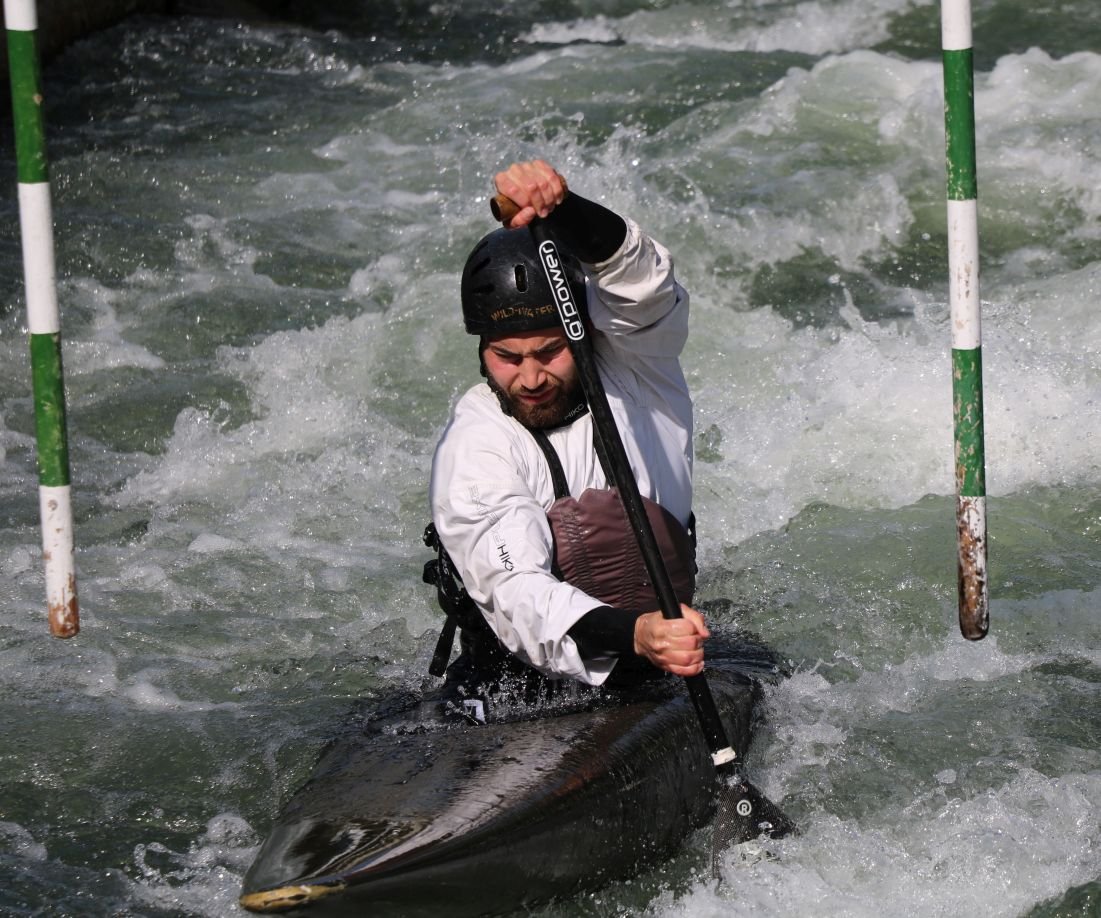
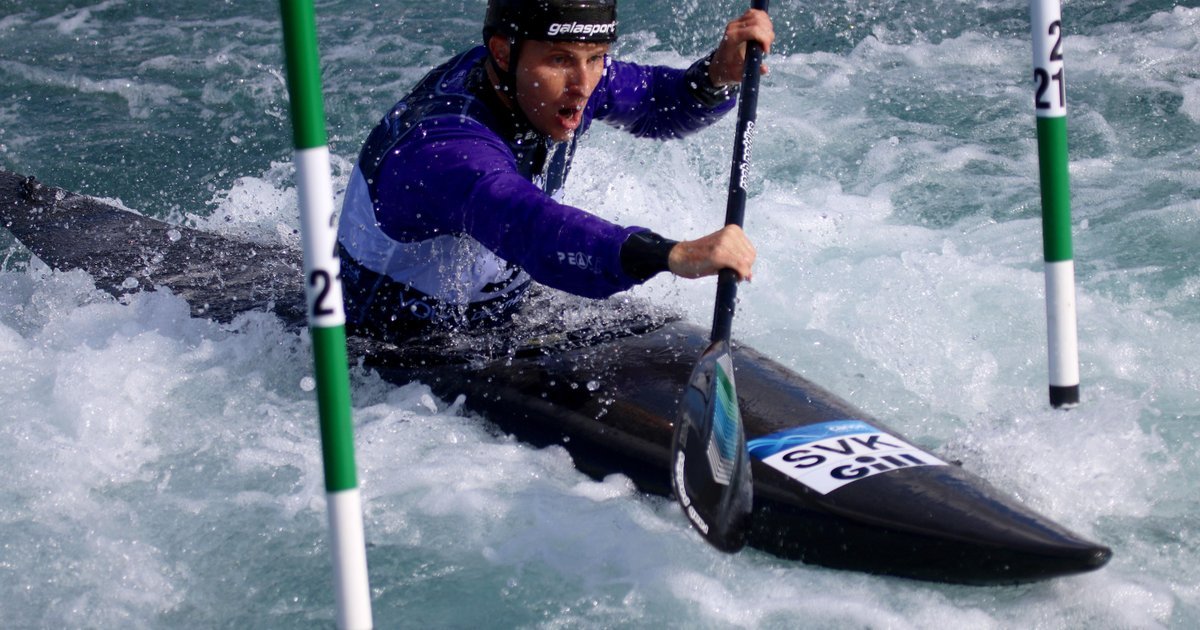
In canoe slalom, athletes navigate a marked course through moving water. Downstream gates require accurate positioning, while upstream gates demand a turn against the current before the athlete can accelerate away. Kayak competitors sit and use a double-bladed paddle; canoe competitors kneel and use a single-bladed paddle. That distinction changes the stroke pattern and how the athlete stabilizes and steers the boat.
A clean course is not simply a matter of producing more watts. Touching a gate incurs a two-second penalty and missing one can add 50 seconds. A powerful athlete who repeatedly chooses the wrong line can lose more time than a slightly weaker athlete who moves efficiently. Strength matters because it gives you options: the ability to recover a line, make a decisive stroke or accelerate after a turn without exhausting your available force.
Elite races typically last roughly a minute and a half to two minutes. In a simulated effort of around 92 seconds involving eight trained paddlers, an estimated 68% of the energy came from aerobic metabolism and 32% from anaerobic metabolism. The same investigation found a greater oxygen demand in turning maneuvers than in straight paddling at comparable mechanical power. These are estimates from a small group, not fixed percentages for every race. Still, they make clear why a slalom athlete needs repeatable power as well as high peak force.
What the 34-athlete study actually measured
The study included 34 elite athletes: nine men and eight women in kayak, and nine men and eight women in canoe. Rather than equating a race result with a single strength test, the investigators collected a series of performance measures over two days.
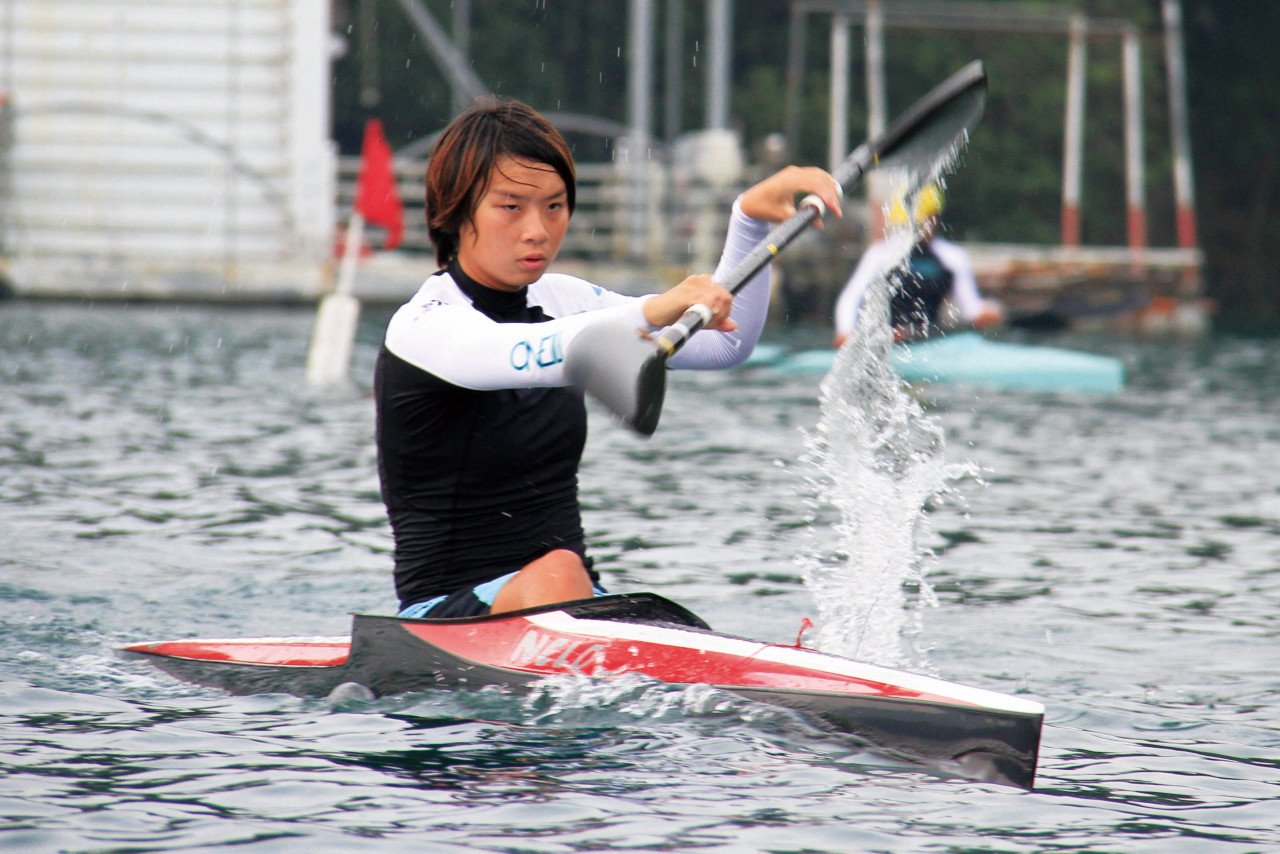
The on-water tests included a 2 × 15-metre shuttle with turns to each side and a longer, all-out 12 × 15-metre shuttle. These tasks combine acceleration, braking, changing direction and reacceleration. The off-water battery included power measurements in the bench press and bench pull, together with three 200-metre efforts on a kayak ergometer.
This design is interesting because it gives coaches several levels of specificity. A barbell test isolates a relatively narrow strength quality. An ergometer adds a recognizable paddling action without the unpredictable current. A water-based shuttle adds boat handling and the consequences of a poor turn. Each layer asks a different question, and the results should not be treated as interchangeable.
The participants were already elite competitors, not beginners assigned to different exercise programs. The researchers looked for relationships between existing abilities. They did not randomly assign athletes to bench-press training, track subsequent improvement or demonstrate that a prescribed increase in gym strength causes a faster slalom time. Differences in body size, sex, discipline, technical experience and training background can influence pooled correlations. Even a strong relationship therefore needs to be interpreted in context.
Bench press and bench pull: two useful directions of force
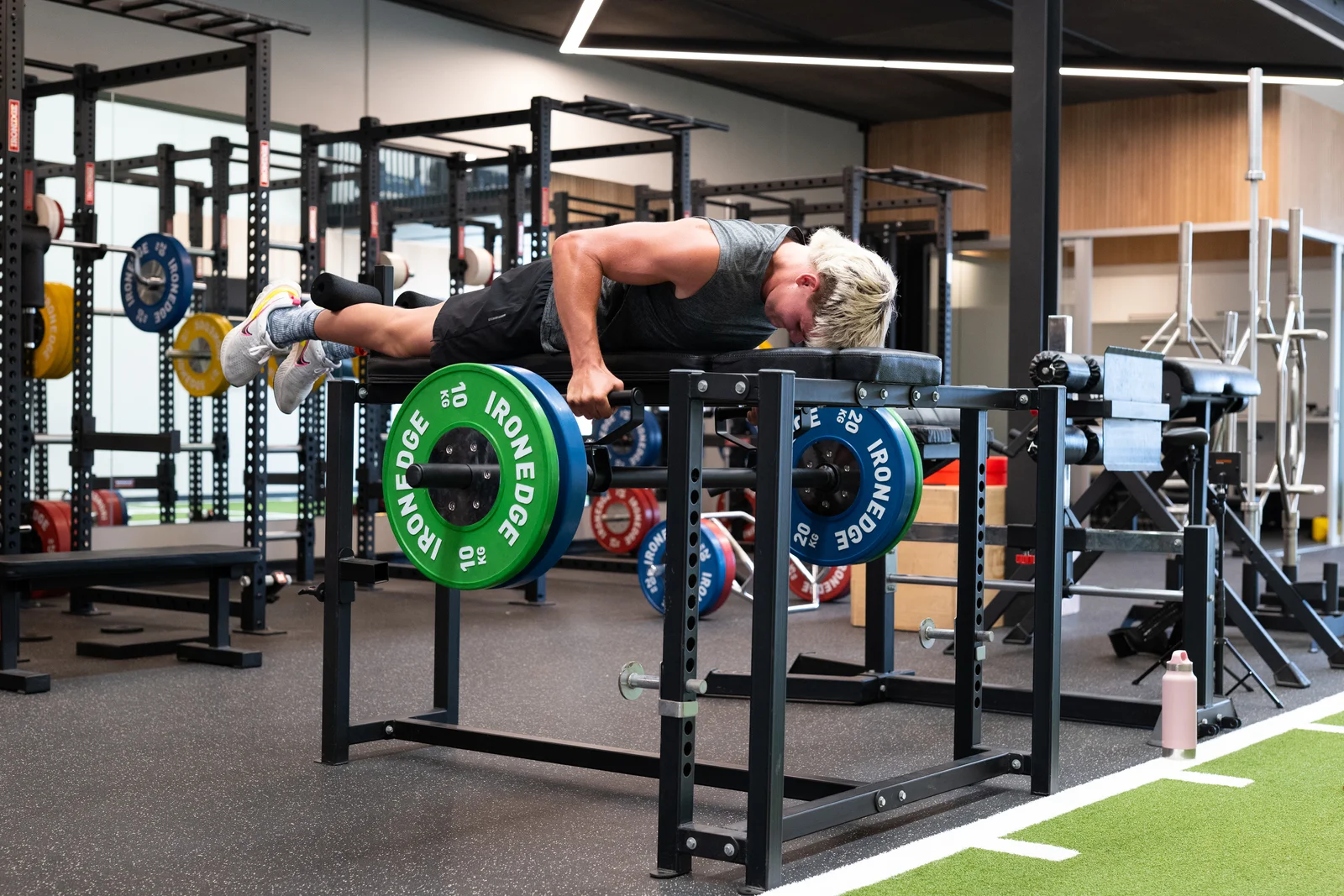
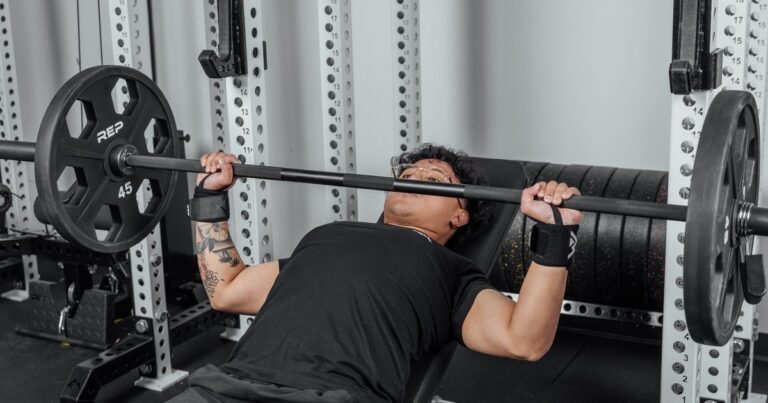
The bench press and bench pull both showed meaningful associations with on-water test performance. For absolute power, the magnitudes of the reported correlations across the two water tests were approximately 0.75 and 0.71 for the press, and 0.70 and 0.69 for the pull. Associations also remained when power was expressed relative to body mass: about 0.74 and 0.66 for pressing, and 0.73 and 0.70 for pulling.
That is useful evidence against thinking of paddling strength purely as a lat exercise. The paddle stroke involves linked actions through the shoulders, arms and trunk. Depending on the phase of the stroke, one hand can help drive the blade while the other pulls or guides the shaft. The two gym tests do not recreate the full movement, but they offer complementary ways to quantify upper-body power.
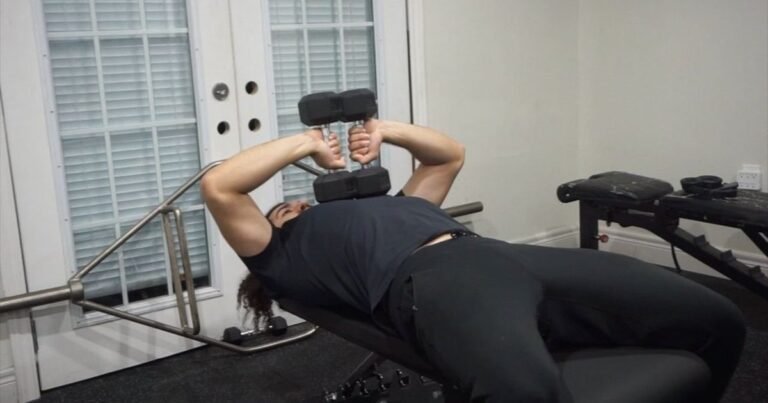
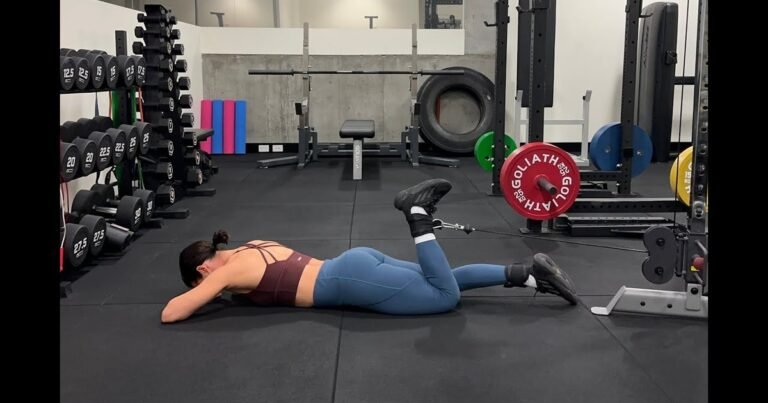
A bench pull is commonly performed with the athlete lying face down on a suitably elevated bench, pulling a barbell upward. A stable chest-supported row is another practical choice for training the back, although the measurement is not directly comparable with a standardized bench-pull test. For the press, prioritize a controlled lowering phase, consistent range of motion and an intentionally fast upward phase with manageable resistance.
Earlier research on canoe slalom has also connected upper-body strength and sport-specific tests with competition performance. However, the relationship between the gym and the water is not a reason to chase a personal record at every workout. Extra strength is most useful if the athlete can express it without sacrificing technical quality, movement tolerance or recovery for paddling practice.

Equipment Worth Exploring
Explore equipment, accessories and gear from our carefully selected range.
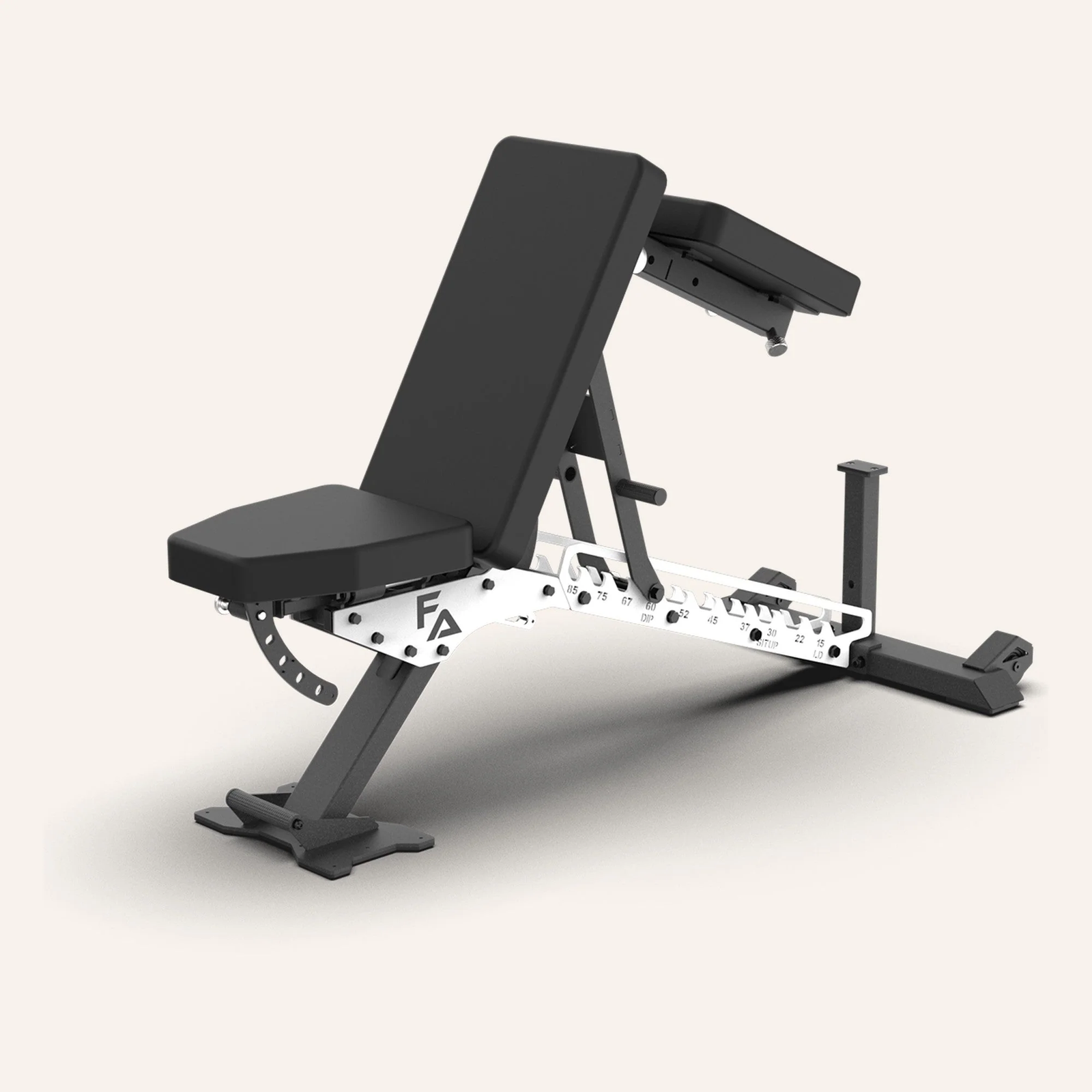


T-Bar Row Attachment
Welded barbell attachment that connects a D-handle bar for landmine and T-bar rows.

GymPin Barbell Row Handle
Heavy-duty handle attachment for barbell, landmine and T-bar rows.


Why the paddle ergometer showed the strongest relationships
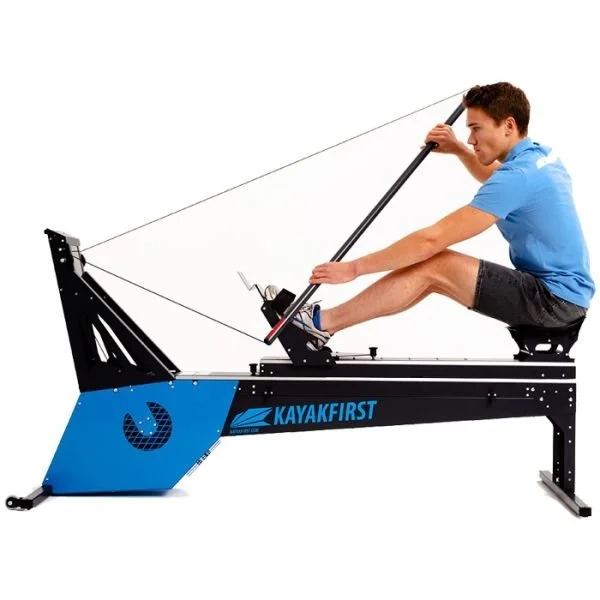
The strongest associations in the investigation came from the kayak ergometer. Best mean power from the 200-metre efforts had reported correlation magnitudes of approximately 0.90 and 0.92 with the two on-water tests. Total ergometer time was also strongly associated, at approximately 0.84 and 0.88.
Those values are impressive, but an ergometer still cannot tell you exactly how someone will perform on a difficult whitewater course. It removes current, gate penalties and the need to maneuver a boat around obstacles. The athlete can focus on applying force repeatedly with a paddling action, which makes it valuable for testing and conditioning rather than a replacement for water sessions.
There is also a difference between a kayak ergometer and a conventional rowing machine. A rower can provide challenging cardiovascular work and a useful alternative conditioning session, but its bilateral handle pull and sliding-seat movement are not the alternating paddle pattern. Do not compare rowing watts directly with kayaking watts or use the same performance standards.
If your club has a kayak ergometer, keep equipment settings, warm-up, rest periods and test distances consistent from one assessment to the next. Record average power and time together. An apparent improvement caused by a changed resistance setting or a different pacing strategy is less informative than a repeatable improvement under comparable conditions.
How to build a gym session that supports paddling
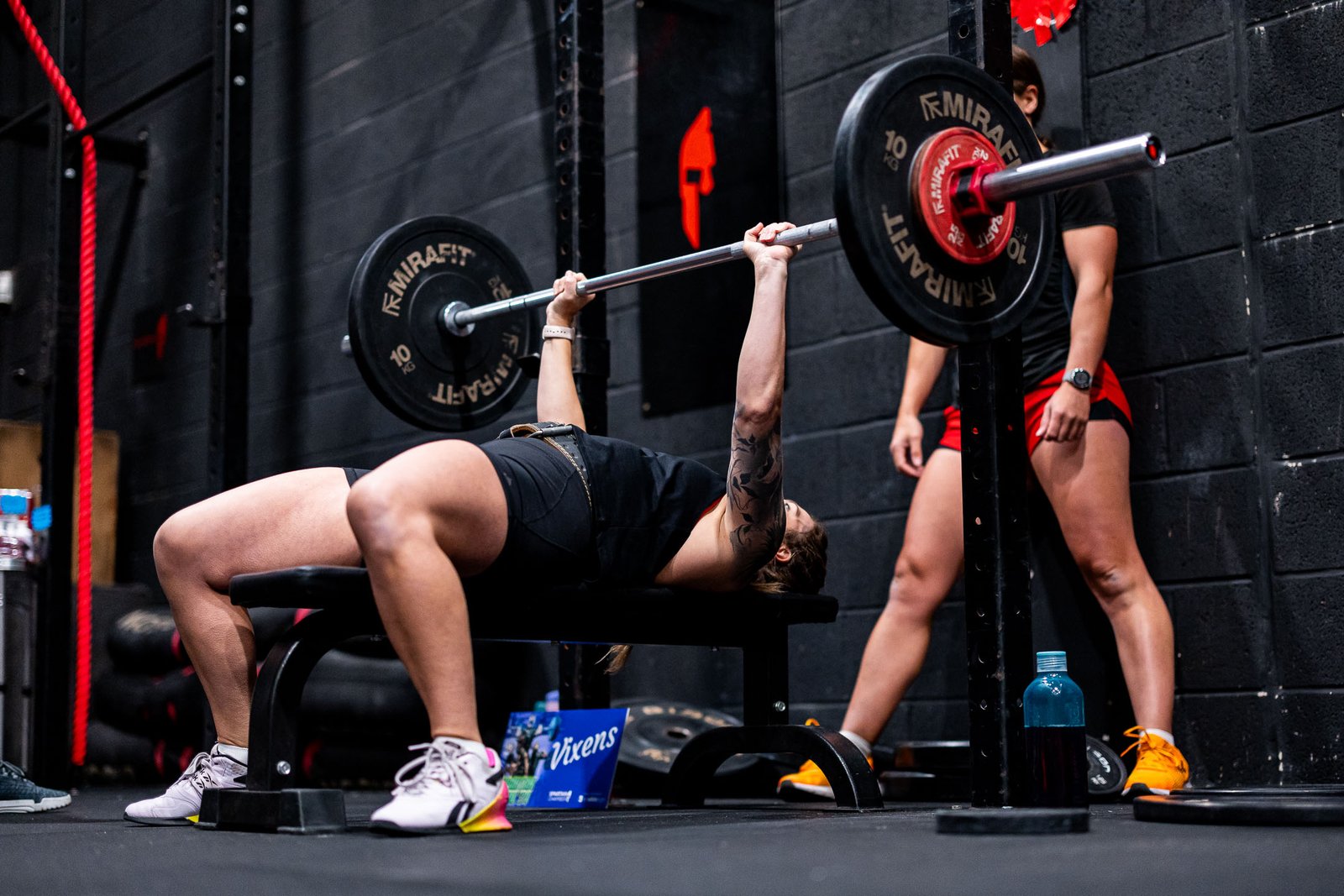
A practical strength session for a healthy, trained paddler can begin with a short warm-up followed by explosive but technically controlled pressing and pulling. For example, perform three sets of four to six bench-press repetitions and three sets of four to six chest-supported rows, allowing two to three minutes between demanding sets. Use a load that leaves several good repetitions in reserve and does not force slow, grinding efforts. This is an illustrative training structure, not the intervention tested in the study.
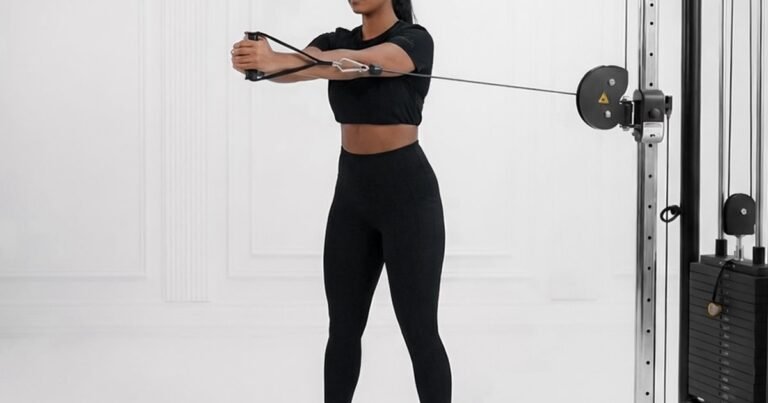
Then add two or three moderate sets of a unilateral cable row or press, followed by trunk work such as a controlled anti-rotation hold. These exercises allow you to work on force production and resisting unwanted movement, while recognizing that a fixed gym movement does not teach the timing of an upstream turn. Lower-body training still belongs in the program: the hips and legs help transmit force and stabilize the body, even when most visible motion comes from the upper body.
Schedule demanding gym work so it does not undermine the most important technical sessions. If you have a hard water session the following morning, keep the previous evening’s resistance work comfortably below failure. During heavy race preparation, reduce gym volume before automatically reducing movement quality. A coach can use repeated standardized tests to decide whether more strength work, more paddle conditioning or more technical practice is the best next investment.
The key lesson is not that every paddler needs the same bench press number. It is that useful strength has a direction, a speed and a sporting context. Develop the capacity to push and pull, monitor repeatable paddle power when you have the right equipment, and judge your progress by what happens when the boat has to turn and accelerate again.