Advertising disclosure: This page includes affiliate links that may earn us a commission at no additional cost to you.
Canned mackerel can turn a cupboard ingredient into a substantial lunch without cooking fish from scratch. But the useful question is which tin you bought. Fish in tomato sauce, fillets in olive oil and a drained portion are different foods to enter in a meal log, even when every label says mackerel.
For lifters, start with the species, ingredients and portion basis, then build a meal you enjoy. Mackerel does not need to replace every other protein food or arrive with a promise of faster gains. Its practical appeal is a ready-to-use ingredient that can work with bread, rice, pasta or vegetables when a more elaborate meal is unlikely to happen.
Read the product before counting the protein
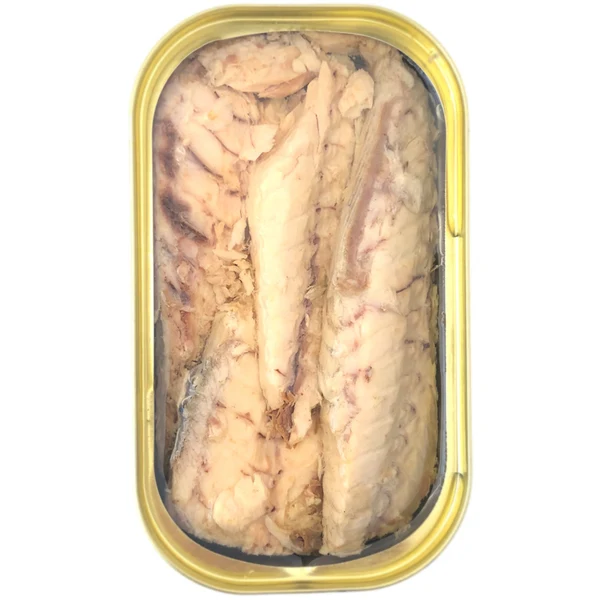
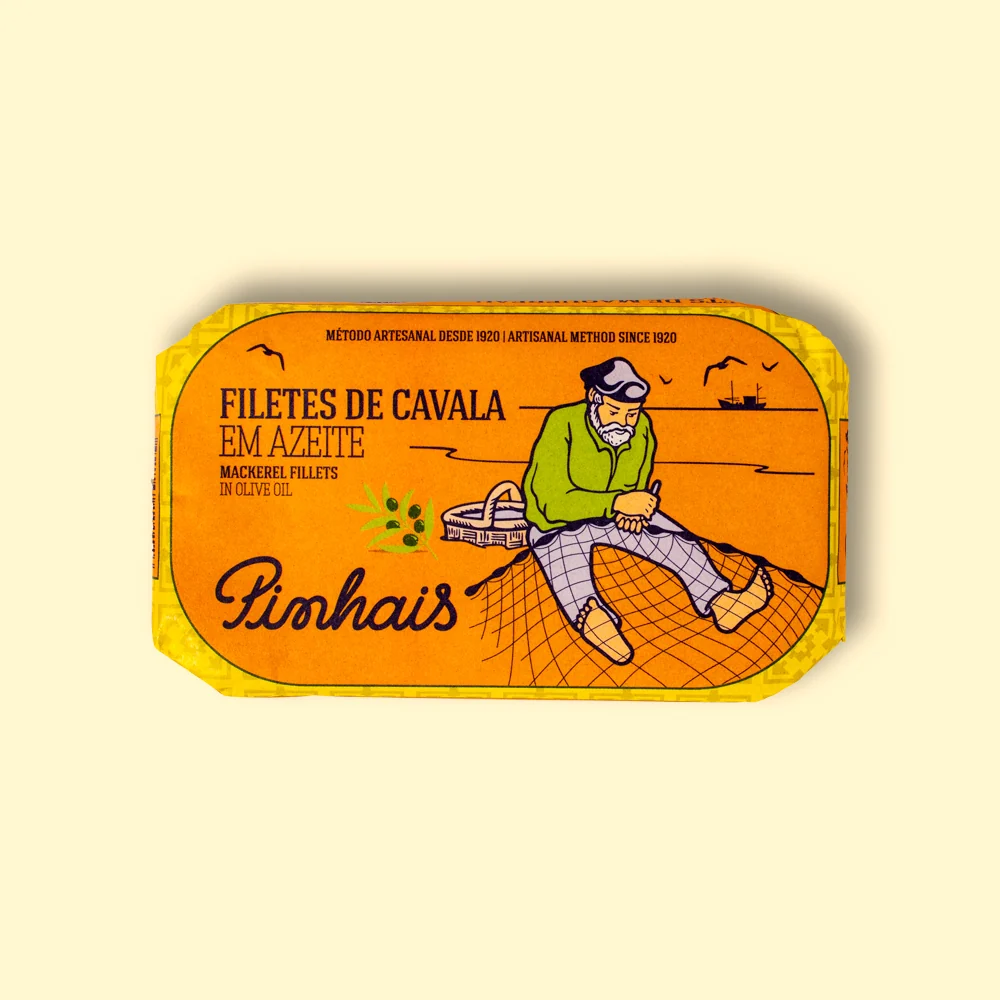
A tin’s front label is the beginning of the description. Turn it over and check whether it contains plain fillets, added oil, tomato sauce or other ingredients. Look for the fish percentage when supplied, the stated serving size and whether the nutrition panel describes drained fish or the whole contents.
A useful reference example is canned mackerel fillet in tomato sauce with 11.9 grams of protein, 19.4 grams of fat and 242 calories per 100 grams. Those figures describe that particular food entry, including its sauce. They are not universal values for every species, brand or packing liquid.
Raw mackerel figures cannot simply stand in for a canned product either. Processing and added ingredients change the food being described. An oil-packed tin may also offer a drained serving on its label, so the correct entry depends on the portion basis rather than which online number looks most impressive.
If the packaging is unclear, use the manufacturer’s information for that exact product. Guessing from a photograph or borrowing another brand’s entry makes the calculation look precise without establishing what you actually ate. Keep the product name in your meal log so you can find the same information next time.
Make the portion calculation match what reaches the plate
For a product labelled per 100 grams, multiply the listed values by the weight eaten divided by 100. Using the tomato-sauce reference above, a 125-gram portion of the whole product would provide about 14.9 grams of protein and 303 calories. That is arithmetic from the example, not a claim about the contents of your tin.
Check the portion before adding the rest of lunch. A container’s net weight can include liquid or sauce. If the panel specifies drained fish, use that basis when you drain it. If you eat the sauce as well, do not automatically log only the fish while treating everything surrounding it as nutritionally invisible.
Draining oil creates a similar problem. It removes some packing liquid, but it does not tell you the exact amount of oil remaining on the fish. Avoid inventing a calorie deduction for how long you held the tin over the sink. A matching drained-product panel is more useful than a guessed correction.
The same distinction appears in our guide to canned tuna portions and meal rotation. In both cases, the can is packaging rather than a standard unit of protein. Portion basis, added ingredients and what you serve alongside it determine the finished meal.
Check the species rather than treating all mackerel alike
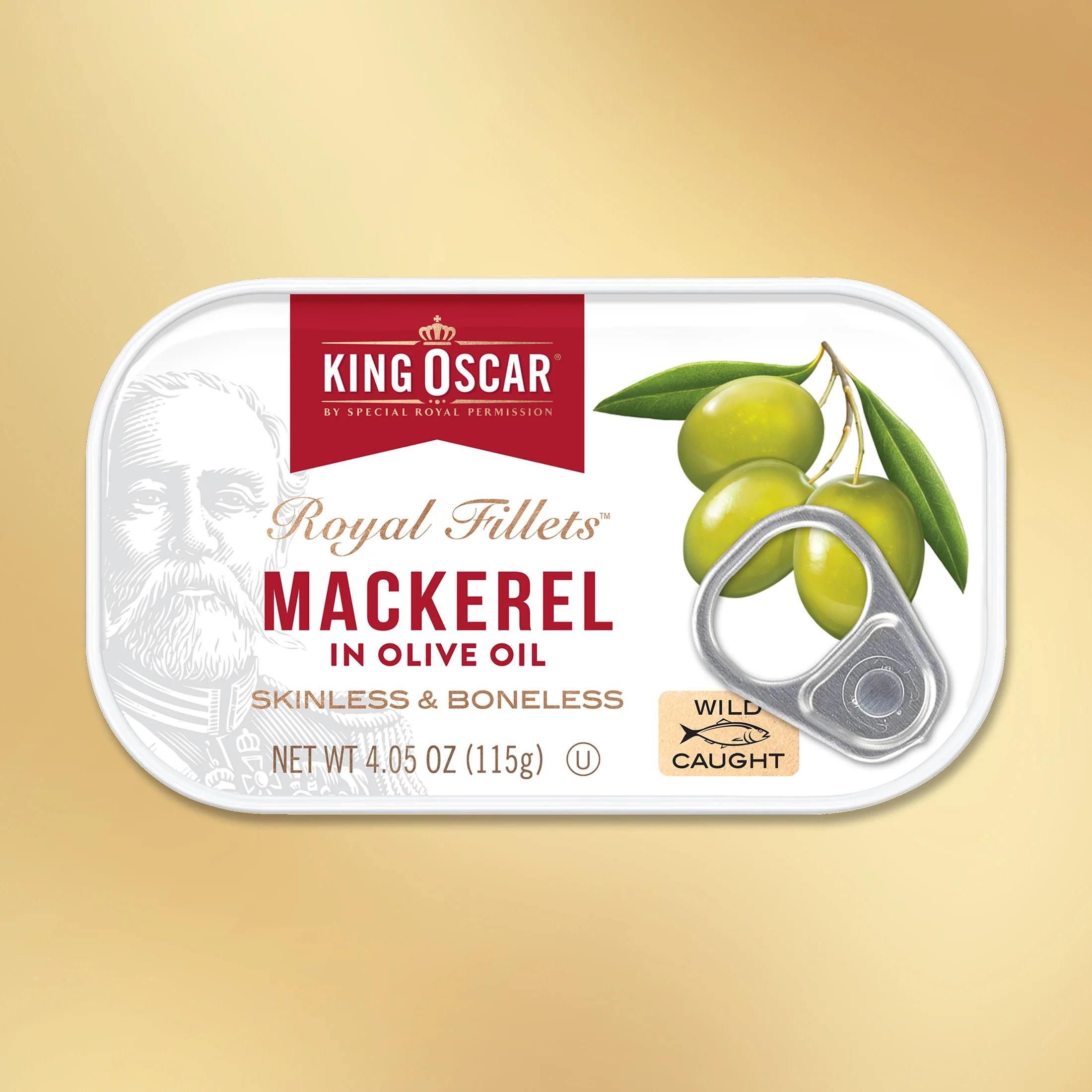
Mackerel is not one interchangeable label for mercury guidance. Atlantic mackerel and Pacific chub mackerel appear among lower-mercury choices in guidance for pregnancy, breastfeeding and children. King mackerel appears in the highest-mercury category to avoid for those groups. Spanish mackerel occupies a different category again.
That is a reason to identify the species, not to assume that every tin is unsuitable or that every product is equivalent. Read the packaging and ask the manufacturer if the description remains ambiguous. A brand name containing the word king does not establish that the fish inside is king mackerel; the species description is the relevant information.
If you are choosing fish during pregnancy or for a child, follow the current guidance for that group, including its serving advice. A general fitness article is not a substitute for that specific guidance. For everyday meal planning, vary your protein foods rather than making an unidentified fish product the automatic answer to every meal.
Keep broader nutrition claims in proportion too. Mackerel can supply protein and omega-3 fats, but the amount depends on the product and portion. Eating a tin does not establish a particular recovery benefit or make the rest of the diet irrelevant. Choose it as food you can use, not as an unmeasured supplement protocol.
Build a complete meal instead of eating by tin count
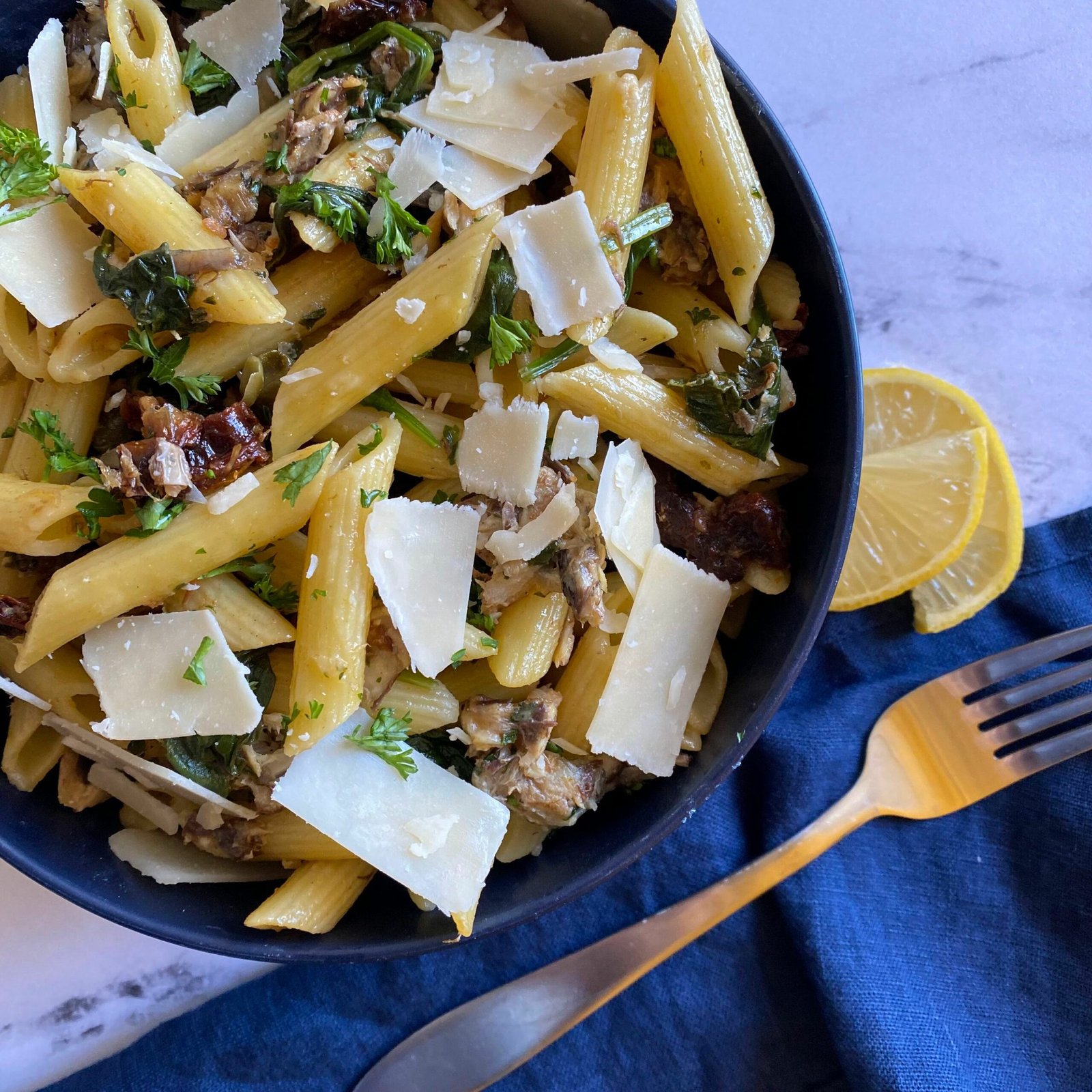
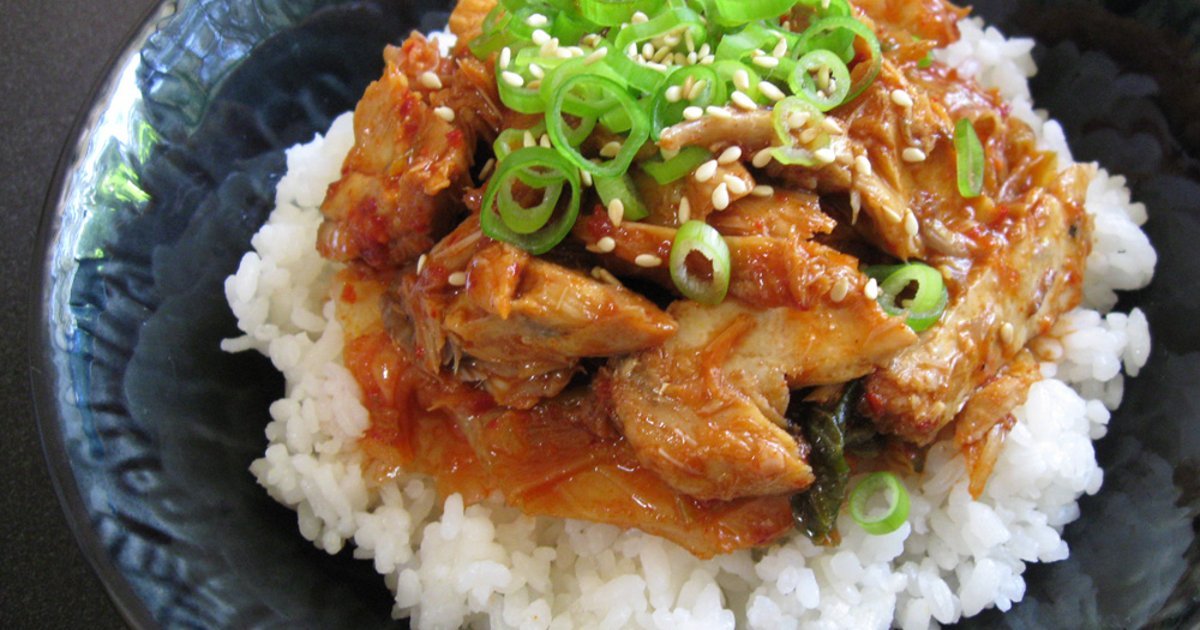
A practical lunch can start with mackerel, a familiar carbohydrate food and vegetables. Try fish on toast with tomatoes, a rice bowl with cooked vegetables, or pasta with leafy greens. These are flexible serving ideas rather than a copied recipe or a fixed nutrition prescription.
Choose the packing style for the meal. Tomato sauce can already supply flavour for bread or rice. Oil-packed fillets may suit pasta or a dressed salad, but taste the dish before pouring in more oil or dressing. Account for the additions you use, especially when comparing the finished meal with a plain-fish entry.
If chicken, rice and broccoli is your usual prepared lunch, keep the rice and vegetables and try mackerel for a different meal. You need not replace the whole routine to add variety. Equally, a fish tin and a piece of fruit may not be the amount of food you want after a demanding day; plan the complete plate deliberately.
For another base, our guide to choosing and portioning couscous explains why fine granules and larger pearls need different preparation. Pairing a convenient protein food with a base you already know makes a new lunch easier to repeat.
Consistency can mean keeping two enjoyable combinations available, not forcing the same lunch every day. Use ordinary groceries and flavours you like. A more complicated meal is only useful if you have the time and inclination to prepare it.

Bodybuilding Shirts & Workout Gear
Bodybuilding shirts, tanks and gym gear for lifters chasing muscle, size, symmetry and the pump.

Protein Gym Cosmic Graphic , Bodybuilding Workout Hoodie
Show off your lifting humor in a laid-back “Protein” hoodie.

Swole Foods Groceries Meme Whole Foods Parody T-Shirt
Make gym days more fun with “Swole Foods Groceries” style.

Lift Eat Repeat & Weightlifting Meme Vest Tank Top
Add some lifting attitude to training with “Lift Eat Repeat”.

Lift Eat Sleep Repeat Meme Sweater & T-Shirt
Bring “Lift Eat Sleep Repeat” humor to your everyday gym style.

– I'M Just Here Because I Like To Eat & Foodies Tank Top
Bring “I'm Just Here Because I Like To Eat” humor to your next lifting session.

Broccolift Eat Broccoli Lift Sweater Gains Meme T-Shirt
For laid-back days and meal-prep humor: “Broccolift”.

Hustle for Muscle Hoodie
Bring “Hustle For That” gym humor to lazy days and post-workout plans.

Protein Monster – Protein Lovers, & Bros – Meme T-Shirt
Heavy lifts, good laughs, and a little “Protein Monster” energy.

Chicken Broccoli Rice Powered By Meal Prep Hooded Hoodie
Show off your meal-prep humor in a laid-back “Chicken Broccoli Rice” hoodie.

Progress Stoic Bodybuilder Greek God Marble Sculpture T-Shirt
Heavy lifts, good laughs, and a little “Progress Stoic Bodybuilder Greek God Marble” energy.
Buy for your routine and plan what happens after opening
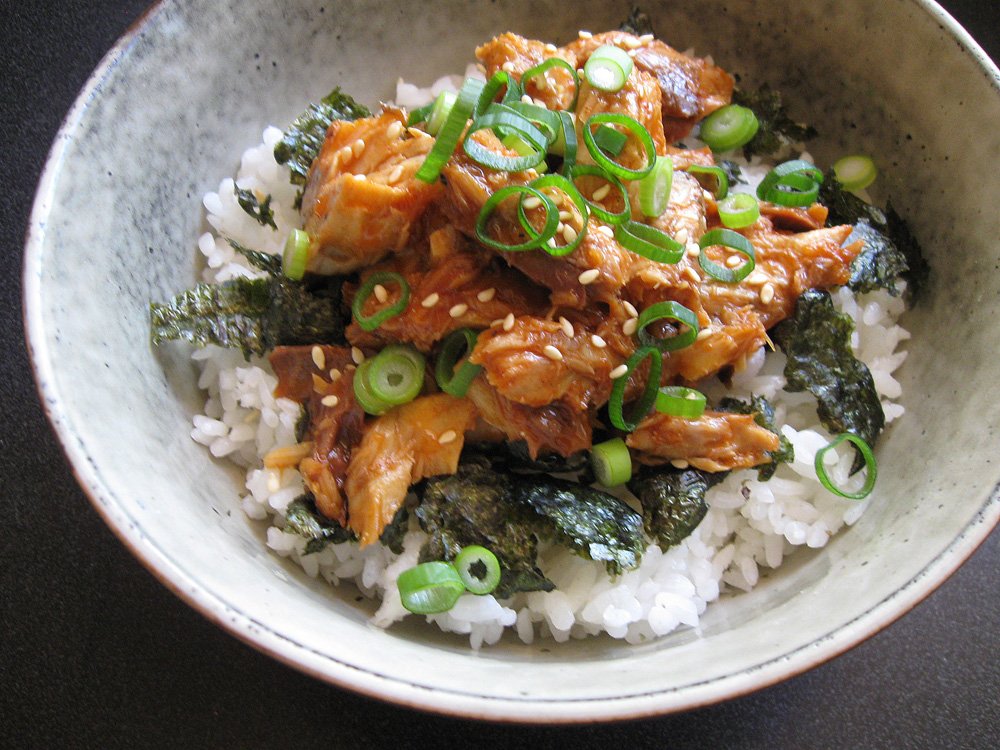
Compare actual shelf prices and the amount you will eat rather than assuming that every canned fish is a bargain. Premium fillets and large basic tins can serve different budgets and preferences. A cheaper package is not useful value if you dislike the texture or repeatedly discard the remainder.
For a simple comparison, divide the price by the usable portion you expect to serve. Only compare protein per unit of money when both products have clear nutrition and portion information. A headline price for a larger tin can conceal a different fish-to-sauce ratio or a different portion basis.
Follow the pack’s storage instructions once opened. Keep any remainder covered and refrigerated, and plan to use it promptly within the stated limit. Do not carry an unopened shelf-life date over to opened fish. Prepare only the amount you can store and use sensibly, especially when mixing it into another dish.
Start with one tin and one meal before buying a cupboard full. Check the species, match the nutrition entry to the portion, and decide what completes the plate. If the result tastes good and fits your routine, canned mackerel has earned a useful place alongside your other protein foods.