Advertising disclosure: This page includes affiliate product links that may earn us a commission, as well as products from our own store.
Behind-the-back wrist curls make a small movement easy to exaggerate. A shrug, an elbow bend or a little hip drive can move the bar without giving the wrists the same task. The useful challenge is controlling the bar through a repeatable wrist movement while the rest of you stays quiet. Start light enough to notice that distinction. This guide covers a secure pickup, clear hand position, optional finger movement and a way to record progress without turning a forearm exercise into a whole-body lift.
Choose the pickup before choosing the weight
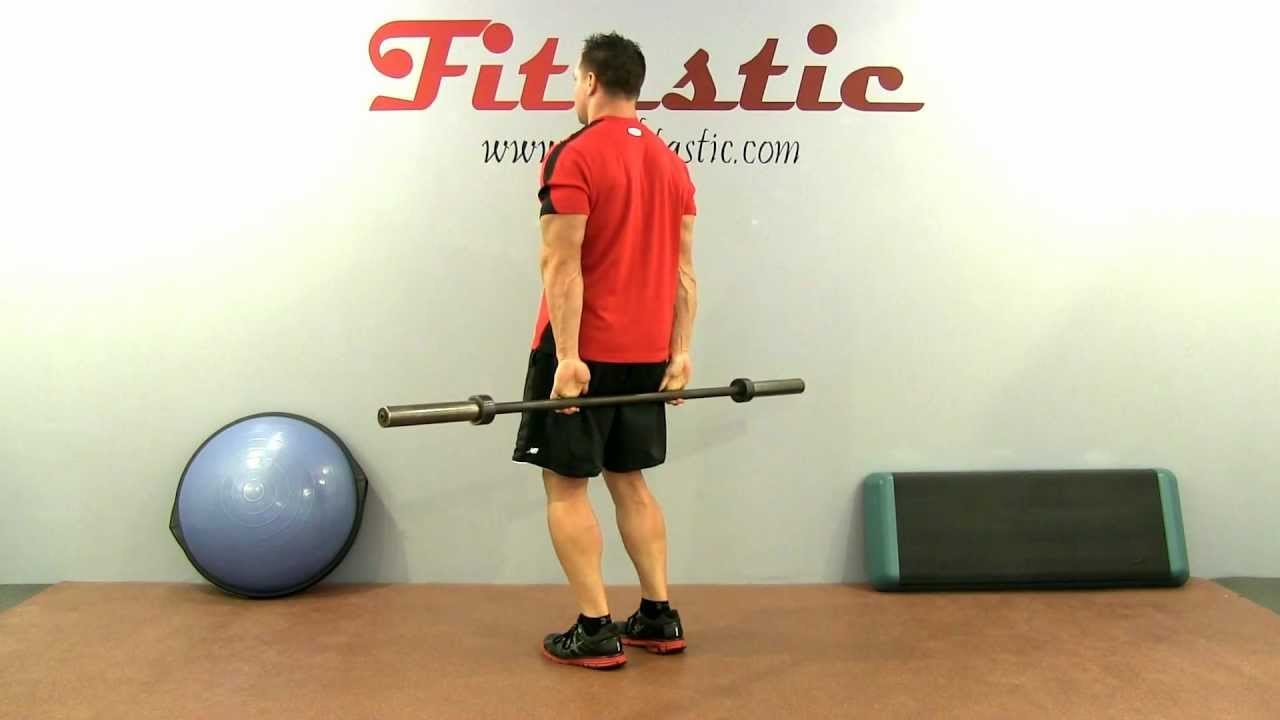
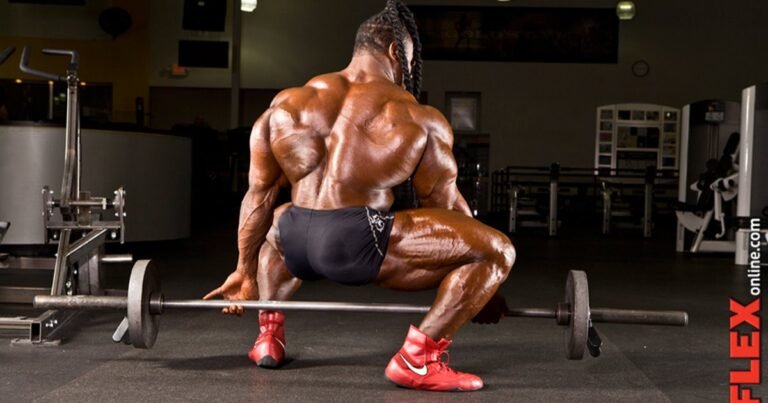
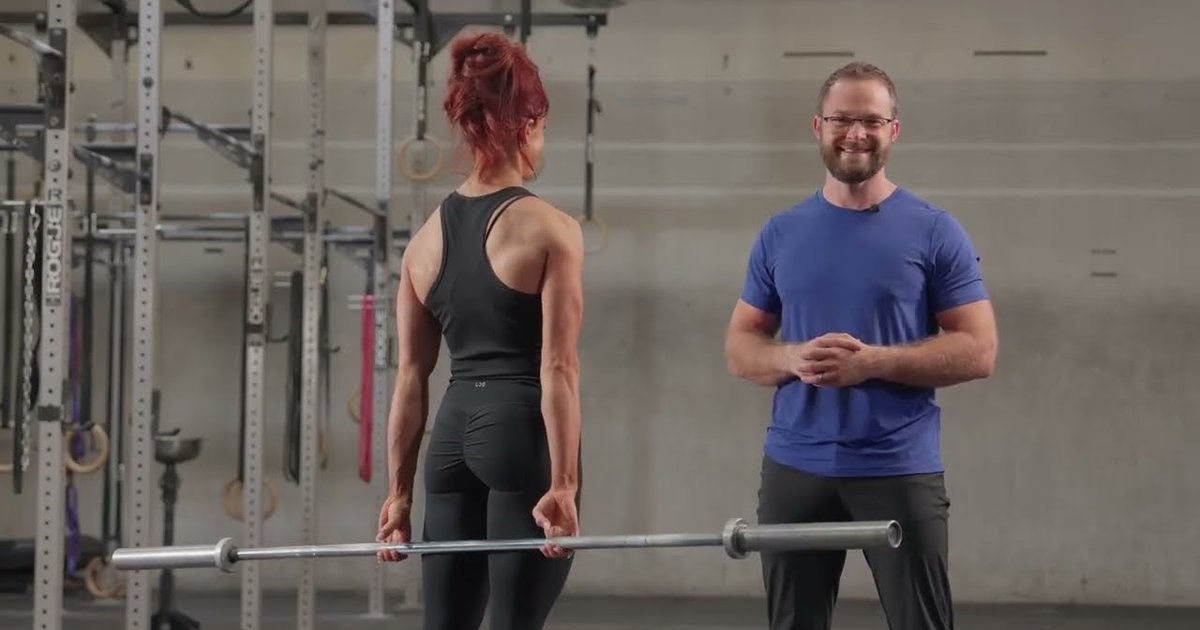
Use a light straight bar that you can handle comfortably behind your thighs. Set it on secure supports at a height that allows you to take the weight without reaching awkwardly or lifting it a long distance first. Face away from the bar, take your grip and stand clear of the supports. Rehearse the return with the empty or lightest practical bar before loading plates.
A standard Olympic bar may already be too heavy for your first practice set. A lighter fixed bar or an appropriate alternative can make more sense than insisting that every exercise starts with a twenty-kilogram implement. If you use a plate-loaded bar, load both sides evenly and secure the plates with compatible collars. Check that the rack, bar and planned standing position give you enough clearance for your hands.
Keep the floor behind you clear. Unlike a curl performed in front, the implement is outside your normal line of sight. Do not rely on looking down at the bar during every repetition to keep it safe. Pick a position you can hold without craning your neck, then organize the rack and spacing around that position. Ask for coaching if the pickup is unfamiliar.
Do not make passing a loaded bar around your body part of the exercise. That adds a handling problem before the wrist work begins. A suitable rack or secure elevated support lets you focus on the intended movement. If there is no workable pickup and return, use a supported wrist-curl variation instead. Convenience only helps when the setup remains manageable at the end of the set.
Use hand orientation that describes the actual position
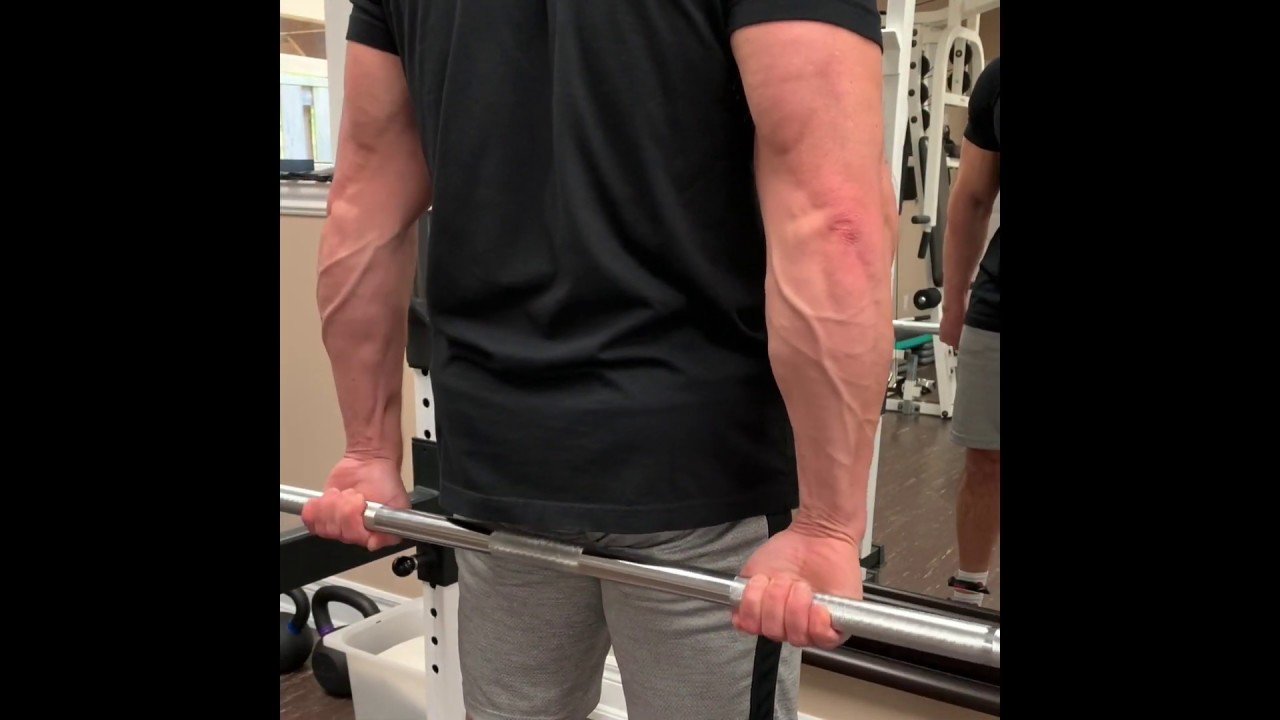
Grip the bar behind your body with your palms facing away from your backside, toward the space behind you. Start around shoulder-width hand spacing, then make small adjustments for comfort. Grip labels can become confusing when the arms are behind the torso, so use the visible palm direction rather than arguing over whether a demonstration calls it overhand or underhand.
Stand comfortably with your arms down and the bar behind the thighs. Keep the shoulders settled rather than deliberately pulling them far back. The exercise does not require a large shoulder stretch or a dramatic chest-up pose. If reaching the bar behind you produces shoulder discomfort, choose another position for the wrist work. More awkwardness is not evidence of a better forearm exercise.
Find a hand spacing that allows both wrists to move without forcing a sharp sideways bend. The straight bar links your hands, so one side may reveal that the chosen position does not suit you. Do not twist your torso to disguise the mismatch. A single dumbbell with the forearm supported can allow a more individual position, although it changes the exercise and should be logged separately.
Before counting repetitions, hold the starting position briefly and check the basics: secure full-hand grip, stable feet, no joint pain and an obvious route back to the supports. These are useful checks for each unfamiliar bar, not a ritual that requires a particular stance measurement. Your arms and bar should fit the setup without needing to force the body into someone else's photograph.
Let the wrists move while the elbows stay quiet
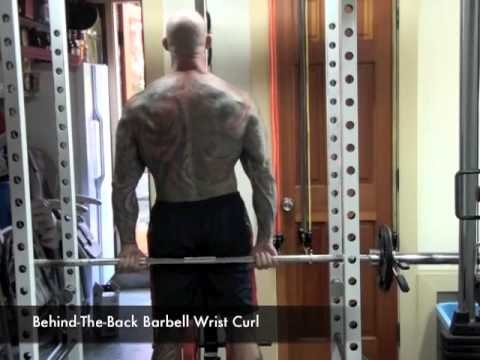
From the starting position, curl the bar upward with wrist motion and then lower it under control. The visible travel is modest. Keep the upper arms and elbows from becoming a second engine. If the bar suddenly rises several inches because the elbows bend or the shoulders shrug, you have changed the movement even if the set still feels difficult.
Use a comfortable range that you can reproduce. A brief pause near the top can make it easier to notice whether the wrists are doing the work, but there is no need to force the joint into the deepest possible angle. A controlled return is as important as the lift. Avoid dropping the bar into the bottom position and bouncing it back upward.
Keep the hands from resting against your body to make a difficult repetition look finished. That contact can change how the load is supported. Leave a little clearance if you can do so comfortably, without yanking the arms farther behind you. If fatigue makes the hands settle against your thighs or the shoulders hike upward, finish the set rather than counting increasingly different repetitions.
A rear or side video can help, provided the camera is safely outside the bar's path. Compare the first and last few repetitions. Are the elbows still in the same place? Does the bar lower at a similar speed? Are the knees beginning to dip? Review that pattern before increasing weight. The point is to improve a specific small movement, not find a clever way to make a heavier bar move.
Treat finger rolling as a separate progression
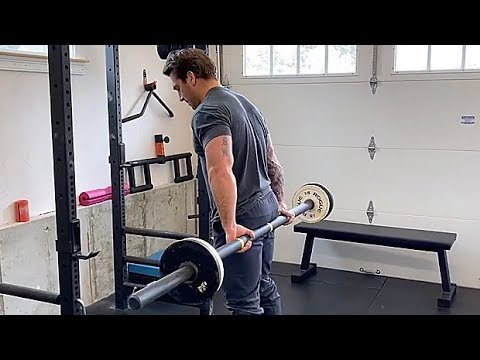
Some versions allow the bar to roll a short distance toward the fingers before the hand closes and the wrist curls. That adds finger movement to the task. It is an option to introduce deliberately with a much lighter load, not a requirement for every beginner set. First establish that you can control a full-grip wrist curl and return the bar safely.
If you try the rolling version, keep the bar contained by the fingers throughout. Do not open the hand so far that you are hoping to catch it again. Use only a range from which you can close the hand smoothly. A sudden slip behind your legs is not a useful test of commitment. Reduce the load or leave out the roll if you cannot keep that control.
Keep your comparisons honest. Ten repetitions with a secure full grip and ten with a large finger roll are different tasks. Record which version you performed, including whether the bar touched your body. Change one feature at a time so you can tell whether the new variation actually remains repeatable. More movement is not automatically better if it removes control.
Specialized partial-finger challenges belong to a different level of practice and are unnecessary for a basic forearm session. There is plenty to learn from a light bar, a full grip and controlled wrist motion. Stop for sharp pain, tingling, numbness or a grip you can no longer secure. Persistent symptoms deserve individual assessment rather than increasingly elaborate variations intended to train through them.

Equipment Worth Exploring
Explore equipment, accessories and gear from our carefully selected range.


EZ Curl Barbell
Olympic EZ curl bar with angled grips for curls and triceps exercises.


Rubber Hex Dumbbells
Rubber-coated hex dumbbell pairs with a stable shape for home and commercial strength training.

Progress the exercise without crowding the rest of training
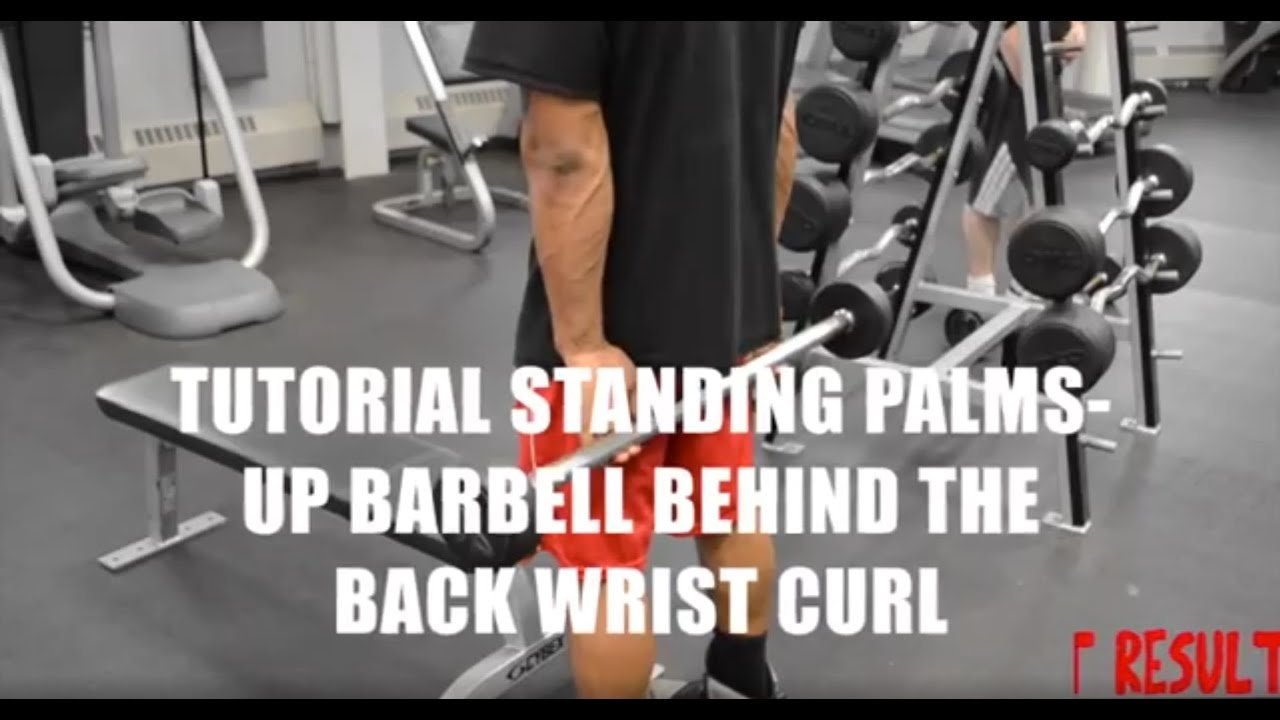
Begin with a light warm-up and a small amount of working volume. One optional example is two sets of ten to fifteen controlled repetitions, stopping before technique changes. This is a starting illustration, not a tested universal prescription. Choose a load that lets the wrists move consistently while the shoulders, elbows and legs remain quiet. Rest enough to reproduce that quality on the next set.
Log the bar, total load, hand spacing, repetitions and whether you used a finger roll. Note any body contact or loss of control. A fixed bar in one gym can differ in handle thickness and starting mass from a plate-loaded bar elsewhere. Those differences matter when the working load is small. Do not turn an uncertain equipment label into a precise personal record.
Add repetitions within your chosen range before making a small weight increase. If the smallest available jump changes the movement into a shrug, retain the lighter load. Small change plates can be useful with compatible equipment, but no accessory overrides the requirement to control the bar. An EZ bar changes wrist orientation, and supported dumbbell wrist curls change the setup; evaluate them as alternatives rather than identical substitutes.
Account for the pulling and gripping you already perform. Rows, carries and other forearm work may leave you less prepared for additional wrist curls on a particular day. Keep direct work modest while learning how you recover. A temporary forearm pump does not establish long-term growth or guarantee better performance on every lift. Judge progress over repeated sessions with the same movement, then return the bar to its supports before relaxing your grip.

Funny Gym Shirts & Workout Gear
Funny gym shirts, tanks, hoodies and workout gear for lifters who like training hard.

Grip Strength Fanatic Meme Hoodie
Show off your lifting humor in a laid-back “Grip Strength Fanatic” hoodie.

Get A Grip Grip Strength Vest Tank Top
Bring “Get a Grip” humor to your next lifting session.

Slip Not Grip Training – Heavy Metal & Gymbros – T-Shirt
Heavy lifts, good laughs, and a little “Slip Not Grip Training” energy.

Safety Practice Safe Sets Hooded Jumper Top Hoodie
Show off your bodybuilding humor in a laid-back “Gym Safety” hoodie.

Progress Stoic Sigma Greek God Marble Sculpture – T-Shirt
Rep “Progress Stoic Sigma Greek God Marble” humor in and out of the gym.

Discipline Greek God Statue Stoic Sigma T-Shirt
Heavy lifts, good laughs, and a little “Discipline Greek God Statue Funny Stoic” energy.

Barbell Country Club Shirt Meme Top & T-Shirt
Heavy lifts, good laughs, and a little “Barbell Country Club” energy.

Raise The Barbell Shirt – Motivational & T-Shirt
Show some powerlifting attitude with a playful “Raise The Barbell” tee.

Lift Smart Brain Plate Tee
Show some lifting attitude with a playful “Lift Smart Brain Weight Plate” tee.

Consistency Is Key Stoic Greek God Marble Sculpture T-Shirt
Make gym days more fun with “Consistency is Key Stoic Greek God Marble” style.