Advertising disclosure: This page includes affiliate links that may earn us a commission at no additional cost to you.
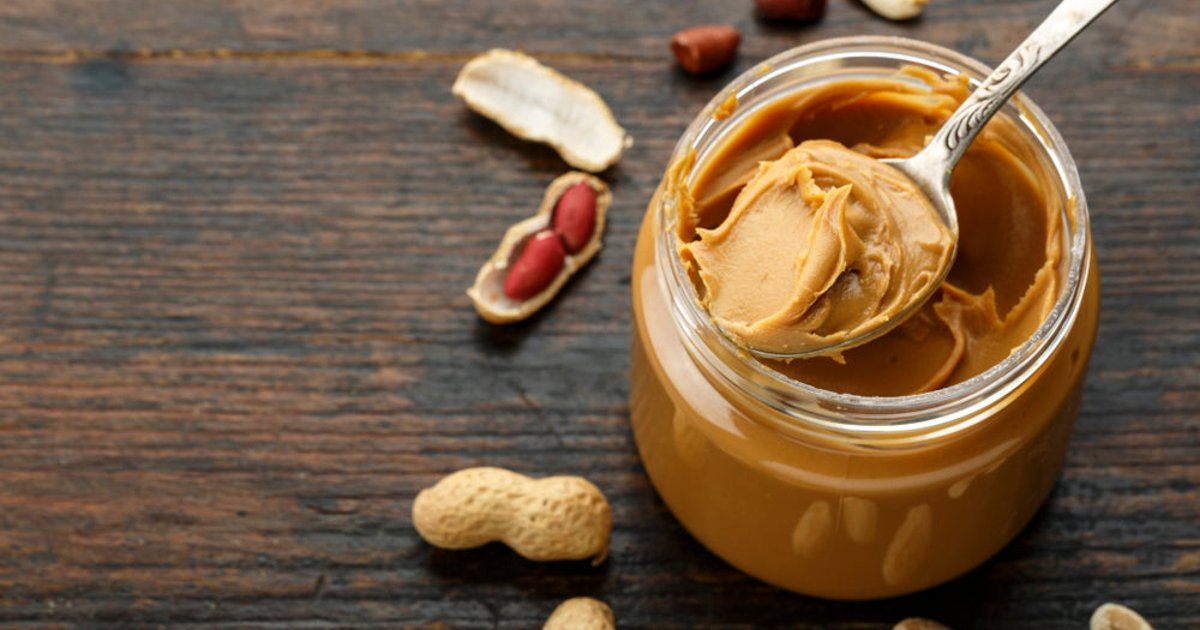
A spoonful of peanut butter can make a plain breakfast worth eating. The confusion starts when the jar becomes the meal’s main protein plan. Peanut butter contains protein, but it also brings plenty of fat and energy. Those features can be useful. They simply do different jobs.
For a lifter, the useful question is where the spread belongs in the meal. Is it adding flavor to a protein-rich bowl, making a small breakfast more substantial, or quietly doubling a snack’s size? Start there and the decisions become easier. You can keep the food you enjoy without asking it to cover every nutritional role.
Give peanut butter the right job
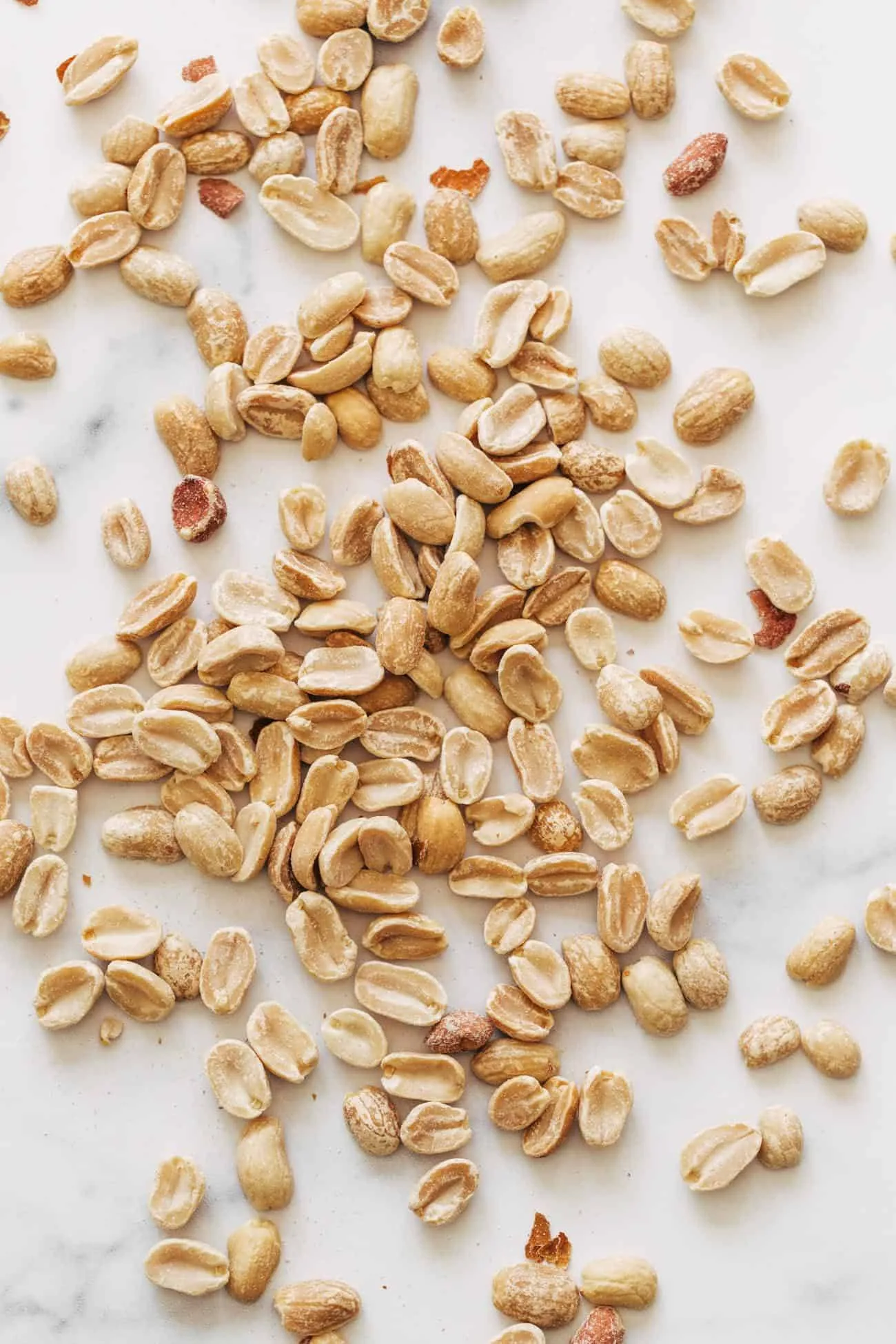
Peanuts contain protein, and peanut butter belongs in the protein foods group. Neither fact means a large serving is the most efficient way to build a protein-focused meal. Its substantial fat content makes it an energy-dense ingredient. Think of it as a fat, flavor and energy contribution that also supplies some protein.
That distinction changes the shopping question. Instead of asking which spread will rescue an otherwise protein-light breakfast, choose the meal’s protein base first. Yogurt, cottage cheese, eggs, soy foods or another suitable option can take that role. Peanut butter can then make the result taste better and adjust how substantial it feels.
Consider two breakfasts with the same peanut butter topping. One is toast and coffee. The other includes a bowl of protein-rich yogurt alongside the toast. The spread has not changed; the rest of the meal has. Calling both breakfasts high protein because a jar appears in them hides the part that matters.
You do not need to downgrade foods that contribute several nutrients. A useful ingredient can be enjoyable, convenient and easy to combine with other foods. The goal is simply to stop letting a protein association stand in for checking the actual amount you eat.
Measure the portion once, then read your own label
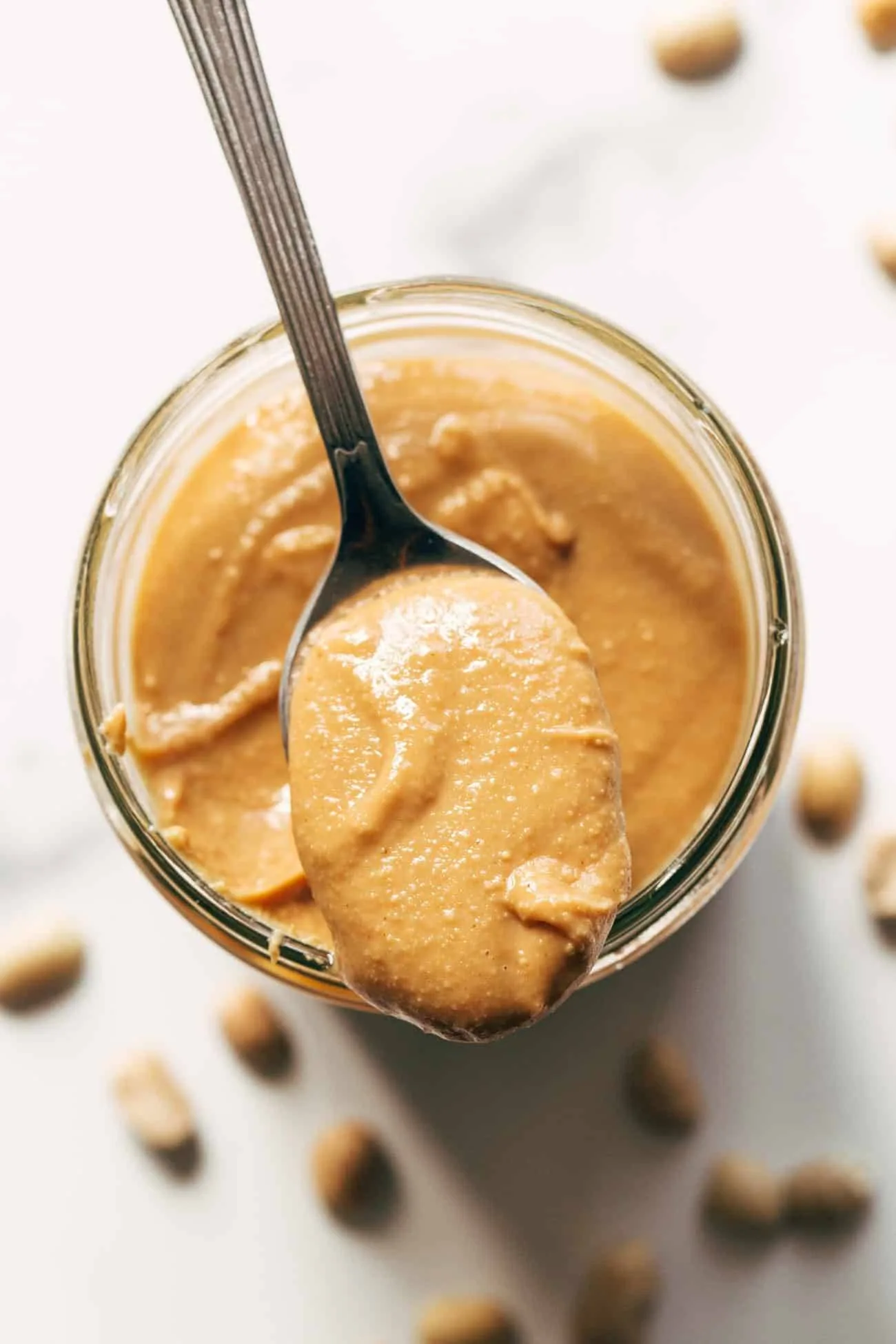
A serving size on a package describes the amount used for its nutrition information. It is not a personal recommendation. Read the weight in grams, check the energy and protein for that amount, and compare it with what actually lands on your bread or spoon.
Here is an illustrative calculation, not a claim about every jar: imagine a label lists 200 calories and 8 grams of protein per 32 grams. A 16-gram portion would provide 100 calories and 4 grams of protein. A 48-gram portion would provide 300 calories and 12 grams. The arithmetic scales together; the larger portion does not selectively increase protein.
Your product may have different numbers. Use its label rather than saving those example values as universal peanut butter facts. This also makes comparisons between jars more useful: compare equal weights before judging a serving that one package defines differently.
Try weighing your normal portion once or twice. Place the bowl or toast on a scale, zero it, and add the spread. You are learning what your usual scoop looks like, not signing up to weigh breakfast forever. A heaped spoon, a flat spoon and several passes with a knife can produce different results.
If a meal keeps changing despite using the same ingredients, check the repeated extras before rewriting the whole menu. The extra spoon stirred into oats and the extra spoon eaten while preparing them both belong to the amount consumed. No guilt is required to make that observation useful.
Build a bowl around the protein base
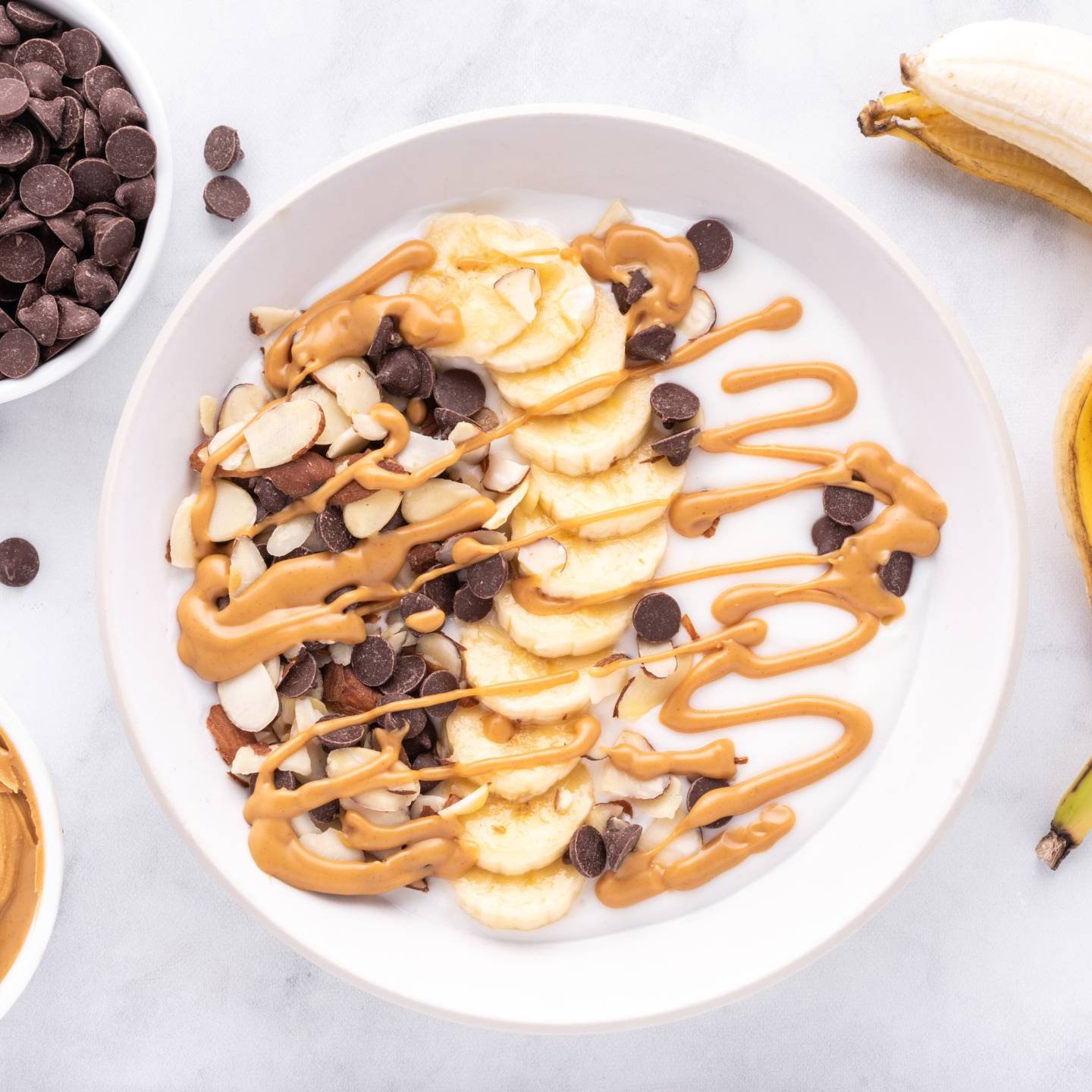
For a straightforward bowl, begin with plain yogurt that suits your taste and dietary needs. Read its protein per portion, then add fruit and a measured amount of peanut butter. Add oats or another grain if you want a more substantial breakfast. These are separate choices, so adjust them separately.
A practical starting combination is yogurt, sliced banana and a small swirl of peanut butter. Stirring the spread through the yogurt distributes the flavor; leaving it on top creates stronger individual bites. Either works. Choose the version you enjoy enough to repeat without continually adding more toppings.
The bowl’s protein total depends on the yogurt and the amounts used, so the photograph or the recipe’s name cannot establish its macros. Our guide to choosing Greek yogurt by protein labels and portions helps with that first decision. Once the base is chosen, the peanut butter becomes a topping with a clear purpose.
For preparation, keep the bowl simple enough to assemble when you are busy. Put the yogurt in a container, carry the fruit separately if texture matters, and portion the spread in advance if you tend to lose track of it. You can change the fruit without rebuilding the meal from scratch.
There is no need to describe this as a special muscle-building recipe. It is an ordinary meal assembled thoughtfully. Its value comes from ingredients, amounts and consistency, rather than a fitness label attached to a familiar combination.
Use smoothies and bulking meals deliberately
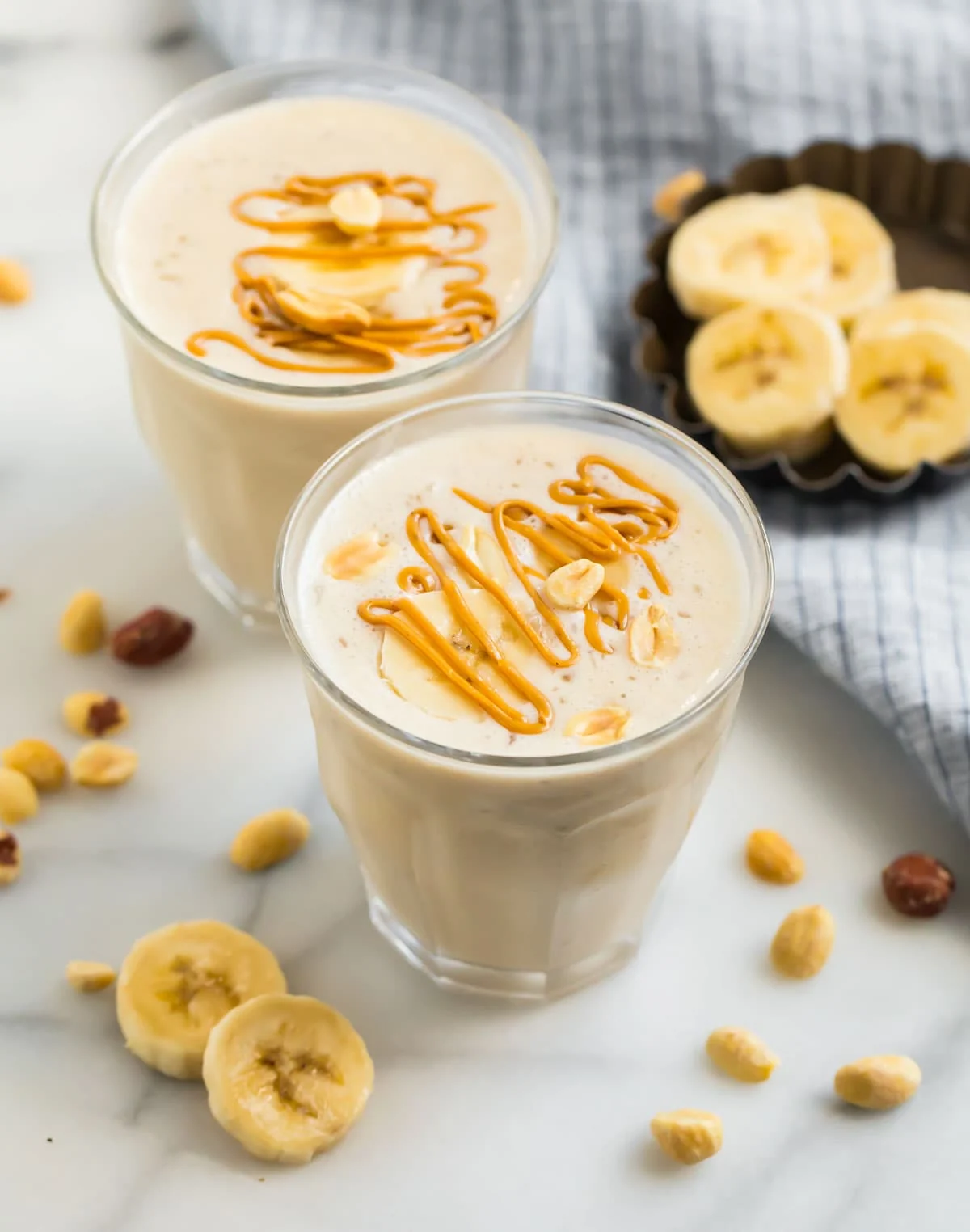
Peanut butter is an easy way to add energy and flavor to a smoothie. That can be useful when you want a more substantial meal, but it deserves an intentional place in the recipe. Do not assume a drink is small simply because it fits in one glass.
Write down a basic combination before adding extras: a liquid, a protein-containing ingredient that fits your diet, fruit and peanut butter. Then decide whether it replaces a meal or accompanies one. Those two uses can call for different amounts. The blender does not make the ingredients’ energy disappear.
During a gaining phase, increasing one measured ingredient can be easier to track than adding several scoops, handfuls and toppings at once. During a calorie-restricted phase, retaining a smaller amount for flavor may suit you better than banning the food and replacing it with something you enjoy less. Neither approach requires treating peanut butter as a shortcut to muscle gain or fat loss.
Make the next adjustment based on your overall eating plan and how the meal fits your day. If the smoothie is too large, change a defined amount. If it is not substantial enough, add a defined amount. Keep the remaining recipe steady so you can tell what changed.
Eating and lifting also have their lighter side. The protein, meal and bulking jokes in the clothing selection below are merchandise themes, rather than nutrition advice or a claim that any design belongs to this recipe.

Bodybuilding Shirts & Workout Gear
Bodybuilding shirts, tanks and gym gear for lifters chasing muscle, size, symmetry and the pump.


Work Hard Eat Hard Bulk T-Shirt
Heavy lifts, good laughs, and a little “Work Hard Eat Hard” energy.

Lift Eat Repeat Sweater & Meme Fans T-Shirt
For laid-back days and lifting humor: “Lift Eat Repeat”.

Protein Monster Decal Protein Lovers, & Bros Sticker
Stick a little “Protein Monster” humor on your favorite gear.

Bro Protein Bodybuilders & Meme Athletic Shirt Tank Top
Bring “Gym Bro Protein” humor to your next lifting session.

Protein Addict Gym | Breaking Bad Meme Workout | Say My Hoodie
Show off your bodybuilding humor in a laid-back “Protein Addict” hoodie.

Eat Your Chicken – Protein Meme Decal for Water Bottles Sticker
A fun “Eat Your Chicken” touch for bottles, laptops, and lockers.

Broccolift Eat Broccoli Lift Decal Water Bottles & Sticker
Put “Broccolift” gym humor on your laptop, bottle, or gym gear.

Bulking King & Mass Gain Hooded Hoodie
Stay casual and show some carb-loving attitude with “Bulking King”.

Weights & Protein Shakes Tee
Bring “Heavy Weights and Protein Shakes” humor to your next gym day.
Make toast part of a complete meal
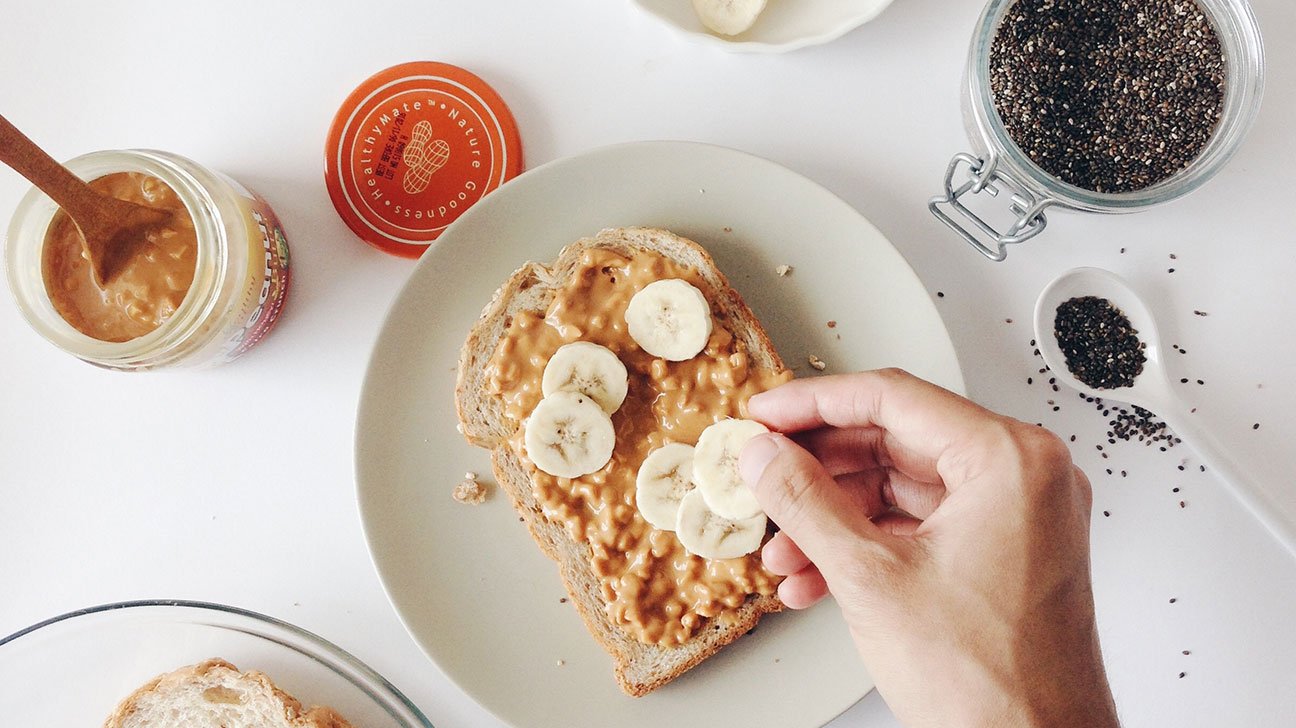
Peanut butter toast can be a convenient component of breakfast. Add fruit for variety, then look at the rest of the meal. If you want a more protein-focused breakfast, a separate protein-rich food can do that job without requiring a very thick layer of spread.
Cottage cheese is one option if you enjoy it and tolerate dairy. You can serve it alongside the toast, rather than forcing every ingredient onto the same slice. For more combinations, see these cottage cheese portions, toppings and meal ideas. Other dietary preferences can lead to a different protein base; the assembly principle stays the same.
Keep a repeatable version for rushed mornings: the same bread, a familiar amount of spread, a piece of fruit and your chosen accompanying food. A meal that is easy to prepare gives you something concrete to adjust later. Constantly changing every ingredient makes that harder.
Peanuts are a major food allergen. If they are unsafe for you, this is not a food to experiment with. An alternative spread may serve a similar culinary role, but check its own ingredients and nutrition instead of assuming it is equivalent.
The useful takeaway is practical: choose the protein base, choose the peanut butter portion, and decide what the whole meal needs. Peanut butter can stay in the kitchen because you like it. It does not have to become the meal’s main protein source to earn its place.