Advertising disclosure: This page includes affiliate product links that may earn us a commission, as well as products from our own store.
Greek yogurt is useful when you want a convenient protein food that can become breakfast, a snack or a savoury sauce. The catch is that tubs with similar names can have different protein concentrations, serving sizes, fat contents and sweeteners. The most helpful question is not whether Greek yogurt is universally healthy. It is whether the product and portion in your bowl fit the meal you are trying to build.
Start with protein per equal amount
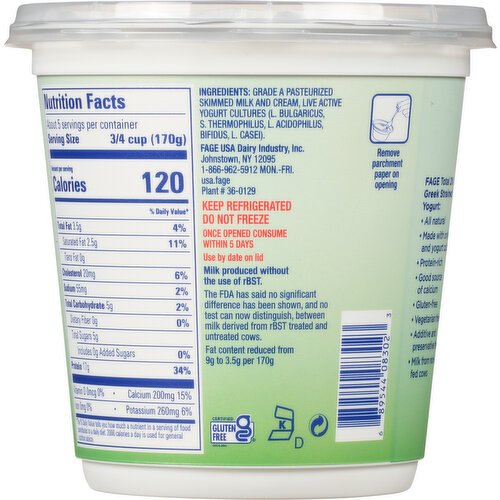
Traditional Greek yogurt is strained, which removes some liquid and produces a thicker texture. It often supplies more protein per equal weight than ordinary yogurt, but the exact amount depends on the product. Greek-style wording or a muscular-looking package is not a substitute for checking the nutrition panel. Some products achieve their texture differently, and formulations vary.
Compare two tubs on the same basis. If one label lists protein per 100 g and another per 170 g serving, convert one before deciding which is more concentrated. Divide the protein in the second product by 170, then multiply by 100. Our food-label portion and price guide explains that method across different foods; here, it stops a large yogurt serving from winning a misleading comparison.
Consider an invented example. Yogurt A provides 10 g protein per 100 g, while Yogurt B provides 15 g per 200 g. B has the larger headline number, but only 7.5 g protein per 100 g. Eating 200 g of A would provide 20 g protein. These figures illustrate the calculation, rather than reporting the nutrition of either photographed tub or recommending a particular brand.
Once you have a comparable protein figure, check calories and the other nutrients you care about. More protein per 100 g does not automatically mean a better overall food. Taste, calcium, fat content, price and whether you actually eat the product all matter. A slightly less concentrated yogurt that makes a reliable breakfast may be more useful than an impressive tub you leave unfinished.
Total sugar and added sugar answer different questions
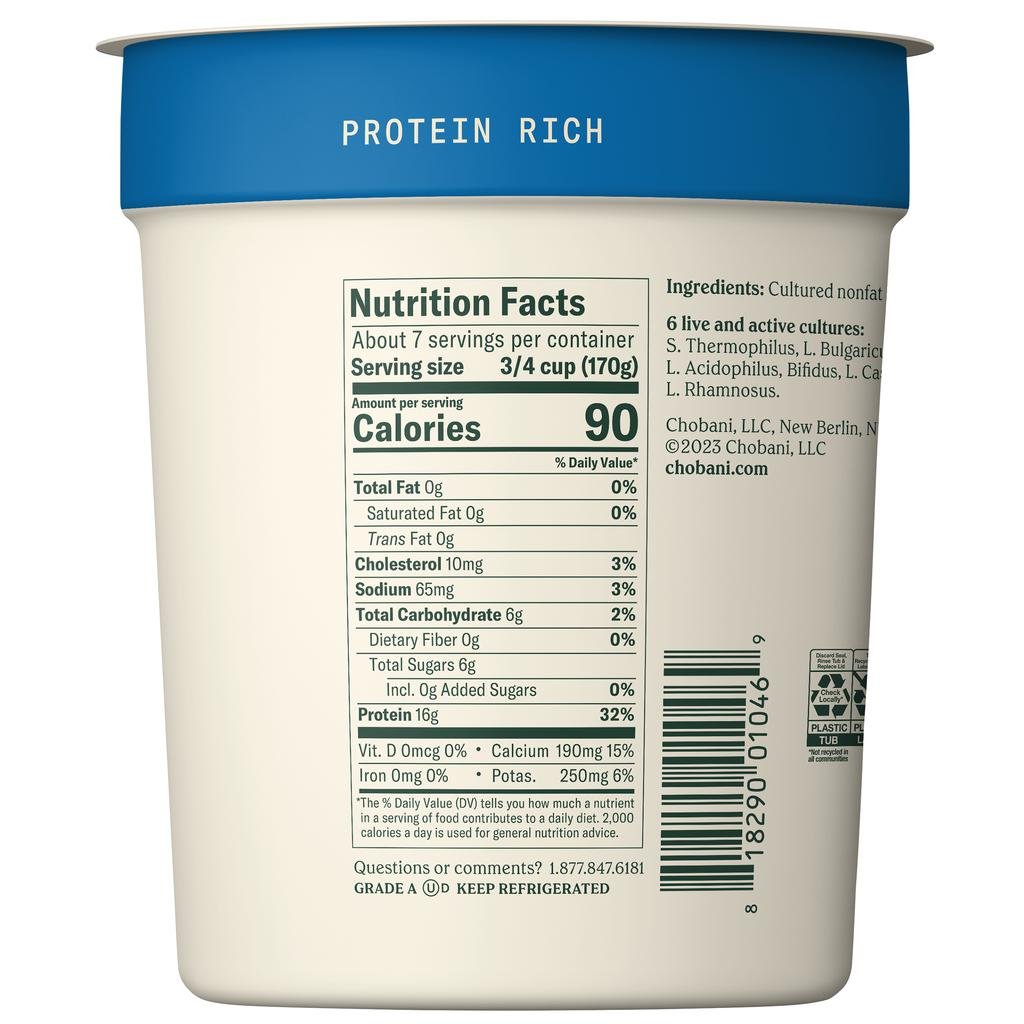
Plain dairy yogurt can contain sugar even when no sugar has been added. Milk naturally contains lactose, and total sugars include naturally occurring sugars as well as any added during production. On a US-style panel, the added-sugars line is part of the total-sugars figure, not an extra amount to add on top.
For example, an invented label showing 8 g total sugar, including 3 g added sugar, means 8 g altogether. It does not mean 11 g. When comparing tubs, check the serving basis before comparing those numbers. A larger serving can contain more sugar simply because it contains more food. The same caution applies to calories and protein.
Plain yogurt gives you control over sweetness, but adding honey yourself does not make the sugar disappear. Honey and syrups still contribute added sugars. Fruit adds its own naturally occurring sugars along with other components of the fruit. You can enjoy either; just avoid counting the yogurt carefully while treating everything spooned over it as nutritionally invisible.
Fat content is another separate choice. A lower-fat product may fit more easily when you want to keep the bowl’s energy total down. A higher-fat version may be preferable for taste or for a meal where you want more energy. Compare actual labels rather than assuming every full-fat yogurt has the same protein or every fat-free yogurt has the same ingredients.
You also do not need to reject every flavoured tub. A ready-to-eat option you enjoy can fit a workable diet. Compare its portion, protein and calories with the plain yogurt plus toppings you would realistically eat instead. Comparing a complete flavoured snack with an unfinished plain base is not a fair comparison.
Choose a portion, then calculate the whole bowl
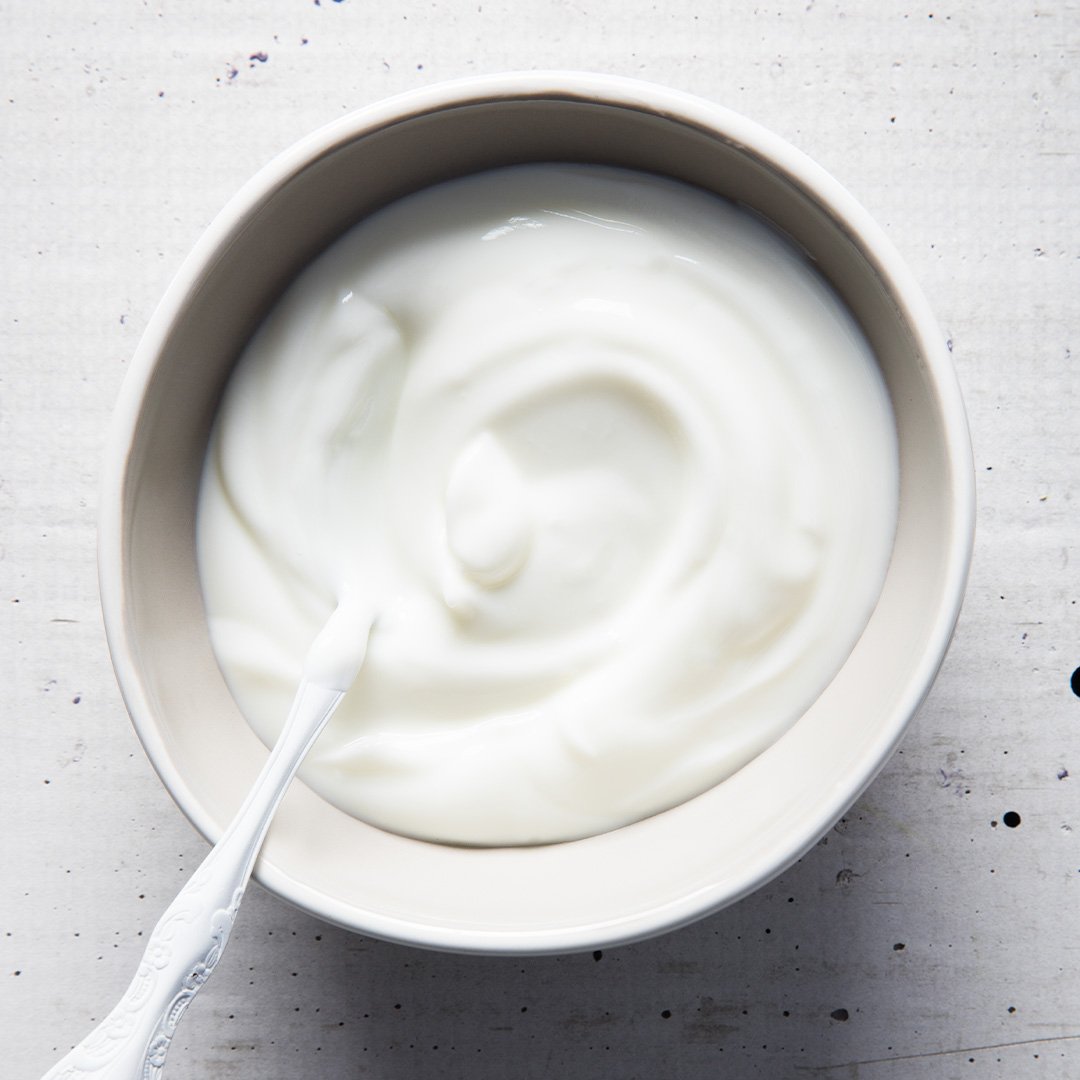
The serving size on a package is a reference for its nutrition information, rather than a personalized instruction about how much you should eat. A large tub can contain several stated servings. Identify the amount you intend to use, then scale the numbers consistently. If a label already gives values for the whole container, do not multiply those again.
Suppose a hypothetical yogurt supplies 80 calories and 9 g protein per 100 g. A 250 g portion has a multiplier of 2.5, giving 200 calories and 22.5 g protein. A 150 g portion would provide 120 calories and 13.5 g protein. Neither portion is automatically correct; they serve different needs within the rest of the day’s meals.
A kitchen scale can help you learn what a familiar portion looks like. Put the empty bowl on the scale, zero it and add the yogurt. You can then add toppings separately if you need to understand their contribution. Measuring a few ordinary bowls can resolve a recurring uncertainty without making every meal a detailed accounting exercise.
For a shared recipe, calculate all ingredients before dividing the batch. If a hypothetical mixture contains 600 calories and 40 g protein, four equal portions provide 150 calories and 10 g protein each. That assumes the ingredients are distributed evenly. Four containers that merely look similar do not guarantee identical nutrition.
Use current package values where practical. Online food entries may describe another fat level, flavour or package size. Labels themselves are rounded estimates, so the aim is useful consistency rather than perfect precision. If food tracking becomes stressful or compulsive, a less numerical routine with appropriate support can be a better fit.
Make breakfast toppings work with your goal
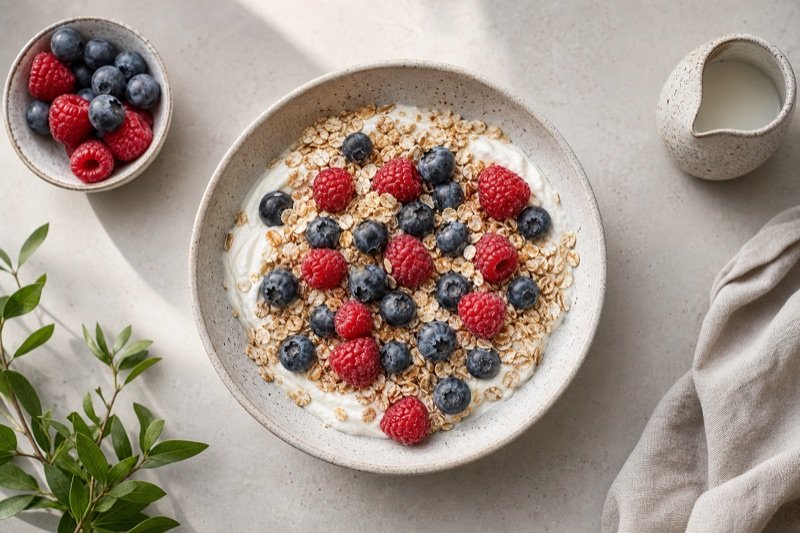
A practical breakfast can begin with plain Greek yogurt, fruit and a measured amount of oats or cereal. Start with the part you want the yogurt to contribute, then build around it. If you want a more substantial meal, add ingredients deliberately instead of assuming the protein in the base makes every possible topping combination equivalent.
For an original breakfast example, put 200 g plain Greek yogurt in a bowl, add 100 g berries and finish with 25 g oats. Those are suggested ingredient quantities, not a promise of a particular calorie or protein total. Calculate your version from the actual yogurt and oat labels, and use a suitable entry for the fruit. The photograph illustrates a yogurt-and-oat bowl rather than this exact recipe.
Nuts, seeds, granola and nut butter can add flavour and texture. They also change the meal’s energy total, sometimes substantially when poured freely. If your bowl keeps becoming larger than intended, measure the topping you find hardest to judge. You do not need to remove every enjoyable ingredient; adjusting one generous addition may be enough.
For a higher-energy meal, you could intentionally increase oats, add a banana or include nut butter. For a lighter snack, a smaller yogurt portion with berries may be sufficient. These are ways to change the composition of a meal, not guarantees of weight gain or fat loss. The broader eating pattern and your actual needs still matter.
Keeping a few ingredients separate can make meal preparation easier. Store crunchy toppings apart until serving if you prefer their texture. Follow the yogurt’s refrigeration and storage instructions, and use clean utensils when taking portions from a shared tub. Choose convenience arrangements that you can repeat during an ordinary working week.
Use plain yogurt beyond sweet snacks
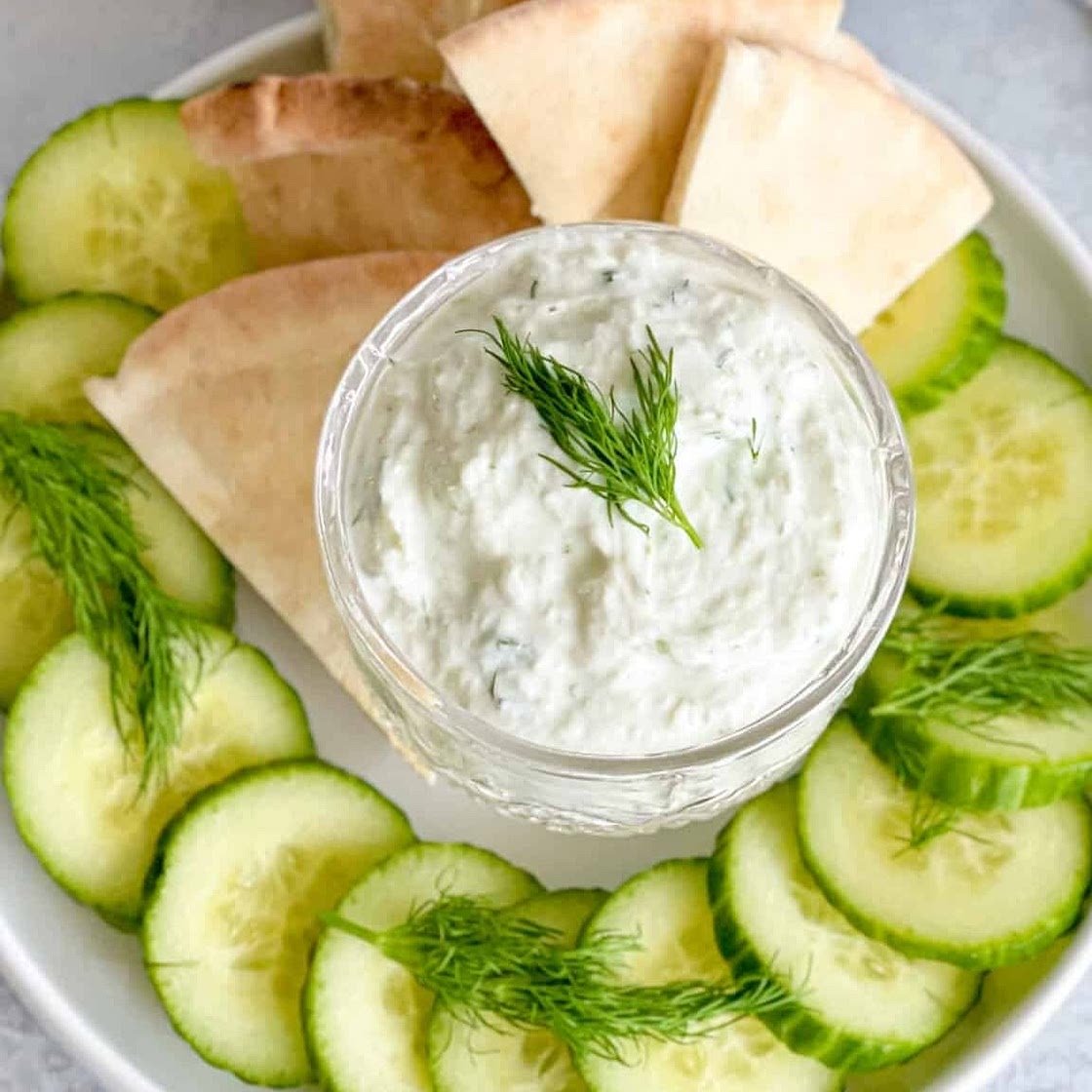
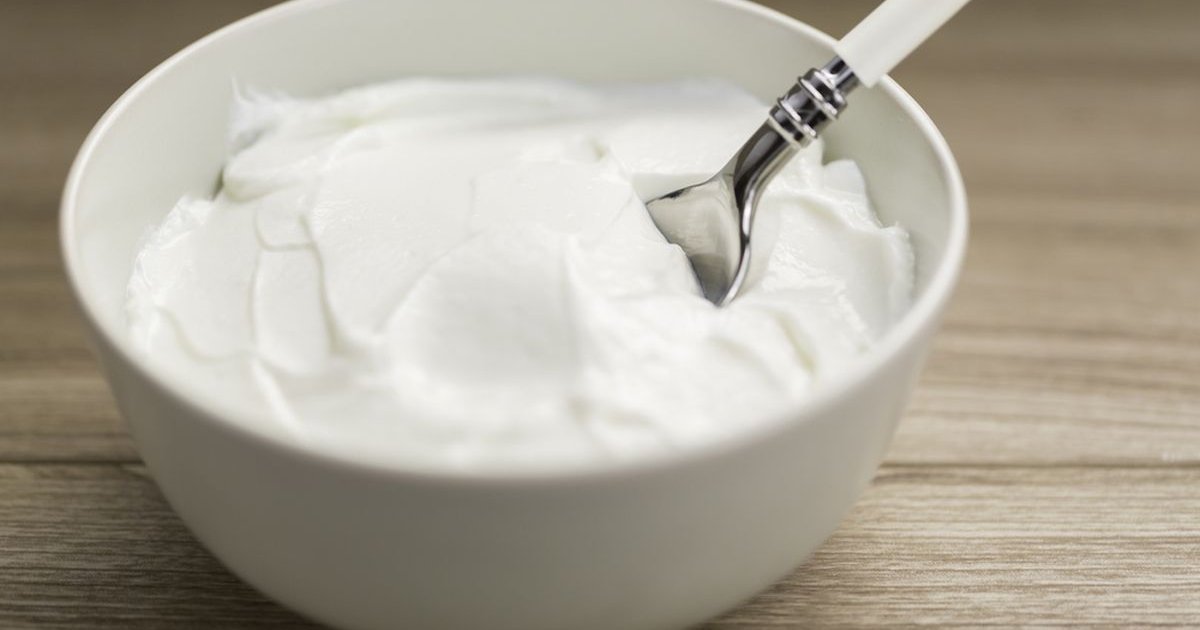
Plain yogurt can also become a savoury dip or sauce. As an original starting mixture, combine 150 g plain Greek yogurt with chopped cucumber, lemon juice and dill, then season to taste. Drain watery cucumber if you want a thicker result. The photographed dip is an illustration of this style of food, not a measured portion with verified macros.
Use a spoonful alongside potatoes, vegetables, a wrap or a main protein food. What matters nutritionally is the amount of each ingredient and what the sauce replaces or accompanies. Adding yogurt sauce to a meal does not automatically make it lower in calories. If you add oil, cheese or other ingredients, include them when estimating the recipe.
Dairy tolerance deserves attention too. Some people with lactose intolerance tolerate yogurt better than other milk products, but individual responses vary. A lactose-free dairy yogurt may be an option. Milk allergy is a different issue: removing lactose does not remove milk proteins or make a dairy product suitable for someone with that allergy.
For a plant-based alternative, check protein and fortification rather than assuming all dairy-free tubs are equivalent. Soy-based options can offer a different nutritional profile from coconut- or almond-based products. Our soy-food protein guide covers other ways to organize meals when dairy is not your preference. There is no need to force a yogurt substitute to do the entire job of your diet.
Finally, live cultures and a thick texture do not establish a special muscle-building or digestive benefit for every person. Choose yogurt for the food it provides and the meals it helps you prepare. Check the protein, understand the sugar lines, scale the portion and count the additions. That is a more useful routine than buying by the biggest claim on the front of the tub.

Funny Gym Shirts & Workout Gear
Funny gym shirts, tanks, hoodies and workout gear for lifters who like training hard.

Bro Protein Sweater & Fans Meme T-Shirt
Show some gym-day personality with “Gym Bro Protein”.

Protein Shaker Bottle Gym Meme | Funny Bodybuilding Gra T-Shirt
Bring “Protein Shaker Bottle Gym Meme” humor to your next gym day.

Powered By Rice Chicken Broccoli Bro Diet Vest Tank Top
Add some meal-prep attitude to training with “Powered By Rice Chicken Broccoli”.

Protein Gym Cosmic Graphic , Bodybuilding Workout Hoodie
Show off your lifting humor in a laid-back “Protein” hoodie.

Brotein Bar Gym | Funny Protein Bar Meme Workout Decal Sticker
Bring “Brotein Bar” attitude to your water bottle or laptop.

This Is Your Body On Protein Shirt – Meme & Top T-Shirt
Bring “This Is Your Body On Protein” humor to your next gym day.

Weights & Protein Shakes Tee
Bring “Heavy Weights and Protein Shakes” humor to your next gym day.

Protein Power Cereal Tee
Heavy lifts, good laughs, and a little “Protein Power Cereal” energy.


Bulking Season Donut Dumbbell Donuts Barbell Bulk Hoodie
Make your off-duty look more fun with “Bulking Season Donut Dumbbell Donuts”.