Advertising disclosure: This page includes affiliate product links that may earn us a commission, as well as products from our own store.
The Eleiko Prestera Cable Attachment makes an appealing promise: add cable work to a rack instead of finding room for another large machine. The important buying question is what that integration means during an actual training week. Stack mass, handle resistance, available space and a comfortable exercise setup are different things. This is a specification-based guide with practical setup examples, rather than an MMP hands-on test or a claim that the equipment has just launched.
A 120 kg stack does not mean 120 kg at one handle
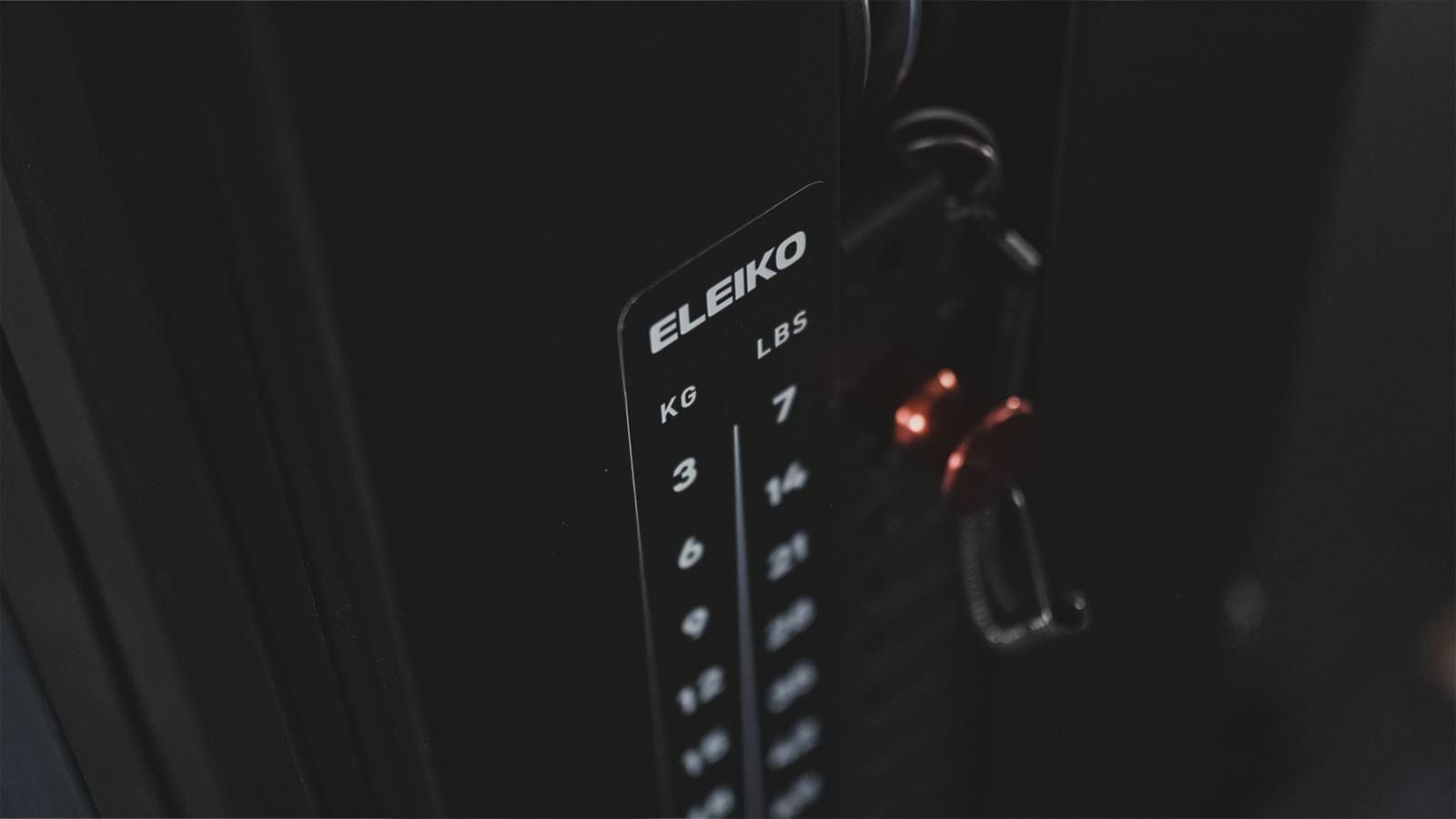
The 120 kg Prestera attachment uses a 1:2 resistance ratio, giving a stated maximum pulling resistance of 60 kg per unit. Its stack labels indicate pulling resistance. Read those labels before doing any extra arithmetic: halving a number that already represents handle resistance would make your training log wrong in the opposite direction.
In an ideal pulley arrangement of this kind, the handle travels farther than the stack, trading pulling force for travel. That helps explain why a large stack can suit smaller isolation exercises. It does not tell you that every machine with the same printed number will feel identical. Friction, cable routing, attachment weight, movement speed and your position can all affect the experience of a repetition.
For comparison, our Rogue Rhino Trainer cable-ratio guide explains a different architecture with multiple station types. The useful comparison is the resistance available at the station you will actually use, not the biggest number in either product name. A heavy row and a light lateral raise can have very different equipment requirements.
Before ordering, write down your three heaviest intended cable exercises. For each, note whether you use one handle, two independent handles or one bar connected to both sides. Then ask for the effective resistance and approved connection method in that exact arrangement. Do not assume that joining two cables automatically doubles every exercise’s useful load; your setup must also let you brace and complete the intended movement.
Small jumps matter more than an impressive maximum

The specified starting pulling resistance is 3 kg, with 1.5 kg incremental adjustments available. That low-end control is especially relevant to exercises where a small absolute increase represents a large percentage jump. Adding 1.5 kg to 6 kg is a 25% increase; adding the same amount to 30 kg is 5%. Those percentages are simple arithmetic, not a prediction of how many repetitions you will lose.
For curls, triceps extensions and shoulder accessory work, compare the lowest usable resistance and the next several steps. A machine that offers plenty of capacity but forces a large jump may require more repetition progression before you can increase the selector. Neither approach is inherently wrong. The point is to know how you will progress before choosing equipment mainly by its top load.
Here is an editorial example: choose a comfortable resistance for two sets of ten to fifteen controlled repetitions. Stay with it until both sets reach the top of that range with the same technique and a couple of repetitions still available. Increase by the smallest approved step, then accept a lower repetition count. Repeat the process instead of changing the attachment, body angle and load all at once.
This is a starting framework, not a validated Prestera-specific program. Adjust volume to your existing training and recovery. If the next step turns a strict curl into a backward lean, the useful progression may be another clean repetition at the old setting. A more expensive machine cannot make an unsuitable increase productive.

Equipment Worth Exploring
Explore equipment, accessories and gear from our carefully selected range.
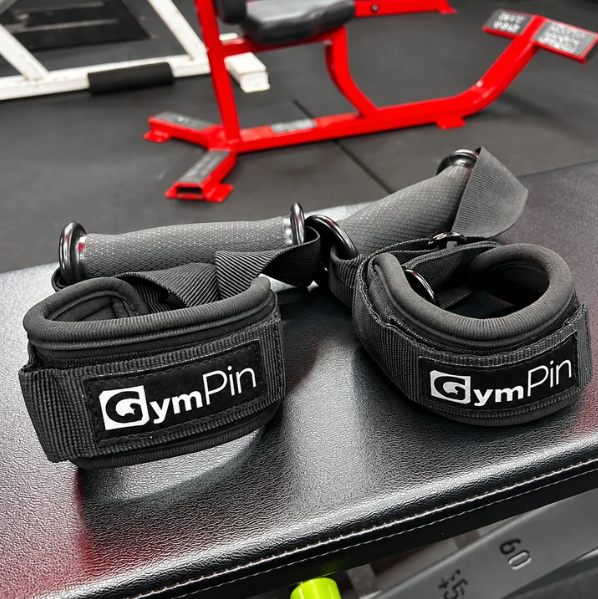
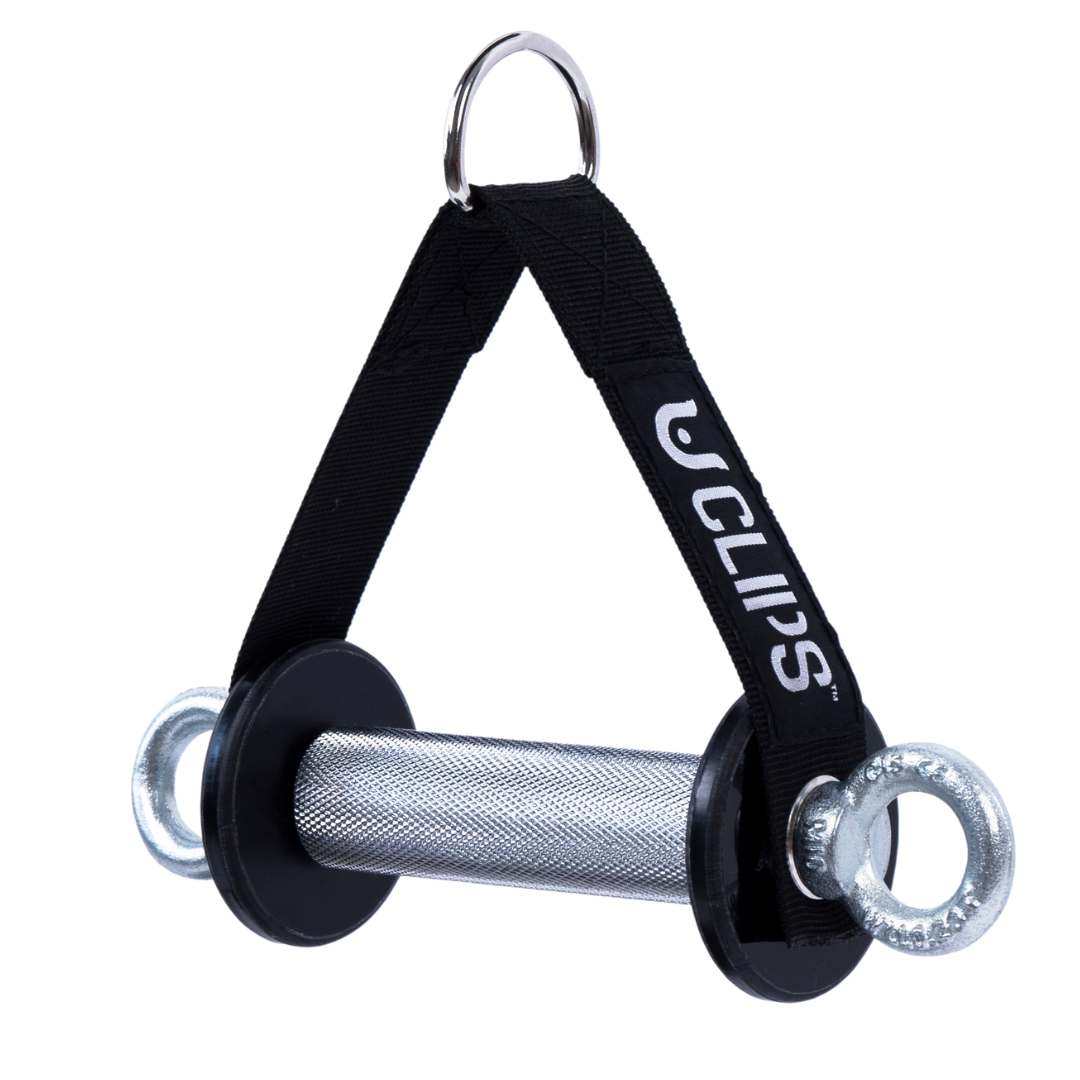
GymPin D Cuffs
Adjustable wrist cuffs with textured grips for supported cable-machine exercises.
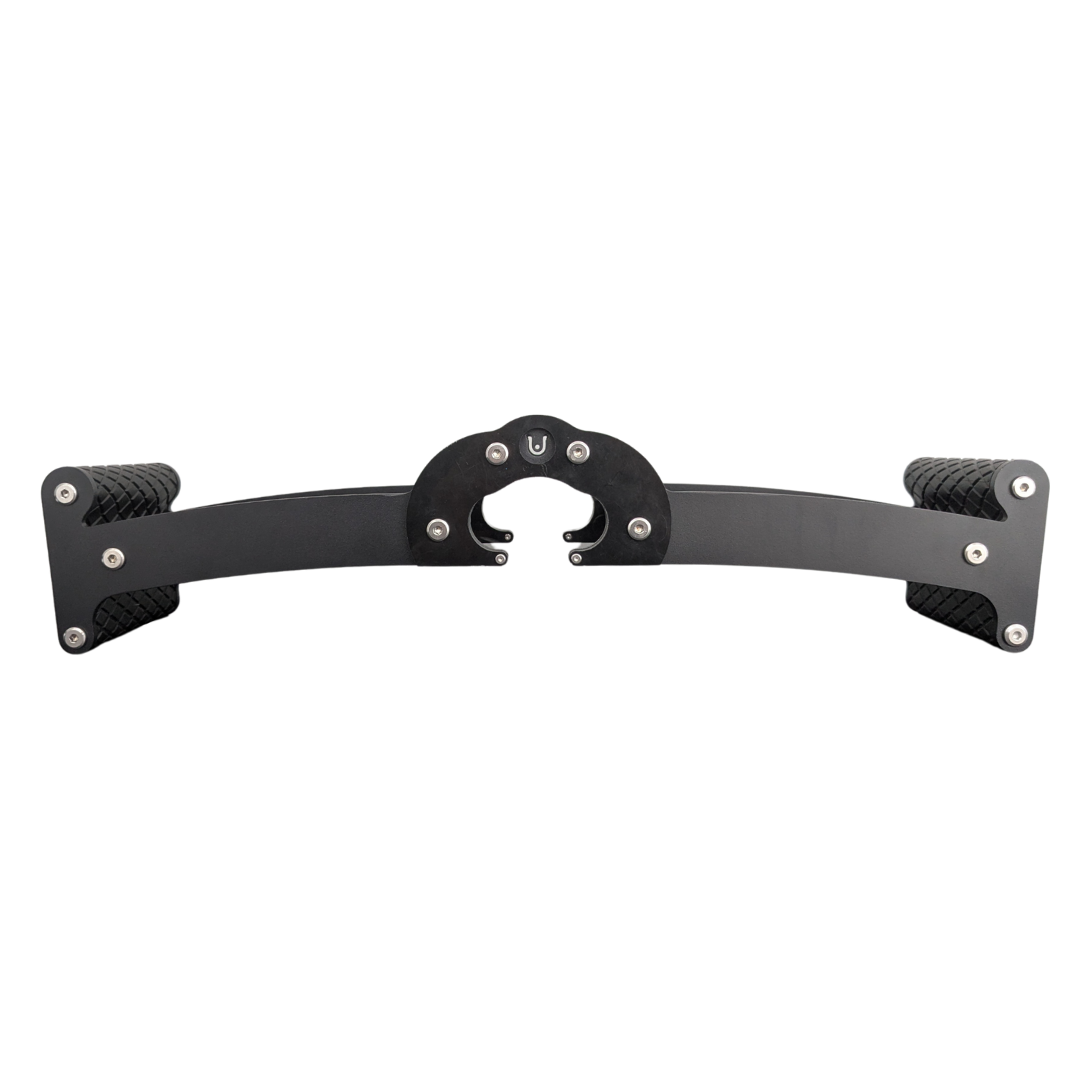
Back Bar
Multi-grip cable and landmine bar with a built-in deadlift jack.


Long Tricep ERGO Ropes
Extended triceps ropes with ergonomic grips for cable pressdowns and overhead extensions.

GymPin Ergo Handles
Pair of ergonomic cable handles shaped for comfortable triceps and pulling exercises.

GymPin D Handle Bar
Multi-use steel D-handle bar for cable rows, pulldowns and other cable exercises.

Angles 90 Grips
Flexible grip attachments that allow natural wrist movement during pulling exercises.

Multi-Length Tricep Strap
Adjustable-length cable strap for triceps, biceps and upper-body cable exercises.

Check the rack as a working area, not a rectangle
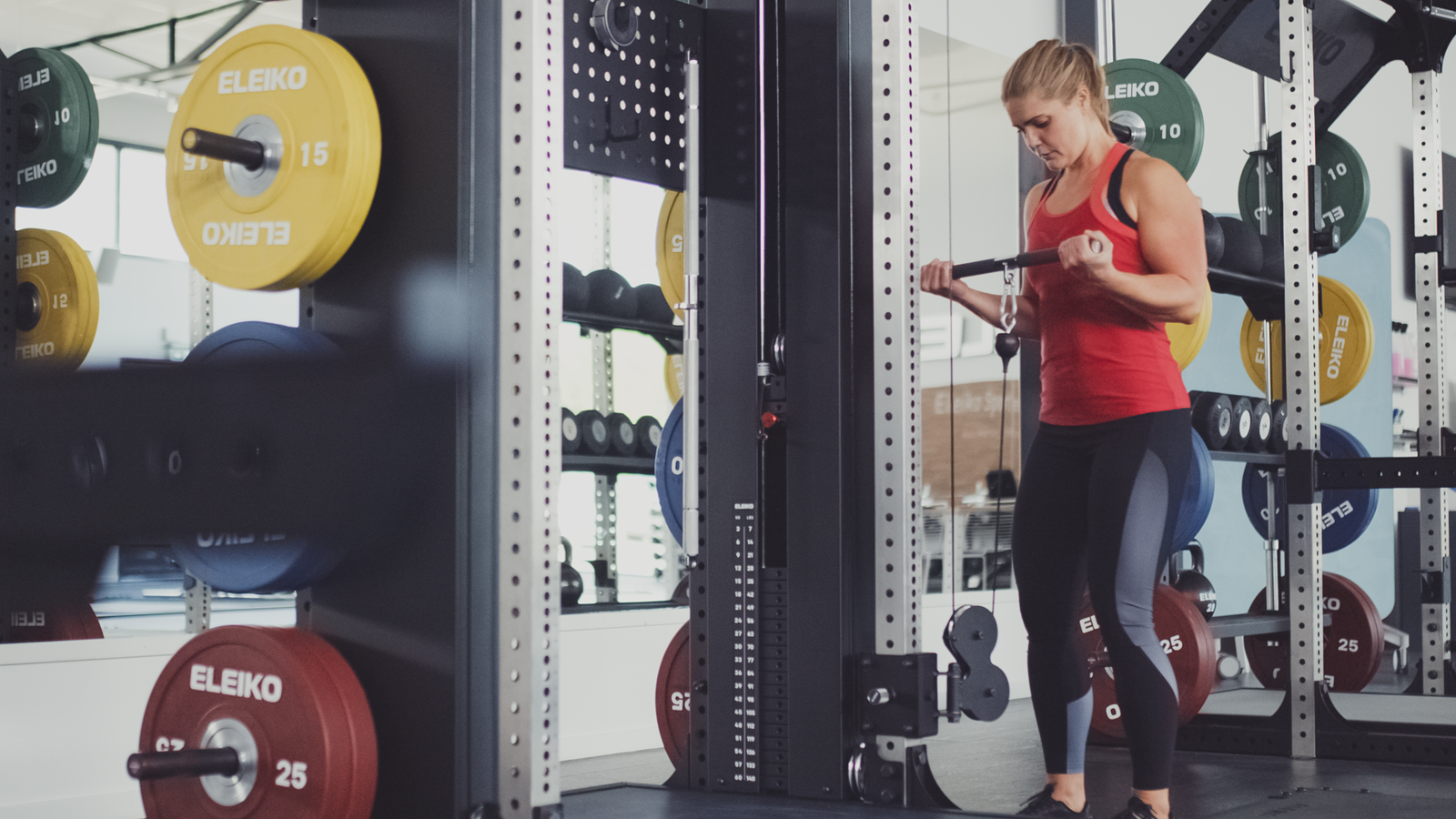
Prestera is an integrated rack-system solution, so confirm the exact rack and attachment combination rather than treating it as a universal retrofit. Put the full configuration on the quotation. A photograph of a complete station is not a bill of materials, and an accessory shown in use may be sold separately.
Map the exercise area as well as the steelwork. A standing curl requires somewhere for your feet and the handle to move. A cable press needs room for your arms, a stable stance and a cable path that stays clear of neighboring hardware. A seated exercise adds a bench and an access route. Storing a bench inside the rack may save floor space between sessions while creating extra setup work during them.
Use tape to mark the proposed installation, then rehearse your normal session without loading anything. Where will you stand for each movement? Where does the bench go when you switch back to the barbell? Can someone pass behind you without crossing a tensioned cable? The same clearance issues appear in our rack, cable and bench-clearance guide, although compatibility details differ between brands.
Also separate installation clearance from exercise clearance. Doorways, stairs, ceiling obstructions and access for assembly can defeat an otherwise sensible floor plan. Obtain current drawings and installation requirements for the actual model, and follow the specified assembly and anchoring instructions. Guessing from a product photo is an expensive way to discover a conflict.
Finally, list your existing accessories. Ask whether each can remain installed and fully usable with the proposed cable configuration. Request a demonstration of any combination you rely on. A rack can accommodate many individual accessories yet still be awkward when you try to use several together.
Build a usable pulldown before chasing heavier pulls
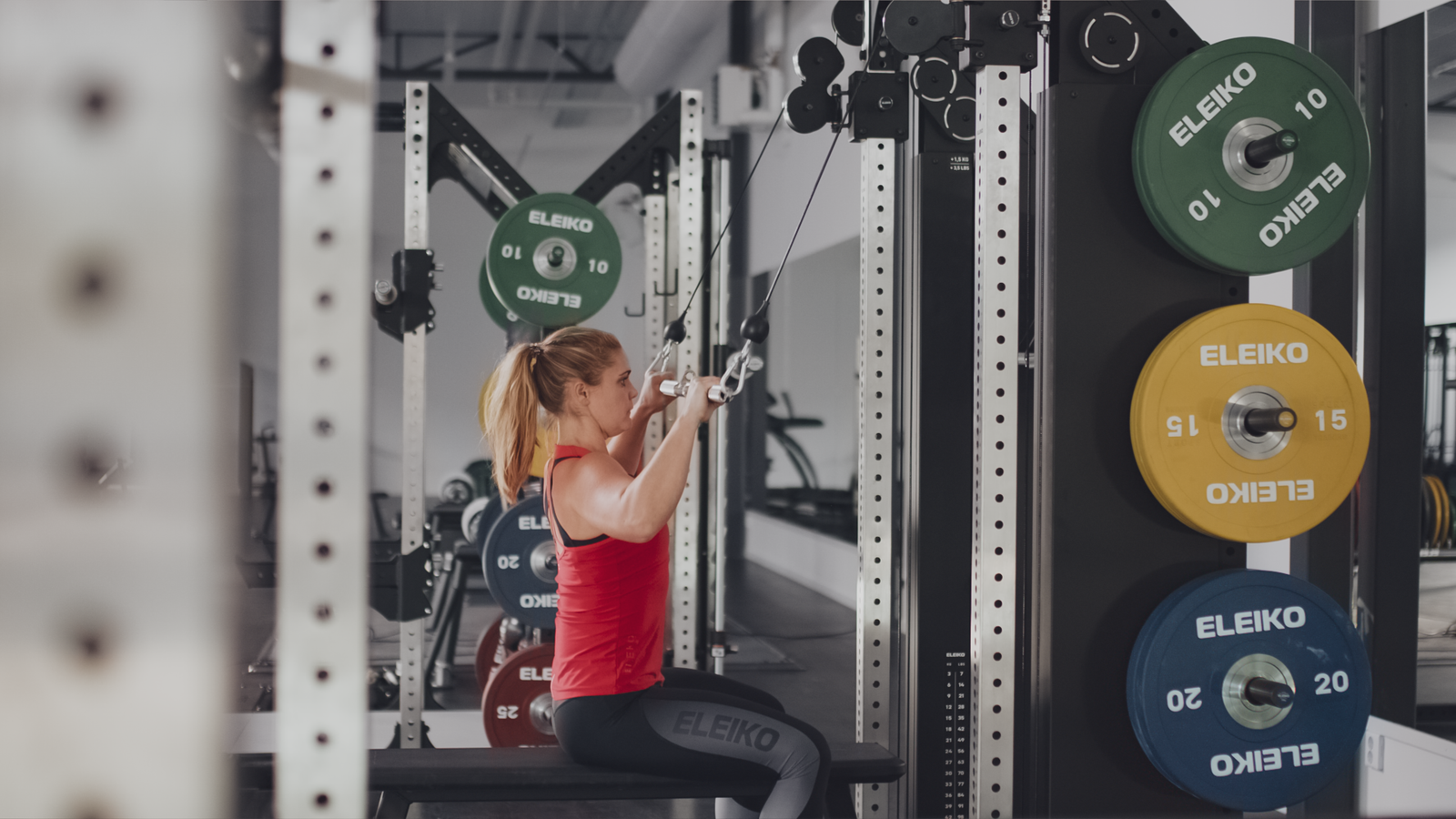
A high cable position makes a pulldown possible, but a productive setup also depends on your seat height, reach and ability to stay in position. If the resistance lifts you from the seat, the limiting factor may be restraint rather than back strength. Do not improvise a thigh restraint with unsecured equipment or have a partner hold you down.
Test the movement with a light load first. Can you reach the attachment without climbing onto unstable furniture? Is there enough room at the top for your intended range? Can you lower the handle under control without the stack repeatedly striking down? The answers matter more than whether a product page includes pulldowns in its exercise list.
On a row, consider where your feet go and how you resist the forward pull. Standing farther away changes the cable angle and the available travel; it does not necessarily improve the exercise. For a seated movement, use a stable, approved arrangement and avoid turning every repetition into a large torso swing. Your chosen position should be repeatable enough to make next month’s training comparable.
Handles deserve a separate budget. Different grips can alter wrist position and comfort, but an attachment is useful only when its connectors, clearance and load rating suit the intended use. The equipment below offers related cable and support options; it is not a declaration that every listed product fits Prestera. Verify compatibility before buying across brands.
For a first session, try a small number of controlled sets of one vertical pull and one horizontal pull. Stop short of failure while learning the adjustments. Establish comfortable movement and consistent setup before adding more exercises or testing capacity. Persistent pain is a reason to change the movement or seek individual guidance, not to force a catalog exercise into your routine.
Equipment Worth Exploring
Explore equipment, accessories and gear from our carefully selected range.


VForce Wall Trainer
Space-saving wall-mounted functional trainer with pivoting cable arms and variable resistance ratios.

VForce Lat Tower
Wall-mounted cable tower with pivot arms and adjustable 1:1 or 2:1 pulley ratios.

Trinity Lat Machine LSW-850
Weight-stack pulldown tower offering three cable directions and adjustable seated support.




FID Bench MAX
Adjustable bench offering flat, incline, and decline positions + adjustable headrest.

Buy the cable functions your week actually needs
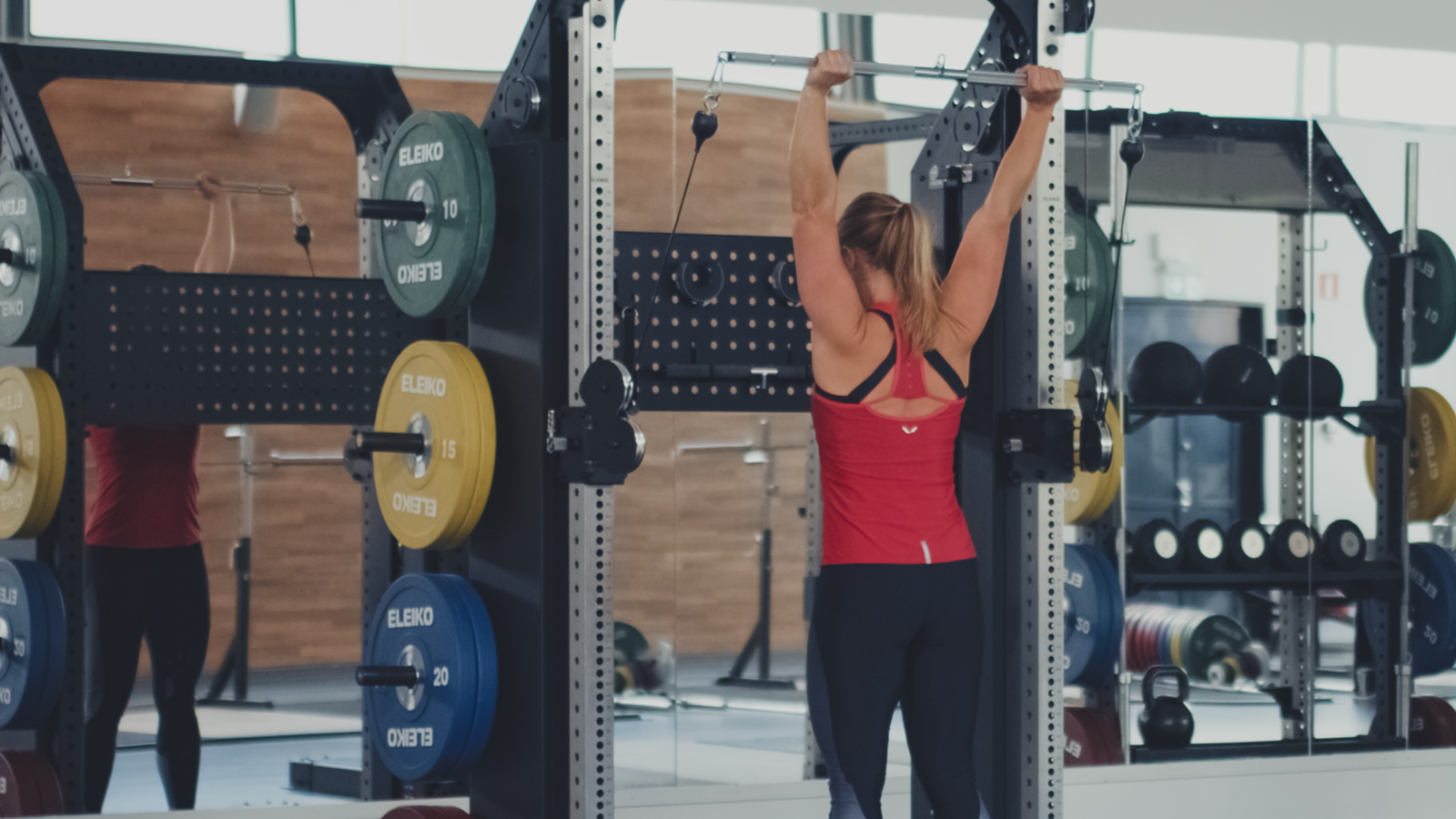
In a ten-week randomized trial involving 36 novice men, machine, free-weight and mixed approaches all produced improvements, without significant differences between groups in the measured outcomes. That was not a Prestera trial, and the measurements do not establish that every piece of equipment is interchangeable for every lifter. It supports choosing tools around your goals rather than assuming one hardware category guarantees superior progress.
Exercise selection, progressive loading, manageable weekly volume and consistent technique remain the foundation. A cable press still requires you to control the movement, and a standing version can make balance or trunk control the limiting factor. Choose a supported variation when the goal is to challenge a muscle without making stability the main test. Choose a standing variation deliberately when controlling that position is part of the exercise goal.
Before purchase, complete a short decision sheet: the approved rack configuration, usable resistance for priority exercises, working clearances, required handles and supports, delivery and installation costs, and the total price. Ask what is included, what is optional and how routine inspection and servicing should be handled. Compare that complete solution with keeping your existing rack and adding a separate cable unit.
The strongest reason to choose Prestera is a coherent rack-and-cable layout that fits your training. The weakest reason is assuming a 120 kg label settles the decision. When the resistance, adjustments and working positions are right, the useful benefit is straightforward: less compromise between the exercises you planned and the exercises your room lets you perform.

Home Gym Shirts & Garage Gym Gear
Home, garage and basement gym shirts and workout gear for lifters who built their own place to train.


Home Gym Nerd Hooded Pullover for Garage Gym Lifters Wo Hoodie
Make your off-duty look more fun with “Home Gym Nerd”.

No Cars Allowed In My Garage Gym Hooded Pullover for Ga Hoodie
Bring “No Cars Allowed In My Garage” gym humor to lazy days and post-workout plans.

My Gymbro Has Attachment Issues Meme T-Shirt
Show some lifting attitude with a playful “My Gymbro Has Attachment Issues” tee.

Anti Social Gymrat Club Serious Hooded Hoodie
Make your off-duty look more fun with “Anti Social Gymrat Club”.

Funny Home Gym Owner Gym Muscle Shirt Athletic Vest for Tank Top
Bring “Home Gym Owner” humor to your next lifting session.

Home Gym Built Not Bought Crewneck Pullover Sweater for T-Shirt
Bring “Home Gym Built Not Bought” humor to your everyday gym style.

Garage Gym Hero Decal for Home Gym Equipment Water Bott Sticker
Put “Garage Gym Hero” gym humor on your laptop, bottle, or gym gear.

Funny Garage Gym Crewneck Pullover Sweater Garage Gym W T-Shirt
Keep things casual with a little “Garage” attitude.

Basement Gym Muscle Shirt Athletic Vest for Home Gym Li Tank Top
Show some personality between sets with “Basement”.