Advertising disclosure: This page includes affiliate product links that may earn us a commission, as well as products from our own store.
A muscle clean is useful only if the repetition still behaves like a muscle clean. Adding weight can quietly turn it into a power clean, while chasing a higher pull can leave the bar crashing into the rack. Treat it as a clearly defined turnover drill first. Identify the version you are practicing, keep the load manageable and review the whole repetition rather than judging success only by whether the bar reached your shoulders.
Keep the no-rebend rule visible
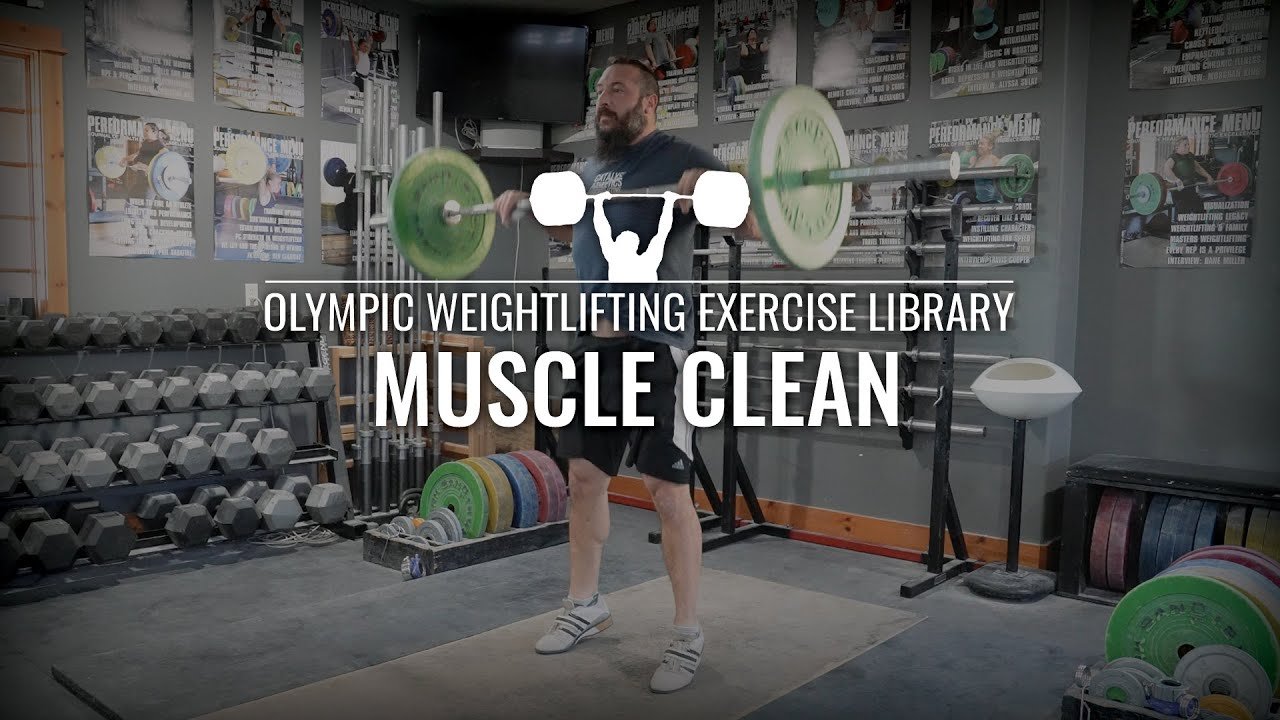
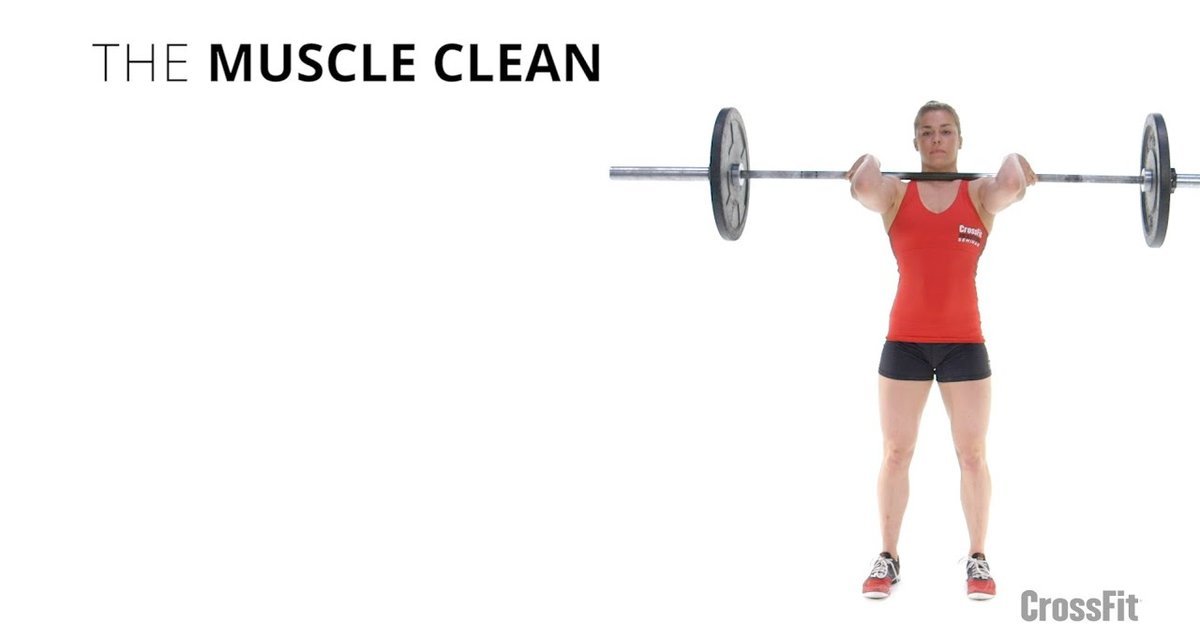
In a muscle clean, the lifter completes the pull and brings the bar into the front rack without moving down underneath it. The legs remain extended through the turnover rather than bending again to receive the bar. The aim is a smooth delivery to the shoulders, with the elbows rotating around the bar instead of the torso reaching forward to rescue it.
That definition gives you a useful review question: did you finish the repetition using the movement you planned? If a heavier attempt requires another knee bend to get under the bar, record what happened. You may have completed a different clean variation, but it should not silently become your new muscle-clean benchmark.
A still photograph cannot establish the answer. A lifter standing with the bar at the shoulders could have arrived there through several different movements. Watch a complete repetition, including the transition into the rack, before deciding whether it met the standard you intended to practice.
This distinction is practical rather than a ranking of exercises. A power clean is not a failed muscle clean when a power clean is what the session calls for. Problems arise when the exercise changes accidentally while the log continues to use the old name.
Before the first working set, say which detail you are evaluating. For example: finish without a receiving dip, or deliver the bar without a hard impact. A short, observable target is easier to review than trying to correct every part of the lift at once.
Make the starting position repeatable
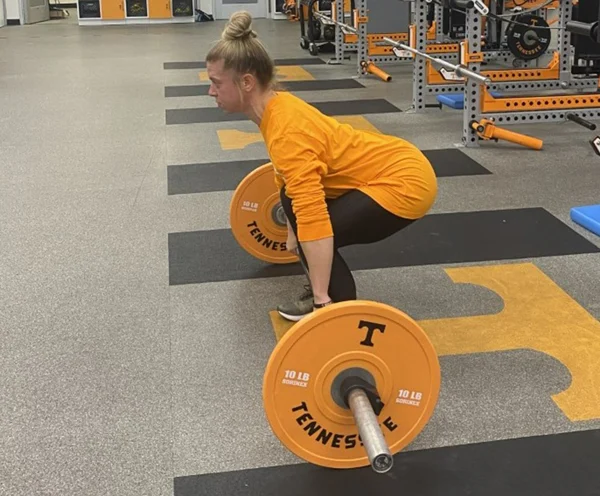
A floor start, a hang start and a block start create different tasks. Keep those entries separate. In the floor version, establish a stable clean setup with the hands outside the legs and the shoulders over or slightly ahead of the bar. The initial pull should not become an improvised search for balance.
Plate diameter changes where the bar begins. A light load made from small metal plates can place the shaft much lower than a light training setup using full-size plates. Record the arrangement rather than assuming that an empty-looking bar presents the same starting position in every gym.
For example, you might practice from the floor one week and from just above the knee the next. Both sessions can provide useful information, but their loads are not directly interchangeable. Write the starting position beside the weight so later progress does not depend on remembering an unstated change.
Check grip placement before lifting. Use the same reference on the bar when comparing sessions, and ask a qualified coach to help establish a suitable clean grip if the rack feels unfamiliar. Do not adjust your hands while trying to rescue a loaded turnover.
A setup photograph can document foot placement, bar height and the surrounding space. It cannot prove that the next repetition maintained those positions. Pair a setup record with a short video when you want to understand a recurring change during the lift.
Keep the platform clear and ensure the implement is appropriate for the practice. Full-size plates should not be mistaken for permission to drop a load: the bar, plates, floor and facility rules all matter when planning the return.
Deliver the bar into a usable front rack
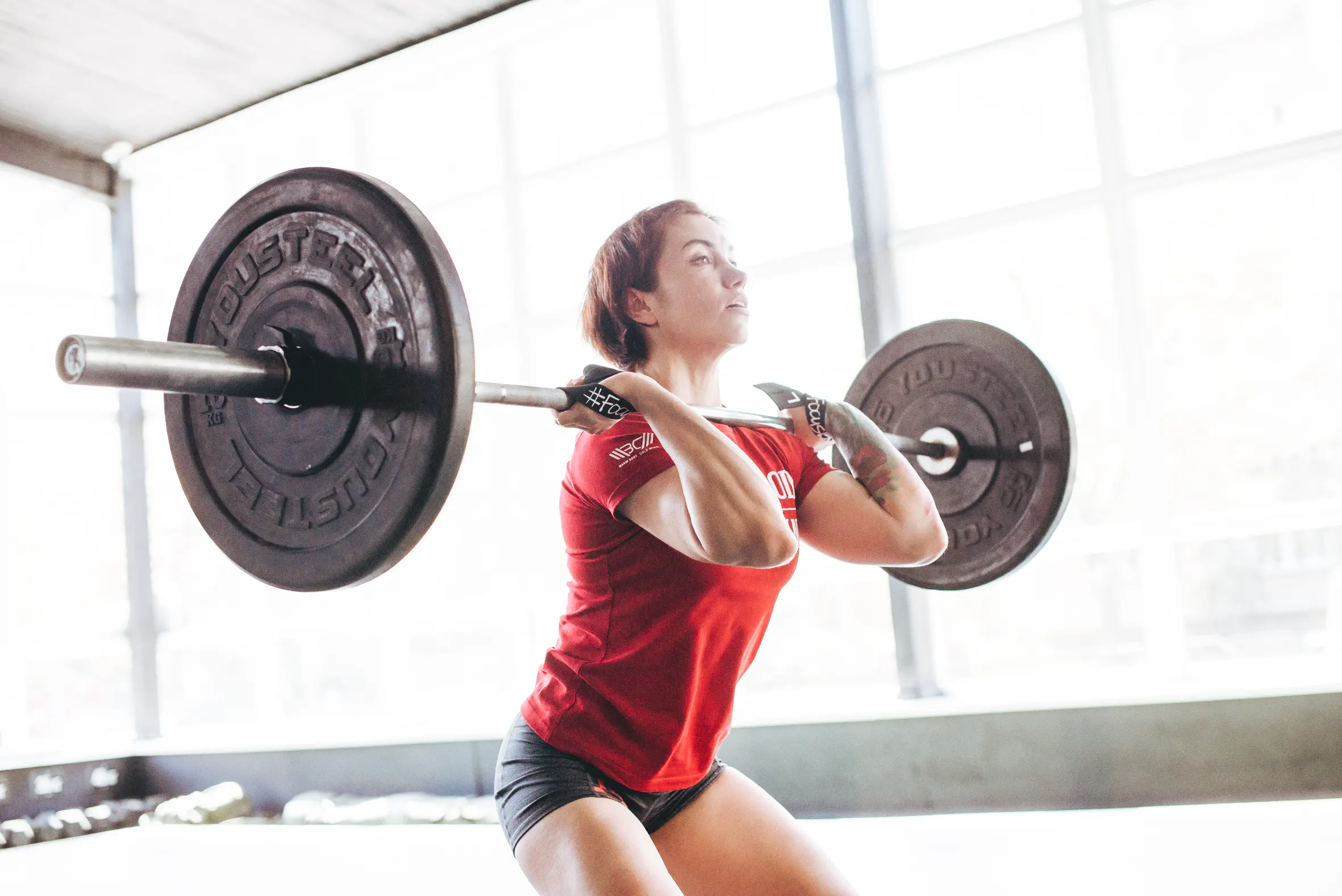
The front rack supports the bar across the front of the shoulders and upper chest. It is not simply a wrist-curl position held in the hands. For learning the clean, a comfortable rack deserves attention before repeated attempts to move a heavier bar into it.
Review whether the bar arrives where you can support it or whether you have to chase it with your torso. An obvious forward step or a last-second lean is useful feedback about that repetition. It does not automatically identify one tight muscle or prove that a particular mobility drill is the answer.
Use a coach or a clear recording to distinguish a controlled arrival from a bar that visibly separates and drops onto the shoulders. Avoid turning the review into a contest over who can tolerate more impact. The purpose of the practice is to improve delivery, not to accumulate uncomfortable catches.
If you cannot obtain a comfortable rack with a light implement, stop trying to solve the problem by adding momentum. Work on an appropriate preparation or another exercise with qualified guidance. Persistent wrist, elbow or shoulder pain needs individual assessment rather than a generic instruction to force the elbows higher.
A useful video angle shows the torso, elbows and bar together. Filming only the plates can hide the relationship you are trying to understand. Keep the original speed available even if you also watch slow motion, because a slow replay can make a rough transition look more deliberate than it felt.
Distinguish muscle, power and no-contact variations
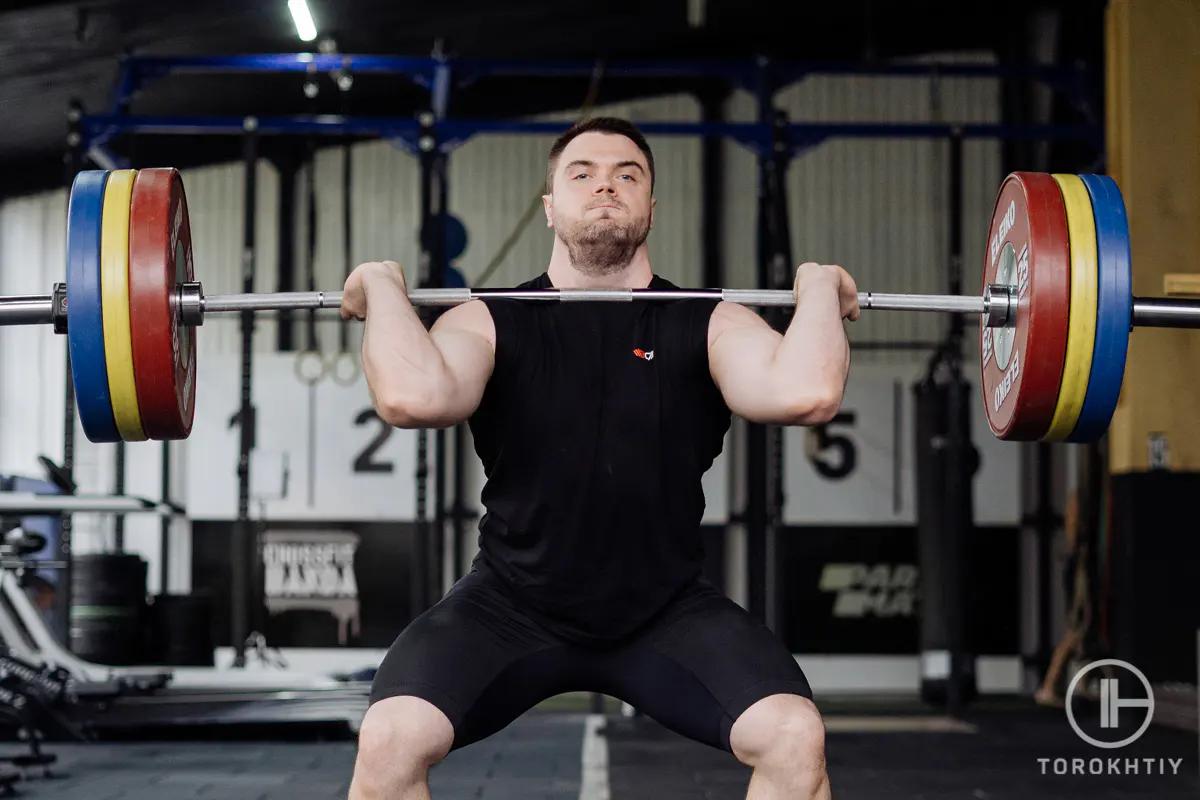
A power clean includes moving under the bar into a partial squat to receive it. The muscle clean removes that receiving dip. Neither label describes the starting height by itself, so specify both the start and the receiving action when naming a variation.
There is another naming detail worth checking with your coach: some use muscle clean to mean a version without bar-body contact. A no-contact clean long pull explicitly keeps the bar close without touching the body on the way up. That version should not be confused with a contact-style muscle clean simply because both finish standing.
Ask for the intended version before copying a demonstration. Two coaches can use a similar exercise name while emphasizing different details. Once the instructions are clear, record them in ordinary language rather than relying on an abbreviation that becomes ambiguous later.
Avoid treating a drill as proof of a guaranteed performance benefit. A smooth muscle clean can be useful practice, but a good-looking repetition does not establish that your full clean, jump or sprint has improved. Evaluate those outcomes separately if they matter to your training.
A general clean progression can include several starting positions and receiving tasks. There is no universal requirement that every lifter advance through them on the same timetable. Your current skill, goals, equipment and coaching support should help determine which version earns practice time.
The equipment choices alongside this guide relate to loading, setup and other strength work. A product card is not evidence that every listed item suits dynamic lifting. In particular, verify the intended use of blocks, collars, plates and floor protection before building a setup around them.

Equipment Worth Exploring
Explore equipment, accessories and gear from our carefully selected range.


Competition Plates
Competition-style bumper plates for Olympic lifts and loaded strength training.

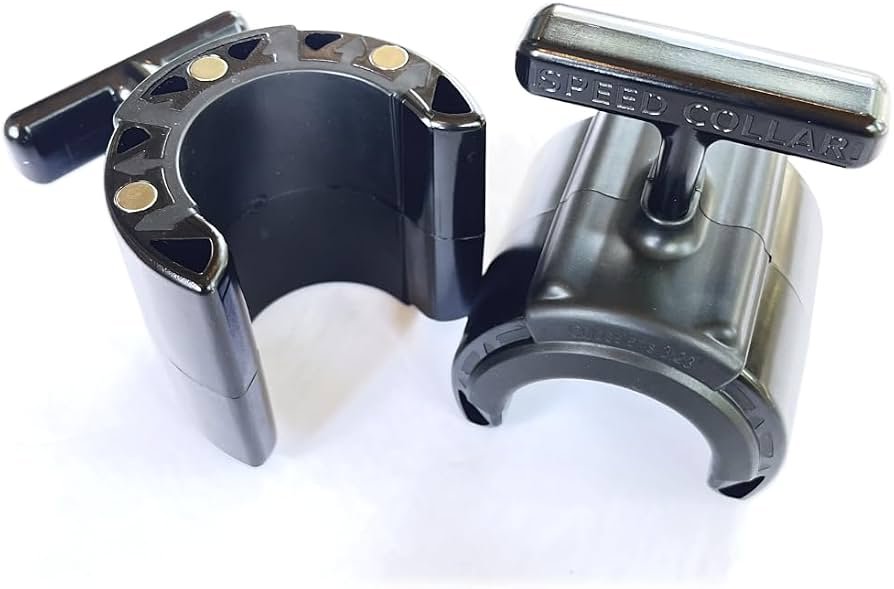
Speed Collar
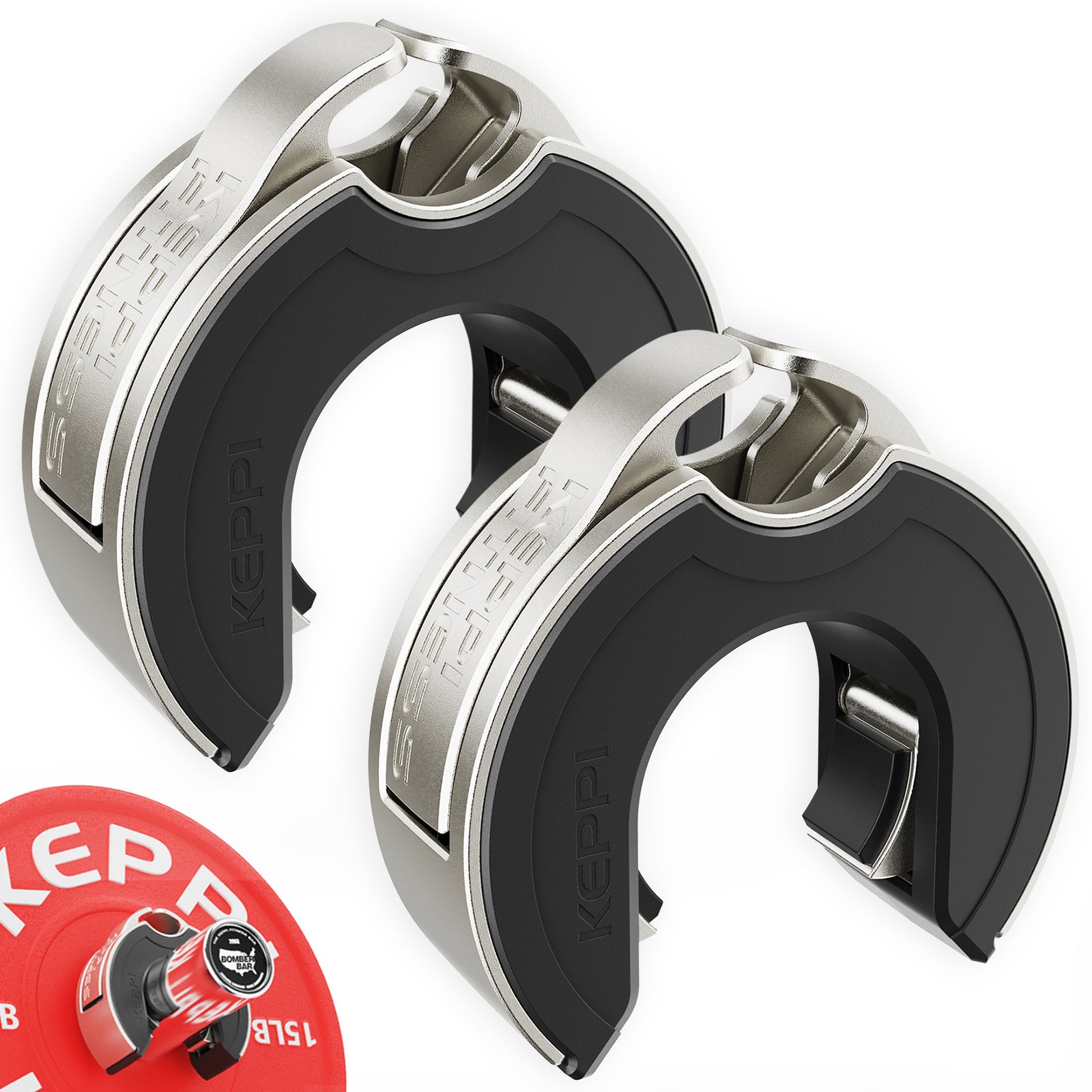
Quick-release collars designed to secure weight plates on standard two-inch Olympic bars.
Keppi Open Collars
C-shaped magnetic Olympic barbell collars with a quick-lock mechanism and grippy lining.

Grip Plates
Rubber-coated weight plates with handholds for loading barbells and machines.

GymPin Starting Blocks
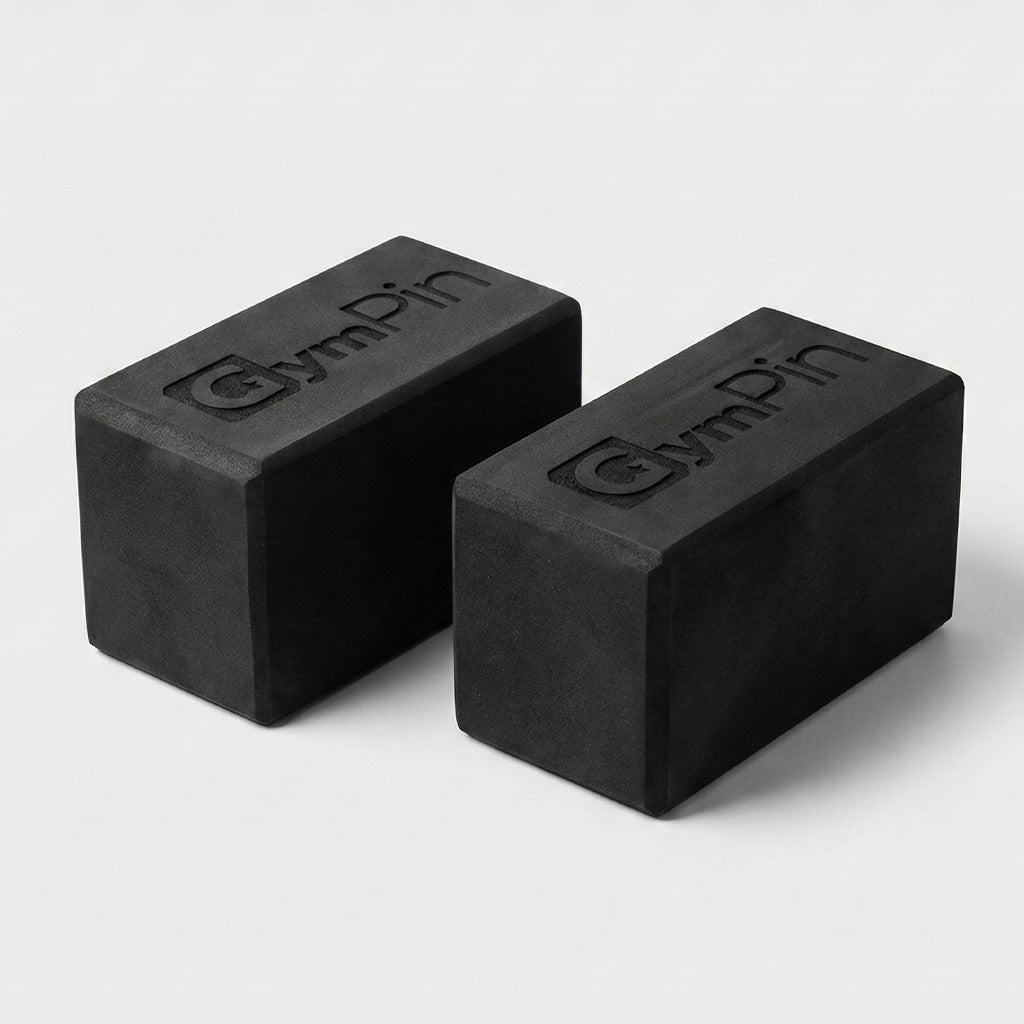
Portable high-density foam blocks for adjusting machine starting positions and range of motion.
Practice with a clear stopping point
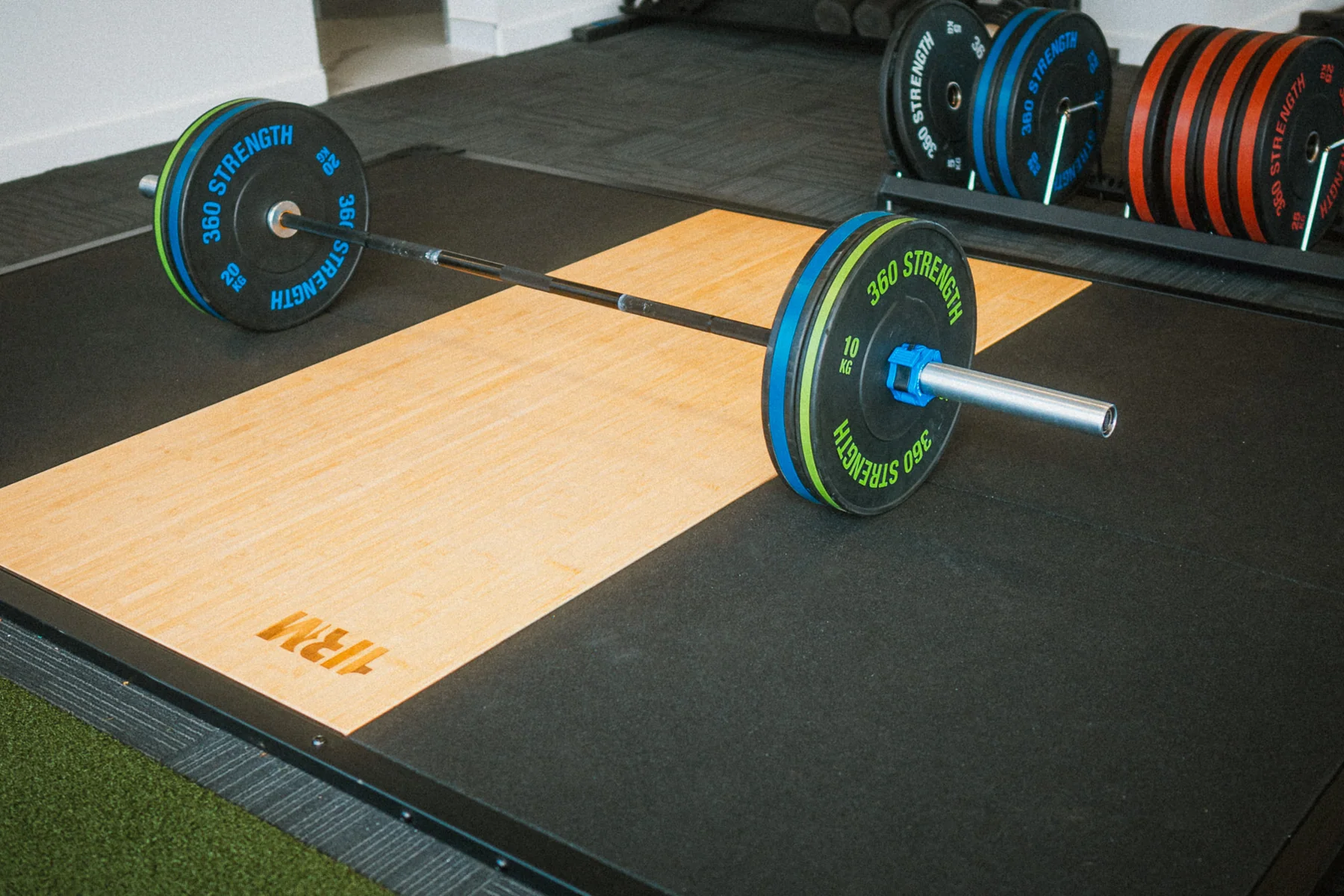
Choose a load that leaves room to learn the movement. A normal empty bar may still be too demanding for a first attempt; a lighter training implement can make more sense. The correct starting point is the one that allows the intended task, not the one that looks most like an experienced lifter’s setup.
Keep the practice amount small enough that you can evaluate the repetitions. Decide what will end the set: a receiving dip, an increasingly rough rack, a loss of balance or another clear change. Stopping at that point gives you a useful record instead of a longer set with an unclear purpose.
For a simple log, include the start position, implement, total load, intended contact style, completed repetitions and reason for stopping. An illustrative entry might read: hang start, light bar, contact-style turnover; last repetition required a knee bend, so repeat the same load next time. That is an example of useful documentation, not a universal prescription.
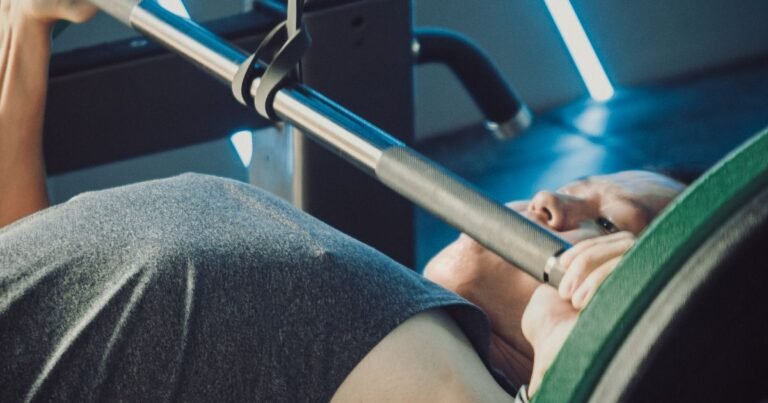
Straps deserve particular caution in a turnover drill because they can restrict hand and wrist movement into the rack. Do not assume equipment that helps a pulling exercise is automatically appropriate when the bar must rotate into a supported receiving position.
Place the drill where its purpose makes sense. If you want fresh technical practice, avoid burying it after work that leaves you unable to control the bar. If it is an accessory, keep its demands consistent with the rest of the session. Either way, make the choice deliberate.
Review after several comparable sessions. If the movement is clearer at the same load, that is useful progress. Increase the demand only while preserving the definition you chose. The muscle clean should help you practice a specific task, rather than becoming another number that grows while the exercise changes.

Funny Gym Shirts & Workout Gear
Funny gym shirts, tanks, hoodies and workout gear for lifters who like training hard.

Barbell Heartbeat Crewneck Pullover Sweater for Powerli T-Shirt
Keep things casual with a little “Barbell Heartbeat” attitude.

Barbell Crossed Weights 45LB Plate Hardcore Fitness Wor Tank Top
Add some powerlifting attitude to training with “Classic Barbell Crossed Weights 45LB Plate”.

Gym Skull Weightlifting Pullover for Powerlifters Bodyb Hoodie
Bring “Skull Weightlifting” gym humor to lazy days and post-workout plans.

Focus Stoic Bodybuilder Greek God Marble Sculpture T-Shirt
Heavy lifts, good laughs, and a little “Focus Stoic Bodybuilder Greek God Marble” energy.

Barbell Buddies for Friendship, Gym Buddies, and Liftin T-Shirt
For laid-back days and powerlifting humor: “Barbell Buddies”.

Barbell Country Club Shirt Meme Top & T-Shirt
Heavy lifts, good laughs, and a little “Barbell Country Club” energy.

Vitruvian Man With A Barbell Shirt – Leonardo Da T-Shirt
Show some powerlifting attitude with a playful “Vitruvian Man With A Barbell” tee.

Heavy Barbell – Meme Shirt & Top T-Shirt
Make gym days more fun with “Heavy Barbell Powerlifting Graphic” style.

Barbell Flag USA Patriotic Gym | Funny Workout Decal | Sticker
Put “Barbell Flag USA Patriotic” gym humor on your laptop, bottle, or gym gear.

Platehead Weightplate Skull Meme – Ultimate Top T-Shirt
Rep “Platehead Weightplate Skull” humor in and out of the gym.