Advertising disclosure: This page includes affiliate product links that may earn us a commission, as well as products from our own store.
A 95 kg weighted pull-up is a remarkable lift on its own. At the AMERICS 2026 streetlifting meet, Elder Paredes paired that pull-up with a 37.5 kg muscle-up, a 162.5 kg dip and a 260 kg squat. Those four best lifts gave the Mexican athlete a 555 kg total in the men’s 73 kg class. The competition took place on November 21–22 in Divinópolis, Brazil, and the results illustrate why streetlifting is far more than a contest to see who can hang the most plates from a belt.
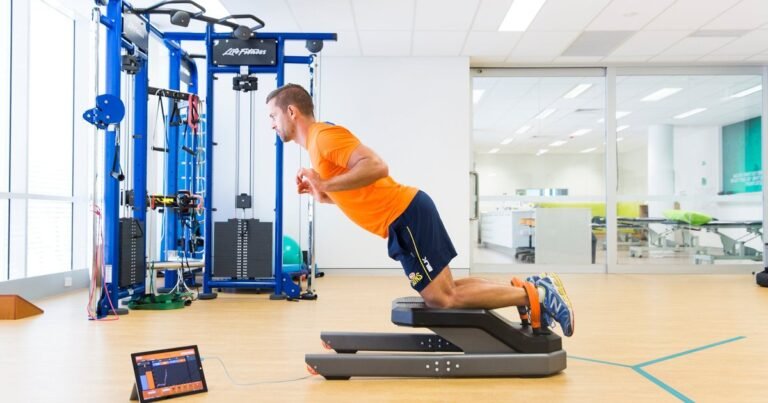
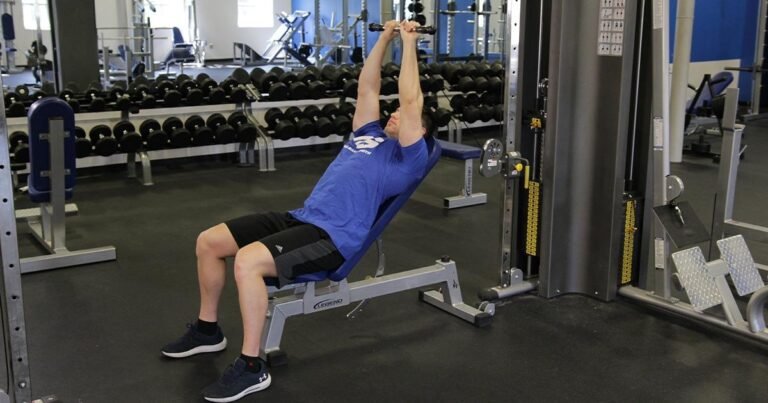
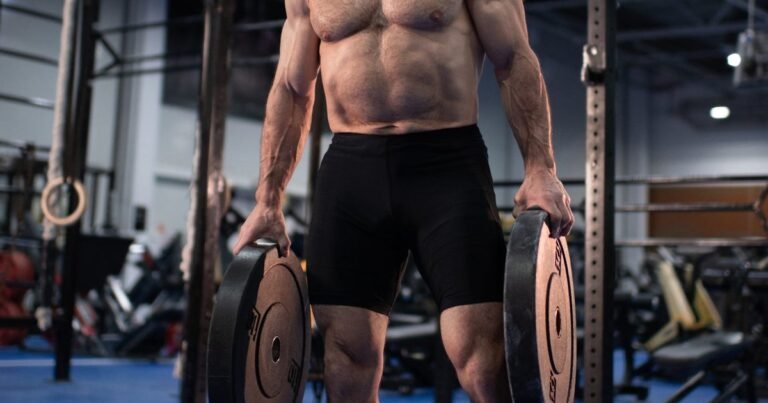
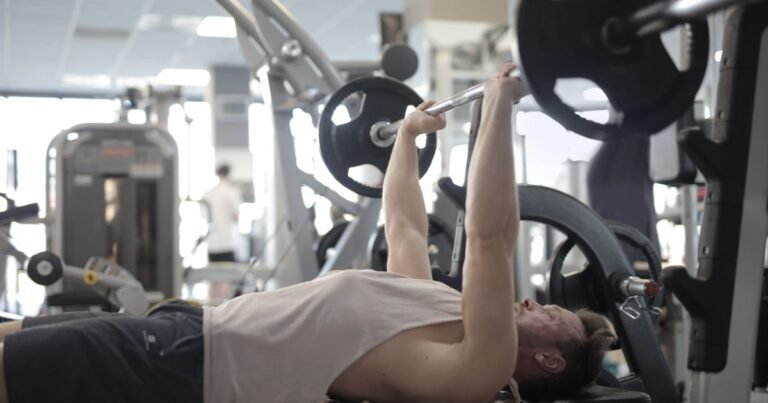
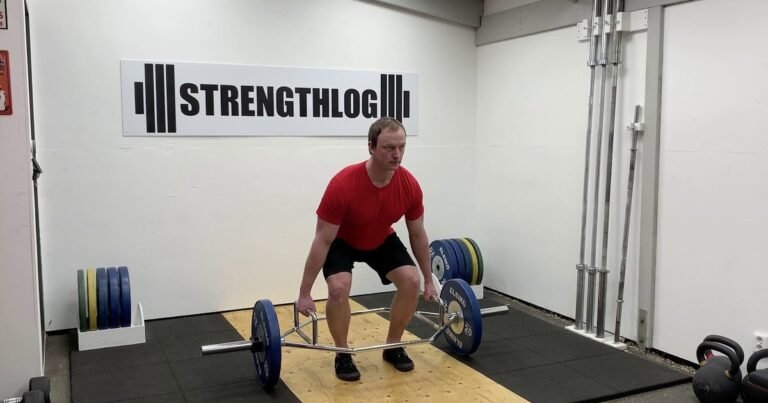
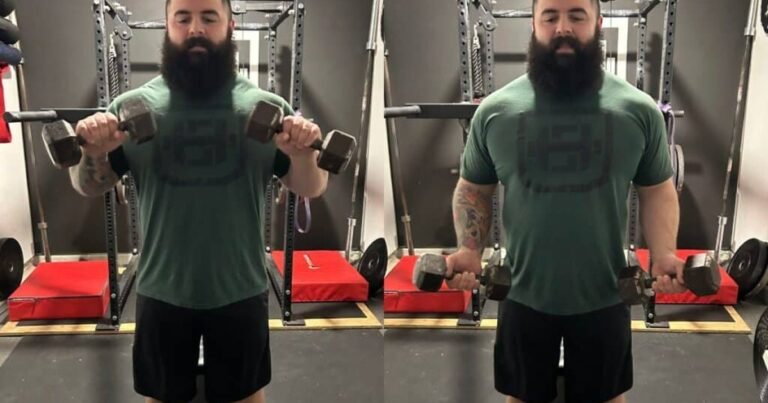
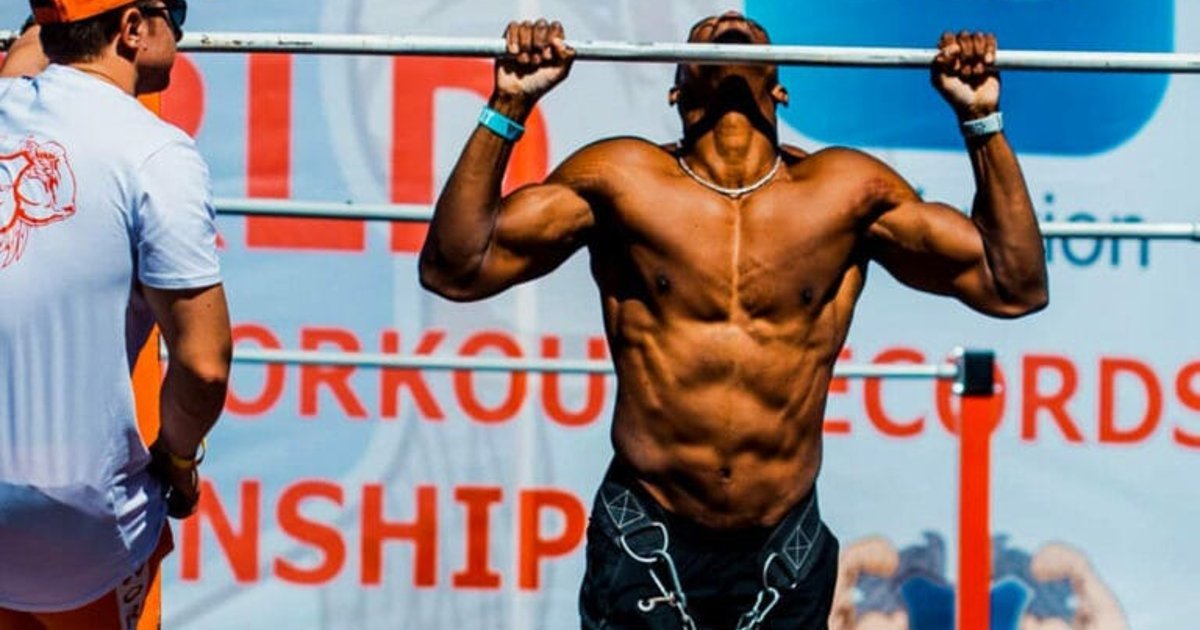
The sport combines moving your body plus external resistance with moving a heavy barbell through a prescribed range. Its scoring rewards consistency across four events rather than a spectacular highlight on just one. Here is how the numbers from Brazil fit together and how a normal lifter can take useful lessons from them. The training photographs illustrate streetlifting technique and are not photographs from this particular meet.
Four lifts, one total: what happened in Brazil
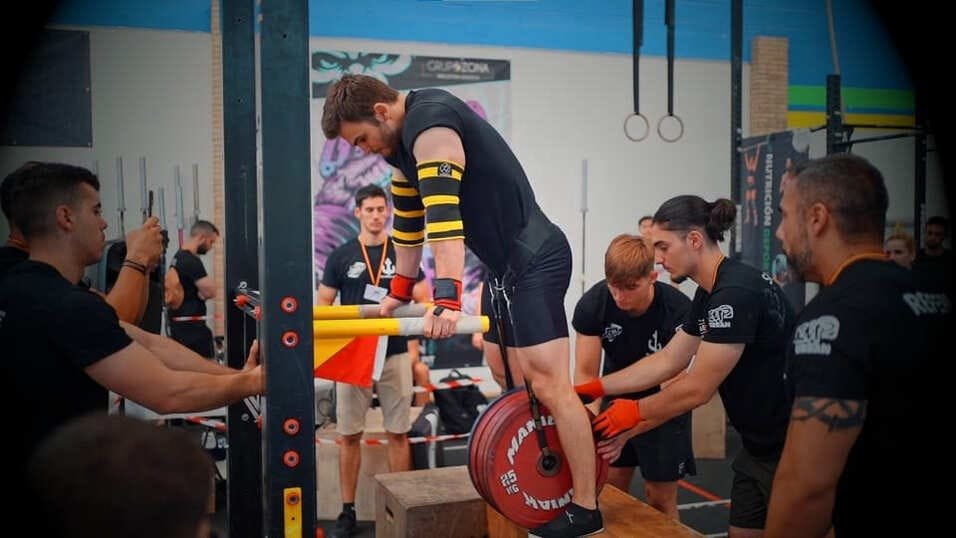
The AMERICS meet at Kavera Cross brought together a results field of 58 athletes. The four-event format uses a weighted muscle-up, pull-up, dip and barbell squat. Competitors have three attempts in each event, with the best successful lift contributing to the total. A failed third attempt does not erase a successful second attempt, but missing every attempt in an event can prevent a valid four-lift result. A lifter who manages a big squat but has no valid muscle-up cannot simply treat the missing movement as a minor weakness.
Paredes demonstrated what a complete performance looks like. In the muscle-up he progressed from 30 to 35 to 37.5 kg; in the pull-up he went from 83.75 to 90 to 95 kg. His dip attempts rose from 147.5 to 155 to 162.5 kg, and his squat from 242.5 to 252.5 to 260 kg. All twelve attempts are recorded as successful. His best numbers add up to 555 kg. The recorded class marks for the total and squat are not independent confirmation of formal record ratification.
His previous Mexico Open performance on May 30, 2026 had been a 520 kg total: 35 kg, 90 kg, 150 kg and 245 kg respectively. The difference between the two recorded totals is 35 kg. The comparison shows progress in all four movements, not just one unusually good day. It does not reveal the training program, injuries, exact bodyweights or recovery strategies between the meets, so it would be wrong to invent an explanation for the improvement.
Why the biggest total is not always the biggest relative performance
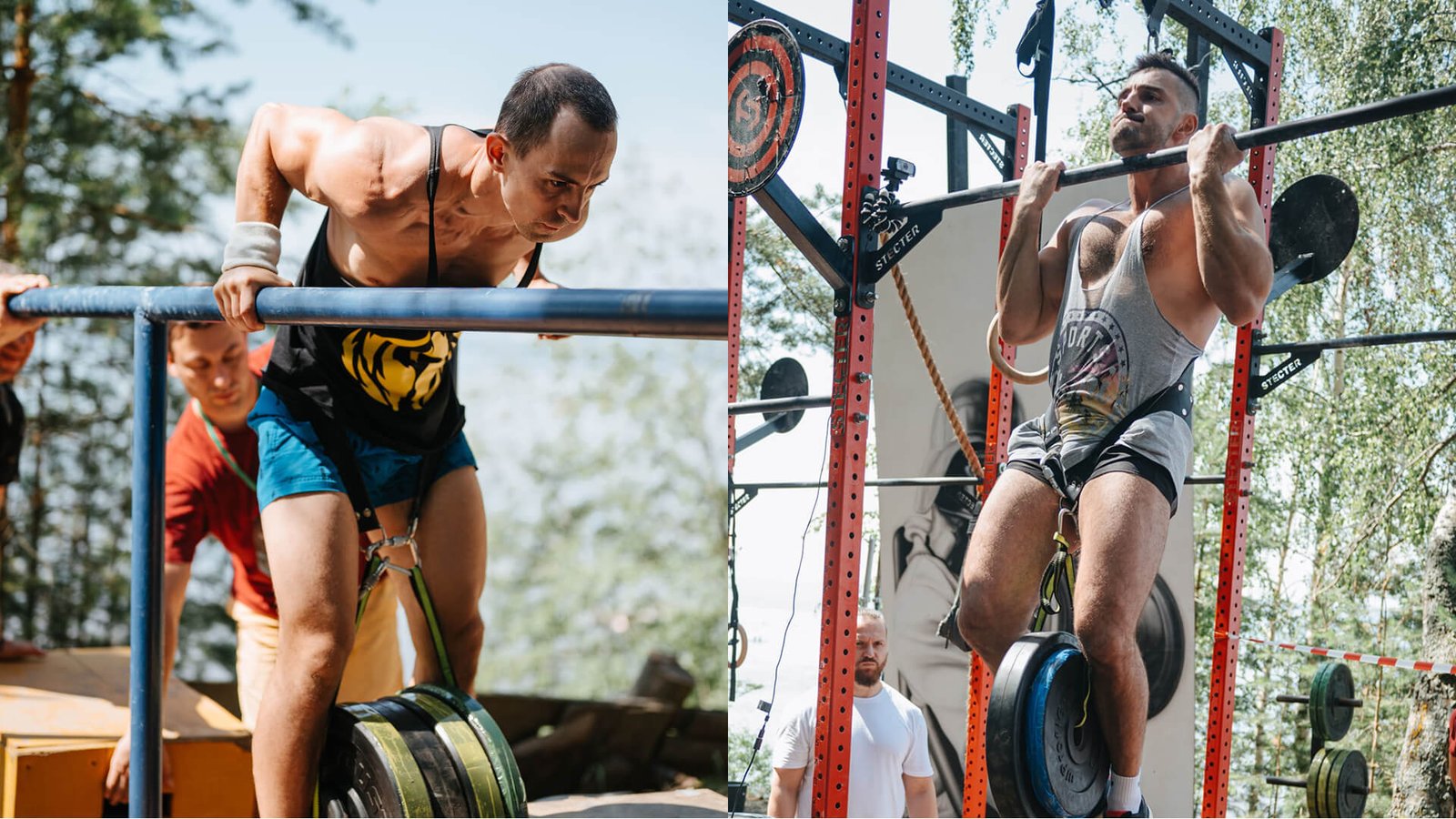
Daniel Cassieri of Argentina, competing in the men’s 101 kg class, recorded a 570 kg total with a 30 kg muscle-up, 110 kg pull-up, 165 kg dip and 265 kg squat. Compare that with Paredes: Cassieri had the larger absolute total, while Paredes achieved the larger relative performance score in the displayed results. Their reported RIS values were approximately 104.80 and 121.34 respectively.
Absolute strength tells us how much external load a person can move. Relative scoring attempts to account for body size and makes comparisons between weight categories more meaningful. It is not the same thing as dividing the total by the class weight limit: athletes need not weigh exactly the limit, and a scoring formula is distinct from simple kilograms per kilogram. Nor should a comparison of overall totals be mistaken for the official podium in a specific weight class.
Brazilian athlete Carlos Czeszak in the men’s 66 kg category recorded 31.25 kg muscle-up, 87.5 kg pull-up, 132.5 kg dip and 210 kg squat, giving 461.25 kg and a displayed relative score of 110.40. In the women’s 70 kg class, Danae Morgan recorded 21.25, 58.75, 76.25 and 135 kg for 291.25 kg. Looking at the individual events rather than headline totals reveals different distributions of strength. For your own log, record both the external load and actual bodyweight on comparable training days. A pull-up personal best achieved after a substantial bodyweight change deserves that context.
Muscle-ups and pull-ups are two different problems
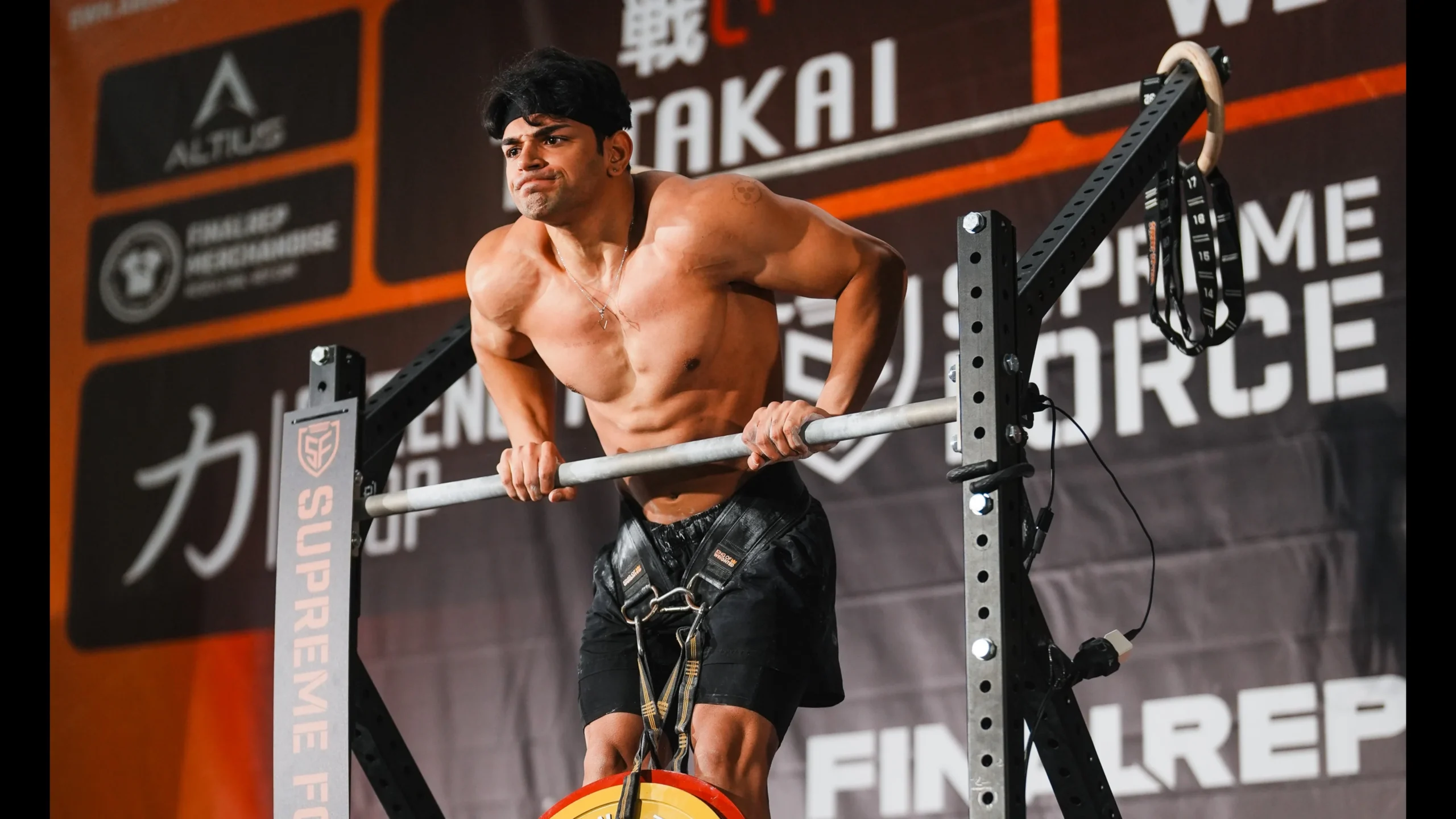
The muscle-up asks an athlete to accelerate high enough to transition over a bar and finish in support. Adding plates changes more than the force needed to pull upward. The suspended weight can swing, the transition becomes less forgiving, and a lifter who can grind a heavy pull-up may still be unable to complete a clean muscle-up. Training the two as interchangeable movements can leave a major scoring opportunity untouched.
A sensible progression begins with repeatable bodyweight repetitions. On a secure bar with adequate overhead clearance, practice high pulls, controlled transitions using appropriate assistance, and stable support positions before introducing small external loads. Do not force a painful shoulder position or jump straight from a first bodyweight muscle-up to a heavy single. Pull-up strength can be developed separately through controlled weighted sets, using a secure loading belt or suitable vest that does not obstruct the movement.
For a weighted pull-up session, choose a load you can perform for three to five consistent repetitions without an uncontrolled swing. Keep the range of motion, grip and starting position comparable across sessions. Add a small increment only when your repetitions meet that same standard. If the new weight produces half repetitions, it is not a meaningful improvement in the intended lift. Our streetlifting judging guide explains why repeatable standards matter. Check your federation’s rules rather than assuming every event uses identical commands.

Equipment Worth Exploring
Explore equipment, accessories and gear from our carefully selected range.

Power Tower
Freestanding pull-up and dip station with adjustable handles for bodyweight training.


Angles 90 Grips
Flexible grip attachments that allow natural wrist movement during pulling exercises.


The dip and squat carry much of the external load
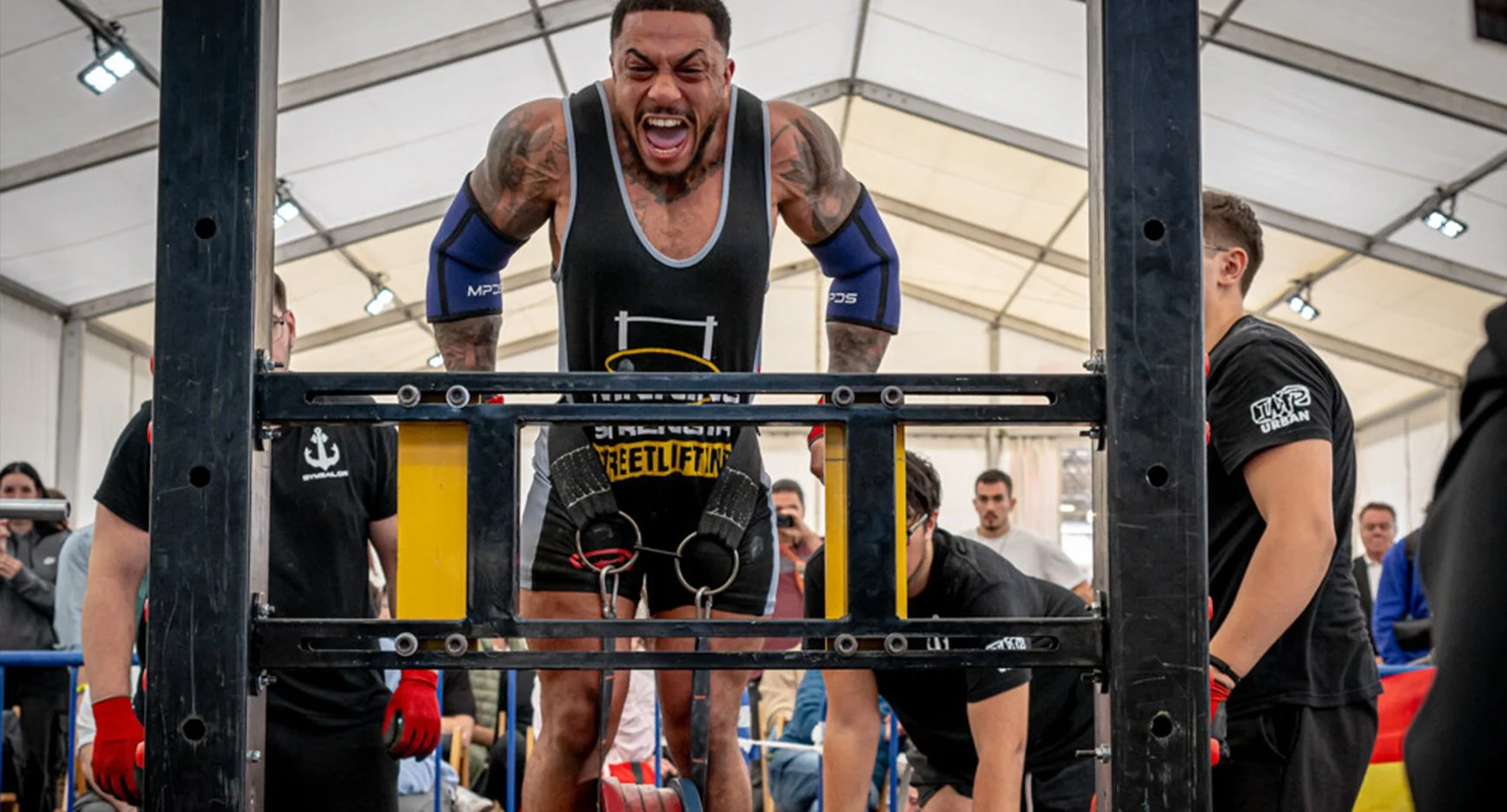
For Paredes, the dip and squat together contributed 422.5 kg, about three quarters of his 555 kg total. That does not make the other two lifts optional. It shows why a specialist in weighted calisthenics cannot ignore lower-body training when entering the four-lift version of the sport. The squat is often the largest contribution, and the dip can make a substantial difference between athletes with similar pulling ability.
A heavy dip needs stable support, suitable spacing, controlled descent and a confident finish. A rack-mounted attachment or freestanding station must be rated for the combined athlete and external load, not merely the plates attached to a belt. Make sure a hanging plate cannot strike the floor or snag on equipment. Beginners should build tolerance through bodyweight and moderate-load repetitions rather than treating extreme depth or a maximal attempt as a requirement. Choose a comfortable range during ordinary training and learn the competition-specific depth separately.
Squat preparation requires its own attention. Use a stable rack, properly positioned safeties and a load that can be controlled throughout the descent and ascent. Set the bar height and walkout consistently. A barbell, compatible plates and collars, and enough space to exit safely matter more than an elaborate machine for practising the competition movement. Accessory squat variations can be useful, but they are not direct substitutes for the event itself. A lifter who focuses on the upper body all week and squeezes heavy squats into a fatigued final session may find that scheduling is the real limiting factor.
Equipment Worth Exploring
Explore equipment, accessories and gear from our carefully selected range.


Competition Plates
Competition-style bumper plates for Olympic lifts and loaded strength training.

Grip Plates
Rubber-coated weight plates with handholds for loading barbells and machines.


GymPin Squat Wedges
Non-slip 15-degree squat wedges help elevate the heels for deeper quad-focused squats.

Foldable Wall Rack
Wall-mounted folding squat rack designed to save floor space between workouts.
Build a four-lift week instead of chasing twelve maximal attempts
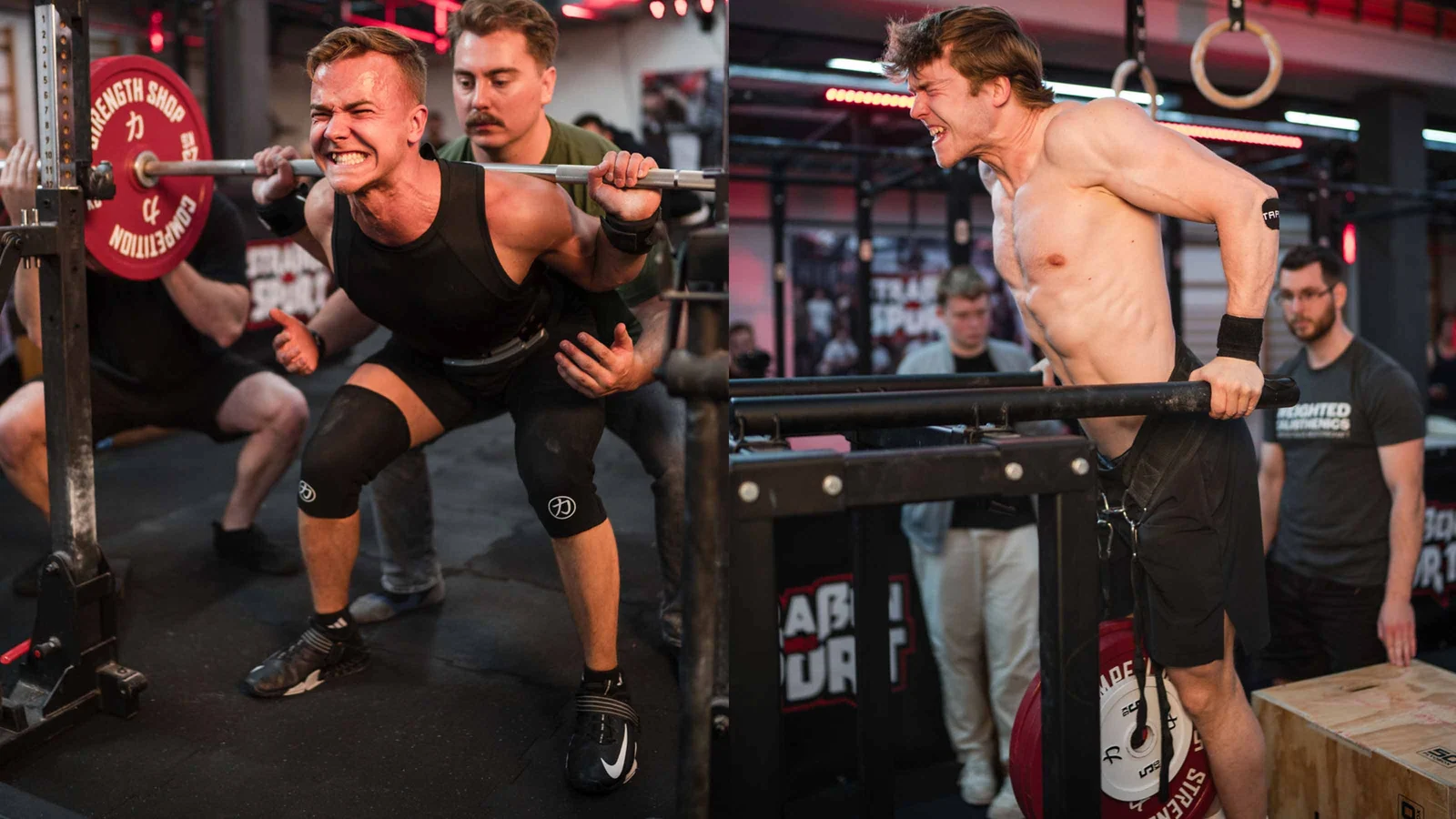
The twelve successful attempts in Paredes’s result sheet are an example of meet-day execution, not a recommendation to test every lift three times a week. A training plan should leave room for technical practice, gradual overload and recovery. This illustrative starting structure is for someone who already has solid bodyweight pulling and dipping technique and experience squatting safely.
- Monday: Muscle-up technique for four to six short sets, followed by three or four moderate weighted pull-up sets and upper-back assistance.
- Wednesday: Barbell squats for three to five sets of three to six repetitions, followed by a small amount of lower-body assistance. Keep a few repetitions in reserve.
- Friday: Weighted dips for three to four sets of three to six repetitions, followed by light pull-up practice and controlled muscle-up transition work.
- Saturday or Sunday: Optional easy squat technique or general conditioning if recovery is good. Rest instead if your elbows, shoulders or legs remain unusually fatigued.
For the first two weeks, establish loads and repetition standards. In week three, add a small amount of weight to one or two lifts if the previous sessions were technically consistent. In week four, keep the weights steady or reduce volume if accumulated fatigue is affecting movement quality. Use bodyweight assistance and easier variations where necessary; the example is not a beginner muscle-up prescription. An athlete preparing for competition will eventually need practice in event order, attempts and commands, ideally with qualified coaching.
The best lesson from AMERICS 2026 is not the temptation to load 95 kg onto your pull-up belt. It is the value of making four separate movements dependable under pressure. Build small improvements into the logbook and judge progress by the lifts you can actually complete. The impressive number at the end is the consequence of those habits.

Calisthenics Shirts & Street Workout Gear
Calisthenics and bodyweight-training gear for pull-ups, dips, handstands and street-workout athletes.

Pull Up Or Shut Up Sticker
Put “Pull Up or Shut Up” gym humor on your laptop, bottle, or gym gear.


Calisthenics Evolution Hooded Pullover for Bodyweight W Hoodie
Keep it laid-back with a little “Calisthenics Evolution” attitude.

Funny Calisthenics Gym Hooded Pullover for Bodyweight W Hoodie
Stay casual and show some lifting attitude with “Calisthenics”.

Always Pull Yourself Up Funny Gym T
Heavy lifts, good laughs, and a little “Always Pull Yourself Up” energy.


Calisthenics Hanging Out Crewneck
Bring “Calisthenics Is My Idea of Hanging Out” humor to your everyday gym style.


Be Stronger Than Your Excuses – Motivational T-Shirt
Rep “Be Stronger Than Your Excuses” humor in and out of the gym.