Advertising disclosure: This page includes affiliate product links that may earn us a commission, as well as products from our own store.
Is lifting a muscle two, three or four times a week actually better? The answer depends on whether you want to add weight to the bar, build visibly larger muscles, or simply fit good training around your life. A 2026 analysis of 47 studies involving 1,665 participants found a small advantage for higher training frequency in strength, but not a clear advantage for muscle size, athletic performance or functional measures.
That does not mean a six-day split is necessary, or that training once per week is secretly optimal. It means weekly training frequency is one programming lever, not the whole program. Here is what the comparisons show, where the uncertainty sits, and how to distribute productive sets without turning every gym day into a recovery problem.
What the 47-study review actually measured
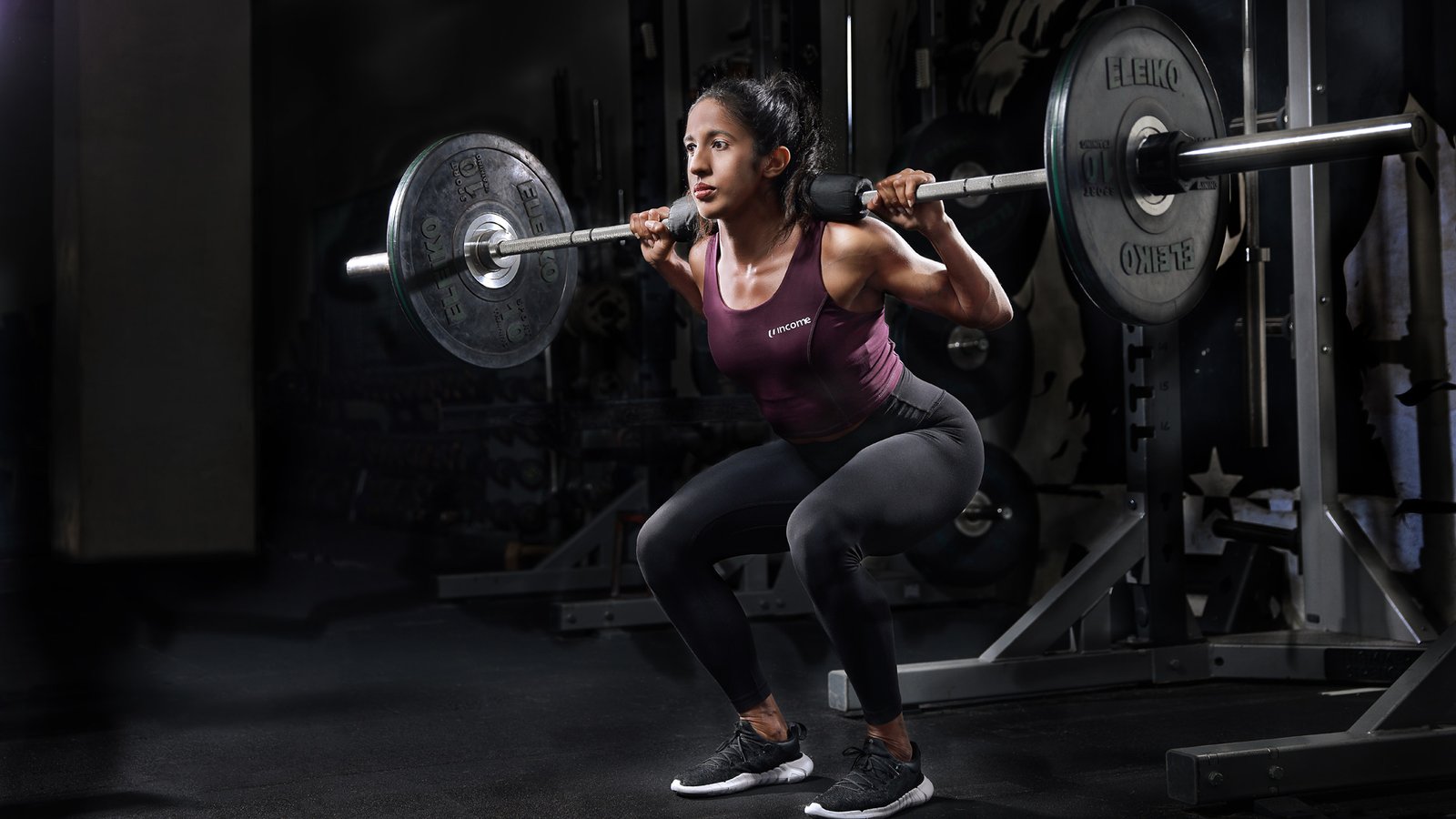
The analysis compared lower- and higher-frequency resistance-training schedules across different populations and exercise plans. Think of the question as whether adding training occasions changes an outcome after other features of a program are taken into account. The investigators combined 47 studies with 1,665 participants, rather than running one enormous experiment on a single group of lifters. That broader view helps identify patterns, but it does not make all the individual programs interchangeable.
For strength, the higher-frequency conditions showed a statistically detectable, small pooled benefit: a standardized effect size of approximately 0.17 in the direction of more frequent training. The authors’ coding displays this as a negative Hedges’ g, so the minus sign is not evidence that frequent training made anyone weaker. The reported strength comparison had very low measured statistical heterogeneity and a p-value below 0.0001.
For muscle mass, the pooled estimate was not statistically significant: about 0.13 in the direction of higher frequency, with p = 0.34 and substantial heterogeneity. That is not proof that every possible schedule produces identical growth. It is a failure to establish a reliable difference across these particular comparisons. Functional outcomes and athletic performance also lacked a convincing pooled advantage. Different exercises, participants, intervention lengths and outcome definitions still matter.
The paper appeared online on April 2, 2026 and covers searches through October 2024. It is a review of accumulated research, not a new 47-group trial conducted this November. A separate, narrower analysis of volume-equated hypertrophy studies reported a similarly small and uncertain frequency effect, although that 2026 report was a preprint rather than an independently peer-reviewed journal result.

Equipment Worth Exploring
Explore equipment, accessories and gear from our carefully selected range.


Rubber Hex Dumbbells
Rubber-coated hex dumbbell pairs with a stable shape for home and commercial strength training.


FID Bench MAX
Adjustable bench offering flat, incline, and decline positions + adjustable headrest.


Competition Plates
Competition-style bumper plates for Olympic lifts and loaded strength training.

Why the bar can improve faster than your physique
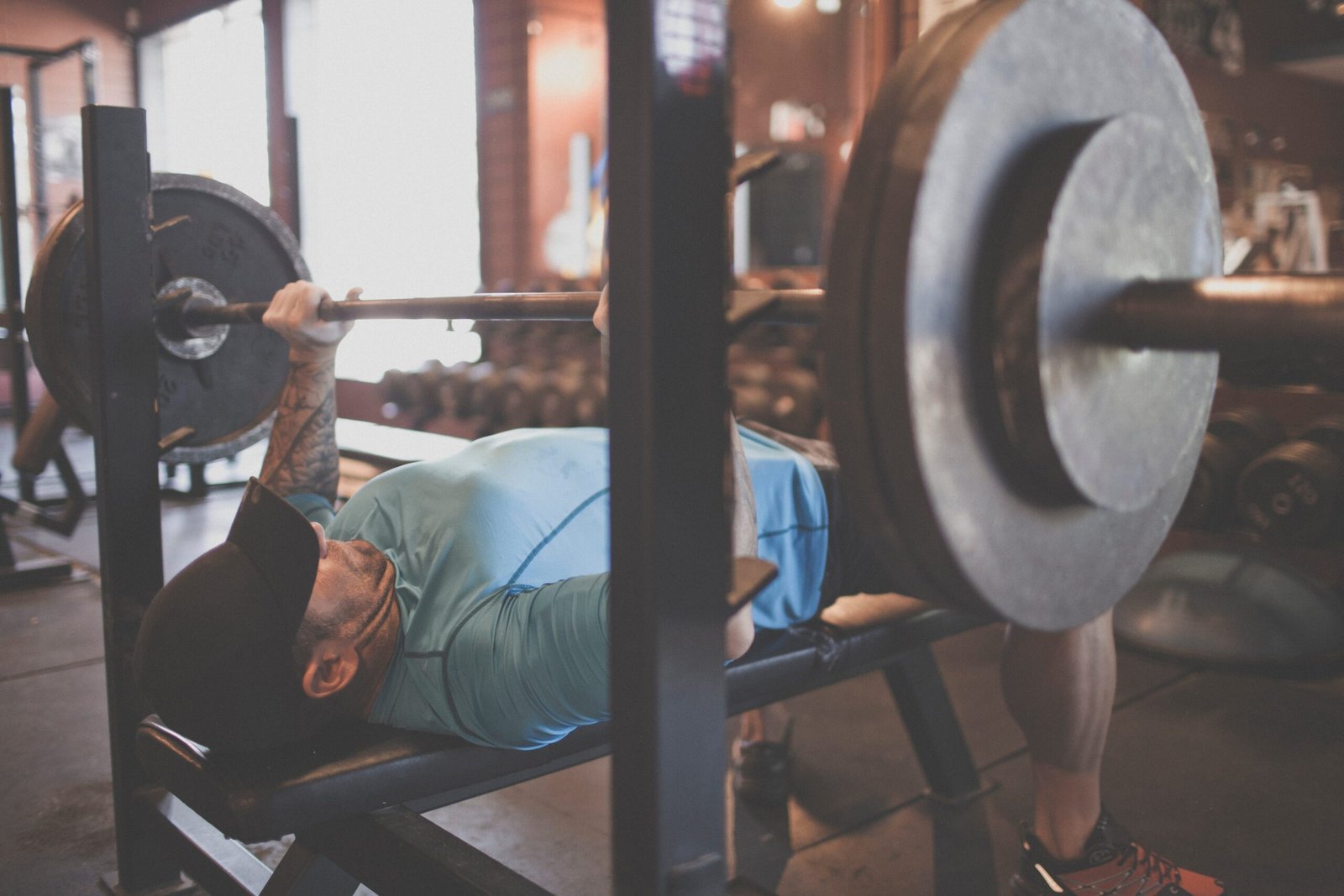
A heavier squat or bench press depends on more than muscle cross-sectional area. Learning a consistent setup, following the same bar path, bracing well, and producing force confidently are skills. When you practice an exercise on more days, you get more chances to rehearse those skills while comparatively fresh. This makes it plausible that some of the frequency benefit for strength reflects exercise practice and neural adaptation, not a sudden jump in muscle tissue.
Consider two lifters who both do twelve challenging weekly sets of squats. One completes all twelve in a marathon leg session. The other performs four sets on three days. Their weekly set count matches, but the second lifter may reach more sets without the accumulated local fatigue of sets nine through twelve. That is a practical reason to distribute work, especially if later sets become rushed, technically sloppy or impossible to load appropriately. It is not proof that every set in the shorter sessions produces more growth.
Muscle growth requires enough mechanical tension, progressive challenge, food and recovery over time. A session appearing on your calendar does not create an additional hypertrophy stimulus by itself. If you double the number of days but halve the work each day, your weekly volume may be similar. If you double days and also double sets, any resulting change mixes frequency with volume. You can see why this distinction matters in our guide to interpreting training volume.
The original review also found that how strength was measured and which body parts were trained affected some comparisons. A one-rep-max test on the practiced lift is not the same outcome as a broad test of athletic speed. Keep that difference in view before converting the average strength effect into a promise of a specific kilogram increase on your next personal best.
Distribute quality sets before adding more gym days
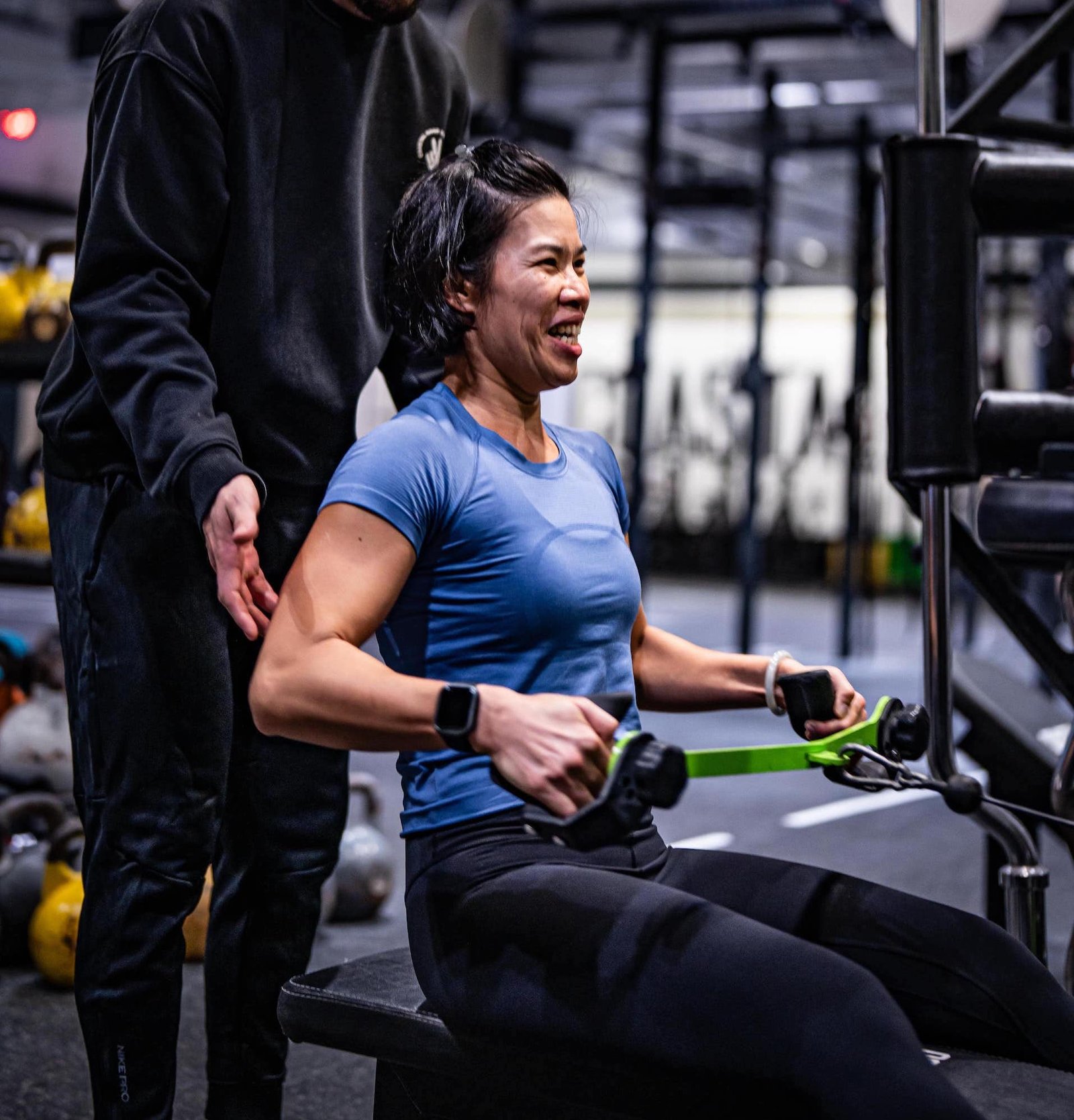
The first question for a practical program is not, “How many days should I train?” It is, “How many productive sets can I recover from, and how many can I perform well in one session?” Those answers change with lifting experience, intensity, sleep, body-part priority and the rest of your exercise schedule. Two sessions can be enough for useful progress; four may make it easier to fit more total work without rushing.
Start with a workable weekly target instead of an arbitrary frequency rule. For example, a lifter aiming for twelve weekly chest sets could use two days of six sets, or three days of four sets. Keep exercise selection, challenging effort and total sets broadly comparable while evaluating the schedule. The goal is not to force identical muscle soreness. It is to compare how well you perform, recover and adhere when the same work is packaged differently.
Use performance logs rather than judging a split by how sore you feel. Record the movement, load, repetitions, sets and approximate reps in reserve. If the third weekly session repeatedly produces worse movement quality, joint irritation or a persistent performance drop, frequency may be outrunning recovery. If a single lengthy session causes you to skip the final half of your plan, splitting it is a reasonable solution even when muscle growth remains the same.
Rest intervals deserve similar attention. Adding days does not fix a session built around excessively hurried heavy sets. For hard compound work, allow enough rest to maintain your intended technique and output, and adjust for the exercise and goal. Our review of rest intervals and strength explains why the clock between sets is part of the training dose rather than dead time.
Equipment Worth Exploring
Explore equipment, accessories and gear from our carefully selected range.
VOLTRA
Compact digital cable trainer with smooth, adjustable resistance.

Go-Tone Pro
Portable digital cable trainer with up to 66 lb (30 kg) of adjustable resistance.


VForce Wall Trainer
Space-saving wall-mounted functional trainer with pivoting cable arms and variable resistance ratios.

Trinity Lat Machine LSW-850
Weight-stack pulldown tower offering three cable directions and adjustable seated support.

VForce 2IN1
Half rack and pivot-arm functional trainer with switchable 1:1 and 2:1 pulley ratios.

VForce Lat Seat
Rack-mounted seat attachment for supported lat pulldowns and seated cable exercises.


Foldable Wall Rack
Wall-mounted folding squat rack designed to save floor space between workouts.

Choose a split that matches your actual week
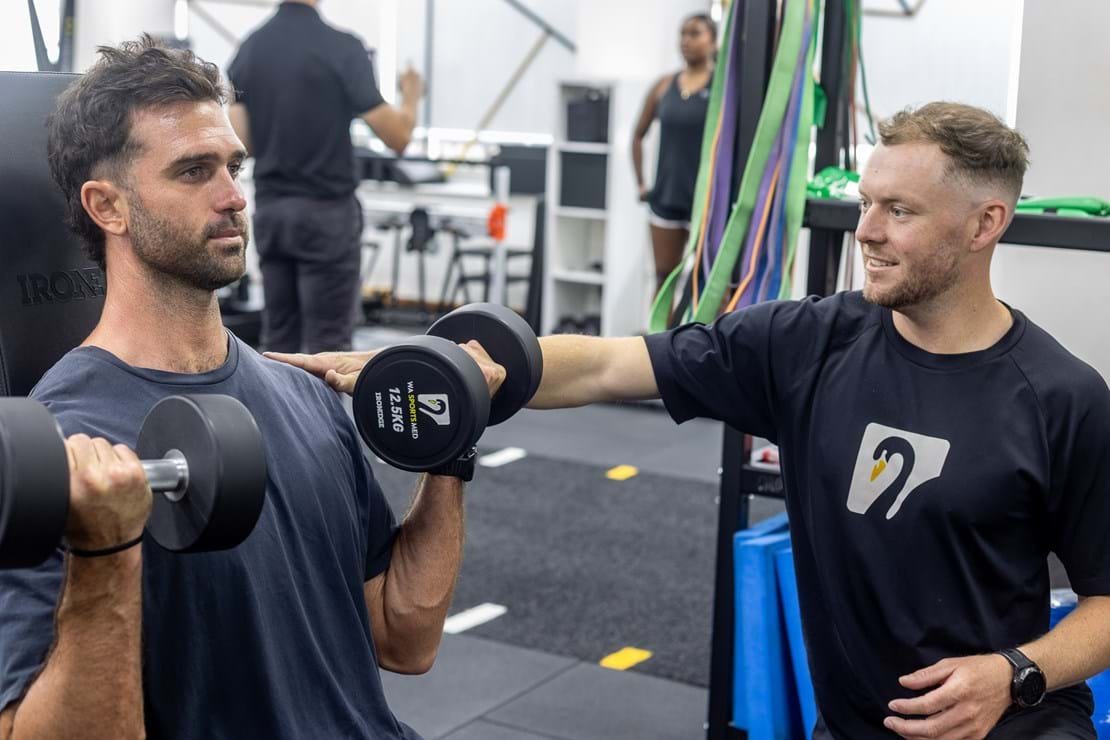
Two gym days: A full-body schedule on Monday and Thursday can cover a squat or knee-dominant movement, a hip hinge, upper-body push, upper-body pull and smaller accessory work in both sessions. It is an efficient starting point when your timetable is tight. The trade-off is that each workout may need to contain several movement patterns, so prioritize the most important work first.
Three gym days: Full-body sessions on Monday, Wednesday and Friday let you spread exercises across the week. You could emphasize squat and horizontal pressing on the first day, hinge and rowing on the second, then repeat squat or press variations on the third. You are not required to perform every lift three times. Frequency for an individual muscle group or exercise can differ from the number of gym visits.
Four gym days: An upper/lower split is convenient: upper on Monday and Thursday, lower on Tuesday and Friday. This creates two exposures for many muscles while giving room for more total sets per session and enough downtime between similar sessions. A fifth or sixth training day can also work, but more calendar entries are not automatically a larger growth stimulus. They can simply divide existing work into smaller blocks.
If one muscle is lagging, consider placing a small amount of its work across another training day before rebuilding the entire plan. For example, distribute calf sets between two leg days or add a short cable row block to a day that already includes upper-body work. Our one-versus-three leg-day analysis offers a useful companion example of how the same weekly work can be organized differently.
None of these templates is a mandatory research-certified split. Pick the one you can execute consistently, then adjust sets and exercise choices based on your results. Equipment and gym access can matter, too: a compact cable system and adjustable dumbbells make it easier to insert a short extra session, but buying more gear does not replace progressive training.

Funny Gym Shirts & Workout Gear
Funny gym shirts, tanks, hoodies and workout gear for lifters who like training hard.

Liftonomics – Bro Science Muscle Graph Gymbros & T-Shirt
Rep “Liftonomics” humor in and out of the gym.

Everything Hurts And I'm Hungry – Motivation Lifting T-Shirt
Show some lifting attitude with a playful “Everything Hurts And I'm Hungry” tee.

Is Calling You Answer? Decline? , & Meme Top T-Shirt
Show some powerlifting attitude with a playful “Gym is Calling You” tee.

Gymhead Skull Lifting Is On My Mind , & Meme T-Shirt
Heavy lifts, good laughs, and a little “Gymhead” energy.


Gym Makes Me Happy Smiley Face Crewneck Pullover Sweate T-Shirt
Add a playful “Gym Makes Me Happy” touch to your casual rotation.

Gym Is My Happy Place Happy Weights Workout Shirt Tank Top
Bring “Gym Is My Happy Place” humor to your next lifting session.

Gym Is Cheaper Than Therapy Hooded Pullover Workout Fan Hoodie
Show off your powerlifting humor in a laid-back “Gym Is Cheaper Than Therapy” hoodie.

Fitness Is My Therapy – Lifting Bodybuilding Powerlifti Tank Top
Your gym-day look, with a playful “Fitness Is My Therapy” twist.

Lift Time Gym | Funny Workout Decal for Gym Bros & Lift Sticker
Stick a little “Lift Time” humor on your favorite gear.
A four-week test that separates frequency from volume
For the first week, establish a baseline. Choose two or three main lifts, set a realistic weekly number of challenging sets for each muscle group and keep that total reasonably stable. Write down load, reps, effort, sleep and whether workouts felt rushed. If you are returning from a break or dealing with pain, start more conservatively and avoid treating an informal experiment as medical advice.
In weeks two and three, change only the distribution of those sets. If your chest work used to be eight sets on Monday and four on Thursday, try four sets on Monday, Wednesday and Friday. If you already train three days, move toward two only when that fits your week. Avoid increasing both frequency and weekly volume at the same time; otherwise you will not know which change affected your performance.
Use consistent exercise technique and similar target effort. On primary lifts, compare how often you meet your programmed repetitions at the intended load and how cleanly the later sets move. For smaller exercises, watch joint comfort and local fatigue. An unplanned increase in daily steps, a stressful work week or a major calorie deficit can distort comparisons, so record those changes instead of pretending your schedule exists in a laboratory.
In week four, review the evidence in your log rather than relying on a single pump or personal record. Did more frequent practice help your squat feel technically consistent? Did shorter sessions make you more likely to finish your plan? Did your weekly set totals actually stay stable? If so, the new split may be useful even if your tape measurements or mirror look unchanged after four weeks.
Four weeks is too short to rule definitively on hypertrophy, and the review found intervention duration could moderate muscle-mass findings. Treat the test as a practical adherence and performance check, then continue a suitable program long enough to evaluate body-size changes. The principle is simple: use training frequency to make good work repeatable, not to chase extra days for their own sake.
A slightly higher frequency may offer a modest strength advantage on average, but the best number of gym days is the one that distributes challenging work without sacrificing recovery. Start from your weekly sets, respect your calendar and let progress—not a fashionable split—decide the next adjustment.