Advertising disclosure: This page includes affiliate product links that may earn us a commission, as well as products from our own store.
Can a twenty-dollar training document make your squat stronger? Rogue’s Move Squat Program offers twelve weeks of structured lifting, but judge it by its actual public sample, equipment needs and whether two focused days fit your week. This is an independent specifications-based analysis, not a claim that MMP tested or followed the eBook.
What Rogue actually sells for twenty dollars
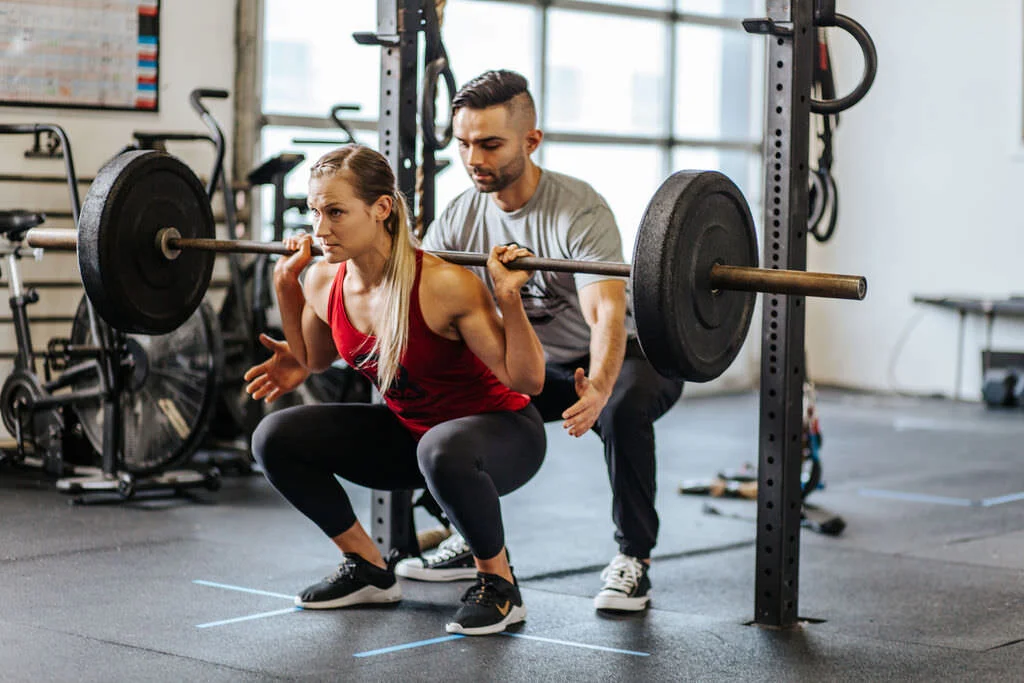
The promise sounds almost too neat: pay twenty dollars and spend the next twelve weeks getting stronger at the squat. Rogue’s Move Squat Program is a sixteen-page, digital-only guide, not an equipment package or a personal coaching subscription. The stated target is increasing your one-repetition maximum in both the back and front squat. It schedules two squat-focused sessions per week, each intended to take no more than an hour. Across twelve weeks, that is twenty-four focused sessions. At the listed $20 US-store price, the document costs less than a dollar per planned session—assuming you actually use it.
There is useful specificity in that offer. You are not signing up for six days of mystery volume or an endless exercise menu. The main work uses percentages of your current one-rep maximum, then lighter work and accessories for your trunk, back and lower body. The caveat is that a fixed template still requires judgment. A percentage based on a badly estimated max is not individual coaching, and adding it to an already crowded schedule does not create extra recovery capacity.
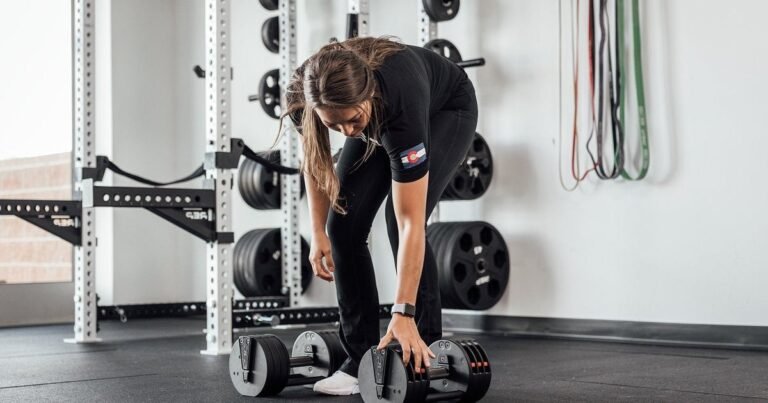
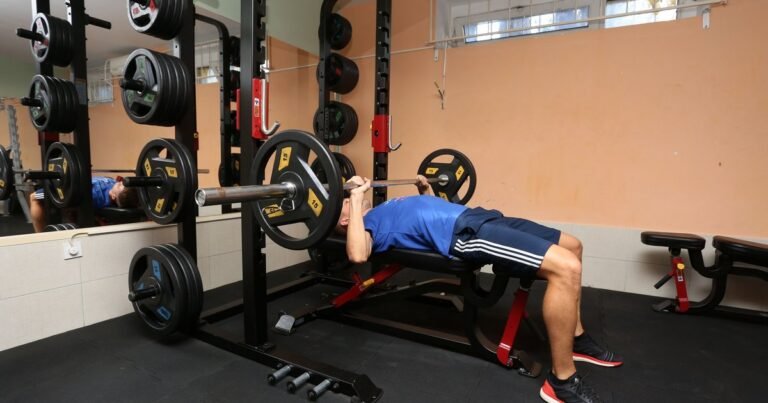
Rogue lists a rack, a bar, bumper plates, bands, dumbbells or kettlebells, an adjustable bench, a safety squat bar and some specialty posterior-chain gear among its equipment recommendations. Its own product description also permits substitutions for certain movements. That makes the real buying question practical: do you have a safe place to squat and a way to train the supporting muscles, rather than every named piece of hardware?
The Week Five workout reveals the important loading detail
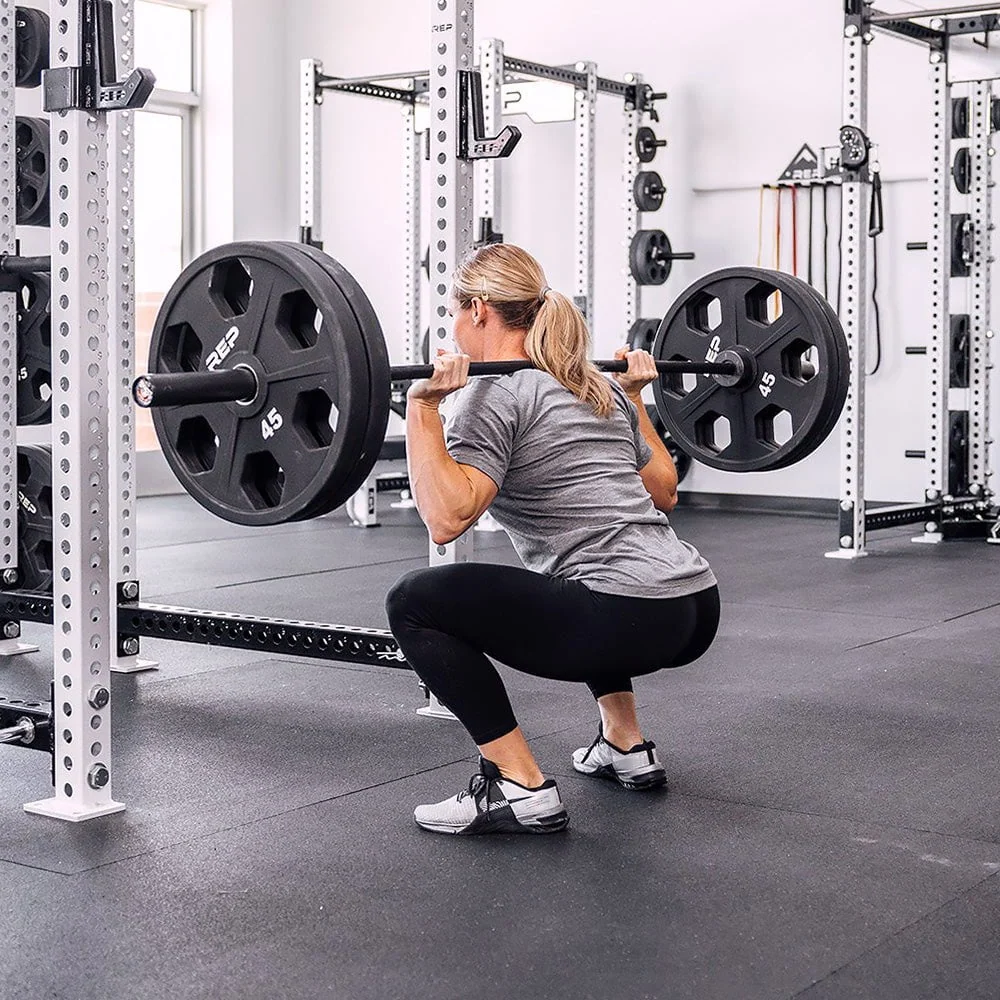
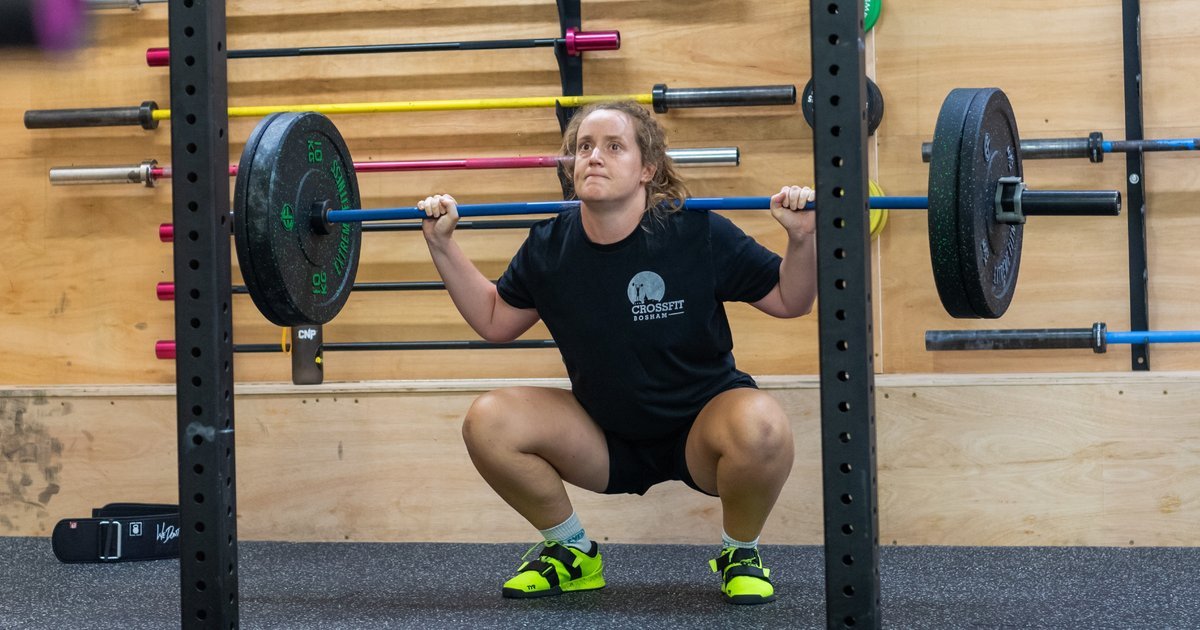
One sample workout is publicly visible. Week Five, Day One begins with three sets of six back squats at 80 percent. It then prescribes one maximum-repetition back-off set at 50 percent of the weight used, stopping at fifteen repetitions. Read that wording carefully. It does not say to lift at 50 percent of your one-rep maximum. If your estimated max were 150 kilograms, 80 percent would be 120 kilograms for the main sets. Half that working weight would be 60 kilograms for the back-off set. Those numbers demonstrate the calculation, not an instruction for everybody to lift 120 kilograms.
Three sets of six at a fairly challenging load are different from a true maximum single. They reward a reproducible brace, consistent depth and a walkout that does not waste energy. The lighter set creates a different kind of effort: more consecutive, technically controlled repetitions, with a clear cap. When fatigue changes your position, doing every possible rep is not automatically better. Nobody should interpret the phrase maximum set as permission to ignore safety or to turn a training day into a personal-record contest.
One sample day cannot establish the rest of the twelve-week progression. It does not show exactly how frequently the front squat appears, how hard subsequent weeks become or the details of the final testing week. The full document may answer those questions; the product page alone does not. When choosing a plan, separate the visible prescription from assumptions about what the unpublished pages might contain.

Equipment Worth Exploring
Explore equipment, accessories and gear from our carefully selected range.


Foldable Wall Rack
Wall-mounted folding squat rack designed to save floor space between workouts.


Multi Pull Smith Rack MPHR-780
All-in-one rack with a Smith machine, functional trainer, lat pulldown and low row.

GymPin Squat Wedges
Non-slip 15-degree squat wedges help elevate the heels for deeper quad-focused squats.
Two squat days can fit a serious strength week
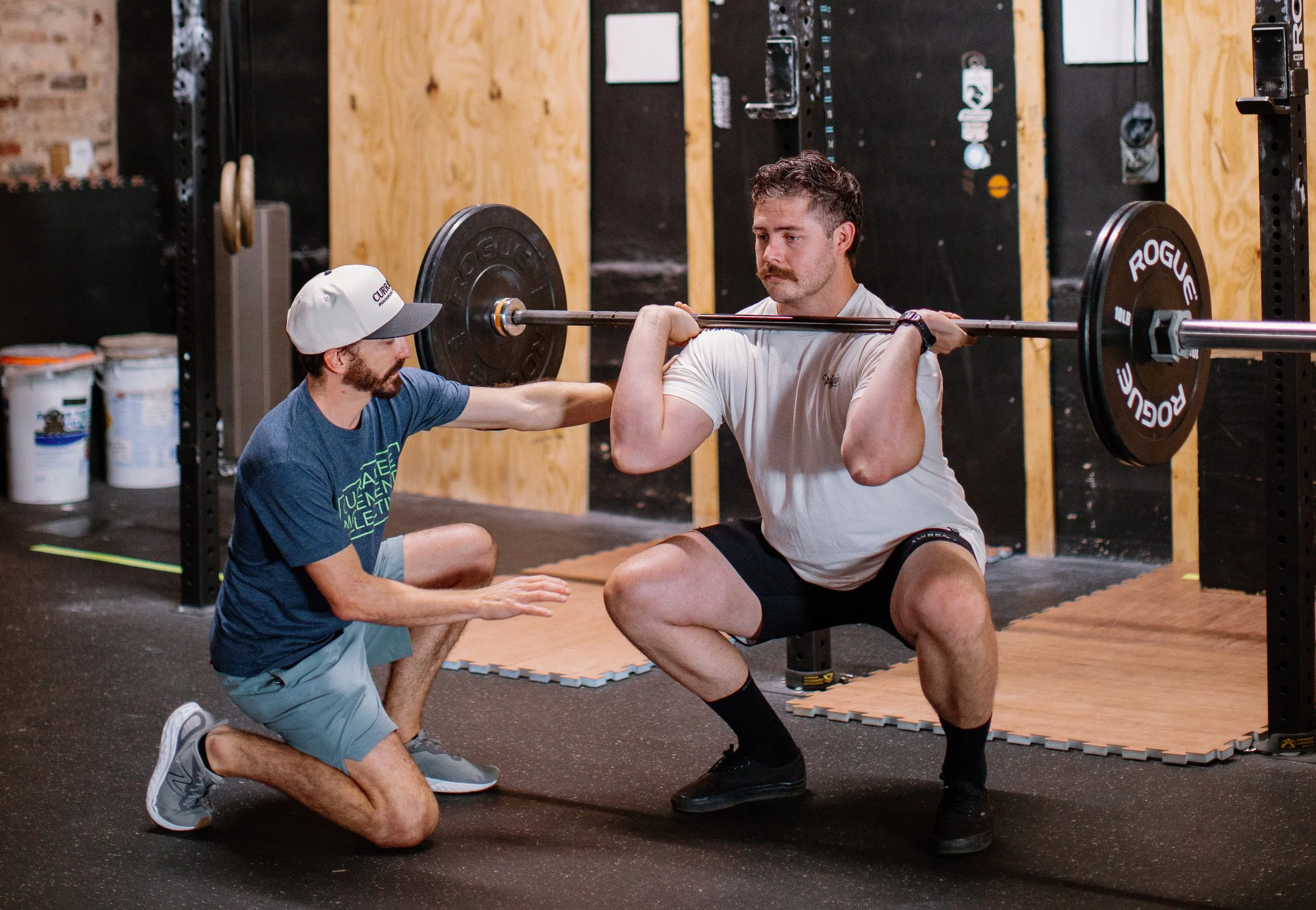
A two-day squat schedule is neither a miraculous frequency nor a sign that the training is too easy. For many recreational lifters, it is a realistic amount of focused barbell practice. You can rehearse bracing and depth more than once a week while leaving room for bench pressing, pulling, cardio or sport. The missing variable is everything else you do. Heavy deadlifts on the day before squats, very demanding hill sprints and multiple extra leg workouts may make two programmed squat sessions feel like four.
A practical weekly arrangement could place squat-focused sessions on Monday and Thursday, then put upper-body work on Tuesday and Friday. This is a scheduling illustration, not a hidden Rogue calendar. You might move the sessions if work or sleep changes. The important idea is to avoid placing both hard squat workouts back to back while keeping the larger week’s workload sensible.
Frequency research is nuanced: some studies show similar strength improvements with different weekly splits when the total training volume is matched. Other comparisons suggest spreading the work across more frequent sessions can preserve rep quality or reduce how hard a single session feels. Those findings do not establish that this specific commercial eBook outperforms a well-designed alternative. They suggest that schedule, volume and adherence belong in the same discussion rather than treating weekly frequency as a magic number. For consistent setup, consult our published squat walkout guide before loading heavy sets.
Rows, core work and hip extensions are part of the squat plan
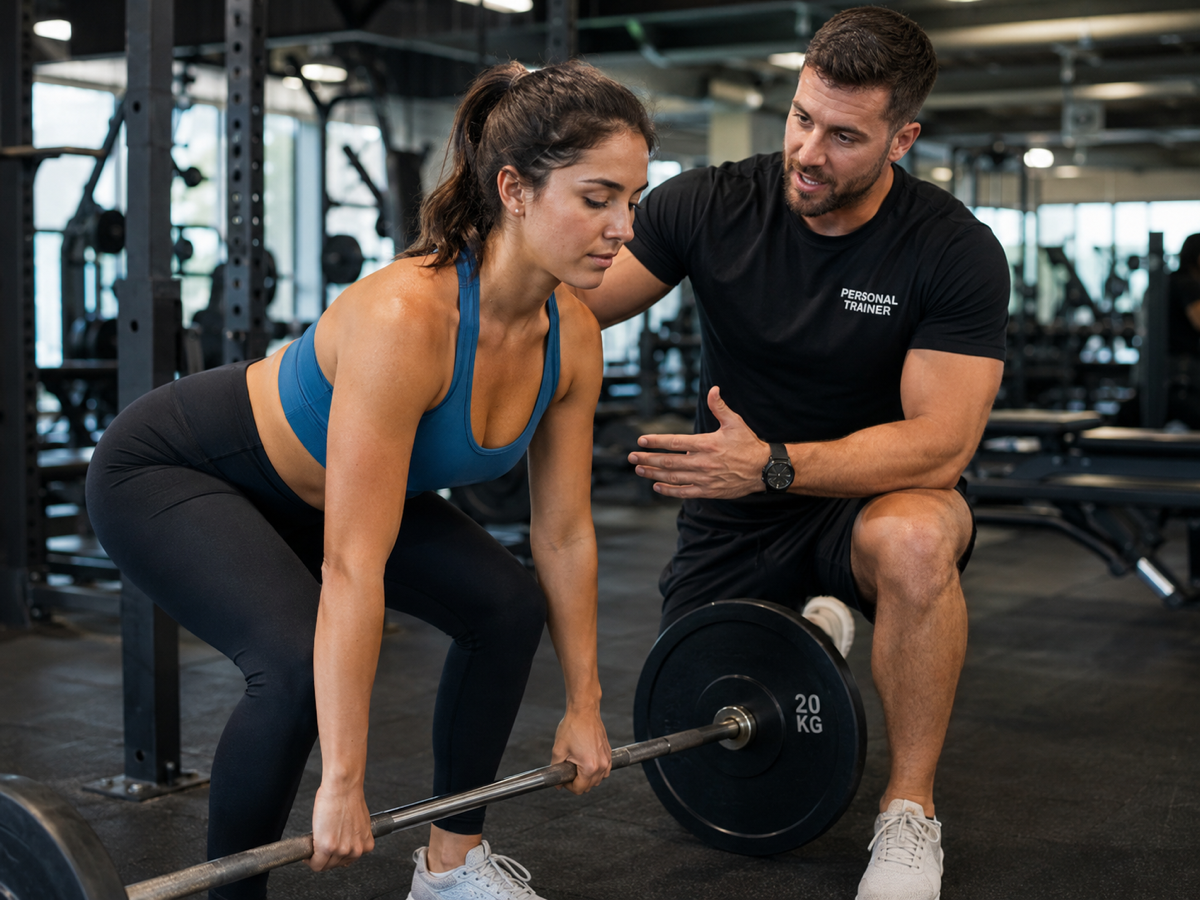
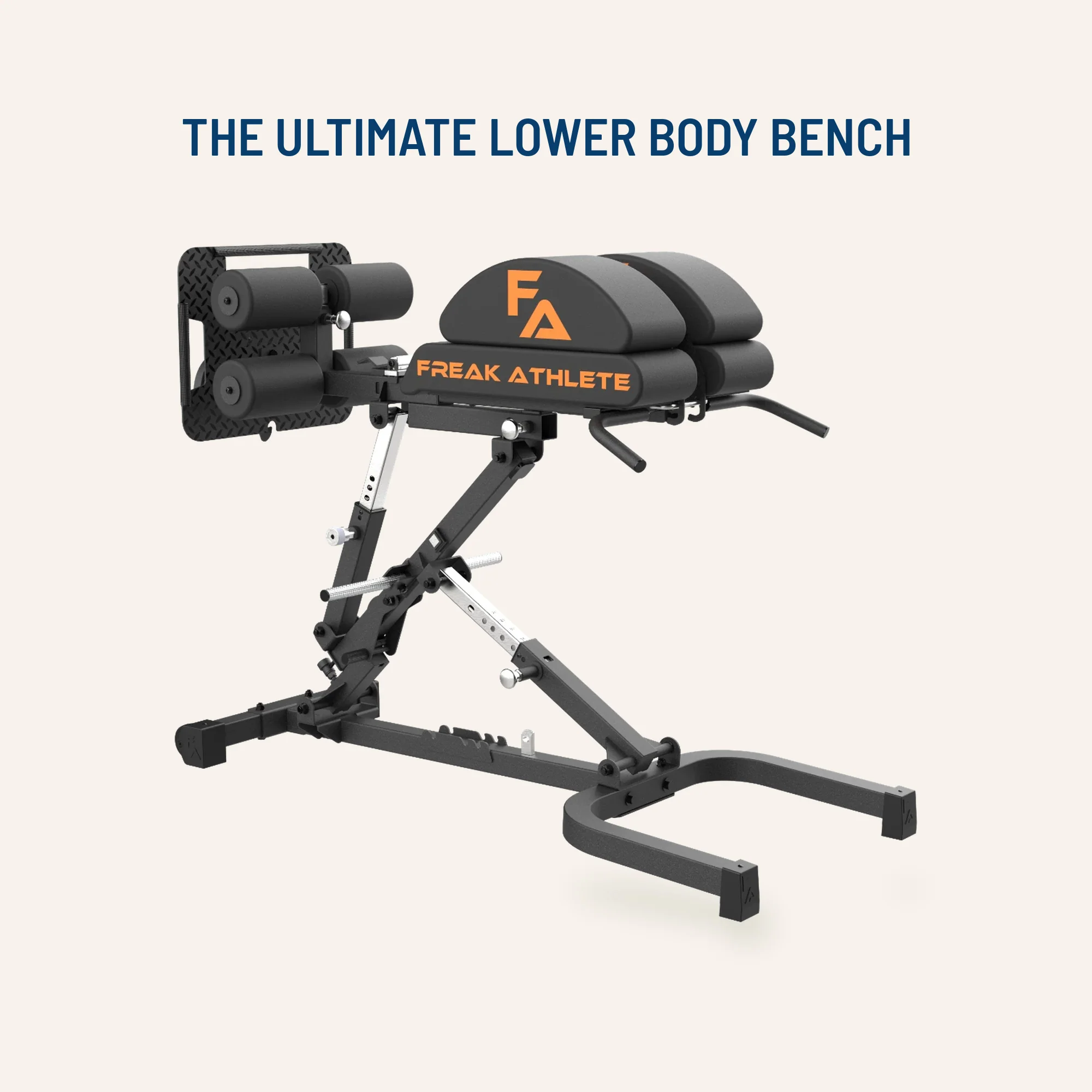
The Week Five sample adds three sets of eight bent-over rows, one hundred standing band crunches and three sets of ten reverse hypers. Those accessory choices reveal an emphasis on more than quadriceps size. Squatting demands that your trunk resist unwanted movement while your upper back helps support the bar. Rows challenge the back; banded trunk work gives the torso another training stimulus; hip-extension work targets the posterior chain. None should be marketed as an instant fix for a stubborn squat sticking point.
Reverse-hyper equipment is not common in every commercial gym or small training room. Rogue lists substitutions such as bodyweight hip extensions, banded hip extensions and kettlebell swings. That makes the prescribed session more accessible than the complete recommended-equipment list might first suggest. But substitutions are not identical. A kettlebell swing is dynamic; a slow hip extension is not. Choose a variation you can execute well that serves the intended muscle group rather than insisting a replacement is biomechanically identical.
The accessories also create a time challenge. Three hard squat sets, a capped back-off set and multiple supplemental movements can eat up the hour if the rack is busy or your warm-up takes longer. A training schedule should include the time needed for ramp-up sets and safe rest between working sets. Finishing in sixty minutes is less important than executing useful training. When you have to shorten a session, give priority to the main lift and make thoughtful reductions to the accessories rather than racing through heavy squats.
Finally, consider training-volume overlap. If your existing program already contains challenging split squats, leg extensions and posterior-chain work, this eBook should not simply be piled on top unchanged. More work can be productive, but it is not automatically more recoverable. Count your whole lower-body week before deciding how much extra to add; our published quad-set progression analysis covers that question in greater depth.
Equipment Worth Exploring
Explore equipment, accessories and gear from our carefully selected range.


Competition Plates
Competition-style bumper plates for Olympic lifts and loaded strength training.


Grip Plates
Rubber-coated weight plates with handholds for loading barbells and machines.


Safety Squat Handles
Barbell squat handles that reduce shoulder positioning demands during high-bar squats.

FID Bench MAX
Adjustable bench offering flat, incline, and decline positions + adjustable headrest.


Who gets value from the eBook—and who does not?
This looks best suited to a lifter who already knows basic barbell mechanics, can estimate a current training maximum and wants a structured block without writing every session from scratch. It is less convincing as a complete solution for someone who has never learned a safe squat pattern, has no reliable rack or safety supports, or needs hands-on help because of pain or persistent technique problems. A digital document cannot spot a failed lift, see how your hips move or ask why a session felt unusually heavy.
Before buying, check five things. Can you reserve two squat sessions every week for twelve weeks? Do you have access to a rack, plates and a safe way to leave the bar if a rep fails? Can you perform a front squat or find instruction before loading it heavily? Can you replace specialty accessory equipment intelligently if needed? And can you avoid turning the rest of the week into a recovery disaster? These questions are not glamorous, but they decide whether the plan is usable.
Do not mistake a brand’s description of its intended outcome for independent proof of how much stronger customers become. The visible information establishes the schedule, format, accessories and one sample workout—not an average increase in one-rep max. A thoughtful lifter can establish a baseline, log training weights, note effort and repetitions, and compare the end of the block under similar conditions. Improvement might mean a heavier technically sound squat, better repeatability at an old weight or simply twelve weeks without constantly rewriting the plan.
Bottom line: Rogue’s Move Squat Program is a compact twelve-week, two-sessions-a-week guide with enough public detail to judge its training flavor. The sample mixes challenging squat work, a capped lighter set and back/core accessories. If your current stumbling block is an inconsistent schedule, its structure may be worth the price. If you’re already making steady progress with well-planned sessions, there is no evidence that switching to this specific eBook is necessary.

Leg Day Shirts & Workout Gear
Leg-day gym shirts and workout gear for lifters who never skip squats, lunges and lower-body punishment.

Squatzilla Meme Leg Day & Squat Fans Hooded Hoodie
Show off your leg-day humor in a laid-back “Squatzilla” hoodie.

Quadzilla Massive Quads Decal Leg Day Squat Meme Sticker
Stick a little “Quadzilla” humor on your favorite gear.

My Leg Hurts Leg Day & Squat Meme Fans Vest Tank Top
Train hard, laugh a little, and rep “My Leg Hurts”.


Squats R Us Shirt – Leg Day Gains & T-Shirt
Heavy lifts, good laughs, and a little “Squats R Us” energy.

Leg Day No Thanks – Skip Legday Meme , Squats & T-Shirt
Heavy lifts, good laughs, and a little “Leg Day No Thanks” energy.

Heavy Squatter Meme Squats & Gains Leg Day Wizard Top T-Shirt
Heavy lifts, good laughs, and a little “Heavy Squatter” energy.

Never Skip Leg Day Squats & Deadlifts Meme , Top T-Shirt
Show some leg-day attitude with a playful “Never Skip Leg Day” tee.

Shirt – Legday Of Legends Gymbros, & Meme Lovers T-Shirt
Show some gaming attitude with a playful “Legday of Legends” tee.

The Quadfather Leg Day Meme Top & T-Shirt
Bring “The Quadfather” humor to your next gym day.