Some product links may be affiliate links, which can support Mind Muscle Perfection at no additional cost to you.
Want faster, more explosive pressing without turning every chest workout into another max-effort bench session? Plyometric push-ups train the ability to produce force quickly, but there is a big difference between a clean hand-release rep and an advanced depth drop. This guide breaks down the research, the safest useful progressions, and a six-week plan that fits alongside bodybuilding, powerlifting and athletic training.
1. Why explosive push-ups train a different quality
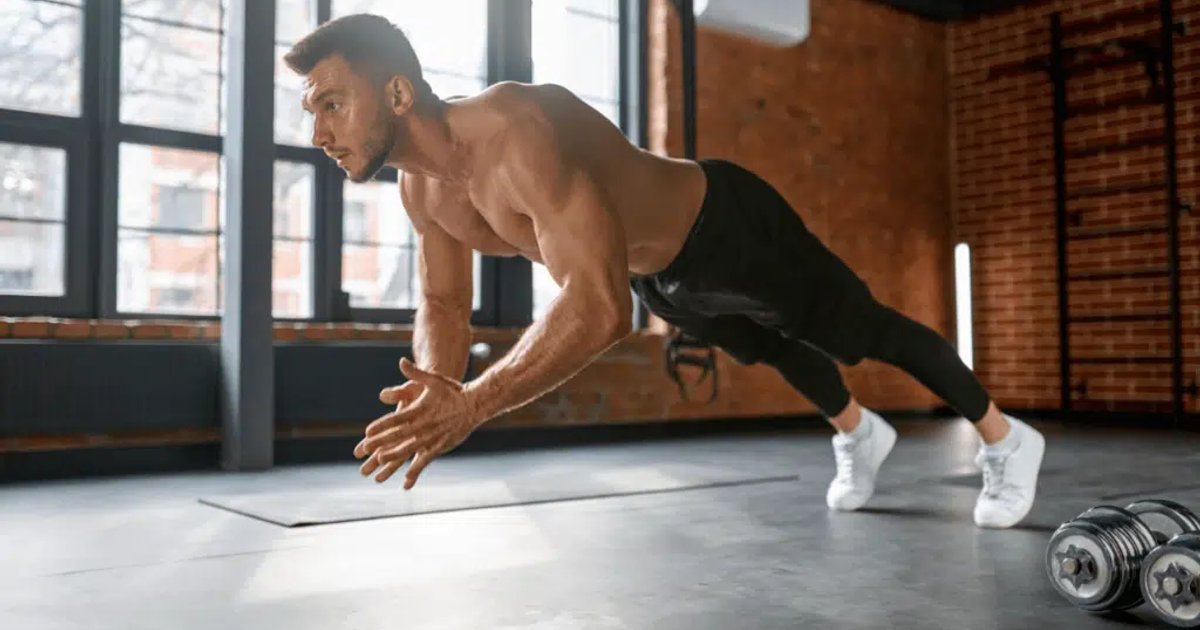
Ordinary push-ups build pressing strength and muscular endurance, but an explosive push-up asks how quickly you can produce force. Instead of slowing down as the arms straighten, you accelerate hard enough to briefly leave the floor. That distinction makes the movement useful for athletes who throw, punch or push quickly, and for gym lifters who want more than another grinding chest set. A good repetition starts with stable shoulders, a braced trunk and a controlled descent, not with a desperate clap.
Power combines force with movement speed. A maximal bench press can demand tremendous force while the bar travels slowly; a ballistic push-up uses less resistance but greater acceleration. Neither is a complete substitute for the other. Heavy pressing remains important for maximum strength and hypertrophy, while explosive practice may develop a quality neglected by slow sets. If you want a bigger chest and faster hands, you can train both without treating them as competing philosophies.
The stretch-shortening cycle is part of the explanation. A rapid, controlled descent loads muscles and tendons before a prompt reversal. The result can be a more forceful press when technique is good. An extended pause removes much of that rebound and changes the drill. Advanced depth drops amplify the landing and reversal, which makes them a progression rather than a beginner requirement. The goal is to direct force efficiently while controlling where that force goes.
Landing matters as much as takeoff. Keep the ribs and pelvis aligned, avoid letting the hips sag and receive the floor with elbows slightly bent. Loud impacts, painful wrists or shoulders, and a collapsing torso mean the variation is too difficult. Choose the version you can repeat with clean mechanics. Chasing more height is not useful if every repetition becomes a fight to survive the landing.
2. What upper-body plyometric research really shows
A systematic review on upper-body plyometric training included 35 studies and pooled 30 of them, representing 1,412 participants from varied sport and fitness backgrounds. Compared with control conditions, training improved measures of maximal strength, medicine-ball throw performance and sport-specific throwing performance. The researchers also reported improvement in upper-limb muscle volume, although that outcome relied on a smaller subset of evidence. These findings make upper-body power work promising rather than universally proven.
The certainty of the recommendations was rated low or very low. Studies varied in duration, participant experience, exercises and measurement methods. Some involved younger athletes rather than trained bodybuilders or powerlifters. Training blocks ranged from four to sixteen weeks. A pooled improvement across multiple exercises cannot establish that every lifter will add a specific number of kilograms to the bench press by doing clap push-ups twice a week. Avoid turning a statistical average into a personal guarantee.
An explosive push-up and a heavy bench press also test different qualities. A faster unloaded movement may improve rapid force expression; progressively heavier pressing trains force against larger loads. The carryover depends on strength, sport demands and how training is organized. A sensible approach is to keep your existing strength and muscle-building work, then add a small dose of fast, high-quality reps at the start of selected sessions.
Use repeatability as a practical measure. Can you perform three to five reps with similar hand clearance, body position and landing sound? If the fifth rep is much slower, the set has become fatigue work. Stop and rest instead of grinding. A second clean set is more useful for power practice than another five ugly reps completed simply to hit a number.

Equipment Worth Exploring
Explore equipment, accessories and gear from our carefully selected range.


Power Tower
Freestanding pull-up and dip station with adjustable handles for bodyweight training.




FID Bench MAX
Adjustable bench offering flat, incline, and decline positions + adjustable headrest.

3. Progress from incline reps to clap push-ups
Start on a sturdy bench or box if a floor push-up is too demanding to accelerate. Place the hands at a comfortable width, step back into a straight plank and lower with control. Drive the upper body away from the support as quickly as possible while keeping the torso rigid. The hands may barely become light at first; that is fine. Do not bounce the chest against the edge or use a slippery bench that shifts during the press.
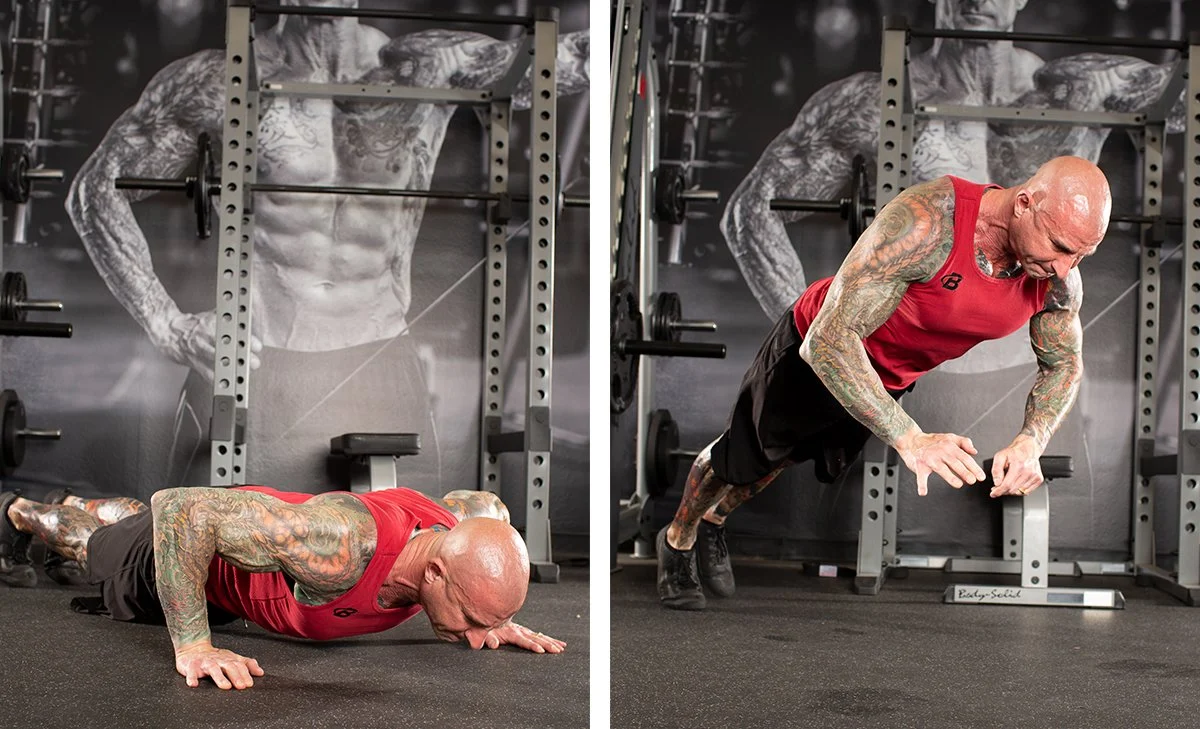
When incline reps become fast and repeatable, lower the hands toward the floor. Begin with a small hand-release push-up: press until the palms briefly clear the ground, then absorb the landing with soft elbows. Keep the hips level and the head in line with the spine. Use a stable rubberized floor rather than hard tile. A thin mat may improve comfort, but very soft surfaces can make hand placement unpredictable and reduce stability.
A clap push-up is a later step. The hands should come together naturally because you generated enough height, not because you rushed them together at the last instant. If the clap forces a hard landing or an awkward shoulder position, return to the smaller release. Three excellent explosive reps are more valuable than ten uncontrolled ones. Progress by improving velocity and landing control before adding complexity.
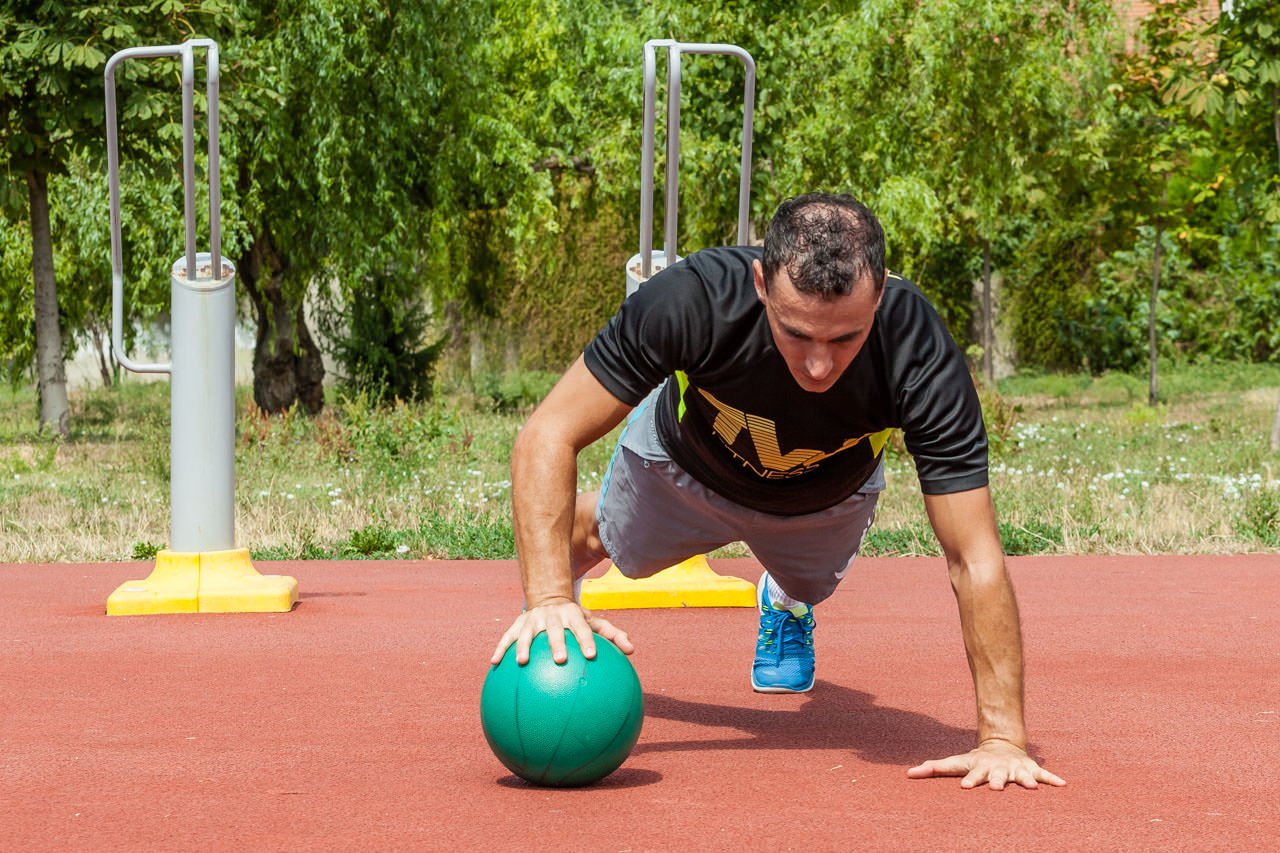
Alternating medicine-ball push-ups challenge coordination and asymmetrical loading, but a rolling ball can create a sudden shoulder problem. Choose a suitable non-slip ball and a predictable surface, or skip the variation entirely. There is no need to master every internet challenge. A basic floor push-up performed with genuine explosive intent can remain productive for a long time.

Calisthenics Shirts & Street Workout Gear
Calisthenics and bodyweight-training gear for pull-ups, dips, handstands and street-workout athletes.


Big Dip Energy Crewneck Pullover Sweater for Calistheni T-Shirt
Show some gym-day personality with “Big Dip Energy”.

Calisthenics Evolution Hooded Pullover for Bodyweight W Hoodie
Keep it laid-back with a little “Calisthenics Evolution” attitude.

Stronger Than Excuses Tank
Show some personality between sets with “Be Stronger Than Your Excuses”.

Turn Off Gravity Funny Calisthenics Gym Decal for Water Sticker
Give your everyday gear a playful “Turn Off Gravity Funny Calisthenics” twist.

Shirt – Calisthenics Heartbeat Gymbros & Meme Lovers T-Shirt
Bring “Calisthenics Heartbeat” humor to your next gym day.

Human Flag Crewneck Calisthenics Pullover Sweater Worko T-Shirt
Bring “Human Flag” humor to your everyday gym style.

Calisthenics Hanging Out Hoodie
Make your off-duty look more fun with “Calisthenics Hanging Out”.

Gandalf Lord of the Calisthenics Rings | LOTR Workout M Tank Top
Bring “Gandalf Lord of the Calisthenics Rings” humor to your next lifting session.

4. Depth drops and medicine-ball throws
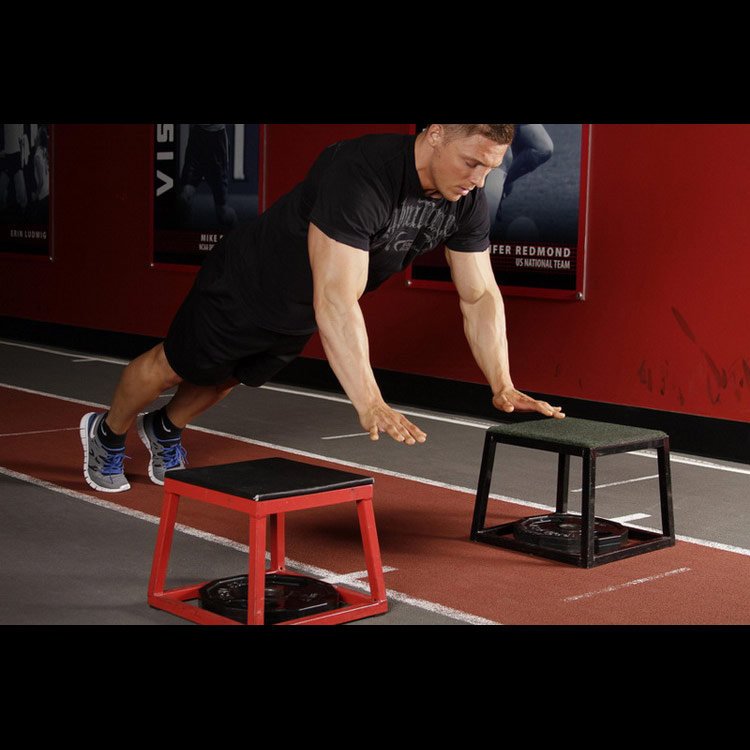
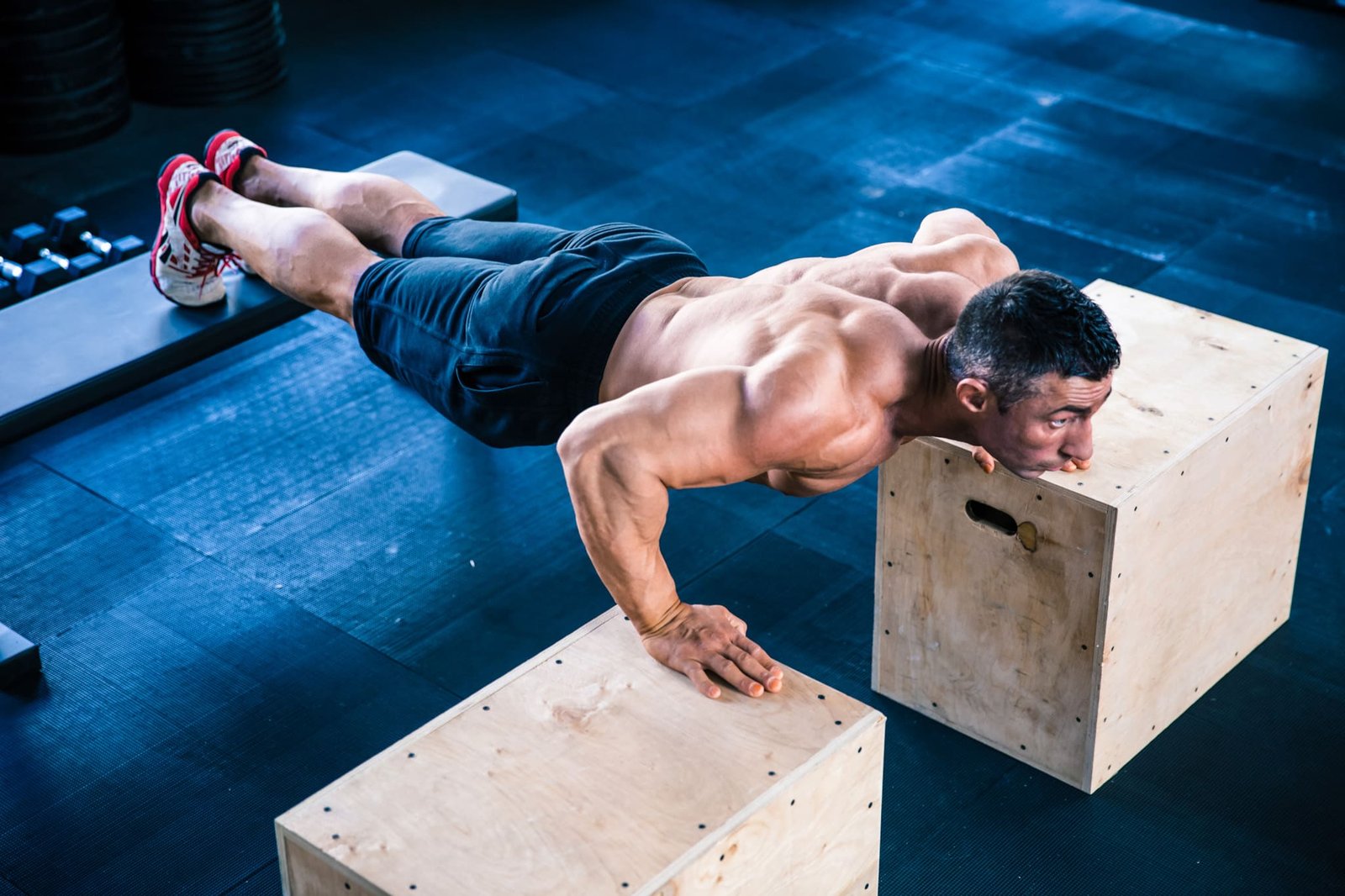
A depth-drop push-up begins with the hands on two low, equally high platforms beside the shoulders. The athlete pushes away, moves the hands to the floor between the supports, absorbs the drop and immediately drives upward to return to the platforms. Coaching examples commonly use platforms about two to six inches high, approximately five to fifteen centimeters. Raising the platforms increases eccentric loading, but more height is not automatically a better training stimulus.
This is an advanced exercise because braking the landing and reversing direction require strength, shoulder stability and confidence. Use supports that cannot tip or slide. Practice controlled landings before adding a rapid rebound, and never let the chest collapse toward the ground. If the hands cannot move cleanly between surfaces, shorten the height or choose a less demanding drill. Do not perform depth drops to muscular failure.
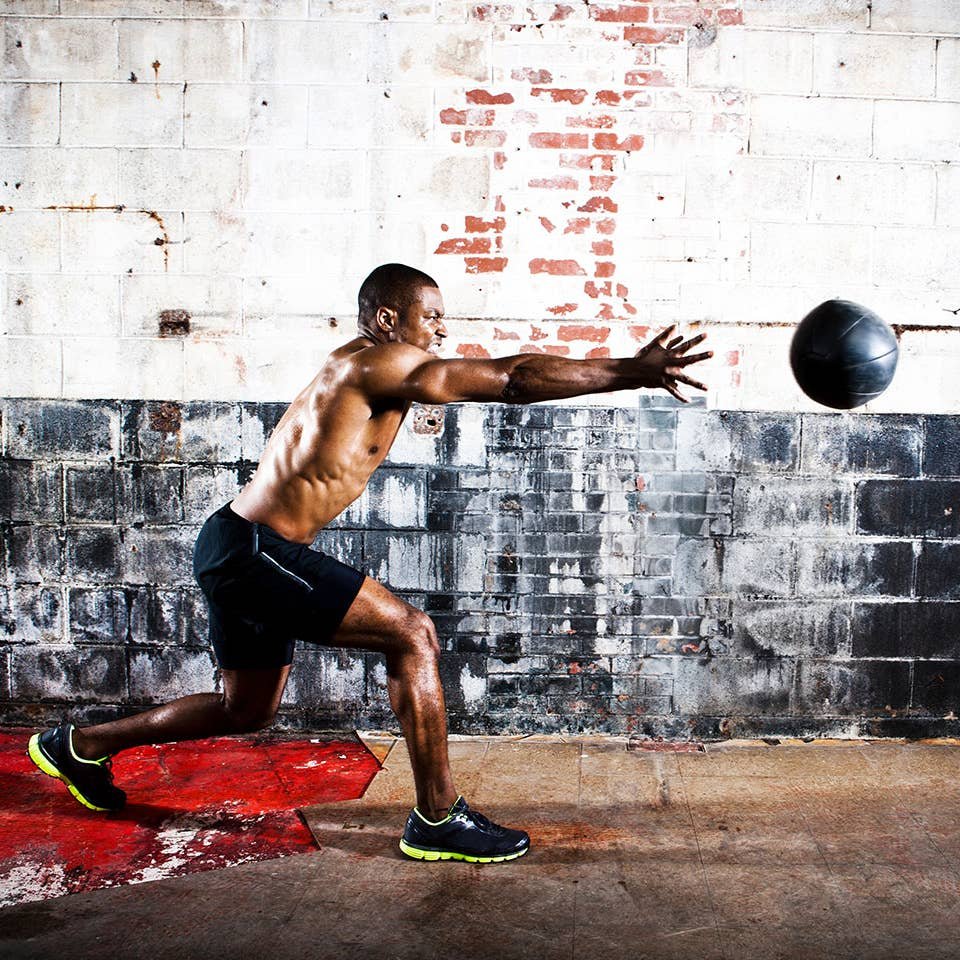
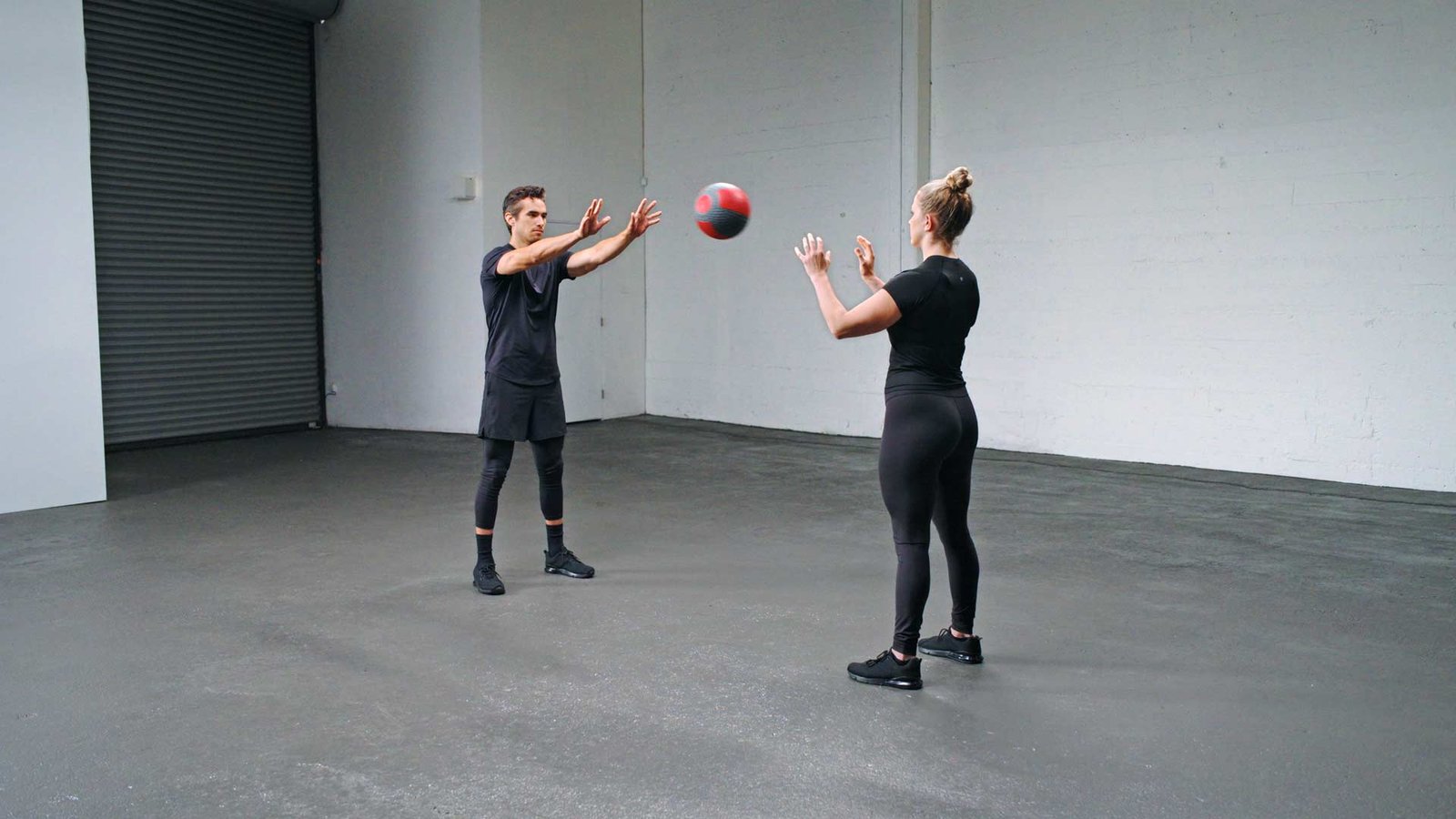
A medicine-ball chest pass trains explosive pressing with a different setup. From an athletic stance, hold a light ball near the chest, brace and throw it forward quickly toward a safe wall or an attentive partner. Extend the arms decisively and receive the return with bent elbows. A ball that moves slowly because it is too heavy defeats the purpose. You want acceleration, not a disguised heavy isometric press.
Neither depth drops nor medicine-ball passes are mandatory. Athletes with sensitive wrists or shoulders can use incline explosive reps, a stable floor variation or a carefully selected alternative. If pain appears, regress the movement and assess the cause rather than trying to push through it. The useful drill is the one that produces speed without sacrificing joint control.
5. Program power without turning it into conditioning
Perform explosive push-ups early in the workout, after a thorough warm-up but before heavy bench pressing, dips or high-repetition chest accessories. Fatigue reduces speed and makes landings less predictable. Begin with three to five sets of three to five crisp repetitions. Rest long enough to restore quality; two to three minutes between demanding sets is a reasonable starting point, though easier incline variations may require less.
Pair the drill with conventional resistance training. One upper-body session might use four sets of three explosive push-ups followed by three or four working sets of bench press, a row and a chest accessory. Another session might use medicine-ball passes before dumbbell pressing and pull-ups. This combination develops fast force expression while preserving the mechanical tension and volume needed for muscle growth.
Do not mistake breathlessness for a successful power workout. If you compress rest periods until every set feels like a burpee circuit, you have shifted toward conditioning. That can be useful for another goal, but it is not the same stimulus. Record the variation, hand clearance, number of quality reps and rest time. A short side-view video can expose sagging hips, reduced flight height and increasingly hard landings.
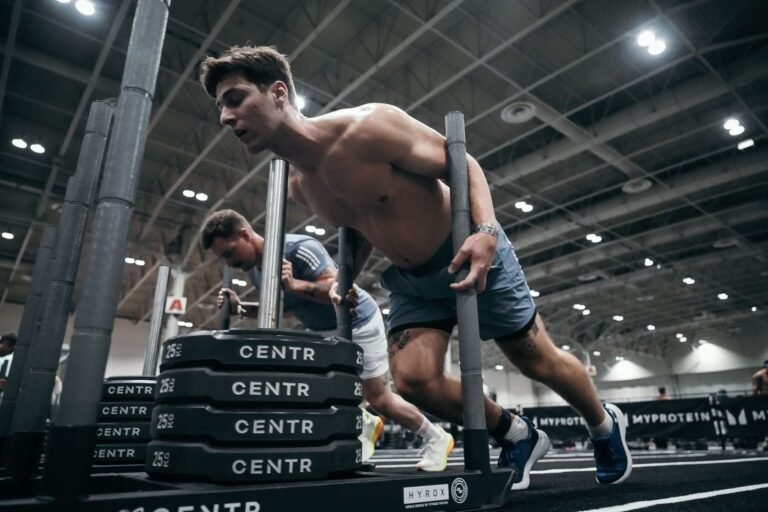
Count sport practice and other pressing volume. HYROX, combat sports, basketball, CrossFit and recreational training can already include substantial upper-body loading. Two dedicated power sessions per week, separated by recovery time, are enough for an initial experiment. If your elbows or shoulders feel beaten up, reduce total contacts before adding new variations.
Equipment Worth Exploring
Explore equipment, accessories and gear from our carefully selected range.
VOLTRA
Compact digital cable trainer with smooth, adjustable resistance.


6. The home-gym setup that earns its space
A flat floor and one sturdy raised surface can be enough to begin. An adjustable bench is useful for incline explosive push-ups and conventional pressing. Wooden parallettes may offer a comfortable neutral wrist angle during controlled strength work, but unstable handles are not suitable landing targets for beginners. A simple floor drill is often safer and more repeatable than a complicated setup assembled for social media.
Rings, power towers and pull-up bars provide valuable complementary training. Pulling strength and scapular control help create a balanced upper-body program, but explosive push-ups on unstable rings should not be your starting point. A weighted vest is useful for controlled push-ups, dips and pull-ups after a strength foundation exists. It is not required for ballistic power, and adding load too soon can slow the movement and increase impact demands.
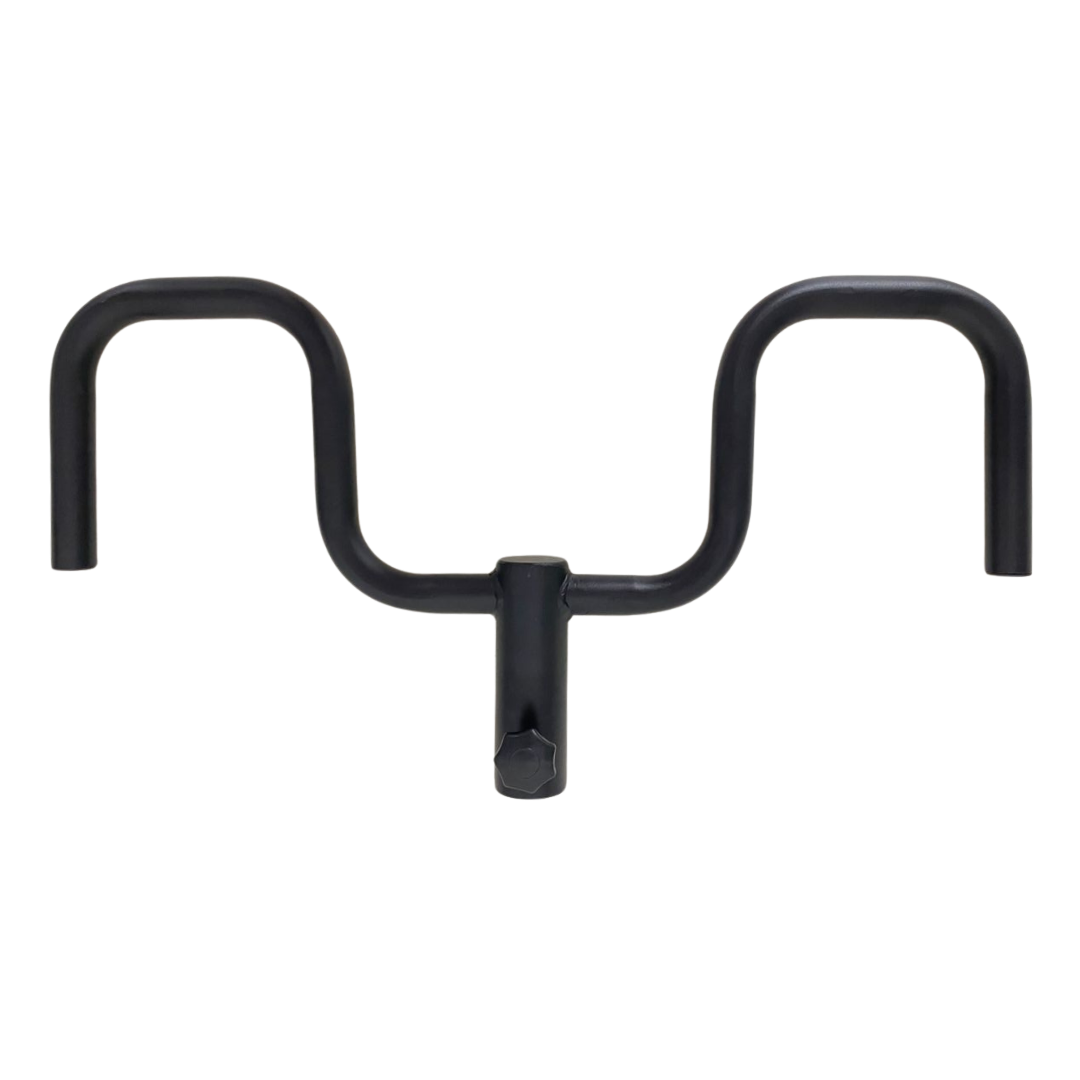
Dumbbells, barbells and cable trainers can develop the strength base that supports more advanced push-up progressions. A Swiss bar or neutral-grip implement may make some pressing variations more comfortable. Kettlebells and suitable medicine balls add other athletic options, but do not throw rigid weights that could damage the floor or rebound unpredictably. Equipment selection should follow the drill, not determine it.
Clear floor space, stable supports and a sensible progression matter more than collecting machines. Test whether your current setup lets you land quietly and repeat the same motion. If you already own a bench and some floor space, you may need no purchase at all. Spend training time on consistency and recovery rather than assuming a new accessory will create explosive power for you.
7. A practical six-week chest-power progression
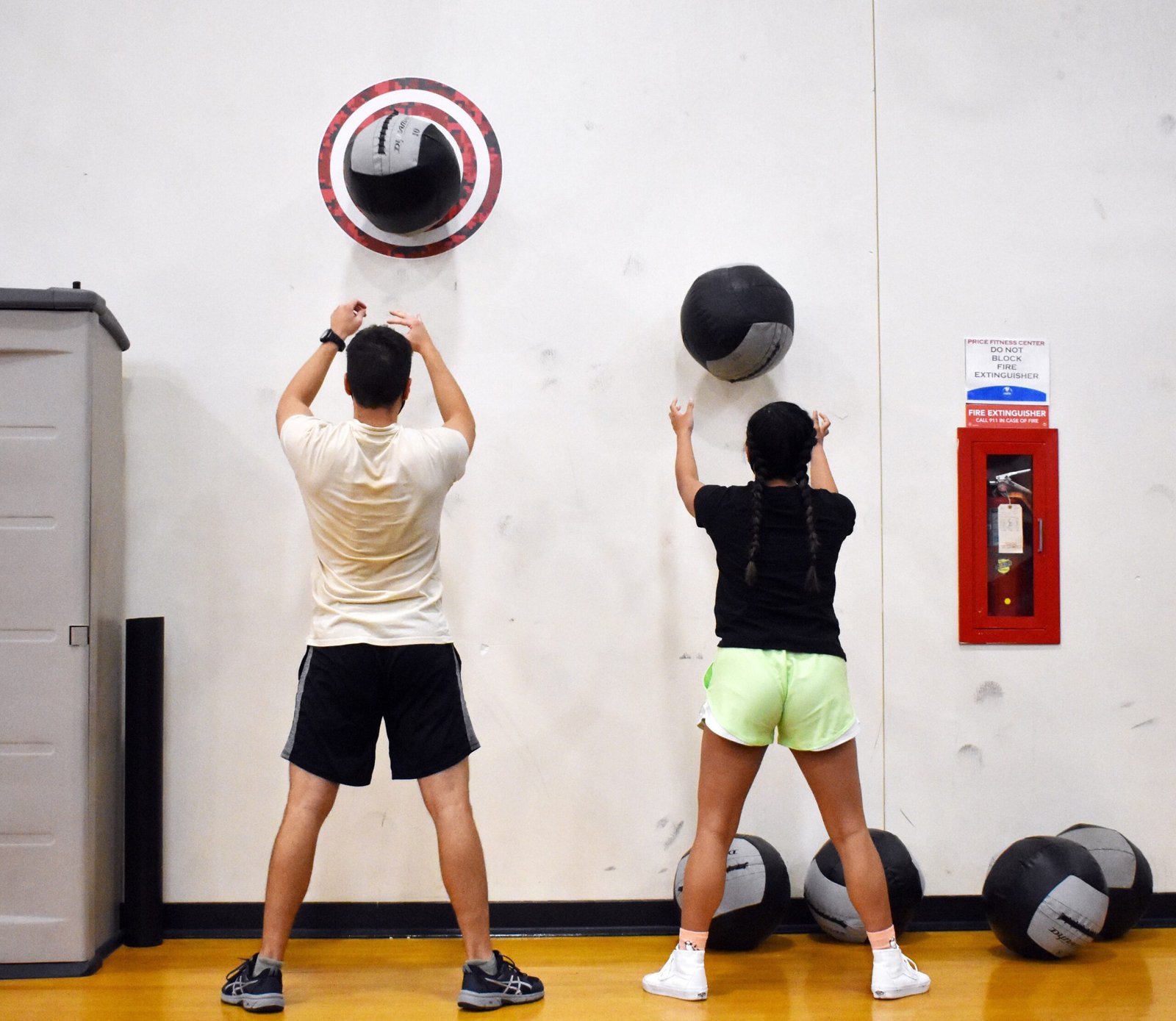
In weeks one and two, train twice weekly. On day one, perform three sets of five incline explosive push-ups after warming up the shoulders, wrists and scapulae. On day two, use three sets of four floor hand-release reps or three sets of five light medicine-ball chest passes. Leave at least two good reps in reserve. Follow the power work with your normal pressing and pulling exercises, but avoid taking the ballistic sets to failure.
In weeks three and four, move toward four sets of four floor explosive push-ups if the landings are quiet and every rep clears the ground. If you are not ready, keep the incline and improve acceleration instead. Add one rested set of medicine-ball passes on the second day. Record the movement from the same camera angle and compare body position and flight height. Progress does not require a dramatic new trick each week.
In weeks five and six, experienced lifters may test three sets of three clap push-ups if the simpler version is consistently controlled. Athletes with an established plyometric foundation can consider low-platform depth drops with appropriate coaching. Everyone else can remain with four sets of four floor reps. Your benchmark is repeatable speed, not the number of contacts you survive while fatigued.
At the end of week six, retest the same variation on the same surface after the same warm-up and rest interval. Compare hand clearance, landing control and your regular pressing performance. If discomfort develops, regress and seek appropriate assessment. A successful block leaves you faster, more confident and still able to train chest, triceps and shoulders hard in the rest of your program.
Bodybuilding Shirts & Workout Gear
Bodybuilding shirts, tanks and gym gear for lifters chasing muscle, size, symmetry and the pump.


Work on His Pecks Tee
Show some bodybuilding attitude with a playful “Why Did The Chicken Go To The Gym? To Work” tee.

The Chestfather Arnold Meme Big Chest Vest Tank Top
Add some lifting attitude to training with “The Chestfather”.

Ultimate Bench Press Tee
Heavy lifts, good laughs, and a little “Ultimate Bench Press” energy.

I Love Bench Press | Heart Weight Plate Hooded For Ches Hoodie
Keep it laid-back with a little “I Love Bench Press” attitude.

Gym Sir Swole of Benchalot Medieval Knight Chest Day Mu Tank Top
Bring “Sir Swole of Benchalot Medieval Knight” humor to your next lifting session.

If You're Reading This Its Chest Day
Keep things casual with a little “If You're Reading This Its Chest Day Drake” attitude.


Bench Press and Chill Funny Gym T
Make gym days more fun with “Bench Press and Chill” style.