Advertising disclosure: This page includes affiliate product links that may earn us a commission, as well as products from our own store.
Dumbbell High Pulls: Learn the Hip Drive Before Chasing Height
A dumbbell high pull can look like an arm exercise if you only watch the finish. The version covered here begins with a small hip hinge and uses a coordinated drive before the upper-body pull. Learning that order matters more than making the dumbbells reach an impressive height. Decide whether you want explosive practice, slower shoulder work or a conditioning circuit before choosing the load. Those goals can share equipment without requiring identical repetitions.
1. Set up, drive and reset as separate jobs
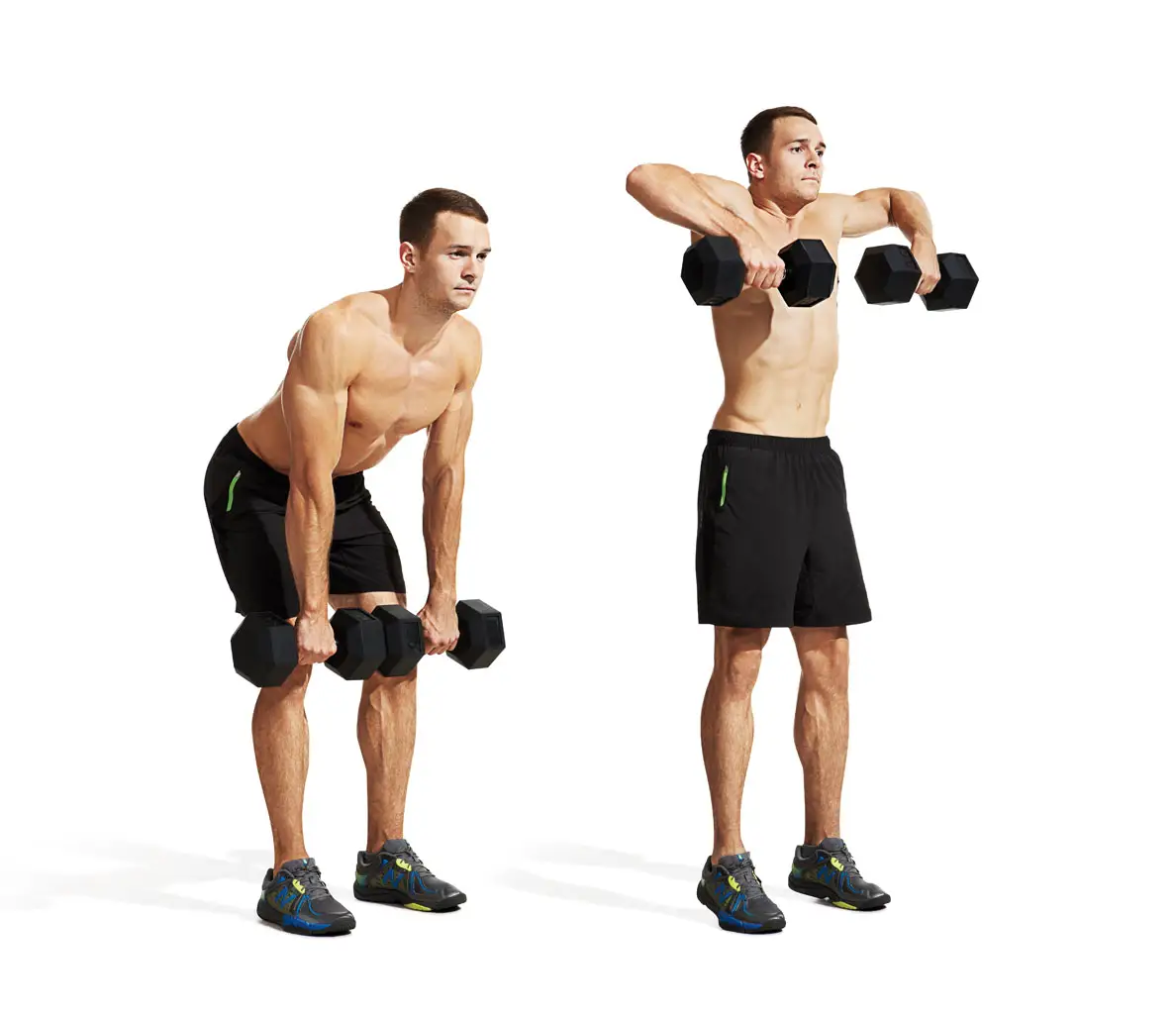
Stand around hip width with a dumbbell in each hand. Start with manageable weights and space around you. Hinge slightly at the hips with soft knees, then drive through the legs and hips before guiding the dumbbells upward close to the body. Let the elbows travel outward as the weights rise toward the lower chest. Do not chase your chin or turn the finish into an overhead press. Bring the weights down under control and reset.
The sequence is more useful than a list of body parts: establish the start, create the drive, guide the pull, then recover the starting position. Begin with light practice rather than trying to rescue a heavy repetition after it has already changed direction.
A good starting question is whether someone watching could identify the same exercise twice. If every repetition uses a different depth, finish and recovery, the next priority is making the task clear. Adding another plate or choosing a heavier pair can wait.
2. Practise the hinge without confusing it with the whole lift
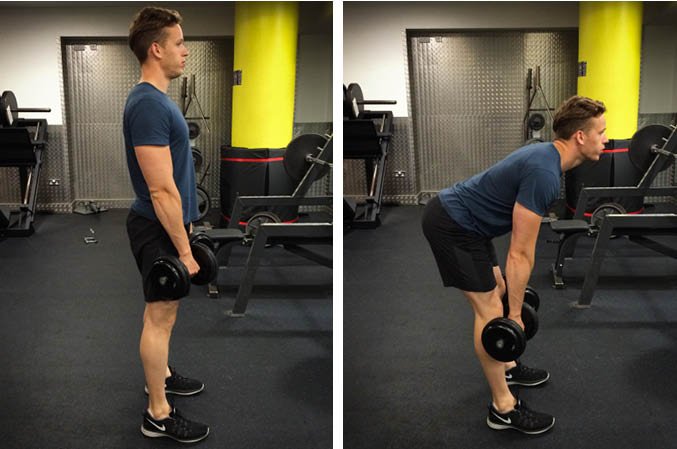
The photograph shows a dumbbell Romanian deadlift, a slower hip-hinge exercise. It illustrates a movement component, not the complete high pull. Keeping that distinction clear prevents a useful preparation drill from being mistaken for a second set of instructions for the finished exercise.
For a rehearsal, put the weights aside and practise moving the hips backward with a small bend in the knees. Return to standing without leaning behind your heels. Then pick up light dumbbells and establish the same starting position. You are checking whether you can find and recover the position deliberately, rather than searching for the deepest possible hinge.
General weight-training guidance supports controlled technique, manageable loading and asking a qualified trainer for help when a movement is unfamiliar. An explosive exercise adds a coordination demand; it is reasonable to learn its parts before increasing speed. If you are unsure about the transition, get feedback on the actual movement instead of guessing from a still photograph.
Watch for a few practical differences between repetitions. Does your stance change? Do the weights drift farther away? Do you finish standing tall or leaning back? A small set of consistent observations is more useful than trying to fix ten details at once. Start with the most obvious change and make the next rehearsal easier to assess.
This preparation is a way to practise a task, not treatment for back or shoulder symptoms. Stop if the exercise causes pain. Existing injuries or medical restrictions may require individual advice and a different exercise choice.
3. Power practice and upright rows ask different questions
Power training involves producing force quickly. Established training frameworks distinguish that aim from maximal-strength work and from muscle-building sessions. The load, repetition count, recovery and exercise choice should reflect the intended task. A set that lasts longer or feels harder is not automatically a better power set.
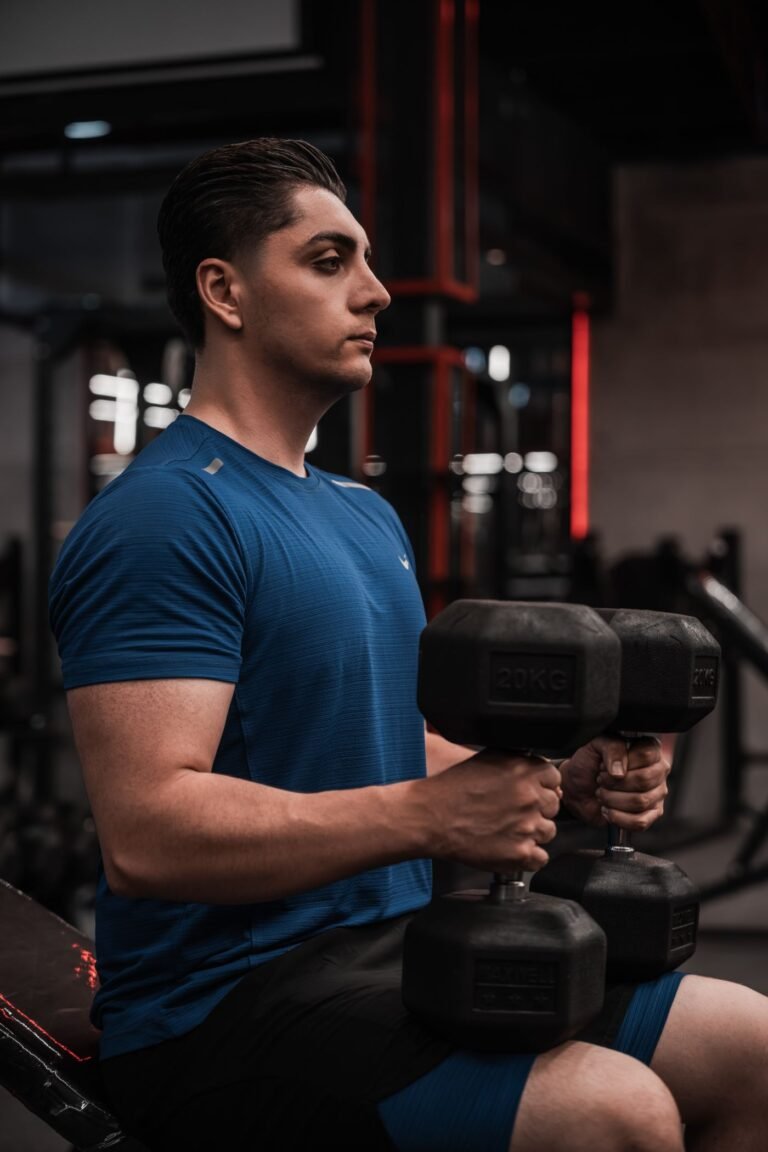
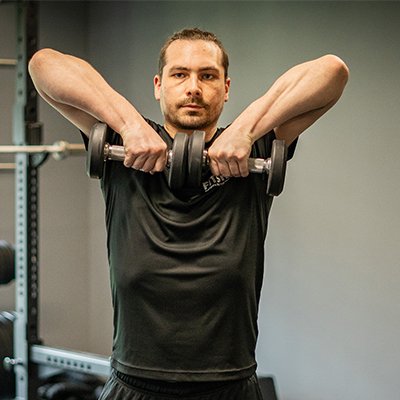
The pictured upright-row position gives a useful visual comparison. A controlled upright row and a hip-driven high pull can both bring dumbbells upward, but a similar finish does not make the movements identical. Use the whole repetition to identify what you performed, including the start and the contribution of the lower body.
If your goal is learning the hip-driven version, do not gradually remove that component while still calling the set the same thing. Equally, adding an uncontrolled bounce to a slower shoulder exercise does not convert it into thoughtful power training. Name the version you intend to use and keep that description in the programme.
Consider two different training decisions. One lifter wants a short coordination practice while fresh. Another wants a controlled shoulder accessory after the main lifts. They may choose different exercises, loads and stopping points. Neither needs to claim that the other’s session is useless; the question is whether the selected work matches the goal.
Do not copy a heavy strength percentage into an unfamiliar high pull merely because both activities involve weights. Broad programming tables describe categories, not a personal loading test for every movement. In this exercise, recognisable execution deserves priority over an impressive number on the dumbbells.
4. Change the implement or side deliberately
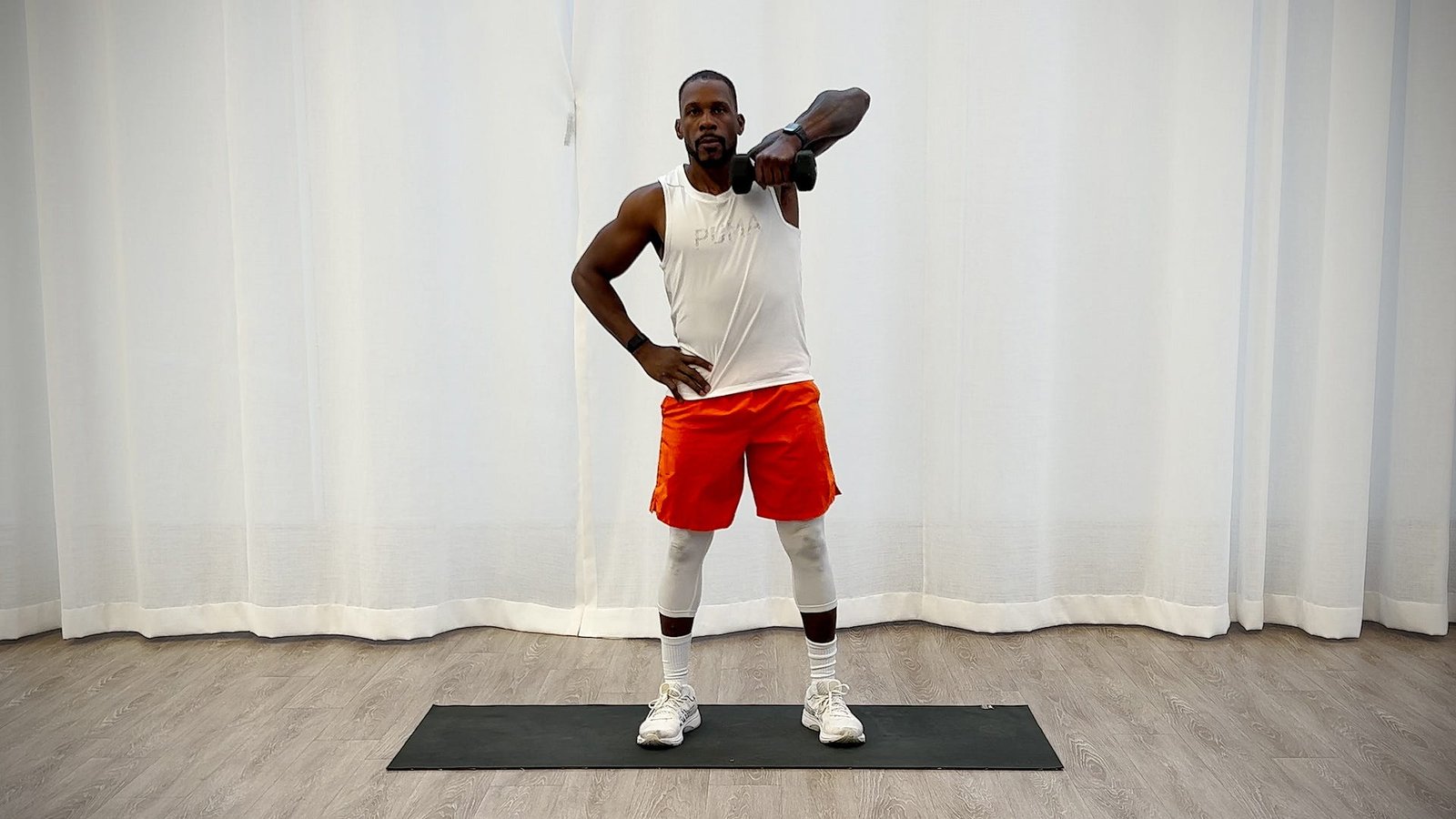
A single-arm version is another option, illustrated here with one dumbbell. Treat it as its own exercise entry. Record the side and the weight per hand, rather than comparing the number directly with a two-dumbbell total. When you change the task, give yourself room to establish the new setup.
A practical check is whether both sides can use the same clear starting position and finish. If one side looks different, write down what you observed without immediately diagnosing the cause. Filming from a useful angle or getting coaching feedback can help distinguish a setup problem from a simple recording mistake.
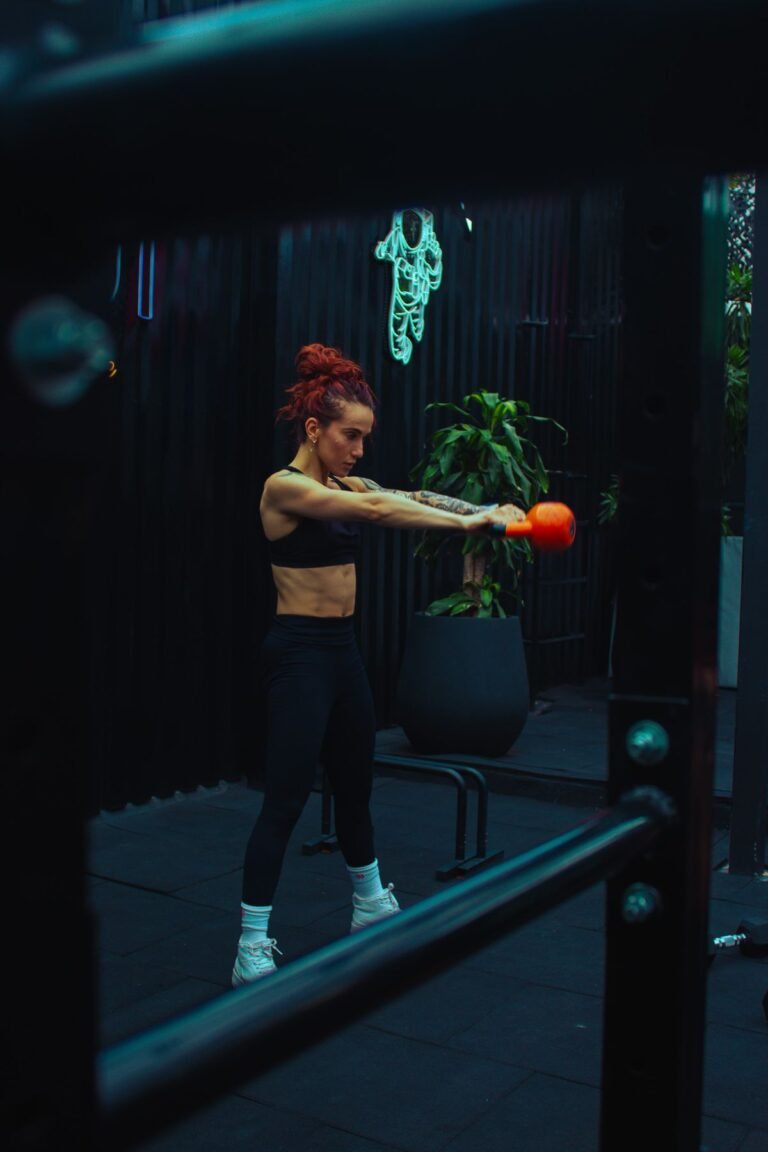
Other implements, including kettlebells and barbells, also appear in high-pull variations. They have different grips, dimensions and setup requirements. Do not transfer a dumbbell instruction word for word to another implement or assume the same working weight should apply. Learn the chosen version specifically.
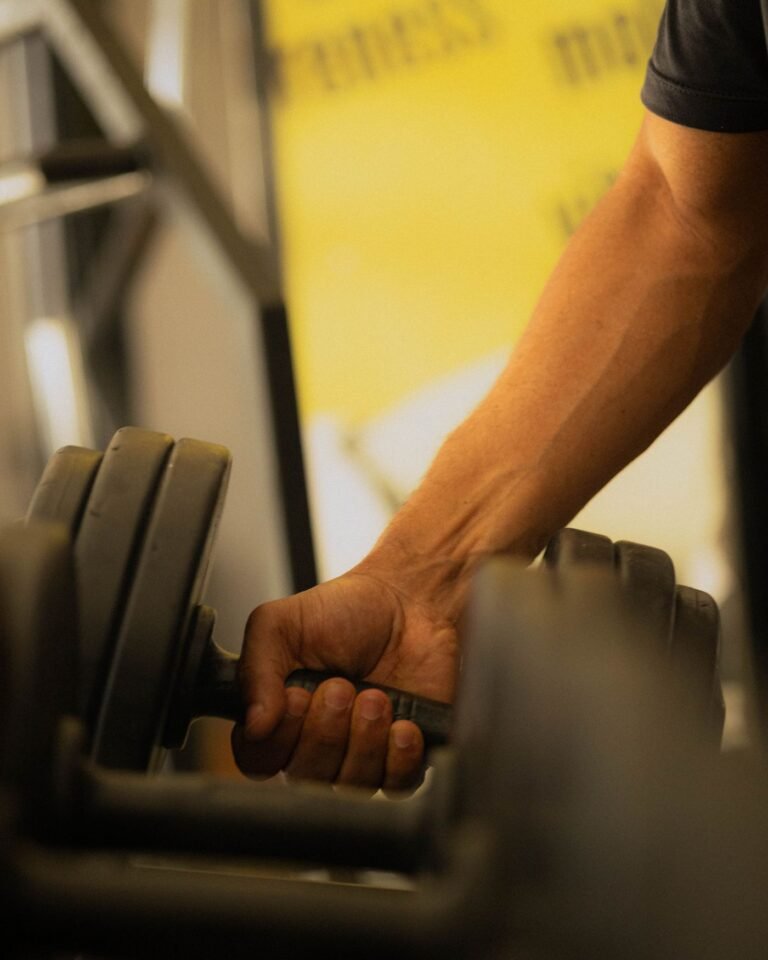
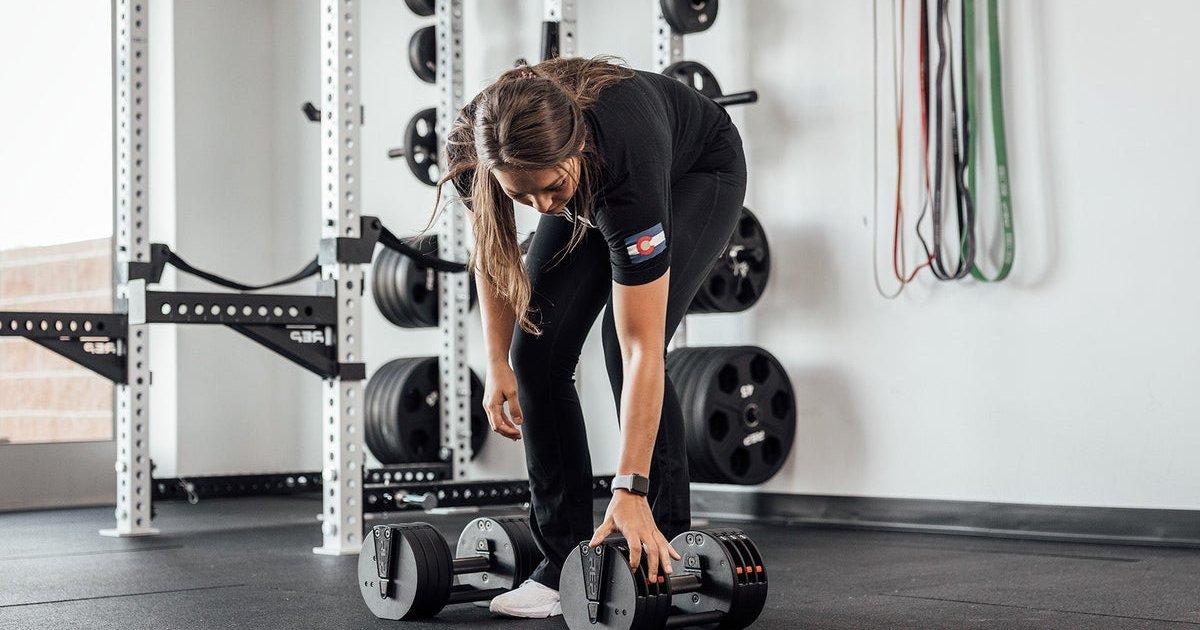
Adjustable equipment adds a simple preparation task: confirm that the selected load is secured according to the manufacturer’s instructions. Leave clearance around the implement and avoid a setting where the weights could hit a rack, bench or another person. Return the weights deliberately after the set.
The equipment below offers dumbbells and related free-weight options for different training setups. Select what fits the movement you actually intend to perform. Owning more implements does not replace learning one version well, and a product’s maximum capacity is not a suggested starting load.

Equipment Worth Exploring
Explore equipment, accessories and gear from our carefully selected range.


Rubber Hex Dumbbells
Rubber-coated hex dumbbell pairs with a stable shape for home and commercial strength training.


Cast Iron Kettlebells
Textured cast-iron kettlebells for swings, squats, carries, and full-body training.


5. Keep the practice short enough to stay recognisable
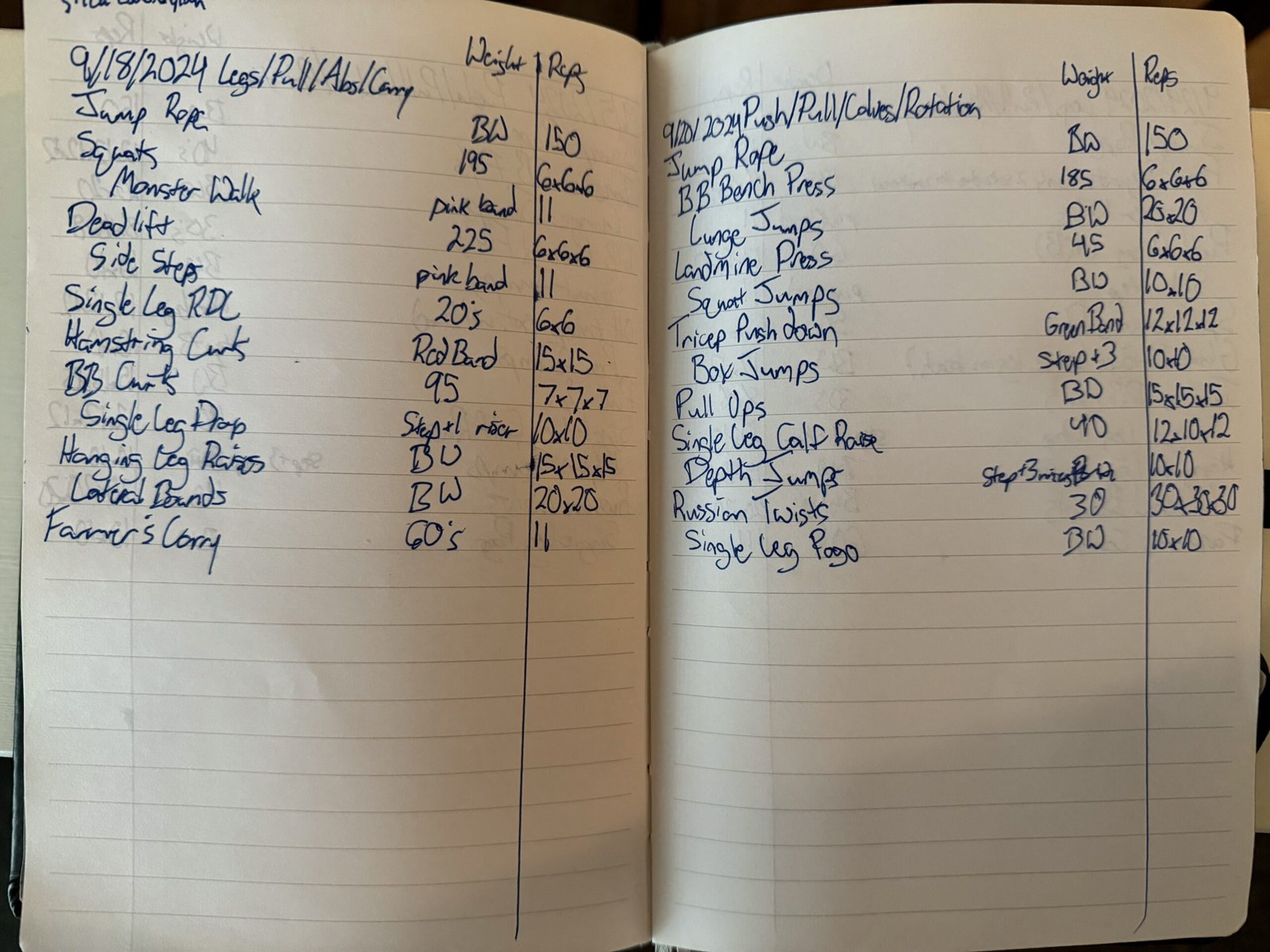
Start the training record with the variation and purpose. “Two-dumbbell, hip-driven high-pull practice” communicates more than “shoulders.” Add the load convention, completed repetitions, sets and rest. The photographed notebook illustrates keeping a training record; its handwritten workouts are not a high-pull programme to copy.
One illustrative learning session could use three sets of four repetitions with light dumbbells and about two minutes between sets. Reset between repetitions and finish a set early if the sequence becomes inconsistent. This is a starting example for organising practice, not a proven optimal dose or a requirement for every lifter.
Keep the same setup for a few exposures before changing several variables together. When you can repeat the task clearly, consider the smallest practical load increase. If the next pair makes you chase the weights or lose the intended sequence, return to the easier load. Progress can include cleaner, more repeatable work before the number changes.
Place the exercise where it serves its purpose. Technical practice is easier to assess before a long fatigue-heavy circuit has changed the session. If you deliberately use an exercise for conditioning, record that context separately instead of treating the last tired repetitions as a fresh power test.
The useful priority is coordination you can recognise and repeat. Learn the start, match the exercise to the goal, make changes deliberately and keep an honest record. Shoulder and upper-back training does not need another claim that one movement is mandatory. It needs a programme you can perform well enough to progress.

Bodybuilding Shirts & Workout Gear
Bodybuilding shirts, tanks and gym gear for lifters chasing muscle, size, symmetry and the pump.

Power Stoic Bodybuilder Greek God Marble Sculpture T-Shirt
Heavy lifts, good laughs, and a little “Power Stoic Bodybuilder Greek God Marble” energy.

Dumbbell Heartbeat Hooded Pullover Fitness Fans Hoodie
Stay casual and show some bodybuilding attitude with “Dumbbell Heartbeat”.

Break Limits More Power Meme – Ultimate & Gymbros T-Shirt
Heavy lifts, good laughs, and a little “Break Limits More Power” energy.

Lift Smart Brain Weight Plate Mind Muscle Connection 45 T-Shirt
For laid-back days and lifting humor: “Lift Smart Brain Weight Plate”.

Shoulder Press Dost Thou Even Press Medieval Knight Cre T-Shirt
Show some gym-day personality with “Shoulder Press”.

Dumbbell Meme Shirt – Essential & Gymbros Seeking T-Shirt
Make gym days more fun with “Dumbbell Gym Meme” style.

Shirt Pull Day – Back & Biceps Meme Top T-Shirt
Heavy lifts, good laughs, and a little “Pull Day Graphic” energy.

Be Stronger Than Your Excuses Motivational Workout Pull Hoodie
Make your off-duty look more fun with “Be Stronger Than Your Excuses”.

Lift Together Grow Stronger for Gym Buddies and Lifting Tank Top
Bring “Lift Together Grow Stronger” humor to your next lifting session.

Mind Muscle Perfection Brain and Biceps Gym for Science Sticker
Give your everyday gear a playful “Mind Muscle Perfection Brain and Biceps” twist.