Advertising disclosure: This page includes affiliate product links that may earn us a commission, as well as products from our own store.
Forty-five thrusters. Forty-five pull-ups. A running clock. That is the entire equipment list for Fran, yet the famous CrossFit benchmark can feel impossibly hard when your arms, legs and breathing all fail together. A November 18, 2026 coaching discussion revived an important distinction: attempting the workout is not the same as possessing the repeatable capacity to perform it quickly.
You do not need an elite finish time to train intelligently. You need a version of the movements you can repeat, enough quality volume to make progress and an honest plan for when to test your speed. Here is how to build that without turning every session into an all-out race.
Fran contains 90 repetitions, but the time tells only part of the story
Fran uses a descending 21-15-9 structure. Complete 21 barbell thrusters and 21 pull-ups, then 15 of each, then nine of each. That totals 45 thrusters plus 45 pull-ups, or 90 completed repetitions. The conventional prescribed barbell loads are 95 pounds for men and 65 pounds for women. You finish the entire sequence as fast as you can while meeting the movement standards.
This test has been part of CrossFit since August 25, 2003. What changes over time is the athlete doing it. Two lifters can report an identical five-minute finish yet experience very different work: one moves smoothly in big sets; the other survives small bursts, longer breaks and shaky overhead positions. The score records speed, not how much physical or technical margin you had left.
That is why training for Fran should not just mean performing Fran on repeat. If 21 consecutive thrusters force you into unsafe front-rack positions, or your first pull-up set ends in an uncontrolled drop, your immediate limiter may be skill or strength endurance rather than motivation. A few honest sets in ordinary training reveal more than another frantic stopwatch attempt.
For the next month, track your longest clean set with a manageable thruster load, your repeatable pull-up variation and how those sets deteriorate when your breathing rises. Those are useful signals of readiness, even when you are not ready to chase a personal record.
Fix the thruster and pull-up standards before adding speed
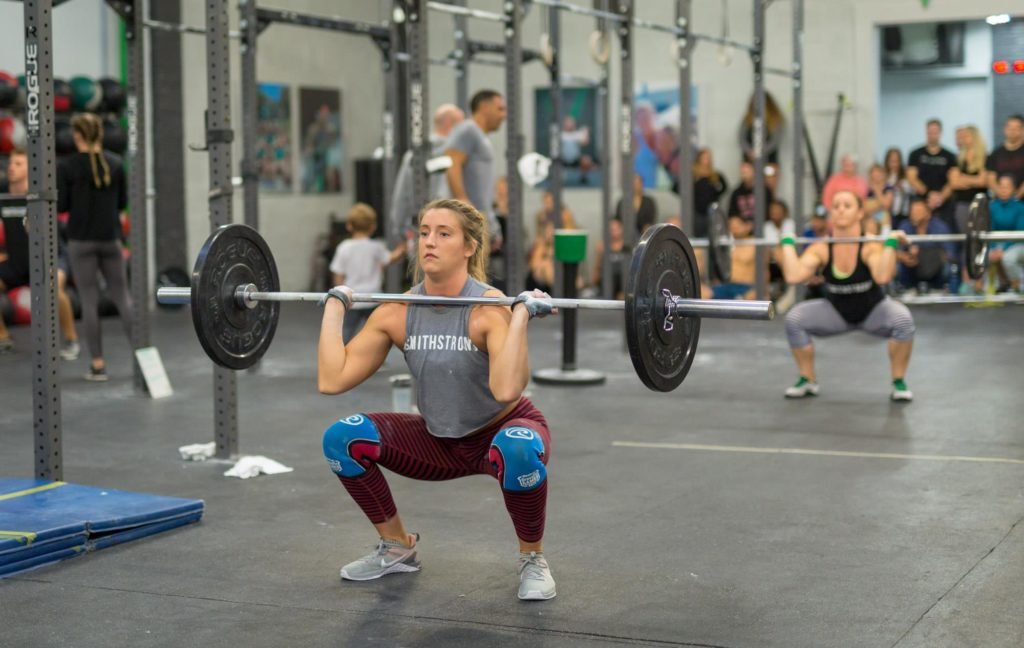
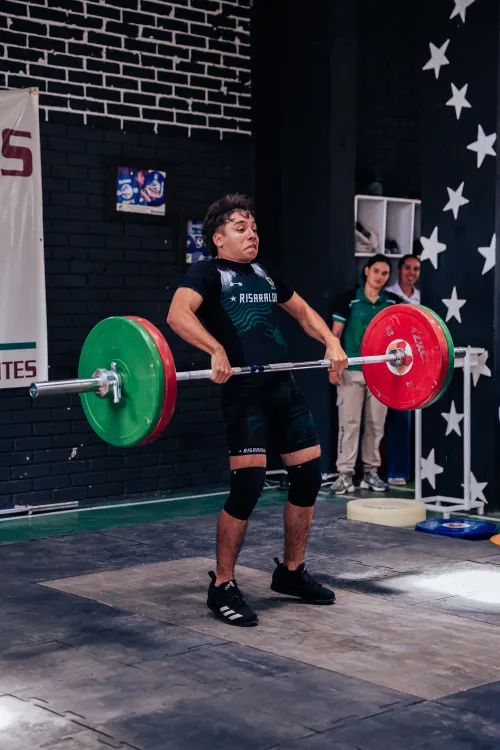
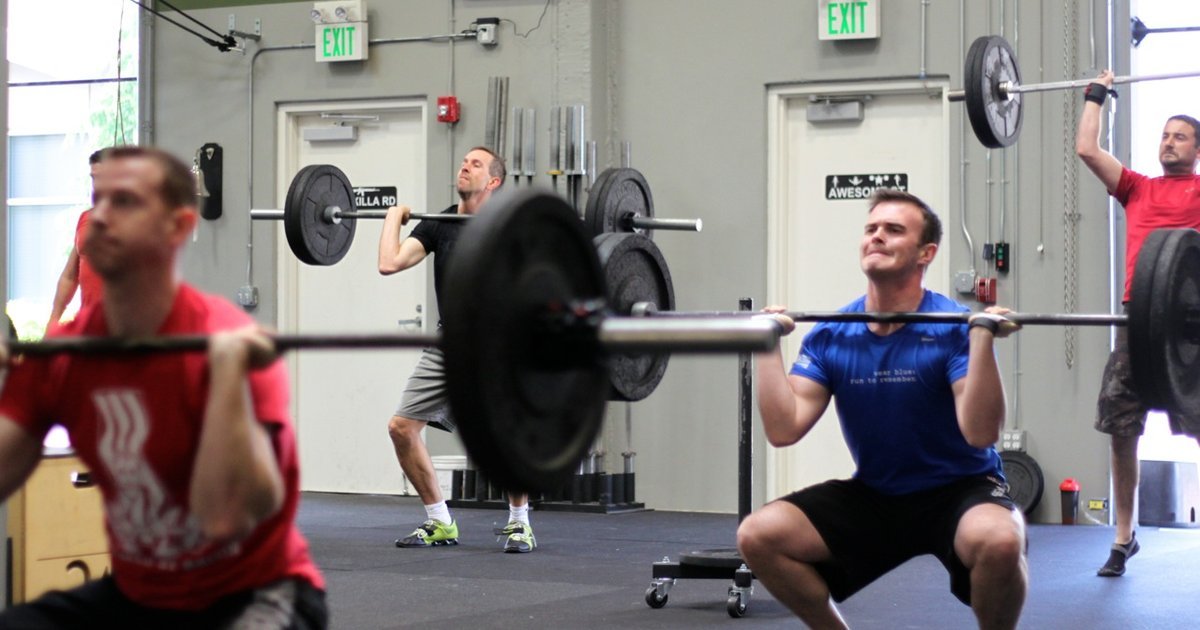
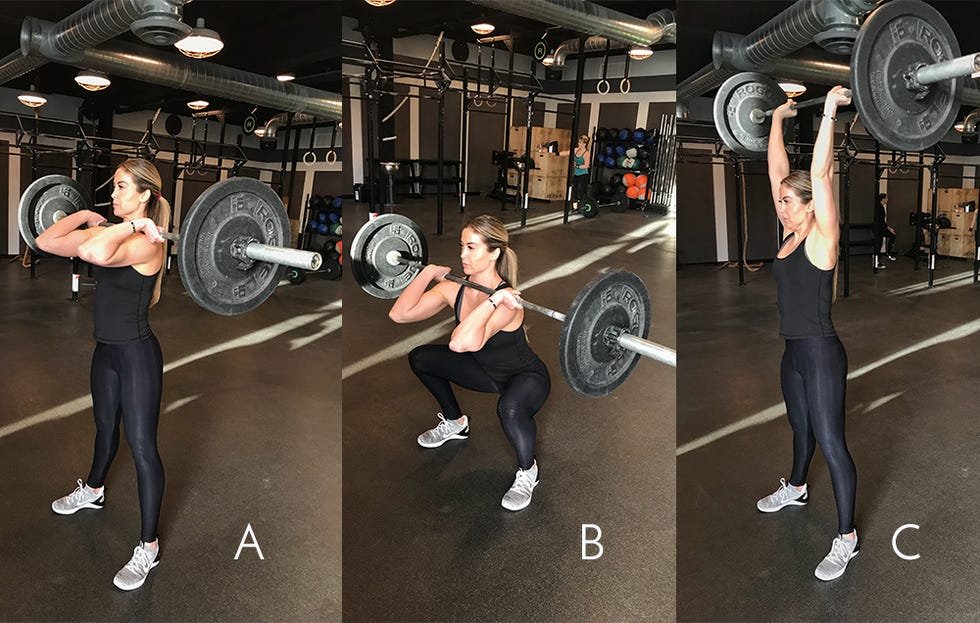
The thruster joins a front squat to an overhead press. Start with the bar supported across the shoulders, lower into a squat with the hips below the top of the knees if your chosen standard requires it, then drive upward with the legs before finishing the press. End stacked and controlled overhead, with arms, knees and hips extended. Trying to press too early wastes energy, while pitching the torso forward turns every repetition into a recovery mission.
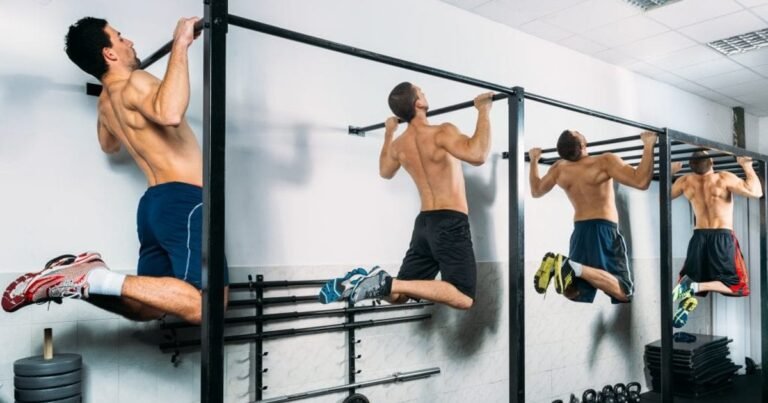
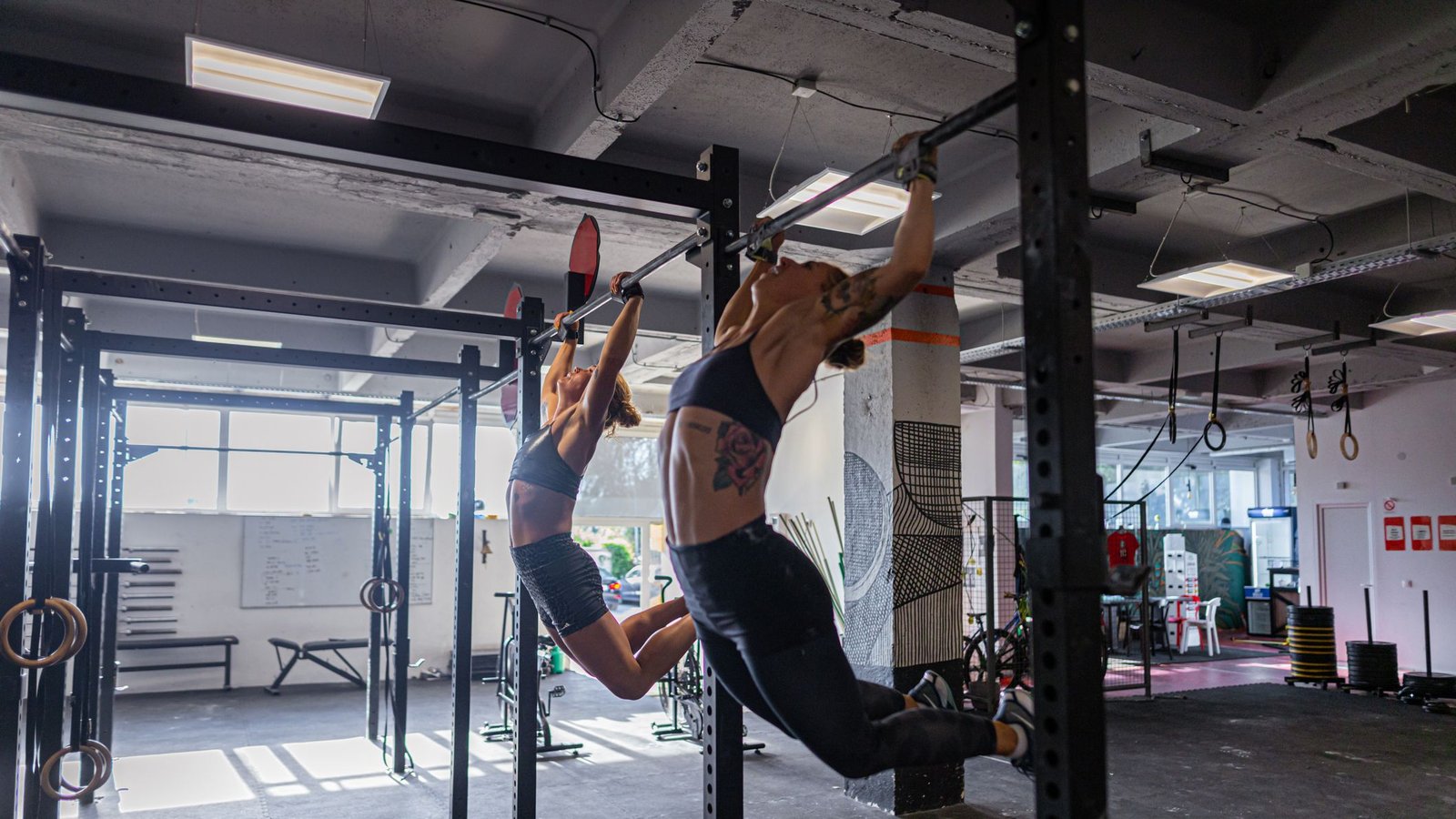
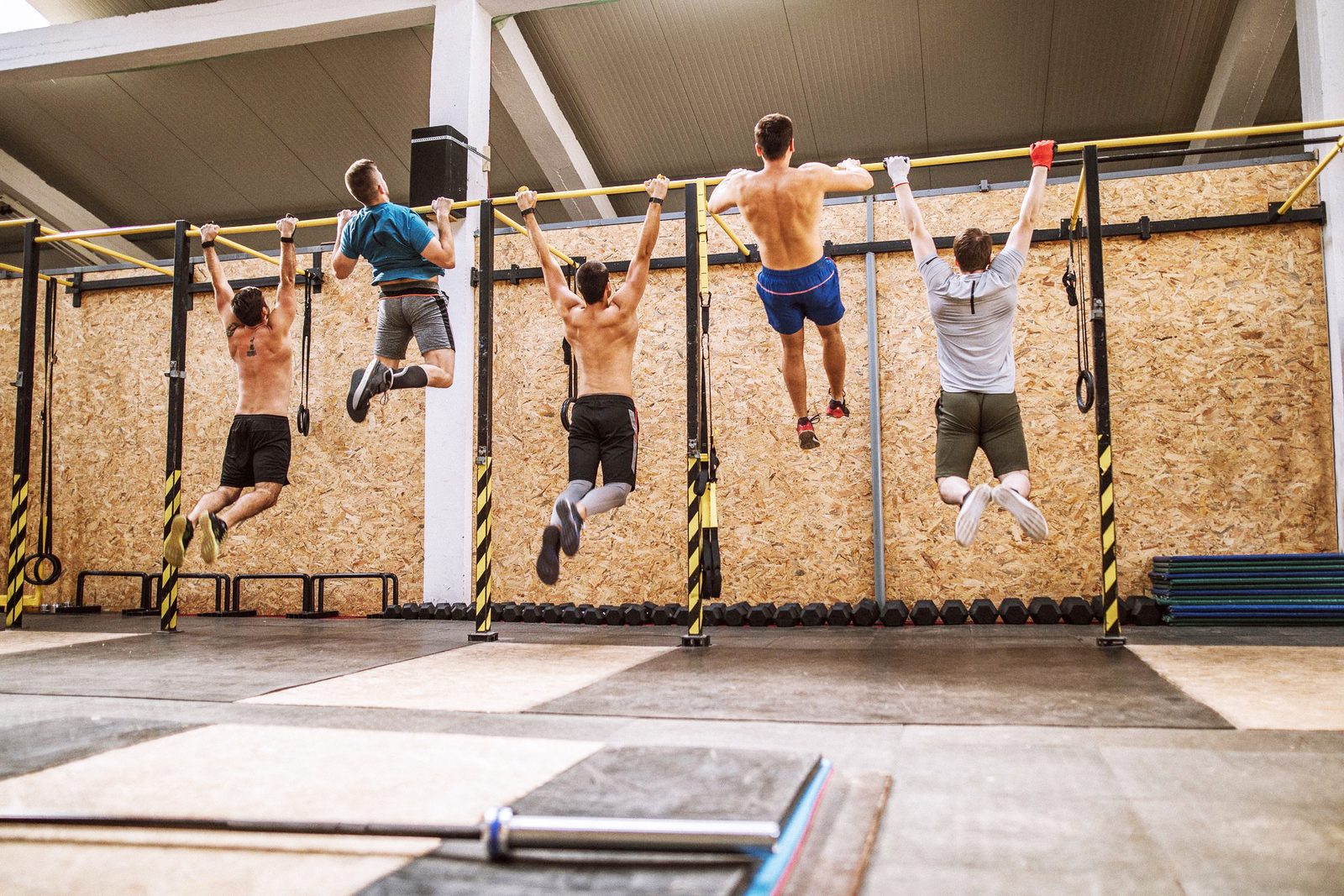
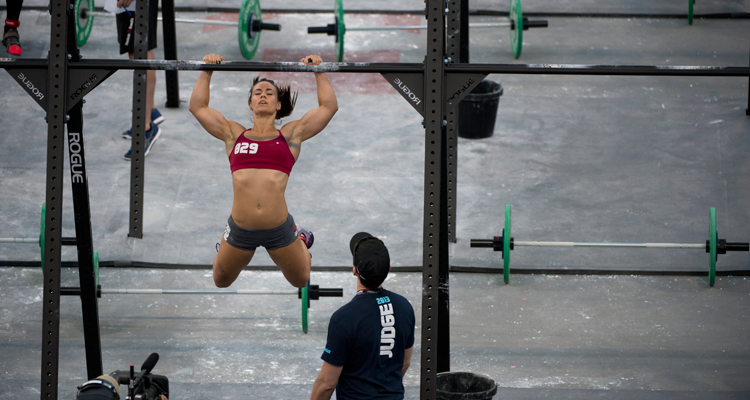
Pull-ups introduce another kind of fatigue. Some competitors use kipping to link faster repetitions; strict pull-ups place a different demand on the arms and back. Neither choice is automatically the right first step for someone who cannot yet control the hang, lower with precision or maintain a stable shoulder. Ring rows, assisted pull-ups or lower repetition targets can preserve a useful pulling stimulus.
Before attempting a faster workout, practice a short movement rehearsal: five front squats, five push presses and five smooth unloaded thrusters. Then try a few deliberately controlled pulling repetitions. If elbow, wrist or shoulder pain appears, stop and choose a movement you can perform without provoking it; sheer speed is not a fix for pain.
Keep a video of a normal set from the side. Watch the bar path, squat depth, trunk position and whether the final repetitions still resemble the first. It is much easier to improve when you can identify exactly which part of the movement falls apart.

Equipment Worth Exploring
Explore equipment, accessories and gear from our carefully selected range.


Competition Plates
Competition-style bumper plates for Olympic lifts and loaded strength training.

Power Tower
Freestanding pull-up and dip station with adjustable handles for bodyweight training.


Foldable Wall Rack
Wall-mounted folding squat rack designed to save floor space between workouts.

Grip Plates
Rubber-coated weight plates with handholds for loading barbells and machines.

Multi Pull Smith Rack MPHR-780
All-in-one rack with a Smith machine, functional trainer, lat pulldown and low row.

Choose a scaling option that preserves the intended effort
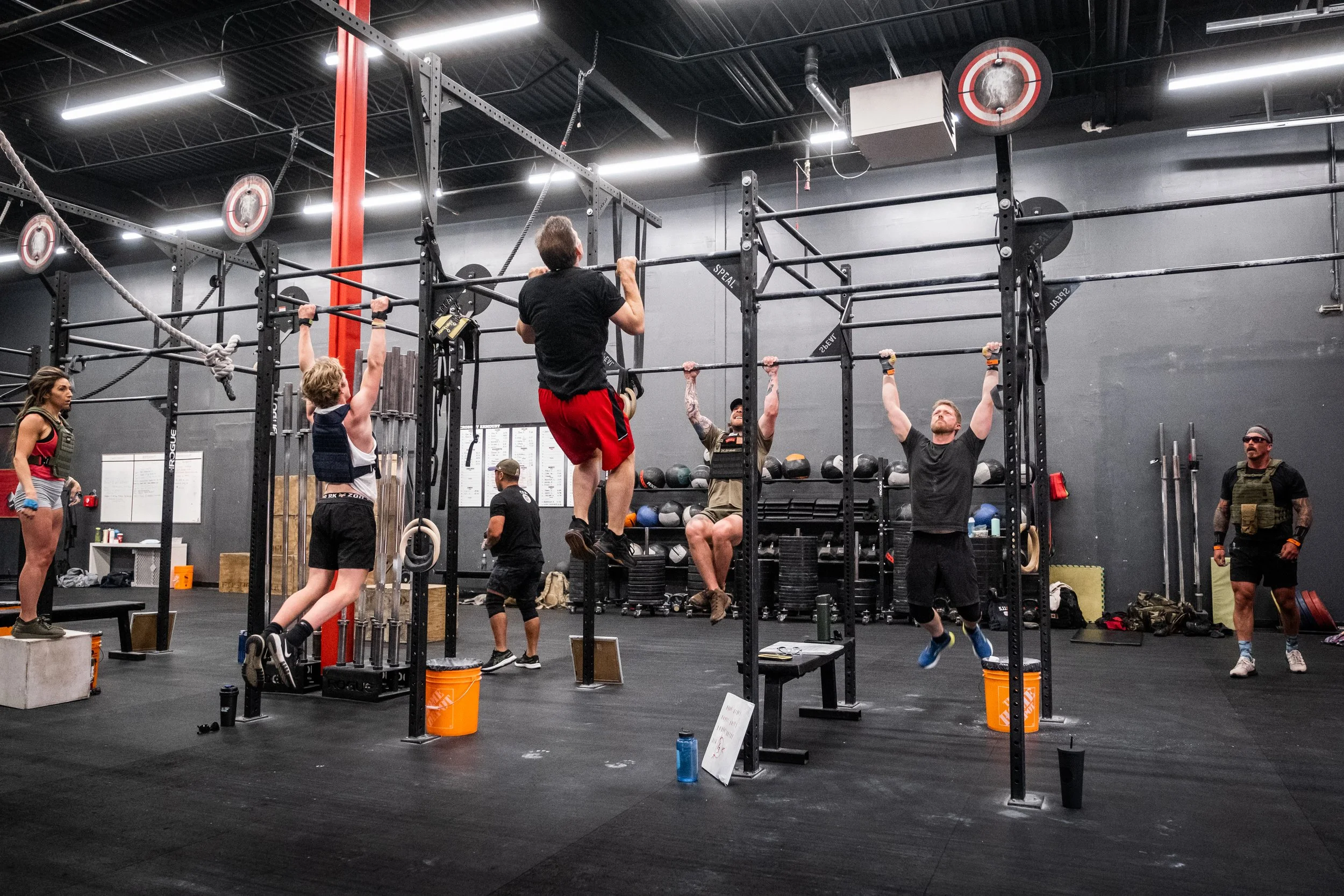
Fran is meant to be short and demanding, not a twenty-minute struggle with a barbell that is far too heavy. Scaling is not cheating. It changes the equipment or repetition difficulty so the workout remains a repeatable challenge instead of a collection of failed reps. The smart version is specific: choose the weight and pulling movement using what your recent training proves you can actually do.
| Starting point | Practical option | What to measure |
|---|---|---|
| New to the movements | Light thrusters plus ring rows; controlled 21-15-9 | Consistent range, no technical breakdown |
| Comfortable with the basics | Moderate thrusters, pull-ups scaled or fewer per round | Predictable rest and matching movement quality |
| Ready for the prescribed benchmark | 21-15-9 at 95/65 lb with full pull-ups | Valid repetitions and total finish time |
These are categories, not medical or individual coaching prescriptions. A complete beginner might use a training bar, light dumbbells or smaller sets rather than starting with the full sequence. An intermediate athlete could keep 21-15-9 thrusters but make the pull-up sets 12-9-6. Both approaches are more useful than using impressive numbers with collapsing mechanics.
Write down the exact scale. A five-minute result with ring rows and a light bar is not the same performance as five minutes prescribed, but it is still meaningful when repeated on the same version. Compare like with like; change one challenge at a time.
Build the missing work capacity with a clock that does not rush you
A straightforward way to bridge the gap is to prescribe repetitions at fixed intervals rather than racing a final time. For example, a nine-minute every-minute-on-the-minute session can alternate five manageable thrusters with five scaled pulls, or combine both within each minute only if you consistently finish with generous breathing room. Nine rounds of five reps per movement accumulate 45 of each — the same repetition count as Fran — without insisting that every rep happen in an uninterrupted sprint.
This approach matters because volume and intensity are different training variables. Performing 45 quality reps across nine controlled minutes tests the ability to repeat good movement; finishing 45 at speed adds transitions, oxygen demand and a willingness to work under escalating fatigue. Both may be useful, but they answer different questions. If your technique deteriorates after minute four, you now have a clear point to improve.
Advanced athletes with reliable, large unbroken sets can use harder density work, such as timed thruster and pull-up blocks, but that is not an entry-level recommendation. If you cannot complete 15 clean reps at your planned thruster weight, a prescription of 25 unbroken reps makes no sense. Reduce reps or load first rather than treating the failed target as a toughness test.
Keep demanding volume away from other heavy squat, press or pulling sessions when possible. Grip soreness, elbow discomfort and accumulated shoulder fatigue can affect subsequent lifting. Progress in modest steps; more total reps is not automatically better if it destroys the quality of the next training day.

Funny Gym Shirts & Workout Gear
Funny gym shirts, tanks, hoodies and workout gear for lifters who like training hard.


Crossfit Jesus Christ Bros, & Meme Lovers T-Shirt
Show some Easter attitude with a playful “Crossfit Jesus Christ” tee.


Always Pull Yourself Up Tank
Show some personality between sets with “Always Pull Yourself Up”.

Calisthenics Heartbeat Hoodie
Keep it laid-back with a little “Calisthenics Heartbeat” attitude.

Hybrid Athlete – Strength & Endurance Gym Decal for Run Sticker
Put “Hybrid Athlete” gym humor on your laptop, bottle, or gym gear.

Hybrid Athlete – Built Different Gym Pullover for HYROX Hoodie
Show off your lifting humor in a laid-back “Hybrid Athlete” hoodie.


Anti Stretching Stretching Club Meme Shirt – T-Shirt
Bring “Anti Stretching Stretching Club” humor to your next gym day.

Pace the set of 21 before it wrecks the set of 15
The first round feels deceptively manageable because the bar starts light relative to a maximum lift and you are fresh. That can encourage twenty-one straight thrusters followed by a desperate attempt at twenty-one unbroken pull-ups. The price often arrives in round two: forearms tighten, breathing spikes and every transition becomes a negotiation with the floor.
Decide your set breaks before the timer starts. For example, someone with ten reliably clean thrusters per set might split the first 21 into 8-7-6, the 15 into 8-7 and the nine into a manageable single set. These are illustrations, not universal targets. An athlete with a much larger reserve can use fewer breaks; someone training with assistance may prefer short, consistent sets throughout.
Make breaks intentional and brief. Set the bar down safely, take deliberate breaths and restart while your next set is still likely to meet the standard. A single planned ten-second pause is often preferable to an unplanned failure followed by a minute of recovery. The same principle applies to pull-ups: do not spend your entire grip reserve on the first hanging set.
Most important, do not invent benchmark equivalences. A scaled seven-minute session and an as-prescribed seven-minute session are different tests. Record the load, pulling variation, set breaks, any missed repetitions and the total time. The next comparison should tell you whether you became genuinely faster or simply changed the task.
Leg Day Shirts & Workout Gear
Leg-day gym shirts and workout gear for lifters who never skip squats, lunges and lower-body punishment.


Heavy Metal Skeleton Squat for Powerlifting, Bodybuildi T-Shirt
Show some gym-day personality with “Heavy Metal Skeleton Squat”.


Heavy Squatter Meme Squats & Gains Leg Day Wizard Top T-Shirt
Heavy lifts, good laughs, and a little “Heavy Squatter” energy.

I Love Squats – Valentine's Day Leg Day Meme Vest Muscl Tank Top
Add some leg-day attitude to training with “I Love Squats”.

Smash Weights She-Hulk Girls & Meme Hoodie
Show off your superhero humor in a laid-back “Smash Weights” hoodie.

I Want You To Squat Uncle Sam Patriotic – Funny 4th of Hoodie
Make your off-duty look more fun with “I Want You To Squat Uncle Sam Patriotic”.

Squat Here Adult Humor With Meme Pickup Line , & T-Shirt
Make gym days more fun with “Squat Here” style.

Never Skip Legday – Chicken Legs Meme , , & Leg Day T-Shirt
Heavy lifts, good laughs, and a little “Never Skip Legday” energy.
A four-week plan turns one hard test into useful training
If you want a practical starting framework, use Fran as a periodic checkpoint rather than the core of every week. Two focused sessions can fit around a conventional lifting routine provided your recovery and technical control are adequate. Keep heavy strength work, normal conditioning and rest days in the wider schedule; the benchmark is not a complete fitness program.
- Week 1: Establish a comfortable thruster load and a repeatable pull-up or ring-row variation. Work in short sets without a race clock; log technique and recovery.
- Week 2: Add a low-pressure timed session, perhaps alternating small thruster and pulling sets every minute. Finish each interval before the next begins.
- Week 3: Increase density only if the same repetitions remain clean. Choose either a small load increase, slightly less assistance or shorter planned rest, not all three at once.
- Week 4: After a lighter preparation day, repeat the exact scaled benchmark from your baseline or attempt a slightly harder version if readiness truly improved.
Keep at least one easier day when fatigue is high, and avoid extra high-repetition pulling if your elbows or shoulders are still irritated. An athlete new to barbell work should start with coaching and technique development rather than a timed benchmark. A more experienced lifter may progress faster, but still benefits from honest tracking.
Success is not merely forcing a faster number onto the board. A cleaner thruster, a stronger pull-up, fewer missed reps and a repeatable plan are the qualities that eventually make a quick Fran time possible.
Equipment Worth Exploring
Explore equipment, accessories and gear from our carefully selected range.


Rubber Hex Dumbbells
Rubber-coated hex dumbbell pairs with a stable shape for home and commercial strength training.


Angles 90 Grips
Flexible grip attachments that allow natural wrist movement during pulling exercises.


VForce Lat Tower
Wall-mounted cable tower with pivot arms and adjustable 1:1 or 2:1 pulley ratios.

VForce Wall Trainer
Space-saving wall-mounted functional trainer with pivoting cable arms and variable resistance ratios.
VOLTRA
Compact digital cable trainer with smooth, adjustable resistance.