Advertising disclosure: This page includes affiliate product links that may earn us a commission, as well as products from our own store.
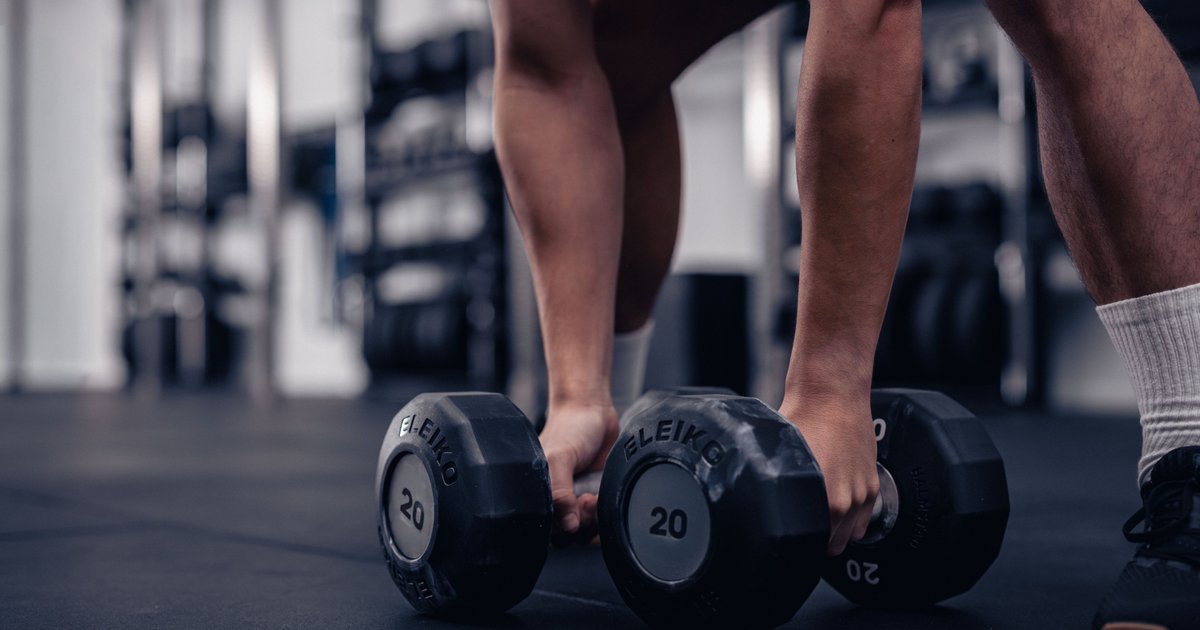
A dumbbell that spins in your hand sounds like a small engineering detail until you try to decide what it should actually improve. Eleiko offers Evo dumbbells with rotating or fixed handles, giving buyers a choice beyond the number printed on the end. The useful question is whether that difference solves a problem in your training.
For a lifter doing controlled presses, rows and curls, a familiar grip may matter more than a clever mechanism. For someone regularly moving a dumbbell through fast transitions, freedom between the handle and heads becomes more interesting. Here is how to assess the choice without turning a product feature into a promise of better gains.
1. Understand what rotates before comparing the feel
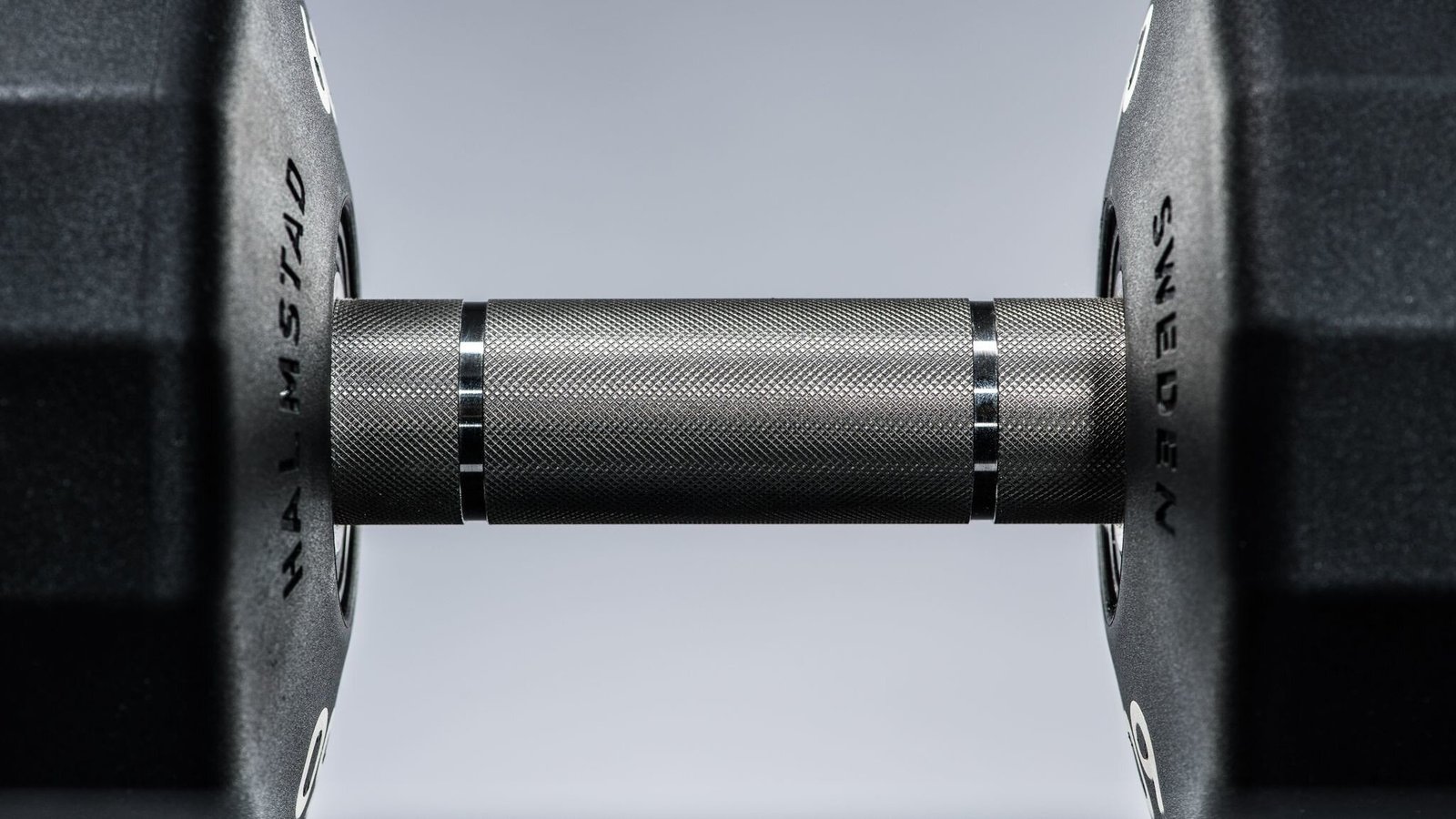
The rotating Evo uses a bearing system that lets the handle and weighted heads move relative to each other. The fixed version retains the conventional relationship between them. Both belong to the same dumbbell family, so this is a choice between two constructions rather than an adjustable-weight mechanism.
That last distinction matters when planning a purchase. Rotating does not mean the weight changes when you twist the grip. A collection of fixed-weight dumbbells still needs enough separate pairs to cover the loads you use. A rotating 12kg dumbbell is still a 12kg implement when the set ends.
Try separating three sensations during a demonstration: the texture against your palm, the thickness of the grip and the movement between the handle and heads. A comfortable surface can make a dumbbell feel better even when rotation contributes very little to the exercise. Conversely, an awkward diameter can remain awkward regardless of the bearing.
For a useful comparison, match the load, exercise and repetition speed. Comparing a light rotating dumbbell with a much heavier conventional one tells you very little about the mechanism. Use an easy weight first and pay attention to where the difference appears. Is it during the pickup, a change of orientation, the working repetition or simply returning the dumbbell to the rack? Those are different purchasing reasons.
2. Dynamic lifts make the rotation question more relevant
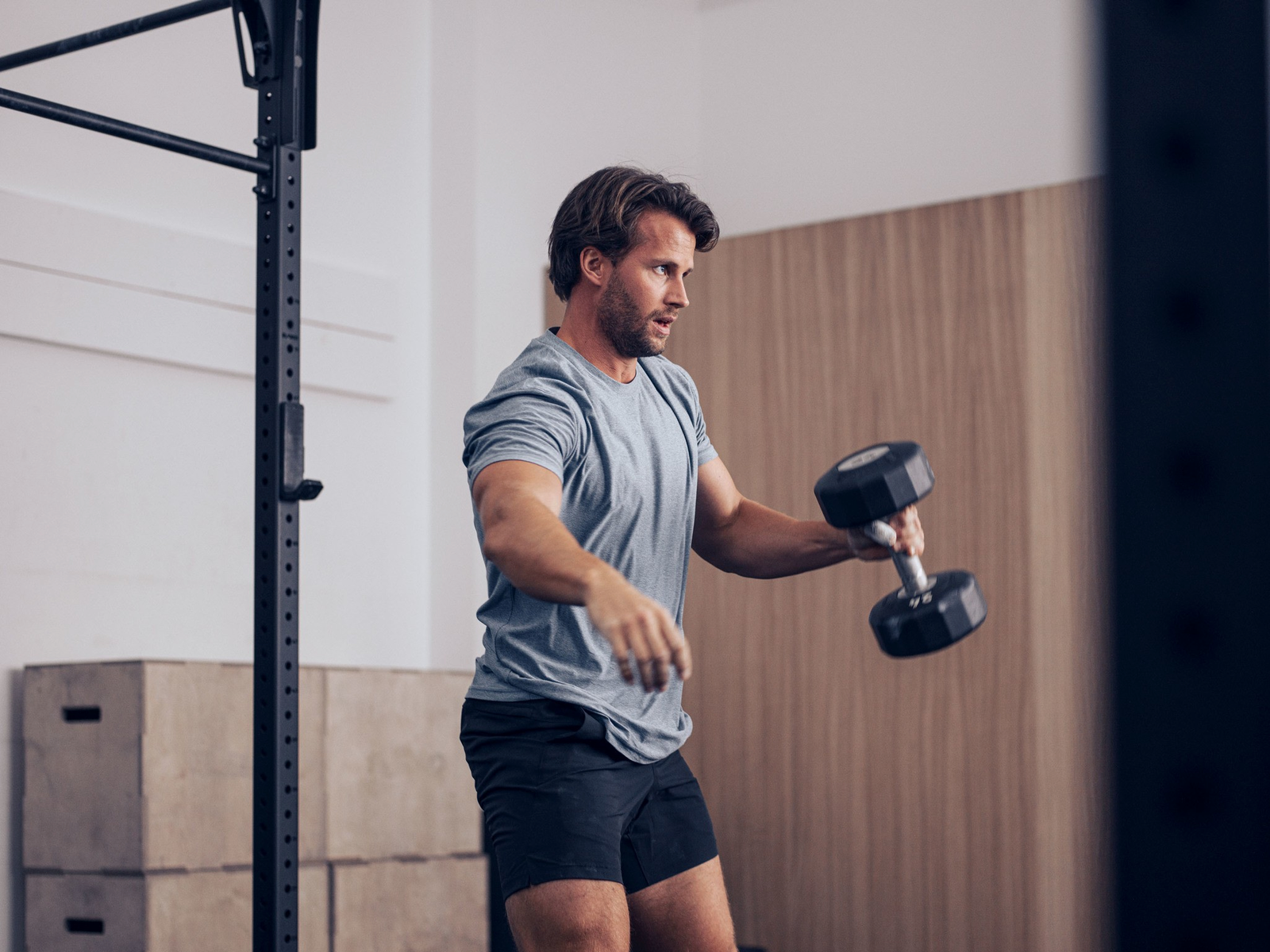
Eleiko positions the rotating Evo toward dynamic movements such as snatches and cleans. Mechanically, those exercises create a more obvious reason to consider relative movement between the grip and the weight. The implement changes orientation during the lift rather than staying in one deliberate pressing path.
That does not make a rotating handle a technique shortcut. In a one-arm dumbbell snatch, the legs and hips initiate the drive, the weight travels close to the body, and the lifter establishes control overhead. Pulling a heavy dumbbell around an uncontrolled arc remains a poor trade even if the grip feels smooth.
If you are learning the movement, keep the first comparison simple. Use a load you can lower under control, practise individual repetitions and reset between them. Look for a stable finish rather than chasing a faster cycle. A coach or clear side-view recording can help distinguish a movement problem from an equipment preference.
For conditioning, compare the transition you actually use. Alternating hands, returning to the floor and lowering from overhead all influence the experience. Test at a manageable pace before deciding whether the rotating version adds something useful. A mechanism that feels pleasant on one repetition may be less important than secure handling when breathing becomes hard.
Claims about reducing joint strain should also stay in perspective. A design intended to accommodate rotation is not proof of injury prevention, pain relief or superior long-term training results. Choose the version you can use confidently, and adjust a movement that consistently feels wrong.
3. Pressing and rowing still depend on your setup
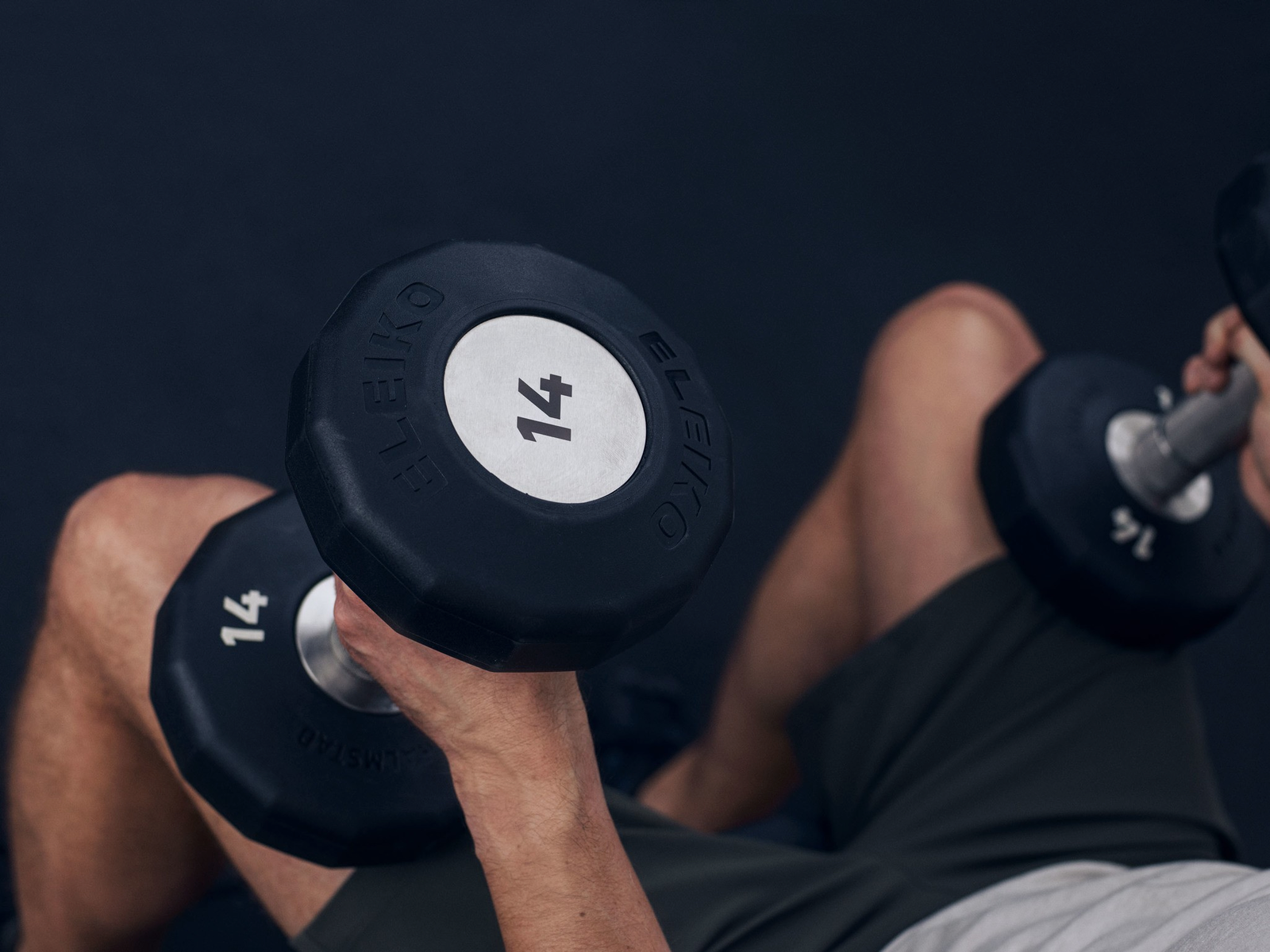
The fixed Evo is presented as the traditional option for controlled strength work. That makes it a sensible starting point for a buyer whose week revolves around chest presses, shoulder presses and rows. It does not mean the rotating version cannot perform those exercises.
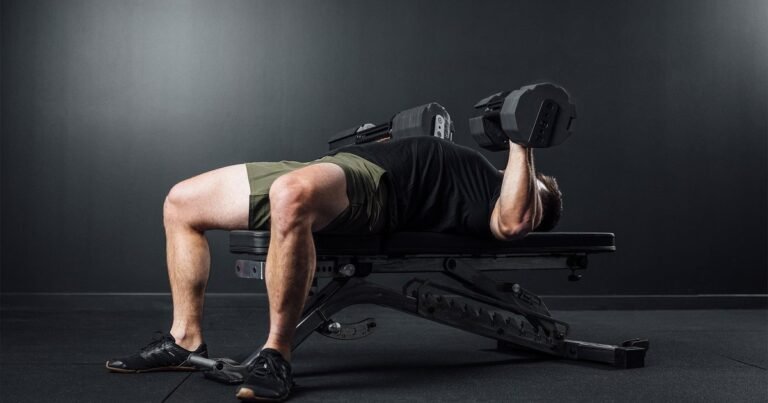
On a dumbbell bench press, first check the basics that influence the whole set: firm contact with the bench, a stable foot position, a controlled descent and wrists that are not folding backward under the load. A handle preference becomes meaningful after you can reproduce those conditions.
Use a moderate comparison set rather than a personal-record attempt. Notice whether you can settle the dumbbells into position, maintain your chosen grip and finish without an awkward exit. If both versions feel equally secure, there may be little reason to pay extra solely for the mechanism. A better bench or a missing intermediate weight could address a more obvious limitation.
Include the start and finish in that assessment. The working repetitions might feel fine while getting the pair onto your thighs, lying back or sitting up feels clumsy. Use a lighter load to rehearse the sequence, and arrange appropriate help for heavier sets. That handling confidence is part of the equipment decision.
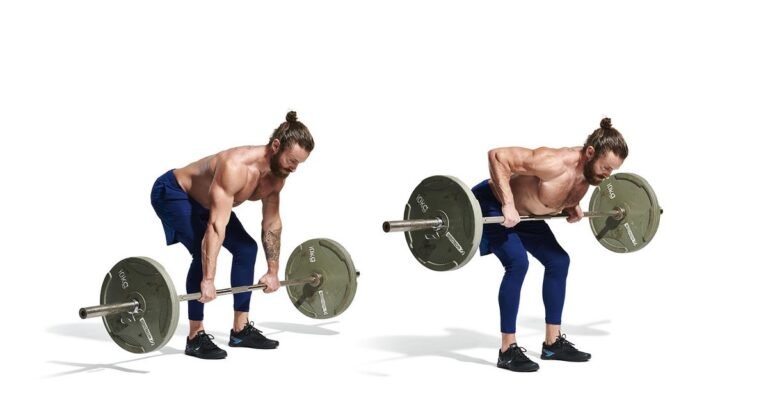
For a supported row, check that the dumbbell clears the bench and that your hand stays comfortable through the intended range. Do not twist the torso simply to make a heavier weight move. For curls, compare a controlled repetition with the grip orientation you normally use. Enjoying a particular handle is a valid preference, but it is not evidence that the biceps receive a larger growth stimulus.
The practical advantage belongs to the setup that lets you perform and repeat your planned work. Different lifters can reasonably reach different conclusions with the same pair.

Equipment Worth Exploring
Explore equipment, accessories and gear from our carefully selected range.


Rubber Hex Dumbbells
Rubber-coated hex dumbbell pairs with a stable shape for home and commercial strength training.



Multi Bench MBX-650 2.0
Adjustable multi-bench with roller adjustment, 15 backrest positions and accessory mounts.

FID Bench MAX
Adjustable bench offering flat, incline, and decline positions + adjustable headrest.


4. Buy the progression you need, not just the first pair
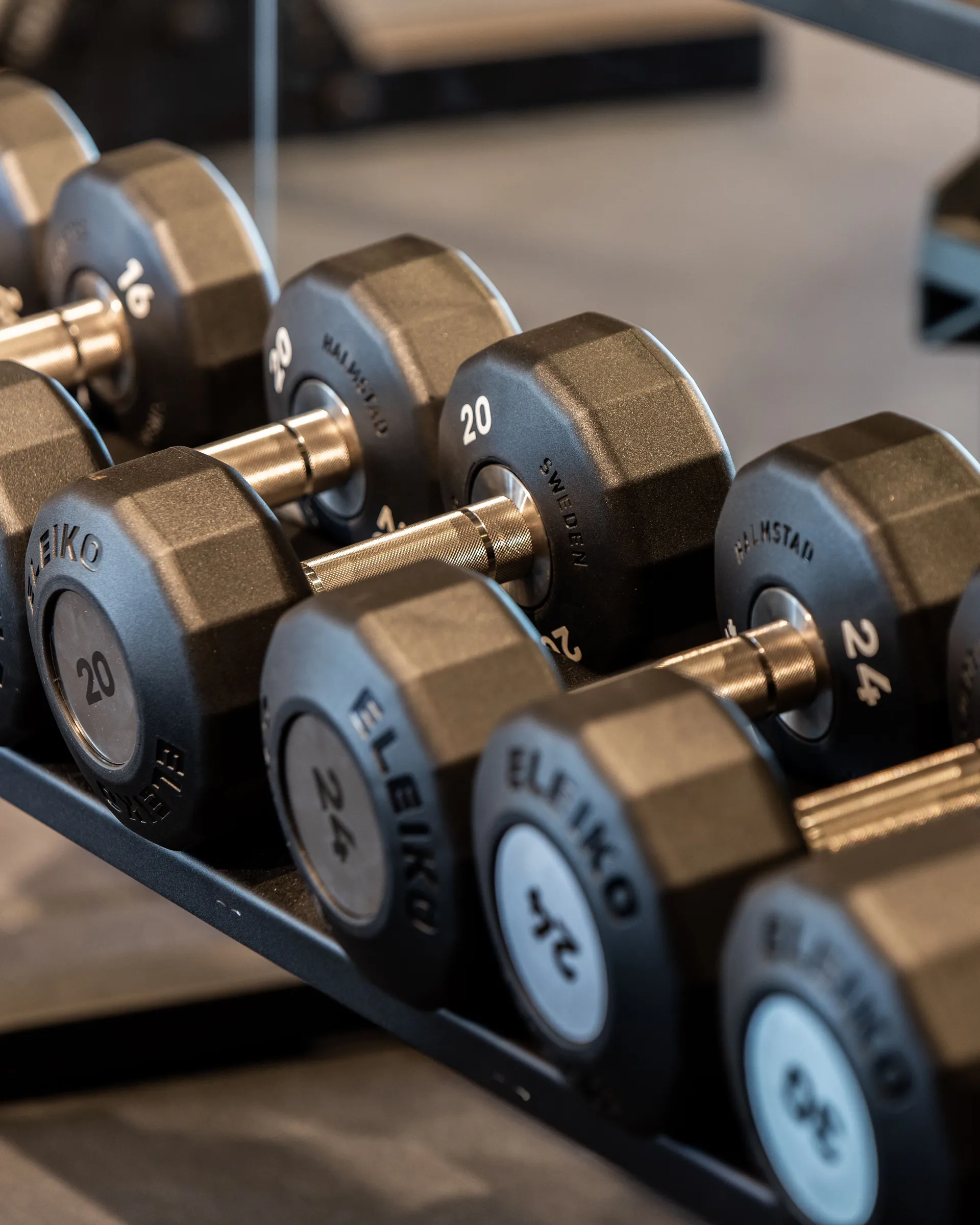
A dumbbell purchase becomes useful across months when its weight range and increments fit your exercises. List your current working loads for presses, rows, curls and any dynamic lifts. Then mark the next two sensible increases for each. This exposes gaps that a showroom demonstration can easily hide.
Consider a simple purchasing example: moving from 10kg to 12kg per hand adds 20% to each dumbbell. Moving from 20kg to 22kg adds 10%. The same 2kg jump can therefore feel very different across exercises. These are arithmetic examples, not a recommendation that everyone should progress by those amounts.
A small isolation exercise may need more patience before a larger jump becomes manageable. An editorial progression option is to work within a chosen repetition range, add controlled repetitions over several sessions, then increase weight when the upper end feels repeatable. Reduce repetitions after the increase if needed. The exact range should fit the exercise and your existing program.
Keep the training log comparable: record load, repetitions, sets and anything important about technique or effort. Avoid treating a change of dumbbell model as proof of sudden strength improvement. Familiarity, grip dimensions and the way you start a set can alter performance without showing a new adaptation.
Regular resistance training and progressive work matter more than choosing an exotic implement. A rotating grip can be a worthwhile preference within that process. It cannot replace enough useful weights, a repeatable program or the time needed to improve. Buy with the next training block in mind.

Bodybuilding Shirts & Workout Gear
Bodybuilding shirts, tanks and gym gear for lifters chasing muscle, size, symmetry and the pump.

Dumbbell Heartbeat Hooded Pullover Fitness Fans Hoodie
Stay casual and show some bodybuilding attitude with “Dumbbell Heartbeat”.

Chest Day Sweater Bench Press & Meme T-Shirt
Add a playful “Chest Day” touch to your casual rotation.


Gymhead Meme Mind Muscle Connection Decal Water Sticker
A fun “Gymhead” touch for bottles, laptops, and lockers.

Brain and Biceps Tee
Make gym days more fun with “Mind Muscle Perfection Brain and Biceps” style.


Heart And Brains Dumbbell Meme : The Ultimate T-Shirt
Make gym days more fun with “Heart and Brains Dumbbell Gym Meme” style.

Repetition Stoic Shirt: Meme Sigma & Greek God Pump T-Shirt
Show some lifting attitude with a playful “Repetition Stoic” tee.

Dumbbell Meme Shirt – Essential & Gymbros Seeking T-Shirt
Make gym days more fun with “Dumbbell Gym Meme” style.
5. Check storage, handling and the complete cost
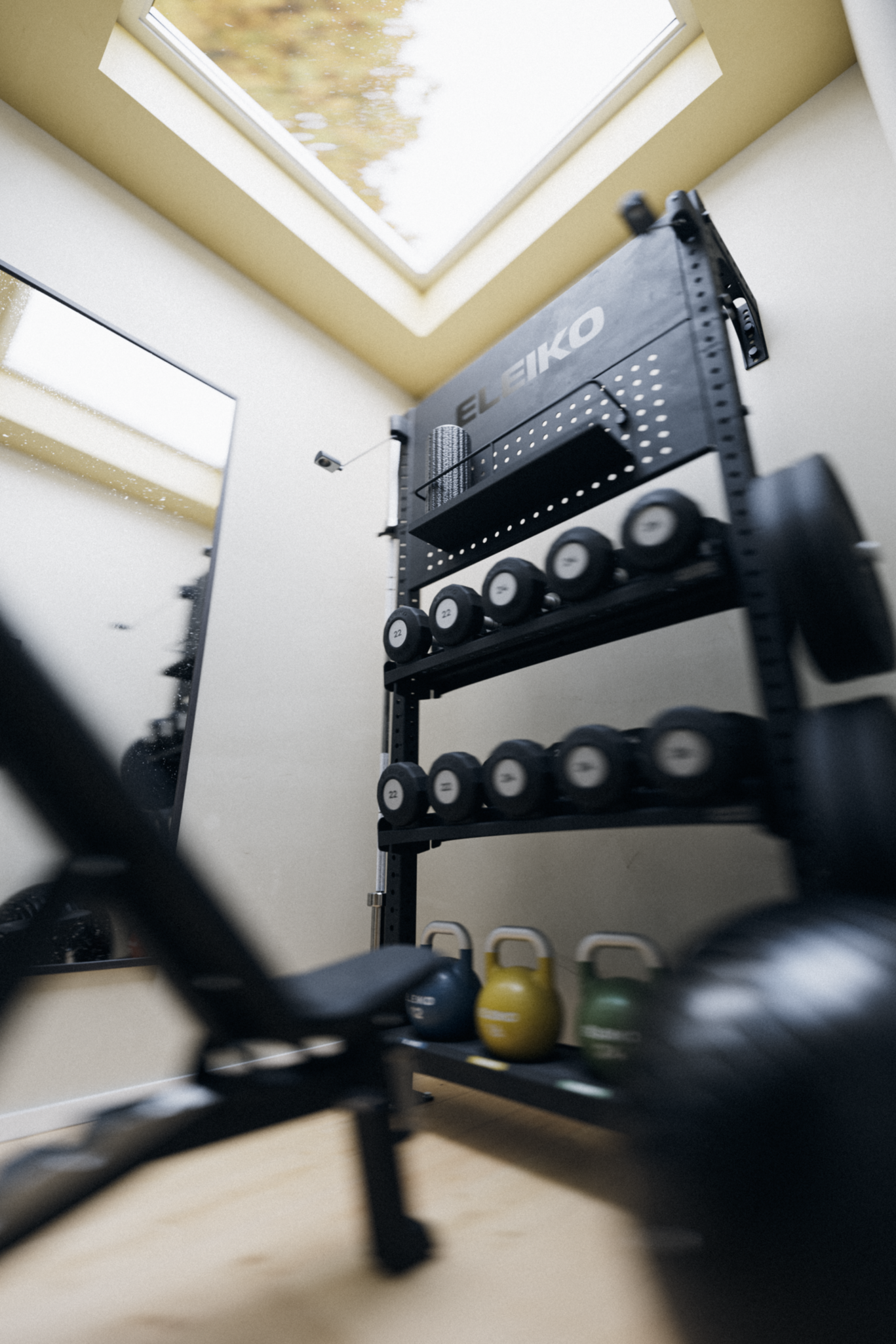
Fixed-weight collections require space for both the equipment and the person using it. Measure the proposed rack location, the access in front and the route to your bench or training area. A rack that fits against a wall can still leave an awkward pickup if another machine occupies the standing space.
Check the rack and dumbbell combination directly rather than assuming all heads sit securely on every shelf. Ask about compatibility, access to the handles and the rack’s stated loading limits. The demonstration should include returning a pair to storage, not only lifting it from an uncluttered floor.
For a home setup, adjustable dumbbells are also worth comparing on their actual tradeoffs. They can consolidate a range of loads, while adjustment time, dimensions and handling instructions vary by model. This is a separate purchasing decision from fixed versus rotating Evo handles. One feature does not answer the other.
With plate-loaded handles, include compatible plates and secure collars in the total. Check sleeve diameter and usable loading length. Add-on weights likewise need an explicit compatibility check; do not assume an accessory fits every dumbbell.
Request a complete quote for the weights you need, storage, delivery and applicable taxes. Confirm whether a listing is for one dumbbell, a pair or a set. Review current care instructions and warranty terms for your market; a durability demonstration does not tell you every condition of ownership.
Choose rotating Evo if you value its feel during the movements you genuinely practise. Choose fixed Evo if conventional handling suits your controlled work. If you cannot identify a meaningful difference during a fair comparison, prioritise useful weight increments and a workable setup. The best purchase is the one that removes a real training limitation.