Warm-up sets are preparation, not extra working sets
You walk into the gym, load the bar and wonder why the first heavy squat feels like a wall. The opposite mistake is just as common: fifteen minutes of high-rep warm-ups leave your legs exhausted before the real session begins. A good warm-up bridges those extremes. It introduces the movement, load and coordination demands of the workout while keeping the energy cost low enough to preserve performance.
A preparation set should feel like practice rather than a smaller version of a maximal effort. You can rehearse your stance, breathing, bracing, grip, bar path and controlled range of motion without chasing fatigue. A first heavy compound lift normally deserves more preparation than a late-session isolation movement. There is no reason to give a light cable curl the same elaborate ramp as a heavy squat.
Sweat, elevated heart rate and a burning sensation are not reliable indicators that you are ready for a demanding set. Instead, ask whether the last warm-up rep was crisp, stable and technically similar to the working movement. If the bar already grinds, the load may be too heavy or the warm-up too fatiguing. The purpose is to reach the first meaningful set confident and prepared, not to set a record in the warm-up.
Research suggests that a brief, moderately heavy rehearsal may sometimes outperform an extended series of very light repetitions. That does not justify a maximal single before every workout. It supports the idea of increasing load progressively while decreasing repetitions, then allowing enough rest before the first work set.
What a 15-man experiment found about heavier warm-ups
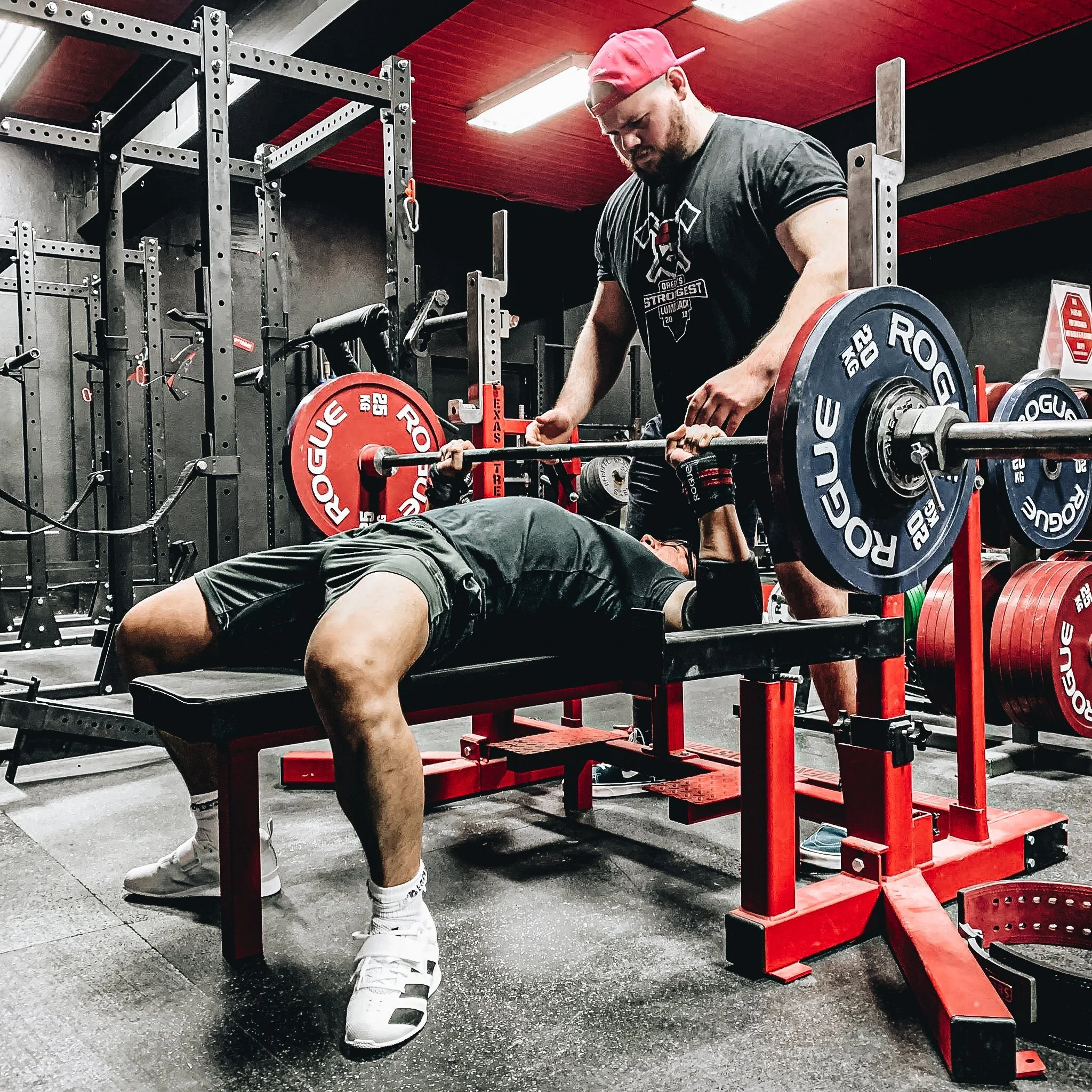
A resistance-training experiment examined fifteen men who had at least six months of lifting experience. Each participant completed three sessions using different preparation loads. One condition involved 15 repetitions at 40% of a ten-repetition maximum, another used 10 repetitions at 60%, and the third used five repetitions at 80%. These percentages refer to a ten-repetition maximum, not a one-repetition maximum, an important distinction when applying the results.
The training that followed involved bench presses, inclined leg presses and wide-grip lat pulldowns. Participants performed three sets to failure for each exercise, with two minutes of rest between sets and exercises. Researchers measured repetitions and total volume load. The heavier five-repetition warm-up produced significantly more total training volume than the lighter protocols. Bench-press repetitions and volume load were also higher than after the intermediate condition.
This is an intriguing finding for anyone who spends too much time doing easy feeder sets. A short, specific warm-up with meaningful resistance may prepare the body for work without creating the fatigue of a longer, higher-repetition routine. But this was an acute experiment, not a longitudinal hypertrophy study. It does not prove that the protocol creates more muscle after twelve weeks, prevents injuries or suits everyone.
Other findings are less decisive. In another experiment, fourteen trained men completed squats after different warm-ups; a heavier condition improved first-set volume load but did not significantly improve total-session repetitions or volume. A review of warm-up studies likewise found mixed outcomes across exercises and protocols. The evidence supports thoughtful experimentation, not a rigid universal formula.

Equipment Worth Exploring
Explore equipment, accessories and gear from our carefully selected range.


FID Bench MAX
Adjustable bench offering flat, incline, and decline positions + adjustable headrest.


Why heavier low-rep preparation can help
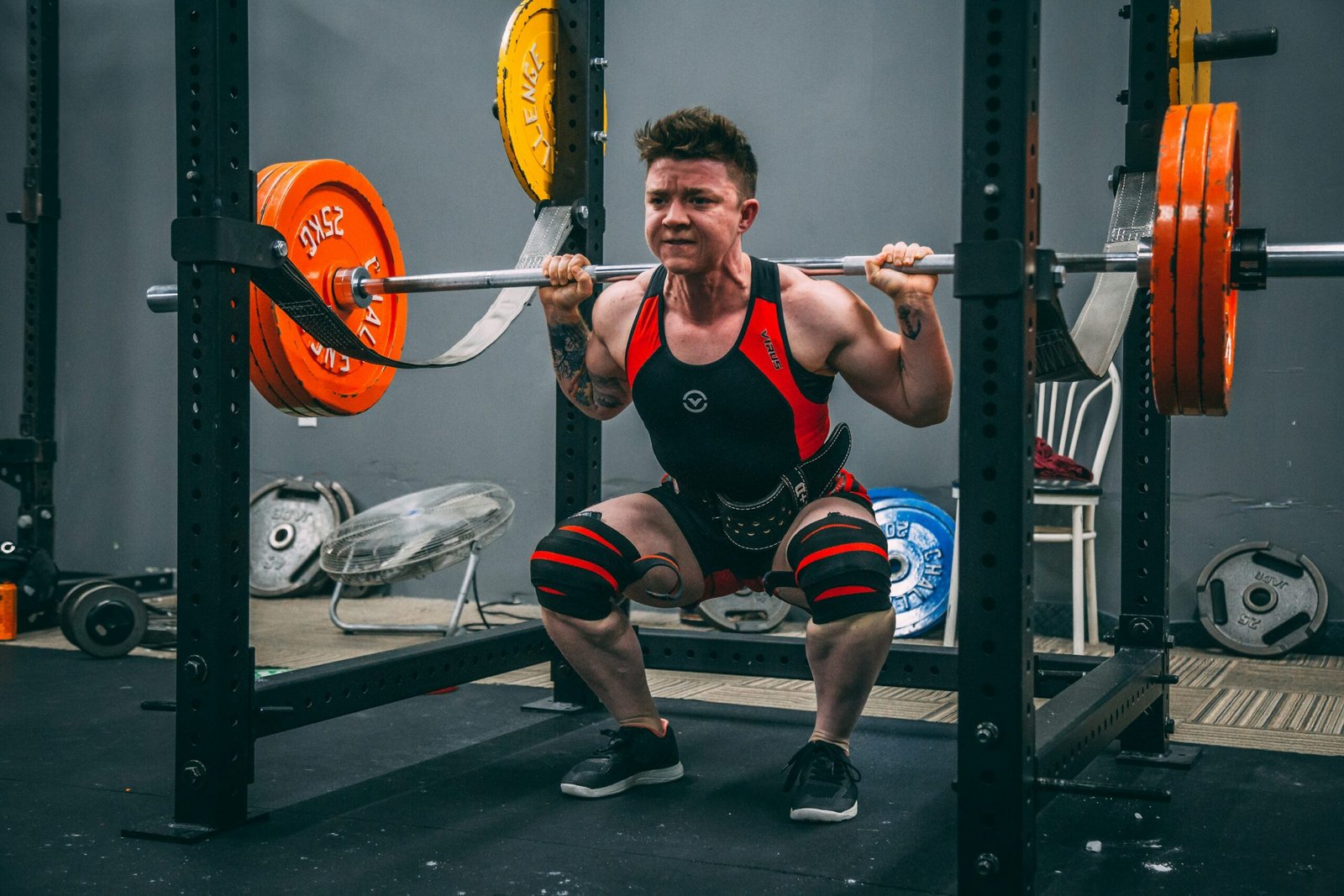
A light empty-bar set is useful for checking technique, but it does not reproduce the demands of a challenging squat or bench press. As the weight rises, the movement requires more precise bracing, balance and force. A few heavier warm-up repetitions expose you to that task before the first set that counts. If you keep the number of reps low, you can gain familiarity without spending much of your available effort.
There may also be short-lived changes in force production after a challenging conditioning contraction, often discussed as post-activation performance enhancement. The size and direction of this effect depend on training experience, load, exercise selection and rest. A heavy primer that is too demanding can leave fatigue behind instead of improving the next set. The same protocol can feel helpful on one day and excessive on another.
Think of the warm-up as a trade-off. Very light sets cost little but provide limited heavy-load practice. Very heavy sets provide specificity but become expensive if you perform too many repetitions. As load increases, reduce repetitions: five easy reps, three moderate reps, two heavier reps, then perhaps one crisp final rep. A lifter working with modest weights may need fewer stages, while an advanced powerlifter may benefit from smaller jumps.
Do not overinterpret every bar-speed change as evidence of a nervous-system miracle. Watch whether technique is consistent and the final warm-up moves confidently. If you are breathless or shaky, recover longer before starting the real work. If the final primer is a grind, lower the target instead of forcing a number that no longer fits your readiness.
Squat, bench and deadlift ramp sets you can use
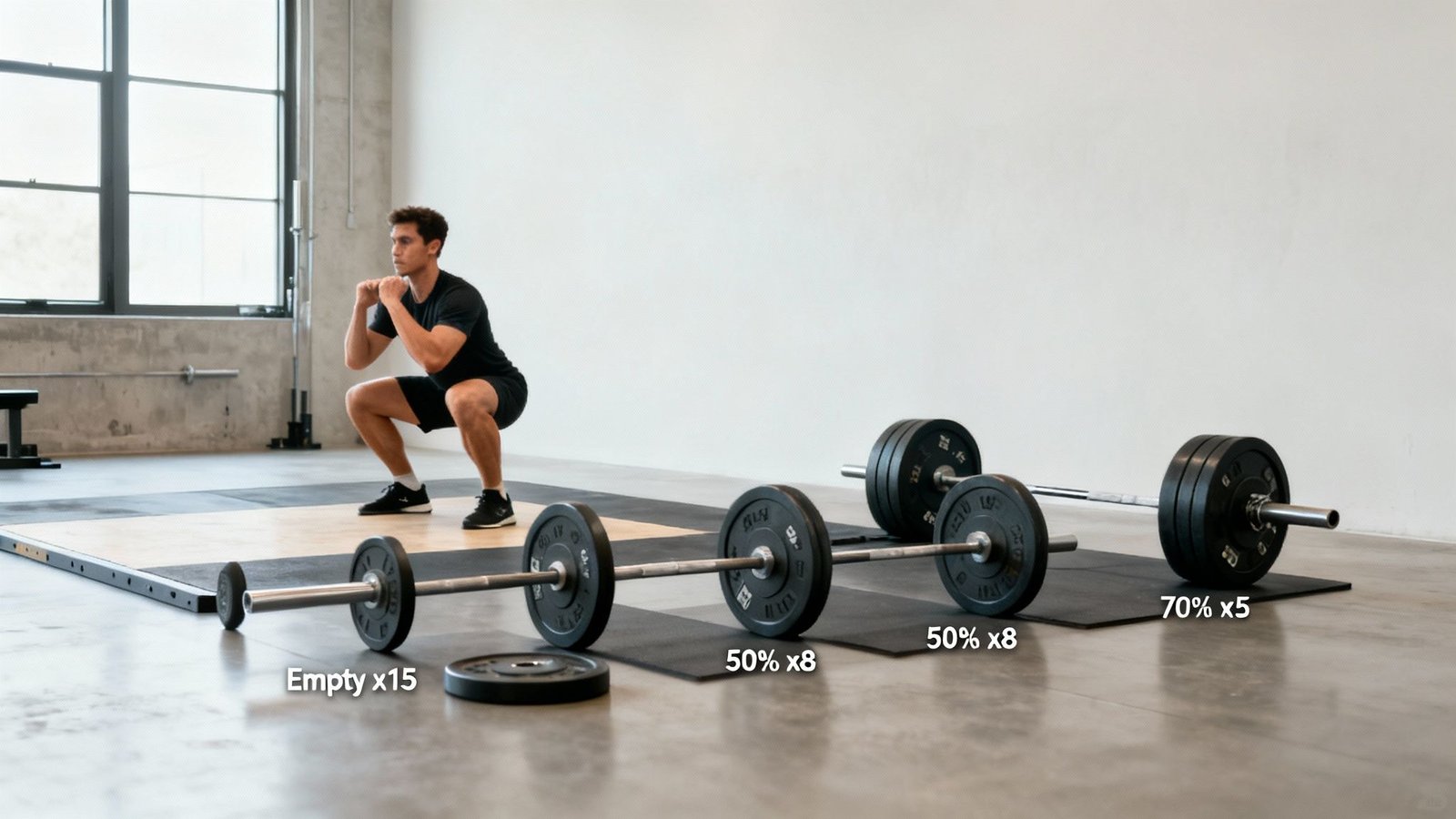
A practical warm-up begins with a few minutes of easy movement when you are stiff or cold, then transitions into the exact lift. The following examples use percentages of the planned working weight rather than your all-time one-repetition maximum. Round to plates available in your gym. A heavier or more technically demanding first set usually warrants more steps, but not more hard repetitions.
For a squat planned at 100 kg for five reps, try the empty 20 kg bar for six, 40 kg for five, 60 kg for three, 80 kg for two and 90 kg for one. That final single should feel clean rather than maximal. For a bench press at 80 kg for six, try 20 kg for eight, 40 kg for five, 55 kg for three and 70 kg for one. Practice the same touch point and shoulder setup throughout the ramp.
For a deadlift planned at 140 kg for four, an example is 60 kg for five, 90 kg for three, 115 kg for two and 130 kg for one. Start at normal pulling height rather than turning the warm-up into an unintended deficit deadlift. Keep the lower back and grip fresh. You do not need repeated sets of ten at 80% of your work weight to prepare for a heavy pull.
Rest only as long as needed to change lighter plates early on, then allow roughly two or three minutes after the final heavy primer before a demanding work set. A beginner squatting 50 kg might use two or three stages rather than five. If 90% of the intended work weight feels like a maximal attempt, adjust the work weight or extend recovery. Percentages are guides, not obligations.

Bodybuilding Shirts & Workout Gear
Bodybuilding shirts, tanks and gym gear for lifters chasing muscle, size, symmetry and the pump.

Breathe In Between Sets Pink Floyd Rock Music Meme & T-Shirt
Heavy lifts, good laughs, and a little “Breathe In Between Sets” energy.

Cheat Reps Allowed Funny Viking Gym – Loki Norse Workou Sticker
Stick a little “Cheat Reps Allowed Funny Viking” humor on your favorite gear.

No Reps No Glory Viking Gym – Funny Norse Workout Hoode Hoodie
Show off your Viking humor in a laid-back “No Reps No Glory Viking” hoodie.

Bar Breaker Tee
Show some metalhead attitude with a playful “Bar Breaker Barbell Breaker” tee.

Stoicism Lifting Gains Meme With Greek God Marble T-Shirt
Show some lifting attitude with a playful “Stoicism Lifting Gains” tee.

Barbell Saves Me Gym | Oasis Wonderwall Parody Funny Wo Sticker
Bring “Barbell Saves Me” attitude to your water bottle or laptop.

Barbells and Suffering – Demonic Heavy Metal Gym Crewne T-Shirt
Show some gym-day personality with “Barbells and Suffering”.

Gym Is My Religion Barbell Cross Muscle Shirt for Chris Tank Top
Train hard, laugh a little, and rep “Gym Is My Religion Barbell Cross”.

Train Like a Monster Hulk Bodybuilding Strength Humor T-Shirt
For laid-back days and superhero humor: “Train Like a Monster Hulk”.

Iron Made Gains Heavy Metal Gym Decal for Workout Motiv Sticker
Put “Iron Made Gains Heavy Metal” gym humor on your laptop, bottle, or gym gear.
Machines, dumbbells and accessories need a different approach
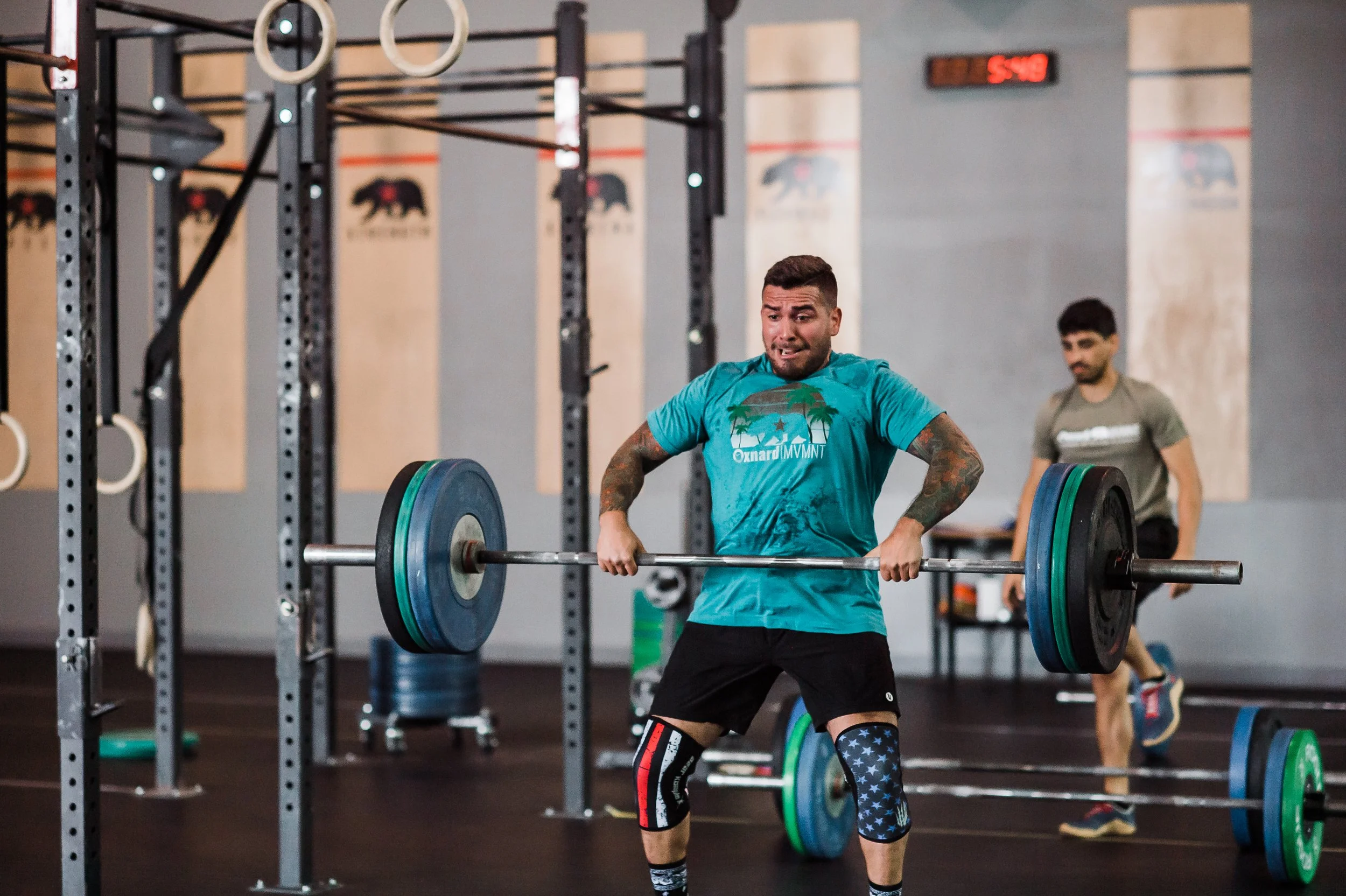
The first demanding movement of a session deserves the most preparation. After several squat sets, your legs are already warm, but an incline leg press has a different setup and movement path. One easy set of eight followed by a moderate set of three to five may be enough to test foot placement and range of motion. You do not need to rebuild the entire squat ramp on every machine.
The same principle applies to upper-body training. After heavy bench presses, incline dumbbell presses may require one or two feeder sets to learn the angle and stabilize the dumbbells. A lat pulldown should begin with a comfortable load that allows your shoulder blades and elbows to move smoothly before adding weight. Different cable ratios and pulley systems can make identical stack numbers feel very different.
For isolation movements such as lateral raises, curls and pushdowns, one light set may be enough if the relevant muscles and joints have already been moving. A new exercise or a change in attachment may justify another rehearsal. If a joint feels irritated, do not use the warm-up to push through sharp pain. Adjust the movement and seek assessment if symptoms persist.
Home gyms create their own variables. Adjustable dumbbells may have large weight increments; digital cable trainers can have different resistance profiles from plate-loaded machines; benches can change pressing mechanics. Before chasing last week’s number on a different device, test the actual movement in front of you. Preparation should match the exercise and equipment, not a generic spreadsheet copied from someone else’s gym.
Equipment Worth Exploring
Explore equipment, accessories and gear from our carefully selected range.
VOLTRA
Compact digital cable trainer with smooth, adjustable resistance.

Go-Tone Pro
Portable digital cable trainer with up to 66 lb (30 kg) of adjustable resistance.




Safety Squat Handles
Barbell squat handles that reduce shoulder positioning demands during high-bar squats.

GymPin Squat Wedges
Non-slip 15-degree squat wedges help elevate the heels for deeper quad-focused squats.


Angles 90 Grips
Flexible grip attachments that allow natural wrist movement during pulling exercises.

Five mistakes that make warm-ups worse
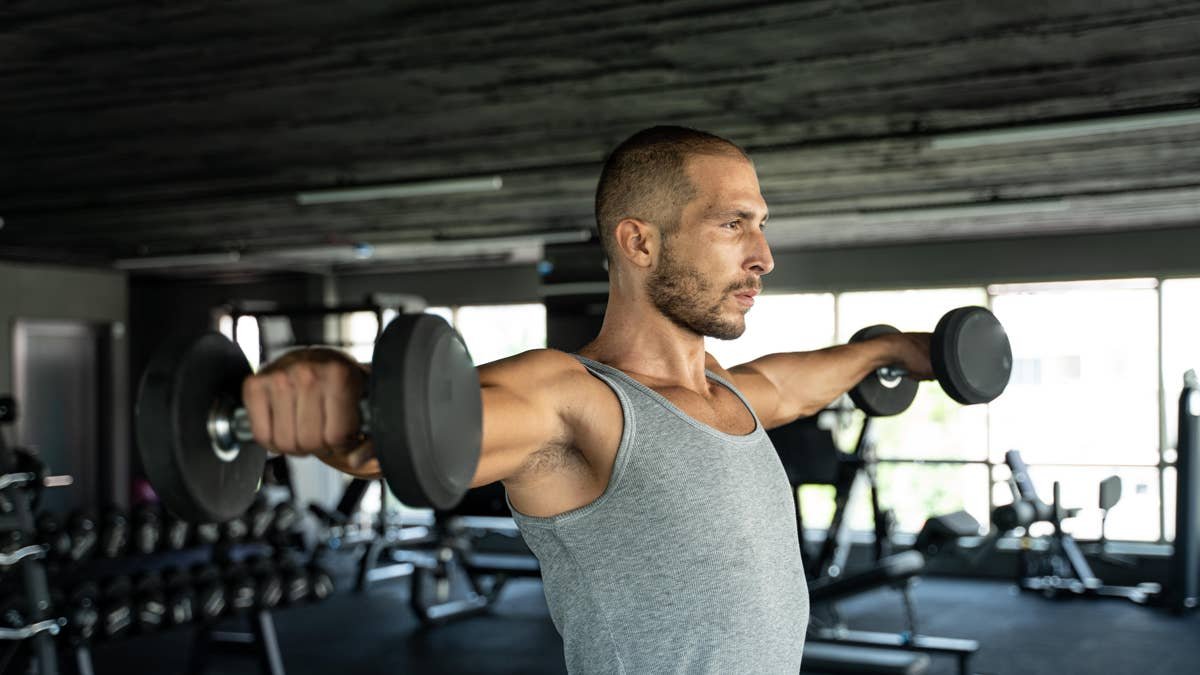
First, turning every ramp set into a high-rep pump set. Ten or fifteen repetitions at each load can generate unnecessary fatigue before your programmed work. As the weight climbs, reduce the repetitions. Keep the preparation controlled and easy enough that the first real set still feels fresh.
Second, jumping from an empty bar straight to a genuinely heavy working set. A light rehearsal may not expose you to the bracing and force requirements of the next load. Add a moderate step or two so that the transition is predictable. You are preparing for a task, not simply raising your heart rate.
Third, copying an elite lifter’s exact percentages and number of warm-up sets. Someone squatting 250 kg needs to bridge a much larger absolute load gap than a novice squatting 60 kg. Training experience, technique, fatigue and the weight of the first work set all influence how many steps make sense.
Fourth, rushing after the final heavy primer. If you immediately start a maximal set while breathing hard, the warm-up may work against you. Allow enough time for the small amount of fatigue to fade. Fifth, assuming any warm-up guarantees injury prevention. Acute performance studies do not prove that a specific ramp prevents injuries. Sensible load management, technique, recovery and individual health remain important.
Run a four-week experiment on your own first working set
Choose one familiar exercise such as the squat or bench press and test whether your usual light-only warm-up is serving you well. Keep working weight, target repetitions, rest intervals, exercise order and equipment as consistent as possible. For the first two weeks, use your normal warm-up and record first-set repetitions, total working repetitions, perceived exertion and how stable the movement feels.
In weeks three and four, use a progressive ramp that includes a brief heavier primer. A smooth single around 85–90% of the planned working weight can be a starting point, but do not force that number if it is uncomfortable. Rest adequately before the first work set. Continue recording the same metrics, along with sleep, soreness and other obvious factors that might influence performance.
A personal four-session comparison is not a controlled clinical trial. Day-to-day variation can be larger than the effect of a small warm-up change. Still, the log may reveal an obvious pattern: perhaps your old routine was exhausting, or perhaps you perform just as well with fewer preparation sets. If both approaches work equally well, the more efficient one may be preferable.
The central rule is simple: ramp the load, trim the reps and protect the quality of your working sets. Begin light enough to rehearse technique, reach a meaningful but non-grinding preparation weight, and stop before the warm-up becomes the hardest part of the workout. A good warm-up helps you train better, not merely longer.
Powerlifting Shirts & Lifting Gear
Powerlifting shirts and gym gear for squat, bench and deadlift lifters who live for heavy numbers.

Heavy Barbell – Meme Shirt & Top T-Shirt
Make gym days more fun with “Heavy Barbell Powerlifting Graphic” style.

6 Plates Squat Club Meme Shirt – Essential T-Shirt
Heavy lifts, good laughs, and a little “6 Plates Squat Club” energy.

8 Plates Bench Club Meme & Gymbro Top T-Shirt
Make gym days more fun with “8 Plates Bench Club” style.

Squat Bench Deadlift Pet Dogs – Meme Shirt T-Shirt
Rep “Squat Bench Deadlift Pet Dogs” humor in and out of the gym.

Red Thin Line Barbell Flag Patriotic Gym | Funny Lifter T-Shirt
Show some powerlifting attitude with a playful “Red Thin Line Barbell Flag Patriotic” tee.

Whole Lotta Reps AC/DC Heavy Metal Rock Music Workout W T-Shirt
Rep “Whole Lotta Reps” humor in and out of the gym.

Off-Season Rest Day Sweater & Bros Meme T-Shirt
For laid-back days and powerlifting humor: “Off-Season Rest Day”.

Heavy Squatter Gym Wizards | Funny Harry Potter Workout Sticker
A fun “Heavy Squatter Gym Wizards” touch for bottles, laptops, and lockers.

Meme : Squat Rack Top Home T-Shirt
Make gym days more fun with “Powerlifting Gym Meme” style.

USA Barbell Flag Muscle | Patriotic Gym Vest | Funny Wo Tank Top
Add some lifting attitude to training with “USA Barbell Flag”.