Advertising disclosure: This page includes affiliate product links that may earn us a commission, as well as products from our own store.
A strict pull-up and a kipping pull-up can finish with the chin above the same bar while answering different questions. One tests controlled pulling without a deliberate swing. The other combines pulling with coordinated body movement, often within a workout scored for time or repetitions. Arguing about which one counts makes little sense until the task is defined.
The useful distinction is between a movement that meets its stated standard and a movement quietly substituted for another. If a programme calls for strict pull-ups, adding a kip changes the exercise. If a competition permits kipping, a legal kipping repetition is part of that event. Neither observation establishes that the two performances should share the same training record.
Choose the question before choosing the repetition
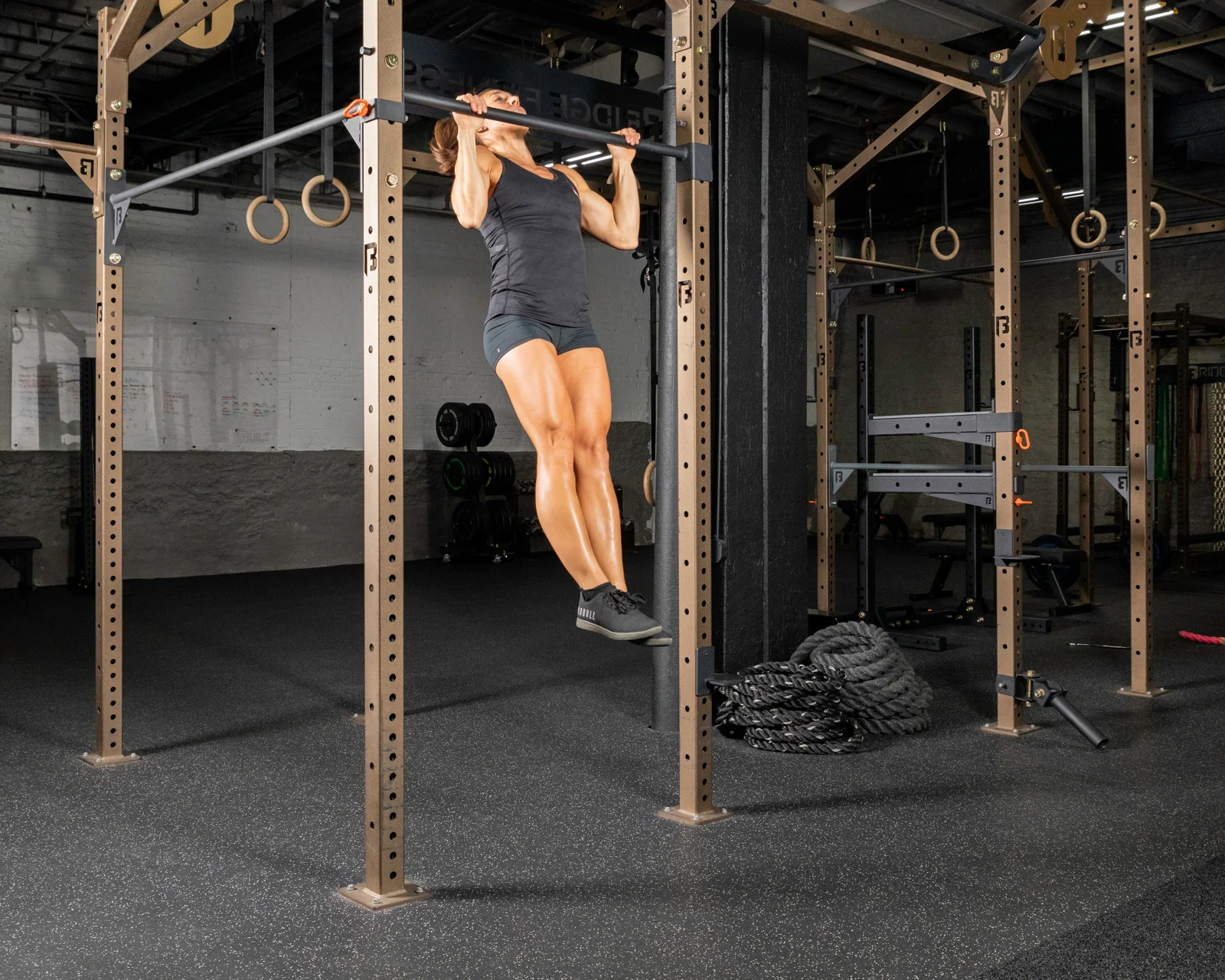
For a strict strength benchmark, decide on a repeatable start, finish and body position. Begin from an agreed hanging position, pull without deliberately creating a swing, reach the required height and lower with control. A full grip, a braced trunk and a comfortable hand position give you concrete details to check instead of relying on whether the repetition looked impressive.
The exact standard can vary between a gym test, a certification and a competition. Some require a particular contact point or pause. Others use the chin clearing the bar. Read the actual requirement before comparing scores. A chest-to-bar repetition, a chin-over-bar repetition and a partial pull are not interchangeable entries in a logbook.
This also clarifies ordinary training decisions. If your goal is to improve controlled pulling strength, the strict version provides a straightforward exercise to repeat and load. You can compare the same range, assistance and technique over time. If the last repetition requires a large swing, record the clean repetitions separately rather than redefining the set after it happens.
There is no need to turn that distinction into a judgment about the person. Someone practising a different movement may be pursuing a different goal. The productive question is whether their execution matches their task, and whether your own exercise matches yours.
Hip movement changes the task, not just the appearance
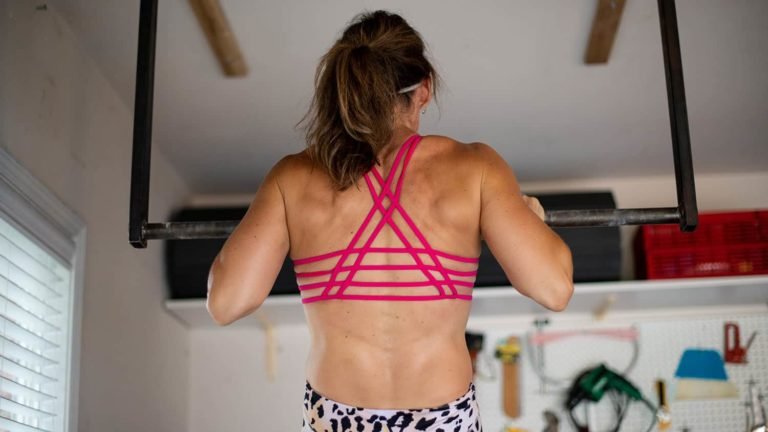
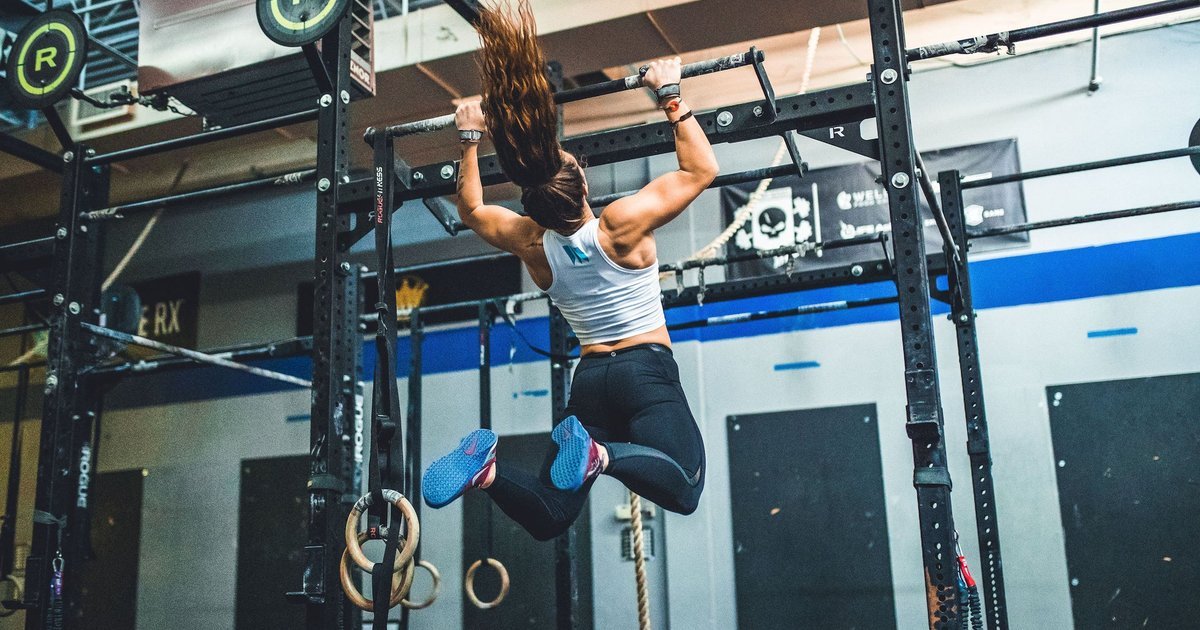
Kipping uses coordinated movement through arch and hollow positions alongside the pulling action. That makes timing and control part of the skill. It should not be treated as an easier replacement for missing strict strength simply because momentum can help move the body upward.
A dynamic repetition also has a return phase. Getting the chin above the bar is only part of the task; the athlete must manage the descent and transition into whatever comes next. A photograph of the top position cannot show whether the approach, lowering phase or subsequent swing was controlled. Video and direct coaching are more useful for those questions.
For a timed workout, efficient movement may be part of the intended challenge. For a strict strength test, removing deliberate momentum is part of the intended constraint. Calling one universally superior overlooks that difference. Calling them equivalent overlooks it too.
What should stay separate is the evidence. Completing more kipping repetitions does not, by itself, tell you how many strict repetitions you can perform. A strict personal best does not establish that you have learned the rhythm of repeated kipping. Track the skill you actually practised.
Nor is a kip something to introduce automatically when fatigue arrives. If a set begins strict and turns into uncontrolled swinging, stop and reassess the load, assistance or repetition target. A deliberate skill change should come from the plan, not from an attempt to rescue a number at any cost.
Assistance should make the intended movement trainable
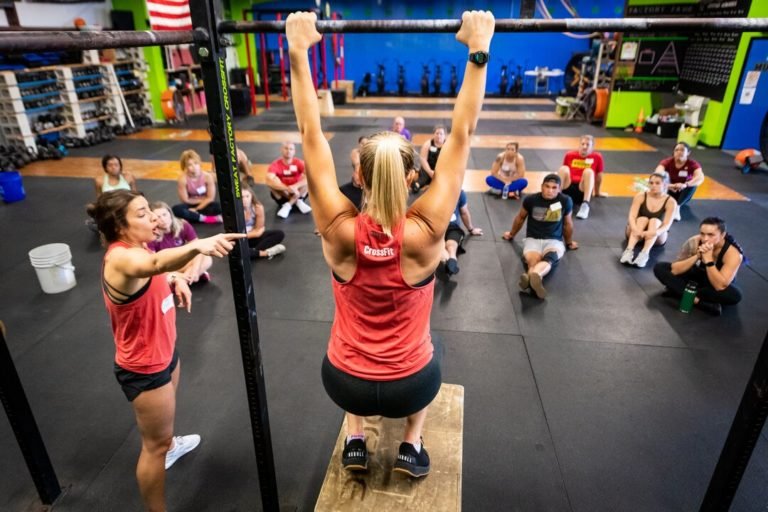
Foot assistance can let you practise vertical pulling while controlling how much weight you support. A stable box under an appropriately positioned bar provides a practical option under supervision. Keep the setup consistent enough that the amount of leg help does not change wildly from repetition to repetition.
The challenge is that assistance is easy to underestimate. You may feel that your arms did more work when your legs actually provided a stronger push. Record the setup, foot position and type of support. A short video from the same angle can help identify changes that a repetition count misses.
Bands are another option, but they alter assistance through the range as their stretch changes. That does not make them useless. It means that changing band tension, attachment or foot position changes the exercise. Choose an arrangement you can enter and exit safely, inspect the band and anchor, and avoid treating its colour as a universal measure across manufacturers.
Lowering-only repetitions are also a distinct exercise. Use a stable way to reach the top rather than improvising a risky jump. Start with a manageable amount of work and retain control on the descent. Repeatedly dropping from the top is not the same task as practising a controlled negative.
A useful progression is a small, observable change: slightly less foot help, a more consistent starting position or a controlled additional repetition. Changing every variable together makes it difficult to identify what improved. None of these options guarantees a first pull-up by a particular date.
Ring rows are valuable without being identical to pull-ups
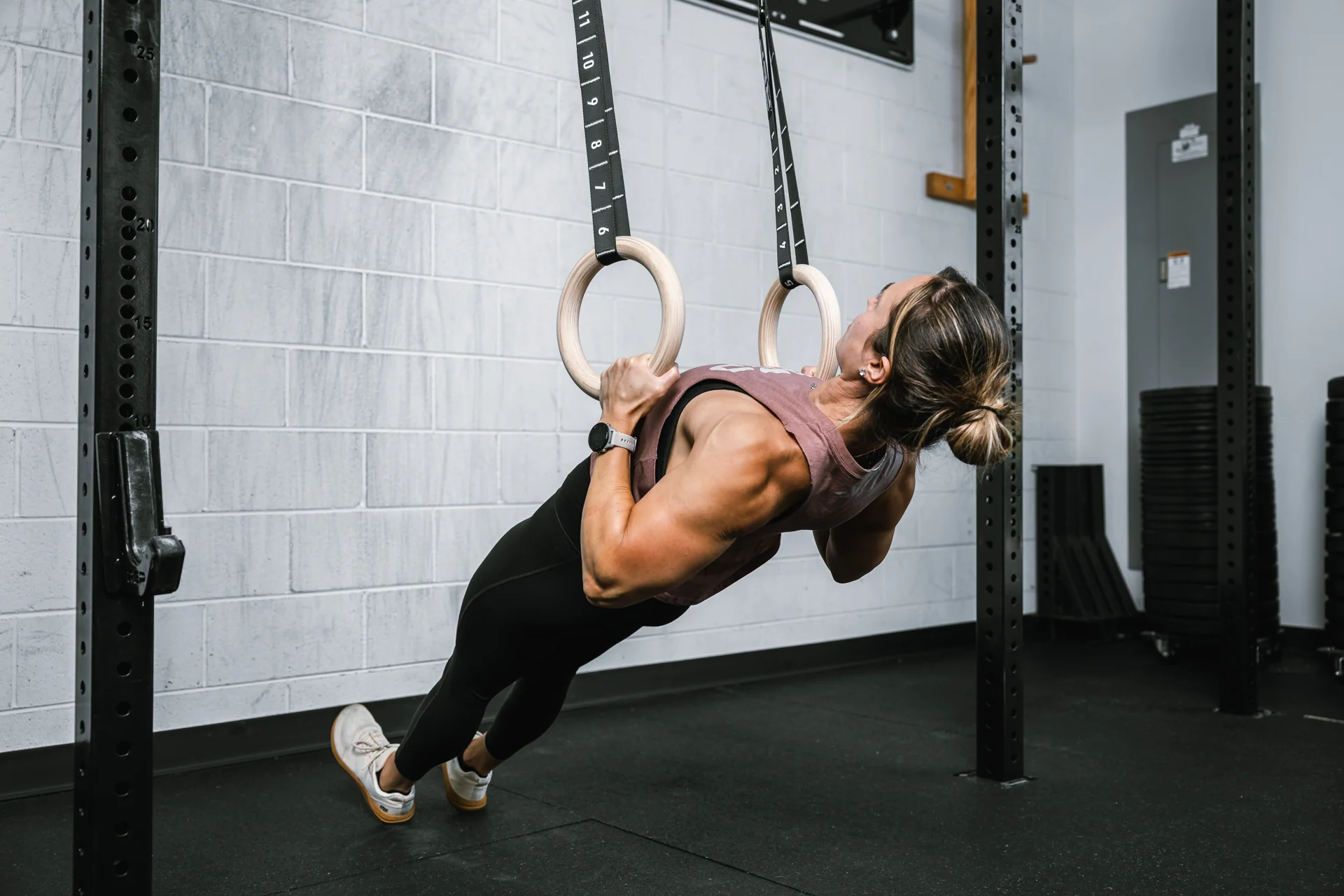
A ring row changes both body orientation and pulling direction. It offers a scalable horizontal pulling exercise, with difficulty adjusted through ring height and foot position. Keep the body organised as you pull the chest toward the rings and lower under control. Walking farther forward generally makes the movement more demanding.
That makes rows useful in a broader strength programme. It does not make a row score a direct measure of vertical pulling ability. You can improve substantially at one exercise while still needing specific practice at another. The same principle applies when comparing a machine pulldown with a pull-up: related muscular work does not erase differences in the task.
If your goal is a strict pull-up, assess your assisted vertical pulling as well as your rows. If your goal is general back training, rows can remain worthwhile regardless of whether you plan to kip. You do not need to dismiss an exercise merely because it is not a perfect substitute for another one.
Equipment should support the selected task. A stable pull-up station or suitable rack supplies the anchor; rings and compatible handles offer different grip and rowing options. Belts, vests and dumbbells belong to later, deliberately loaded strict work when appropriate. They are not a requirement for learning a kip. Grips and straps also serve different purposes, so do not assume an accessory suitable for a controlled lift is appropriate for a dynamic release or swing.

Equipment Worth Exploring
Explore equipment, accessories and gear from our carefully selected range.

Power Tower
Freestanding pull-up and dip station with adjustable handles for bodyweight training.


Angles 90 Grips
Flexible grip attachments that allow natural wrist movement during pulling exercises.

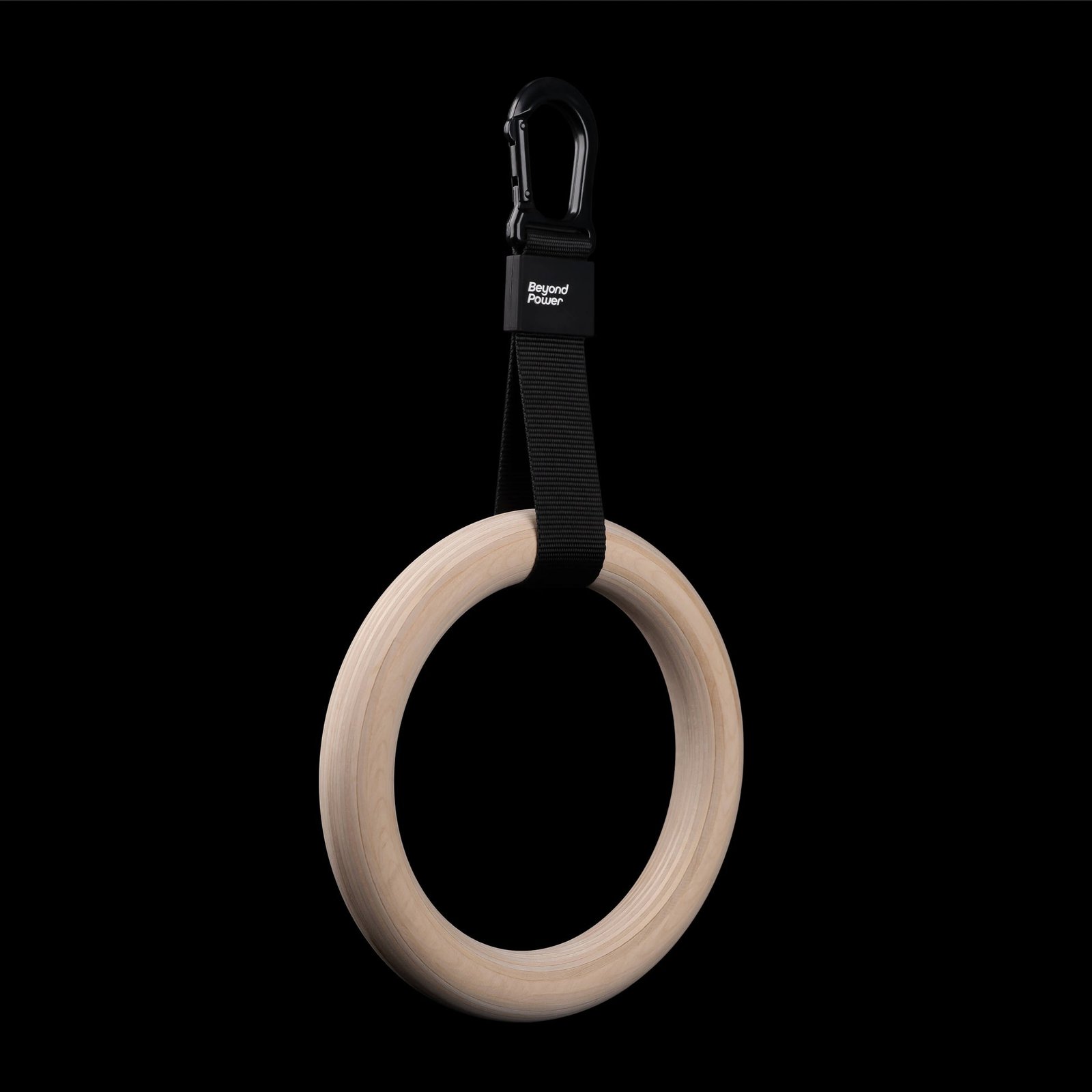
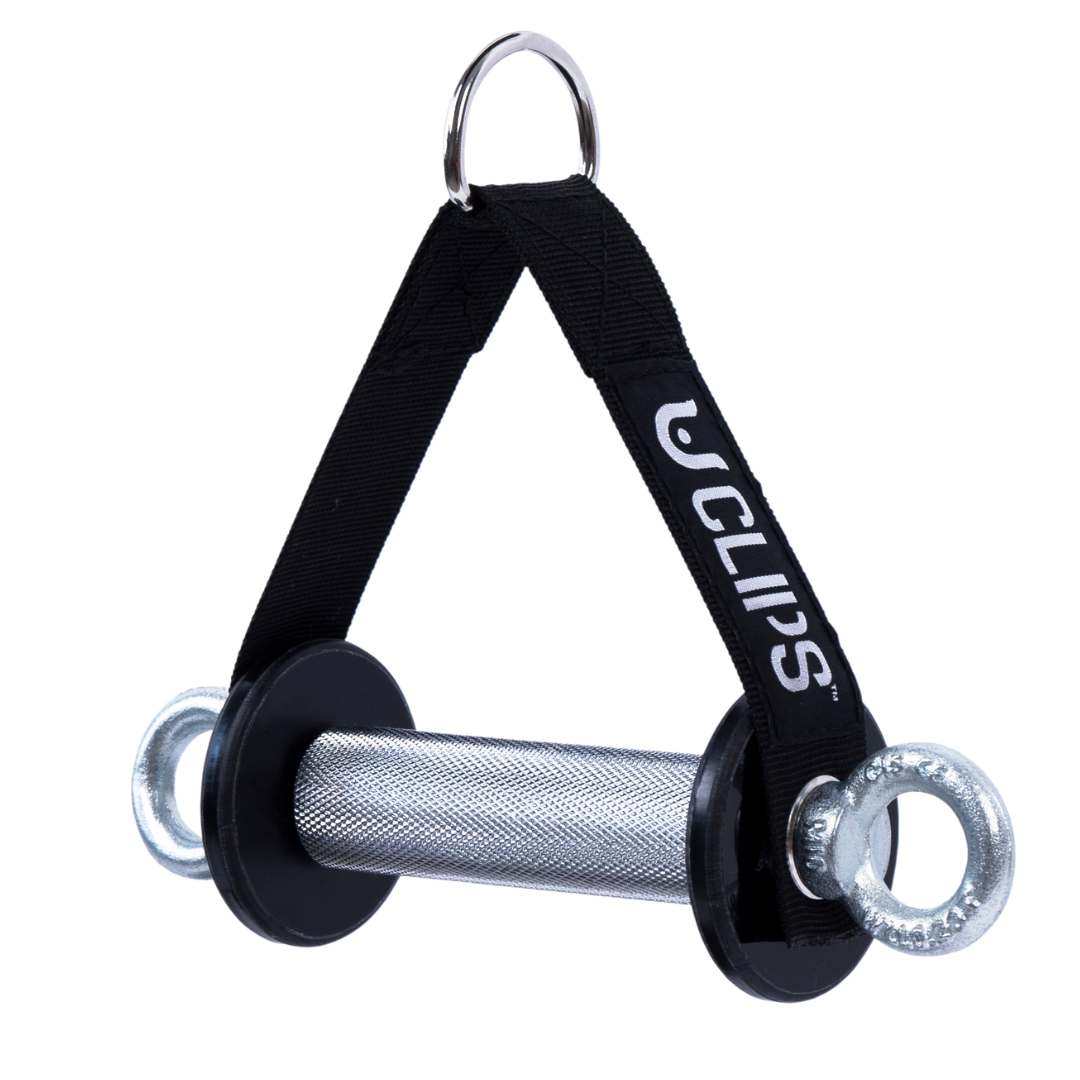

Leather Wrist Grips
Padded leather lifting grips help support the hands and wrists on heavy pulling exercises.
Keep practice, workout scores and personal bests distinct
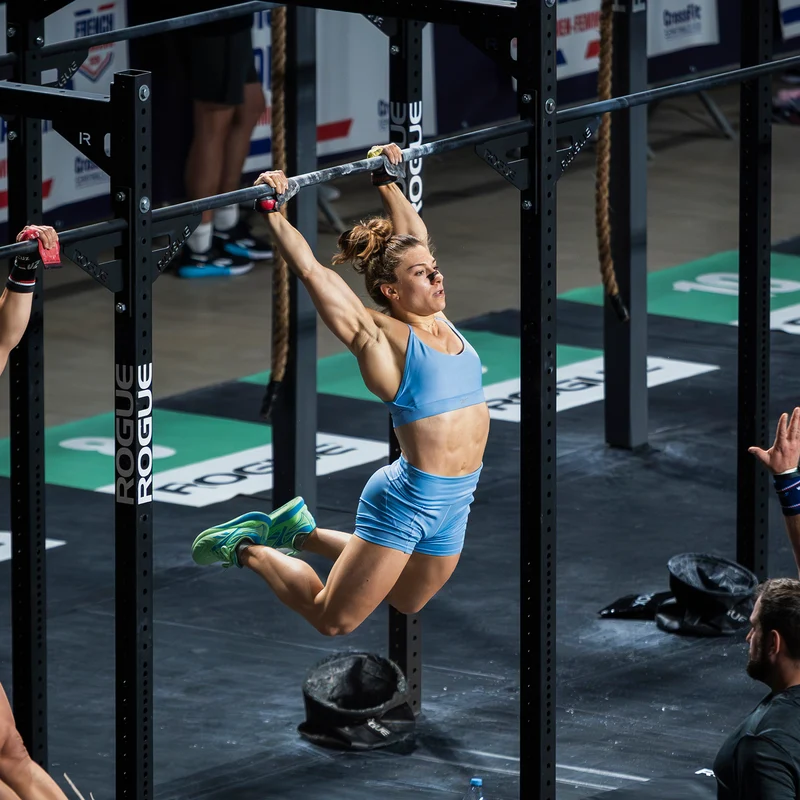
A useful log has separate labels for strict, assisted and kipping work. Add the grip, range of motion, assistance, repetitions and rest where they matter. During a competition, use its published standard and the judge’s decisions. During practice, use a clear training standard that makes the next session comparable.
As an editorial example, a lifter could reserve one entry for controlled strict sets and another for coached kipping drills. The entries answer different questions. The first tracks pulling performance under a constraint; the second records practice of a dynamic skill. This is a logging approach, not a universal weekly programme.
Do not let a timed score conceal a worsening movement. If the return becomes uncontrolled, grip becomes uncertain or a shoulder hurts, stop the attempt and adjust the exercise. Coaching can help distinguish a technical problem from a task that is currently too demanding. Pain is not evidence that the drill is working.
The same clarity should apply to online comparisons. A clip with ten dynamic repetitions and a clip with five strict repetitions do not settle who has the stronger back. They show different performances under different constraints. A fair comparison needs an agreed movement, range, load and counting rule.
Pull-up slogans and calisthenics designs can celebrate the effort without deciding the standard. Keep the enthusiasm, then return to the practical question: what are you trying to improve, and did today’s repetitions actually train it?

Calisthenics Shirts & Street Workout Gear
Calisthenics and bodyweight-training gear for pull-ups, dips, handstands and street-workout athletes.

Pull Up or Shut Up Crewneck Pullover Sweater for Calist T-Shirt
For laid-back days and bodybuilding humor: “Pull Up or Shut Up”.

Pull Up Or Shut Up Hoodie
Bring “Pull Up Or Shut Up” gym humor to lazy days and post-workout plans.

Always Pull Yourself Up Tank
Show some personality between sets with “Always Pull Yourself Up”.

Calisthenics Pullups Heartbeat Hoodie
Bring “Calisthenics Pullups Heartbeat” gym humor to lazy days and post-workout plans.

Be Stronger Than Your Excuses – Motivational T-Shirt
Rep “Be Stronger Than Your Excuses” humor in and out of the gym.

Calisthenics – Meme & Lovers – Top & Gains T-Shirt
Heavy lifts, good laughs, and a little “Calisthenics” energy.

Calisthenics Evolution
Show some lifting attitude with a playful “Calisthenics Evolution” tee.


Shirt Calisthenics Lovers Hilarious Gains & Meme T-Shirt
Rep “for Calisthenics Lovers” humor in and out of the gym.

Calisthenics Lovers & – Gains & Meme Vibes T-Shirt
Heavy lifts, good laughs, and a little “for Calisthenics Lovers & Lifters” energy.
Strict pulling, assisted practice and kipping can each have a place. Give each its own purpose and its own record. The debate becomes much less confusing when the goal is stated before the first repetition.