Advertising disclosure: This page includes affiliate product links that may earn us a commission, as well as products from our own store.
Floor dumbbell skull crushers give the triceps a clear task: straighten the elbows while the upper arms stay comparatively steady. The floor supplies support, but it does not choose the right weight, move the dumbbells safely or guarantee comfortable elbows. Treat this as a controlled accessory exercise rather than a test of how much weight you can hold above your face. A useful repetition starts with a manageable setup and ends with the same arm position you intended to train.
Set up the floor position before lifting
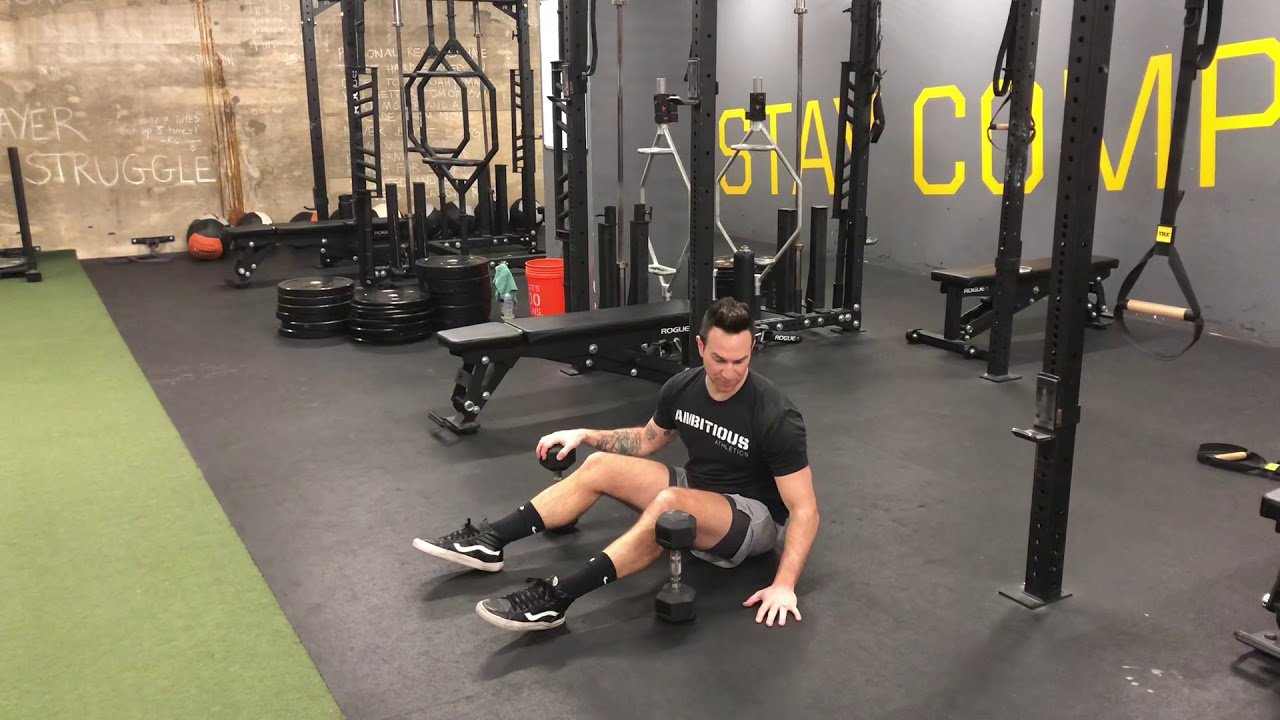
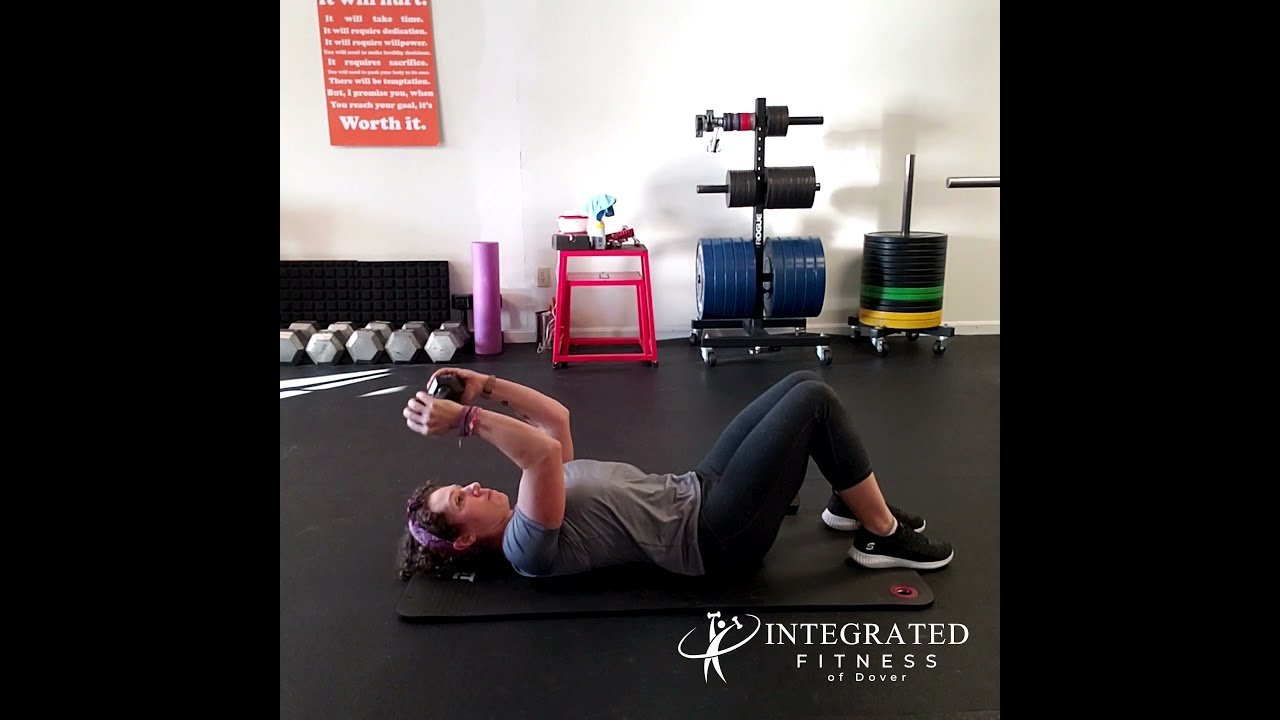
Lie face up with a dumbbell in each hand, palms facing one another. Bring the weights above the shoulders and bend the elbows to lower them beside the head, then straighten the elbows to return. This is a triceps exercise built around elbow movement. It is different from simply pressing the weights away from your chest.
Clear a space wider than your elbows and long enough for your head and feet. Use a stable, nonslip surface; a thin mat can improve comfort without making you wobble. Keep other dumbbells, bottles and loose plates outside the area where your hands will travel. The route into and out of the exercise deserves as much attention as the repetitions themselves.
Start lighter than your pressing weights. Sit down with the bells held securely, then move into the lying position without throwing them backward. If you cannot bring a pair into position calmly, choose a lighter pair or practise with a single light dumbbell first. Adjustable models need their locking mechanism checked before any weight is held above the body.
A useful first-set rehearsal is to establish your starting position, perform a few easy bends and extensions, then return the bells to the floor deliberately. Notice whether your neck is straining or your lower back is repeatedly lifting. Change the setup before adding repetitions. There is no benefit to beginning a set that already feels rushed or unstable.
Keep the elbow bend distinct from a press
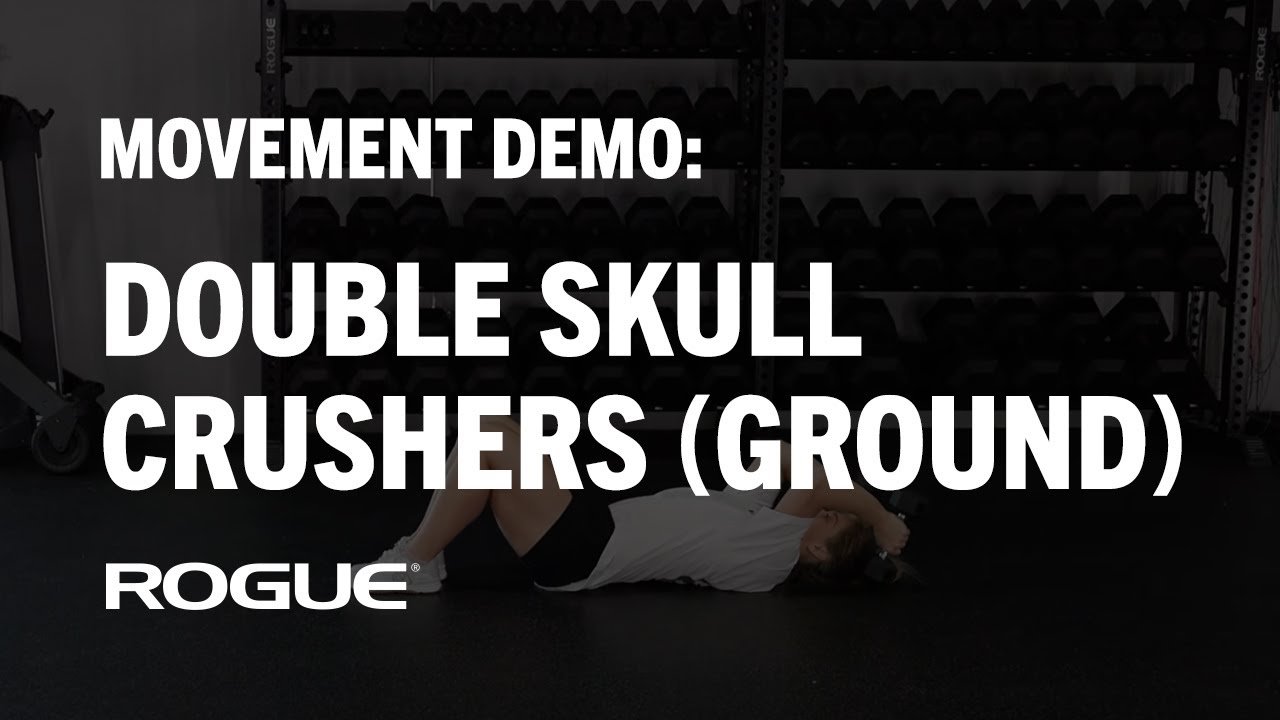
Think of the upper arm as a relatively steady support and the forearm as the moving lever. The weights travel toward either side of your head as the elbows bend. Reverse the movement smoothly. Do not aim the dumbbells at your forehead, bang the ends together or force a joint position to imitate somebody else's photograph.
A side-view recording can answer a simple question: do the elbows stay approximately over the same area, or do the whole arms travel backward and forward? Some natural movement is normal, but a large repeated swing changes the exercise. If the hands fall toward the chest while the elbows spread and descend, you may be performing something closer to a dumbbell press.
Use a comfortable neutral grip and keep the handles secure rather than allowing the wrists to fold under the load. The two sides do not have to trace mechanically identical paths, but each needs enough clearance from the face and floor. If one arm requires a much shorter comfortable movement, investigate that difference instead of forcing the other side's range.
The extension should finish under control. Straightening the elbow is the task; snapping it into a hard stop is unnecessary. A lighter weight that lets you choose the endpoint gives you a clearer training standard than a heavier one that dictates it. End the set when you can no longer maintain that standard, even if the planned repetition number is higher.
Choose a repeatable bottom position and return
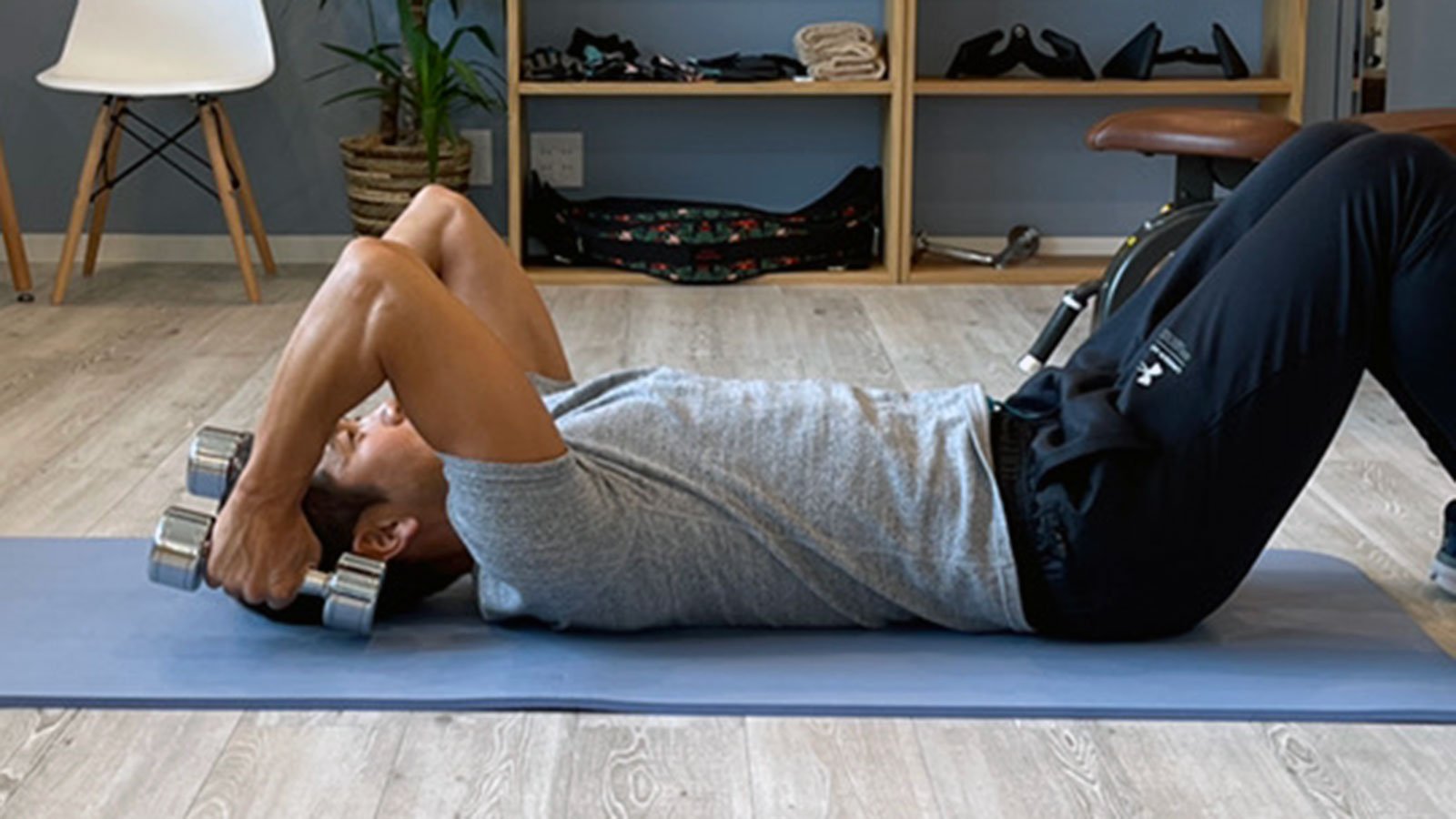
The floor can constrain how far a dumbbell or upper arm travels, depending on your proportions and chosen position. It is not a universal depth marker for everyone. You do not need to touch the floor on every repetition, and you should not bounce a weight or elbow off it to begin the next lift.
Choose a descent you can control without a sudden drop, an uncomfortable joint sensation or a major shoulder swing. Keep the head, spine and lower body settled. A single-arm version allows the free hand to help steady the working upper arm, provided that support does not turn into lifting the weight for it. Smooth motion matters more than copying an arbitrary angle.
As a practical rehearsal, use a light pair and ask whether you could pause briefly at the lower end without losing control. This is a technique check, not a requirement to add long pauses to every workout. If the answer is no, reduce the load or shorten the movement to a comfortable range before progressing.
Keep that lower endpoint reasonably consistent across the set. For example, ten repetitions that gradually become shallow are different from ten repetitions through the movement you established at the beginning. Record the version you actually performed. If you deliberately change the range later, log the change rather than treating the next heavier set as an automatic strength record.
Compare the floor, bench and single-dumbbell versions
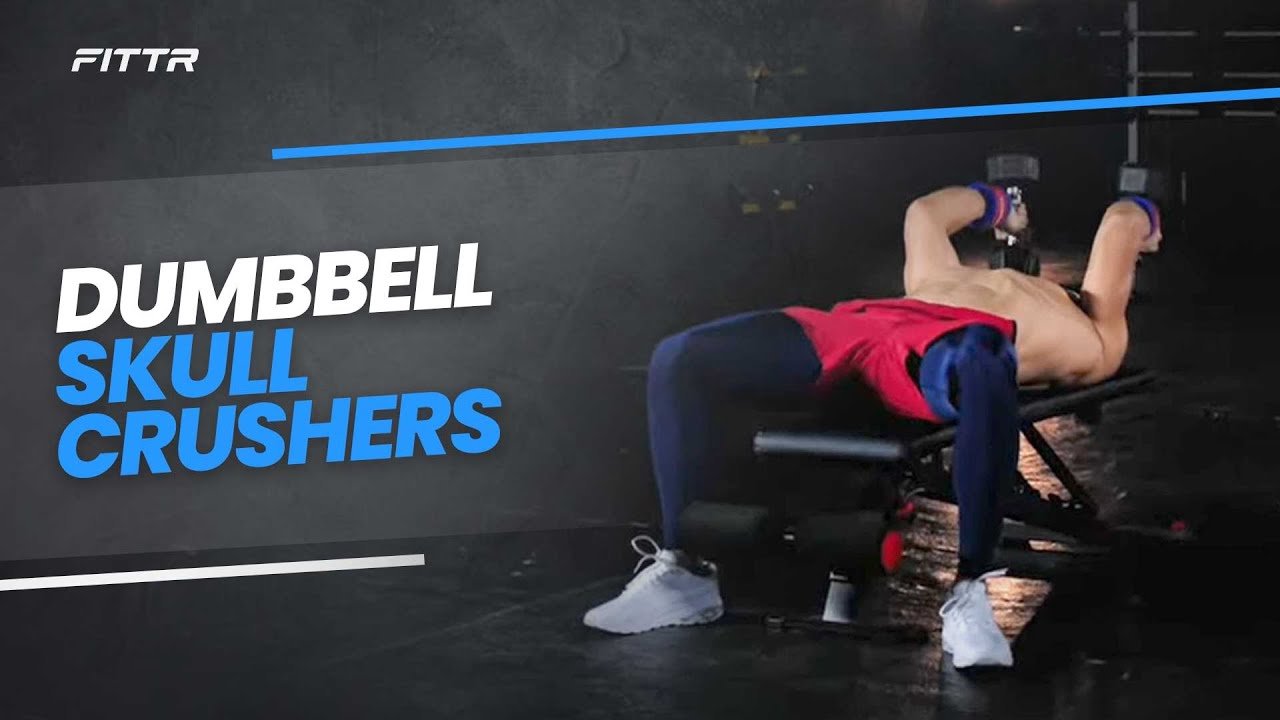
A bench changes the available space around the head and shoulders. A floor setup offers a different support surface and may limit the downward path sooner. Neither surface makes the exercise automatically superior. Compare the movement you can perform comfortably, the equipment available and the transition into position. Do not transfer a bench load to the floor version without an easy rehearsal.
Two dumbbells allow each hand to find its own path. Holding one dumbbell with both hands is a distinct version with a different grip and clearance requirement. Make sure the chosen grip is secure and the implement is suitable; do not rely on a loose plate, an insecure end cap or a slippery contact point. A demonstration of the single-dumbbell variation is not a reason to improvise a questionable hold.
Alternating repetitions are another option. Decide whether the resting arm remains extended or comes down between turns, then keep the pattern consistent. Count repetitions per arm so that a set of twelve does not ambiguously mean six on each side one week and twelve each the next. Alternating work can help you observe each side, but does not automatically correct an imbalance.
Equipment alternatives should serve a clear purpose. Suitable fixed or adjustable dumbbells cover the floor exercise. An EZ-bar extension changes hand coupling, while cable ropes or separate straps offer other triceps-extension arrangements and different resistance directions. Check compatibility and practise those versions separately. The equipment suggestions alongside this guide are optional ways to train; you do not need a bench, cable station or new accessory to make your existing dumbbells useful.

Equipment Worth Exploring
Explore equipment, accessories and gear from our carefully selected range.


Rubber Hex Dumbbells
Rubber-coated hex dumbbell pairs with a stable shape for home and commercial strength training.



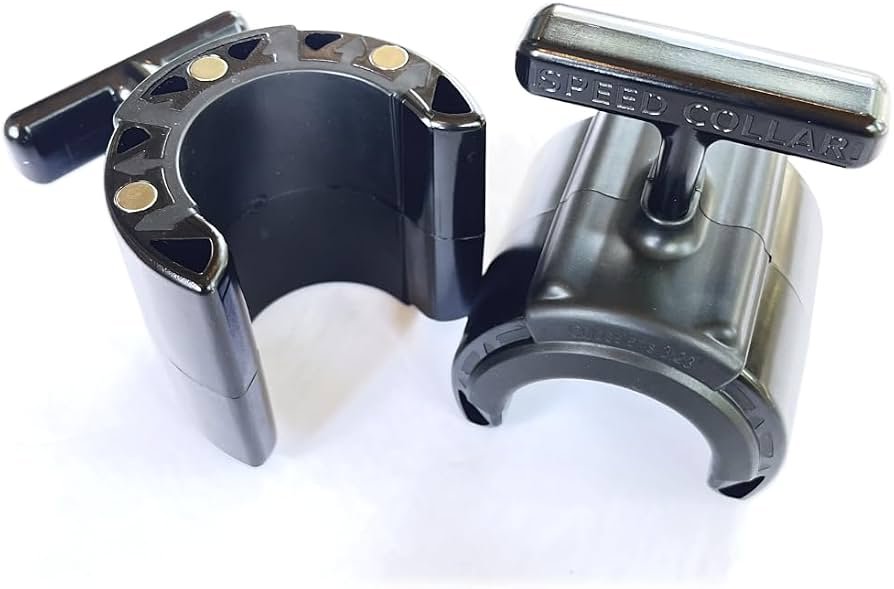
Speed Collar
Quick-release collars designed to secure weight plates on standard two-inch Olympic bars.
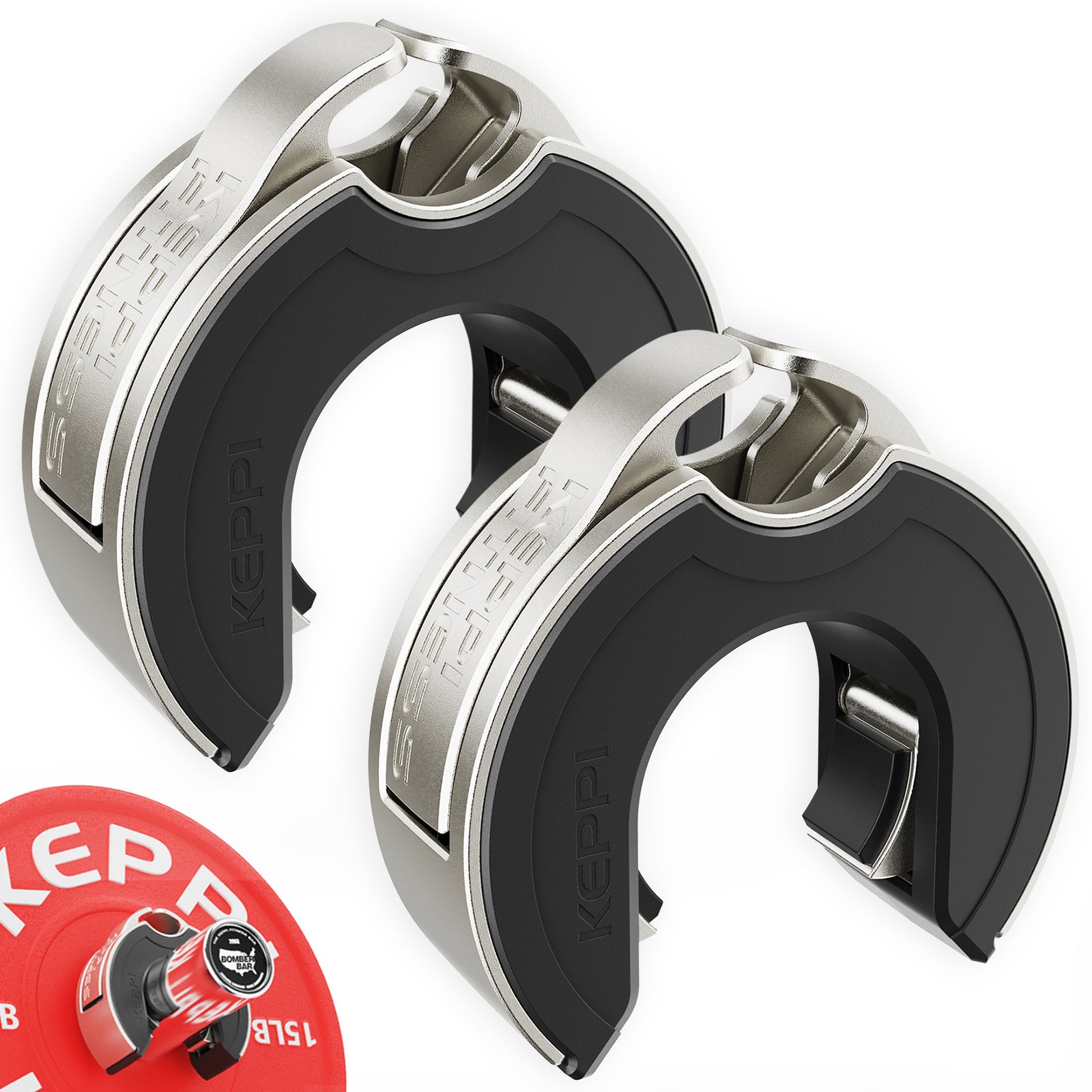
Keppi Open Collars
C-shaped magnetic Olympic barbell collars with a quick-lock mechanism and grippy lining.


EZ Curl Barbell
Olympic EZ curl bar with angled grips for curls and triceps exercises.
Progress the accessory without chasing a risky finish
A modest starting example is one or two controlled working sets of ten to fifteen repetitions after your main pressing work, leaving a few clean repetitions available. This is an illustrative entry point, not a proven optimum or an obligation to add more weekly arm work. If your programme already contains substantial pressing and extensions, substitute first rather than automatically stacking another exercise on top.
Write down the dumbbell weight per hand, the repetitions for each set, whether you used simultaneous or alternating arms, and the lower endpoint. Keep your rest period reasonably similar when comparing sessions. Also record any setup change, such as a thicker mat or different adjustable dumbbells. Those details help explain the session without turning every fluctuation into a new training theory.
Progress one thing at a time. When the current load allows the top of your chosen repetition range with the same control over several sessions, consider the smallest available increase. If the jump is too large, staying at the same load and making the repetitions consistent is a valid choice. Do not compensate by letting the arms swing or changing the exercise into a press.
Have a calm finish planned before fatigue arrives. Bring the weights to a controlled holding position and place them down without dropping them toward your head or twisting suddenly to one side. Stop for pain rather than trying to earn the last repetition through it; persistent or recurrent symptoms warrant appropriate assessment. Judge the exercise by repeatable, comfortable work over time, not by whether its dramatic name persuaded you to take an unnecessary risk.

Funny Gym Shirts & Workout Gear
Funny gym shirts, tanks, hoodies and workout gear for lifters who like training hard.


Right to Bare Arms George Washington Patriotic Crewneck T-Shirt
Show some gym-day personality with “Right to Bare Arms”.

Every Day Is Arm Day
Make gym days more fun with “Every Day is Arm Day Octopus Gym Meme” style.

One More Rep Shirt: Motivational & T-Shirt
Make gym days more fun with “One More Rep” style.


Mind Muscle Perfection Brain and Biceps Gym for Science Tank Top
Bring “Mind Muscle Perfection Brain and Biceps” humor to your next lifting session.


Swolenomics Bro Science Muscle Graph : The Ultimate T-Shirt
Heavy lifts, good laughs, and a little “Swolenomics Bro Science Muscle Graph” energy.

Get A Grip Grip Strength Vest Tank Top
Bring “Get a Grip” humor to your next lifting session.