Advertising disclosure: This page includes affiliate product links that may earn us a commission, as well as products from our own store.
A slow rounded-back curl looks like the opposite of what lifters hear during deadlift coaching. That contrast explains both the interest in the Jefferson curl and the arguments against it. The exercise can be a deliberate, very light practice of spinal movement—but it is optional, and claims that it prevents injuries are unproven. Here is how to set it up, judge the dose and decide whether it fits your training.
What a Jefferson curl trains—and what it does not
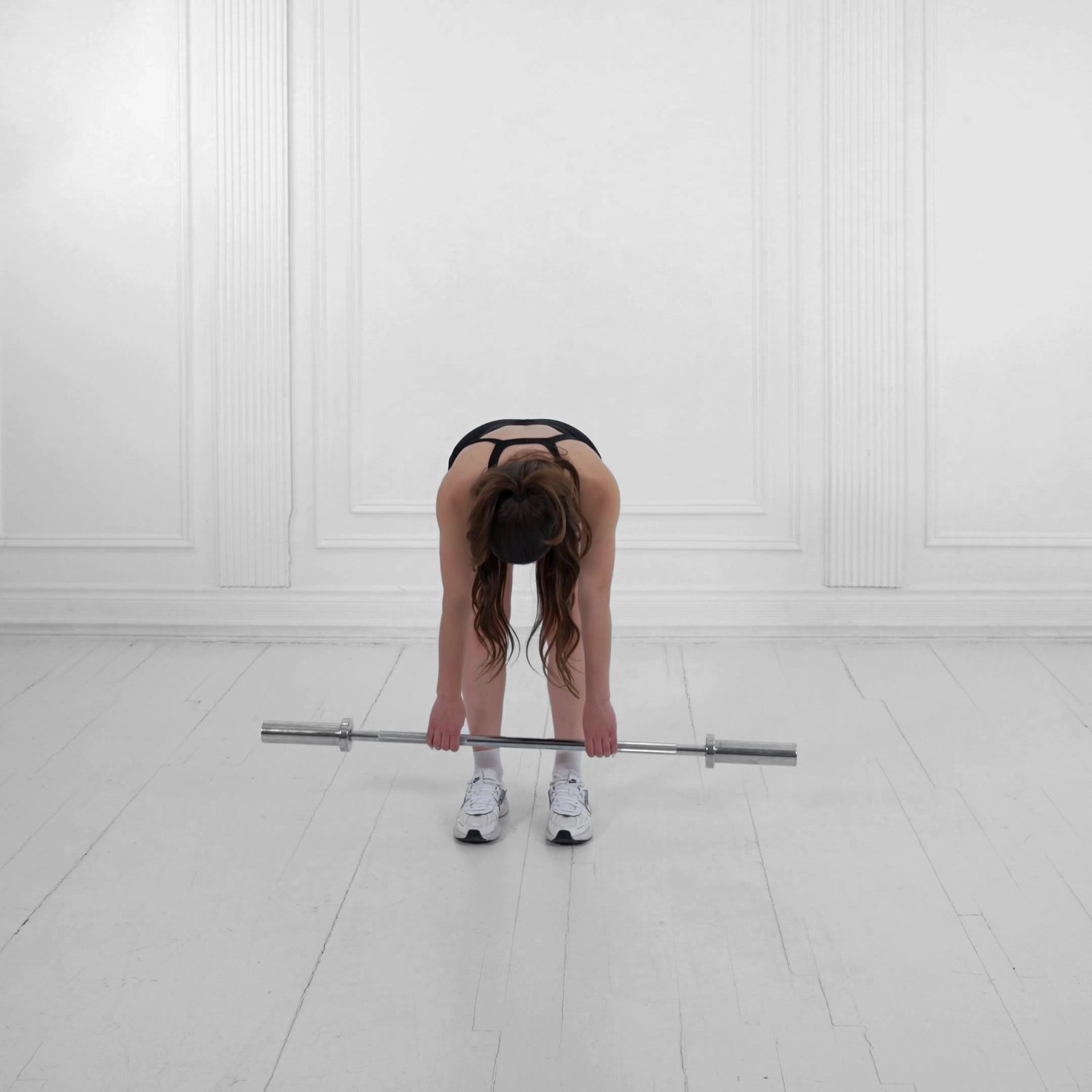
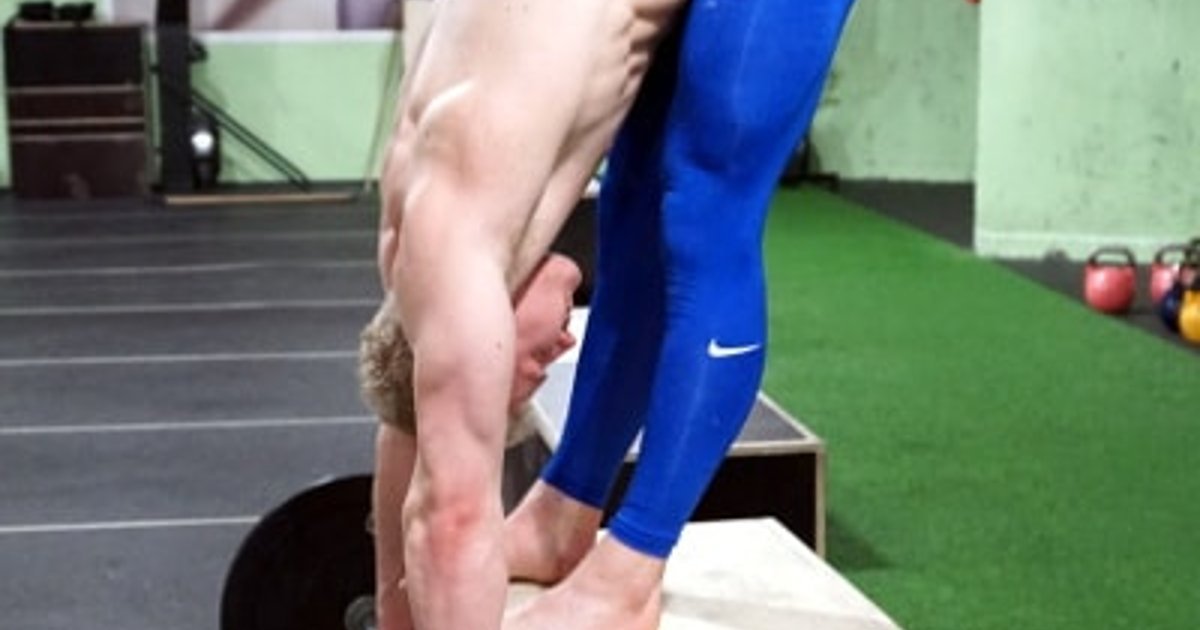
The Jefferson curl is a deliberately slow forward roll of the torso, usually with a tiny weight held in front of the legs. It differs from the familiar instruction to brace the trunk and hinge at the hips. In this drill, the back moves on purpose while the arms stay long and the weight follows the torso. The challenge is to control a position, not to move the greatest load or touch the floor.
Think of a stiff-legged, unloaded roll-down as the entry point. The spinal erectors, abdominal wall and tissues of the posterior chain participate as you lower and return, while the hamstrings influence how far the pelvis and legs will let you travel. The exact amount of motion at each spinal segment is not something you can reliably diagnose by looking in a mirror. A smooth, comfortable curve and a controlled return are more useful observations than the promise of moving one vertebra at a time.
The movement has a narrow purpose: exploring and practicing tolerable spinal flexion at a very low intensity. It is not a replacement for heavy rows, deadlifts, hip hinges or loaded carries. Those patterns have different jobs. A stronger back does not require doing a Jefferson curl, and a Jefferson curl does not automatically fix poor deadlift mechanics.
If you already feel comfortable in a standing toe touch, the curl can still feel unfamiliar. Adding even a small handheld weight shifts the effort from simply reaching a position toward controlling the descent and ascent. That is why a short, careful set can be more informative than an aggressive stretch held as long as possible. The name describes a particular exercise, not a medical treatment.
Make the platform and first repetition deliberately easy
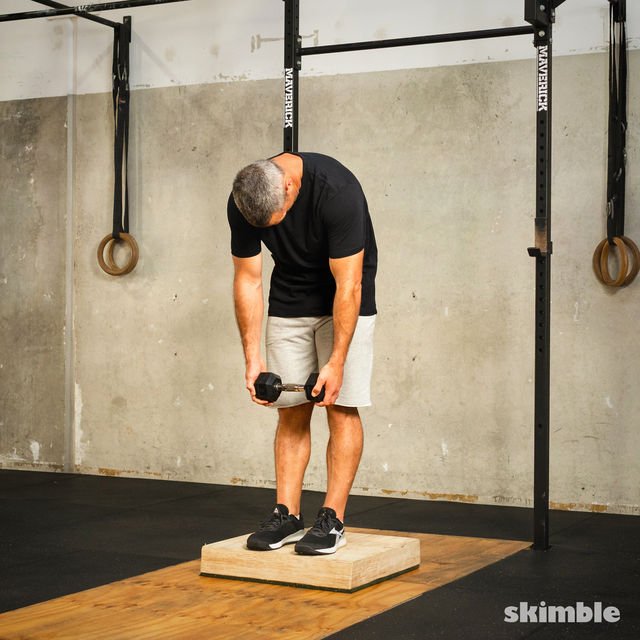
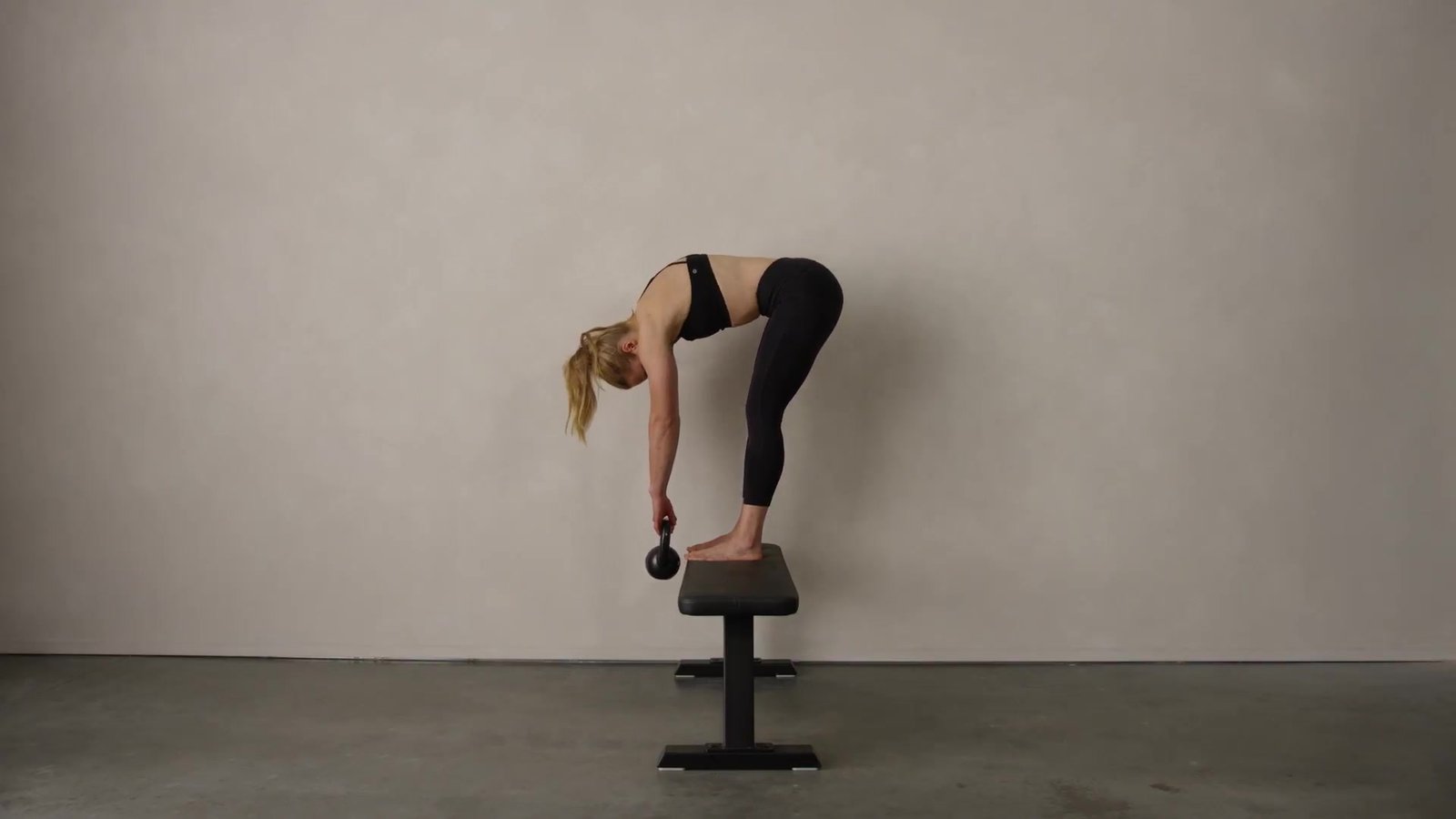
Start on level ground with no weight if you have never practiced intentional trunk flexion. Wear stable shoes or use a secure surface that does not slip. A low platform becomes useful later when your hands can pass your toes without forcing the descent. A narrow, unstable bench, tall stool or loose stack of plates is the wrong solution; the position already demands concentration.
Stand with feet approximately hip width apart and distribute pressure evenly through the feet. Let your arms hang naturally. Soften the knees if a locked-knee position feels uncomfortable; the intention is not to win a hamstring flexibility test. Begin with a gentle chin nod, allow the upper back to round, and slowly let the remainder of the trunk follow while the pelvis moves as needed. Take several seconds to descend. Stop at the first point where you can no longer move smoothly or breathe normally.
Pause briefly without bouncing. Return by unwinding the torso with comparable patience. No sudden pull from the bottom, no jerk with the shoulders and no need for a forceful hyperextension at the top. Imagine the hands are passengers: the trunk and hips determine their path rather than the arms reaching aggressively toward the floor. Two or three practice reps should look nearly identical.
If the unloaded pattern feels controlled and comfortable across several sessions, try a very light dumbbell, kettlebell or small plate. Treat it as a tactile cue rather than a training load. A few kilograms can already change the sensation; avoid assuming that strength on a Romanian deadlift translates into an appropriate Jefferson-curl weight. In a shared gym, leave enough clear floor space around the platform to step off safely if balance changes.
Three checkpoints that matter more than touching your toes
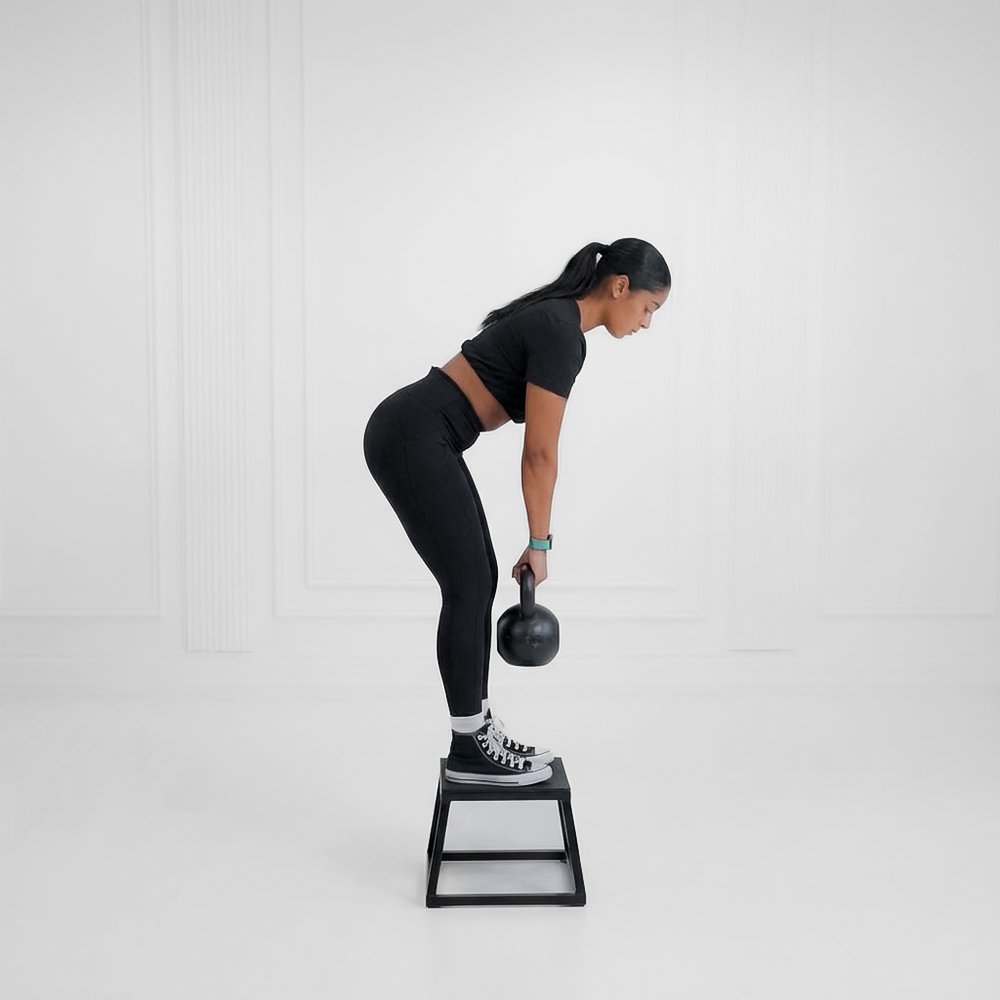
Checkpoint one: the depth is yours, not borrowed. A good end position is one you can pause in briefly and reverse without bracing the thighs or bouncing. If the hands stop at knee height, that can be the full rep for now. An extra ten centimeters reached by collapsing into discomfort is not evidence of improved control. Do not chase another person’s demonstration when your own tolerance is different.
Checkpoint two: the speed stays predictable. A practical starting tempo is roughly three to five seconds down, a calm breath at a tolerable endpoint, and three to five seconds up. Exact seconds are less important than not accelerating suddenly through the difficult portion. The hand weight should hang rather than swing. Losing balance, twisting, shrugging to yank the load or snapping upright are reasons to end or shorten the next rep.
Checkpoint three: the next day matters. Exercise discomfort and a mild stretch sensation are not interchangeable with electric pain, radiating symptoms, tingling or an abrupt sharp catch. Stop for those signs. Even if a set feels fine, an unusually irritated back later that day or the next morning is information about the dose. Reduce range, remove external load or discontinue the drill rather than prescribing yourself a heavier exposure to prove resilience.
Breathing can help reveal over-effort. You should not need a maximal brace or prolonged breath hold to lower a very light weight. Use an ordinary exhale as you settle into the position and keep the movement quiet. A video filmed from the side can help compare repetitions, but do not make perfectly uniform spinal curvature the test for success. People vary in proportions, hamstring length, comfort and natural movement strategies.

Equipment Worth Exploring
Explore equipment, accessories and gear from our carefully selected range.


Cast Iron Kettlebells
Textured cast-iron kettlebells for swings, squats, carries, and full-body training.


Rubber Hex Dumbbells
Rubber-coated hex dumbbell pairs with a stable shape for home and commercial strength training.


Why it is not an RDL or a basic hamstring stretch
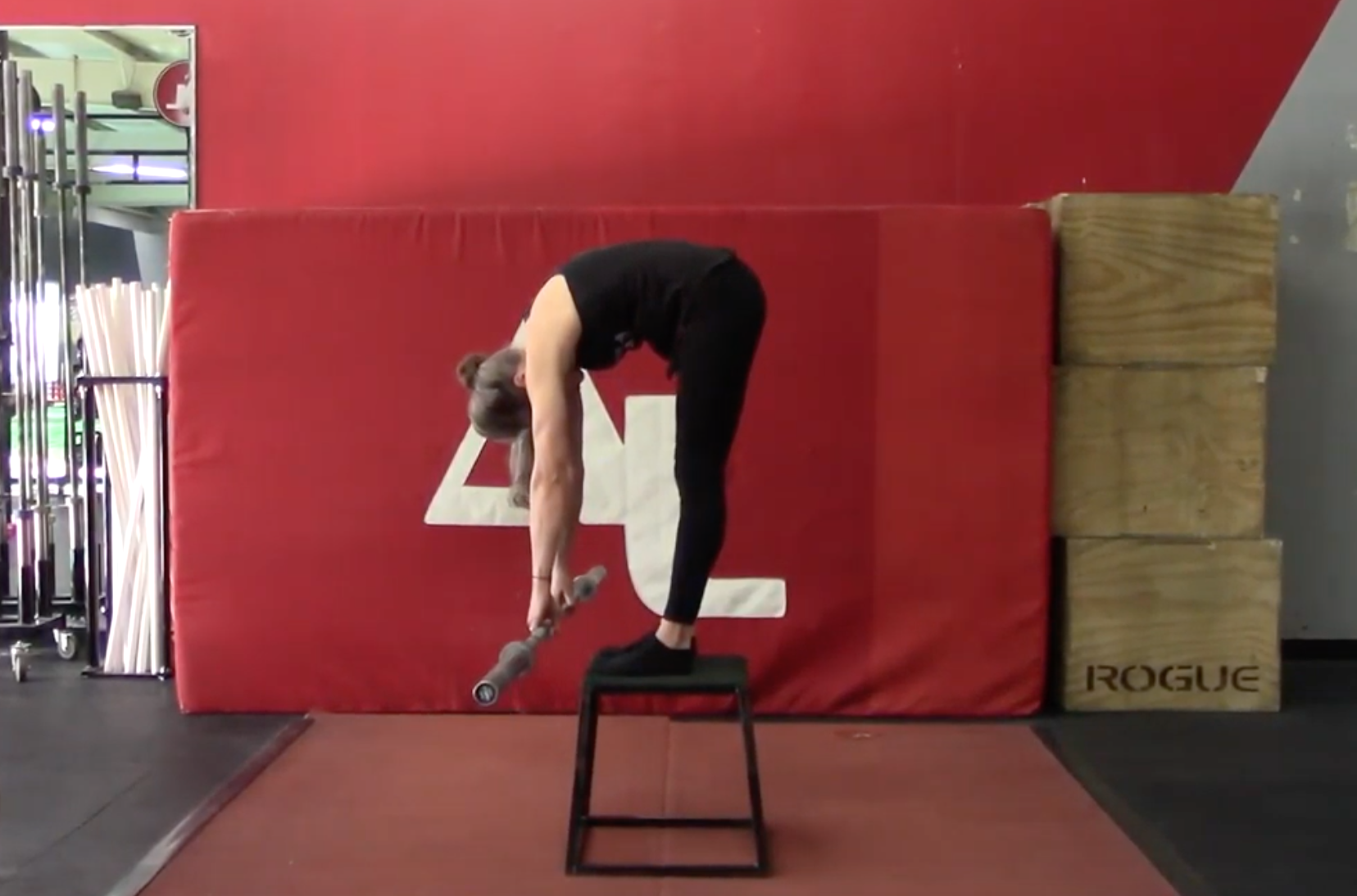
The Romanian deadlift generally prioritizes the hip hinge: you push the hips back, maintain a relatively stable trunk shape and load the hip extensors through a meaningful resistance-training range. Its working sets can be challenging and heavy. A Jefferson curl deliberately allows the back to round, uses very little weight and prioritizes movement tolerance. Using the first to replace the second would remove much of the strength stimulus that made the hinge valuable.
A standing hamstring stretch is simpler still. It may improve reach or tolerance to a lengthened position without asking the back to lift a hanging external load. For someone whose only goal is reaching farther toward the toes, uncomplicated stretching may offer more benefit for less setup and uncertainty. The Jefferson curl has a clearer rationale when controlled flexion itself is the skill you want to explore.
Back extensions, bird dogs and loaded carries address other qualities. A back extension trains the trunk and hip extensors against resistance through a more conventional pattern. A bird dog challenges control while the spine is relatively steady. Carries demand stiffness and force transfer during walking. Those are not inferior just because they do not round the spine; in fact they may be better aligned with many lifters’ performance goals.
For athletes who climb, tumble, dance or practice movements requiring active trunk rounding, a small, supervised exposure may have a more obvious sport-specific purpose. For a powerlifter trying to improve competition pulling, the simpler priorities remain progressive pulling strength, appropriate volume and technique for the competition lift. Mobility work can complement those priorities, but it should not quietly consume the recovery budget of heavy back training.
There is also an important language distinction: training a movement is not a license to force that movement under every load. You can practice a light controlled roll while continuing to use a brace-oriented trunk position for heavy squats or deadlifts. Context and intensity change the task, and coaching advice should change with them.
Who should try it—and what evidence cannot promise
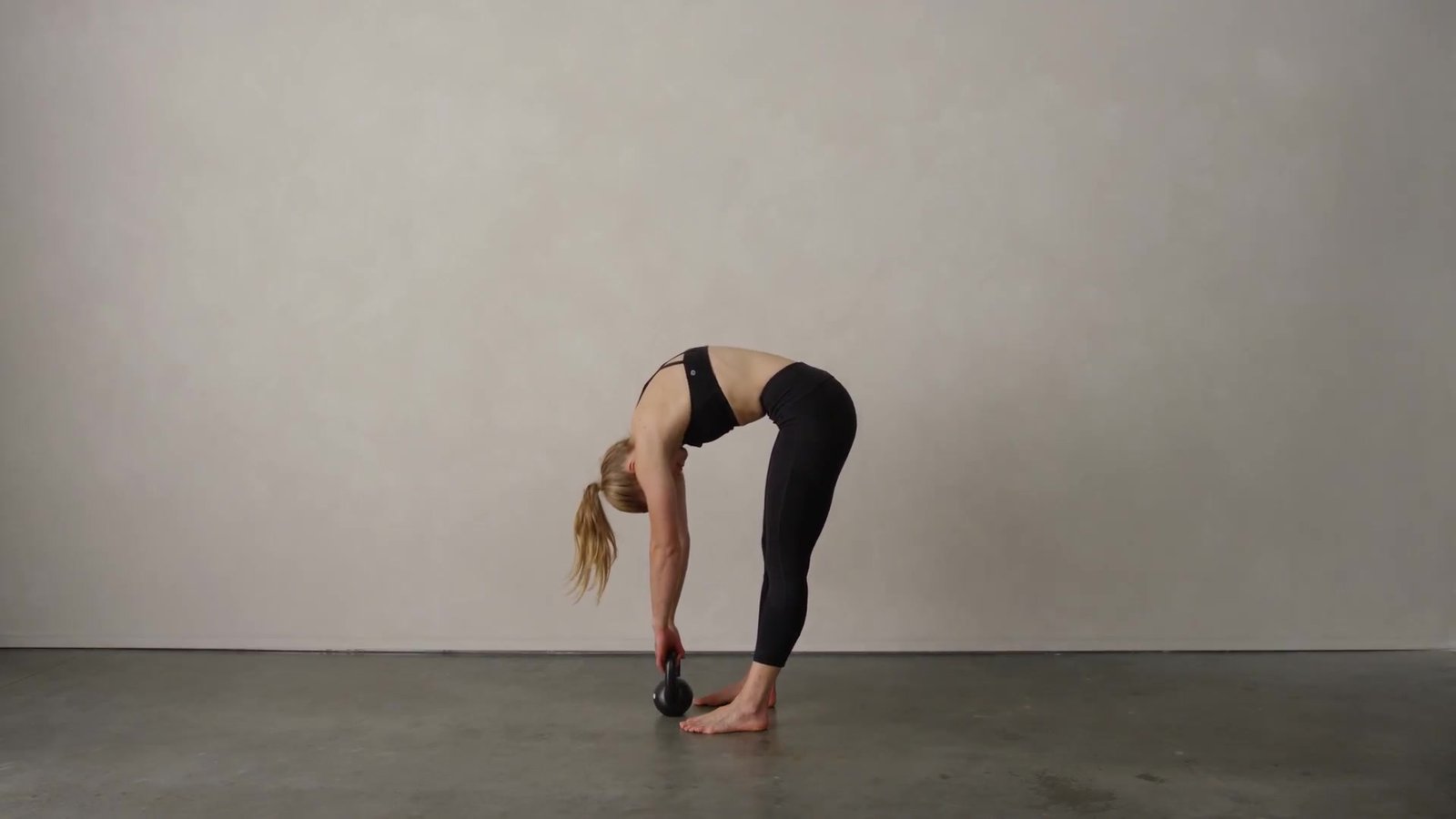
Spinal rounding has attracted strong opinions for years, but blanket statements are not helpful. Studies of lifting posture do not support an easy rule that every degree of lumbar flexion is inherently injurious. One systematic synthesis found low-quality evidence that greater lumbar flexion while lifting was not a consistent predictor of low-back pain. That corrects some fear-based messaging, but it does not prove that deliberately loaded end-range flexion is safe for everyone.
Crucially, the general flexion literature is not a controlled trial of Jefferson curls. It cannot show that this specific exercise prevents disc injuries, creates a more resilient spine, treats back pain or outperforms regular mobility training. Those claims would require direct comparisons, appropriate participant groups and meaningful long-term outcomes. Even a technique that feels better today does not establish a protective effect months from now.
Exposure also matters. Five slow repetitions with no external weight are not the same mechanical demand as a prolonged passive bend, a fatigued heavy pull or repeated high-force rounding. Tissue loading depends on the size and duration of the demand, total practice volume and individual response. That is one reason sensible advice favors small initial doses and careful progressions instead of a dramatic demonstration with heavy plates.
For someone with acute back pain, known flexion-sensitive symptoms, numbness, weakness, tingling or pain traveling down the leg, this should not be a self-directed experiment. A qualified clinician can help decide whether flexion exposure is appropriate. Even symptom-free beginners can choose easier options until they have the body awareness to notice unwanted compensation. Discomfort should not be spun into proof that the drill is working.
Finally, normal variety is not synonymous with medical treatment. A person can build an impressive back and move comfortably through life without ever trying a Jefferson curl. The strongest case for including it is narrow: you have a reason to train controlled, comfortable flexion; you can begin at a trivial dose; and the exercise provides a clear benefit relative to simpler alternatives.

Functional Fitness Shirts & Workout Gear
Functional-fitness shirts, tanks and workout gear for athletes who train strength, conditioning and everything in between.

Vive La Resistance Bands Painting Meme – Resistance Ban T-Shirt
Rep “Vive La Resistance Bands” humor in and out of the gym.

Anti Stretching Stretching Club Meme Shirt – T-Shirt
Bring “Anti Stretching Stretching Club” humor to your next gym day.


Vitruvian Kettlebell Tee
Heavy lifts, good laughs, and a little “Vitruvian Man With Kettlebells” energy.


Happy Kettlebell Emoji Smiley Kettlebell Graphic Who Lo T-Shirt
Make gym days more fun with “Happy Kettlebell Emoji” style.

Kettlebell Skull Tee
Heavy lifts, good laughs, and a little “Kettlebell Skull Gym Meme” energy.
A four-week low-load trial with clear stop rules
Use this as a conservative example for a healthy, symptom-free lifter, not a validated rehabilitation program. Place the drill after normal training or in a short standalone mobility session, when you can concentrate on technique. One or two exposures per week leave room to observe how you respond. The goal over four weeks is more repeatable control, not a bigger number on the handle.
Week one: establish a baseline. Stand on the floor and complete one or two sets of three slow bodyweight roll-downs. Record where comfortable movement ends, whether the return remains smooth and how you feel later. If three controlled repetitions are plenty, keep the dose there. If any symptoms occur, stop and choose another drill.
Week two: repeat before progressing. Keep the same unloaded range but aim for four or five tidy repetitions per set, provided there was no adverse response to week one. Let the breathing and ascent stay consistent. Resist the temptation to add depth simply because it is the next week. An identical range performed with less tension and more control is genuine progress.
Week three: change one variable. If the previous sessions were easy, either add a very small handheld weight or use a stable low platform to explore slightly more reach. Do not increase both simultaneously. Another option is to slow the descent a little rather than chase load. If technique deteriorates, restore the previous version immediately.
Week four: retest the original movement. Repeat the first week’s bodyweight version and compare ease of motion, ability to pause and consistency between repetitions. Only a meaningful, comfortable improvement supports keeping the drill in your rotation. If it adds anxiety, soreness or scheduling friction without a clear purpose, there is no need to keep it.
Two low-load sets should not leave you so tired that you cannot perform normal back training. If recovery is already squeezed by heavy hinges, squats and sport practice, subtract a mobility experiment rather than adding it on top of everything. Longer hamstring stretches, easy hip hinges or standard trunk-control drills remain completely reasonable alternatives.
The simplest lasting rule is to keep the Jefferson curl optional and measured: move smoothly, stay far from pain, earn any extra range before adding weight and let real-world training goals decide whether the exercise deserves a place in your program.
Equipment Worth Exploring
Explore equipment, accessories and gear from our carefully selected range.

45° Hyperextension HPX-650
Angled back-extension trainer with split padding, a ribbed footplate and resistance-band pegs.
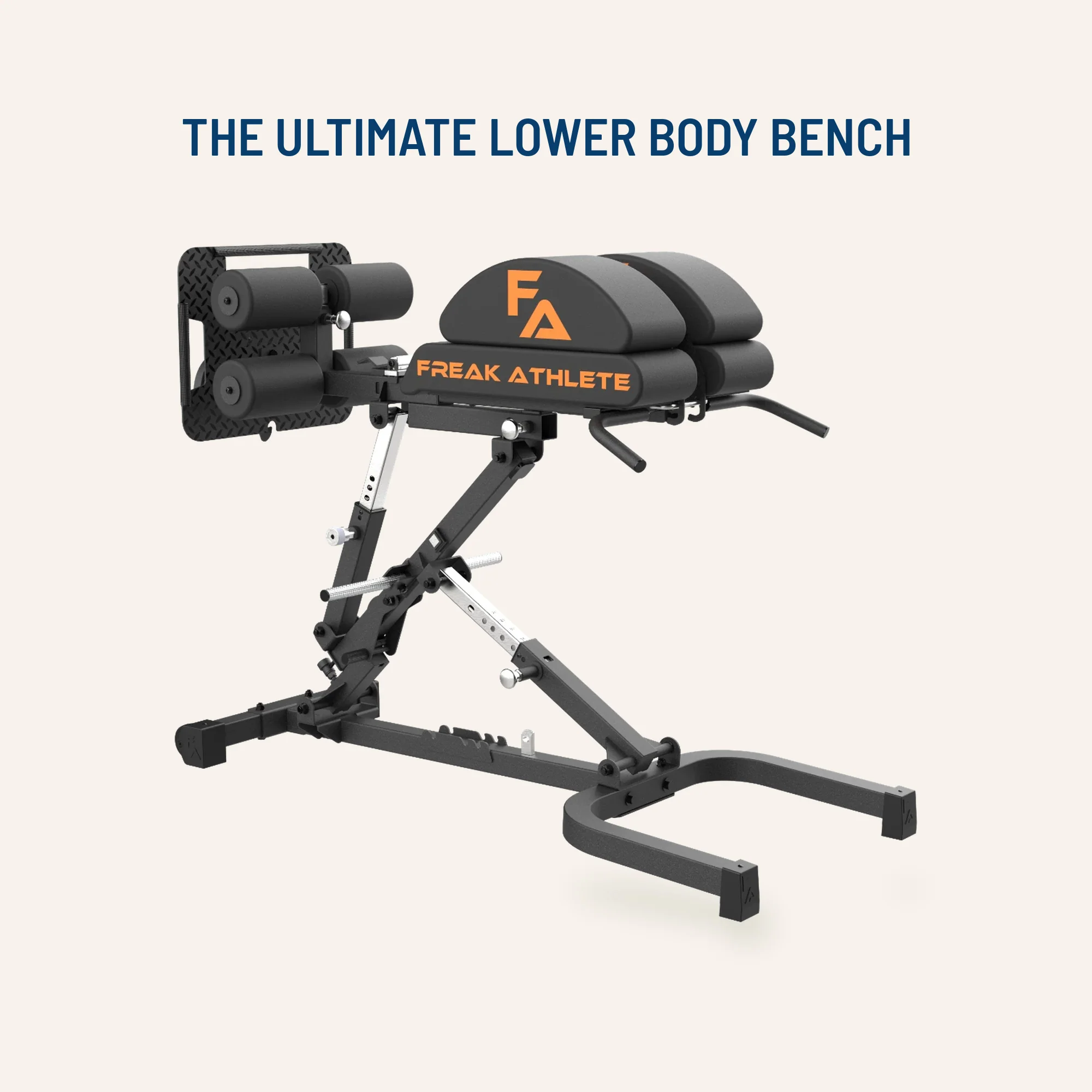

Glute Ham Developer GHD-820
Adjustable glute-ham developer with contoured pads and a fold-out knee support.



Power Tower
Freestanding pull-up and dip station with adjustable handles for bodyweight training.

Competition Plates
Competition-style bumper plates for Olympic lifts and loaded strength training.


Foldable Wall Rack
Wall-mounted folding squat rack designed to save floor space between workouts.
Funny Gym Shirts & Workout Gear
Funny gym shirts, tanks, hoodies and workout gear for lifters who like training hard.

Resilience Stoic Tee
Make gym days more fun with “Resilience Redefined: Stoic Sigma Greek God” style.

Diligence Greek God Tee
Heavy lifts, good laughs, and a little “Diligence Greek God Marble Sculpture” energy.

Unbreakable Gains Back Tee
Make gym days more fun with “Unbreakable Gains: Strong Back Greek God” style.


No Days Off for Daily Workouts, Lifting, and Fitness Di Hoodie
Keep it laid-back with a little “No Days Off” attitude.

Hardcore Gains Gym | Funny No Pain No Gain Workout Swea T-Shirt
For laid-back days and lifting humor: “Hardcore Gains”.


Discipline Stoic Tee
Show some lifting attitude with a playful “Discipline Stoic Sigma Bodybuilder” tee.