Advertising disclosure: This page includes affiliate product links that may earn us a commission, as well as products from our own store.
The tall snatch asks you to get under a bar without first building the usual upward drive from a dip. That makes it useful for a very specific kind of practice—and easy to turn into a different exercise when the load gets ambitious. Keep the task clear: this is a turnover drill, not a test of how much weight you can launch from the thighs. The most useful record starts with the movement you intended to practice, rather than the number on the bar.
Define the drill before judging the repetition
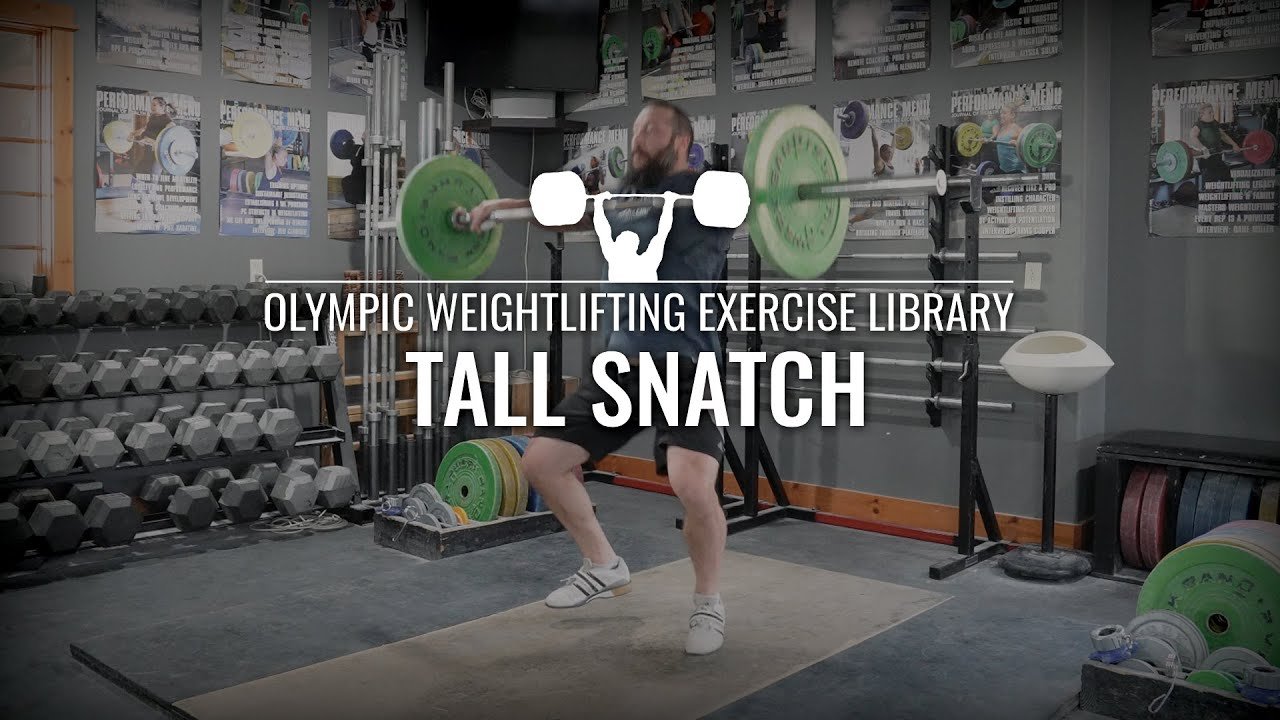
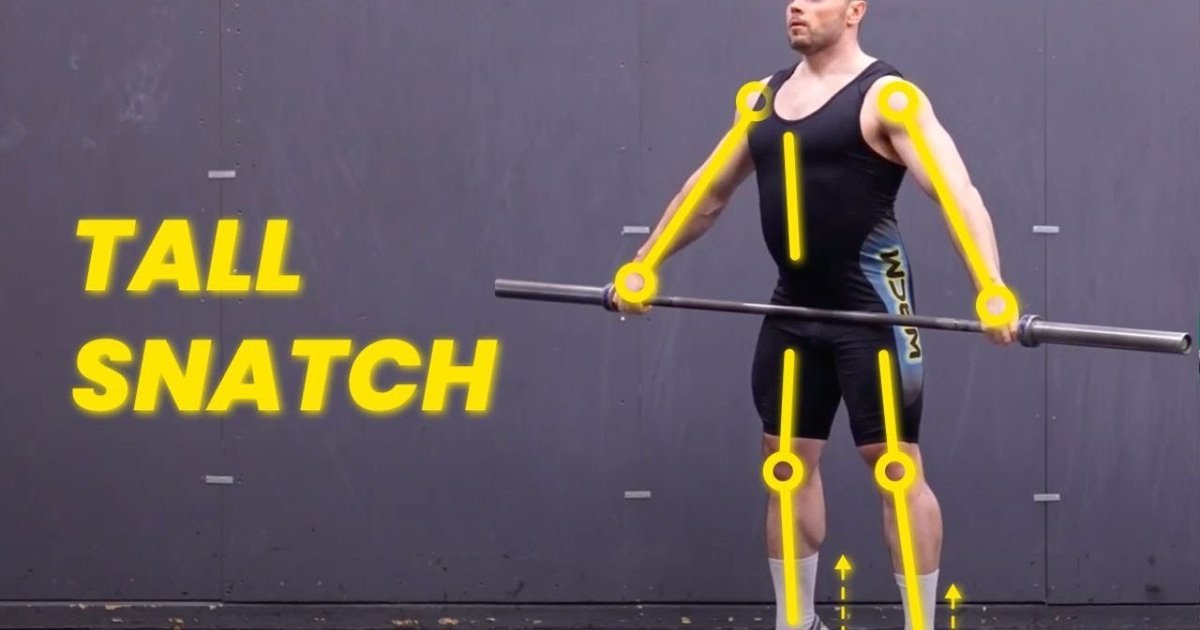
Start upright with the bar at arms' length in a snatch grip. The defining task is to move yourself under the bar into the receiving squat, rather than begin with a dip and leg drive to send it upward. Keep the bar close through the turnover and establish a stable overhead position before standing. Those features distinguish the intended drill from a high-hang snatch.
The name tall describes the starting position, not the athlete's height. A tall person doing a conventional snatch is not doing a tall snatch. Likewise, starting with the bar near the hips does not settle the question: watch what happens immediately before the turnover. A preparatory bend can change the task even if the first and last positions look familiar.
Make that distinction explicit when training with someone else. Ask for one observation about the start, rather than a vague verdict that the repetition looked powerful. A partner can watch whether the athlete begins upright and stays within the agreed task. That gives the next attempt a useful purpose.
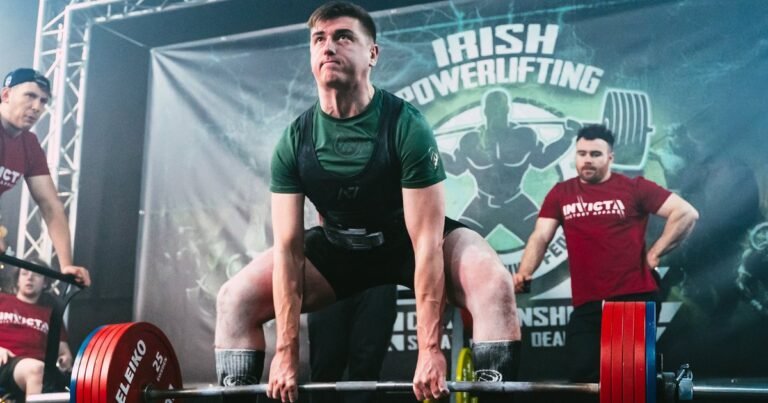
A still photograph can illustrate a position, but it cannot prove that a repetition met this standard. It leaves out the preceding motion and the timing between the feet, arms and bar. Review a complete repetition when you want to decide whether an added dip appeared. Use the images here as context, not as certificates of correct execution.
Choose terminology that keeps your log intelligible. If a session intentionally includes both tall and high-hang snatches, list them separately. There is no need to label one variation a failed version of the other when each has a deliberate role. The problem arises when the task changes without being noticed.
Keep the starting condition consistent
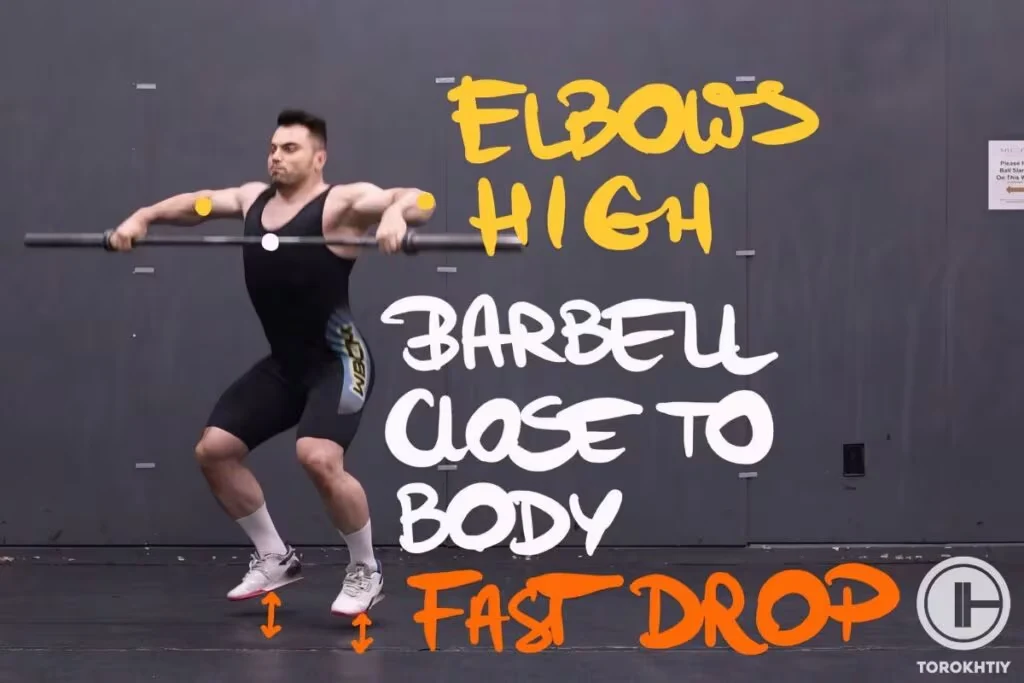
Flat-footed and raised-heel starting variants exist. Decide which version you are practicing before the set. Switching between them introduces another variable into a drill that already asks for precise coordination. A consistent start makes it easier to discuss what changed, even when the bar is very light.
Set the bar and your stance deliberately, then avoid a long series of last-second adjustments. If you keep changing grip, foot position and posture between attempts, your partner has several possible explanations for the different result. Repeat a clear starting condition before deciding that one cue solved the problem.
Think of a practice note such as flat-footed start, light training bar, turnover focus. That is more descriptive than snatch warm-up. It tells you what to reproduce the next time you use the drill. Record a different starting variant as a different condition rather than silently merging the results.
Be cautious with the urge to make the bar rise farther. A high pull from the power position deliberately uses leg drive; a muscle-snatch drill follows another receiving action. Those movements can belong in a teaching progression, but their successful completion does not establish that a tall-snatch attempt preserved its own starting constraint.
A useful coaching conversation therefore names both the observation and its context: the bar traveled away during this version, or a dip appeared before that attempt. Describing the event is more actionable than declaring that the athlete needs to be more explosive. Broad cues become useful only when you know which part of the movement they address.
Treat the receiving position as part of the task
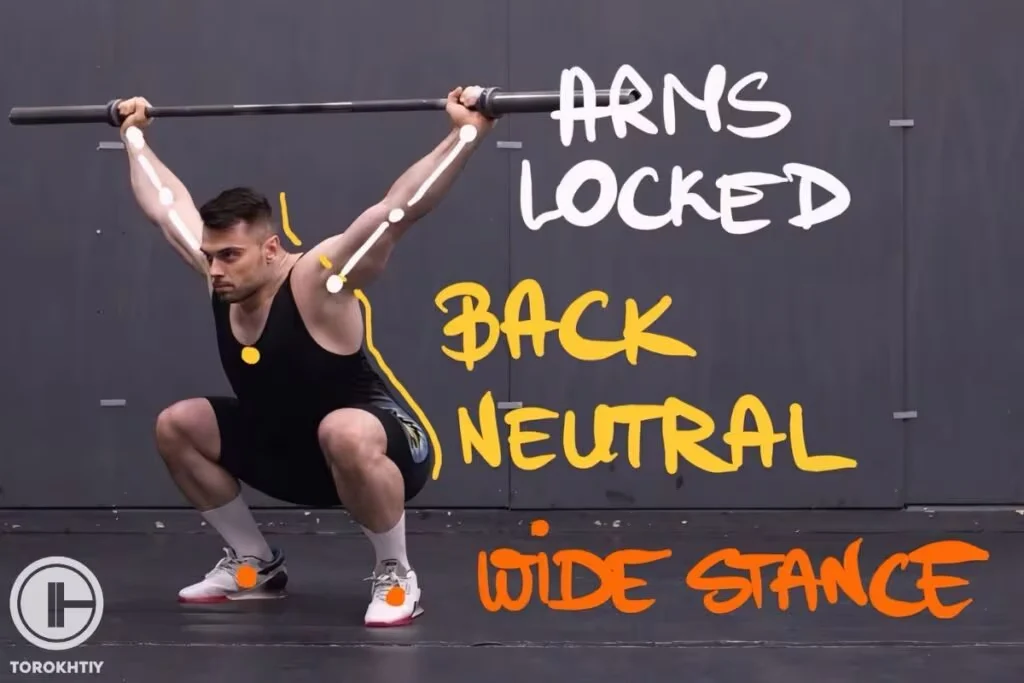
The receiving position is not just a place to pass through on the way back to standing. Establish balance and control overhead before completing the recovery. A fast transition followed by a scramble does not answer the same question as a controlled reception, even if both attempts end with the bar above the head.
Separate your observations into arrival and recovery. Did the athlete arrive where intended? Could that position be organized before standing? This distinction helps avoid treating a successful stand-up as proof that the preceding turnover was equally successful. The finish can hide the detail the drill was meant to expose.
When reviewing a recording, watch the entire attempt once at normal speed before inspecting individual positions. A paused frame may help explain what you noticed, but choose it because of an observed event. Searching through frames until one looks dramatic can lead you away from the actual teaching question.
Keep feedback short enough to use on the next attempt. If you identify three different issues, choose which one matters to the immediate practice goal. Trying to change the start, arm action and recovery simultaneously makes it harder to connect the next result to a specific adjustment.
The goal is not to force a predetermined photograph onto every athlete. Individual proportions and the chosen variant affect how a position looks. Use clear movement criteria and informed coaching rather than demanding a visual match to another lifter. A position image is a reference for discussion; it is not a personalized assessment.
Distinguish neighboring snatch drills
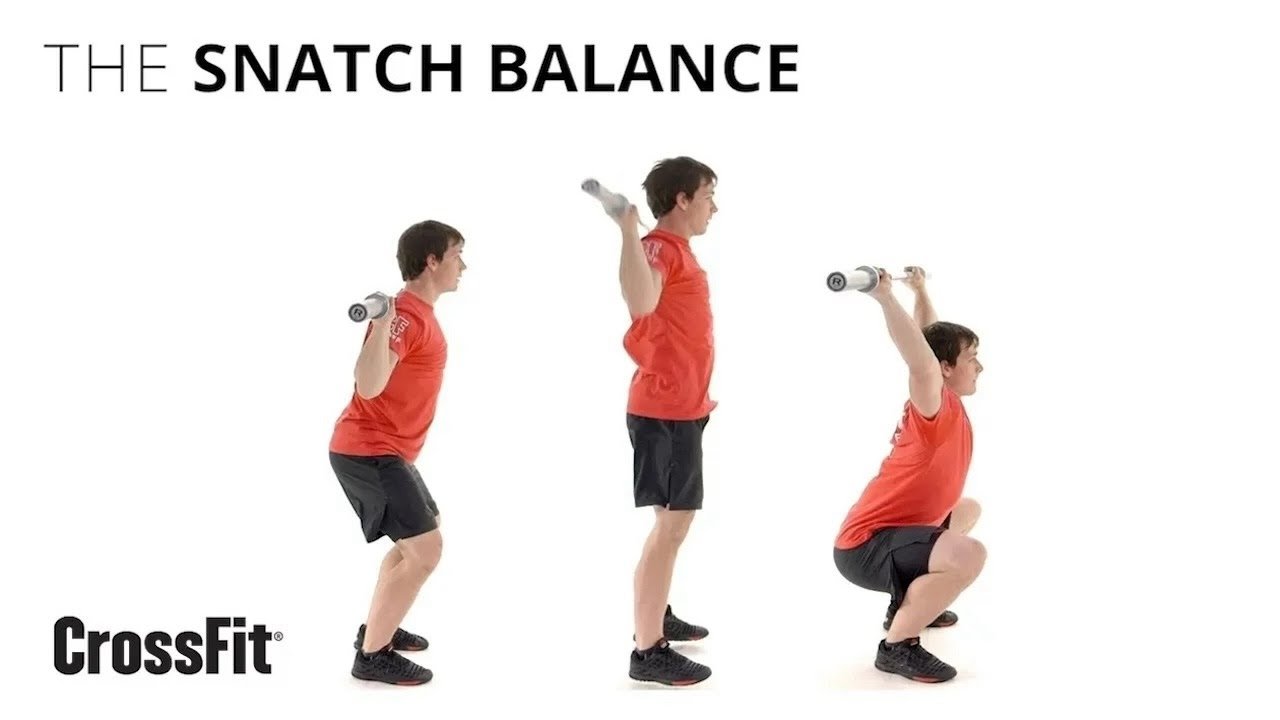
A snatch balance is a useful comparison because its setup and initiation are different. It begins with the bar supported behind the shoulders and uses a dip and drive before the athlete moves underneath. Sharing an overhead receiving position does not make it interchangeable with a tall snatch starting at arms' length.
That comparison matters when choosing what to practice. If your aim is to examine the turnover from an upright hanging start, a behind-the-neck movement changes the problem. If your coach deliberately chooses a snatch balance, judge it against that exercise's intended action. Clear labels prevent a good drill from being evaluated using the wrong criteria.
A muscle snatch also deserves its own entry. It continues into an overhead position without the same receiving squat. It can help isolate other parts of the sequence, but performing it well is not evidence that you have practiced moving under the bar. The exercise name should describe the work that actually happened.
Equipment should support the selected task. A training bar, plates and secure collars need to be appropriate for the intended use; a catalog listing alone does not establish suitability for dynamic weightlifting. Confirm those details for the specific equipment and training facility. Starting blocks or a rack belong only to variations that actually require them.
The equipment suggestions below include general barbell-training options and related strength equipment. They are not a mandatory tall-snatch kit or a promise that every item is rated for every lift. Keep purchasing decisions separate from the technique question: more accessories do not clarify a starting condition that has not been defined.

Equipment Worth Exploring
Explore equipment, accessories and gear from our carefully selected range.


Competition Plates
Competition-style bumper plates for Olympic lifts and loaded strength training.


Speed Collar
Quick-release collars designed to secure weight plates on standard two-inch Olympic bars.
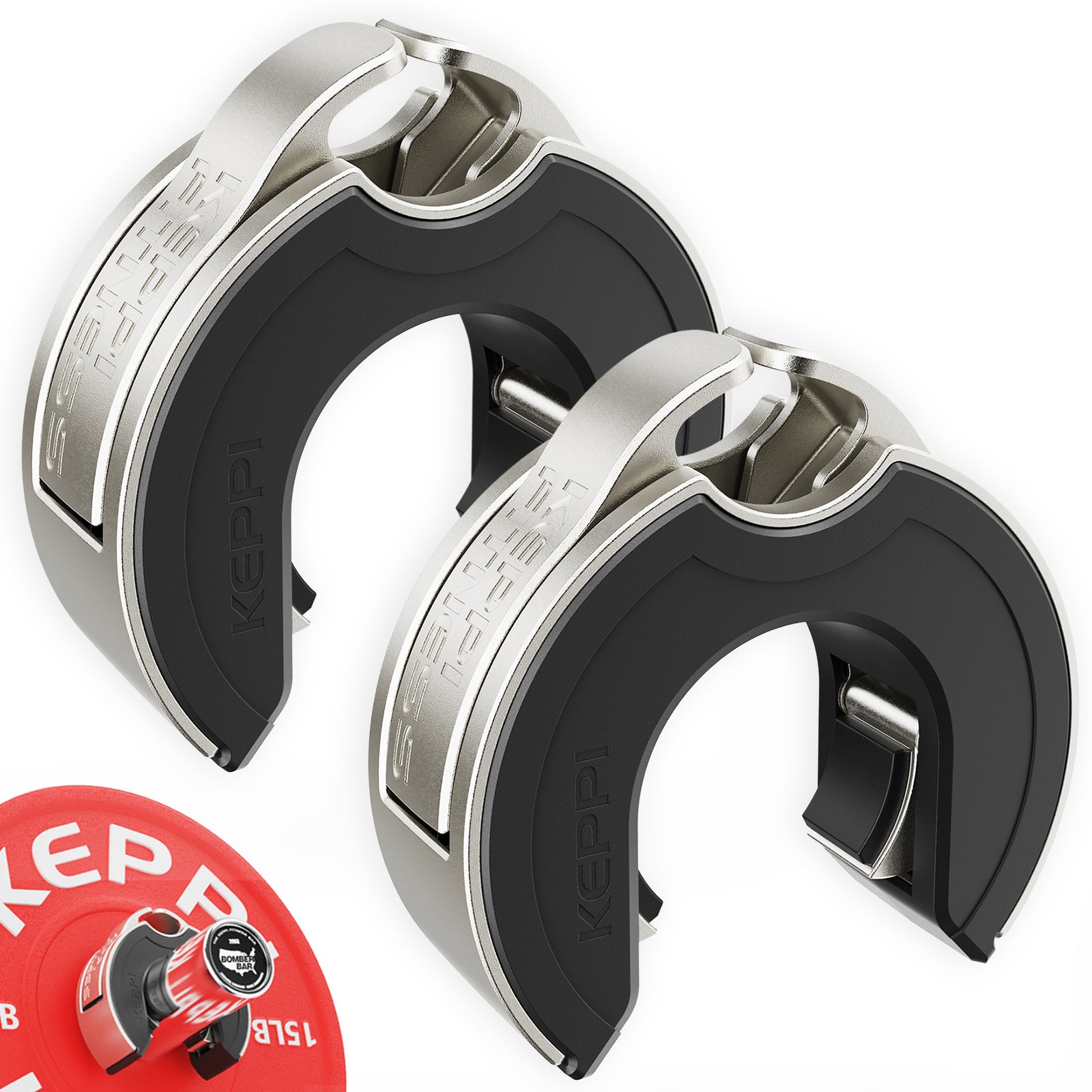
Keppi Open Collars
C-shaped magnetic Olympic barbell collars with a quick-lock mechanism and grippy lining.

Grip Plates
Rubber-coated weight plates with handholds for loading barbells and machines.

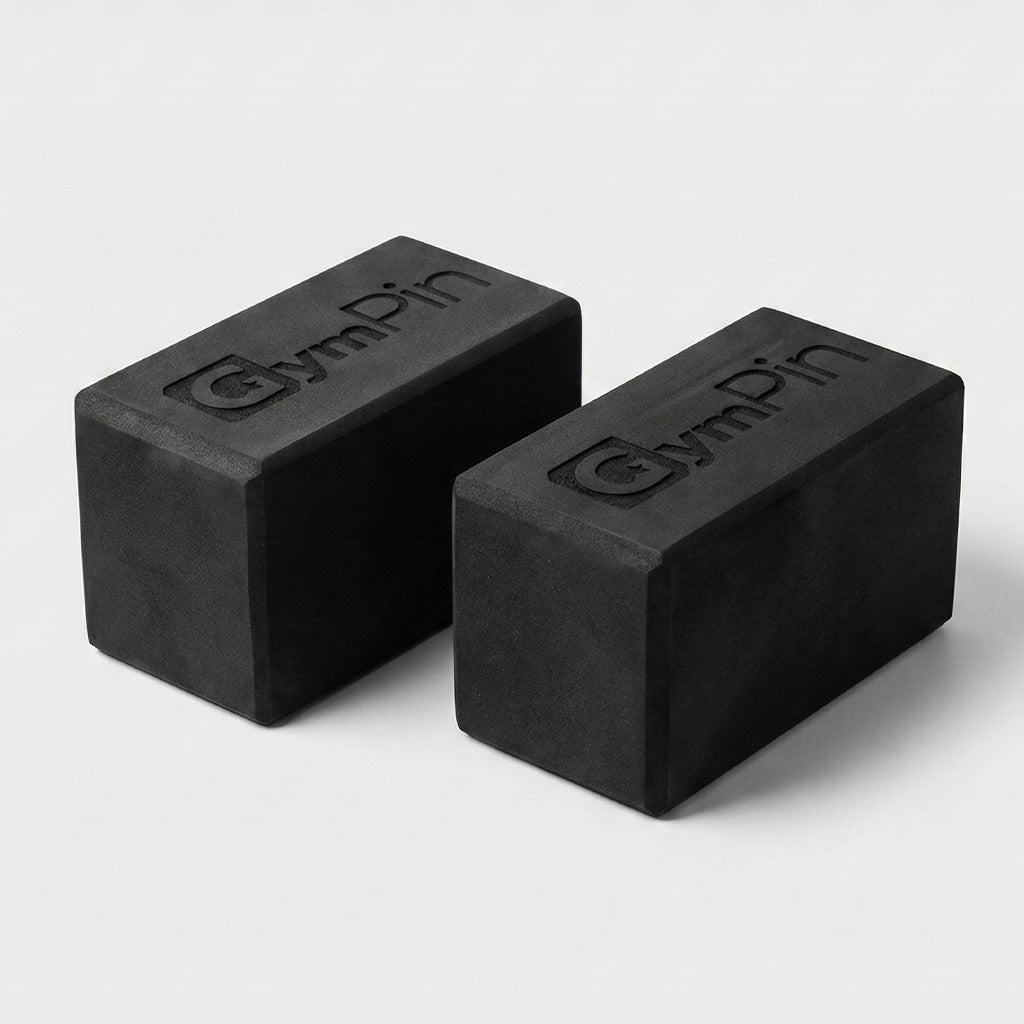
GymPin Starting Blocks
Portable high-density foam blocks for adjusting machine starting positions and range of motion.
Use light practice to answer a specific question
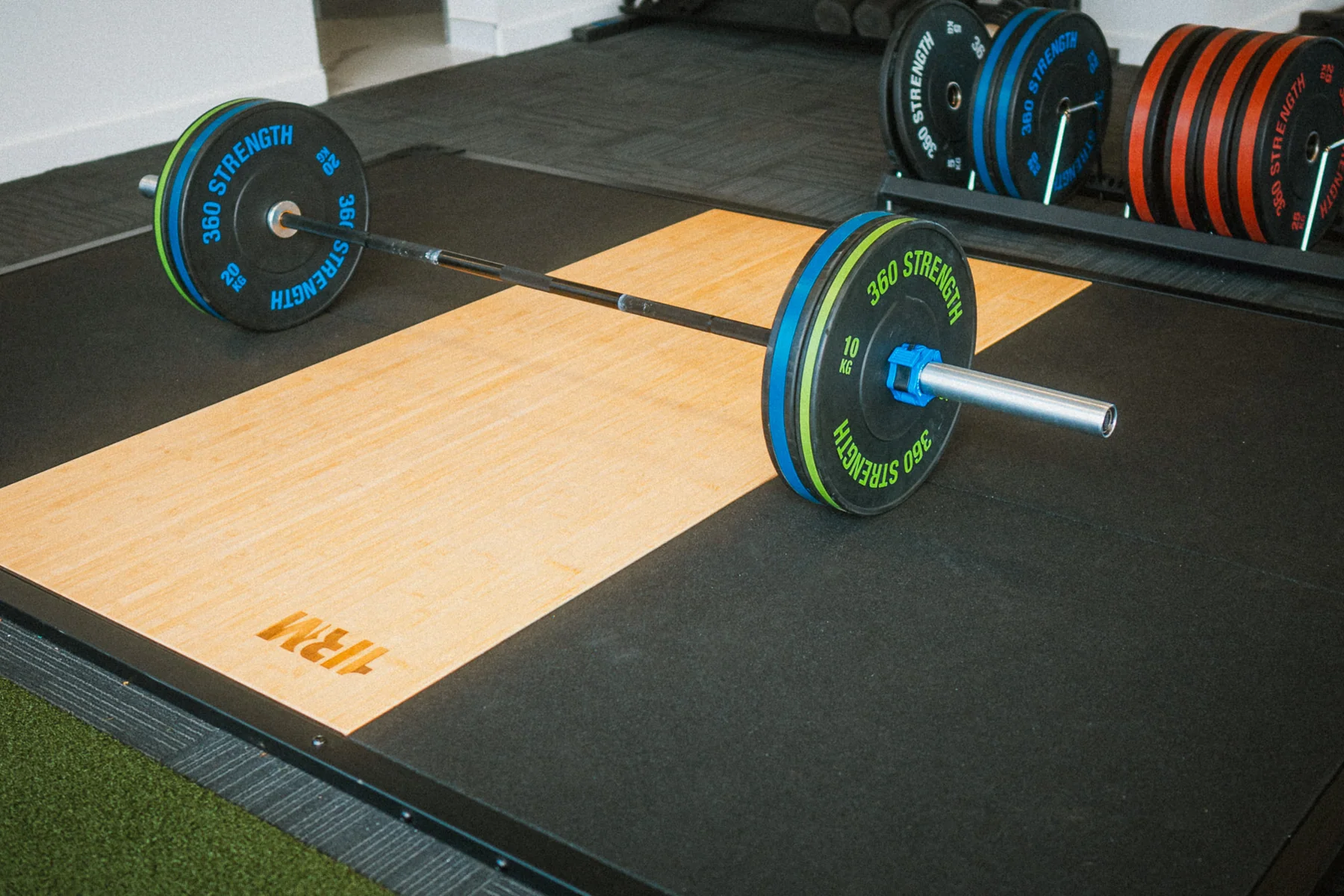
The tall snatch is commonly used as a light technique drill, including before snatch training. Treat the load as a means of practicing the intended action. If adding weight produces a dip and stronger leg drive, you have changed the exercise rather than simply made the same drill harder.
Choose a small, observable question for the session. Perhaps you want to keep the start consistent, or distinguish a controlled reception from a rushed recovery. Do a manageable amount of practice and review the result while the question is still clear. More repetitions are not automatically more informative if you stop observing the intended detail.
A practical record can be brief: starting variant, implement, load, chosen focus and why the set ended. Add one sentence about the next attempt. For example, repeat the same setup before increasing load is a useful decision when the previous attempts were inconsistent. It does not require inventing a score for turnover quality.
Keep claims about results proportional to what you measured. A smoother drill in one session does not prove a larger competition snatch, improved sprinting or extra muscle growth. Those are different outcomes. The drill can serve a technical purpose without being sold as a shortcut to all of them.
Progress can mean preserving the intended task more consistently, understanding a cue better or recognizing sooner when another variation takes over. Use those observations to guide the next practice session. The number on the bar becomes meaningful only after the movement attached to it remains clear.

Funny Gym Shirts & Workout Gear
Funny gym shirts, tanks, hoodies and workout gear for lifters who like training hard.

I Snatched Your Heart Meme Shirt Valentine'S Day T-Shirt
Heavy lifts, good laughs, and a little “I Snatched Your Heart” energy.

Barbell Heartbeat Crewneck Pullover Sweater for Powerli T-Shirt
Keep things casual with a little “Barbell Heartbeat” attitude.

Barbell Crossed Weights 45LB Plate Hardcore Fitness Wor Tank Top
Add some powerlifting attitude to training with “Classic Barbell Crossed Weights 45LB Plate”.

Gym Skull Weightlifting Pullover for Powerlifters Bodyb Hoodie
Bring “Skull Weightlifting” gym humor to lazy days and post-workout plans.

Barbell Buddies for Friendship, Gym Buddies, and Liftin T-Shirt
For laid-back days and powerlifting humor: “Barbell Buddies”.

Barbell Country Club Shirt Meme Top & T-Shirt
Heavy lifts, good laughs, and a little “Barbell Country Club” energy.

Vitruvian Man With A Barbell Shirt – Leonardo Da T-Shirt
Show some powerlifting attitude with a playful “Vitruvian Man With A Barbell” tee.

Heavy Barbell – Meme Shirt & Top T-Shirt
Make gym days more fun with “Heavy Barbell Powerlifting Graphic” style.

Raise The Barbell Shirt – Motivational & T-Shirt
Show some powerlifting attitude with a playful “Raise The Barbell” tee.

Platehead Weightplate Skull Meme – Ultimate Top T-Shirt
Rep “Platehead Weightplate Skull” humor in and out of the gym.