Advertising disclosure: This page includes affiliate product links that may earn us a commission, as well as products from our own store.
Leg Press vs Leg Extension: What 17 Lifters' MRI Scans Showed
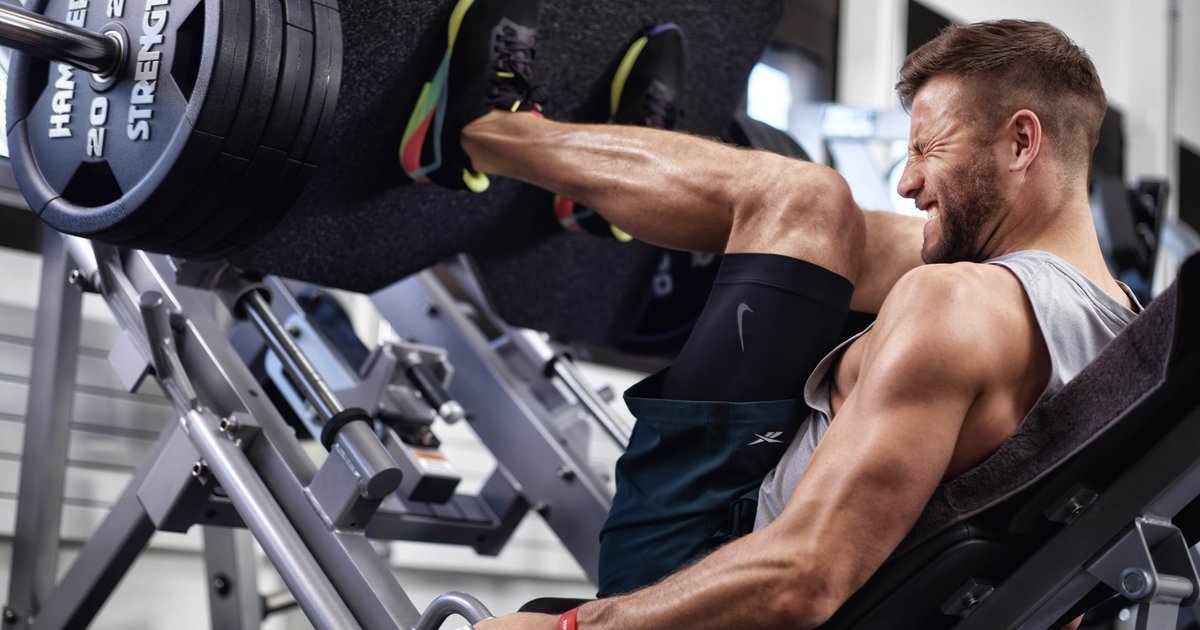
A heavy leg press and the burning final repetitions of a leg-extension set feel different. Which one actually grows your quads better? A controlled twelve-week comparison in seventeen untrained adults measured individual muscle volumes using MRI, and the answer is much more useful than a simple winner-versus-loser verdict. The leg press generated broad growth across the quads and major hip muscles. The extension, meanwhile, produced a much larger response in the rectus femoris, the quadriceps head that crosses two joints.
Those findings do not mean you should abandon compound leg training, and they do not guarantee that every experienced lifter will get identical results. The more actionable question is how the two movements differ, how to perform them well, and how to fit both into a recoverable training week without piling on junk sets.
What the 12-week MRI study actually tested
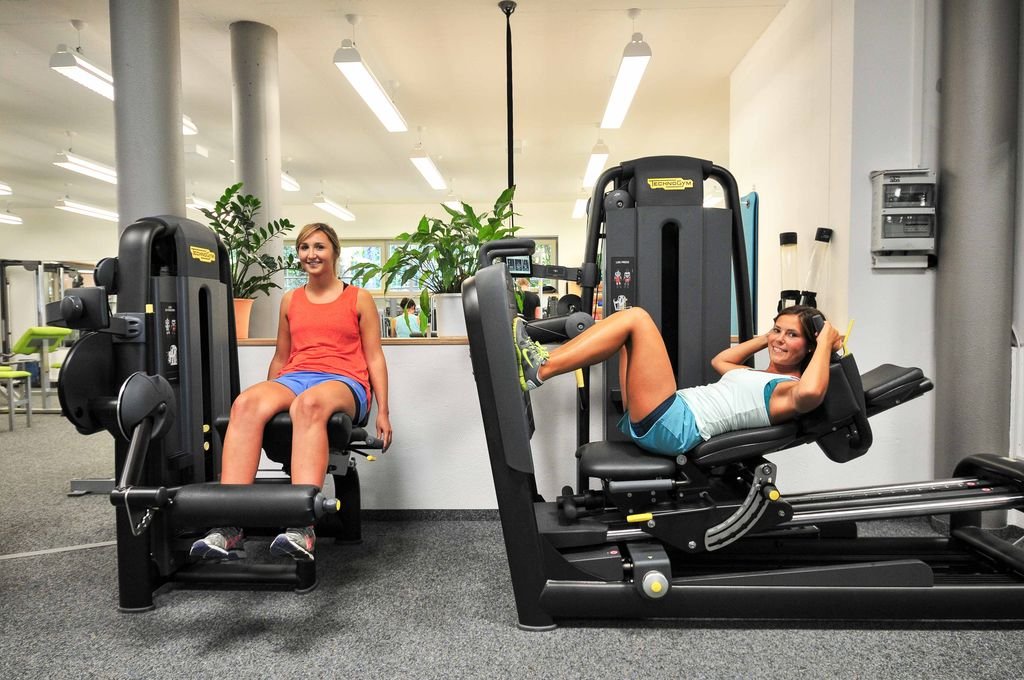
Seventeen previously untrained adults completed a deliberately controlled comparison. One leg performed unilateral knee extensions, while the other leg performed unilateral leg presses. Instead of comparing people with different genetics, diets and lifestyles, the investigators compared two exercises within the same participants. That does not erase every source of variation, but it gives the experiment a useful way to isolate exercise choice.
Both legs trained with a workload based on approximately 70% of the exercise-specific one-repetition maximum. Each session included five sets of ten, twice per week, for twelve weeks. Before and after, MRI assessed the volumes of seventeen lower-body muscles, including all four individual quadriceps heads. Because muscle volume was measured directly, a change in one head could be distinguished from a change in the rest of the thigh.
An additional experiment measured muscle excitation patterns. That extra information helps explain how the movements differ, although an activation measurement is not itself a measurement of muscle hypertrophy. Likewise, these results are not about the amount a person can leg-press for one maximal repetition; they primarily concern where muscle volume changed during the program.
These participants were beginners. That matters when applying the results to advanced bodybuilders or powerlifters, who may have different training histories and already substantial quad volume. The study is strong evidence for a particular 12-week comparison, not an eternal rule that one machine dominates every leg workout.
The surprising rectus femoris result
The clearest difference was not in the whole quadriceps. It was in the rectus femoris, the quad head that crosses both your hip and knee. Average volume increased 13.2% after knee extensions and just 1.1% after leg presses. The difference between conditions was statistically significant, while the small rectus femoris change on the press side was not a significant increase.
The other three heads told a different story. The vastus lateralis gained about 6.4% with extensions and 6.2% with presses. The vastus medialis rose around 7.2% versus 6.0%, and vastus intermedius approximately 5.0% versus 4.4%. Total quadriceps growth averaged 7.1% with knee extensions and 4.9% with leg presses, but the between-exercise difference in whole-quadriceps growth was not statistically significant.
| Muscle | Knee extension | Leg press |
|---|---|---|
| Rectus femoris | +13.2% | +1.1% |
| Vastus lateralis | +6.4% | +6.2% |
| Vastus medialis | +7.2% | +6.0% |
| Vastus intermedius | +5.0% | +4.4% |
| Total quadriceps | +7.1% | +4.9% |
What could explain the rectus femoris gap? Unlike the vasti, this muscle acts across two joints. During a multi-joint press, its potential contribution to knee extension interacts with movement at the hip. Seated extensions change the joint-position demands and give it a more direct stimulus. That is a sensible interpretation of the observed pattern, not proof that every seated position or machine is equally effective.
One important caution: muscle growth percentages are averages from this sample and protocol. They do not mean your rectus femoris will grow thirteen percent in three months, or that your legs will become thirteen percent stronger. Different outcomes require separate measurements.

Equipment Worth Exploring
Explore equipment, accessories and gear from our carefully selected range.

Leg Press/Hack Squat BPR-790
Convertible 45-degree leg press and hack squat machine with a broad footplate and band pegs.

Compact Leg Press CLP-700
Compact reverse-style leg press with a moving seat carriage and an adjustable footplate.

Leg Extension/Curl BCO-780
Leg extension and lying leg curl combo with plate loading, band pegs and a cable-loading option.

Seated Leg Combo BCO-680
Adjustable seated leg extension and leg curl machine with band pegs for added resistance.

HUSLA Leg Extension Pad
Pad attachment designed to increase usable range of motion on compatible leg-extension machines.


Studio V-Squat
Plate-loaded V-squat machine for supported lower-body strength training.

GymPin Squat Wedges
Non-slip 15-degree squat wedges help elevate the heels for deeper quad-focused squats.

Squat Harness
Wearable harness for hands-free cable squats, sled work, and lower-body training.

Belt Squat Collar
Heavy-duty collar adapter for compatible belt-squat and landmine bar setups.
Why leg presses are still powerful for total leg growth
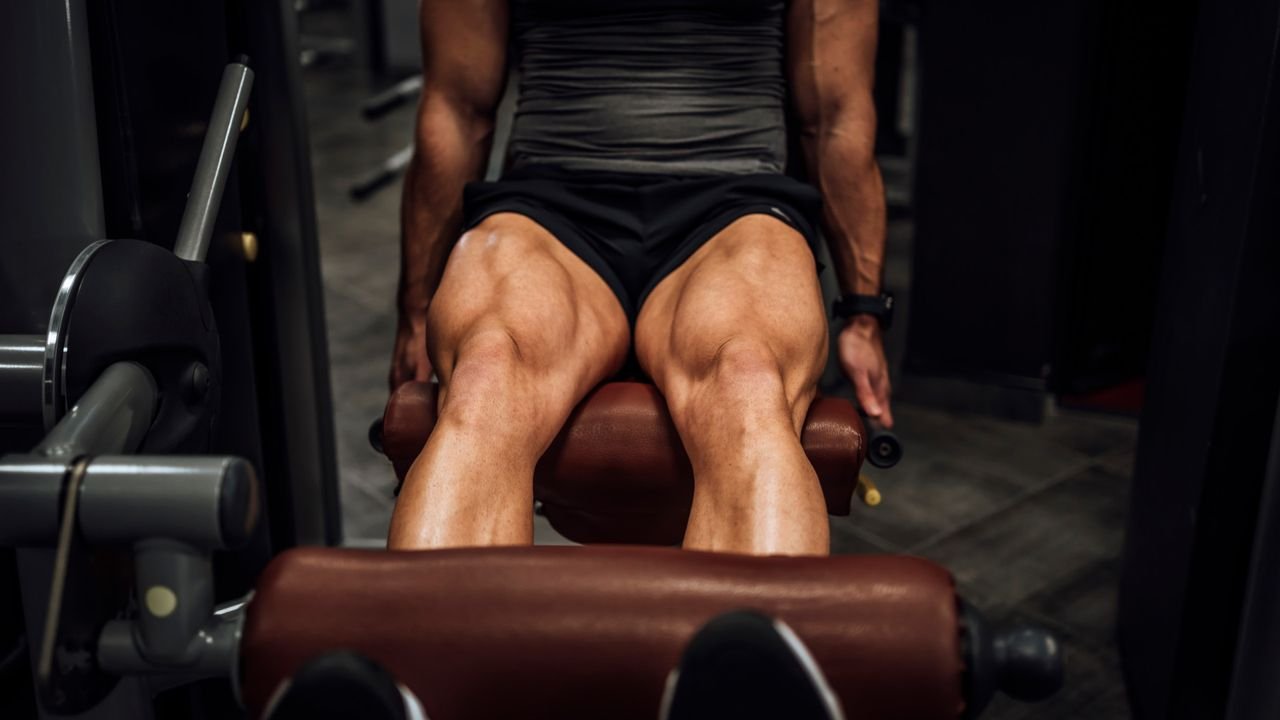
The press trained more than the quadriceps. The study found significant average increases in gluteus maximus volume of 15.4% and adductor magnus volume of 6.2% in the leg-press condition. Those muscles contribute to substantial hip extension and stabilization demands. Neither showed the same meaningful growth pattern during the isolated knee-extension condition.
That is the leg press’s chief appeal. It can build the vasti and provide training stimulus to major hip musculature in one exercise. If your lower-body training time is short and you need broad coverage, a compound press can offer more total muscle-group work per movement. That does not mean the exercise is best for absolutely every lower-body region.
In particular, a leg press should not be sold as a complete hamstring exercise. The hamstrings perform actions at more than one joint; a dedicated knee-flexion movement can fill a role that a compound press does not fully cover. Nor does one study establish which machine leads to better jumping, sprinting, injury prevention or long-term strength in trained lifters.
For someone who already squats heavily and wants to add a quick quad accessory, the extension’s unique regional stimulus becomes attractive. For someone with only one machine and a goal of gaining muscle all over the lower body, the press is hard to dismiss. Training decisions improve when you specify the muscle and outcome you want, instead of asking which exercise is the universal winner.

Leg Day Shirts & Workout Gear
Leg-day gym shirts and workout gear for lifters who never skip squats, lunges and lower-body punishment.

Squats Leg Day Heavy Weights Meme – Essential Top T-Shirt
Bring “Squats Leg Day Heavy Weights” humor to your next gym day.

Santa Quads Funny Christmas Workout – Festive Gym Hoode Hoodie
Make your off-duty look more fun with “Santa Quads Funny Christmas”.

Never Skip Leg Day Chicken Legs Meme Sweater & Bros T-Shirt
Show some gym-day personality with “Never Skip Leg Day”.


Funny Squatbucks Gym | Starbucks Parody Workout | Leg D Hoodie
Bring “Squatbucks” gym humor to lazy days and post-workout plans.

I Love Squats Valentine'S Day Shirt Meme & T-Shirt
Bring “I Love Squats Valentine's Day” humor to your next gym day.

Legday of Legends Gym | Funny League of Legends Meme Wo Hoodie
Show off your leg-day humor in a laid-back “Legday of Legends” hoodie.

Negative Leg Day Review Not Recommended 1 Star T-Shirt
Keep things casual with a little “Negative Leg Day Review” attitude.

I'M Still Gonna Squat You Monster Gingerbread Meme – Sticker
Give your everyday gear a playful “I'm Still Gonna Squat You Monster” twist.

Anti Leg Day Leg Day Club & Meme Fans Vest Tank Top
Bring “Anti Leg Day Leg Day Club” humor to your next lifting session.
Leg press setup, depth and progressive loading
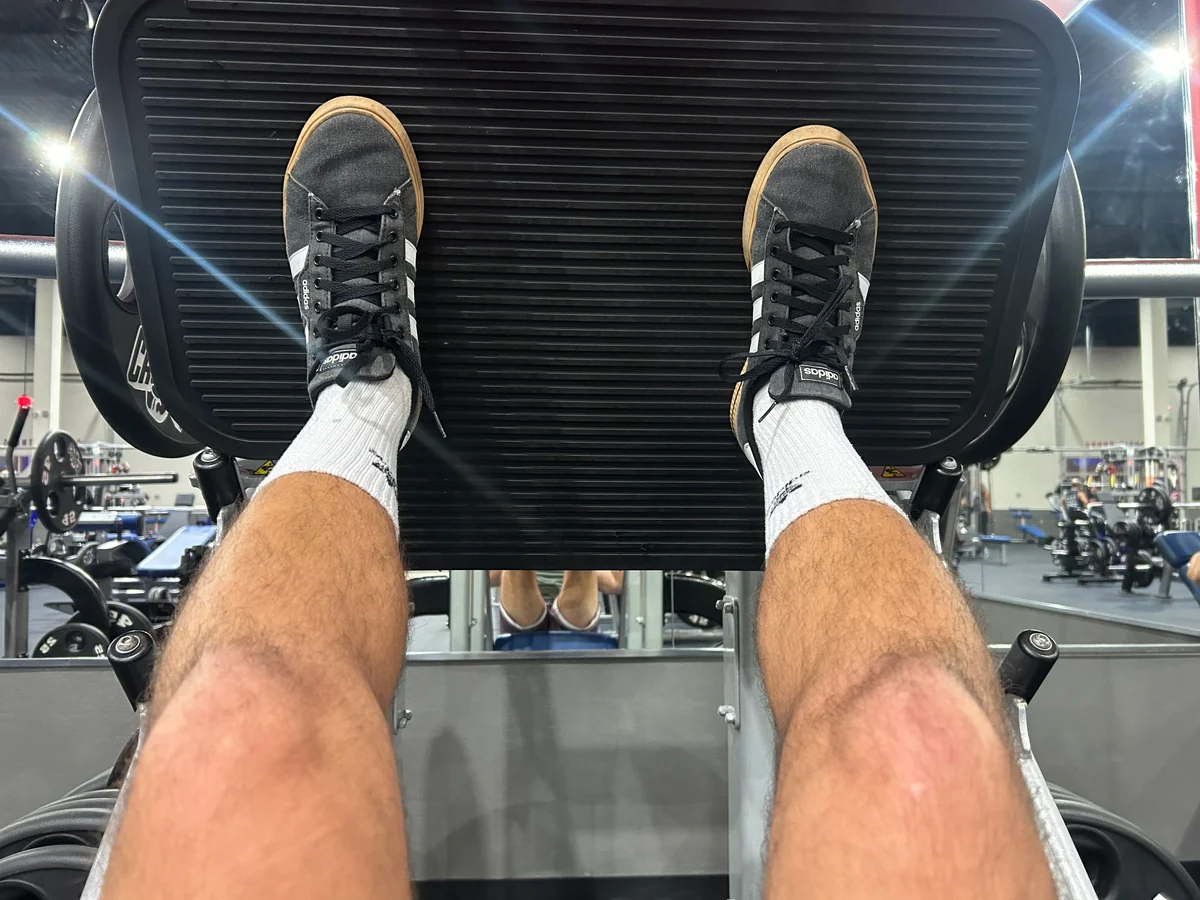
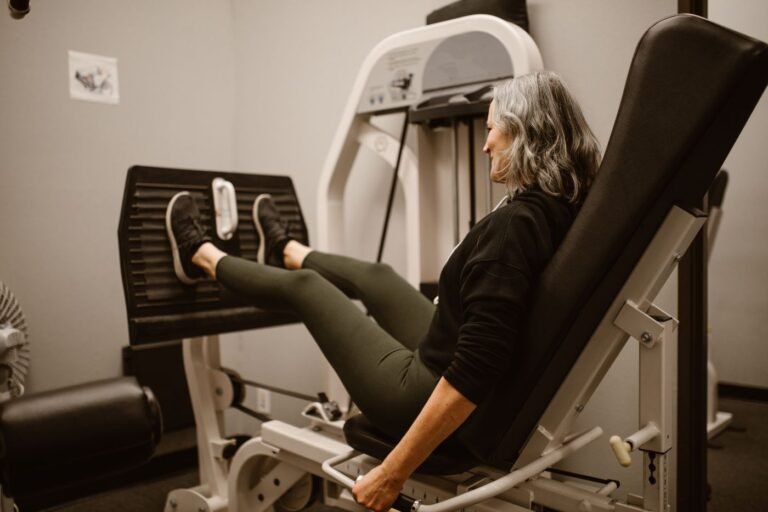
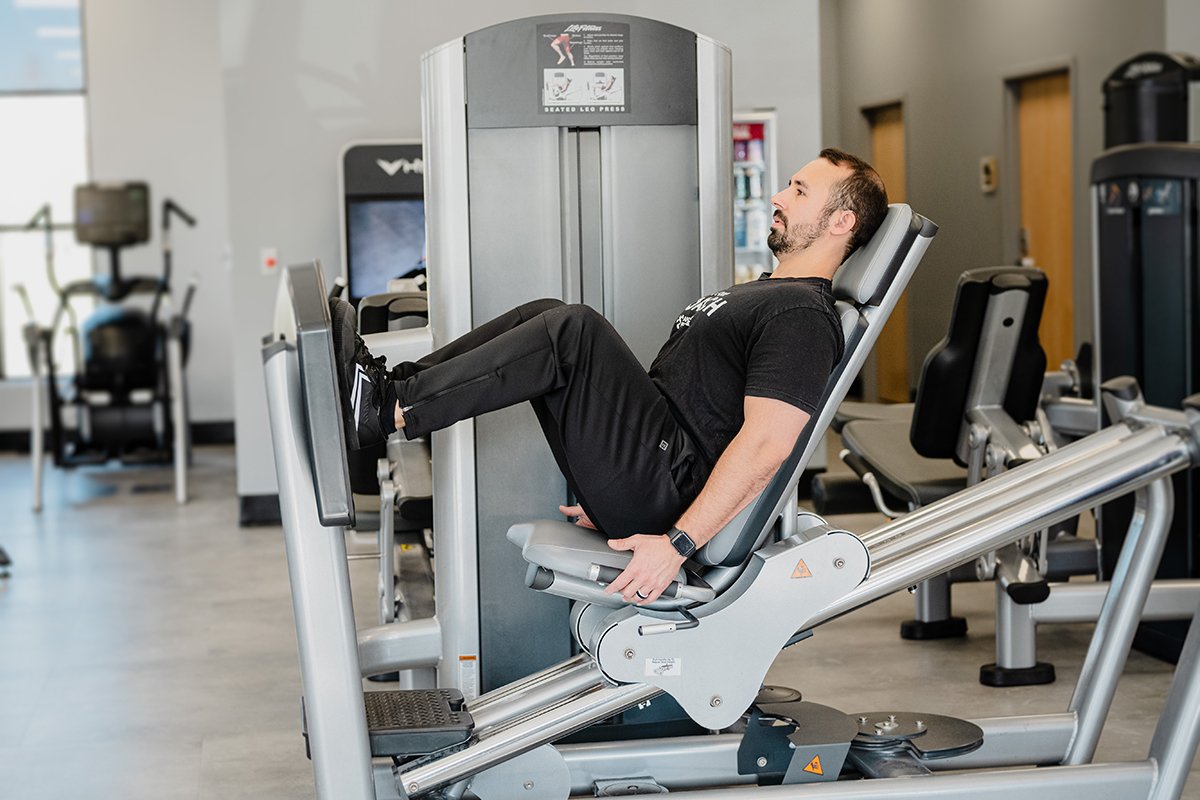
Start by setting the backrest or sled so your pelvis stays supported as the knees bend. Put the entire foot on the platform and keep heels planted. As you lower the load, let the knees follow the direction of the toes rather than allowing them to cave inward. Grip the machine handles, brace the trunk and choose a range you can control without the lower back rounding off the seat.
There is no single ideal bottom position for every body or every machine. Long femurs, different hip structure and varying sled geometry affect the range available. Lowering until the pelvis starts rolling under the body can turn a controlled set into awkward compensation. Stop before that happens, and earn any extra depth through better control rather than bouncing a heavier sled.
Press through the platform with a smooth drive, keeping the knee path predictable. Do not throw the weight up with momentum or snap aggressively into a locked knee position. The top should be controlled; the lowering phase is part of the work. For a simple hypertrophy block, six to twelve repetitions with one to three technically clean reps in reserve is a usable starting range.
Foot position can change how an exercise feels and influence joint angles, but tiny adjustments do not guarantee surgical isolation of one quadriceps head. Keep the stance that allows stable feet, comfortable knee tracking and meaningful depth. Log the weight, repetitions, machine settings and movement range. If you add plates but halve your depth, you have not necessarily progressed.
Two additional guardrails matter: use the machine’s safety stops correctly, and never assume a different brand’s sled weight or leverage is comparable to your usual equipment. Quality repetitions can be compared within the same machine, not blindly between unrelated machines.
How to make the leg extension an effective accessory
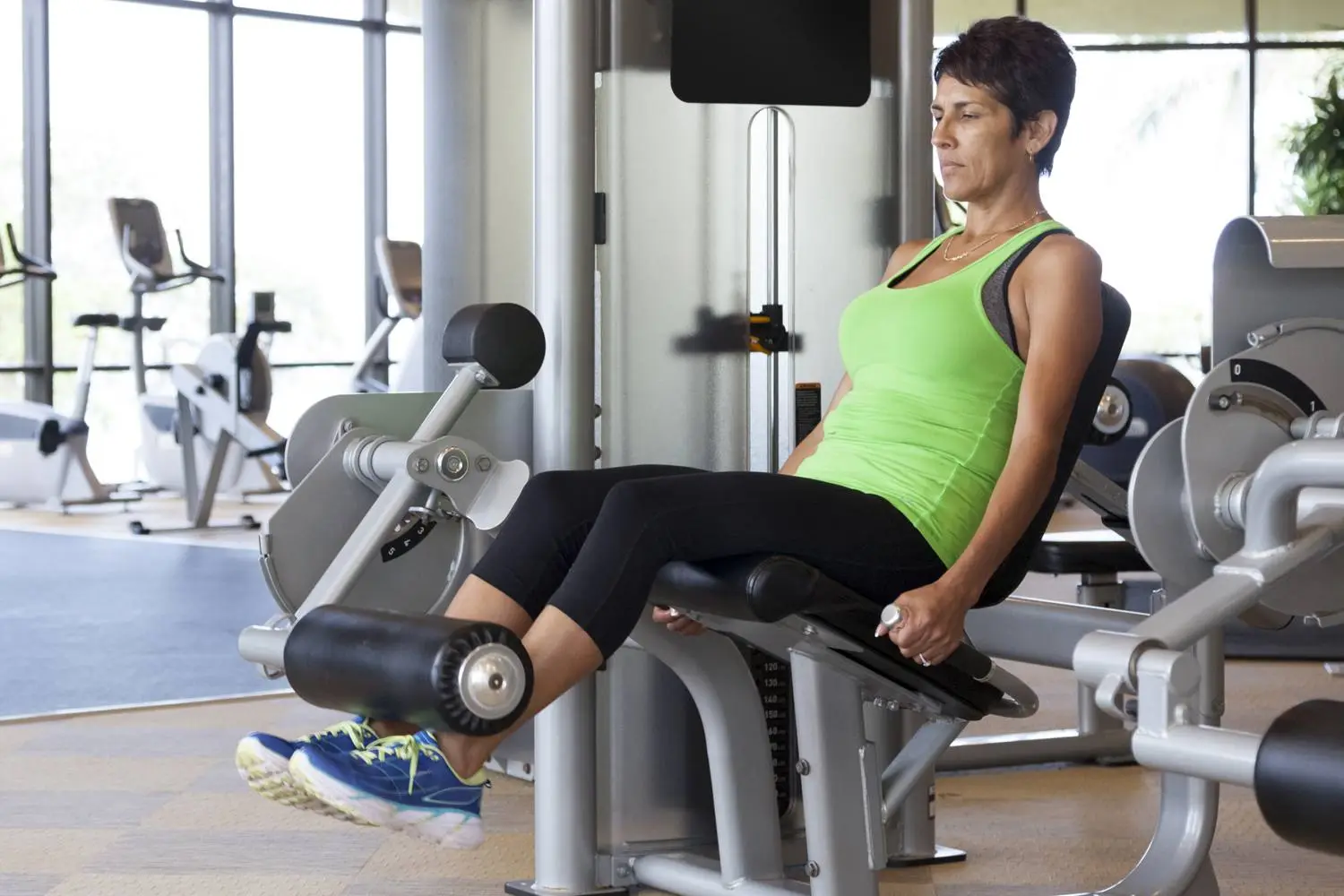
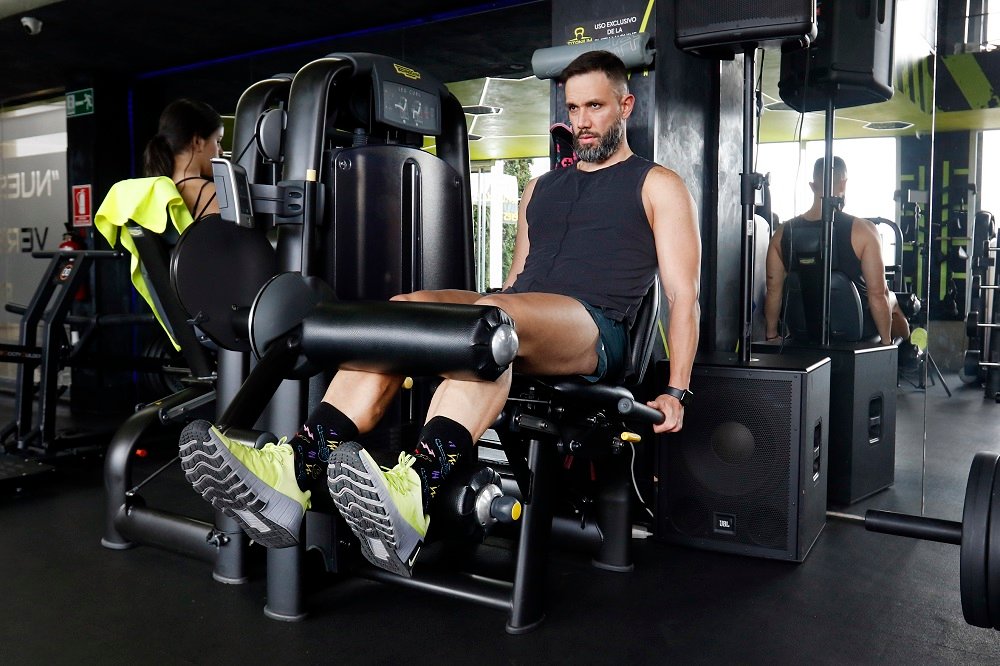
Adjust the seated extension machine so the knee sits close to the machine’s intended axis of rotation. The shin roller should rest comfortably on the lower leg rather than pressing sharply against the ankle. Set the back pad so your hips and torso remain stable. When possible, use the machine’s adjustment settings rather than twisting yourself into an improvised posture.
Begin with a knee bend that is comfortable and permitted by the equipment. Extend the lower leg deliberately without throwing your upper body forward. Near the top, contract the quads while avoiding a hard snap into hyperextension. Pause very briefly if you can stay in control, then lower through a consistent range instead of dropping the stack. This deliberate return is one of the easiest ways to prevent careless, inconsistent reps.
Two to four challenging sets of ten to fifteen are an accessible example for a hypertrophy-focused accessory. Choose the weight so you can hold the same seat position and range through the set. If the torso rocks with every repetition or the machine’s pads slam into the stops, back off until the movement is honest again.
Some lifters prefer slight variations in backrest or hip angle. Those changes may alter comfort and muscle length, but the 12-week comparison did not prove a single best seat angle for every machine. Consistency in setup makes progress easier to interpret. People with persistent knee pain, prior injury or movement restrictions should treat individualized clinical advice as more important than a generic article plan.
Equipment Worth Exploring
Explore equipment, accessories and gear from our carefully selected range.


Glute Ham Developer GHD-820
Adjustable glute-ham developer with contoured pads and a fold-out knee support.


Studio Glute Drive
Plate-loaded hip-thrust machine with supported back pad and adjustable foot platform.

VForce 3IN1 Max
Six-post all-in-one rack with Smith machine, functional trainer, and variable-force cables.


Competition Plates
Competition-style bumper plates for Olympic lifts and loaded strength training.
How to combine both without excessive fatigue
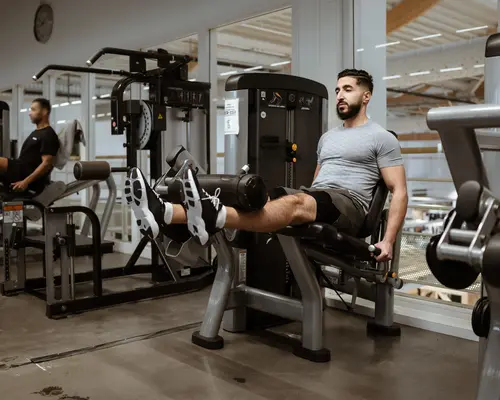
If your goal is broad quad development and a reliable lower-body routine, pairing the two exercises makes sense. Press first when heavy compound performance is the priority. Add extensions afterward to emphasize the knee-extensor work, including the rectus femoris. If the extension itself is your top priority, you could place it first; just expect the pre-fatigue to affect subsequent pressing load.
The most common programming mistake is not choosing the wrong machine but adding volume without considering what is already in the plan. Squats, hack squats, split squats and leg presses all contribute meaningful quad fatigue. Five leg-press sets plus five extension sets, twice weekly, may be excessive for someone whose routine already includes substantial knee-dominant work. More sets do not automatically translate into more gains.
Instead, consider three hard sets of leg press and two or three controlled sets of leg extensions on each of two weekly lower-body days, then adjust based on your other exercises, recovery and progress. Beginners may need less. Experienced trainees may benefit from another arrangement, especially around sport practice or high-volume training blocks.
Rest long enough to keep output and technique consistent: roughly two to three minutes after difficult presses and one to two after extension sets can be a useful starting point. More rest is sensible if breathing or local muscle fatigue prevents a good set. Recoverability, joint comfort and steady rep progression are better guides than chasing soreness.
Do not assume the study proved a combined plan is superior. It assigned one exercise to each leg, so the practical recommendation to pair them is an application of complementary findings, not a direct test of the exact workout described here.
Bodybuilding Shirts & Workout Gear
Bodybuilding shirts, tanks and gym gear for lifters chasing muscle, size, symmetry and the pump.
Bodybuilding Meme – Light Weight Baby Gym Shirt and Ron T-Shirt
A t-shirt featuring the Bodybuilding Meme – Light Weight Baby Gym Shirt and Ronnie Coleman Fans artwork, bringing lifting-inspired humor and distinctive gym graphics to your everyday gear.


Jackedonomics Muscle Graph – Meme Shirt & Essential T-Shirt
Bring “Jackedonomics Muscle Graph” humor to your next gym day.

No Plates No Dates Muscle | Vest For Weightlifting & Ga Tank Top
Show some personality between sets with “No Plates No Dates”.

Gains Or Go Extinct Gym | Funny Dinosaur T-Rex Workout T-Shirt
For laid-back days and lifting humor: “Gains Or Go Extinct”.

Muscle with Trenergy Gym Meme | Funny Workout Tank Tank Top
Bring “Muscle” humor to your next lifting session.

Funny Gains Bond Gym | Secret Agent Workout | Fitness M Hoodie
Keep it laid-back with a little “Gains Bond” attitude.

Bear Winnie The Bodybuilder Sweater T-Shirt
Add a playful “Bodybuilding Bear” touch to your casual rotation.

Broseidon God of Gains | Poseidon Gymbro Decal for Wate Sticker
Bring “Broseidon God of Gains” attitude to your water bottle or laptop.

Funny Pain Train Gains Gym | Thomas The Tank Engine Mem T-Shirt
Add a playful “Pain Train Gains” touch to your casual rotation.
Six-week practical leg-day plan and caveats
For a healthy lifter who tolerates resistance training, the following is an illustrative twice-weekly structure. Leave at least one recovery day between sessions. Day A: leg press for three sets of eight to ten, then leg extension for two sets of twelve to fifteen. Day B: squat or split squat for three sets of six to ten, followed by leg extension for three sets of ten to fifteen. Add appropriate posterior-chain work such as a hip hinge or leg curl; neither press nor extension automatically covers every lower-body function.
Weeks 1–2: choose loads that leave roughly two or three good repetitions in reserve. Establish consistent machine settings, knee path and depth. Make the lowering phase controlled and record your numbers. The goal is a repeatable baseline, not an all-out first session.
Weeks 3–4: try adding a repetition when you can maintain the same form. When every set reaches its upper rep limit, make the smallest practical load increase and return to the lower end of the range. Avoid increasing load and adding sets simultaneously unless you have a clear recovery margin.
Weeks 5–6: continue gradual increases, allowing the hardest final sets to finish with roughly one or two clean reps in reserve. If joint irritation appears or performance falls for several workouts, reduce load or volume instead of forcing progression. A training plan is a decision framework, not a contract to ignore symptoms.
These six weeks are deliberately different from the controlled trial, which lasted twelve weeks and used one assigned unilateral exercise per leg. They are intended to translate the distinction between broad compound stimulus and focused knee-extension work into normal gym programming. The results came from only seventeen beginners; they cannot tell us the perfect weekly set count for an advanced bodybuilder, a powerlifter with heavy squats, or someone rehabilitating a knee.
The durable lesson is straightforward. Leg pressing appears highly useful for the vasti and substantial hip muscles. Knee extensions can provide regional quadriceps stimulus that a press may not match, particularly for rectus femoris. Both belong in the toolbox. Choose the mix that fits your training goal, your joints, your equipment and the amount of hard work you can actually recover from.