Advertising disclosure: This page includes affiliate product links that may earn us a commission, as well as products from our own store.
A calf set can involve more than rising and lowering on command. Holding a raised heel while resisting its gradual descent creates a different task from repeating a timed heel drop. The useful question is whether that difference helps your training goal enough to justify changing a routine you can already perform consistently. Start by separating muscle development, strength, ankle movement and how the session feels.
What 48 adults add to the calf-training discussion
A six-week trial randomized 48 regularly trained adults to eccentric quasi-isometric calf training, conventional eccentric training or a control group. Forty-six completed testing. Both training approaches improved several calf muscle measures and plantar-flexor strength, without statistically significant differences between the two interventions. Achilles tendon thickness increased, but tendon stiffness did not significantly change. The quasi-isometric group reported lower soreness, although scores were low in both groups. This does not establish identical long-term results or prove that either method prevents injury.
For a lifter, that is a reason to consider options rather than replace every calf set. A different contraction style can be useful when it fits the session, feels manageable and produces repeatable work. It does not need to become the centerpiece of your program simply because it has a more technical name.
Keep the decision tied to an actual problem. Perhaps your repetitions become inconsistent when you rush, or you want a clearer way to describe a long hold. Those are practical reasons to refine execution. Feeling that ordinary calf raises are insufficiently complicated is a much weaker reason to add another demanding method.
Think of the comparison as one contribution to a training decision. Its participants, exercise setup and duration place boundaries around the finding. Your own sessions also include other exercises, recovery demands and habits that a short comparison cannot fully represent. Preserve what already works while deciding what, specifically, you want a change to accomplish.
Write that aim in a sentence before testing anything: “I want calf work I can repeat without losing my planned ankle movement.” A clear aim makes the next session easier to judge than a vague ambition to make every set harder.
A resisted hold is different from a timed lowering
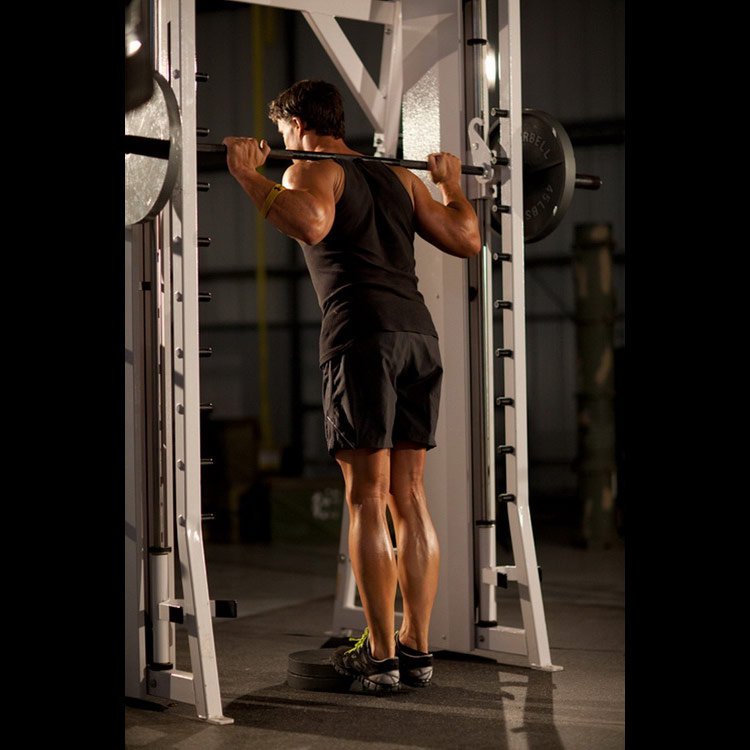
Eccentric quasi-isometric work starts with an attempted hold and continues as the lifter resists gradual lengthening. In this trial, supervised Smith-machine heel raises used a two-leg ascent followed by right-leg work. The comparison used controlled three-second unilateral lowering; load and time under tension were matched. That is a specific training comparison, not a recommendation to improvise a maximum-load hold.
A normal pause at the top of a comfortable calf raise should not automatically be given the same label. The intended task matters: maintaining a position, resisting a descent and repeating a timed movement describe different instructions. Explain the task in ordinary language before assigning it an acronym.
For your own practice, separate the return to the starting position from the part you are evaluating. If both legs help you rise but one leg lowers, write that down. If a hand supports balance, keep the support recognizable from set to set. Otherwise, an apparent improvement may partly reflect a changed way of moving the load.
Use a manageable familiarization exercise to understand a new instruction. This is a coaching suggestion rather than a recreation of the study. A trained observer can help determine whether the heel moves as intended, whether the knee position changes, and whether balance is dictating when the attempt ends.
Do not chase an unusually long descent at the expense of a secure setup. A difficult contraction method does not make an unstable platform or an awkward load worthwhile. Keep ordinary controlled repetitions available as an option; an exercise does not need an advanced label to deserve a place in the program.
Measure the outcome you actually care about
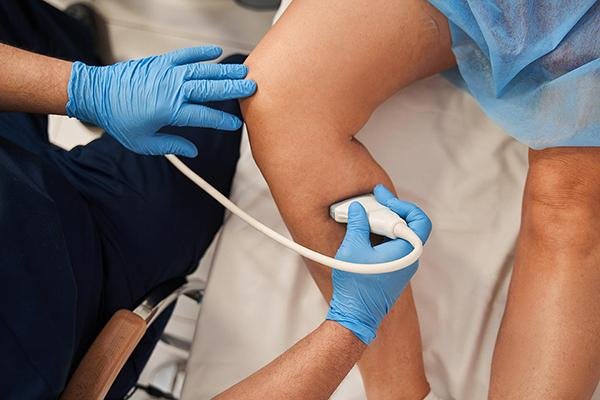
Muscle thickness, tendon thickness and tendon stiffness are different measurements. A change in one cannot stand in for the others. Similarly, being able to hold a position longer is not the same result as producing more force in a separate strength test.
The trial used ultrasound for muscle and tendon measurements and dynamometer testing for strength. A gym video cannot reproduce those measurements. Use video to review what it can show: exercise setup, visible ankle movement, assistance and whether the repetition standard changes. Avoid treating a different-looking calf in a photograph as a precise tissue measurement.
A useful training record can still be straightforward. Choose the exercise and performance standard you intend to improve, then record the load and completed work. For an ordinary calf raise, that might mean consistent repetitions through the range you have agreed with a coach. For a hold-based task, include its duration and what ended the attempt.
Distinguish discomfort, exertion and the following day's soreness in your notes. “Hard set” does not tell you whether balance failed, the calf became tired or the movement caused pain. A few accurate words make the entry more useful than a single dramatic difficulty score.
Lower soreness is not a free pass to add more work immediately. Nor does soreness establish that a session produced better growth. Review whether you can perform the next planned session well and whether your chosen performance measure is progressing. If the question concerns an existing painful tendon or a rehabilitation plan, use individual clinical guidance rather than converting a study of healthy trainees into a treatment prescription.
Keep knee position and equipment changes visible
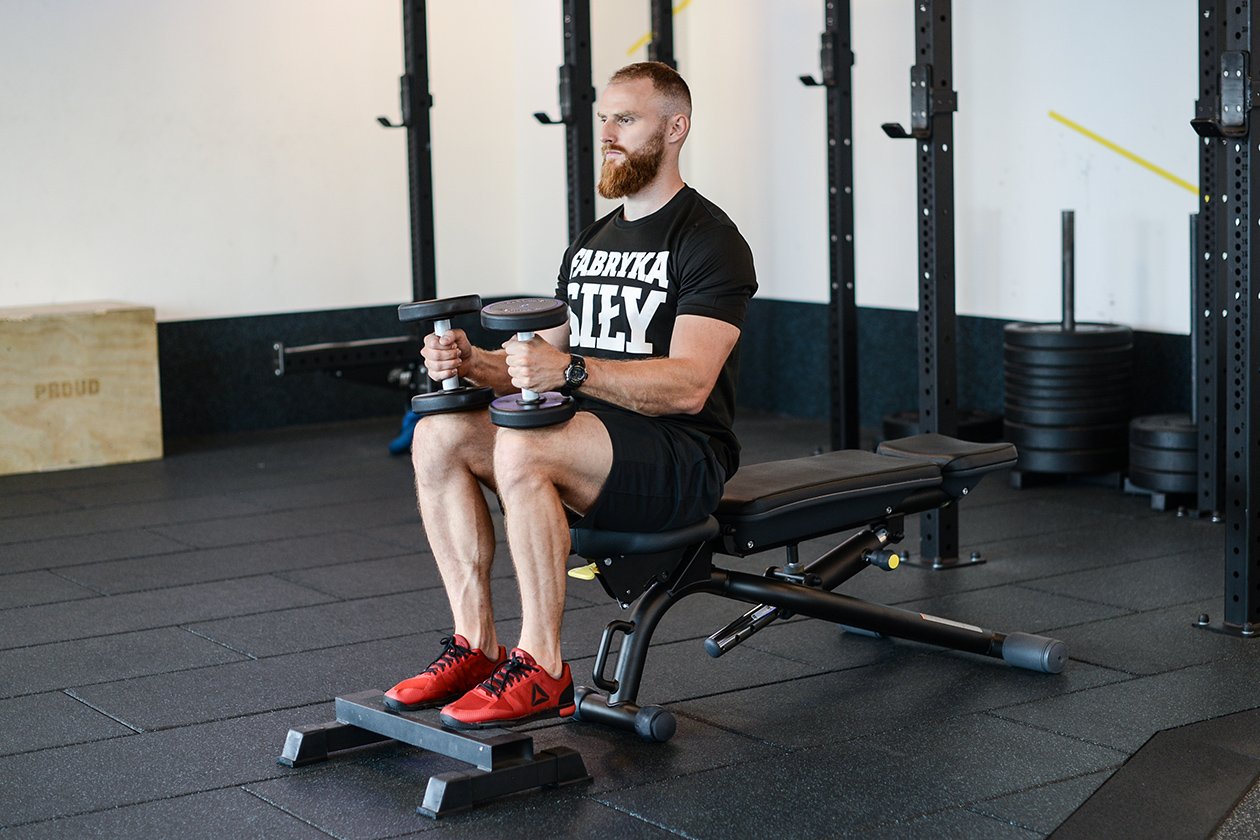
Calf training is not one interchangeable movement. A seated calf raise and a standing calf raise use different knee positions, so changing between them adds another variable beyond contraction style. Keep that distinction visible when comparing sessions instead of combining all calf work into one undifferentiated total.
A separate twelve-week study in 14 untrained adults found greater gastrocnemius growth from standing than seated calf-raise training, while soleus growth was similar between conditions. That supports paying attention to knee position; it does not settle the best contraction method for every calf exercise or every trained lifter.
Select equipment around a task you can perform securely. A stable machine, a supported single-leg variation and a seated dumbbell setup are different ways to organize training. They also differ in balance requirements and where the load sits. Do not compare the displayed weight alone as if each setup were the same test.
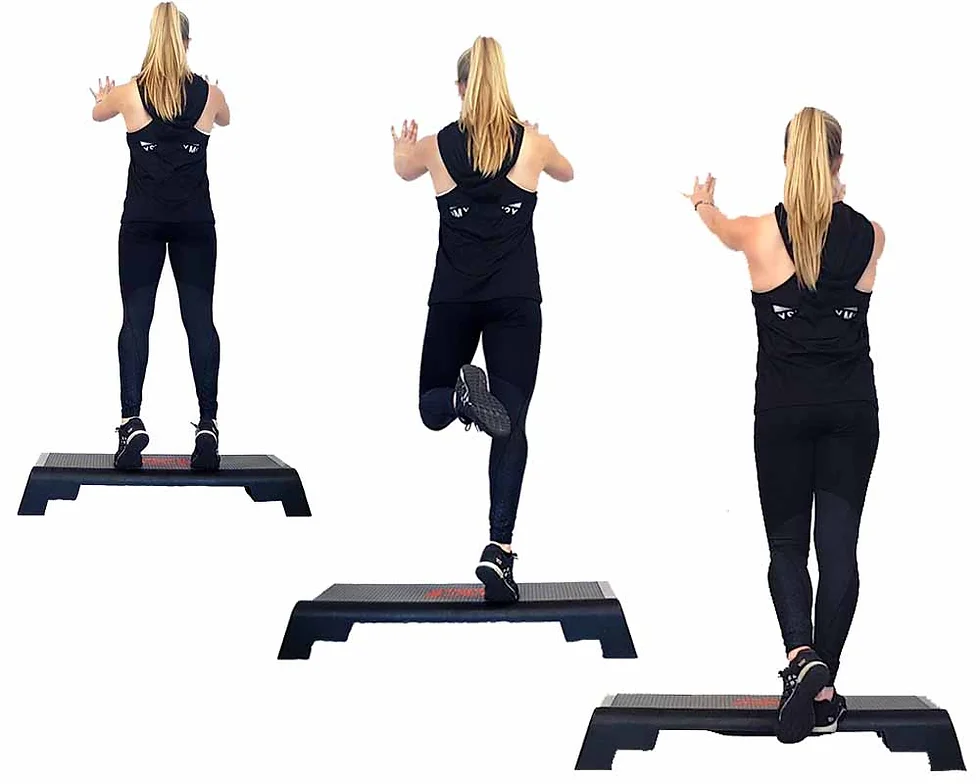
If you change the platform, note its height and how much of the foot rests on it. Keep the contact surface secure and the available ankle movement appropriate for you. General foot-and-ankle conditioning guidance uses support for balance and advises against ignoring exercise pain; neither principle requires copying a demanding research protocol.
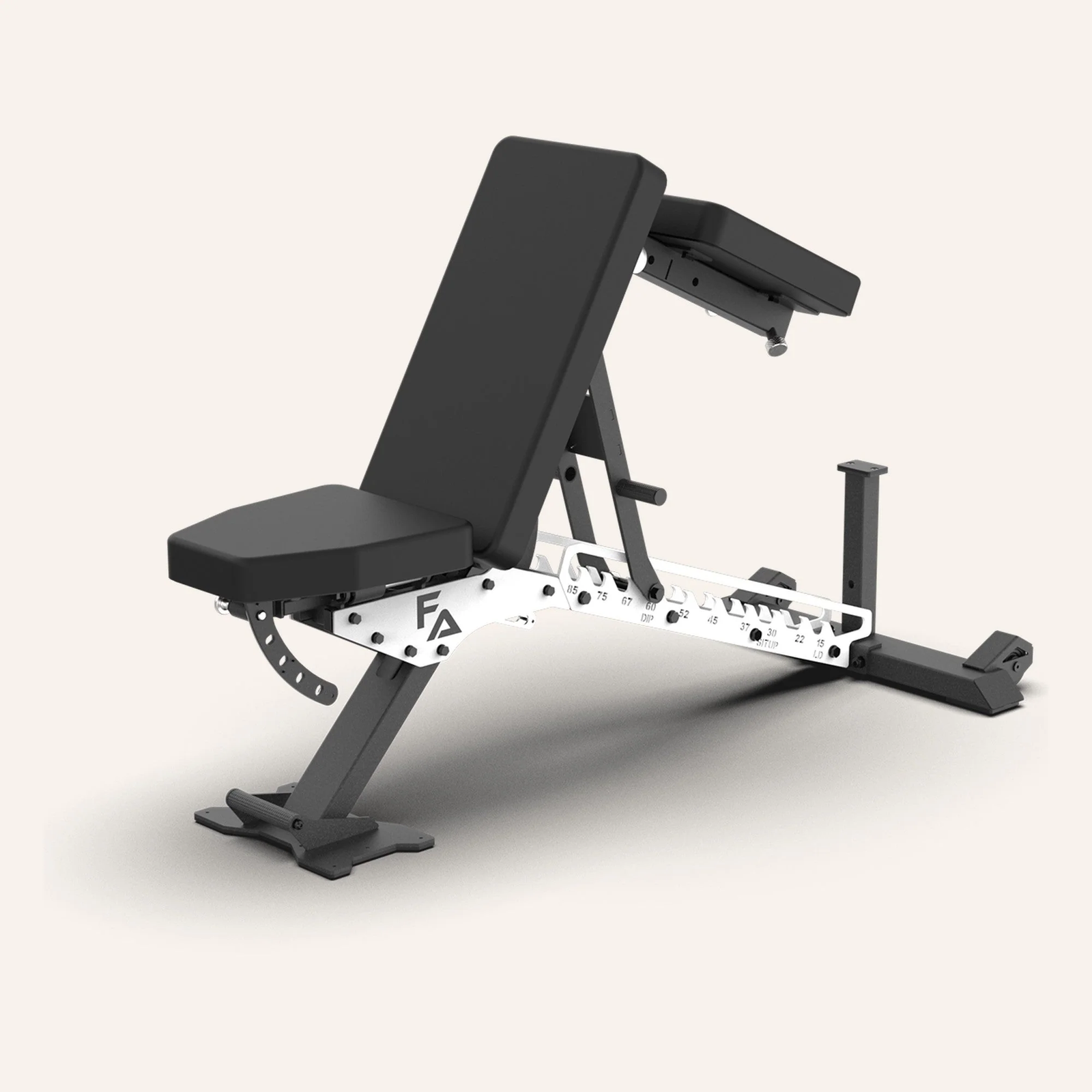
The equipment suggestions alongside this guide are alternatives for organizing training, not the actual devices used in the experiment. A bench or dumbbell listing does not demonstrate an eccentric quasi-isometric benefit. Keep the training decision separate from a purchase decision, and use equipment you can position and control appropriately before adding complexity.

Equipment Worth Exploring
Explore equipment, accessories and gear from our carefully selected range.

Multi Pull Smith Rack MPHR-780
All-in-one rack with a Smith machine, functional trainer, lat pulldown and low row.

Rubber Hex Dumbbells
Rubber-coated hex dumbbell pairs with a stable shape for home and commercial strength training.


Competition Plates
Competition-style bumper plates for Olympic lifts and loaded strength training.

Grip Plates
Rubber-coated weight plates with handholds for loading barbells and machines.

Build a calf log that rewards repeatable training
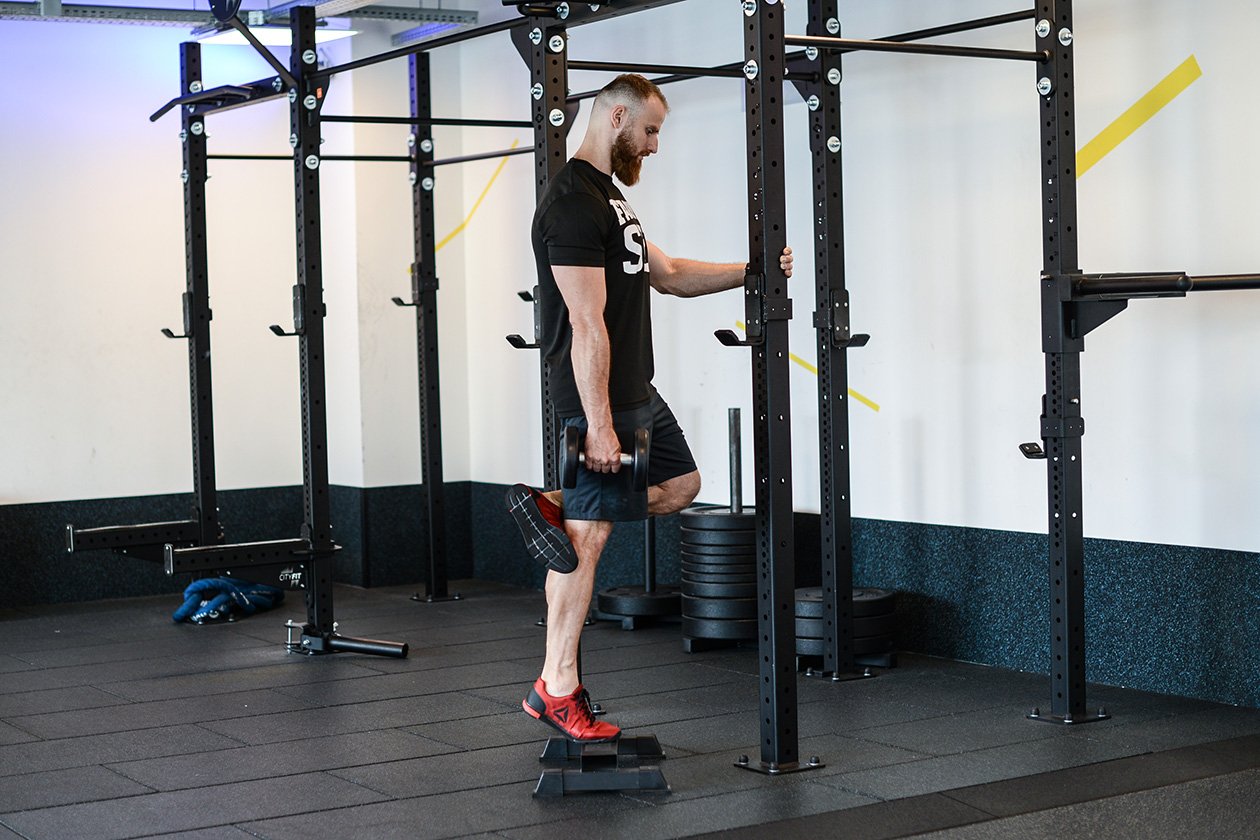
A useful entry begins with the variation: standing or seated, one leg or two, and the equipment used. Add the load, completed repetitions or hold duration, rest and a brief note about assistance. These details let you understand what changed when performance improves or a set ends earlier than expected.
Record the instruction and the observation separately. For example: “Supported standing calf raise; planned smooth lowering; heel movement became smaller during the final repetitions.” That describes something you can review. It is more informative than writing “eccentrics” beside a load and assuming every session was comparable.
Choose one change at a time where practical. If you alter the contraction style, total work, exercise variation and rest simultaneously, your log will show a different session but offer little help identifying the useful adjustment. A simpler comparison is often easier to maintain across a normal training week.
Keep attendance and recovery context beside performance. Missing sessions, adding unfamiliar lower-body work or returning after a break can change what a set feels like. Broad resistance-training guidance emphasizes regular participation and individualization. A method that is interesting on paper still needs to fit a routine you can sustain.
Decide when you will review the experiment and which question will guide that review. Did the new instruction produce controlled, repeatable calf work while leaving the rest of training manageable? Did the performance measure you chose improve? Those questions are more useful than asking whether the session felt advanced.
You can retain a method, modify it or return to ordinary repetitions without treating that choice as a verdict on all calf training. Use the evidence to define a sensible option, then use consistent practice and honest records to decide whether that option earns its place in your program.

Funny Gym Shirts & Workout Gear
Funny gym shirts, tanks, hoodies and workout gear for lifters who like training hard.

Never Skip Leg Day – NSLD Meme Fried Chicken Jumper Pul T-Shirt
Add a playful “Never Skip Leg Day” touch to your casual rotation.


Leg Day Is Calling You Sweater Squats & Deadlifts T-Shirt
Add a playful “Leg Day Is Calling You” touch to your casual rotation.

Never Skip Leg Day Flamingo – Fitness Meme Decal for Wa Sticker
Stick a little “Never Skip Leg Day Flamingo” humor on your favorite gear.

Leg Day Thou Shalt Not Skip Leg Day Medieval Knight Pul Hoodie
Show off your medieval humor in a laid-back “Leg Day” hoodie.


Leg Day Gym Fails
Show some leg-day attitude with a playful “Leg Day Gym Fails Funny Grunge Graphic” tee.

Never Skip Legday – Chicken Legs Meme , , & Leg Day T-Shirt
Heavy lifts, good laughs, and a little “Never Skip Legday” energy.


Leg Day No Thanks Skip Leg Day Meme Squats Deadlifts Tank Top
Bring “Leg Day No Thanks” humor to your next lifting session.