Advertising disclosure: This page includes affiliate product links that may earn us a commission, as well as products from our own store.
A Kang squat looks like two familiar lifts stitched into one repetition: a good morning, a squat, then a return through the good-morning position before standing. The sequence can be useful for a lifter who wants to rehearse bracing, hip control and knee motion together. It is also easy to turn into an awkward heavy squat if you rush the transitions. The practical goal is not the biggest plate stack. It is learning a precise route through four positions and knowing when that route stops being consistent.
Understand the two-phase Kang squat before adding weight
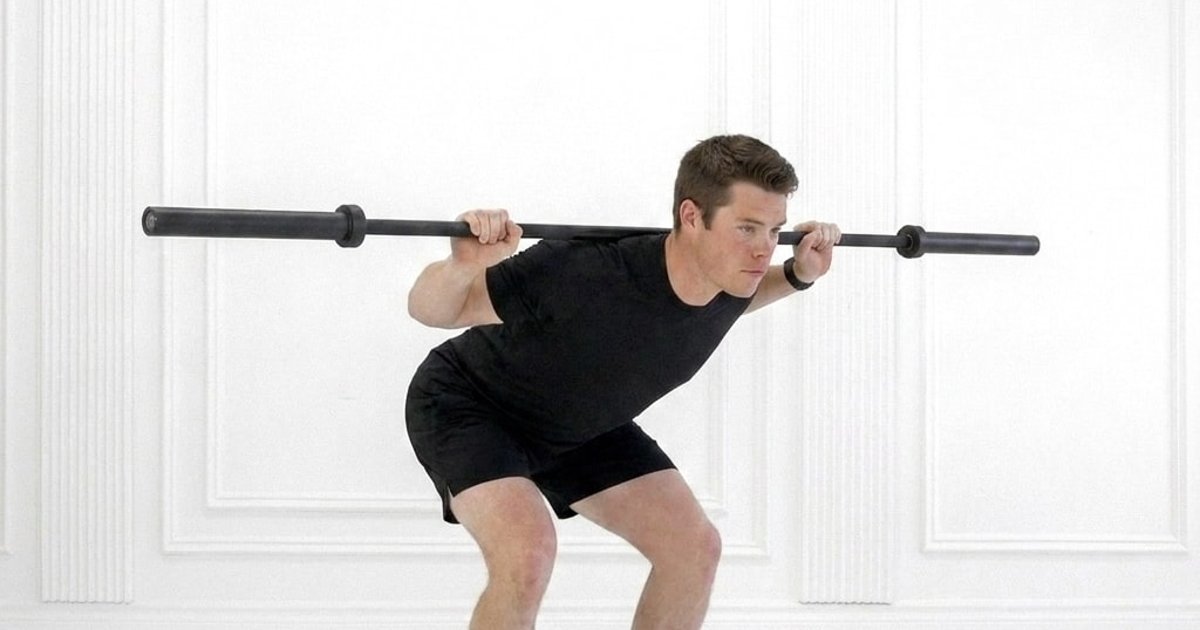
The Kang squat links a hip hinge and a squat in one round trip. Begin tall with a bar resting securely on the upper back, soften the knees and push the hips backward as if starting a good morning. From that hinged position, bend the knees farther and let the torso rise naturally as you sit into a squat. Then reverse the route: lift the hips back into the hinge before finishing by extending the hips to stand. It is not simply a regular squat followed by a separate good morning.
That ordering is the challenge. During the hinge, the hamstrings and glutes resist the load as the torso tips forward. During the knee-bending transition, the quadriceps contribute more heavily while the hips and trunk continue to work. The upper back must maintain the bar position through both phases. There is no sensible basis to promise that this hybrid will build more muscle than conventional squats or Romanian deadlifts; the distinctive feature is the coordination between two familiar patterns.
Keep the motion recognizable rather than chasing maximum depth. Some people can move into a comfortable deep squat from the hinge; others will stop higher because of ankle motion, hip anatomy or control. A shallow but repeatable transition is more useful than rounding the spine or suddenly dropping the knees in search of a dramatic demonstration. Work within a range you can own. The exercise is best regarded as a technique-intensive accessory or warm-up pattern, not a competition squat substitute.
Think of the first trial as a movement-quality assessment. If you cannot move slowly through hinge, squat, hinge and stand without losing your brace, loading the bar will make the sequence harder to learn. Practice the bodyweight version first and use a broomstick or empty bar only after you understand the pathway.
Set the bar and trace the hinge-to-squat path
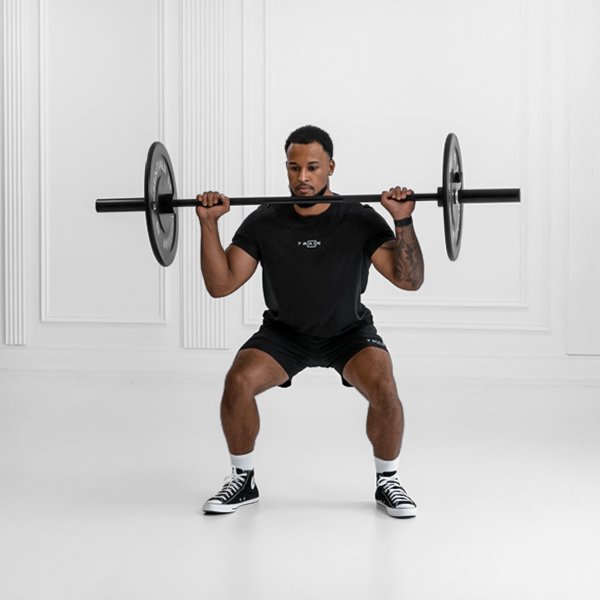
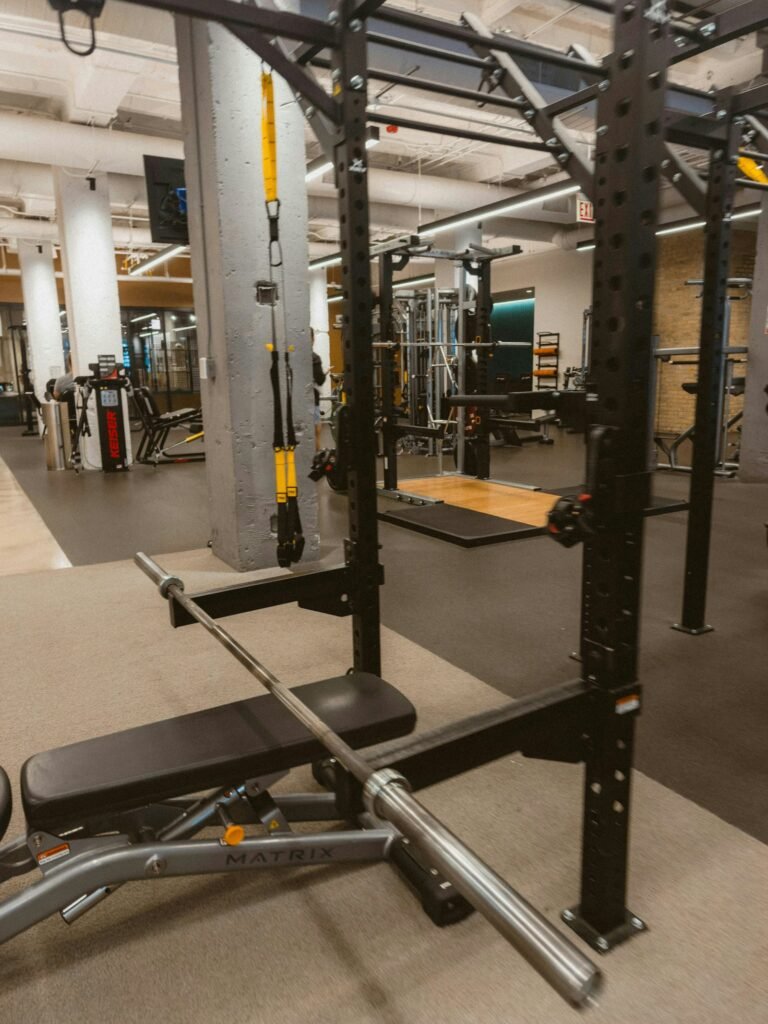
Set the hooks at a height that lets you unrack without rising onto your toes. Use a rack with correctly placed safeties, especially when training alone, and give yourself a clear area behind the uprights. Position the bar on the muscular shelf of the upper back. Choose a comfortable grip that keeps your wrists from doing the job of the shoulders. Take a short step back, settle a stance around hip to shoulder width and keep pressure across the whole foot.
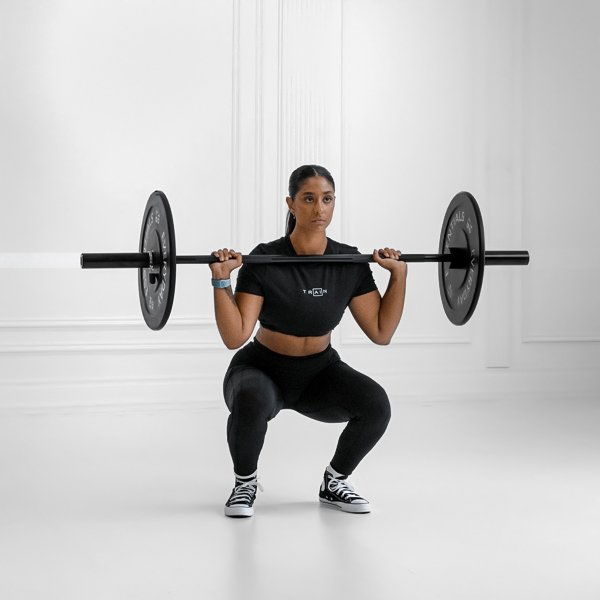
Start with a breath and abdominal brace before any deliberate bend. Push the hips behind you while keeping the knees unlocked. The torso inclines as the bar stays supported on the back; your aim is a long, controlled spine, not to force your chest to become perfectly parallel to the floor. Stop when your hamstrings feel tension and you can maintain foot pressure and trunk position. As the knees now bend, let the hips descend between the feet and the torso become more upright. Do not lift the heels to manufacture extra range.
To leave the squat, resist the urge to spring immediately upright. Drive the hips up and back until you return to approximately the hinge you used on the way down. Only then finish by pushing the hips forward and bringing the torso tall. That second hinge is the part lifters often skip once their quads become tired. A useful five-word rehearsal is: hips back, knees bend, hips up, stand.
Do three unweighted repetitions from the side while filming if possible. Compare the first and third reps: does your depth change, do your knees suddenly cave, or does the bar drift forward as you hinge? A bar that starts to roll or a back position you cannot maintain is a reason to simplify. If you have a spotter, agree on how you will abort and rerack before starting the set.
Choose a load that fits the longest lever
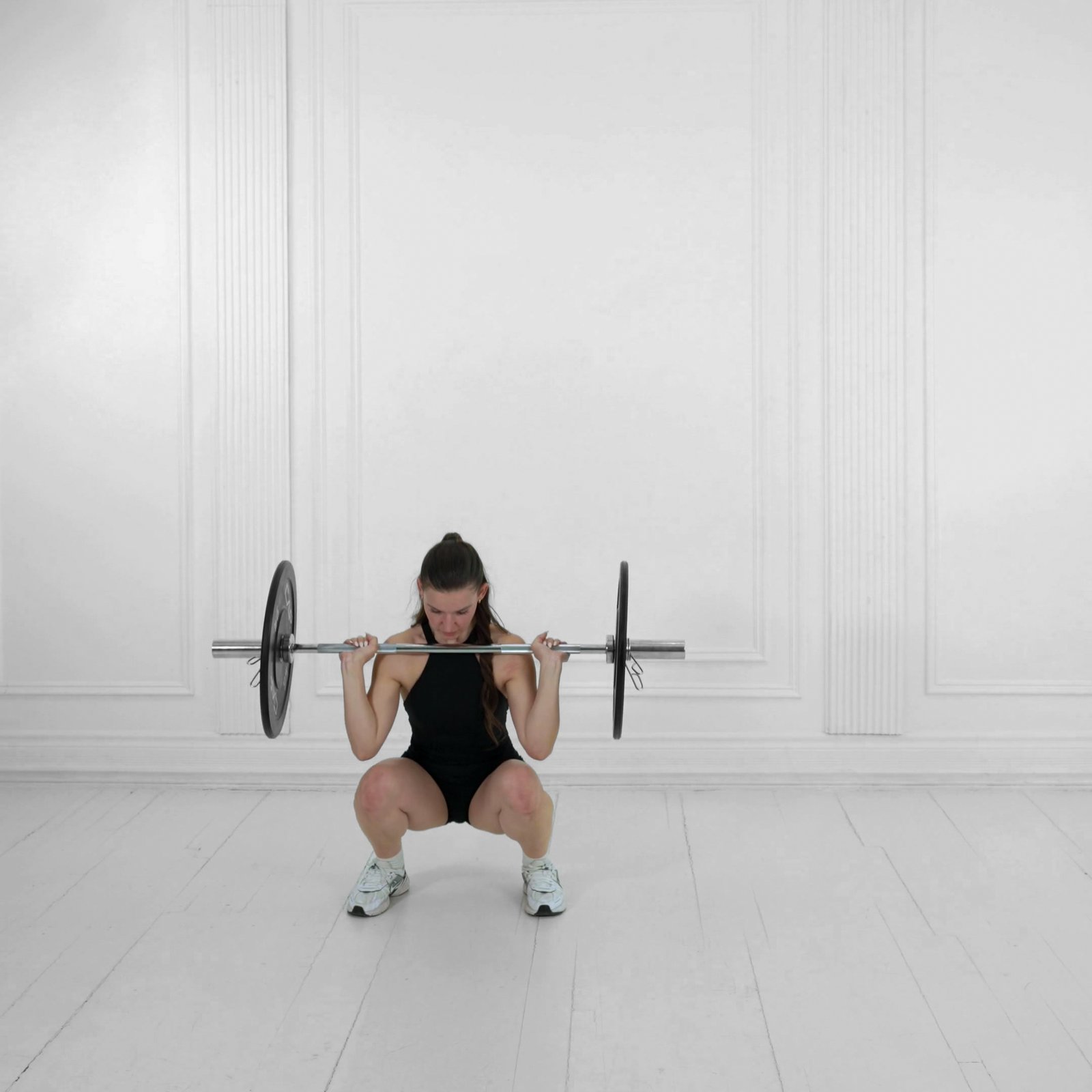
The hardest moment to stabilize may not be the lowest squat position. In the forward hinge, the bar on the upper back has a long lever relative to the hips. A weight that feels easy in a normal back squat can become much harder to control during the good-morning portion. That is why matching your usual squat percentage is a poor starting strategy. Start with bodyweight, a light dowel or an unloaded bar, then judge the hinge rather than the squat as the initial loading limit.
Keep repetitions deliberately slow. On the first few sets, use a gentle two-count hinge, a controlled squat, a controlled return to the hinge and an unhurried stand. Pausing briefly at each transition may expose whether you are actually balanced. Do not attempt a maximal lift, bounce into the bottom, or let the bar rest against the neck. If you start to round under fatigue, stop the set rather than performing a frantic partial squat to finish the target number.
Small weight plates are useful because the exercise usually needs smaller increments than a conventional back squat. Collars keep the loading symmetrical. If a rack is unavailable, a bodyweight Kang squat, goblet-held light dumbbell version or broomstick rehearsal is a sensible way to practice the pattern; each changes how the weight is supported, so do not assume the same torso angles apply. A heel wedge may help a lifter with limited ankle motion, but it changes balance and should not be used to conceal an unstable hinge.
Equipment should make the drill consistent, not complicated. A stable floor, well-fitted bar, a rack that catches a failed repetition and enough space for the full hip movement matter more than specialty handles. If wrist or shoulder positioning prevents a secure upper-back bar position, choose a bodyweight or front-held variation rather than forcing an uncomfortable grip.

Equipment Worth Exploring
Explore equipment, accessories and gear from our carefully selected range.


Safety Squat Handles
Barbell squat handles that reduce shoulder positioning demands during high-bar squats.


Competition Plates
Competition-style bumper plates for Olympic lifts and loaded strength training.

GymPin Squat Wedges
Non-slip 15-degree squat wedges help elevate the heels for deeper quad-focused squats.


Fix the most common sequencing errors
The first error is descending directly into a conventional squat and then attempting a good morning after standing halfway up. That changes the rep into a different sequence. Rehearse without weight and make the first phase visibly a hip hinge. The second error is turning the first hinge into a squat by allowing the knees to shoot forward immediately. Keep the initial knee bend relatively modest, then allow additional knee travel during the separate squat phase.
Another common problem is trying to achieve extreme depth by rounding the spine or letting the bar drift over the toes. The answer is not a universal cue to keep the torso vertical, because the initial hinge intentionally inclines it. Instead, maintain a consistent trunk shape, keep the load over a balanced foot and stop the squat at the point where the brace begins to fail. A mirror can be misleading here; a simple side-on recording is more informative than craning your neck to check your reflection.
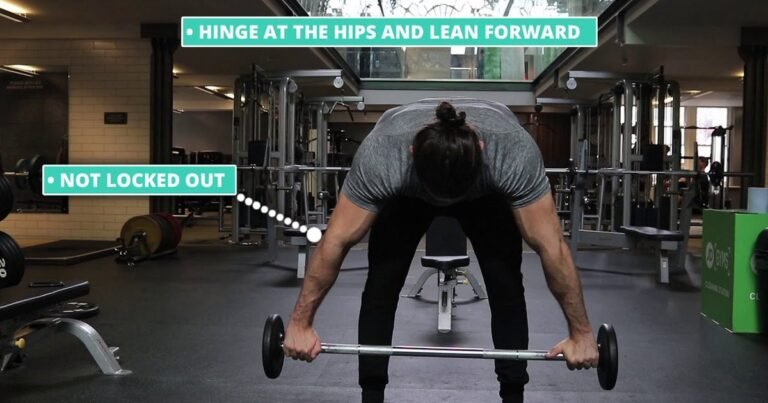
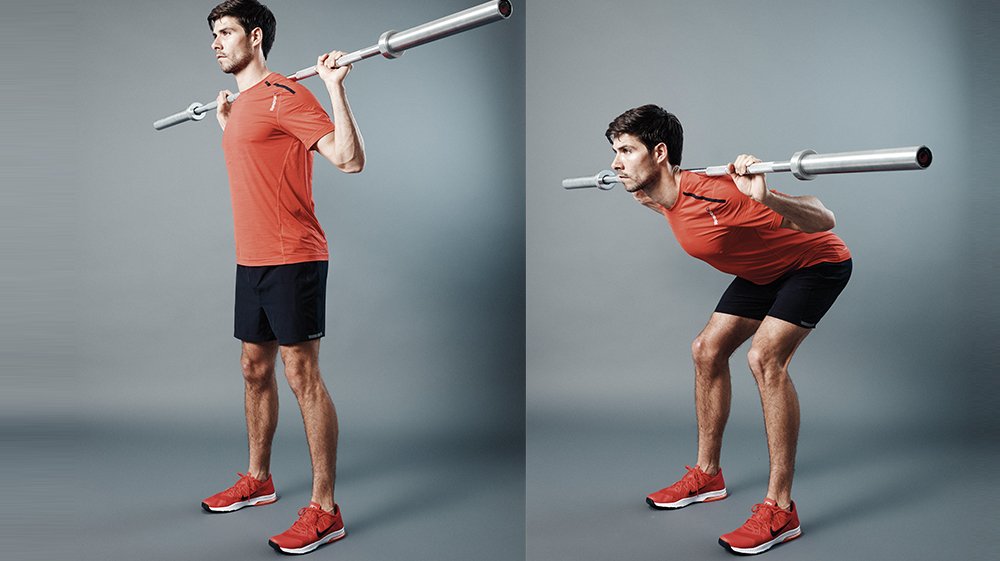
Bodyweight practice is not wasted work. The unloaded Kang squat lets you practice hip motion and knee motion as two connected but distinguishable skills, and it can reveal whether you understand the order without adding a barbell balance problem. An independent good morning with an empty bar is another useful drill for the hinge component. That photograph or drill illustrates only the hinge phase; it is not a complete Kang squat and should not be mistaken for one.
Pain is not a technique target. If you feel a sharp pinch in the hip, persistent low-back discomfort or an inability to stand securely from the bottom, stop and simplify the range or seek an appropriate professional assessment. The Kang squat is not a treatment for knee, hip or back conditions. It also does not replace heavy squat practice when your main goal is to improve a competition squat. Use it where its movement challenge adds value rather than treating it as mandatory.
A four-week progression that makes the skill measurable
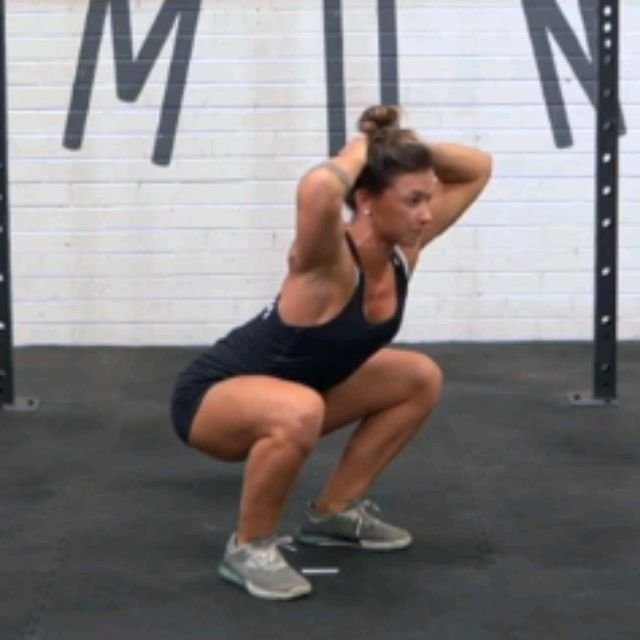
Treat the first four weeks as practice rather than a test of how much weight you can carry. In week one, complete two sessions of two sets of five slow bodyweight repetitions, resting long enough to restore your breath and brace. Do not progress the range if you cannot complete all five with a clear hinge-to-squat-to-hinge order. In week two, try two or three sets of six with a dowel or very light bar; keep the same foot position and repeat the transition heights rather than chasing a lower bottom.
In week three, use three sets of five to six with a load you can control for every phase, leaving several technically clean repetitions in reserve. In week four, aim for three sets of six to eight with the same load before considering the smallest plate increment. Only add that increment if your hinge position, squat depth and two transitions remain consistent across the final set. If the load spoils the movement, drop it back, even if the squat portion still feels easy.
Put the drill early in a lower-body session after an easy general warm-up if you are practicing coordination. Two or three sets may be enough before the main barbell work. If you use it as an accessory later, fatigue may reduce your ability to hold the forward hinge, so keep the load especially conservative. Do not automatically add it on top of a leg session that already contains lots of demanding hinge and squat volume; it can replace a light movement-preparation exercise instead.
Record three things beside the weight: the estimated depth of your first hinge, whether you consistently reached the same squat bottom, and whether the return hinge remained visible. Those observations distinguish a genuine improvement in control from a set that merely looks faster. The best outcome is a drill that teaches an organized transition between hip and knee motion without stealing recovery from the strength work you actually care about.

Leg Day Shirts & Workout Gear
Leg-day gym shirts and workout gear for lifters who never skip squats, lunges and lower-body punishment.

Thicc Booty Meme – Glute Lovers – T-Shirt
Rep “Thicc Booty Gym Meme” humor in and out of the gym.

Motivation – Squats & Booty Builder Leg Day – Strong T-Shirt
Bring “Gym Motivation” humor to your next gym day.

Get In Loser We'Re Gonna Squat Booty Leg Day Meme T-Shirt
Show some leg-day attitude with a playful “Get In Loser We're Gonna Squat” tee.

Squats R Us Shirt – Leg Day Gains & T-Shirt
Heavy lifts, good laughs, and a little “Squats R Us” energy.

My Leg Hurts Leg Day , Meme Lovers & Bros Casual T-Shirt
Bring “My Leg Hurts” humor to your next gym day.


Funny Squatbucks Gym | Starbucks Parody Workout | Leg D Hoodie
Bring “Squatbucks” gym humor to lazy days and post-workout plans.

Quadzilla Massive Quads Sweater Leg Day Squatting T-Shirt
Keep things casual with a little “Quadzilla” attitude.

Squatzilla Meme Leg Day Vest Tank Top
Bring “Squatzilla” humor to your next lifting session.

Swolebob Squatpants Gym | Funny SpongeBob Meme Workout Sticker
Bring “Swolebob Squatpants” attitude to your water bottle or laptop.