Advertising disclosure: This page includes affiliate product links that may earn us a commission, as well as products from our own store.
Should you obey a fixed percentage on the bar or adjust the day’s weight based on performance? A randomized crossover comparison involving eight trained men gives a useful but limited answer. Both methods improved important lower-body strength measures, while bench press produced a more complicated result. The crucial detail is what the researchers actually meant by autoregulation: an opening set taken to failure, not simply choosing a weight by feel. Here is what the comparison can and cannot tell a lifter planning the next block.
1. The two programs were not simply RPE versus percentages
Eight resistance-trained men completed two eight-week strength-training blocks in a randomized crossover design, with a two-week washout between blocks. Each person experienced a traditional percentage-based program and an autoregulated one. Because participants crossed over, the design could compare methods within a very small group, but it also raised questions about accumulated training adaptation and whether a short intervening period completely separated the experiences.
The familiar fixed-percentage approach drew working loads from predetermined percentages of a one-repetition maximum, or 1RM. The autoregulated approach was more specific than the broad advice to train by feel: an initial set was taken to failure at 85% of baseline 1RM, and that day’s repetition performance informed loading. An opening maximal-effort set is a substantial task, especially during a strength block. This is not the same as selecting a load by a casual readiness score or leaving two repetitions in reserve.
That difference matters when interpreting the result. If someone prefers RPE-based top sets, velocity feedback, or an easy warm-up used to gauge readiness, this experiment does not directly test that particular system. It compares one defined performance-based adjustment rule with a defined percentage plan. Labels such as flexible and fixed can hide more about the actual workout than they reveal.
Both programs involved squat, bench press and deadlift testing. The most useful question is therefore whether adjustments produced better outcomes on those lifts, rather than whether one training philosophy sounds more modern. Also remember that eight individuals cannot represent the full variety of training ages, sexes, sleep patterns, injury histories or coaching environments.
2. Squat and deadlift improved, without a clear winner
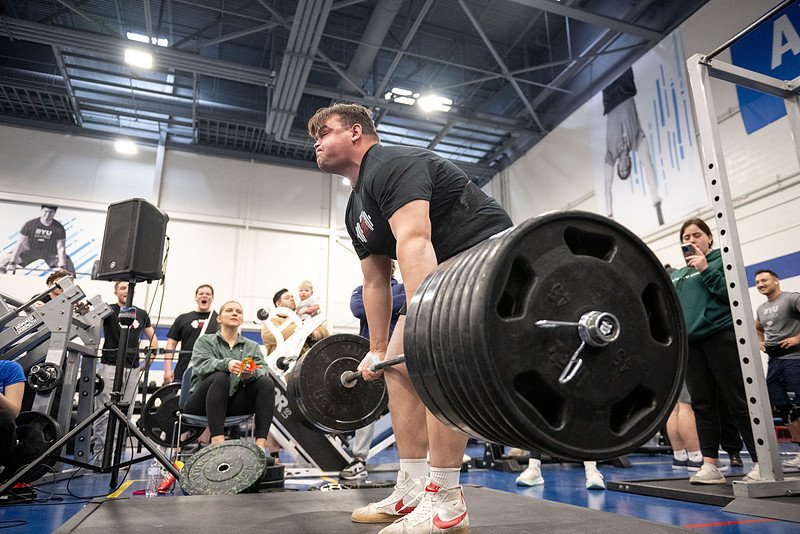
Squat strength increased significantly across the interventions, as did deadlift strength and the combined three-lift total. Yet those gains did not show a statistically clear between-program advantage for either loading strategy in the reported comparisons. In practical terms, both approaches were capable of progressing these trained lifters over the observed periods. The finding does not establish that the methods are interchangeable for every athlete or every program length.
The autoregulated condition produced a higher average training intensity, expressed as a percentage of 1RM, for squat and deadlift. That is worth distinguishing from better strength gains. A group can lift heavier relative loads during training without demonstrating a clearly superior outcome on the test used at the end. Higher intensity is a description of the exposure, not a synonym for better adaptation.
A strength coach might reasonably like the ability to adjust a session when yesterday’s target suddenly feels light or unusually demanding. Another coach might prefer the consistency of a planned block, allowing enough recovery and enough weeks for the trend to emerge. This result does not force either coach to abandon the method that keeps training measurable and sustainable.
Consider a lifter with a nominal 180-kilogram squat 1RM. A planned 80% session begins at 144 kilograms; a small daily load change might instead use 140 or 147. These are illustrative numbers, not prescriptions and not the study’s calculated adjustments. What matters is logging the actual load, sets, repetitions, proximity to failure and how the lifter performs over successive weeks. A single heavier Tuesday is not proof that the entire program worked better.
3. Bench press complicates the easy headline
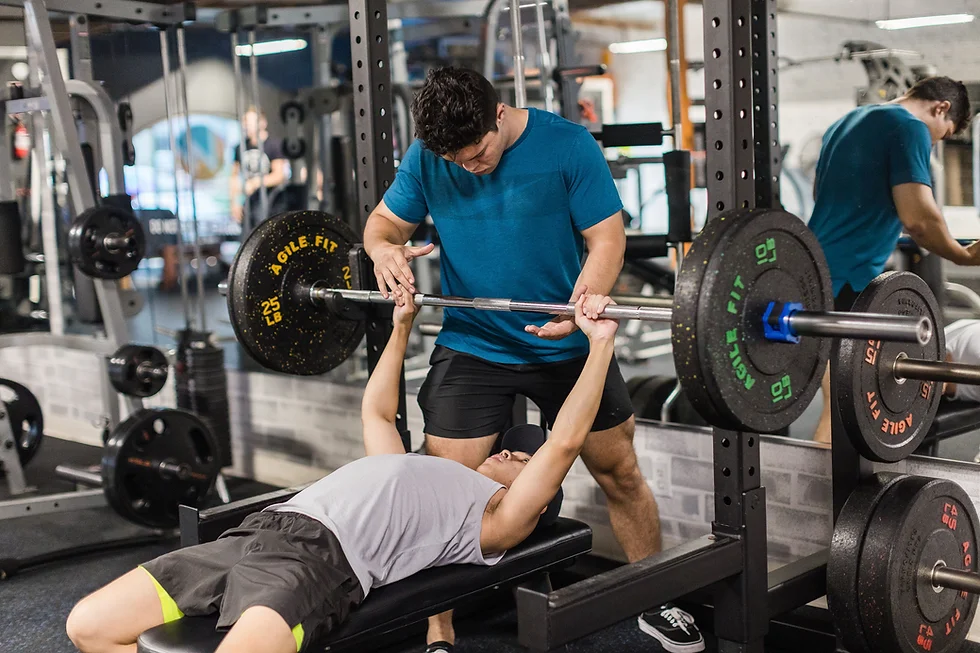
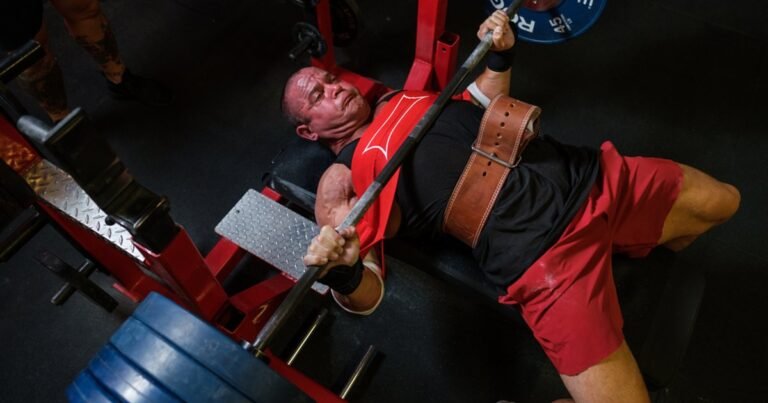
Bench press deserves separate attention because it did not follow the neat narrative of identical results. The overall bench 1RM increase approached, but did not reach, conventional statistical significance in the study’s reported test. At the same time, the program-by-time interaction favored traditional percentage-based loading. This is a meaningful signal within the experiment, but not a warrant to declare that autoregulation harms bench strength.
The small sample creates uncertainty around estimates of the difference. With only eight men, one participant’s unusually large improvement or stalled bench can have an outsized influence. The crossover arrangement, the particular initial-set-to-failure rule and the program’s loading details also matter. A stronger result for traditional loading in this particular comparison is not the same as a universal rule that fixed percentages always beat flexible methods on upper-body lifts.
It helps to separate three questions. Did either program produce a positive bench outcome? Was the difference between programs apparent in the chosen analysis? Would a bigger, differently designed study find the same effect? The published results can speak to the first two; the third remains a question. Treat a p-value as a way to interpret a measured comparison, not an instruction to reorganize every pressing day.
For someone whose bench has stagnated, a sensible next step is to inspect frequency, technique consistency, actual completed volume, fatigue, and whether load jumps exceed available progress. Neither method repairs an inconsistent setup, poor spotting arrangement or chronic missed sessions. Use safeties and suitable spotting for heavy attempts; do not copy a failure-based test merely because it was used to calculate experimental training loads.

Equipment Worth Exploring
Explore equipment, accessories and gear from our carefully selected range.


Competition Plates
Competition-style bumper plates for Olympic lifts and loaded strength training.

Grip Plates
Rubber-coated weight plates with handholds for loading barbells and machines.


Foldable Wall Rack
Wall-mounted folding squat rack designed to save floor space between workouts.

FID Bench MAX
Adjustable bench offering flat, incline, and decline positions + adjustable headrest.

Multi Bench MBX-650 2.0
Adjustable multi-bench with roller adjustment, 15 backrest positions and accessory mounts.
4. Daily flexibility needs a rule, not a mood
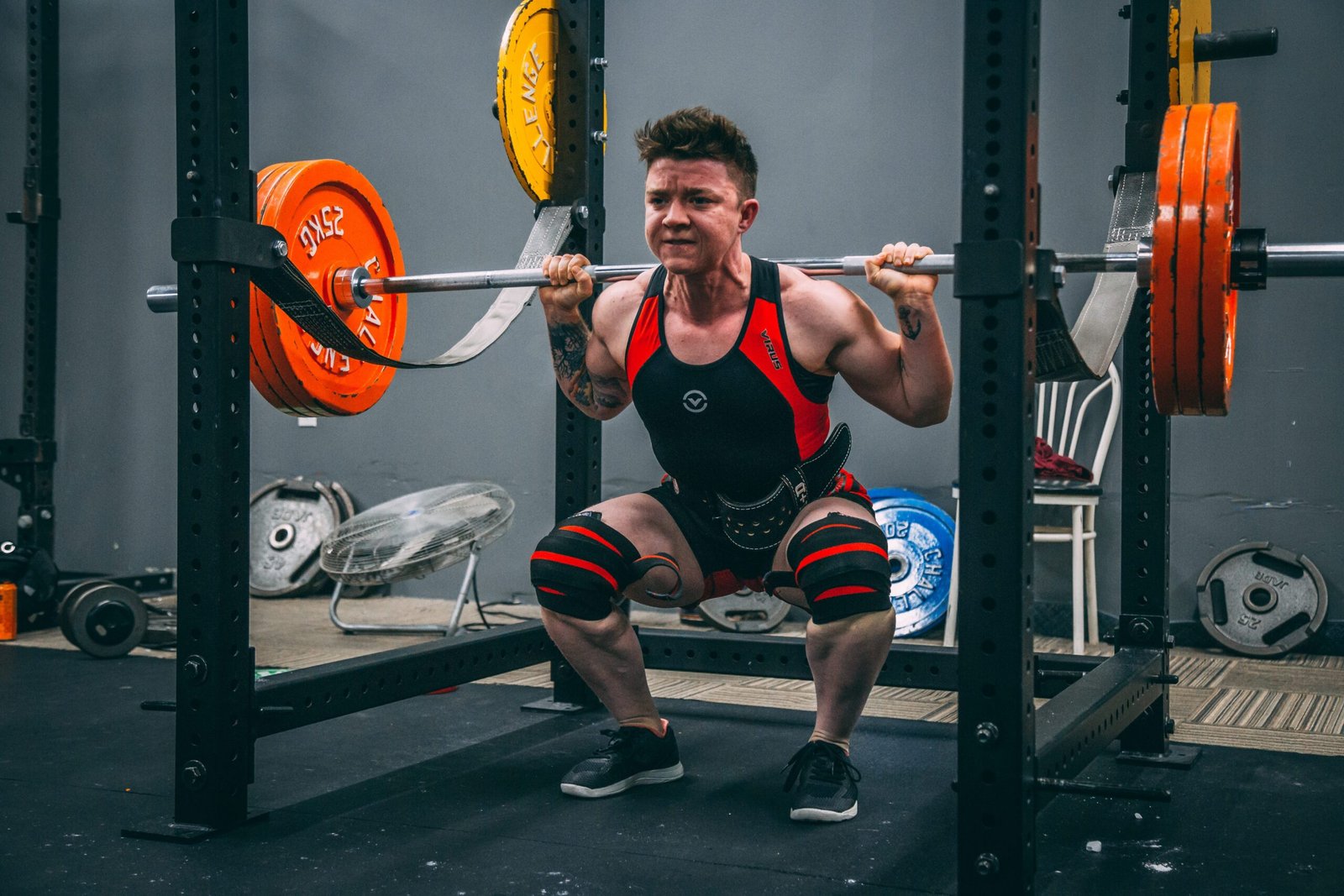
Autoregulation works best as a defined decision process. For example, a coach might allow a small load increase when prescribed working sets move cleanly at the expected effort, hold the load when the target is met but demanding, or reduce it when technique or rep performance deteriorates. The method is only auditable if the criteria are written before the session. Without a repeatable rule, changing the load can turn into improvisation.
Fixed-percentage programming has its own adjustments. A percentage derived from an outdated max may overstate or understate a lifter’s actual capacity. A coach can schedule periodic recalibration, adjust a training max or scale the day’s workload rather than enforcing an impossible number. Fixed on paper need not mean inflexible in practice; likewise, autoregulated does not mean always training harder.
Other research has explored ratings of perceived exertion, repetitions in reserve, bar-speed feedback and autoregulating progressive resistance exercise. These tools do not all measure the same thing. Feeling one repetition shy of failure differs from seeing a measured bar-speed decline, and both differ from the performance-to-failure opening set used here. Evidence from one variation should not be borrowed wholesale to justify another.
A useful comparison for an experienced lifter is to track eight weeks of complete training, not merely compare two best sets. Note the planned load, the completed load, repetitions, rest periods, effort estimate, technique issues and whether the next session was affected. If an adjustable method makes you recover better and complete quality work, that is useful practical information. If a fixed schedule keeps you honest and steadily progressing, that is useful too. Both still require progressive training and adequate recovery.
5. An eight-week decision framework for real lifters
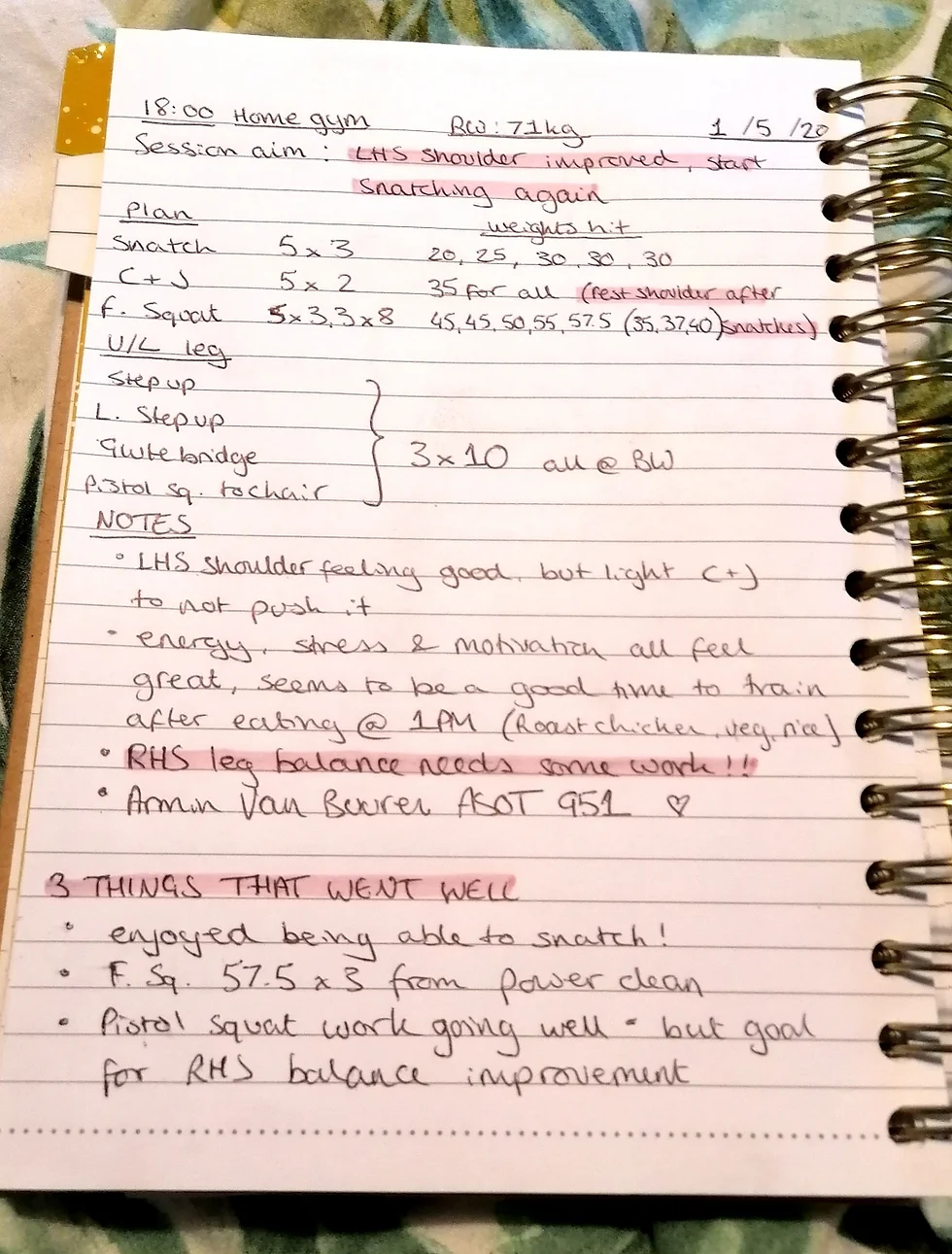
Start by establishing a repeatable baseline for the lift you care about. This can be a safe, technically consistent heavy set or a recent tested maximum that is still representative. Avoid retesting maximal singles every few days. Choose a training approach based on whether your daily performance fluctuates substantially, how experienced you are at estimating effort and whether you can reliably track the numbers.
For a basic fixed approach, plan working loads as percentages of a conservative training max and review the outcome every week. For a simple autoregulated approach, define a target rep range and effort window, then specify in advance when to add, maintain or subtract a small amount of weight. These are example decision systems rather than replicas of the eight-man trial. Do not mix a program’s volume, rest periods and exercises at the same time as changing its loading method if you want a clearer comparison.
During weeks one and two, learn the recording process and establish how consistently you hit the intended work. In weeks three and four, look for actual trends rather than reacting to one bad night. In weeks five and six, adjust only where repeated evidence shows the planned intensity is mismatched. In weeks seven and eight, review performance and fatigue together; a best-ever top set accompanied by several uncompleted workouts may not be the improvement you hoped for.
Use the smallest log that still answers your question: date, lift, load, sets, repetitions, estimated effort or reps in reserve, and one short note on recovery or technique. That is often enough to reveal whether a rigid percentage has become unrealistic or whether flexible loading is drifting too freely. Separate changes in maximal strength from changes in training intensity and perceived effort.
The headline result is deliberately narrow: eight trained men gained squat and deadlift strength with both methods; a clear lower-body winner did not emerge, and bench outcomes were more favorable to the traditional condition in this small test. Choose an approach you can execute safely, progress deliberately and evaluate honestly. The quality and continuity of your training matter more than the label on your spreadsheet.

Powerlifting Shirts & Lifting Gear
Powerlifting shirts and gym gear for squat, bench and deadlift lifters who live for heavy numbers.


Gym Cult Occult Barbell Meme Graphic – Powerlifting Bod T-Shirt
Make gym days more fun with “Gym Cult” style.

Liftionaire Money Barbell Meme Workout Bodybuilding Fit Tank Top
Add some lifting attitude to training with “Liftionaire”.

Heavy Squatter Meme Squats & Gains Leg Day Wizard Top T-Shirt
Heavy lifts, good laughs, and a little “Heavy Squatter” energy.

Squat Here | Edgy Workout Decal for Water Bottles & Gym Sticker
A fun “Squat Here” touch for bottles, laptops, and lockers.

The Walking Deadlift | Zombie Muscle Shirt For Leg Day Tank Top
Show some personality between sets with “The Walking Deadlift”.

Skeleton Deadlift – Meme Deadlift Lovers, Leg Day & T-Shirt
Heavy lifts, good laughs, and a little “Skeleton Deadlift” energy.

My Bench Press Is Stuck Tee
Heavy lifts, good laughs, and a little “My Bench Press is Stuck Funny Horror” energy.

Never Skip Leg Day Gym | LEGO Workout For Squat & Deadl Hoodie
Bring “Never Skip Leg Day” gym humor to lazy days and post-workout plans.