Advertising disclosure: This page includes affiliate product links that may earn us a commission, as well as products from our own store.
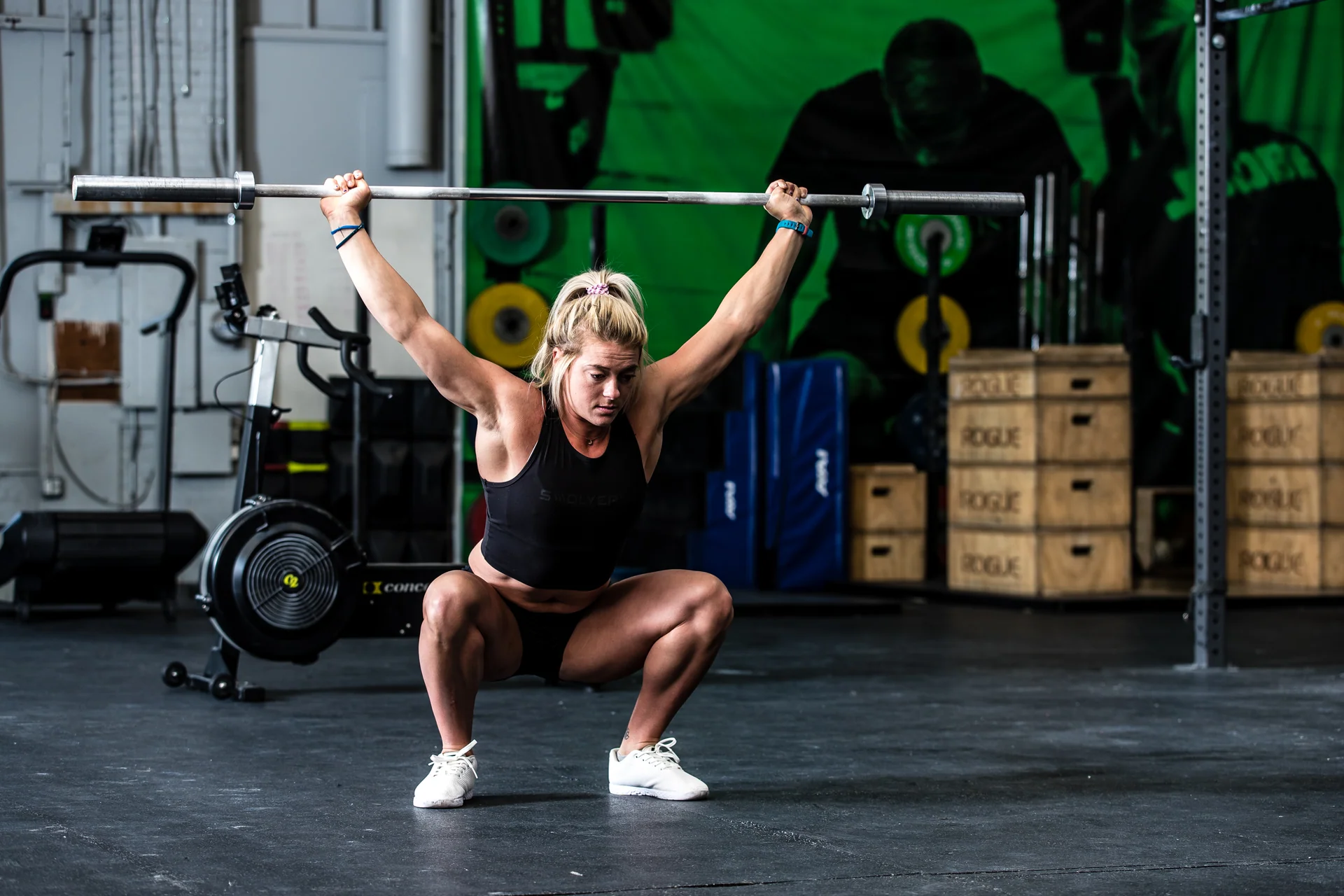
Two lifters can say they are doing a Sots press while starting the bar on opposite sides of their head. That is a meaningful difference. Pressing from a front rack at the bottom of a squat is a press in clean; the wide-grip, behind-the-neck version is a press in snatch. Both appear under the Sots label in training material. Before copying a demonstration or comparing your progress with someone else's, identify the version. This guide treats the name as the start of a conversation about technique, rather than a complete exercise prescription.
Name the Starting Position Before You Copy the Rep
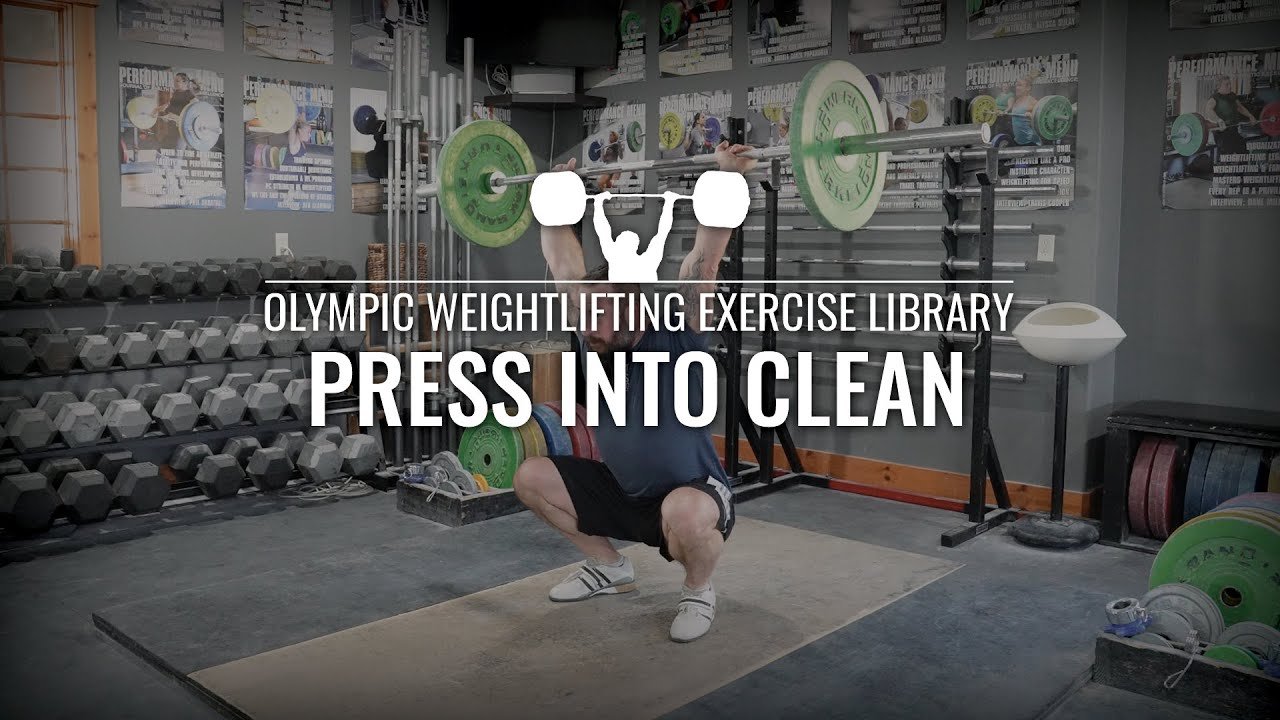
For the front-rack version, use a clean-style squat stance and an appropriate pressing grip, settle into the bottom position, and press without bouncing upward with the legs. Return the bar to the shoulders under control. The torso and feet should remain organized while the arms move. A lift that needs a rising squat to launch the bar has changed the task, even if the arms finish in the same place.
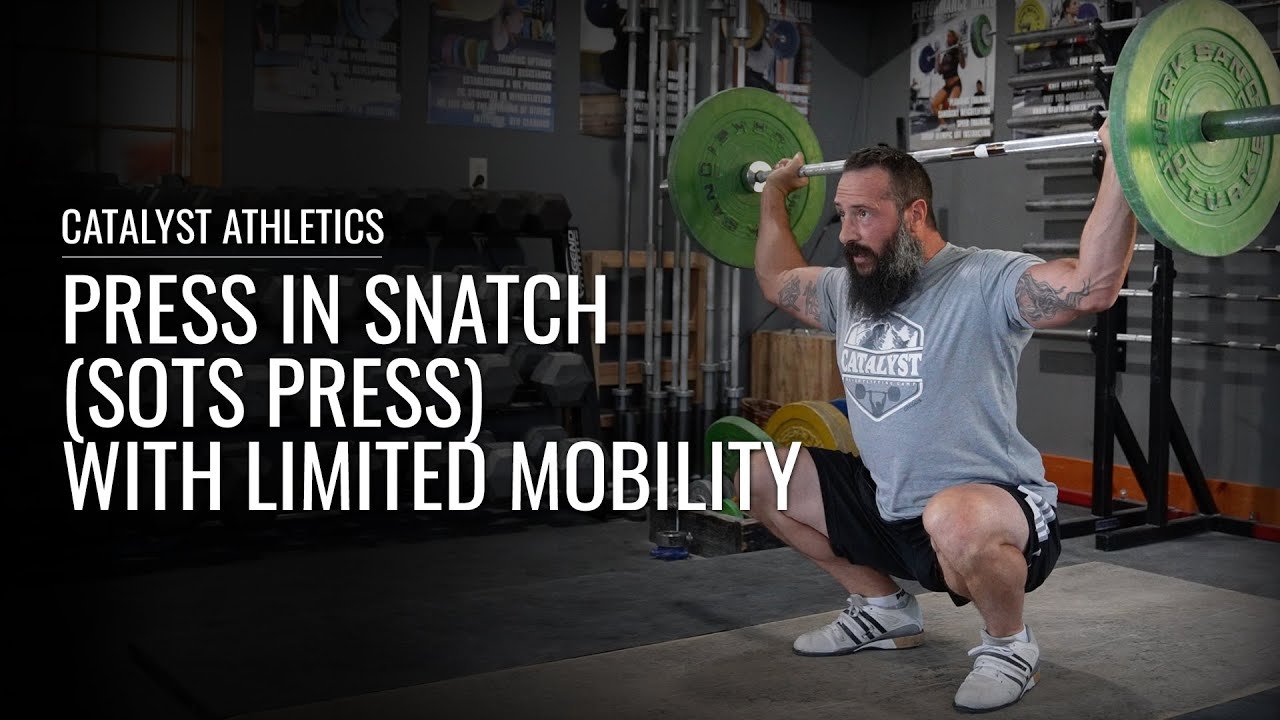
The behind-the-neck version starts from the upper back with a wider snatch grip. It is also performed in the bottom of a squat, but its starting position and hand spacing differ. A demonstration of that variation does not automatically tell you how to set up the front-rack version. Check the actual movement instead of assuming that a shared caption means identical instructions.
A front squat to overhead press introduces another distinction: the lifter rises from the squat and presses as they return to standing. That coordinated squat-and-press pattern belongs in its own training-log entry. It does not supply a missing Sots repetition when you intended to stay low. Neither exercise needs to be declared superior for the difference to matter.
Write a descriptive label before the first working set: front-rack press in squat, or snatch-grip press in squat. Add whether the legs stay still. Those few words make a coach's instructions easier to follow and keep an exercise app's short name from making the decision for you.
Front Rack and Back Rack Answer Different Practice Questions
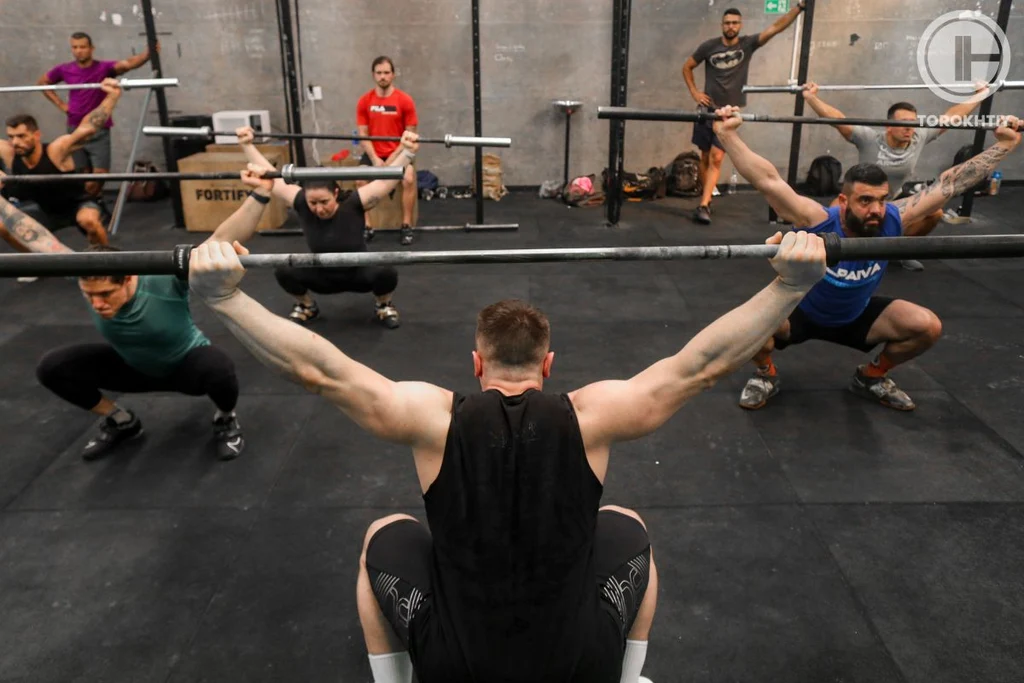
The front-rack press in clean places the practice in the receiving position of a clean. The behind-the-neck, snatch-grip version uses a different rack and grip associated with snatch practice. This gives each drill a recognizable context. It does not establish that either one is essential for every person who wants stronger shoulders or a better squat.
Choose the question you want the drill to answer. Perhaps your coach wants to see whether you can keep a settled front squat while initiating an easy press. Perhaps the planned session specifically calls for a snatch-grip movement. Those are clearer reasons than choosing whichever version lets you move the heavier bar today. More weight in a different variation does not answer the original question.
A useful comparison requires consistent conditions. Imagine a lifter recording five front-rack repetitions on Monday and five wide-grip back-rack repetitions on Friday. The second set might feel smoother, but it cannot demonstrate an improvement in the first exercise by itself. The sensible log preserves both entries and describes what changed. That is a recording example, not a claim about a measured training effect.
Keep the distinction when discussing muscle work, too. The arms press while the lower body holds the squat, but that description does not make the drill a substitute for every shoulder or leg exercise. A positional accessory can have a specific job without becoming the centerpiece of a strength or hypertrophy program. Let the intended practice determine how much attention it deserves.
Treat Readiness as a Practical Decision, Not a Mobility Grade
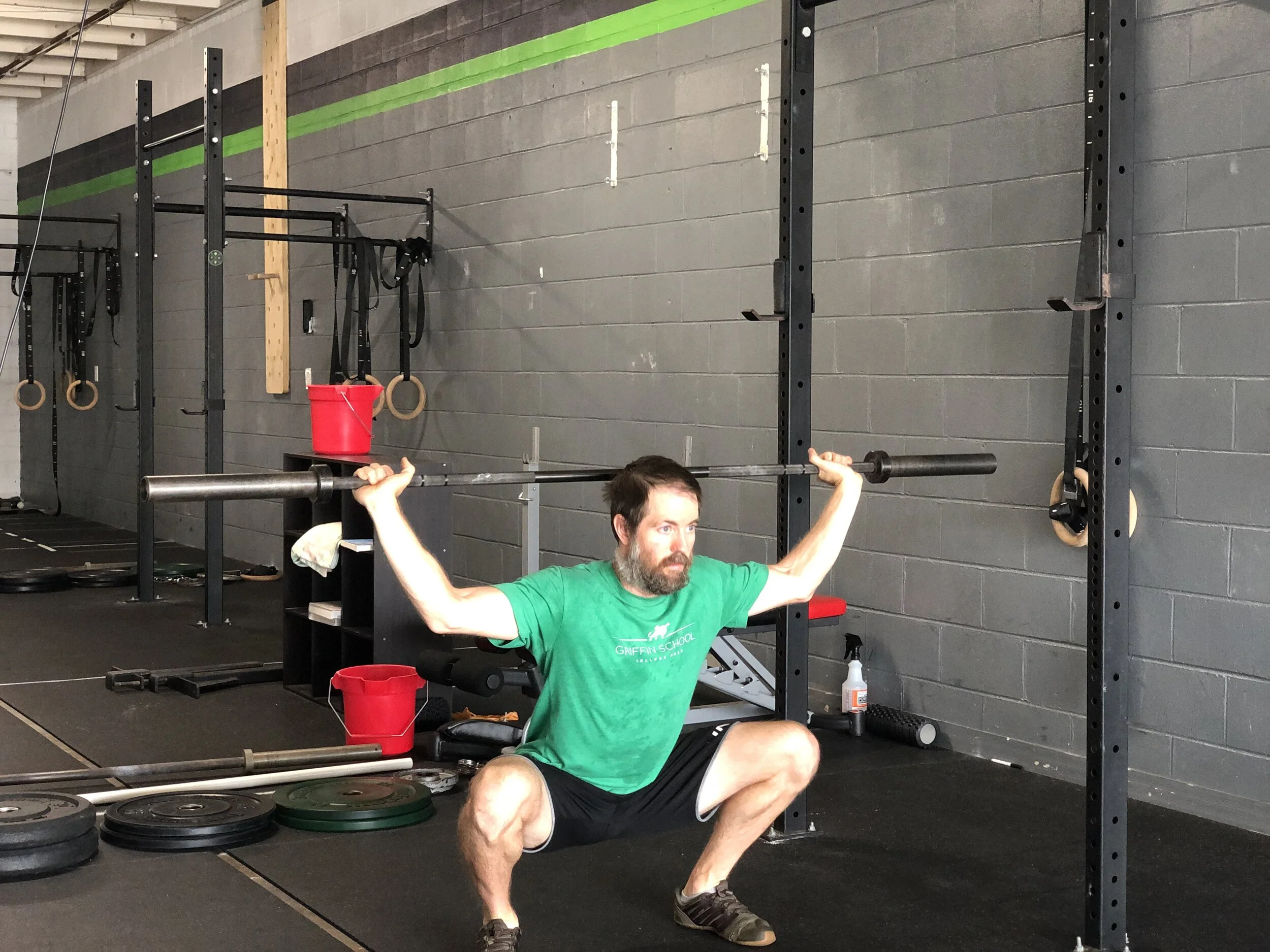
The front-rack drill is appropriate only when the required movement can be performed without pain. Being able to hold an unloaded squat is not the same as being able to press from it. Bringing the bar into the picture creates a separate task. There is no benefit in turning an uncomfortable setup into a mandatory test of whether you belong in weightlifting.
Watch the repetition rather than searching for one impressive still frame. Can you arrange the start deliberately? Does the press remain controlled? Can you return the bar without losing the position you were trying to practice? These observations describe the attempt. They do not diagnose a particular joint, identify an injury, or prove which stretch a person needs.
For example, a lifter may look balanced before the press but repeatedly shift their feet as soon as the bar moves. Recording that sequence gives a coach something concrete to assess. Calling it a failed ankle-mobility score adds a conclusion the observation alone does not support. Film an unobstructed view when appropriate, and describe the visible change in plain language.
Also separate unfamiliarity from permission to force a movement. A drill can require practice while still being the wrong choice at the present time. Pain, an uncontrolled return, or an inability to organize the setup are reasons to stop that attempt and reassess. A comfortable alternative keeps the session useful without requiring you to win an argument with the barbell.
Reduce the Task Before You Add Equipment or Weight
Begin with very light resistance and prioritize positions. If a standard empty bar is already too demanding, a dowel or lighter training bar can make the learning task smaller. A lighter implement still needs a comfortable setup and adequate space. It is a way to practice deliberately, not permission to push into a range you cannot control.
Another option is to separate the skills. Practice an appropriate squat and an appropriate standing press as distinct exercises, using versions you can perform comfortably. This is not automatically the same training stimulus as pressing from a deep squat. It simply allows useful work to continue while a coach decides whether the combined drill deserves a place in your program.
Change one condition at a time. If you alter the grip, stance, bar weight and footwear together, a better-looking repetition gives little information about which change mattered. Heel elevation, if a coach chooses it, also changes the setup and belongs in the record. It should not become an improvised fix for pain or a reason to load a movement that remains uncontrolled.
For home practice, prioritize clear overhead and floor space, a suitable implement, and a sensible way to begin and end the set. Barbell, plate, collar and rack compatibility must be checked for the equipment you actually own. A rack may support setup for free-bar work; it does not make a fixed Smith-machine path interchangeable with a free bar. Small plates are useful only after the movement is ready for additional resistance.
The purchase decision comes after the exercise decision. Choose equipment that serves a defined practice task instead of buying enough accessories to make an unsuitable drill feel compulsory.

Equipment Worth Exploring
Explore equipment, accessories and gear from our carefully selected range.


Competition Plates
Competition-style bumper plates for Olympic lifts and loaded strength training.

Grip Plates
Rubber-coated weight plates with handholds for loading barbells and machines.

Speed Collar
Quick-release collars designed to secure weight plates on standard two-inch Olympic bars.
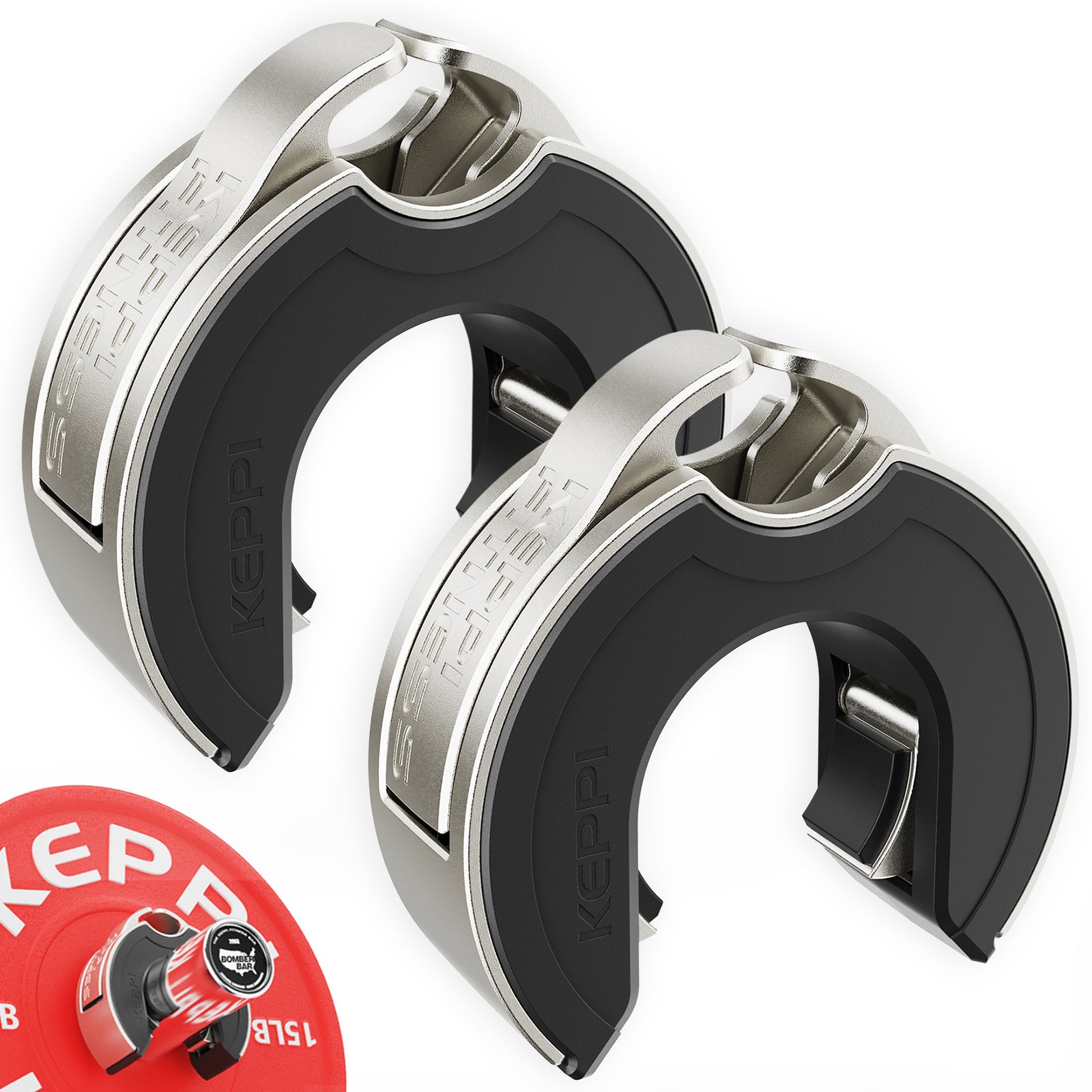
Keppi Open Collars
C-shaped magnetic Olympic barbell collars with a quick-lock mechanism and grippy lining.

Program a Small Practice Dose and Keep an Honest Log
For a lifter already able to perform the press in clean comfortably, short sets of three to five light repetitions before clean practice are one established programming option. That is a starting example, not a universal dose. An empty bar may be sufficient, and a heavy accessory set later in a session represents a different emphasis from a brief preparation drill.
Decide what would make today's practice successful before starting. It might be repeating the same settled position across a small number of controlled attempts. It need not be adding weight. If the exercise leaves you too tired to perform the session's main work as intended, reconsider the amount or placement rather than automatically treating more practice as better practice.
Use a short log with fields for variation, implement, load, repetitions and the main observation. An illustrative entry might read: front-rack version, training bar, three controlled repetitions, setup consistent. Another might read: snatch-grip version, dowel, stopped when the return became difficult to control. These are examples of useful descriptions, not targets, test results or a progression you must copy.
Keep total load distinct from the plates added to a bar. Changing to a lighter bar and adding plates can produce a different number on the sleeves without a heavier total implement. Note the bar identity when it matters, and avoid comparing training bars, fixed bars and different grip variations as though the only variable were strength.
Review the drill by whether it serves the surrounding training. If it helps you rehearse the intended position comfortably and consistently, it has a clear job. If its purpose remains vague, ask for a simpler explanation or choose another accessory. The most useful outcome is understanding exactly what you practiced and why you will repeat it.

Funny Gym Shirts & Workout Gear
Funny gym shirts, tanks, hoodies and workout gear for lifters who like training hard.

Shoulder Press Dost Thou Even Press Medieval Knight Gym Sticker
Give your everyday gear a playful “Shoulder Press” twist.

Safety Practice Safe Sets Vest Weightlifting Tank Top
Bring “Gym Safety” humor to your next lifting session.

Meme – "Shhh I'M Doing Plate Math" Sweater & Jumper T-Shirt
Keep things casual with a little “"Shhh I'm Doing Plate Math" Workout Sweater” attitude.

Barbell Heartbeat Hooded Pullover for Powerlifting Lift Hoodie
Bring “Barbell Heartbeat” gym humor to lazy days and post-workout plans.

Practice Stoicism Under The Barbell: Sigma Greek God T-Shirt
Make gym days more fun with “Practice Stoicism Under the Barbell:” style.


I Love Squats Meme Shirt Valentine'S Day Leg Day T-Shirt
Make gym days more fun with “I Love Squats” style.

Raise The Barbell Shirt – Motivational & T-Shirt
Show some powerlifting attitude with a playful “Raise The Barbell” tee.

Live Love Lift Muscle Shirt Athletic Vest Workout Gymbr Tank Top
Add some lifting attitude to training with “Live Love Lift”.

Defy Gravity Shirt Old School Weight Strongman Meme T-Shirt
Bring “Defy Gravity” humor to your next gym day.