Advertising disclosure: This page includes affiliate product links that may earn us a commission, as well as products from our own store.
The Gittleson shrug is a one-arm shrug with a deliberate support position: one hand holds a weight while the other grips the bench. That arrangement changes both the movement and what can limit the set. Learn the shoulder action first, decide how much head movement belongs in your version and keep the setup consistent before judging progress by the dumbbell number.
Define the supported shrug before adding more movement
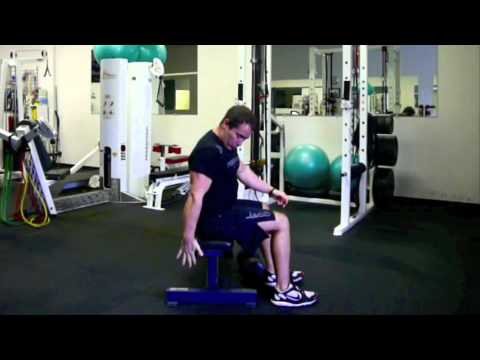
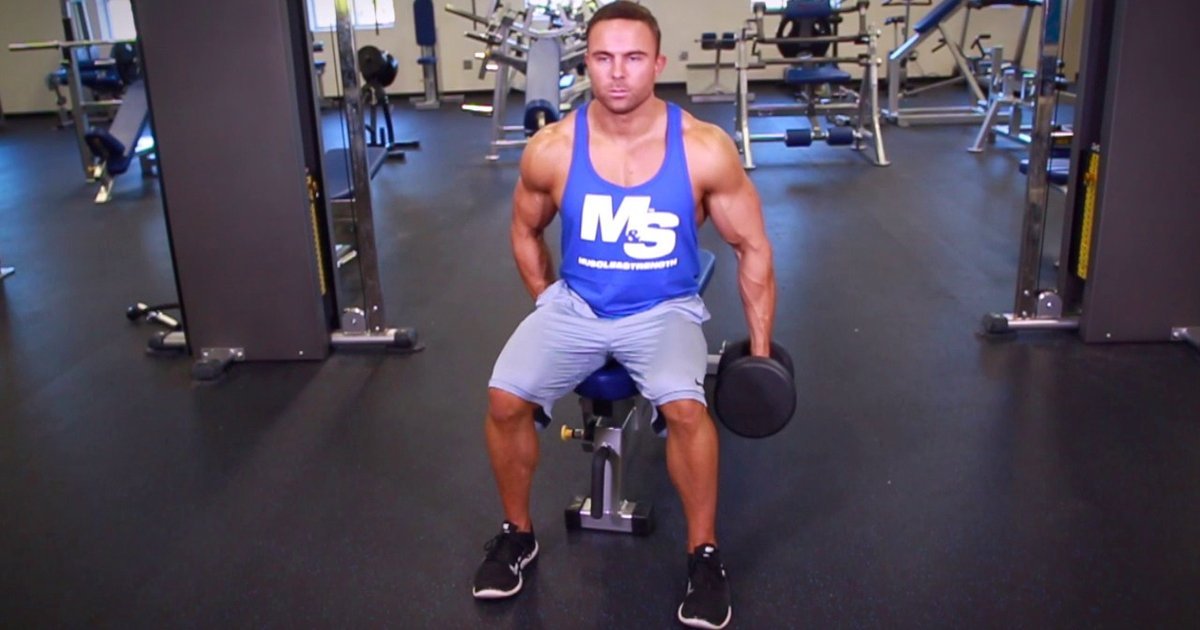
Start by distinguishing this exercise from an ordinary two-dumbbell shrug. In the seated supported version, only one hand holds the external weight. The other hand anchors to the bench behind the hip. The loaded shoulder lowers and rises while the torso stays supported. The upper trapezius contributes to shoulder elevation; the grip and supporting side also have work to do throughout the set.
Demonstrations vary in how much the lifter leans and moves the head. Some pair the rising shoulder with a small same-side head tilt and reverse that relationship during the descent. More elaborate modified versions also add neck flexion, extension and rotation. These are meaningful changes, not details to mix randomly between repetitions. Choose one clearly taught version and keep its demands within a comfortable range.
A useful learning priority is to make the shoulder move without turning the set into a side bend, elbow curl or heave. Begin with a light weight and a modest range. Adding an aggressive neck stretch does not establish better training. The loaded shoulder and head do not need to collide, and the dumbbell does not need to travel an impressive distance to make the repetition recognizable.
Treat the exercise as an optional upper-trap accessory, not proof that ordinary shrugs are obsolete. The supported position can make one side easier to observe, but it also adds a support-hand demand that some lifters dislike. A simpler standing shrug may be easier to load consistently. Neither the unusual name nor a strong sensation establishes superior growth, better posture or protection from contact-sport injuries.
Build a bench and dumbbell setup you can repeat
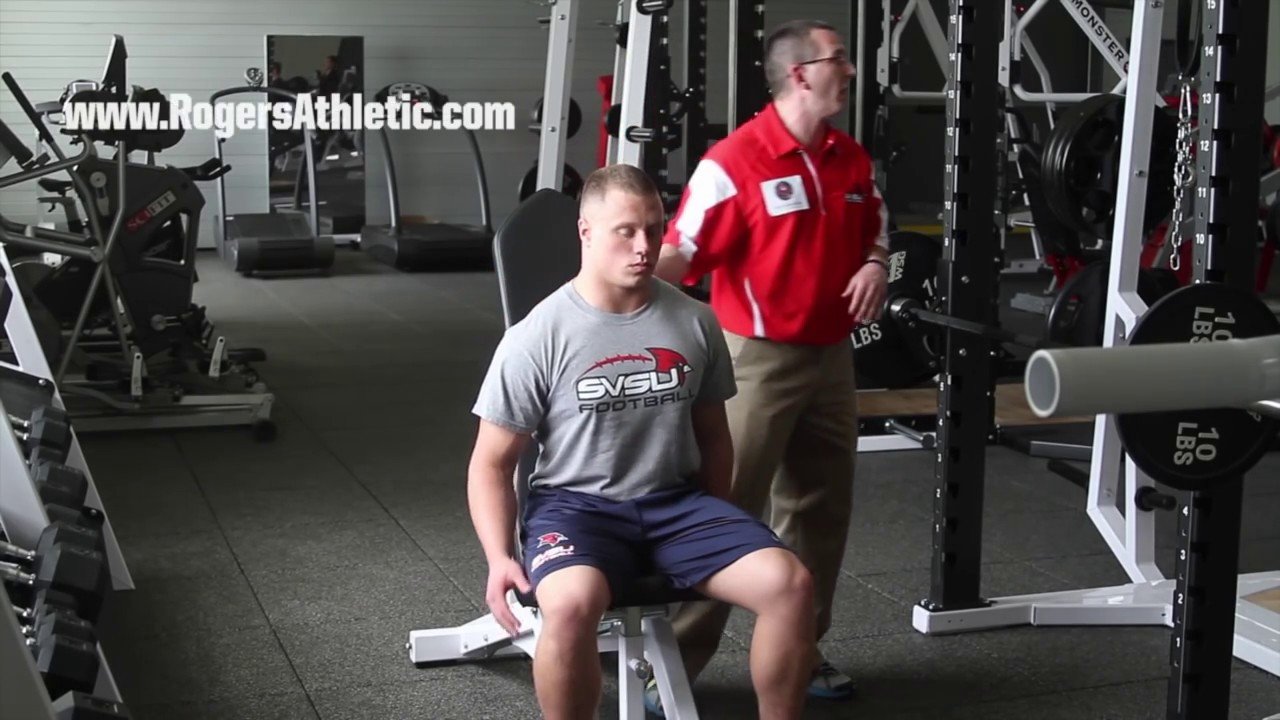
Use a stable bench with a reachable, secure handhold. Sit so that your feet remain planted and the dumbbell can hang beside you without striking the seat, frame or floor. Check the handhold before picking up the working weight. Gripping flexible upholstery or a loose adjustment part is different from holding a solid structural edge. The bench must remain steady when you load one side.
Choose a weight that you can lift into position and set down deliberately. Long adjustable handles or large plates may interfere with the bench even when the weight itself feels manageable. Inspect the implement and use compatible loading hardware according to its instructions. The equipment shown in a product card is an option to evaluate, not confirmation that every possible configuration will clear your bench.
Place the free hand behind the hip on the bench and establish support without twisting the trunk. Let the working arm hang relatively long, with the palm facing inward. Start upright enough to remain balanced. If your chosen version uses a slight lean, set it before the repetition and maintain it rather than progressively tipping farther toward the dumbbell as the set becomes difficult.
Test a few light repetitions on both sides. Notice whether the seat height changes your foot pressure or whether one hand has a worse grip on the bench. Write down the bench position and which edge you hold. Changing the setup every session makes the training log less informative: an extra repetition may reflect a shorter movement or easier support position rather than improved capacity.
Raise the shoulder without turning it into a curl
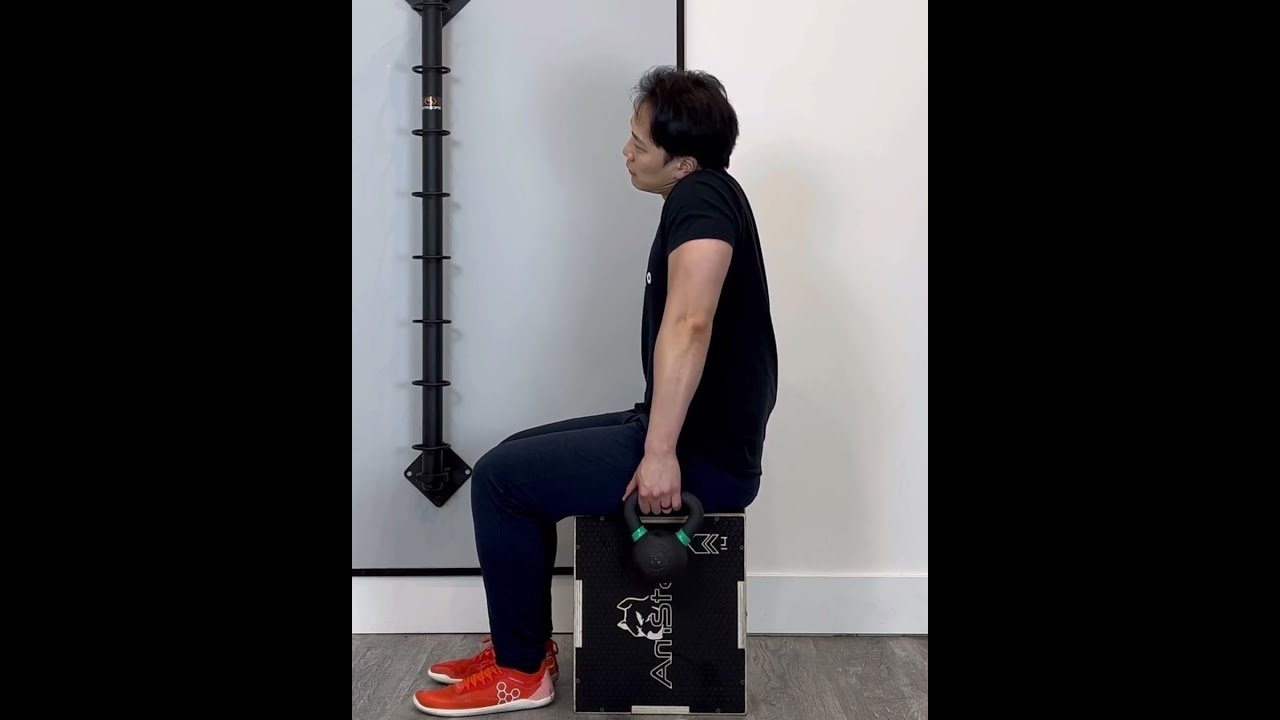
Let the loaded shoulder lower under control, then elevate it through a range you can manage smoothly. Keep the hand beneath the shoulder and avoid deliberately bending the elbow to bring the dumbbell upward. The arm carries the load while the shoulder supplies the shrug. A small pause near the top can help you identify where the elevation ends and other movements start taking over.
Lower with the same attention you use to lift. Do not suddenly release the shoulder into a hard bottom position or bounce out of the stretch. If you cannot control the descent, reduce the load or shorten the set. The sensation of a strong stretch is feedback about the position; it is not a requirement to sink as far as possible on every repetition.
Keep the support hand active enough to stabilize you without using it as a lever to push the whole torso upward. Watch for a rising hip, a trunk twist or a sudden change in foot pressure. Those changes can move the weight while obscuring what the loaded shoulder is doing. Re-establish the starting position between repetitions if needed rather than accumulating increasingly different movements.
Use a comfortable breathing rhythm and avoid holding your breath through an entire accessory set. Film a short trial from the front or slightly behind after placing the camera safely outside the working area. Review it only once the weight is down. Compare the first and final repetitions for shoulder travel, elbow bend and torso position instead of trying to estimate effort from facial expression.
Keep head position deliberate and identify the limiting factor
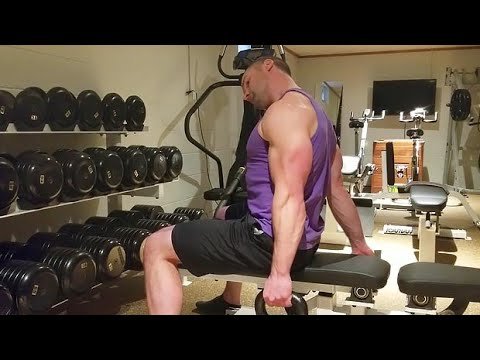
The head-motion component deserves its own decision. A small, comfortable tilt that accompanies the shrug is different from forcing a loaded end-range stretch or combining several neck motions at once. Learn a more complex modified version separately if you want to use it. Do not copy a thumbnail pose and assume it shows the full movement, the correct range for you or an appropriate working weight.
If the added head movement feels awkward, simplify the exercise rather than trying to push through it. A neutral-head supported shrug or an ordinary dumbbell shrug can provide a clearer practice task. Stop for pain, dizziness, tingling or other unusual symptoms. A lifting accessory should not become a self-directed treatment experiment for persistent neck pain or headaches; those concerns need an individual assessment.
Grip fatigue can arrive on either side. One hand holds the dumbbell, while the other maintains the support position and may never fully relax. Note which hand actually limits the set before deciding that the working trap needs more load. Straps may change the holding demand on the weighted side when used correctly, but they cannot fix an unstable bench or an uncomfortable support-hand position.
Avoid treating every difference between sides as a diagnosis. Begin with the side that is harder to coordinate and use comparable controlled repetitions on the other side. If setup, grip or comfortable range differs, record that detail. Do not add extra weight or forced repetitions merely to make the numbers match. Repeatable execution provides more useful information than an artificially symmetrical training log.

Equipment Worth Exploring
Explore equipment, accessories and gear from our carefully selected range.


Rubber Hex Dumbbells
Rubber-coated hex dumbbell pairs with a stable shape for home and commercial strength training.



FID Bench MAX
Adjustable bench offering flat, incline, and decline positions + adjustable headrest.


Multi Bench MBX-650 2.0
Adjustable multi-bench with roller adjustment, 15 backrest positions and accessory mounts.

Leather Lifting Straps
Padded leather straps support grip during heavy rows, deadlifts and pulling exercises.

Leather Wrist Grips
Padded leather lifting grips help support the hands and wrists on heavy pulling exercises.

Progress a small accessory dose inside a balanced program
A conservative first trial is one or two sets per side with a light load, stopping while you could still perform several comparable repetitions. For example, eight to twelve controlled reps can give you enough practice to assess the setup without turning the set into a grip contest. This is an illustrative learning dose, not a research-established optimum or a promise that a particular repetition range produces better traps.
Keep the same equipment and movement definition for several sessions. Add repetitions only while shoulder travel, support and descent remain comparable. Once the chosen range feels repeatable, consider the smallest practical weight increase and reassess the whole set. If the heavier dumbbell shortens the movement or requires a stronger lean, the number on the handle has increased but the exercise has also changed. For instance, log ten repetitions with a controlled return rather than writing only the weight. If the next session reaches eleven with the same support and range, that is a clearer comparison than jumping to a heavier implement for six shortened reps. Record equipment adjustments separately so the change remains visible.
Place the trial where existing fatigue will not hide the movement you are learning. Heavy deadlifts, carries and rows can leave your hands or upper back tired before shrugs begin. That does not make the combination wrong, but it changes how you interpret performance. Compare sessions with similar exercise order and recovery. Keep pulling, pressing and the rest of your program balanced rather than replacing everything with a new accessory.
After a few weeks, judge the exercise by a clear purpose: can you train shoulder elevation comfortably and progress a consistent setup? A strong pump or next-day soreness is not required to answer that question. If grip or neck coordination repeatedly dominates the set, choose a simpler variation. The best addition is one you can perform, recover from and track reliably alongside the training that already matters to you.

Funny Gym Shirts & Workout Gear
Funny gym shirts, tanks, hoodies and workout gear for lifters who like training hard.

Nice Traps Big Back Tee
Heavy lifts, good laughs, and a little “Nice Traps Big Back” energy.

Grip Training Essential Gymbro Jumper & T-Shirt
For laid-back days and lifting humor: “Grip Training Essential”.


Dumbbell Meme Shirt – Essential & Gymbros Seeking T-Shirt
Make gym days more fun with “Dumbbell Gym Meme” style.

Shirt – Liftionaire Golden Dumbbell Gymbros & Gains T-Shirt
Make gym days more fun with “Liftionaire Golden Dumbbell” style.

Heart And Brains Dumbbell Meme : The Ultimate T-Shirt
Make gym days more fun with “Heart and Brains Dumbbell Gym Meme” style.

Gym Is My Happy Place Happy Weights Emoji Weight Plate T-Shirt
Make gym days more fun with “Gym Is My Happy Place” style.

Dumbbell Heartbeat Hooded Pullover Fitness Fans Hoodie
Stay casual and show some bodybuilding attitude with “Dumbbell Heartbeat”.


Meme Pink Dumbbells Top & Gymbros T-Shirt
Rep “Pink Dumbbells” humor in and out of the gym.